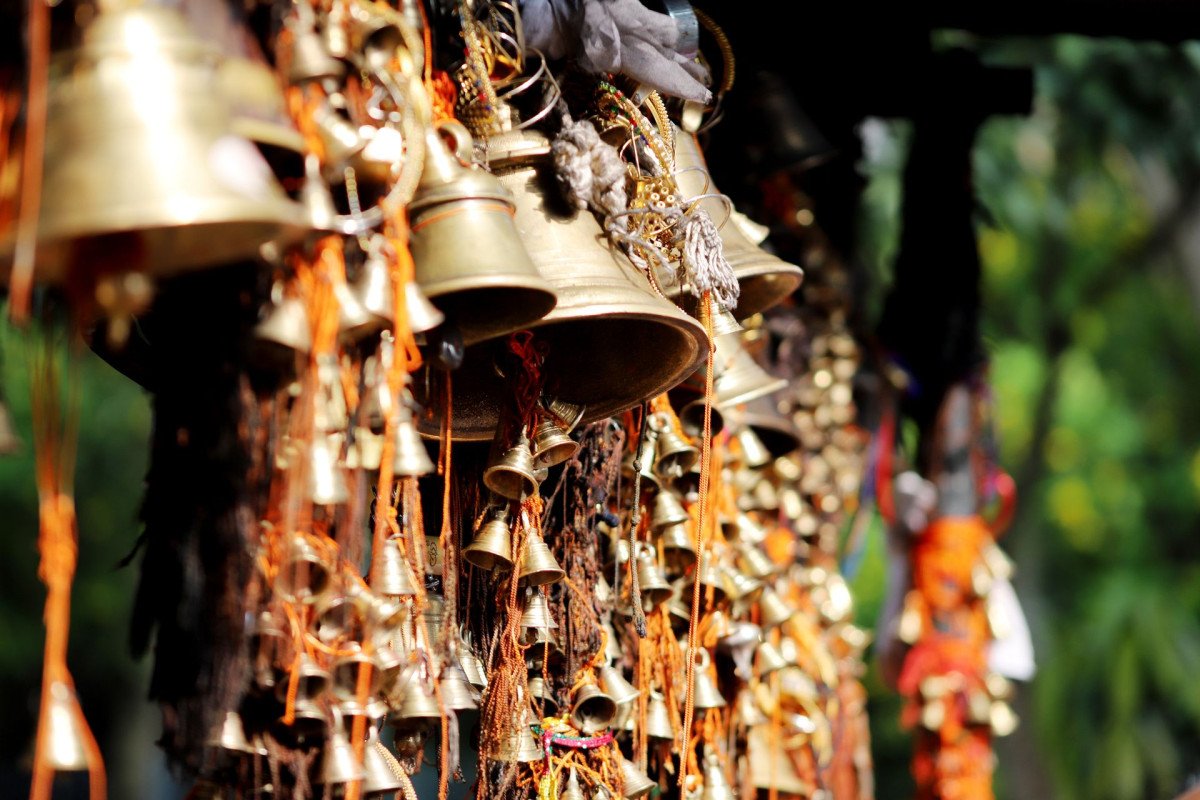
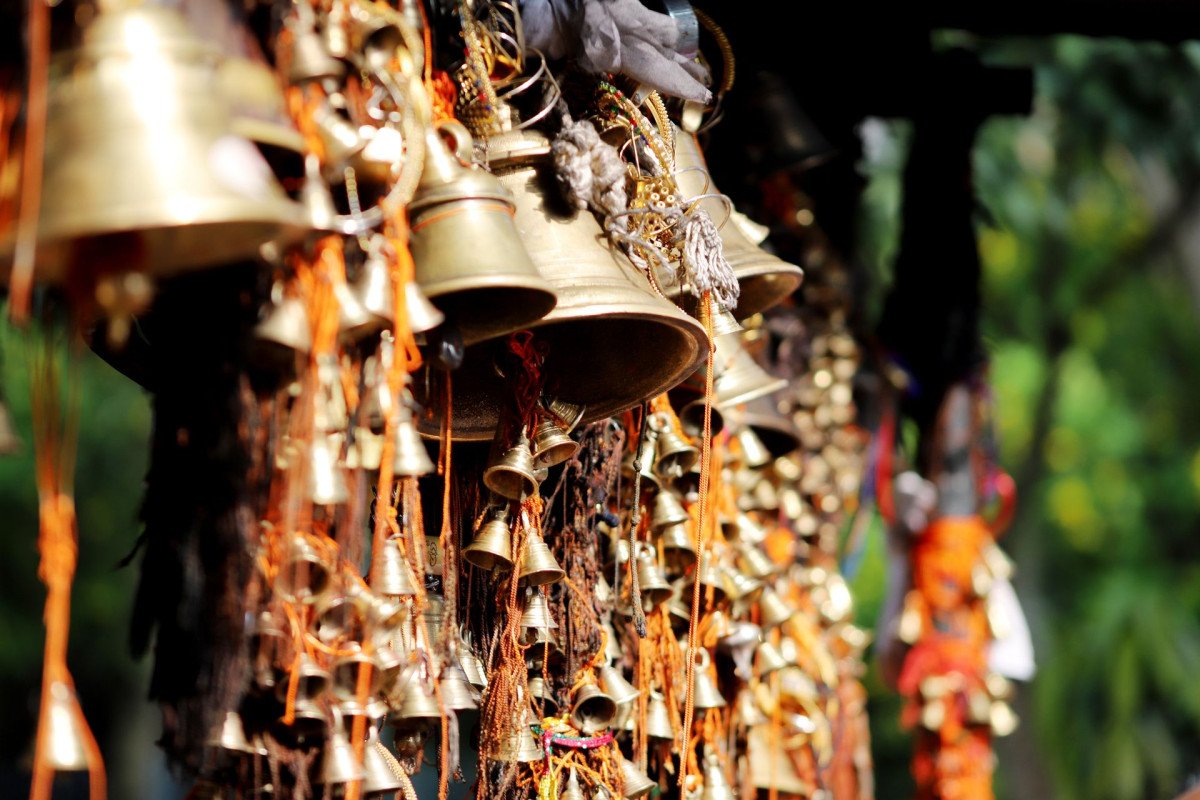
Kalaram Temple
General information
-
Ideal Duration:
1 to 2 Hours:Place Type:
Temple, Religious, Historical:Entry Fees:
Standard Entry:There are No Entry Fees for general Darshan (viewing) at the Kalaram Temple. Access to the main shrine and the courtyards is free for all devotees and tourists, reflecting its status as a major public religious institution.
Sita ...Standard Entry:There are No Entry Fees for general Darshan (viewing) at the Kalaram Temple. Access to the main shrine and the courtyards is free for all devotees and tourists, reflecting its status as a major public religious institution.
Sita Gufa Fee:There may be a small, nominal fee (often less than Rs.5 or Rs.10) charged by the local caretakers for entering the nearby Sita Gufa, which is an optional, separate experience. This fee is often for maintenance and lighting.
Donations:Donations for Pujas (rituals), Aarti participation, or temple maintenance are Voluntary. There are designated donation counters for devotees who wish to contribute towards the temple's upkeep. Official receipts are provided for major donations.
End:Timing:
Regular Timings:The temple typically opens from around 5:00 AM or 6:00 AM for the first aarti and remains open until 9:00 PM or 10:00 PM after the last aarti. The temple remains open throughout the day, though Darshan might be slightly restricted during midday Bhog (offeri...Regular Timings:The temple typically opens from around 5:00 AM or 6:00 AM for the first aarti and remains open until 9:00 PM or 10:00 PM after the last aarti. The temple remains open throughout the day, though Darshan might be slightly restricted during midday Bhog (offering) times.
Ideal Visit Time:The Ideal Visit Time is during the Early Morning (6:00 AM to 8:00 AM) for a peaceful, uncrowded Darshan and to witness the auspicious morning aarti. Late Afternoon (4:00 PM to 6:00 PM) is also a pleasant time to visit before the evening rush. It is best to avoid the midday sun, especially in summer.
Best Season:The Winter Months (October to March) are the best, offering the most comfortable weather for walking around the complex and engaging in the spiritual activities of the Panchavati area.
End:Special Events:
Ram Navami Utsav:The most significant special event is the grand celebration of Ram Navami (the birth of Lord Rama), which typically falls in the Hindu calendar month of Chaitra (March or April). The festival is marked by elaborate decorations, special pujas, mass feeding,...Ram Navami Utsav:The most significant special event is the grand celebration of Ram Navami (the birth of Lord Rama), which typically falls in the Hindu calendar month of Chaitra (March or April). The festival is marked by elaborate decorations, special pujas, mass feeding, and a grand Rath Yatra (chariot procession) that passes through Panchavati.
Dussehra (Vijayadashami):Dussehra is also celebrated with great fervor, marking the victory of Lord Rama over Ravana. The entire temple complex is illuminated, and special religious discourses are held, attracting large crowds.
Shivaratri:Although dedicated to Lord Rama, the festival of Maha Shivaratri is also observed, especially with visitors going between Kalaram Temple and the nearby Kapileshwara Temple (a Lord Shiva temple).
End:Best Photo Spots:
(Approx ) The Gold-Plated Peak:The majestic 70-foot high gold-plated Shikhara is the temple's most striking photographic element. Capture the shining peak from a distance, framed against the blue sky or the surrounding buildings of Panchavati. The peak is a powerful symbol...(Approx ) The Gold-Plated Peak:The majestic 70-foot high gold-plated Shikhara is the temple's most striking photographic element. Capture the shining peak from a distance, framed against the blue sky or the surrounding buildings of Panchavati. The peak is a powerful symbol.
The Main Entrance Archway:The grand main entrance gate, often adorned with traditional art and flanked by imposing walls, provides an excellent perspective for framing the temple. Use the archway to lead the viewer's eye toward the inner courtyard.
The 96 Pillar Hall:The interior hall, with its grid of 96 intricately carved black basalt pillars, offers unique opportunities for geometric and high-contrast photography (if permitted). Capturing the depth and symmetry of the hall is a must. Focus on the detail of the carvings with a close-up lens.
Temple and Ramkund View:From the banks of Ramkund, a photograph that captures the reflection of the temple structure in the holy water is particularly beautiful and symbolic. The area around the temple complex offers various vantage points for capturing the overall spiritual ambiance of Panchavati.
End:Photo Gallery
Things To Do
-
Performing Darshan of the Deities:The main focus is to perform Darshan of the central black stone idols of Lord Rama, Sita, and Lakshmana. Stand in quiet reverence, absorbing the spiritual energy of the sanctum. Also, pay respect to the majestic black stone idol of Lord Hanuman facing Lord Rama at the entrance.
Exploring the Architecture and Pillars:Spend time walking around the main hall to admire the architectural symmetry and the impressive array of 96 black basalt pillars. Study the meticulous carvings on the pillars and walls, which depict various Hindu mythological figures and scenes, showcasing the Hemadpanthi style craftsmanship.
Circumambulation (Parikrama):Perform a clockwise Parikrama (circumambulation) of the temple structure. This traditional ritual is an act of respect. The oute...Performing Darshan of the Deities:The main focus is to perform Darshan of the central black stone idols of Lord Rama, Sita, and Lakshmana. Stand in quiet reverence, absorbing the spiritual energy of the sanctum. Also, pay respect to the majestic black stone idol of Lord Hanuman facing Lord Rama at the entrance.
Exploring the Architecture and Pillars:Spend time walking around the main hall to admire the architectural symmetry and the impressive array of 96 black basalt pillars. Study the meticulous carvings on the pillars and walls, which depict various Hindu mythological figures and scenes, showcasing the Hemadpanthi style craftsmanship.
Circumambulation (Parikrama):Perform a clockwise Parikrama (circumambulation) of the temple structure. This traditional ritual is an act of respect. The outer path allows you to appreciate the scale of the 70-foot high structure and its boundary wall.
Visiting the Sita Gufa:Make sure to visit the nearby Sita Gufa (Sita's Cave). It requires descending a narrow staircase, which is an experience in itself. Inside, offer prayers to the idols and the Shivlinga. Be prepared for a small, enclosed space, and remove footwear before entry.
Taking a Dip in Ramkund:Walk a short distance to the sacred Ramkund in Panchavati, the holiest spot in Nashik, believed to be where Rama took his bath. While not mandatory, taking a holy dip (Snan) or simply sprinkling the water on your head is a highly revered activity for pilgrims. Observe the rituals being performed by other devotees.
Attending Aarti and Rituals:Attend the morning or evening Aarti (prayer ceremony) to witness the temple come alive with devotional chants and music. The atmosphere is very vibrant and spiritually uplifting during these special times. Check the schedule upon arrival.
Exploring Panchavati's Temples:Use the central location to visit other important, nearby temples in Panchavati, such as the Kapileshwara Temple and the Ganga Godavari Temple, making your trip a comprehensive spiritual journey through the heart of Nashik.
End:
Information
-
Why Famous:
The Black Idol:The primary fame comes from the unique black stone idol of Lord Rama (Kalaram), which gives the temple its name, a highly revered artifact believed to have been miraculously retrieved from the Godavari River.
Rama's Exile Location...The Black Idol:The primary fame comes from the unique black stone idol of Lord Rama (Kalaram), which gives the temple its name, a highly revered artifact believed to have been miraculously retrieved from the Godavari River.
Rama's Exile Location:The temple's location in Panchavati is historically significant as it is believed to be the spot where Lord Rama, Sita, and Lakshmana resided during their exile, drawing in pilgrims seeking a connection to the Ramayana epic.
Ambedkar's Satyagraha:The 1930 Satyagraha led by Dr. B. R. Ambedkar for Dalit entry is a monumental event in India's social reform movement. This history makes the temple a crucial site of social as well as religious importance.
Architectural Grandeur:Its impressive 70-foot height, solid black basalt stone construction, 96 pillars, and the majestic 32-ton gold-plated peak make it a spectacular and famous example of Hemadpanthi architecture.
End: -
Architecture:
Style and Material:The Kalaram Temple is a magnificent example of the Hemadpanthi architectural style, which is prominent in Maharashtra. It is built entirely of durable black basalt stone, contributing to its distinct and imposing appearance. This black stone constructio...Style and Material:The Kalaram Temple is a magnificent example of the Hemadpanthi architectural style, which is prominent in Maharashtra. It is built entirely of durable black basalt stone, contributing to its distinct and imposing appearance. This black stone construction is the source of the deity and the temple's name (Kala meaning black).
Dimension and Layout:The temple soars to a majestic height of 70 feet. The complex covers an area of nearly 70,000 square feet and is surrounded by a sturdy 17-foot-high wall. The temple features four entrance doors, each facing a cardinal direction (North, South, East, and West), symbolizing inclusivity. The interior hall is supported by a remarkable array of 96 pillars, a key architectural highlight, all meticulously carved.
Distinguishing Features:The temple is crowned by a gleaming, iconic gold-plated peak (or Shikhara) that weighs an impressive 32 tons, shining brightly under the sun and offering a striking visual contrast to the black stone below. The meticulous chiseling of every black stone block demonstrates the skill and devotion of the 18th-century craftsmen.
End: -
How To Reach:
By Air:The nearest airport is Nashik's Ozar Airport (ISK), approximately 25 KMS away. From the airport, a pre-booked taxi or an app-based cab is the best way to reach Panchavati. The journey takes about 45 minutes to an hour, depending on city traffic.
Read MoreBy Air:The nearest airport is Nashik's Ozar Airport (ISK), approximately 25 KMS away. From the airport, a pre-booked taxi or an app-based cab is the best way to reach Panchavati. The journey takes about 45 minutes to an hour, depending on city traffic.
By Train:The nearest major railway station is Nashik Road Railway Station (NK), located approximately 10 KMS from the temple. Since the temple is in a central location, numerous options like prepaid taxis, local taxis, and auto-rickshaws are available outside the station. The drive should take about 20-30 minutes.
By Road:The temple is situated in the heart of Panchavati, making it easily accessible from all parts of Nashik city. It is only about 1 KM from the main city center. Visitors driving their own vehicles should note that parking can be challenging in the narrow, crowded streets of Panchavati. It is best to park at a designated spot nearby and walk.
By Local Transport:Being centrally located, the temple is highly accessible by local transport. Frequent city bus services from the Central Bus Stand run close to Panchavati. Auto-rickshaws are abundant, and app-based cabs like Ola and Uber operate actively in this area. It is one of the easiest places to reach in Nashik.
End:Weather and Best Time to Visit:
Different Types of Seasons:The Winter Season (October to March) is the most highly recommended period. The weather is cool and pleasant, with average temperatures perfect for spiritual excursions, exploring Panchavati, and attending outdoor festivals like Ram Navami (if it...Different Types of Seasons:The Winter Season (October to March) is the most highly recommended period. The weather is cool and pleasant, with average temperatures perfect for spiritual excursions, exploring Panchavati, and attending outdoor festivals like Ram Navami (if it falls in March). The Monsoon Season (June to September) makes the river and surrounding greenery beautiful, but heavy rains can disrupt rituals at Ramkund. The Summer Season (April to May) is hot, with intense sun, making the temple's black stone surfaces and open areas uncomfortable; indoor visits are possible, but outdoor waiting is discouraged.
Different Parts of the Day:The Early Morning (6:00 AM to 8:00 AM) is the Best part of the day, offering a tranquil environment, minimal crowds, and the opportunity to participate in the first aarti. This is ideal for deep spiritual experience. The Late Evening (7:00 PM to 9:00 PM) is also atmospheric, with the temple lights on, but it can be crowded. Avoid the crowded, hot midday period between 10:00 AM and 4:00 PM.
End:Near Tourist Places:
Ramkund (100 meters), Kapileshwara Temple (200 meters), Sita Gufa (50 meters), Panchavati area (Surrounding), Sundar Narayan Temple (1. 5 KMS), Naroshankar Temple (1. 5 KMS), Godavari River Ghats, Veda Mandir (3 KMS), Nashik City Centre Mall (3 KMS), Pandavleni Caves (8 KMS).Tourism Tips
-
Health & Safety:Wear modest clothing that covers your shoulders and knees, as is customary in Hindu temples. Be prepared to walk barefoot and be careful of the temple's black stone surfaces, which can be slippery if wet and hot if exposed to the summer sun; wear socks. B...Health & Safety:Wear modest clothing that covers your shoulders and knees, as is customary in Hindu temples. Be prepared to walk barefoot and be careful of the temple's black stone surfaces, which can be slippery if wet and hot if exposed to the summer sun; wear socks. Beware of pickpockets in crowded areas like the Ramkund bank. Carry drinking water, especially if visiting in summer.
Packing Essentials:Carry a small bag for your essentials and leave all valuable items at your accommodation, as the area around Ramkund is very crowded. A camera is useful for exterior shots. Ensure your mobile phone is on silent inside the temple. Photography inside the inner sanctum is strictly prohibited.
Accommodation:Since the temple is in the central Panchavati area, a vast range of hotels and guesthouses are available within walking distance or a short drive. Accommodation can be booked from luxury to budget. Book well in advance if visiting during major festivals like Ram Navami or Kumbh Mela as the area becomes extremely congested.
Other Tips - Local Etiquette:Respect the local customs, especially around the sacred Ramkund. Do not throw garbage or offerings directly into the river. Be patient with the crowds, particularly on Mondays and during festivals. Hire a registered, official guide only if you wish for in-depth historical details, but most information is available on plaques. Be prepared for narrow streets and traffic congestion in Panchavati.
End:
Reviews
FAQs
Nashik Itineray And Cost:-
Information about New and Updated Locations() of Maharashtra Has Been Added :-
Card subtitle
Note:-
Information provided here in good Faith and for reference only.
All information and pictures will be updated soon, please keep visiting.
Near Places
Anjaneri Hills
Some quick example text to build on the card title and make up the bulk of the card's content.
Go somewhere
Artillery Museum
Some quick example text to build on the card title and make up the bulk of the card's content.
Go somewhere
Brahmagiri Mountain
Some quick example text to build on the card title and make up the bulk of the card's content.
Go somewhere
Coin Museum
Some quick example text to build on the card title and make up the bulk of the card's content.
Go somewhere
Deolali Camp
Some quick example text to build on the card title and make up the bulk of the card's content.
Go somewhere
Dugarwadi Waterfalls
Some quick example text to build on the card title and make up the bulk of the card's content.
Go somewhere
Gangapur Dam
Some quick example text to build on the card title and make up the bulk of the card's content.
Go somewhere
Harihar Fort
Some quick example text to build on the card title and make up the bulk of the card's content.
Go somewhere
Jain Mandir
Some quick example text to build on the card title and make up the bulk of the card's content.
Go somewhere
Kalaram Temple
Some quick example text to build on the card title and make up the bulk of the card's content.
Go somewherein Other Cities