


Kalesar Wildlife Sanctuary
General information
-
Ideal Duration:
3-4 hours:Place Type:
Wildlife & Biodiversity Reserve:Entry Fees:
Indians: Approx. INR 20-30 per person.
Foreign Nationals: Approx. INR 100 per person.
Safari: Safaris are typically limited in the Sanctuary; check with the Forest Department.Indians: Approx. INR 20-30 per person.
Foreign Nationals: Approx. INR 100 per person.
Safari: Safaris are typically limited in the Sanctuary; check with the Forest Department.
Videography: Requires a separate fee, approx. INR 100.
Note: The sanctuary is often managed with the adjacent National Park, so fees may be combined or vary slightly.Timing:
Regular Timings: 6:00 AM to 7:00 PM (Daylight Hours).
Ideal Visit Time: Early Morning slot is Best Time for animal movement; the afternoon is good for hiking to the Fort.
Closed Season: Check the status, bu...Regular Timings: 6:00 AM to 7:00 PM (Daylight Hours).
Ideal Visit Time: Early Morning slot is Best Time for animal movement; the afternoon is good for hiking to the Fort.
Closed Season: Check the status, but the park remains Closed for visitors during the peak Monsoon season (July to September).Special Events:
Annual Wildlife Monitoring: The park's management periodically conducts wildlife monitoring and census, providing a rare opportunity to see conservation work in action (if public access is permitted).
Local Fairs at Kalesar Temple: The local...Annual Wildlife Monitoring: The park's management periodically conducts wildlife monitoring and census, providing a rare opportunity to see conservation work in action (if public access is permitted).
Local Fairs at Kalesar Temple: The local community holds traditional fairs near the Kalesar Shiva Temple on religious occasions, providing a cultural spectacle.Best Photo Spots:
View from the Kalesar Fort Ruins: The commanding, 360-degree view of the entire forest and the winding Yamuna River.
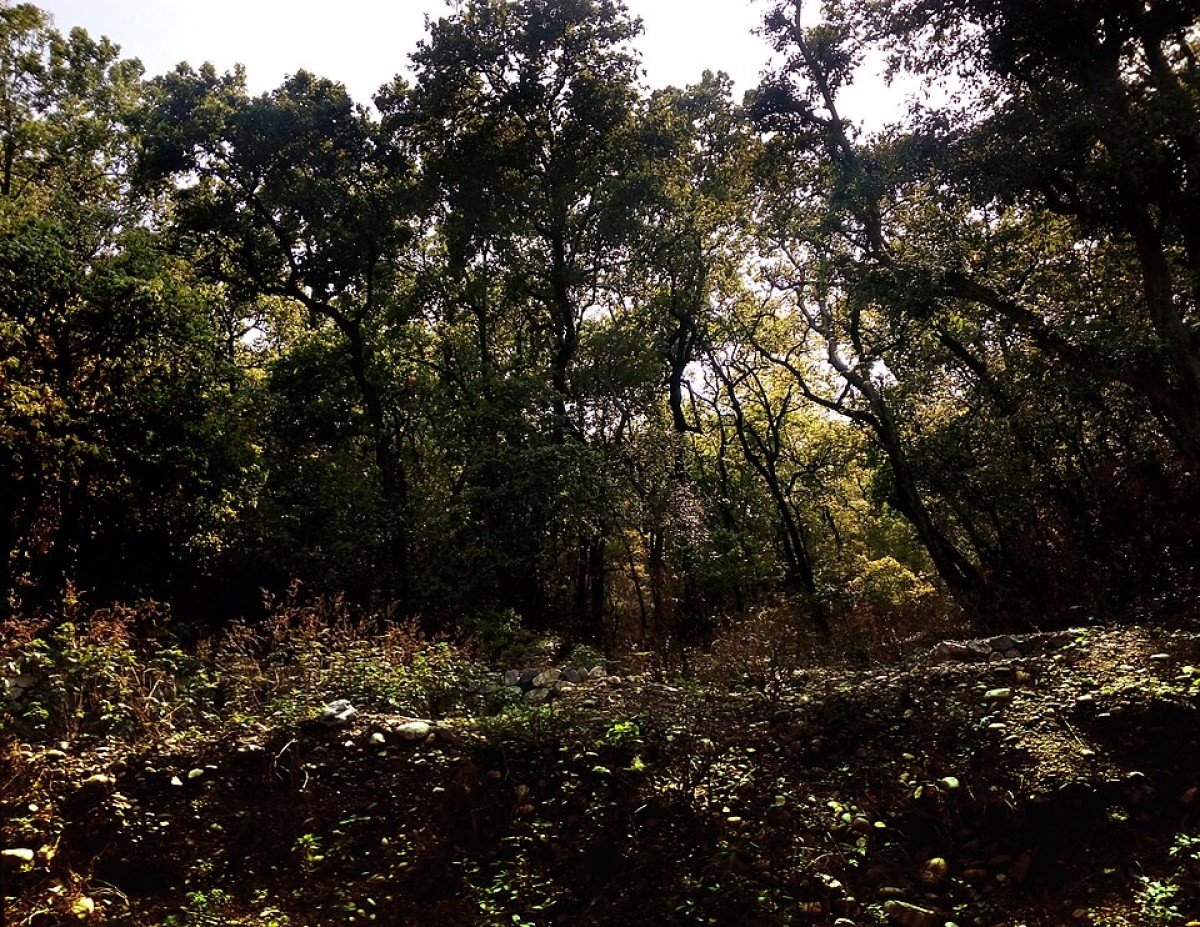
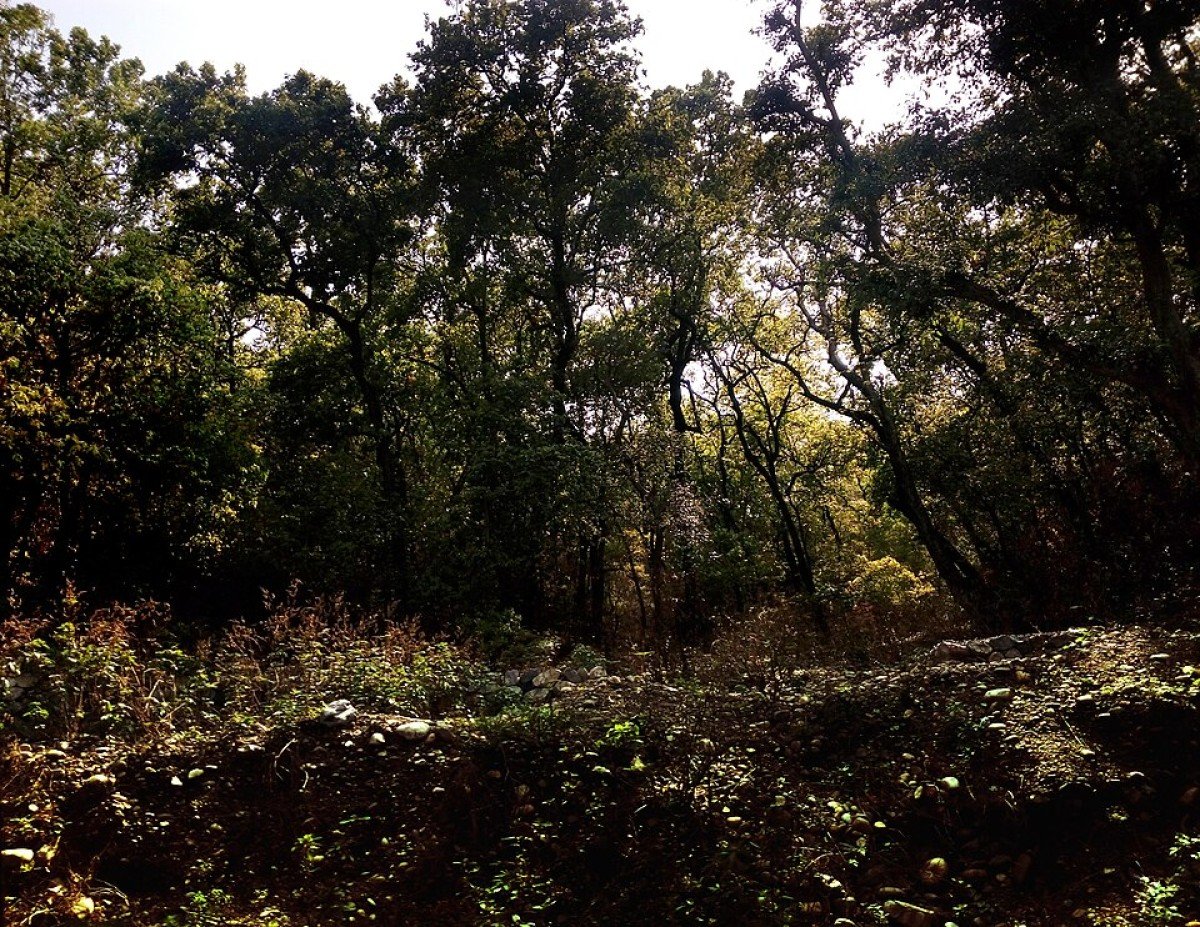
The Dense Sal Forest Interior: Capture the atmosphere of the thick, old-growth forest with sunlight filtering through the ca...View from the Kalesar Fort Ruins: The commanding, 360-degree view of the entire forest and the winding Yamuna River.
The Dense Sal Forest Interior: Capture the atmosphere of the thick, old-growth forest with sunlight filtering through the canopy.
Rocky Terrain and Ghoral Habitat: The distinctive, rugged slopes where the Ghoral resides.
The Historical Dak Bungalow Exterior: Capture the colonial-era charm of the rest houses.Photo Gallery
Things To Do
-
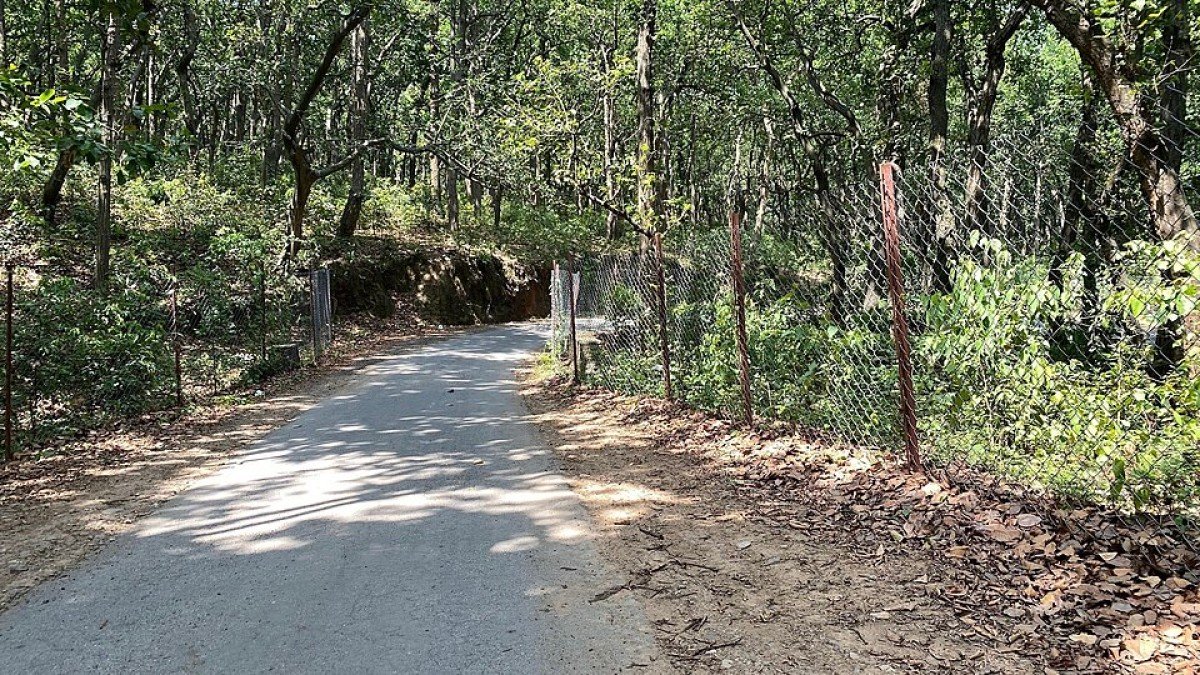
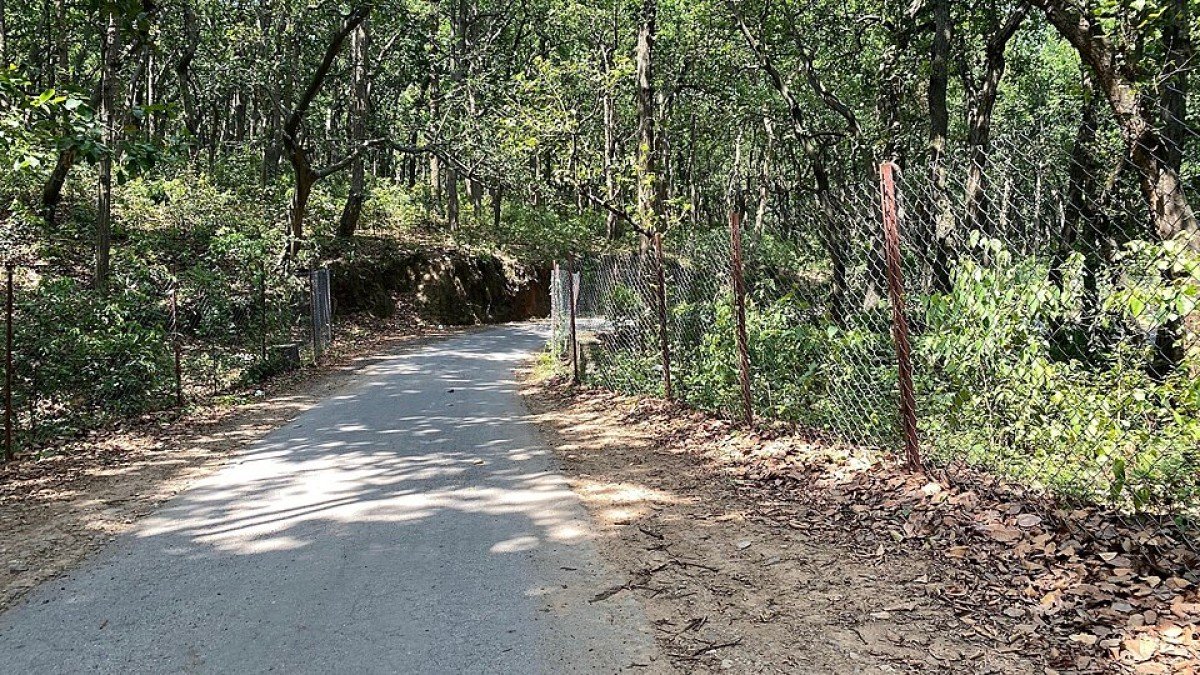
Trekking and Hiking: Explore the approved trekking and hiking trails to experience the diverse landscape of the Shivalik foothills.
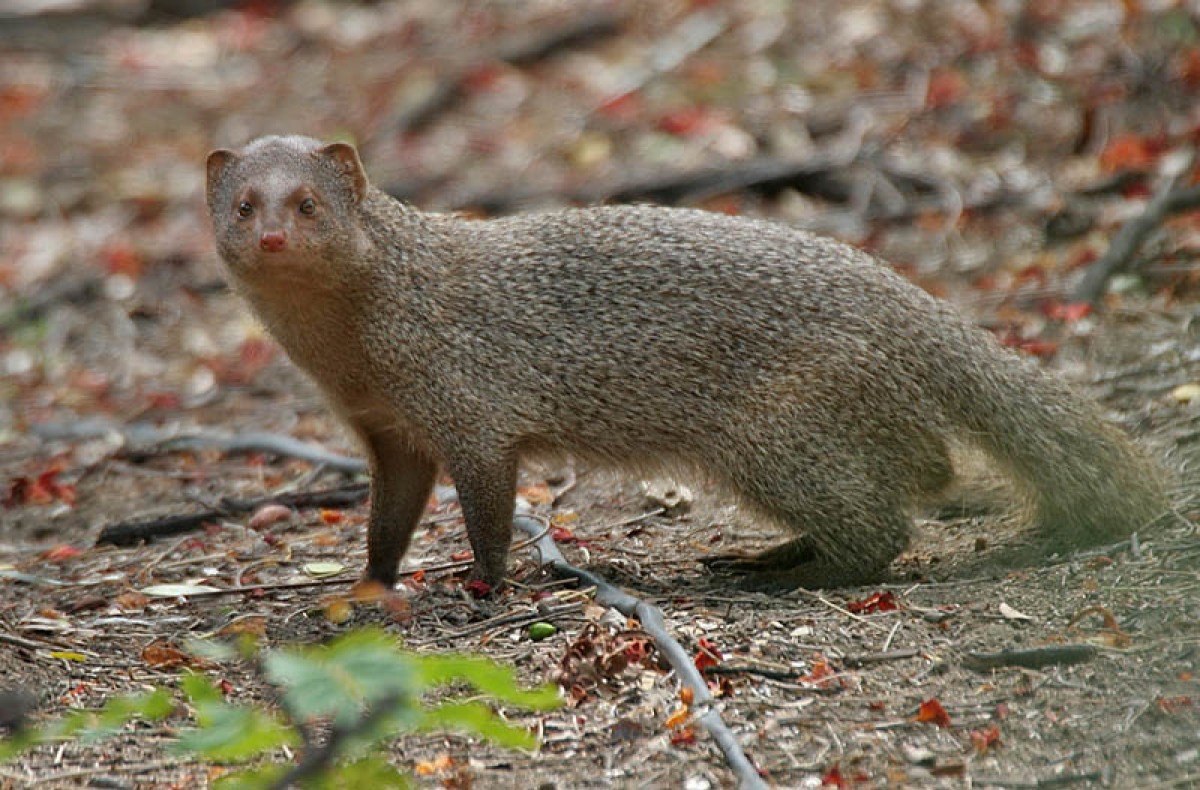
Wildlife Spotting: Keep an eye out for Sambar, Barking Deer, Chital, and the elusive Leopard (especially at night).
Bird Watching: Look for the Red Jungle Fowl, Grey Partridges, and other forest birds.
Visit Kalesar Fort: Hike up to the ruins of the fort for the scenic, commanding view of the area.
Study the Flora: Identify the dense Sal trees and the various medicinal plant species in the rich forest floor.
Photography: Capture the rugged beauty of the rocky slopes and the tranquil, dense forest environment.
Nature Study: Observe th...Trekking and Hiking: Explore the approved trekking and hiking trails to experience the diverse landscape of the Shivalik foothills.
Wildlife Spotting: Keep an eye out for Sambar, Barking Deer, Chital, and the elusive Leopard (especially at night).
Bird Watching: Look for the Red Jungle Fowl, Grey Partridges, and other forest birds.
Visit Kalesar Fort: Hike up to the ruins of the fort for the scenic, commanding view of the area.
Study the Flora: Identify the dense Sal trees and the various medicinal plant species in the rich forest floor.
Photography: Capture the rugged beauty of the rocky slopes and the tranquil, dense forest environment.
Nature Study: Observe the anthills and the climbers that snake up the tree stems, indicative of a healthy forest.
Information
-
Why Famous:
Rich Biodiversity: It is famous for its high concentration of biodiversity, especially the presence of key species like the Ghoral (mountain goat-like ungulate) in its rocky terrain and a significant population of the Red Jungle Fowl.
Home to Ka...Rich Biodiversity: It is famous for its high concentration of biodiversity, especially the presence of key species like the Ghoral (mountain goat-like ungulate) in its rocky terrain and a significant population of the Red Jungle Fowl.
Home to Kalesar Fort: The presence of the historical Kalesar Fort within the sanctuary offers a rare combination of wildlife viewing and historical sightseeing.
Conservation of Medicinal Plants: The sanctuary is a treasure trove of medicinal plants, making it a key site for botanical study and conservation in the region. -
Architecture:
Natural Habitat Management: Like the National Park, its architecture is focused on preserving the natural ecosystem and managing the forest.
Forest Density: The forest coverage is dense, with a focus on the dominant Sal trees, essential for ...Natural Habitat Management: Like the National Park, its architecture is focused on preserving the natural ecosystem and managing the forest.
Forest Density: The forest coverage is dense, with a focus on the dominant Sal trees, essential for its ecosystem.
Kalesar Fort: The sanctuary also houses the historical Kalesar Fort (believed to be Mughal-era, possibly Aurangzeb's), located atop a hill, offering a panoramic view, which represents a unique blend of natural and historical architecture.
Dimension: The Wildlife Sanctuary covers 13,209 acres (53. 45 sq km), slightly larger than the National Park, with an emphasis on preserving the rugged Shivalik slopes and valleys, which are prone to erosion and are ecologically fragile. -
How To Reach:
By Air: Nearest airport is Dehradun's Jolly Grant Airport (DED), approx. 70 KMs. From there, hire a taxi to the sanctuary entrance.
By Train: Nearest major railway station is Yamunanagar-Jagadhri Railway Station (YJUD), approx. 50 KMs. H...By Air: Nearest airport is Dehradun's Jolly Grant Airport (DED), approx. 70 KMs. From there, hire a taxi to the sanctuary entrance.
By Train: Nearest major railway station is Yamunanagar-Jagadhri Railway Station (YJUD), approx. 50 KMs. Hire a taxi directly.
By Road: Located near Hathni Kund Barrage; hire a taxi from Yamunanagar for a comfortable, direct journey.
By Local Transport: Private taxis are the best option. Local transport is available to nearby villages, but the final access to the core area requires a private vehicle or authorized local transport. -
Weather and Best Time to Visit:
October to March: Best Time for pleasant weather, hiking, and clear views from the Fort.
Summer (April to June): Can be very hot; best visited only early in the morning near water sources.
Monsoon (July to Sept...October to March: Best Time for pleasant weather, hiking, and clear views from the Fort.
Summer (April to June): Can be very hot; best visited only early in the morning near water sources.
Monsoon (July to September): Park is often Closed to visitors.
Different Parts of the Day: Morning for the best wildlife sightings; late afternoon for the trek to the Kalesar Fort viewpoint. -
Near Tourist Places:
Kalesar National Park (Adjacent), Hathni Kund Barrage (20 KMs), Ch. Devi Lal Herbal Nature Park (25 KMs), Adi Badri (60 KMs), Shiva Temple Kalesar (Within), Paonta Sahib (Himachal Pradesh, 35 KMs), Simbalbara National Park (Himachal Pradesh, Adjacent), Yamunanagar City Center (50 KMs), Kapal Mochan Kund (65 KMs), Tajewala Barrage (18 KMs - Ruins).
Tourism Tips
-
Health & Safety: Do not stray off the authorized paths, especially during treks. Carry a local guide. Be aware of the presence of Leopards and King Cobras.
Packing: Wear comfortable trekking shoes, bring binoculars, a wide-brimmed hat, and...Health & Safety: Do not stray off the authorized paths, especially during treks. Carry a local guide. Be aware of the presence of Leopards and King Cobras.
Packing: Wear comfortable trekking shoes, bring binoculars, a wide-brimmed hat, and plenty of water.
Accommodation: Forest rest houses are available but require advance booking. Better hotel options are in Yamunanagar or Paonta Sahib.
Other Tips: Inquire about the history of the Kalesar Fort before your visit to appreciate the historical significance of the ruins.
Reviews
FAQs
Yamunanagar Itineray And Cost:-
Kalesar Wildlife Sanctuary Tourism:-
Other Places In Yamunanagar :-
Other States In India :-
Information about New and Updated Locations() of Haryana Has Been Added :-
Card subtitle
Note:-
Information provided here in good Faith and for reference only.
Near Places

Jagadhri Town
Some quick example text to build on the card title and make up the bulk of the card's content.
Go somewhere
O.P. Jindal Park
Some quick example text to build on the card title and make up the bulk of the card's content.
Go somewhere
Panchmukhi Hanuman Mandir
Some quick example text to build on the card title and make up the bulk of the card's content.
Go somewhere
Railway Ground
Some quick example text to build on the card title and make up the bulk of the card's content.
Go somewhere
Sadhaura
Some quick example text to build on the card title and make up the bulk of the card's content.
Go somewhere
Sant Pura Gurudwara
Some quick example text to build on the card title and make up the bulk of the card's content.
Go somewhere
Shani Mandir
Some quick example text to build on the card title and make up the bulk of the card's content.
Go somewhere
Tejli Stadium
Some quick example text to build on the card title and make up the bulk of the card's content.
Go somewhere
Town Park
Some quick example text to build on the card title and make up the bulk of the card's content.
Go somewhere
Upal Universal Mall
Some quick example text to build on the card title and make up the bulk of the card's content.
Go somewherein Other Cities