




Kanpur
General information
-
Ideal Duration:
2 to 3 DaysPlace Type:
Industrial & Heritage CityEntry Fees:
Zoo Entry Fee: Approximately 70 INR for adults and 35 INR for children; additional charges apply for vehicle entry and cameras.
Museum Entry: A nominal fee of 15-20 INR is charged for adults to access the historical galleries in Phool Bagh....Zoo Entry Fee: Approximately 70 INR for adults and 35 INR for children; additional charges apply for vehicle entry and cameras.
Museum Entry: A nominal fee of 15-20 INR is charged for adults to access the historical galleries in Phool Bagh.Timing:
General Timings: Most parks and monuments are open from 9:00 AM to 6:00 PM throughout the week for public visits.
Temple Hours: JK Temple is open from 5:00 AM to 12:00 PM and reopens from 4:00 PM to 10:00 PM daily. ...General Timings: Most parks and monuments are open from 9:00 AM to 6:00 PM throughout the week for public visits.
Temple Hours: JK Temple is open from 5:00 AM to 12:00 PM and reopens from 4:00 PM to 10:00 PM daily.Special Events:
Holi Mela: A week-long celebration unique to Kanpur, where people celebrate with colors long after the actual festival day ends.
Janmashtami at JK Temple: The temple is brilliantly illuminated, and grand rituals are held to celebrate the bir...Holi Mela: A week-long celebration unique to Kanpur, where people celebrate with colors long after the actual festival day ends.
Janmashtami at JK Temple: The temple is brilliantly illuminated, and grand rituals are held to celebrate the birth of Lord Krishna.Best Photo Spots:
JK Temple Facade: The pristine white marble looks stunning during the "Golden Hour" just before sunset, creating a perfect backdrop.
Memorial Church Spire: The red-brick Gothic architecture provides a vintage European feel for history-themed...JK Temple Facade: The pristine white marble looks stunning during the "Golden Hour" just before sunset, creating a perfect backdrop.
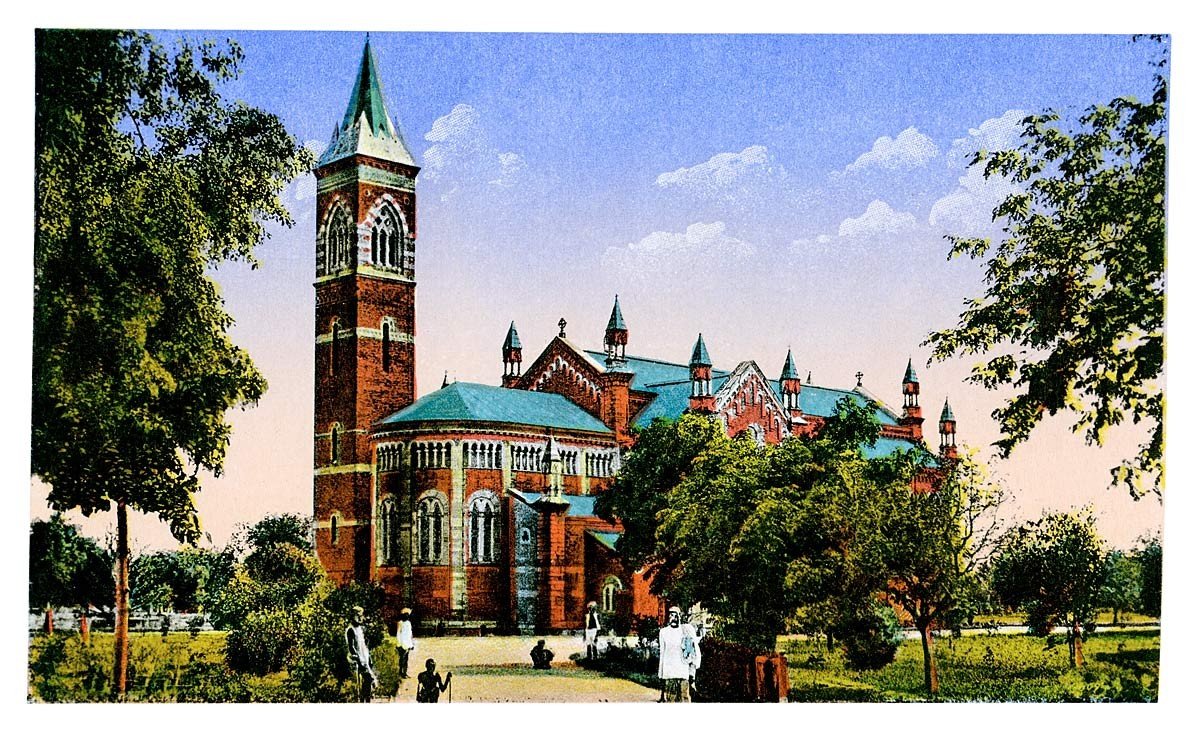
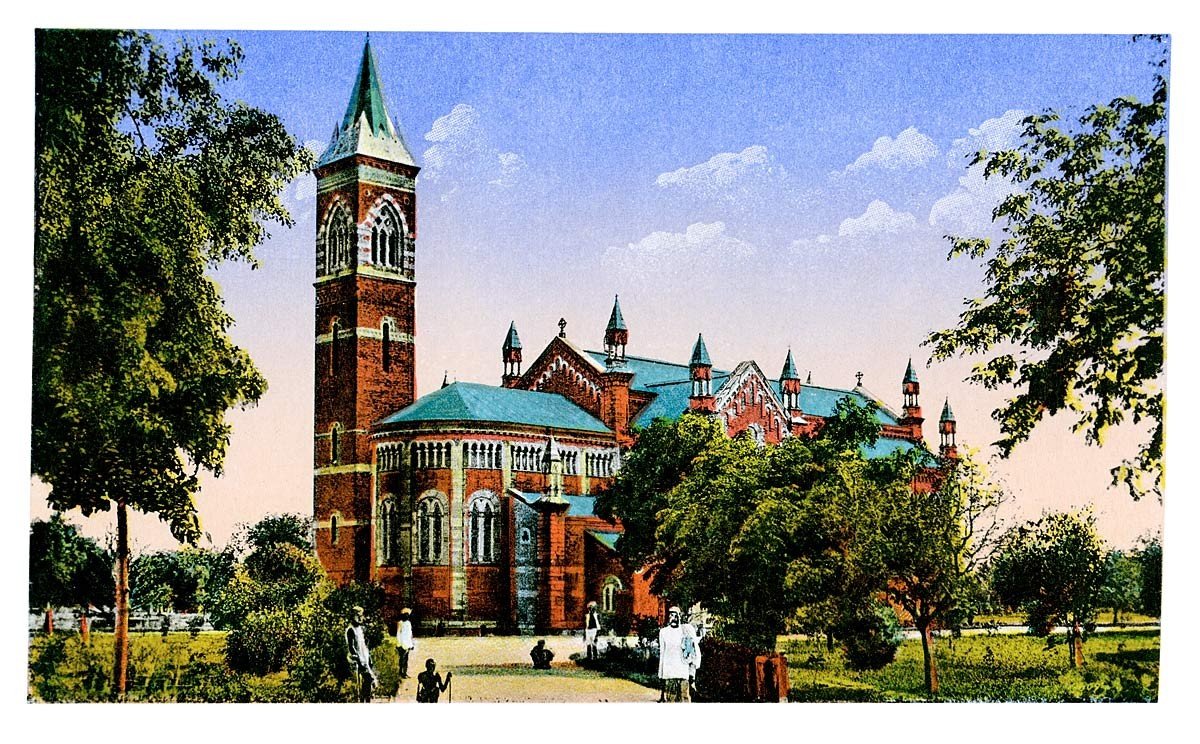
Memorial Church Spire: The red-brick Gothic architecture provides a vintage European feel for history-themed photography in the cantonment area.
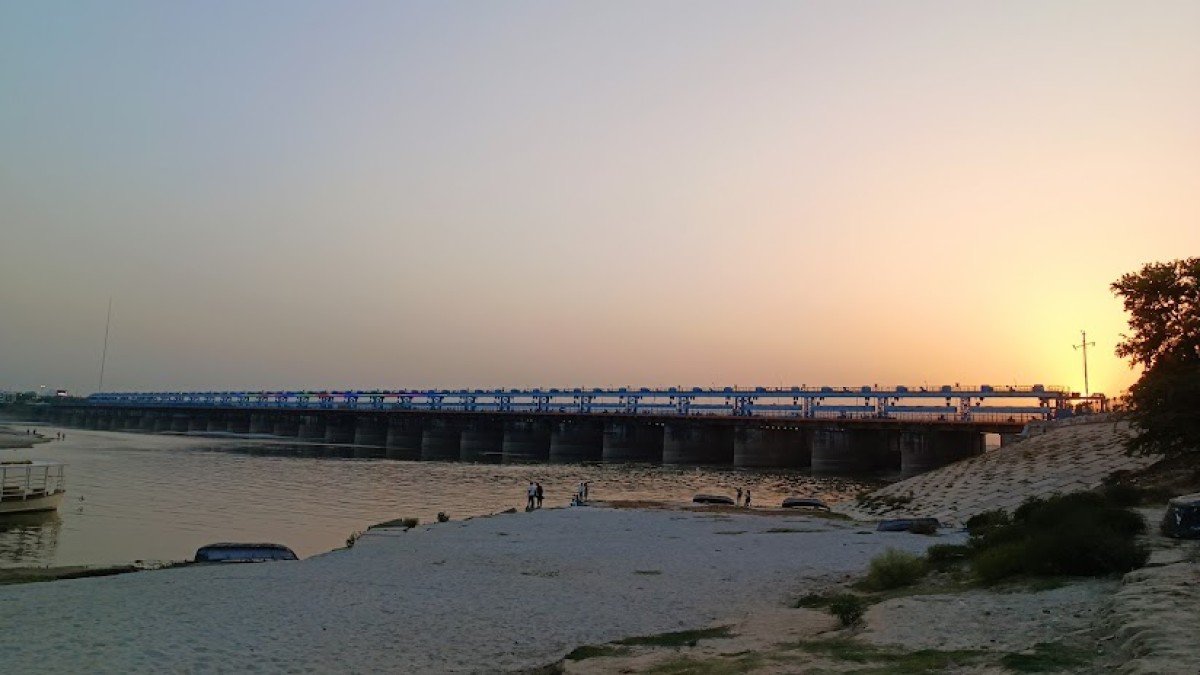
Ganga Barrage: Capture the wide expanse of the river and the sunset over the massive bridge for a scenic landscape shot.Photo Gallery





Things To Do
 The Bhitargaon Temple is a monumental piece of Indian history, standing as the oldest surviving terracotta temple in the country. Built in the 6th Century AD during the golden age of the Gupta Empire, this shrine is primarily dedicated to Lord Vishnu, though it also features depictions of Lord Shiva and Goddess Durga. Unlike many other temples of that era which were made of stone, this structure is unique because it is constructed entirely of large-sized bricks and exquisite terracotta panels. The temple stands as a silent witness to the evolution of Hindu temple architecture, transitioning from simple flat-roofed structures to the elaborate Nagara style. Its survival through centuries of weather and human intervention is nothing short of a miracle. The site was historically significant for being a center of artistic excellence, where local artisans mastered the art of moulding clay into divine forms. Visiting this place feels like stepping back 1500 years into a world where every brick tells a story of devotion and craftsmanship. The temple's exterior is a canvas of mythological stories, showcasing various avatars of Vishnu and scenes from everyday life in ancient India. It remains under the protection of the Archaeological Survey of India (ASI) and continues to be a site of immense interest for historians and pilgrims alike.
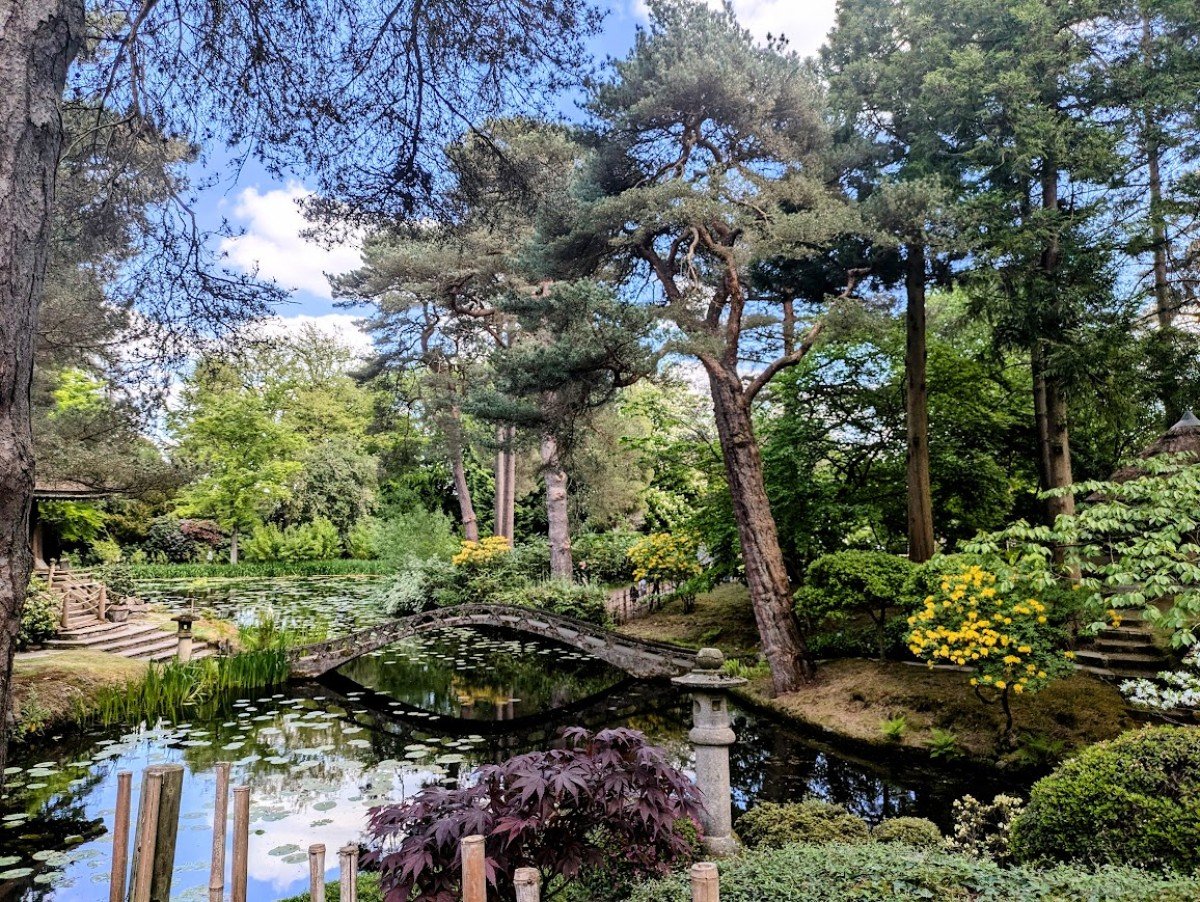
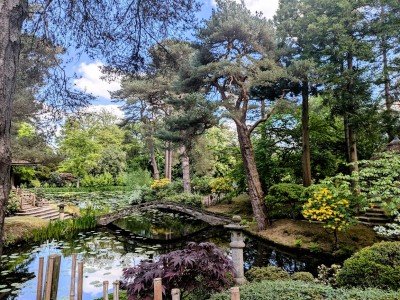 @@An Ideal Sanctuary of Japanese Zen Aesthetics: The Japanese Garden, or Japani Garden, in Kanpur is a serene and meticulously designed public park that offers a tranquil escape right in the heart of the city, adjacent to the famous Moti Jheel. True to its name, the garden is laid out following the fundamental principles of traditional Japanese gardening and Zen aesthetics, which emphasize simplicity, naturalism, and the careful representation of a natural landscape in a miniature form. The vast acres of the park feature thoughtfully manicured lawns, vibrant, seasonal flower beds, and tranquil water bodies, all designed to reflect the calming essence of Japanese design principles—balance, harmony, and serenity. Visitors can wander along winding stone-paved pathways that lead to ornamental bridges (often red, a key element of Japanese design), serene koi ponds, and carefully placed stone lanterns and rock formations that symbolize mountains and other natural elements. The garden is not only a feast for the eyes but also a vital green lung for the city, providing a quiet space for contemplation, meditation, and leisurely activities. It is a highly popular spot for morning walkers, families enjoying picnics, and couples seeking a romantic and picturesque setting. The garden's successful integration of foreign aesthetic principles with local horticulture creates a unique and peaceful ambiance, making it one of Kanpur's most cherished and frequented recreational spots, appealing equally to nature enthusiasts, photographers, and those simply seeking a moment of repose from the urban environment:
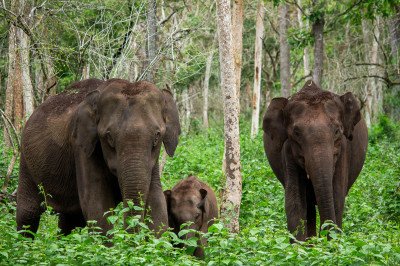 Allen Forest Zoo, officially the Kanpur Zoological Park, is a sprawling green paradise established in 1974 and spread over an expansive 110 hectares (270 acres) of land. It stands as one of the oldest and largest zoological parks in North India. Unlike many other urban zoos, this one was designed on the lines of a natural forest, allowing the animals to roam in large, spacious enclosures that mimic their natural habitat, ensuring better health and a more authentic viewing experience for visitors. The zoo is a biodiversity hotspot, home to over 1,400 animals belonging to about 125 species, including rare and endangered ones like the Royal Bengal Tiger, Asiatic Lion, Leopard, Rhinoceros, Jaguar, and various species of deer and primates. Beyond the animal enclosures, the zoo encompasses a serene natural lake, a well-maintained botanical garden, and numerous other attractions, making it a perfect spot for nature lovers, students, and families. It serves a crucial function in wildlife conservation and education in the state of Uttar Pradesh. The lush environment, coupled with numerous amenities like a toy train, golf carts, and food stalls, ensures a comfortable and enriching day out. The sheer size and diversity of its flora and fauna make it a mandatory stop on any Kanpur itinerary, embodying the city's commitment to nature preservation and public recreation. The tranquil atmosphere provides a much-needed break from the noise and pollution of the industrial city, offering an immersive experience into the heart of nature for all age groups, promoting awareness about wildlife and their ecological importance. Its status as an oasis of green is well-deserved, attracting thousands of visitors annually.
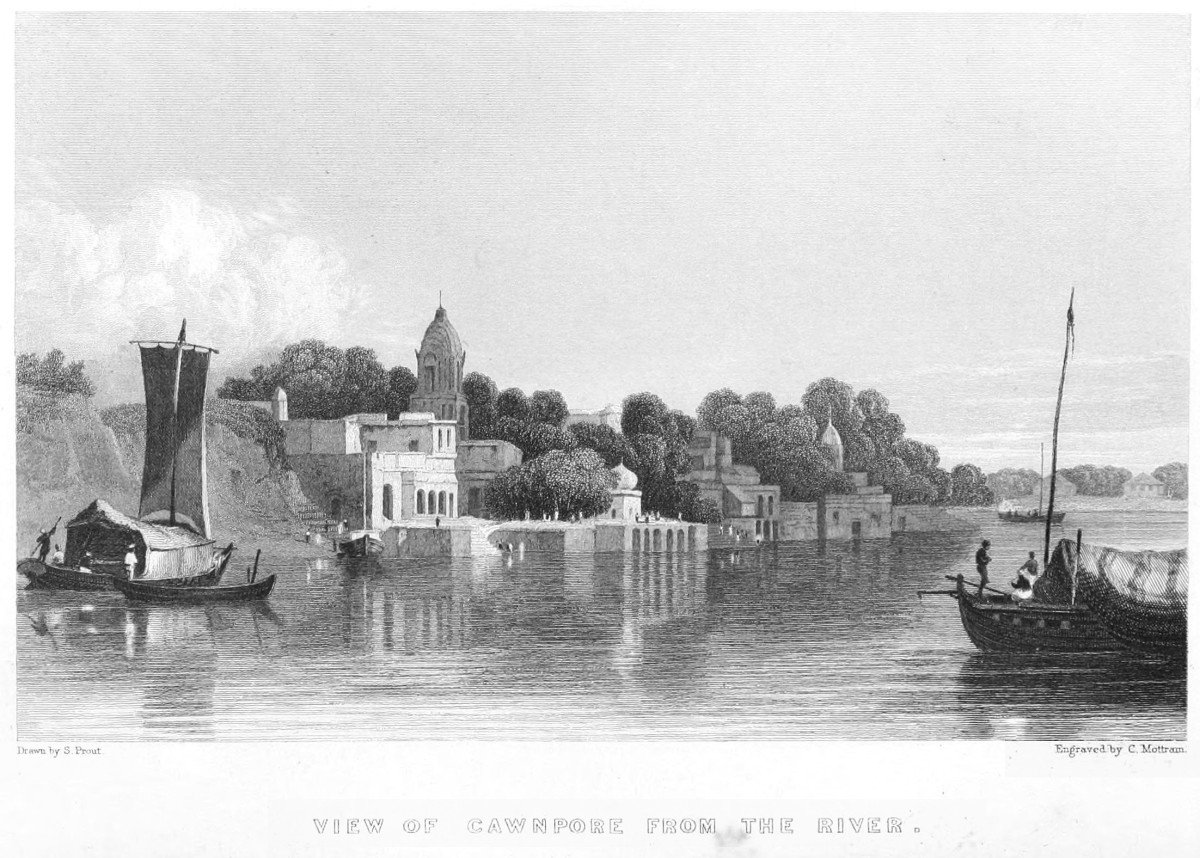
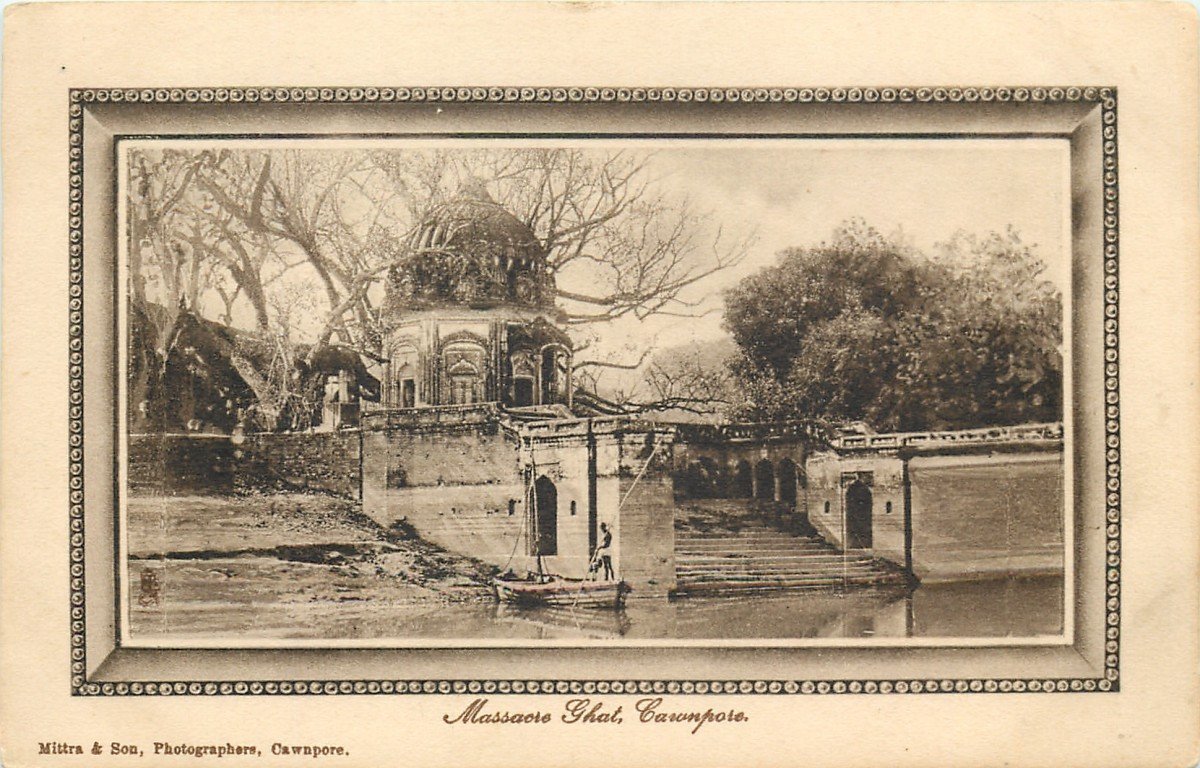
 @@Historical Context: Massacre Ghat, originally known as Satti Chaura Ghat, is arguably the most historically somber site in Kanpur, located on the bank of the holy River Ganges. The site is inextricably linked to the dark events of the 1857 Rebellion, specifically the incident where numerous British men, women, and children were killed while attempting to board boats to leave Kanpur under a supposed safe-passage agreement. This horrific event is what earned the ghat its current name and cemented its place in colonial history as a site of tragedy. The name Satti Chaura is also historically associated with the practice of Sati. @@A Place of Reflection: Today, the ghat is a quiet, reflective space, a far cry from the violence it witnessed. It serves as a stark reminder of the sacrifices and bloodshed during India's First War of Independence. While popular for its scenic views of the Ganges at sunrise and sunset, the historical gravity is always palpable. Visitors often take a moment of silence to contemplate the immense human cost of the conflict, making it a site of pilgrimage for both history buffs and those seeking spiritual solace by the river. @@Cultural Significance: Despite the tragedy, it is a functioning Ghat, meaning it is used by local people for religious rituals, bathing in the Ganges, and daily life, offering a unique blend of ancient spiritual tradition and modern historical remembrance. The proximity to the powerful and serene river adds an extra layer of peace and gravity to the visit, underscoring the relentless march of time and the healing power of nature in the face of human conflict.
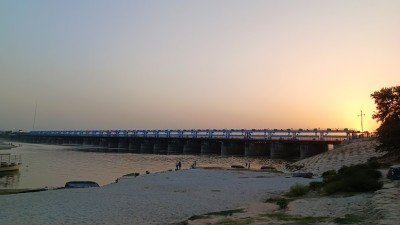 @@The Modern Engineering Marvel and Scenic Gateway to Kanpur: The Ganga Barrage, officially named the Lav Kush Barrage, is a critical bridge and dam across the holy Ganga River near Azad Nagar-Nawabganj in Kanpur, serving a dual purpose as a vital four-lane highway bypass for NH 91 and a regulator of the river's flow for the city's water needs. Inaugurated in May 2000, its construction commenced in 1995 with a total length of 621 meters. The Barrage is more than just infrastructure; it has become a major local attraction, offering panoramic views of the wide Ganga River and the surrounding landscape, including the under-construction Trans Ganga City. The area is a popular spot for evening outings and leisurely drives, particularly to witness the sunset or sunrise over the river. The development around the Barrage is ongoing, with proposals for a massive Botanical Garden, an amusement park, and the connection of the future Awadh Expressway to enhance its importance as a regional hub. It connects the main city side of Kanpur with the Bithoor side, making it an essential link for commerce and tourism. The atmosphere is generally lively with vendors and local crowds, especially on weekends, drawn by the cool river breeze and the sheer scale of the structure. The project was crucial in regulating the water supply and managing flood control in the region, making it a functional and aesthetically pleasing structure. The massive structure is a testament to modern Indian engineering capability, built to withstand the powerful flow of one of the world's largest rivers. The Barrage's presence has stimulated significant economic and urban planning activities in its vicinity, promising a new phase of development for the Kanpur region. Atal Ghat, a newly constructed riverfront park, is situated nearby, further boosting the area's appeal as a recreational spot. The combination of the river, the dam, and the bridge creates a picturesque backdrop that is highly valued by locals and tourists alike, symbolizing the city's connection to the holy river Ganga:
 Phool Bagh, also known as the Ganesh Shankar Vidyarthi Udyan, is a historic urban park that has been a center of social and political life in Kanpur for over a century. Originally established as Queen Victoria Garden during the British Raj, it was a symbol of colonial power. Post-independence, it was renamed to honor the famous journalist and freedom fighter Ganesh Shankar Vidyarthi. The park is not just a garden but a cultural complex; it houses the Kanpur Museum, a public library, and the Cawnpore Union Club. One of its most striking modern features is the 150-foot tall Indian National Flag that flies high in the center of the park. Historically, Phool Bagh was the venue for massive political rallies addressed by leaders like Mahatma Gandhi, Jawaharlal Nehru, and Indira Gandhi. The KEM Hall (King Edward Memorial Hall) within the park is a magnificent building that served as a ballroom for Europeans and later as a hospital during World War I. Today, the park is a favorite spot for evening outings, where the fragrant flowerbeds and manicured lawns provide a relief from the city's industrial bustle. It remains a vibrant hub during local festivals and continues to be the pride of Civil Lines.
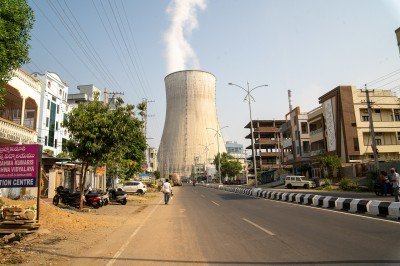 @@Historical Context: The Shri Radhakrishna Temple, more popularly known as the JK Temple (named after the Juggilal Kamlapat Singhania family, who commissioned and maintain it through the JK Trust), is a relatively modern Hindu temple. Construction was completed and it was opened to the public in 1960, celebrating its 50th anniversary in 2010. It quickly established itself as a major religious and architectural landmark of Kanpur. The temple stands as a testament to the patronage of industrialist families towards cultural and spiritual development in the city. @@A Unique Blend of Styles: What sets the JK Temple apart is its unique and highly distinctive architecture, which successfully marries traditional Hindu temple design (the Shikhara or spire) with modern, contemporary structural techniques. This blend gives it a clean, elegant, and almost futuristic look compared to older, more ornate Hindu temples, making it a focal point for architects and art lovers. @@Spiritual and Community Hub: The temple complex is a serene spiritual sanctuary. The central shrine is dedicated to Shri Radhakrishna, and the surrounding four shrines are dedicated to other major deities (Laxminarayan, Ardhanarishwar, Narmadeshwar, and Hanuman), creating a comprehensive place of worship. The sprawling campus, complete with lawns, gardens, and artificial ponds, also serves as a peaceful community space where religious discourses, cultural programs, and festivals are celebrated with great pomp.Show All
@@An Architectural Gem Dedicated to the Tirthankaras: The Jain Glass Temple, formally known as Shri Dharmanath Swetambar Temple, is a hidden architectural marvel nestled in the bustling Generalganj area of Kanpur. This temple is dedicated primarily to Lord Mahavira (the 24th and last Jain Tirthankara) and the other 23 Tirthankaras of the Swetambar sect of Jainism. What makes this temple truly unique and a must-visit is its stunning and intricate decoration, which utilizes glass, enamel, and mirror work extensively throughout the interior. The design philosophy is maximalist and dazzling; the walls, doors, floors, pillars, panels, and ceilings are entirely embellished and beautified with ornate mirror work and vibrant stained glass. These glass murals and wall paintings vividly narrate the core teachings of the revered Jain scriptures and the life stories of the Tirthankaras. The exterior maintains the old, traditional style of a Jain temple, with marble floors and ornamental arches at the entrance, offering a subtle contrast to the opulent interior. The main chamber houses the beautiful statuettes of the Tirthankaras placed on high pedestals and sheltered by canopies. The temple is a sanctuary of peace and reflection despite its central location, offering a profound glimpse into Jain spiritual heritage and a stunning showcase of specialized craftsmanship. It is a secular space, welcoming believers and architecture enthusiasts alike to appreciate its dazzling artistry and serene atmosphere:
@@Historical Context: The Shri Radhakrishna Temple, more popularly known as the JK Temple (named after the Juggilal Kamlapat Singhania family, who commissioned and maintain it through the JK Trust), is a relatively modern Hindu temple. Construction was completed and it was opened to the public in 1960, celebrating its 50th anniversary in 2010. It quickly established itself as a major religious and architectural landmark of Kanpur. The temple stands as a testament to the patronage of industrialist families towards cultural and spiritual development in the city. @@A Unique Blend of Styles: What sets the JK Temple apart is its unique and highly distinctive architecture, which successfully marries traditional Hindu temple design (the Shikhara or spire) with modern, contemporary structural techniques. This blend gives it a clean, elegant, and almost futuristic look compared to older, more ornate Hindu temples, making it a focal point for architects and art lovers. @@Spiritual and Community Hub: The temple complex is a serene spiritual sanctuary. The central shrine is dedicated to Shri Radhakrishna, and the surrounding four shrines are dedicated to other major deities (Laxminarayan, Ardhanarishwar, Narmadeshwar, and Hanuman), creating a comprehensive place of worship. The sprawling campus, complete with lawns, gardens, and artificial ponds, also serves as a peaceful community space where religious discourses, cultural programs, and festivals are celebrated with great pomp.Show All
@@An Architectural Gem Dedicated to the Tirthankaras: The Jain Glass Temple, formally known as Shri Dharmanath Swetambar Temple, is a hidden architectural marvel nestled in the bustling Generalganj area of Kanpur. This temple is dedicated primarily to Lord Mahavira (the 24th and last Jain Tirthankara) and the other 23 Tirthankaras of the Swetambar sect of Jainism. What makes this temple truly unique and a must-visit is its stunning and intricate decoration, which utilizes glass, enamel, and mirror work extensively throughout the interior. The design philosophy is maximalist and dazzling; the walls, doors, floors, pillars, panels, and ceilings are entirely embellished and beautified with ornate mirror work and vibrant stained glass. These glass murals and wall paintings vividly narrate the core teachings of the revered Jain scriptures and the life stories of the Tirthankaras. The exterior maintains the old, traditional style of a Jain temple, with marble floors and ornamental arches at the entrance, offering a subtle contrast to the opulent interior. The main chamber houses the beautiful statuettes of the Tirthankaras placed on high pedestals and sheltered by canopies. The temple is a sanctuary of peace and reflection despite its central location, offering a profound glimpse into Jain spiritual heritage and a stunning showcase of specialized craftsmanship. It is a secular space, welcoming believers and architecture enthusiasts alike to appreciate its dazzling artistry and serene atmosphere:Information
-
Why Famous:
Industrial Powerhouse: Kanpur is world-famous as a major hub for leather production and textile manufacturing, earning it high economic status.
Historical Significance: The city is a cornerstone of Indian history due to its intense involveme...Industrial Powerhouse: Kanpur is world-famous as a major hub for leather production and textile manufacturing, earning it high economic status.
Historical Significance: The city is a cornerstone of Indian history due to its intense involvement in the 1857 War of Independence.
Educational Hub: It houses premier institutions like IIT Kanpur, making it a center for excellence in science and technology research. -
Architecture:
Gothic and Modern Styles: The architecture of Kanpur is a unique mix of European Gothic styles and modern Indian temple designs.
Kanpur Memorial Church: Built in 1875, this church features Lombardic Gothic architecture with red bricks and in...Gothic and Modern Styles: The architecture of Kanpur is a unique mix of European Gothic styles and modern Indian temple designs.
Kanpur Memorial Church: Built in 1875, this church features Lombardic Gothic architecture with red bricks and intricate stone carvings.
JK Temple Dimensions: This temple stands on a high plinth and features five distinct shrines with soaring towers called Shikharas.
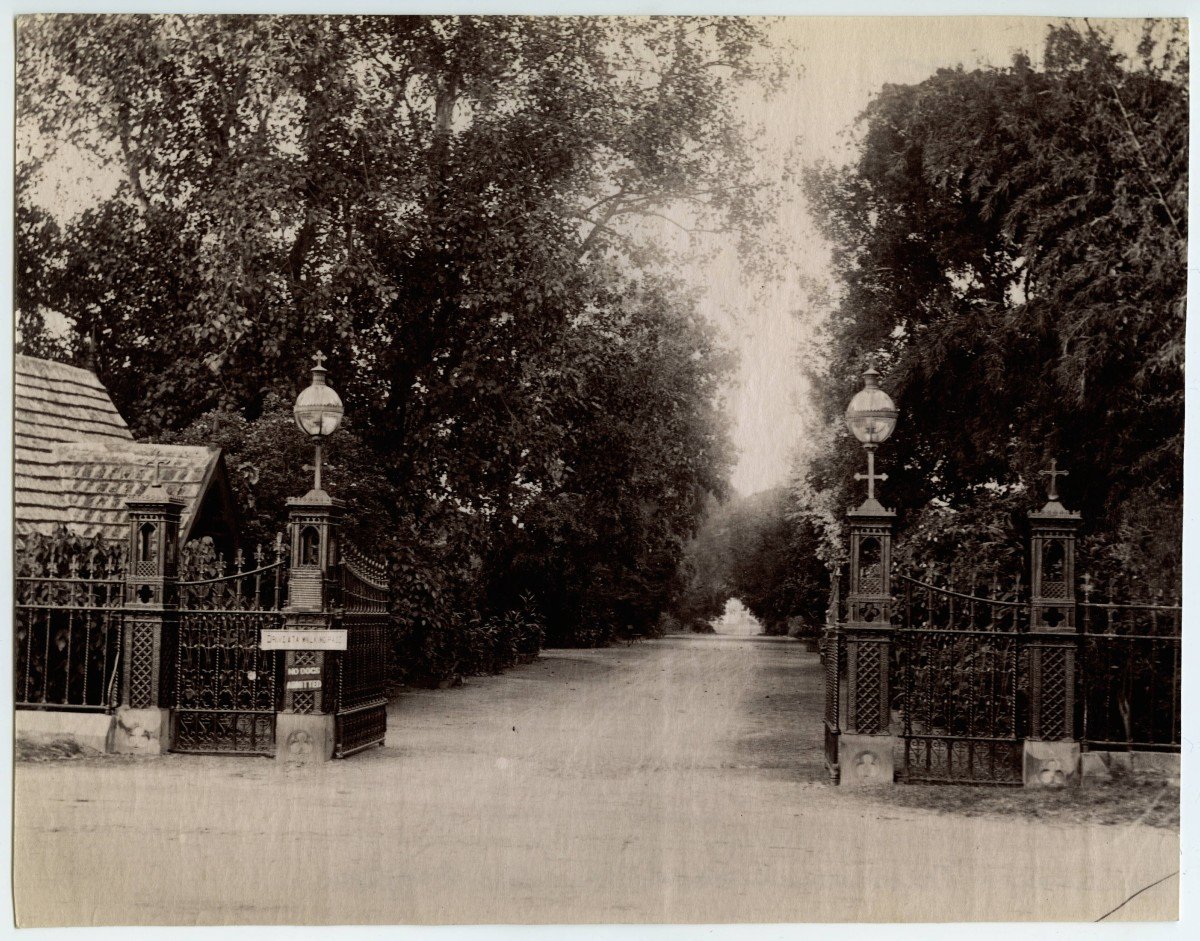
The Memorial Garden: Located near the church, this garden features an angel sculpture by Baron Carlo Marochetti within a Gothic screen. -
How To Reach:
By Air: Kanpur Airport has direct flights from Delhi and Mumbai, while Lucknow Airport is only 80 KMS away.
By Train: Kanpur Central is a major railway junction connected to all parts of India by Rajdhani and Shatabdi trains.By Air: Kanpur Airport has direct flights from Delhi and Mumbai, while Lucknow Airport is only 80 KMS away.
By Train: Kanpur Central is a major railway junction connected to all parts of India by Rajdhani and Shatabdi trains.
By Road: The city is well-connected via NH-19 and NH-27, with regular bus services from Lucknow, Agra, and Delhi.
Local Transport: Travelers can use auto-rickshaws, e-rickshaws, and city buses to navigate through the various sectors of the bustling city. -
Weather and Best Time to Visit:
Winter Season: The months from October to March are ideal as the weather is cool and pleasant for outdoor sightseeing.
Summer Season: From April to June, temperatures can exceed 40°C, making it quite uncomfortable for daytime travel and exp...Winter Season: The months from October to March are ideal as the weather is cool and pleasant for outdoor sightseeing.
Summer Season: From April to June, temperatures can exceed 40°C, making it quite uncomfortable for daytime travel and explorations. -
Near Tourist Places:
1. Bithoor (23 KM), 2. Lucknow (80 KM), 3. Kannauj (85 KM), 4. Unnao (20 KM), 5. Bhitargaon Temple (40 KM), 6. Brahmavart Ghat (25 KM), 7. Blue World Park (15 KM), 8. Jajmau (10 KM), 9. Nana Rao Park (2 KM), 10. Moti Jheel (3 KM).
Tourism Tips
-
Packing Tips: Carry light cotton clothes for summers and heavy woolens if visiting during the peak winter months of December.
Health and Safety: Always drink bottled water and avoid eating street food that has been exposed to the open air fo...Packing Tips: Carry light cotton clothes for summers and heavy woolens if visiting during the peak winter months of December.
Health and Safety: Always drink bottled water and avoid eating street food that has been exposed to the open air for long.
Stay Options: Choose hotels in the Civil Lines area for better connectivity and a variety of dining and shopping options.
Cultural Etiquette: Dress modestly when visiting temples and remember to remove your shoes before entering any sacred religious premises.
Reviews
FAQs
Kanpur Itineray And Cost:-
Other Places In Uttar Pradesh :-
Other States In India :-
Information about New and Updated Locations() of Uttar Pradesh Has Been Added :-
Card subtitle
Note:-
Information provided here in good Faith and for reference only.
Near Places
Agra
Some quick example text to build on the card title and make up the bulk of the card's content.
Go somewhere
Aligarh
Some quick example text to build on the card title and make up the bulk of the card's content.
Go somewhere
Ayodhya
Some quick example text to build on the card title and make up the bulk of the card's content.
Go somewhere
Azamgarh
Some quick example text to build on the card title and make up the bulk of the card's content.
Go somewhere
Bahraich
Some quick example text to build on the card title and make up the bulk of the card's content.
Go somewhere
Bareilly
Some quick example text to build on the card title and make up the bulk of the card's content.
Go somewhere
Chitrakoot
Some quick example text to build on the card title and make up the bulk of the card's content.
Go somewhere
Fatehpur Sikri
Some quick example text to build on the card title and make up the bulk of the card's content.
Go somewhere
Ghaziabad
Some quick example text to build on the card title and make up the bulk of the card's content.
Go somewhere
Gorakhpur
Some quick example text to build on the card title and make up the bulk of the card's content.
Go somewhere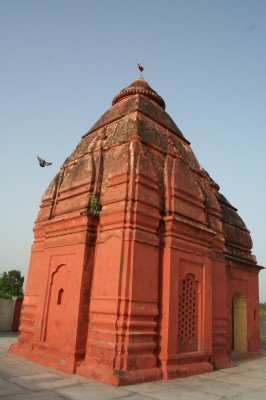
Hastinapur
Some quick example text to build on the card title and make up the bulk of the card's content.
Go somewhere
Jhansi
Some quick example text to build on the card title and make up the bulk of the card's content.
Go somewhere
Kanpur
Some quick example text to build on the card title and make up the bulk of the card's content.
Go somewhere
Kushinagar
Some quick example text to build on the card title and make up the bulk of the card's content.
Go somewhere
Lucknow
Some quick example text to build on the card title and make up the bulk of the card's content.
Go somewhere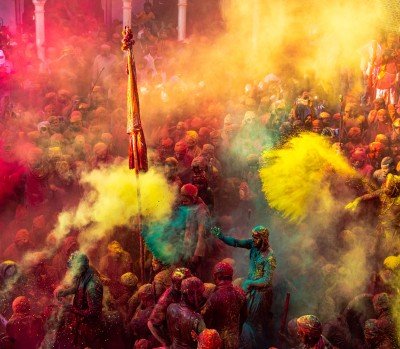
Mathura
Some quick example text to build on the card title and make up the bulk of the card's content.
Go somewherein Other Cities