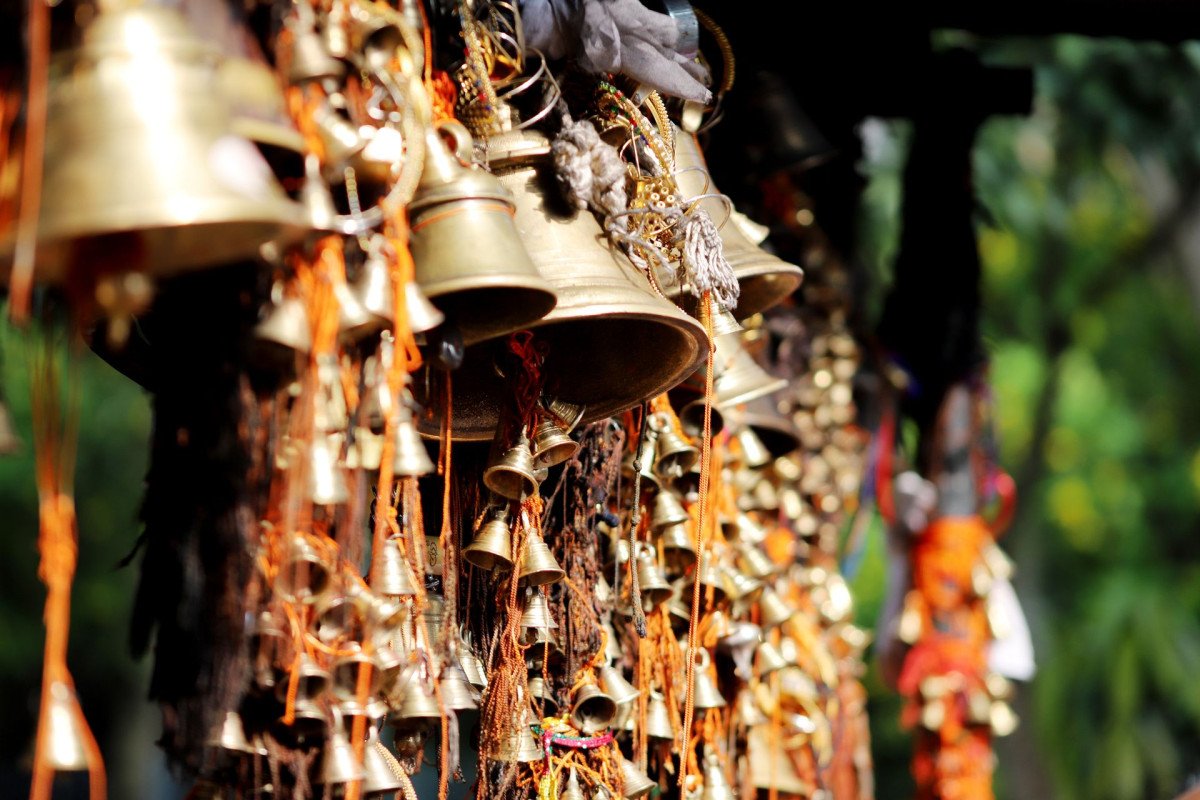
Kapileshwara Temple
General information
-
Ideal Duration:
30 Minutes to 1 Hour:Place Type:
Temple, Religious, Spiritual, Ancient:Entry Fees:
General Entry:Entry to the Kapileshwara Temple is completely Free of cost for all visitors and pilgrims. It is an ancient and public place of worship, and there are no tickets required for Darshan.
Puja and Ritual Fees:Performing specific, ...General Entry:Entry to the Kapileshwara Temple is completely Free of cost for all visitors and pilgrims. It is an ancient and public place of worship, and there are no tickets required for Darshan.
Puja and Ritual Fees:Performing specific, elaborate Pujas like Rudrabhishekam or a special Archana will require a payment to the temple priest, and the costs vary depending on the complexity of the ritual. Simple offerings like flowers and coconuts are available for purchase from outside vendors.
Photography/Videography:Non-commercial photography of the exterior is generally allowed and Free. Photography inside the inner sanctum is almost always strictly Prohibited to maintain the sanctity of the shrine. Professional or commercial videography would require prior approval from the temple trust.
End:Timing:
Regular Timings:The temple typically opens from around 5:00 AM or 6:00 AM and remains open until 9:00 PM or 10:00 PM. It usually remains open continuously, with Darshan possibly restricted briefly during the midday and evening Bhog (offering) times. It is advisable to che...Regular Timings:The temple typically opens from around 5:00 AM or 6:00 AM and remains open until 9:00 PM or 10:00 PM. It usually remains open continuously, with Darshan possibly restricted briefly during the midday and evening Bhog (offering) times. It is advisable to check the specific aarti timings.
Ideal Visit Time:The Ideal Visit Time is the Early Morning (6:00 AM to 8:00 AM), which is the best time for peaceful Darshan, to avoid crowds, and to witness the serene morning rituals on the Godavari Ghats. Monday Morning is the busiest time but offers the most vibrant atmosphere.
Best Season:The Winter Months (October to March) are the most comfortable for a visit. The weather is cool and pleasant for exploring the riverbanks and the nearby temples in Panchavati.
End:Special Events:
Maha Shivaratri Utsav:The most important special event is Maha Shivaratri, which takes place annually in the Hindu month of Phalguna (February or March). This festival is celebrated with great pomp, including all-night pujas, fasting, devotional singing (bhajans), and the ...Maha Shivaratri Utsav:The most important special event is Maha Shivaratri, which takes place annually in the Hindu month of Phalguna (February or March). This festival is celebrated with great pomp, including all-night pujas, fasting, devotional singing (bhajans), and the temple complex is magnificently decorated and illuminated.
Shravan Somvar:Every Monday (Somvar) during the holy month of Shravan (July or August—Monsoon season) is a special event. Devotees flock to the temple in large numbers to perform Rudrabhishekam and other special rituals to seek Lord Shiva's blessings.
Ramkund Holy Snan:While not a temple-specific event, the temple benefits from the mass pilgrimage during the Kumbh Mela, when millions take a holy dip in Ramkund, right opposite the temple. The temple remains a key spiritual hub during this massive once-in-twelve-years event.
End:Best Photo Spots:
(Approx ) Temple and Ramkund Reflection:The most iconic photo spot is capturing the temple's reflection in the waters of the Godavari River or the Ramkund, especially during the Early Morning or Sunset. The juxtaposition of the ancient temple with the sacred water is highly...(Approx ) Temple and Ramkund Reflection:The most iconic photo spot is capturing the temple's reflection in the waters of the Godavari River or the Ramkund, especially during the Early Morning or Sunset. The juxtaposition of the ancient temple with the sacred water is highly symbolic.
The Elevated Godavari View:Take a photograph from the temple steps or the elevated river bank, looking down at the Godavari River and the activities on the Ghats. This vantage point provides a sense of the spiritual life of Panchavati.
Close-up of the Temple Structure:Focus on the details of the ancient temple walls and the traditional stone masonry. The rough texture and the dark color of the stone provide excellent contrast. Look for the carvings of the various attendant deities in the niches.
The Nandi Platform:Photographers often seek a shot of the empty platform or space where the Nandi idol would typically be placed, to emphasize the unique legend of the temple. This is a subtle yet powerful photo capturing the temple's identity.
End:Photo Gallery
Things To Do
-
Performing Darshan of the Shivlingam:The main activity is to perform Darshan of the ancient Shivlingam in the sanctum. Devotees often perform Abhishekam (ritualistic bathing) using water, milk, or Bilva leaves. Be prepared for a short wait, especially on Mondays or during festivals.
Meditation and Quiet Contemplation:The peaceful setting on the bank of the Godavari makes it a perfect spot for meditation and quiet reflection. Find a spot in the Jagamohana (assembly hall) to sit and absorb the spiritual aura, especially in the early morning.
Visiting the Holy Ramkund:Since the temple's legend is tied to it, walk across the short distance to Ramkund and observe the pilgrims taking their holy dip. If you are a Hindu pilgrim, taking a sacred bath (Snan) in the waters is highly recommended. Witness...Performing Darshan of the Shivlingam:The main activity is to perform Darshan of the ancient Shivlingam in the sanctum. Devotees often perform Abhishekam (ritualistic bathing) using water, milk, or Bilva leaves. Be prepared for a short wait, especially on Mondays or during festivals.
Meditation and Quiet Contemplation:The peaceful setting on the bank of the Godavari makes it a perfect spot for meditation and quiet reflection. Find a spot in the Jagamohana (assembly hall) to sit and absorb the spiritual aura, especially in the early morning.
Visiting the Holy Ramkund:Since the temple's legend is tied to it, walk across the short distance to Ramkund and observe the pilgrims taking their holy dip. If you are a Hindu pilgrim, taking a sacred bath (Snan) in the waters is highly recommended. Witness the rituals performed by priests and devotees.
Attending Monday Puja and Aarti:Attend the special Puja held every Monday (Somvar), which is considered highly auspicious for Lord Shiva. The temple is busiest then, but the atmosphere is charged with devotion. Attend the evening Aarti for a vibrant spiritual experience.
Exploring Panchavati's Core:Use the temple's location to explore the surrounding historical and religious sites of Panchavati, including the nearby Kalaram Temple, Sita Gufa, and Ganga Godavari Temple, as they are all within a very short walking distance.
Studying the Architecture:Take a moment to appreciate the architecture, particularly the traditional temple style and the various deities carved in the exterior niches. Reflect on the missing Nandi statue and the powerful legend behind this architectural omission. Read the temple information plaques for historical details.
Participating in Special Rituals:If you visit during Maha Shivaratri, participate in the special all-night rituals and prayers. Even on a regular day, you can offer simple offerings like flowers and coconuts, which are available at stalls outside the temple.
End:
Information
-
Why Famous:
The Nandi-less Mystery:The temple is supremely famous for the unique anomaly of having no idol of Nandi facing the Shivlingam, a rare occurrence that sparks curiosity and is explained by the local legend of Nandi becoming Lord Shiva's Guru. This uniqueness draws wide atten...The Nandi-less Mystery:The temple is supremely famous for the unique anomaly of having no idol of Nandi facing the Shivlingam, a rare occurrence that sparks curiosity and is explained by the local legend of Nandi becoming Lord Shiva's Guru. This uniqueness draws wide attention.
Ancient and Central Location:Its fame rests on being one of the oldest Shiva temples in Nashik and its location right in the heart of the spiritual hub of Panchavati, adjacent to the sacred Ramkund, making it central to all religious activities.
Site of Penance:Devotees revere it as the exact spot where Lord Shiva performed penance (Jaap) after his cleansing dip in Ramkund, making the temple an important pilgrimage destination for seeking atonement and blessings.
Maha Shivaratri Celebrations:The temple is famous for its massive celebrations on Maha Shivaratri and the crowds it draws every Monday (Somvar), as this day is dedicated to Lord Shiva.
End: -
Architecture:
Architectural Style and Renovation:The temple is built in a traditional local style, typical of the structures found around the Godavari riverbed in Nashik. While the original temple may have had earlier influences (perhaps similar to the Kalingan Style suggested by some f...Architectural Style and Renovation:The temple is built in a traditional local style, typical of the structures found around the Godavari riverbed in Nashik. While the original temple may have had earlier influences (perhaps similar to the Kalingan Style suggested by some fragments), the present structure has been heavily renovated over time, particularly in the 14th century, using a blend of old and new materials.
Layout and Components:The main structure consists of a Vimana (shrine) housing the Shivlingam, a Jagamohana (assembly hall), and likely a later flat-roofed Nata-Mandira (dance hall) and Bhoga-Mandapa (offering hall). The temple is east-facing, a common orientation in Hindu temple architecture.
Dimension and Elevation:The central spire (Vimana) is a prominent feature, with the main temple structure possibly rising to an elevation of around 14-18 meters (46-60 feet). Its elevated position on the bank of the Godavari gives it a commanding presence. The central shrine features a Siva-lingam inside a circular yonipitha.
The Missing Nandi:The most distinctive architectural detail is the deliberate absence of the Nandi bull statue in front of the Shivlingam, a detail rooted in the temple's foundational legend, making the layout unique among Shiva shrines in India.
End: -
How To Reach:
By Air:The nearest airport is Nashik's Ozar Airport (ISK), about 25 KMS away. The most convenient route is to hire a taxi or an app-based cab directly to the Panchavati area. The journey will take approximately 45-50 minutes.
By Train:The ...By Air:The nearest airport is Nashik's Ozar Airport (ISK), about 25 KMS away. The most convenient route is to hire a taxi or an app-based cab directly to the Panchavati area. The journey will take approximately 45-50 minutes.
By Train:The nearest major railway station is Nashik Road Railway Station (NK), located approximately 10 KMS away. Due to the temple's central location, a large number of auto-rickshaws and taxis are available from the station. The drive through the city takes around 20-30 minutes.
By Road:The temple is situated in the congested but central Panchavati area, just 1 KM from the city center. Driving your own vehicle is possible, but finding parking nearby can be extremely challenging, especially on Mondays and festival days. It's best to park slightly away and walk the final distance. Access is via the main roads leading to Ramkund.
By Local Transport:The temple is one of the easiest to reach via local transport. Frequent city buses stop near the Panchavati main intersection. Auto-rickshaws are constantly available throughout the city and are the most common way for locals to reach the temple. App-based cab services are also fully operational in this central part of Nashik.
End: -
Weather and Best Time to Visit:
Different Types of Seasons:The Winter Season (October to March) offers the best overall experience, with a cool and pleasant climate that is ideal for all-day temple hopping in Panchavati and for enjoying the riverside ambiance. The major festival of Maha Shivaratri someti...Different Types of Seasons:The Winter Season (October to March) offers the best overall experience, with a cool and pleasant climate that is ideal for all-day temple hopping in Panchavati and for enjoying the riverside ambiance. The major festival of Maha Shivaratri sometimes falls in this period. The Monsoon Season (July to September) is considered highly auspicious for Shiva worship (Shravan month), and the surrounding area is lush green, but heavy rains can make the river banks slippery. The Summer Season (April to June) is hot and humid, making mid-day visits very uncomfortable.
Different Parts of the Day:The Early Morning (5:00 AM to 8:00 AM) is the Best time for a serene visit, avoiding crowds and the heat, and witnessing the morning aarti and puja. Late Evening (6:00 PM to 9:00 PM) offers a pleasant atmosphere with the temple lights on, but the area is often very crowded. Avoid the middle of the day during the summer.
End: -
Near Tourist Places:
Ramkund (50 meters), Kalaram Temple (200 meters), Sita Gufa (250 meters), Panchavati area (Surrounding), Naroshankar Temple (1. 5 KMS), Ganga Godavari Temple (200 meters), Dutondya Maruti Temple (1 KMS), Sundar Narayan Temple (1. 5 KMS), Nashik City Centre Mall (3 KMS), Pandavleni Caves (8 KMS).
Tourism Tips
-
Health & Safety:Wear modest clothing as is expected in an ancient Hindu temple. Be cautious of the narrow streets and traffic congestion in Panchavati. The steps leading down to the Godavari river are often wet and can be slippery; hold onto railings. Due to the crowds,...Health & Safety:Wear modest clothing as is expected in an ancient Hindu temple. Be cautious of the narrow streets and traffic congestion in Panchavati. The steps leading down to the Godavari river are often wet and can be slippery; hold onto railings. Due to the crowds, especially on Mondays, be mindful of your belongings and look after children carefully.
Packing Essentials:A pair of socks is recommended to protect your feet from the hot or cold stone/marble floors, as you must walk barefoot. Carry a handkerchief or small towel for use after sprinkling Ramkund water. Do not carry leather items inside the inner sanctum. A camera should only be used for exterior shots.
Accommodation:The temple's central location in Panchavati means there is a huge variety of accommodation nearby, from budget Dharamshalas to established hotels. Staying in a hotel on the Ramkund bank offers the best spiritual experience. Booking should be confirmed well in advance, especially during the holy month of Shravan.
Other Tips - Etiquette:Do not forget to pay your respects at the nearby Ramkund. If taking a holy dip, follow the instructions of the local priests. Do not bargain excessively with the flower and puja item vendors outside the temple. Be respectful of the unique tradition of the missing Nandi idol and avoid asking overly repetitive questions about it.
End:
Reviews
FAQs
Nashik Itineray And Cost:-
Kapileshwara Temple Tourism:-
Information about New and Updated Locations() of Maharashtra Has Been Added :-
Card subtitle
Note:-
Information provided here in good Faith and for reference only.
All information and pictures will be updated soon, please keep visiting.
Near Places
Anjaneri Hills
Some quick example text to build on the card title and make up the bulk of the card's content.
Go somewhere
Artillery Museum
Some quick example text to build on the card title and make up the bulk of the card's content.
Go somewhere
Brahmagiri Mountain
Some quick example text to build on the card title and make up the bulk of the card's content.
Go somewhere
Coin Museum
Some quick example text to build on the card title and make up the bulk of the card's content.
Go somewhere
Deolali Camp
Some quick example text to build on the card title and make up the bulk of the card's content.
Go somewhere
Dugarwadi Waterfalls
Some quick example text to build on the card title and make up the bulk of the card's content.
Go somewhere
Gangapur Dam
Some quick example text to build on the card title and make up the bulk of the card's content.
Go somewhere
Harihar Fort
Some quick example text to build on the card title and make up the bulk of the card's content.
Go somewhere
Jain Mandir
Some quick example text to build on the card title and make up the bulk of the card's content.
Go somewhere
Kalaram Temple
Some quick example text to build on the card title and make up the bulk of the card's content.
Go somewherein Other Cities