

Keesara Gutta
General information
-
Ideal Duration:
2-3 Hours:Place Type:
Temple / Religious Place / Archaeological SiteEntry Fees:
Entry to the Keesaragutta Temple is generally Free of charge. It is an important public religious shrine.
Parking Fees: There is a small, mandatory fee for parking two-wheelers and four-wheelers, which supports the management of the large crowds.Entry to the Keesaragutta Temple is generally Free of charge. It is an important public religious shrine.
Parking Fees: There is a small, mandatory fee for parking two-wheelers and four-wheelers, which supports the management of the large crowds.
Special Puja Fees: Fees apply for specific religious services like Abhishekam, Archana, and specific vows (Sankalpam). These amounts are fixed and publicly displayed by the temple management.
Prasad and Offerings: You will pay for Prasad (consecrated food) or offerings purchased from vendors outside. There are No official camera fees, but using professional equipment might require prior permission. :Timing:
Regular Timings: The temple is generally open from 6:00 AM to 12:30 PM and then again from 3:00 PM to 7:30 PM. Maha Shivaratri has extended hours.
Ideal Visit Time: The Ideal Visit Time is the very early morning (6:00 AM to 9:00 AM) for a p...Regular Timings: The temple is generally open from 6:00 AM to 12:30 PM and then again from 3:00 PM to 7:30 PM. Maha Shivaratri has extended hours.
Ideal Visit Time: The Ideal Visit Time is the very early morning (6:00 AM to 9:00 AM) for a peaceful darshan and to enjoy the cool hilltop air, especially for the climb. The sunset hours (5:00 PM to 7:00 PM) are best for the scenic view and photography. Monday is the most crowded day, as it is sacred to Lord Shiva.
Best Time for Archeology: Weekday mornings are best to visit the archaeological sites with less disturbance. :Special Events:
Maha Shivaratri Festival: The single most Special Event is Maha Shivaratri (February/March), when the temple attracts massive crowds, with continuous puja and rituals lasting through the night. The whole hillock is transformed into a major pilgrimage site.Maha Shivaratri Festival: The single most Special Event is Maha Shivaratri (February/March), when the temple attracts massive crowds, with continuous puja and rituals lasting through the night. The whole hillock is transformed into a major pilgrimage site.
Karthika Masam Celebrations: The entire Karthika Masam (an auspicious month for Shiva worship, usually in November/December) is a Special Event, with daily special pujas, Abhishekam, and large community feasts (Annadanam).
Rathotsavam: The annual chariot festival (Rathotsavam) of the temple is also a significant event, where the processional deities are taken out in a large, decorated chariot, drawing thousands of spectators and devotees. :Best Photo Spots:
The Grand Rajagopuram: The intricate carvings and multi-tiered design of the main entrance tower are an essential architectural photo spot. Capture it from a low angle for maximum impact.
The Scattered Lingams: The unique, rugged landscape ...The Grand Rajagopuram: The intricate carvings and multi-tiered design of the main entrance tower are an essential architectural photo spot. Capture it from a low angle for maximum impact.
The Scattered Lingams: The unique, rugged landscape of hundreds of small, stone Lingams scattered on the ground provides a powerful and unique visual for atmospheric and documentary photography, especially with the main temple in the background.
Panoramic Hilltop View: The vantage point from the top of the hill offers stunning landscape views, especially at sunrise or sunset, of the plains and the distant horizon, perfect for wide-angle shots.
The Ancient Ruins: The excavated ruins of the fort walls and brick structures are excellent for textured, historical, and dramatic black-and-white photography. :Photo Gallery
Things To Do
-
Participate in Darshan: The primary activity is visiting the main sanctum to seek the blessings of Lord Ramalingeshwara Swamy and Parvati.
Worship the Scattered Lingams: Participate in the unique local tradition of worshipping the hundreds of small Siva Lingams scattered on the hill, often by pouring water over them.
Educational Walk: Take a walk around the archaeological excavation sites to see the ruins of the Chalukyan-era structures and fortification walls, which is a key activity for history enthusiasts.
Nature Trails and Scenic View: Utilize the nature trails around the hill for a peaceful walk and enjoy the breathtaking panoramic views of the surrounding area from the hilltop.
Attend Aarti (Evening Worship): Witnessing the...Participate in Darshan: The primary activity is visiting the main sanctum to seek the blessings of Lord Ramalingeshwara Swamy and Parvati.
Worship the Scattered Lingams: Participate in the unique local tradition of worshipping the hundreds of small Siva Lingams scattered on the hill, often by pouring water over them.
Educational Walk: Take a walk around the archaeological excavation sites to see the ruins of the Chalukyan-era structures and fortification walls, which is a key activity for history enthusiasts.
Nature Trails and Scenic View: Utilize the nature trails around the hill for a peaceful walk and enjoy the breathtaking panoramic views of the surrounding area from the hilltop.
Attend Aarti (Evening Worship): Witnessing the aarti in the evening is a powerful devotional experience.
Photography: Capture the grand Rajagopuram and the unique landscape of the scattered Lingams.
Rituals at the Sacred Tank: Observe or participate in the rituals performed at the sacred tank (Koneru) believed to have purifying properties. :
Information
-
Why Famous:
The Rama-Shiva Legend: The temple is famous for its powerful foundation legend involving Lord Rama and the installation of the Ramalingeshwara Lingam (meaning the Lingam installed by Rama). This narrative draws massive crowds of devotees.
The 1...The Rama-Shiva Legend: The temple is famous for its powerful foundation legend involving Lord Rama and the installation of the Ramalingeshwara Lingam (meaning the Lingam installed by Rama). This narrative draws massive crowds of devotees.
The 101 Lingams: It is highly famous for the countless small Siva Lingams scattered all over the hillock, which devotees continue to worship alongside the main deity, creating a visually unique and spiritually charged environment.
Historical Inscription: The discovery of the earliest known Telugu label inscription in Telangana (dating to the 4th-5th century CE) makes it famous as a major archaeological and linguistic heritage site, linking the temple to the Vishnukundina dynasty.
The Maha Shivaratri Pilgrimage: The temple is the central point for the region's celebration of Maha Shivaratri, drawing several lakh devotees annually. : -
Architecture:
Dravidian and Chalukyan Influences: The temple showcases traditional Dravidian architectural styles with subtle influences from the later Chalukyan Empire period, as revealed by archaeological excavations.
Dimension The Rajagopuram: The temp...Dravidian and Chalukyan Influences: The temple showcases traditional Dravidian architectural styles with subtle influences from the later Chalukyan Empire period, as revealed by archaeological excavations.
Dimension The Rajagopuram: The temple features a grand entrance tower (Rajagopuram) which is a hallmark of the Dravidian style, typically multi-tiered and adorned with stucco figures.
Temple Complex: The main complex includes the Garbhagriha (sanctum), Antarala, and a Mandapa. The hillock is scattered with hundreds of small Siva Lingams, said to have been thrown by an aggrieved Hanuman, which is a unique dimension to the site.
Excavation Finds: Archaeological digs have uncovered ruins of brick structures, fortification walls, and prayer halls, dating back to the 5th-6th centuries, suggesting a large, thriving complex in its ancient past. : -
How To Reach:
By Air: The nearest major airport is Rajiv Gandhi International Airport (RGIA) in Hyderabad (HYD), approximately 50 KMS away. From the airport, hire a pre-paid taxi directly to Keesaragutta.
By Train: The nearest major railway station is Se...By Air: The nearest major airport is Rajiv Gandhi International Airport (RGIA) in Hyderabad (HYD), approximately 50 KMS away. From the airport, hire a pre-paid taxi directly to Keesaragutta.
By Train: The nearest major railway station is Secunderabad Junction (SC), which is about 30 KMS away. From the station, take an auto-rickshaw or a local city bus (numerous buses ply to Keesara) to reach the temple.
By Road: Keesaragutta is located about 30-40 KMS from central Hyderabad and is well-connected by State Highways. TSRTC and private buses run frequently from ECIL and Uppal in Hyderabad. Self-driving or hiring a taxi is very straightforward.
By Local Transport: From Hyderabad, local city buses (Bus No. 248) are the most economical option. Auto-rickshaws will also take you, but negotiate the fare for the long distance. For ease of travel, a pre-booked local cab is best. : -
Weather and Best Time to Visit:
Different Types of Seasons: Winter (October to February) is the Best Time to Visit. The weather is cool and pleasant for the climb up the hill and spending time outdoors. Summer is extremely hot, making a midday climb almost impossible, so only very early morning visits ar...Different Types of Seasons: Winter (October to February) is the Best Time to Visit. The weather is cool and pleasant for the climb up the hill and spending time outdoors. Summer is extremely hot, making a midday climb almost impossible, so only very early morning visits are advised. The Monsoon makes the hill rock slippery, increasing the risk of falls, but the surrounding nature is very green.
Different Parts of the Day: Sunrise (6:00 AM to 9:00 AM) is the Ideal Time. The devotional atmosphere is strong, and the cool air makes the climb easy. The late evening (5:00 PM to 7:30 PM) is best for the stunning sunset and to attend the aarti. : -
Near Tourist Places:
Sri Venkateswara Temple, Keesara (1 KM), Keesara Fort Ruins (1 KM), Yadagirigutta (Laxmi Narasimha Temple - 75 KMS), Hyderabad City (30 KMS), Charminar (45 KMS), Golconda Fort (40 KMS), Ramoji Film City (40 KMS), Tank Bund (30 KMS), Birla Mandir (35 KMS), Moula Ali Dargah (20 KMS).
Tourism Tips
-
Health & safety: The hill is rocky and uneven, so wear sturdy footwear. Carry water for the climb. Be respectful of the hundreds of Lingams scattered on the ground.
Packing: Dress modestly, covering shoulders and knees, especially on Monda...Health & safety: The hill is rocky and uneven, so wear sturdy footwear. Carry water for the climb. Be respectful of the hundreds of Lingams scattered on the ground.
Packing: Dress modestly, covering shoulders and knees, especially on Mondays and festival days. Carry a camera for the stunning views and archaeological ruins.
Accommodation: The Best Accommodation should be planned in Hyderabad (Secunderabad or Uppal areas) which offers a vast range of hotels. Keesara itself has minimal facilities.
Other Different Topics heading:
Be Respectful of Lingams: Do not walk carelessly, as there are ancient Siva Lingams scattered everywhere.
Photography Rules: Strictly follow the rules against photography inside the main temple sanctum.
Visit on Monday: If seeking the full spiritual experience, visit on a Monday (Lord Shiva's day), but be prepared for a large crowd. :
Reviews
FAQs
Gadwal Itineray And Cost:-
Other Places In Gadwal :-
Other States In India :-
Information about New and Updated Locations() of Telangana Has Been Added :-
Card subtitle
Note:-
Information provided here in good Faith and for reference only.
Near Places
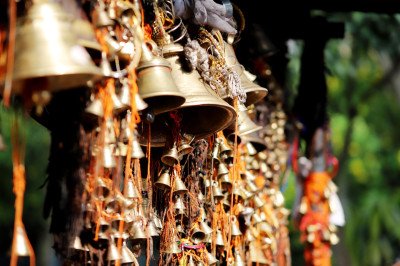
Alampur Jogulamba Devi Temple
Some quick example text to build on the card title and make up the bulk of the card's content.
Go somewhere
Beechupally Anjaneya Swamy Temple
Some quick example text to build on the card title and make up the bulk of the card's content.
Go somewhere
Chandragiri Konda
Some quick example text to build on the card title and make up the bulk of the card's content.
Go somewhere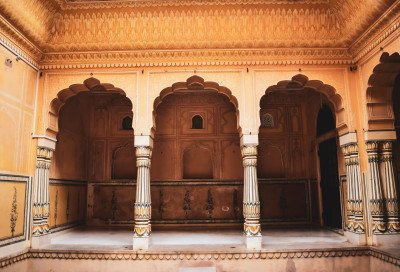
Gadwal Fort
Some quick example text to build on the card title and make up the bulk of the card's content.
Go somewhere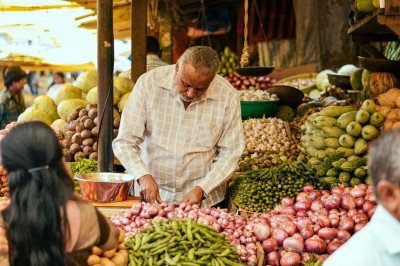
Gadwal Market Area
Some quick example text to build on the card title and make up the bulk of the card's content.
Go somewhere
Ganga Katta Temple
Some quick example text to build on the card title and make up the bulk of the card's content.
Go somewhere
Gattu Lift Irrigation Project
Some quick example text to build on the card title and make up the bulk of the card's content.
Go somewhere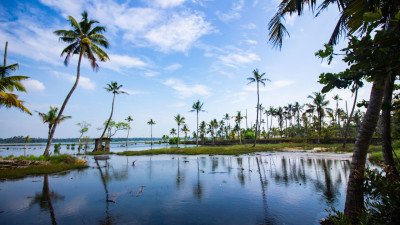
Gopaladinne Lake
Some quick example text to build on the card title and make up the bulk of the card's content.
Go somewhere
I-Park Gadwal
Some quick example text to build on the card title and make up the bulk of the card's content.
Go somewhere
Jammulamma Temple
Some quick example text to build on the card title and make up the bulk of the card's content.
Go somewhere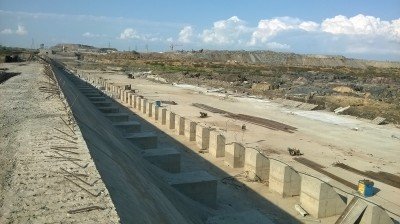
Jurala Dam
Some quick example text to build on the card title and make up the bulk of the card's content.
Go somewhere
Keesara Gutta
Some quick example text to build on the card title and make up the bulk of the card's content.
Go somewhere
Krishna River Ghat
Some quick example text to build on the card title and make up the bulk of the card's content.
Go somewhere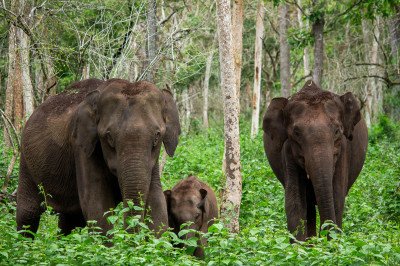
Mullakarra Forest
Some quick example text to build on the card title and make up the bulk of the card's content.
Go somewhere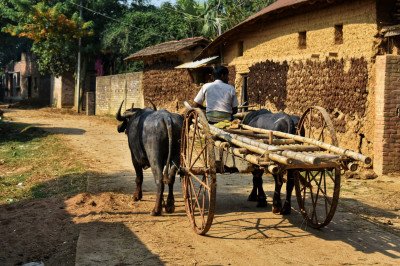
Pallepadu Village
Some quick example text to build on the card title and make up the bulk of the card's content.
Go somewhere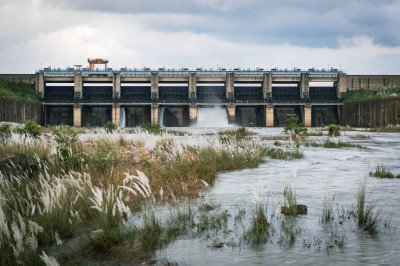
Rajoli Dam
Some quick example text to build on the card title and make up the bulk of the card's content.
Go somewherein Other Cities