

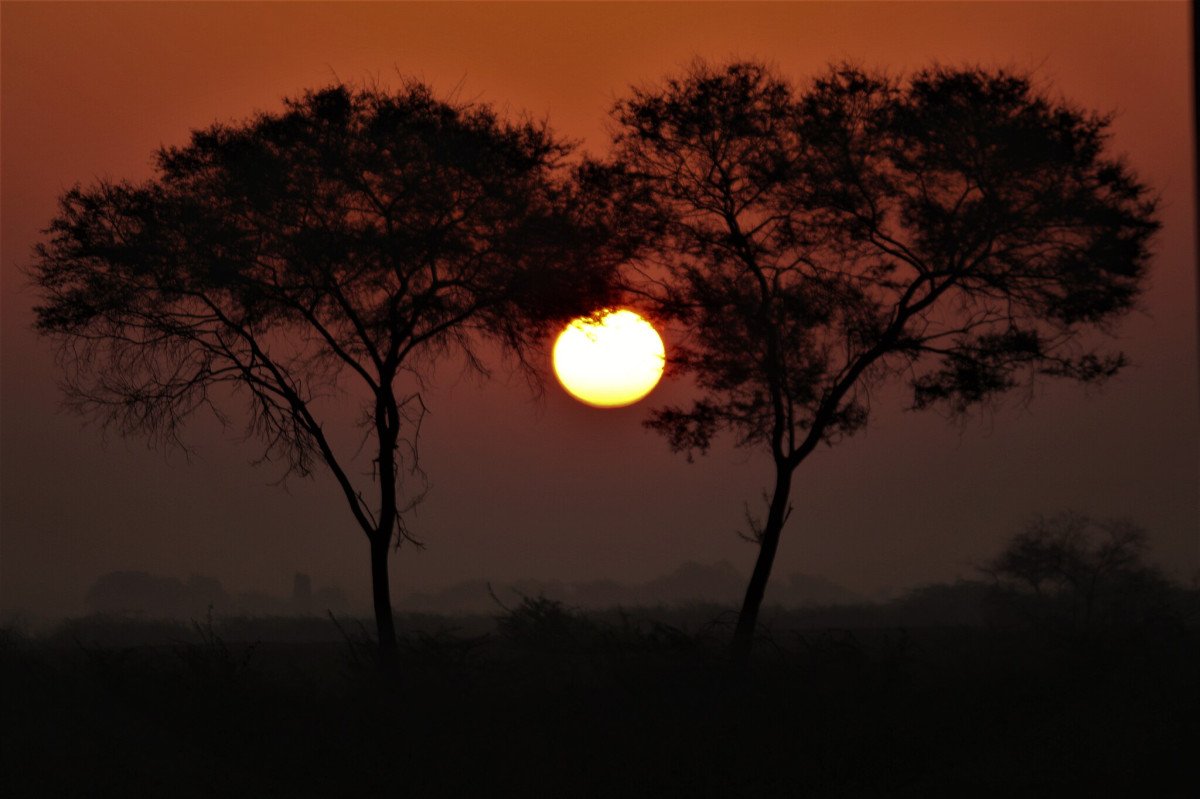
Khijadiya Bird Sanctuary
General information
-
Ideal Duration:
3 to 4 HoursPlace Type:
Wildlife Sanctuary/WetlandEntry Fees:
Indian Nationals: Typically Rs.40 to Rs.80 per person.
Foreign Nationals: Typically Rs.250 to Rs.400 per person.
Still Camera: Nominal fee, often around Rs.50 to Rs.100.
Video Camera: H...Indian Nationals: Typically Rs.40 to Rs.80 per person.
Foreign Nationals: Typically Rs.250 to Rs.400 per person.
Still Camera: Nominal fee, often around Rs.50 to Rs.100.
Video Camera: Higher fee, often between Rs.200 and Rs.500.
Vehicle Entry: A separate fee for cars or two-wheelers, usually around Rs.100 to Rs.250.
Guide Fees: Separate and negotiable with local guides, highly recommended for optimal viewing.Timing:
Regular Timings: Generally 6:00 AM to 6:00 PM daily.
Ideal Visit Time: Dawn (6:30 AM to 9:30 AM) and Dusk (4:00 PM to 6:00 PM) are the best times for bird activity and photography light.
Closed Days: Check f...Regular Timings: Generally 6:00 AM to 6:00 PM daily.
Ideal Visit Time: Dawn (6:30 AM to 9:30 AM) and Dusk (4:00 PM to 6:00 PM) are the best times for bird activity and photography light.
Closed Days: Check for closures on major national holidays or during adverse weather.Special Events:
World Wetlands Day (February 2): Celebrated with special programs, bird walks, and educational talks, emphasizing the sanctuary's recent designation as a Ramsar Site (Wetland of International Importance).
Annual Bird Census: An organized, often closed-to-the-public,...World Wetlands Day (February 2): Celebrated with special programs, bird walks, and educational talks, emphasizing the sanctuary's recent designation as a Ramsar Site (Wetland of International Importance).
Annual Bird Census: An organized, often closed-to-the-public, event conducted by the Forest Department during January or February to monitor the bird population, sometimes followed by a public presentation of the findings.
Navratri and Local Fairs: Small local fairs or celebrations are sometimes held in the villages adjacent to the sanctuary, offering a glimpse into local culture before or after the visit.Best Photo Spots:
Observation Tower Views: Shots taken from the elevated watchtowers, capturing a wide expanse of the wetland with thousands of flamingos or pelicans in the distance.
Water Reflection Shots: Early morning shots with still water, capturing the ...Observation Tower Views: Shots taken from the elevated watchtowers, capturing a wide expanse of the wetland with thousands of flamingos or pelicans in the distance.
Water Reflection Shots: Early morning shots with still water, capturing the perfect reflection of wading birds like the Black-necked Stork or egrets.
Close-up Bird Portraits: Using a high-powered zoom lens to capture the details of species like the Indian Skimmer or Dalmatian Pelican in flight or during feeding.
The Bund Contrast: A photo illustrating the architectural contrast of the fresh and saltwater on either side of the embankment (bund).Photo Gallery

Things To Do
-
Birdwatching & Photography: Dedicate time to sitting quietly in the observation towers to spot and photograph over 300 bird species, using binoculars and telephoto lenses. Focus on identifying the difference between the freshwater and saltwater bird populations.
Nature Trails: Walk along the designated trails and bunds to experience the varying habitats, watching for movement in the reeds and marsh grass. Wear camouflage or muted colors to avoid disturbing the birds.
Eco-Tourism: Participate in guided tours offered by the forest department, focusing on the ecosystem's unique hydrology and conservation efforts. Learn about the local flora like Typha and Saccharum.
Mammal Spotting: Rise very early (pre-dawn) to try and spot the shy land mammals like the Blue Bul...
Information
-
Why Famous:
Confluence of Water: Its unique distinction is the simultaneous presence of both fresh and saltwater ecosystems in one small area, attracting an extraordinary variety of birds—from waders and ducks to flamingos and storks.
Migratory Haven:...Confluence of Water: Its unique distinction is the simultaneous presence of both fresh and saltwater ecosystems in one small area, attracting an extraordinary variety of birds—from waders and ducks to flamingos and storks.
Migratory Haven: It is famous as a prime wintering ground for numerous migratory species from Europe and Africa, making it a globally important site on the Central Asian Flyway.
Black-necked Stork: It is known for regular sightings of the highly sought-after and charismatic species like the Black-necked Stork and the Great Crested Grebe. -
Architecture:
Ecological Design: The core "architecture" is a system of man-made earthen bunds (dams/embankments) constructed to retain freshwater on one side and manage saline water on the other. This engineering feat, originally for water management, resulted in two distinct but adjace...Ecological Design: The core "architecture" is a system of man-made earthen bunds (dams/embankments) constructed to retain freshwater on one side and manage saline water on the other. This engineering feat, originally for water management, resulted in two distinct but adjacent ecosystems.
Infrastructure: The visitor infrastructure includes several sturdy, elevated observation towers (machans) and strategically placed watch cabins constructed from local materials, designed to blend into the natural environment for optimal, non-intrusive birdwatching.
Water Management System: The bunds are several meters high and run for significant lengths, effectively separating the fresh and saline water bodies, a key dimension of the sanctuary's survival.
Visitor Pathways: Well-defined nature trails and walkways are built primarily of compacted earth and stone, ensuring minimal disturbance to the marshland while providing access to key viewing areas. -
How To Reach:
By Air: Nearest is Jamnagar Airport (JGA), approximately 15 KMS away. Hire a pre-booked taxi or cab.
By Train: Nearest is Jamnagar Railway Station (JAM), approximately 15 KMS away. Taxis and local jeeps (Chhakras) are available. -
Near Tourist Places:
Lakhota Lake / Ranmal Lake (15 KMS), Khambhalia Gate (17 KMS), Bala Hanuman Temple (17 KMS), Ranjitsagar Dam (15 KMS), Narara Island (Marine National Park) (40 KMS), Darbargadh Palace (18 KMS), Pirotan Island (Permit required) (18 NM by sea from Bedi Port), Barda Wildlife Sanctuary (100 KMS), Dwarka (140 KMS), Ghumli (120 KMS).
Tourism Tips
-
Health & safety: Malaria/Mosquito protection is essential, especially at dawn/dusk; carry insect repellent. Stay on marked trails to avoid snakes.
Packing: Bring High-powered Binoculars (essential), a bird guide book, a hat, sunscreen, and...
Reviews
Jamnagar Itineray And Cost:-
Khijadiya Bird Sanctuary Tourism:-
Information about New and Updated Locations() of Gujarat Has Been Added :-
Card subtitle
Note:-
Information provided here in good Faith and for reference only.
All information and pictures will be updated soon, please keep visiting.
Near Places

Ayurved University
Some quick example text to build on the card title and make up the bulk of the card's content.
Go somewhere
Bala Hanuman Temple
Some quick example text to build on the card title and make up the bulk of the card's content.
Go somewhere
Balachadi Beach
Some quick example text to build on the card title and make up the bulk of the card's content.
Go somewhere
BAPS Shri Swaminarayan Mandir
Some quick example text to build on the card title and make up the bulk of the card's content.
Go somewhere
Bedi Port
Some quick example text to build on the card title and make up the bulk of the card's content.
Go somewhere
Bhidbhanjan Mahadev Temple
Some quick example text to build on the card title and make up the bulk of the card's content.
Go somewhere
Bhujiyo Kotho
Some quick example text to build on the card title and make up the bulk of the card's content.
Go somewhere
Chandi Bazaar
Some quick example text to build on the card title and make up the bulk of the card's content.
Go somewhere
Darbargadh Palace
Some quick example text to build on the card title and make up the bulk of the card's content.
Go somewhere
Jain Temples
Some quick example text to build on the card title and make up the bulk of the card's content.
Go somewherein Other Cities