Kigwema Village
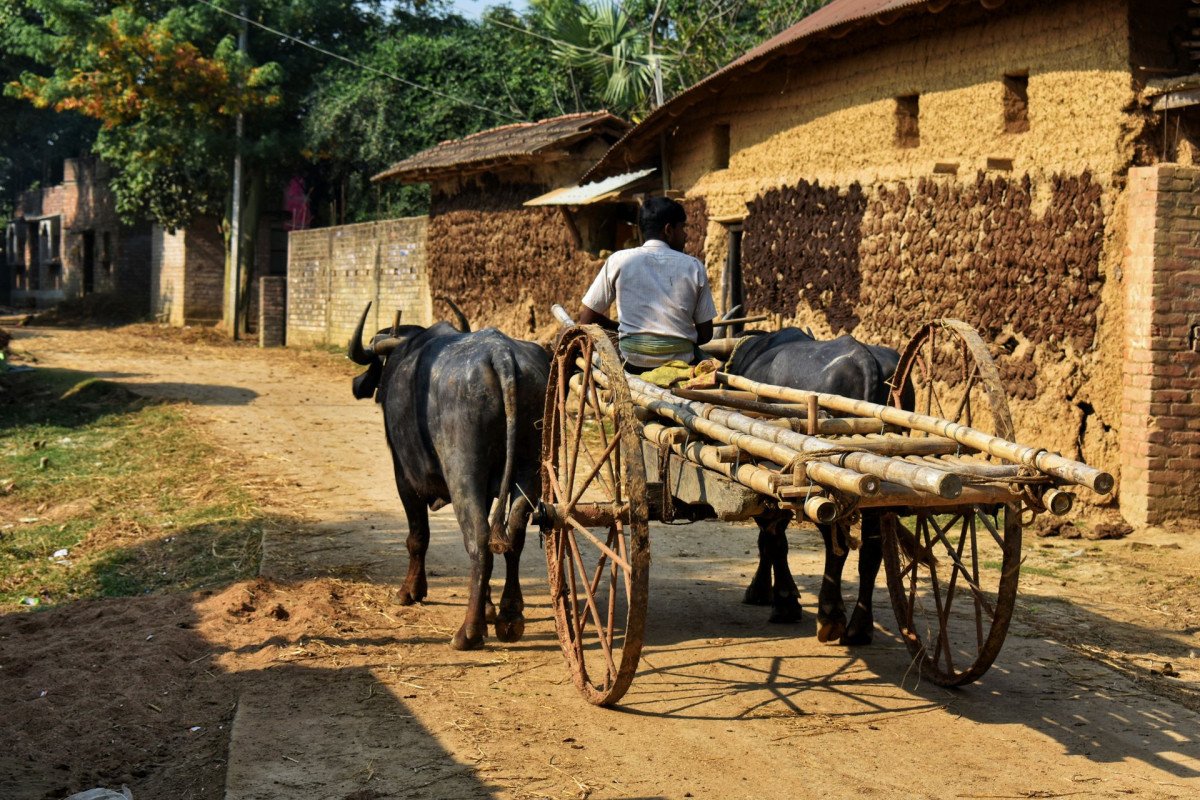
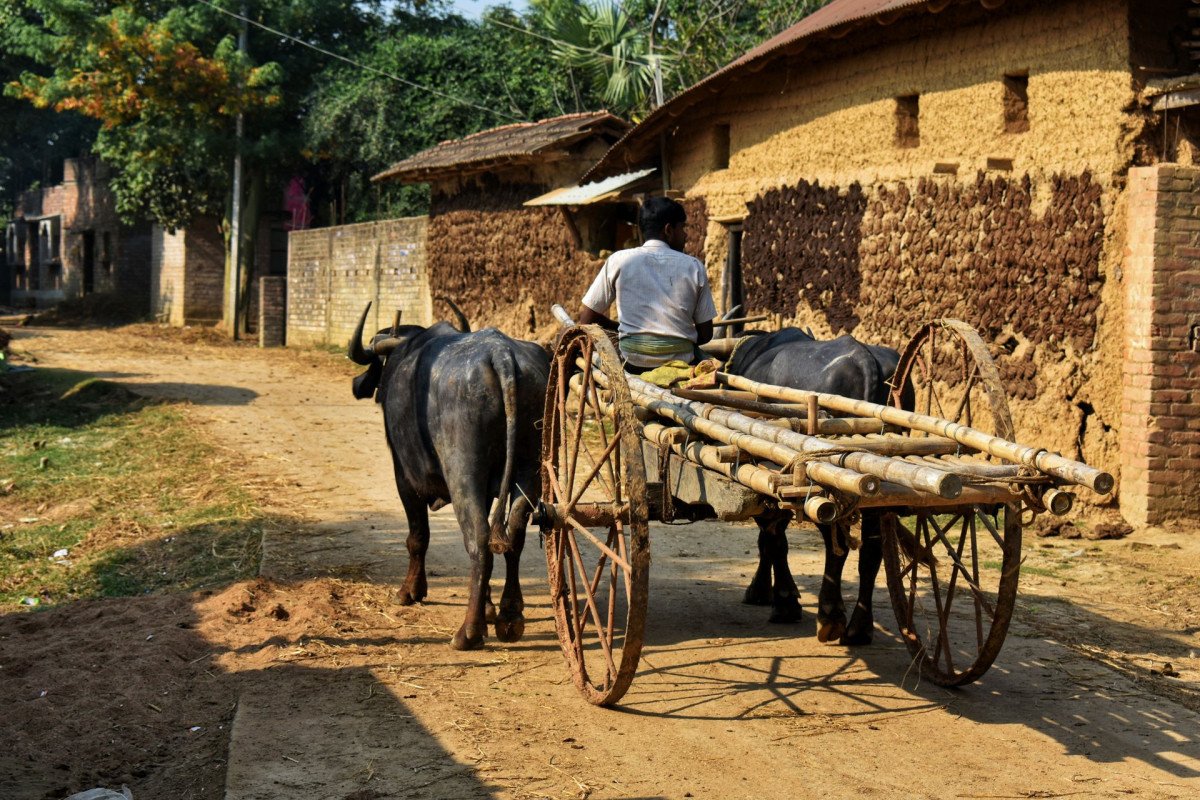
Kigwema Village is a large, historically significant, and well-preserved Angami Naga village renowned for its active engagement in eco-tourism, serving as a primary base camp for the trek to the majestic Dzukou Valley and as the location that contributes the "KI" in the name Kisama (Naga Heritage Vi llage); it is a vibrant, living repository of Angami culture, distinct in its terraced cultivation fields and traditional architecture, where the community is actively involved in sustainable tourism initiatives like homestays, providing visitors with an authentic, immersive experience into the unique lifestyle, customs, and deep-rooted conservation ethics of the Naga people, making it a pivotal destination for cultural and nature enthusiasts in Nagaland.
General information
-
Ideal Duration:
2 Days to 3 Days:Place Type:
Cultural Village/Trekking Base:Entry Fees:
Village Entry Fee:Some well-organized eco-tourism villages, especially if part of a collective effort or conservation trust, might charge a nominal Village Development/Eco-tourism Fee, generally around Rs.20 to Rs.50 per person, which directly funds local projects;Village Entry Fee:Some well-organized eco-tourism villages, especially if part of a collective effort or conservation trust, might charge a nominal Village Development/Eco-tourism Fee, generally around Rs.20 to Rs.50 per person, which directly funds local projects;
Trekking Permits:If you are trekking to Dzukou Valley from here, the trekking permit is mandatory and has a separate fee (approx. Rs.100 to Rs.200 per person, plus camera fees);
Homestay/Guide Fees:The most significant cost will be accommodation and hiring a local guide, which are vital for a meaningful visit and a direct contribution to the local community's livelihood.Timing:
Regular Timings:As a working village, it is open 24/7, but most commercial and tourist-related activities, including homestay check-ins and village walks, run from 8:00 AM to 5:00 PM;
Ideal Visit Time:The ideal time is the Mid-Day (11:00 AM ...Regular Timings:As a working village, it is open 24/7, but most commercial and tourist-related activities, including homestay check-ins and village walks, run from 8:00 AM to 5:00 PM;
Ideal Visit Time:The ideal time is the Mid-Day (11:00 AM to 3:00 PM) for walking through the village, interacting with locals, and appreciating the full scope of the architecture, as the sun is high and provides good, consistent light for exploring the intricate lanes and interacting with community members in a lively atmosphere.Special Events:
The Hornbill Festival Proximity:Being adjacent to Kisama (Naga Heritage Village), the village acts as a major accommodation and cultural staging point during the Hornbill Festival (December 1-10), with many village homes hosting cultural events, special dinners, and traditio...The Hornbill Festival Proximity:Being adjacent to Kisama (Naga Heritage Village), the village acts as a major accommodation and cultural staging point during the Hornbill Festival (December 1-10), with many village homes hosting cultural events, special dinners, and traditional art demonstrations for festival attendees;
Sekrenyi Festival:The Angami festival of purification and sanctification, Sekrenyi (usually celebrated in February), is observed with great fervor, featuring traditional rituals, feasts, and folk songs across the village, offering a deeply spiritual and communal experience for the respectful visitor.Best Photo Spots:
Terraced Fields from Above:A photo taken from an elevated point, capturing the vast expanse of the village and the geometric precision of the terraced fields that surround it, creating a striking contrast between the organized agriculture and the wild mountain landscape;Terraced Fields from Above:A photo taken from an elevated point, capturing the vast expanse of the village and the geometric precision of the terraced fields that surround it, creating a striking contrast between the organized agriculture and the wild mountain landscape;
Village Life on Stone Paths:Candid street photography along the ancient, stone-paved paths, capturing the daily life—villagers carrying water, children playing, or women weaving—framed by the traditional house facades, gives a genuine sense of the village's cultural rhythm;
The Gateway to the Village:A beautiful shot can be taken at the main village entrance (Kigwema Stone Gate), using the gate to frame the view into the heart of the village, symbolizing the transition from the modern road to the traditional world.Photo Gallery
Things To Do
-
Trekking to Dzukou Valley:Begin the challenging and rewarding trek to the famous Dzukou Valley from the village base, a multi-day journey known for its beautiful flowers (especially the Dzukou Lily) and rolling hills;
Stay in a Traditional Homestay:Spend a few nights in a local homestay (Dawn Homestay, Native Stories), sharing meals and conversation with the host family to gain an authentic cultural experience, often learning about Angami cooking and customs;
Walk the Terraced Fields:Take a guided walk through the expansive terraced fields, especially during the planting or harvest season, to appreciate the scale and traditional methods of Angami rice cultivation;
Visit the Local Church:The village boasts a significant local church, which is often a beautiful str...Trekking to Dzukou Valley:Begin the challenging and rewarding trek to the famous Dzukou Valley from the village base, a multi-day journey known for its beautiful flowers (especially the Dzukou Lily) and rolling hills;
Stay in a Traditional Homestay:Spend a few nights in a local homestay (Dawn Homestay, Native Stories), sharing meals and conversation with the host family to gain an authentic cultural experience, often learning about Angami cooking and customs;
Walk the Terraced Fields:Take a guided walk through the expansive terraced fields, especially during the planting or harvest season, to appreciate the scale and traditional methods of Angami rice cultivation;
Visit the Local Church:The village boasts a significant local church, which is often a beautiful structure and a central part of contemporary Naga life, offering insight into the community's religious practices and architecture;
Attend a Cooking Class:Many homestays offer an informal class on preparing traditional Naga dishes, like smoked meat curries or bamboo shoot pickles, which is a delicious and interactive way to experience the local culture;
Purchase Local Produce:Visit small local shops to purchase organically grown vegetables, dried local delicacies, or traditional fermented products directly from the producers;
Take Part in a Community Cleanup:If the opportunity arises, participate in a local cleanup drive, as the village places a high value on cleanliness and environmental preservation, aligning with its eco-tourism focus.
Information
-
Why Famous:
Base for Dzukou Valley:It is most famous as the convenient, southern base or starting point for the trek to the globally renowned Dzukou Valley, attracting trekkers from all over the world, which has significantly boosted its profile in adventure tourism;
Read MoreBase for Dzukou Valley:It is most famous as the convenient, southern base or starting point for the trek to the globally renowned Dzukou Valley, attracting trekkers from all over the world, which has significantly boosted its profile in adventure tourism;
Ecotourism Model:The village is widely recognized for its successful community-based eco-tourism and homestay initiatives, where the local people are the primary beneficiaries and custodians of their environment and culture, establishing a sustainable and ethical tourism model in the region.Architecture:
Architectural Significance:The architecture across the village is a mix of traditional Angami wooden huts with characteristic carved frontal beams (kika) and more modern concrete homes, often featuring a blend of indigenous aesthetics with modern structural durability, showi...Architectural Significance:The architecture across the village is a mix of traditional Angami wooden huts with characteristic carved frontal beams (kika) and more modern concrete homes, often featuring a blend of indigenous aesthetics with modern structural durability, showing the evolution of the village; the layout features narrow, stone-paved paths and specific clustered settlements based on clans;
Dimension and Structure:As a whole village, it covers a large area, spread across a hillside, but individual structures and community buildings like the church or the Morung are designed on a grand scale, often incorporating massive wooden pillars and local stone; the primary feature is the effective use of terracing for both housing and agriculture, creating a unique, tiered landscape that is functionally efficient and visually stunning, reflecting the community's mastery over the mountain terrain.How To Reach:
By Air:The most common route is flying into Dimapur Airport (DMU) (70 KMS), followed by a pre-booked or shared taxi to Kohima (about 3-4 hours) and then another local cab or shared Sumo for the final 15 KMS to Kigwema Village;
By Train:The n...By Air:The most common route is flying into Dimapur Airport (DMU) (70 KMS), followed by a pre-booked or shared taxi to Kohima (about 3-4 hours) and then another local cab or shared Sumo for the final 15 KMS to Kigwema Village;
By Train:The nearest major station is Dimapur Railway Station (DMU) (70 KMS); the onward journey to Kigwema is entirely by road, following the same transport chain as from the airport;
By Road:Located right off NH-29 (the main road connecting Dimapur to Kohima), it is easily accessible by reserved or shared taxis from Kohima (45 minutes to 1 hour);
By Local Transport:Shared Sumo taxis operate frequently and are the most economical way to travel between Kohima and Kigwema, dropping you at the main village junction from where you can walk to your homestay or explore.Weather and Best Time to Visit:
Season Headings:The Best Time to Visit is during the Peak Winter months, especially November and December, as the weather is cool, dry, and most pleasant for trekking and cultural engagement, coinciding perfectly with the Hornbill Festival;
Diff...Season Headings:The Best Time to Visit is during the Peak Winter months, especially November and December, as the weather is cool, dry, and most pleasant for trekking and cultural engagement, coinciding perfectly with the Hornbill Festival;
Different Parts of the Day:The Ideal Visit Time is the Late Afternoon as the village winds down, offering a peaceful atmosphere, and the low sun bathes the wooden houses in a warm, golden light, creating a very picturesque scene perfect for relaxed photography.Near Tourist Places:
Dzukou Valley Trek Base (0 KM), Kisama Naga Heritage Village (2 KMS), Kohima War Cemetery (15 KMS), Kohima Cathedral Church (17 KMS), Kohima Local Market (16 KMS), Japfu Peak (10 KMS to base), Khonoma Green Village (35 KMS), Touphema Village (45 KMS), Dzuleke Village (40 KMS), State Museum Kohima (16 KMS).Tourism Tips
-
Health & Safety:Always secure an Inner Line Permit (ILP) before entering Nagaland (available at various state government offices or online); carry both cash (ATMs are scarce outside Kohima) and appropriate identification;
Packing:Pack for a...Health & Safety:Always secure an Inner Line Permit (ILP) before entering Nagaland (available at various state government offices or online); carry both cash (ATMs are scarce outside Kohima) and appropriate identification;
Packing:Pack for all weather conditions, as the temperature can drop sharply in the evenings, and carry rain gear if visiting during the shoulder months; warm bedding is often provided in homestays;
Accommodation:Pre-booking a homestay is essential, particularly if traveling during the peak season (December), and it is the key to having a truly authentic cultural exchange with the local Angami families;
Other Different Topics Heading:Engage respectfully with the local community; learn a few Angami phrases, avoid loud behavior, and always be courteous, as your experience is highly dependent on the goodwill of the villagers who host you.
Reviews
FAQs
Kigwema Itineray And Cost:-
Other Places In Kigwema :-
Other States In India :-
Information about New and Updated Locations() of Nagaland Has Been Added :-
Card subtitle
Note:-
Information provided here in good Faith and for reference only.
Near Places

Ketsiezou Watch Tower
Some quick example text to build on the card title and make up the bulk of the card's content.
Go somewhere
Kezoltsa Forest
Some quick example text to build on the card title and make up the bulk of the card's content.
Go somewhere
Kigwema Morung
Some quick example text to build on the card title and make up the bulk of the card's content.
Go somewhere
Kigwema Village
Some quick example text to build on the card title and make up the bulk of the card's content.
Go somewhere
Kisama Heritage Village
Some quick example text to build on the card title and make up the bulk of the card's content.
Go somewhere
Micro Museum Thekrunoma
Some quick example text to build on the card title and make up the bulk of the card's content.
Go somewherein Other Cities