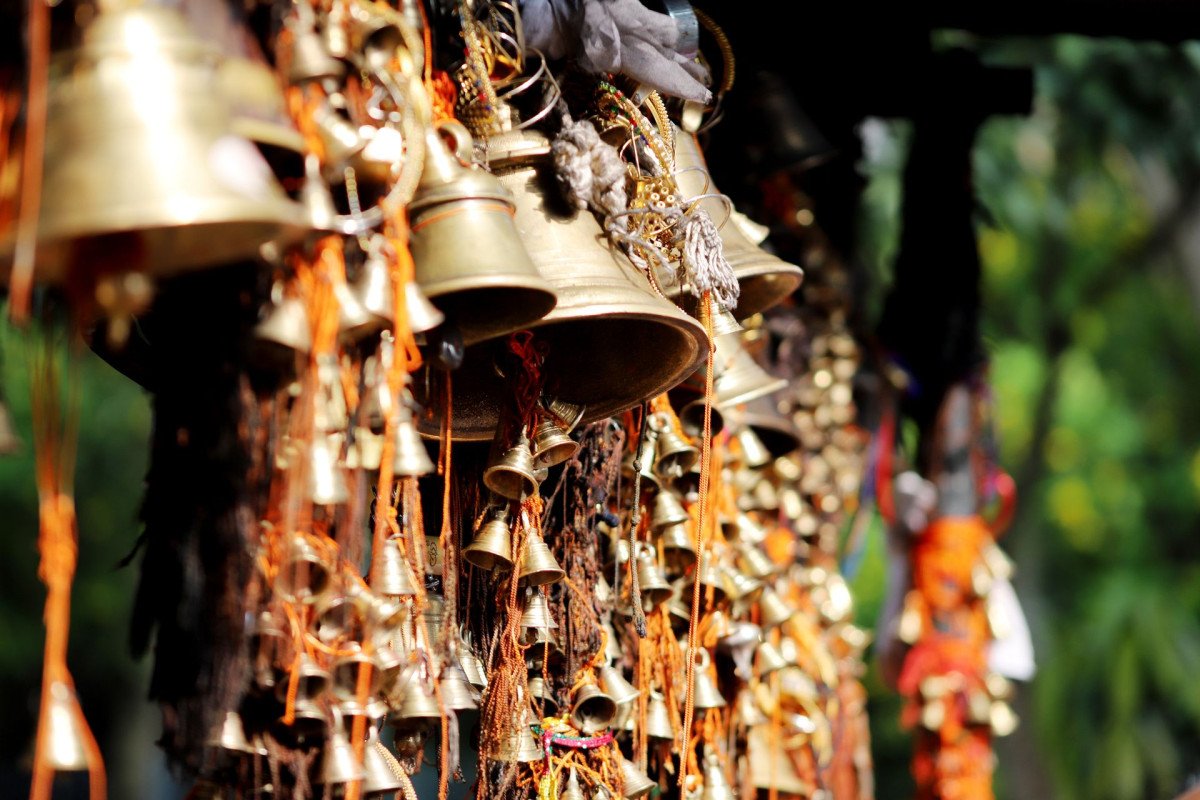
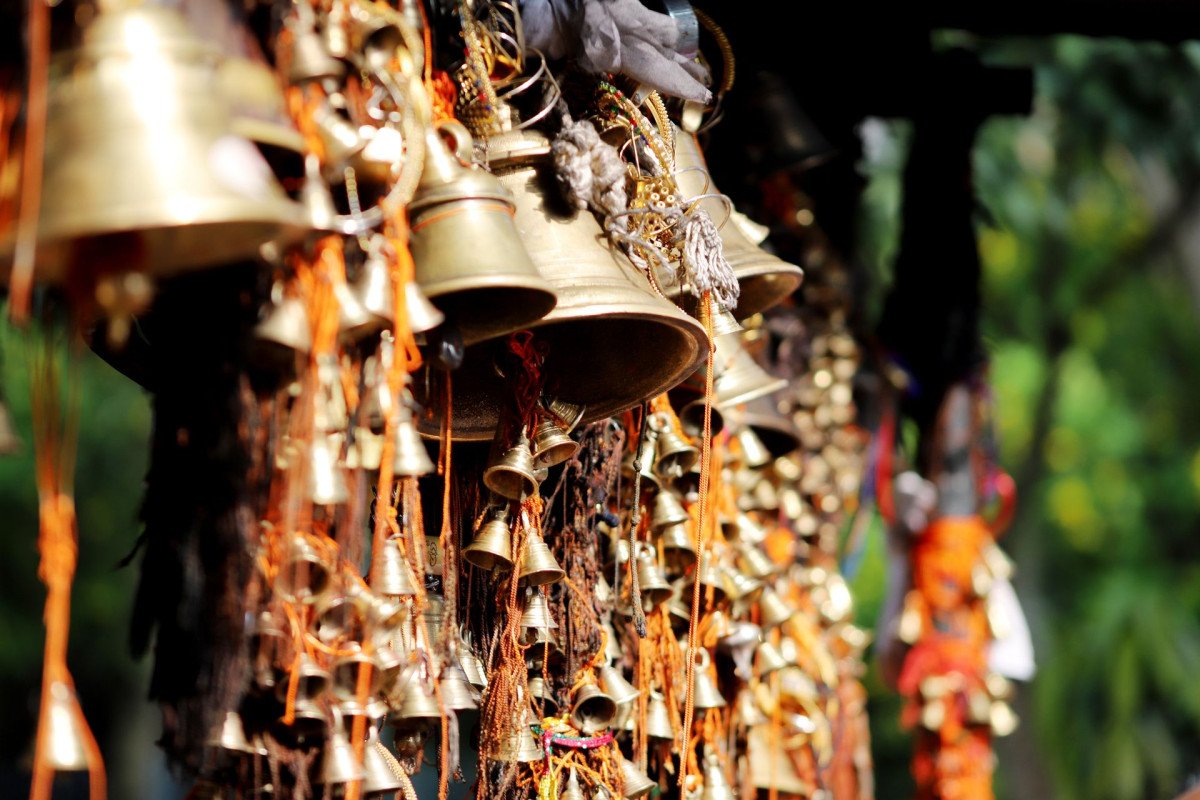
Kogi Mata Temple
General information
-
Ideal Duration:
1-2 hours:Place Type:
Pilgrimage and Cultural Site::Entry Fees:
Donation Based or Free Entry::Entry to the temple premises is generally Free.
Photography Fees and Restrictions::There are typically no official photography fees, but visitors must be extremely respectful when taking photos, especially insid...Donation Based or Free Entry::Entry to the temple premises is generally Free.
Photography Fees and Restrictions::There are typically no official photography fees, but visitors must be extremely respectful when taking photos, especially inside the shrine. Donations are highly encouraged to support the temple's upkeep.
No Ticket Counter::The lack of a formal ticket counter for entry emphasizes the temple's primary role as a place of worship and community gathering, rather than a commercial tourist site. Visitors should prepare a small offering (prasad) or cash donation as a mark of respect::Timing:
Regular Temple Hours::The temple generally operates from 6:00 AM to 7:00 PM daily, though this can vary based on local puja schedules and season.
Ideal Visit Time::The best time to visit is during the early morning (7:00 AM to 10:00 AM) for ...Regular Temple Hours::The temple generally operates from 6:00 AM to 7:00 PM daily, though this can vary based on local puja schedules and season.
Ideal Visit Time::The best time to visit is during the early morning (7:00 AM to 10:00 AM) for a serene experience, witnessing the morning rituals, and enjoying the fresh air before the day's crowds arrive. Summer and Post-Monsoon months (April to June and September to November) offer the most pleasant weather for the visit::Special Events:
Annual Village Fair and Rituals::While the temple does not have massive commercial festivals, it is the center of an important, non-publicized annual village fair (mela or jatra) held during a specific regional festival, often linked to the harvest or the changing of the sea...Annual Village Fair and Rituals::While the temple does not have massive commercial festivals, it is the center of an important, non-publicized annual village fair (mela or jatra) held during a specific regional festival, often linked to the harvest or the changing of the seasons, where the deity is taken out in a procession (yatra). This event is highly traditional, involving local music, dance (Nati), and community feasts, offering an authentic cultural experience that is rarely witnessed by outside tourists, reinforcing the temple's role as a community anchor::Best Photo Spots:
Temple’s Wooden Facade::The detailed Deodar wood carvings on the temple's entrance and facade, especially in the soft light of the morning.
View of Traditional Village::A composition shot capturing the unique slate-roofed houses of Kogi Vi...Temple’s Wooden Facade::The detailed Deodar wood carvings on the temple's entrance and facade, especially in the soft light of the morning.
View of Traditional Village::A composition shot capturing the unique slate-roofed houses of Kogi Village with the temple spire in the background, symbolizing local culture and heritage.
The Forest Canopy::Shots taken from the trekking trails, capturing the dense canopy of pine and Deodar trees, with rays of sunlight piercing through, creating a dramatic natural effect.
The Chowka Detail::Close-up shots of the Chowka (elders' seating area) to document the intricate craftsmanship and cultural symbolism::Photo Gallery
Things To Do
-
Seeking Blessings and Spiritual Retreat::Spend time in quiet contemplation and seek blessings from Kogi Mata for peace and prosperity.
Explore the Traditional Village::Take a leisurely walk through Kogi Village to observe the unique Pahari architectural style of the homes, which feature sloping roofs and wooden lattice work, capturing the essence of Himachali rural life.
Nature Walks and Trekking::Embark on short nature walks through the dense Deodar and pine forests surrounding the temple, enjoying the clean mountain air and birdwatching. The forest trails offer a gentle, refreshing trekking experience.
Photography::The temple, with its traditional architecture, and the surrounding village, set against the backdrop of the Himalayan ranges, offer excellent photo...Seeking Blessings and Spiritual Retreat::Spend time in quiet contemplation and seek blessings from Kogi Mata for peace and prosperity.
Explore the Traditional Village::Take a leisurely walk through Kogi Village to observe the unique Pahari architectural style of the homes, which feature sloping roofs and wooden lattice work, capturing the essence of Himachali rural life.
Nature Walks and Trekking::Embark on short nature walks through the dense Deodar and pine forests surrounding the temple, enjoying the clean mountain air and birdwatching. The forest trails offer a gentle, refreshing trekking experience.
Photography::The temple, with its traditional architecture, and the surrounding village, set against the backdrop of the Himalayan ranges, offer excellent photographic opportunities, especially during the early morning hours.
Local Interaction::Engage with the local villagers to learn about the customs, legends, and history associated with the temple and the deity.
Picnicking::The tranquil surroundings are ideal for a peaceful picnic lunch, though it is essential to maintain cleanliness and respect the sacred nature of the site.
Witness Traditional Practices::If timed right, you may witness unique local puja (worship) rituals and community gatherings specific to the Kogi culture::
Information
-
Why Famous:
Local Deity and Serene Location::It is most famous for being the abode of Kogi Mata, the revered local Goddess of the Kogi region. Its fame also stems from its pristine, less-commercialized location in the picturesque Kogi Village, which offers a genuine experience of rural...Local Deity and Serene Location::It is most famous for being the abode of Kogi Mata, the revered local Goddess of the Kogi region. Its fame also stems from its pristine, less-commercialized location in the picturesque Kogi Village, which offers a genuine experience of rural Himachali life and architecture. The ancient traditions and peaceful atmosphere attract visitors seeking spiritual calm away from the hustle of places like nearby Shimla. It is a major stop on the local temple circuit and a perfect blend of natural beauty and spiritual heritage. :: -
Architecture:
Traditional Himachali Style::The architecture of Kogi Mata Temple is a fine example of indigenous Pahari style, often featuring sloping slate roofs and intricate Deodar wood carvings, reflecting the region's craftsmanship.
Design and Materials:<...Traditional Himachali Style::The architecture of Kogi Mata Temple is a fine example of indigenous Pahari style, often featuring sloping slate roofs and intricate Deodar wood carvings, reflecting the region's craftsmanship.
Design and Materials:: The structure is typically small and utilizes locally sourced materials like wood and stone, which helps it withstand the harsh Himalayan climate. The precise dimensions are not publicly documented, but the design emphasizes natural aesthetics and spiritual simplicity, making it distinct from larger, modern structures. The carvings often depict local deities and mythological scenes, embodying the cultural heritage of Himachal Pradesh.
Spiritual Elements:: The presence of the Chowka, a wooden seating area for elders, highlights unique social and religious customs: -
How To Reach:
By Air (Jubbarhatti Airport):The nearest airport is Shimla Airport (Jubbarhatti, SLV), approximately 32 KMS away. One can hire a prepaid taxi from the airport to the temple, a journey taking about 1. 5 to 2 hours.
By Train (Shimla Railway Stati...By Air (Jubbarhatti Airport):The nearest airport is Shimla Airport (Jubbarhatti, SLV), approximately 32 KMS away. One can hire a prepaid taxi from the airport to the temple, a journey taking about 1. 5 to 2 hours.
By Train (Shimla Railway Station):The nearest major railway head is Kalka Railway Station, but the narrow-gauge Shimla Railway Station is closer, around 23 KMS away. Taxis and local buses are available from Shimla to Naldehra and then a short walk or local taxi to Kogi Village.
By Road (Well Connected):The temple is well-connected by motorable roads via Naldehra. Regular buses and shared taxis run from Shimla (23 KMS) to Naldehra. From Naldehra, it's a short, pleasant walk or a local cab ride to the village. The roads can be narrow, requiring careful driving.
By Local Transport (Walk/Pony):From the main road near Naldehra, one may need to walk the final stretch or hire a local pony, which is a popular way to explore the area:: -
Weather and Best Time to Visit:
Spring and Summer (Pleasant Weather):March to June is the most ideal period, with temperatures between 15°C and 25°C, perfect for walking and outdoor activities. The surrounding flora is in full bloom.
Monsoon (Lush Greenery):July to Augu...Spring and Summer (Pleasant Weather):March to June is the most ideal period, with temperatures between 15°C and 25°C, perfect for walking and outdoor activities. The surrounding flora is in full bloom.
Monsoon (Lush Greenery):July to August brings heavy rainfall, making the environment lush and beautiful, but posing risks of landslides and muddy trails.
Autumn (Clear Skies):September to November offers clear, crisp weather and stunning views of the Himalayan peaks.
Different Parts of the Day (Morning Serenity):Early Morning is best for a tranquil experience, while late afternoon offers soft light for photography:: -
Near Tourist Places:
Naldehra Golf Course (2 KMS), Mahakali Temple (2 KMS), Shaily Peak base point (5 KMS), Mashobra (12 KMS), Kufri (20 KMS), Tattapani (30 KMS), Shimla (23 KMS), Christ Church Shimla (25 KMS), Jakhu Temple Shimla (27 KMS), Chail Palace (45 KMS):
Tourism Tips
-
Health & Safety (Footwear and Hydration):Wear comfortable trekking shoes as the final approach to the temple involves uneven ground. Carry sufficient water and basic first-aid, especially for longer walks.
Packing (Layered Clothing):Pack la...Health & Safety (Footwear and Hydration):Wear comfortable trekking shoes as the final approach to the temple involves uneven ground. Carry sufficient water and basic first-aid, especially for longer walks.
Packing (Layered Clothing):Pack layered clothing, even in summer, as the weather is unpredictable. Carry a light jacket and a raincoat/umbrella, especially during monsoon.
Accommodation (Naldehra Options):Stay in the various hotels and guesthouses in the main Naldehra town or near the Golf Course. Consider homestays in Kogi Village for an authentic experience.
Other Tips (Respect and Local Culture):Always ask for permission before photographing local residents or private property. Maintain silence and respect the temple's sanctity. The local language is Pahari (Himachali) and Hindi;
English is also understood in tourist areas::
Reviews
FAQs
Naldehra Itineray And Cost:-
Kogi Mata Temple Tourism:-
Information about New and Updated Locations() of Himachal Pradesh Has Been Added :-
Card subtitle
Note:-
Information provided here in good Faith and for reference only.
All information and pictures will be updated soon, please keep visiting.
Near Places

Chabba
Some quick example text to build on the card title and make up the bulk of the card's content.
Go somewhere
Kogi Mata Temple
Some quick example text to build on the card title and make up the bulk of the card's content.
Go somewhere
Mahakali Temple
Some quick example text to build on the card title and make up the bulk of the card's content.
Go somewhere
Mahunag Temple
Some quick example text to build on the card title and make up the bulk of the card's content.
Go somewhere
Naldehra Golf Course
Some quick example text to build on the card title and make up the bulk of the card's content.
Go somewhere
Naldehra
Some quick example text to build on the card title and make up the bulk of the card's content.
Go somewhere
Pabbar Valley
Some quick example text to build on the card title and make up the bulk of the card's content.
Go somewhere
Shaily Peak
Some quick example text to build on the card title and make up the bulk of the card's content.
Go somewhere
Shoghi
Some quick example text to build on the card title and make up the bulk of the card's content.
Go somewhere
Tattapani
Some quick example text to build on the card title and make up the bulk of the card's content.
Go somewherein Other Cities