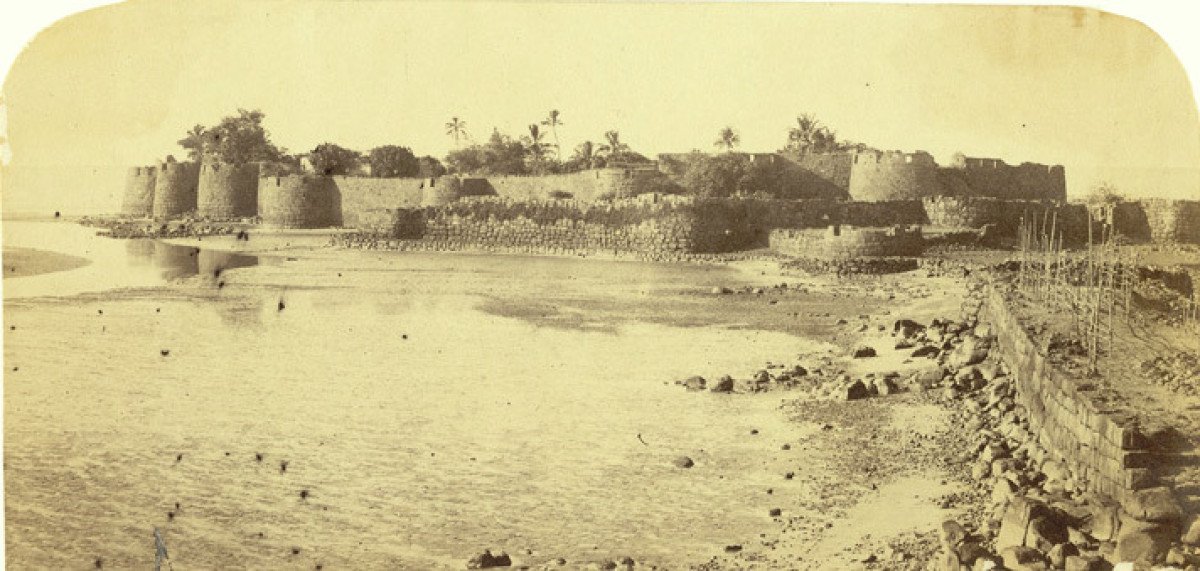
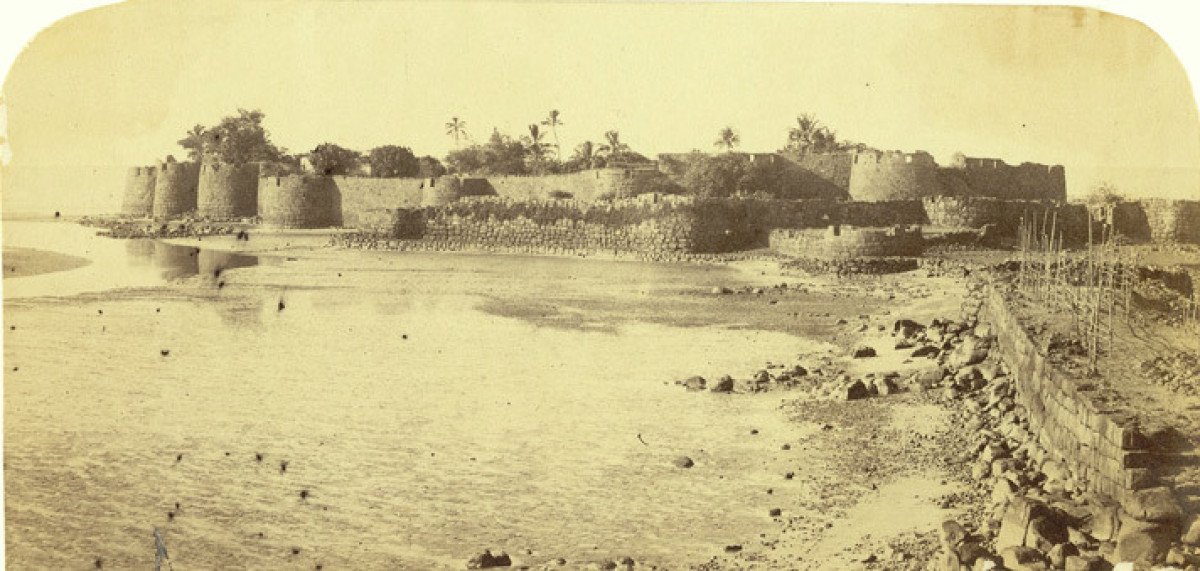
Kolaba Fort
General information
-
Ideal Duration:
2 to 3 Hours (Depending on the tide, allow more time for travel to and from the shore)Place Type:
Historical Sea Fort / Heritage SiteEntry Fees:
Fort Entry Fee (ASI): There is a nominal entry fee (typically INR 5 - 10 for Indian citizens, higher for foreign nationals) charged by the Archaeological Survey of India (ASI) for the maintenance and preservation of the historical fort. This fee is mandatory for entry to th...Fort Entry Fee (ASI): There is a nominal entry fee (typically INR 5 - 10 for Indian citizens, higher for foreign nationals) charged by the Archaeological Survey of India (ASI) for the maintenance and preservation of the historical fort. This fee is mandatory for entry to the historical site.
Boat/Horse-Cart Fare (Access Fee): The most significant cost is the access fare to reach the fort from Alibaug Beach. The shared boat ride during high tide or the horse-cart ride (Tanga) during low tide costs approximately INR 50 - 150 per person for a round trip. It is essential to negotiate the price, especially for a private cart.
Guide Service Cost: Tourists can hire local, informal guides on the shore or at the fort entrance to explain the fort's history and architecture. This is an optional service, and the fee is usually negotiable (INR 100 - 300).
Photography and Video: There are No Fees for personal photography or video recording inside the fort. However, for large-scale commercial photography or filming, prior permission from the ASI and payment of a substantial commercial fee is required. The overall cost is highly reasonable for such a historically rich site.Timing:
Regular Timings: Kolaba Fort is officially open from 10:00 AM to 5:00 PM as per the ASI schedule. However, access is completely controlled by the tides.
Tide-Controlled Access: The functional access time is highly variable. The fort is onl...Regular Timings: Kolaba Fort is officially open from 10:00 AM to 5:00 PM as per the ASI schedule. However, access is completely controlled by the tides.
Tide-Controlled Access: The functional access time is highly variable. The fort is only accessible by foot/horse-cart for approximately 4 hours around the period of low tide (2 hours before and 2 hours after the lowest tide). Visitors must check the daily tide chart (displayed on Alibaug Beach and in local papers) and plan their visit around this window. Ideal Visit Time (Low Tide in Morning or Afternoon): The absolute ideal time is the low tide window that falls in the late morning or early afternoon (e. g. , 11:00 AM to 3:00 PM) during the Winter season. This provides daylight hours for comfortable fort exploration and the opportunity for the unique seabed walk.
Safety Precaution Time: Never attempt to walk to the fort near the time of high tide or after 4:00 PM (due to ASI closure), as the path quickly submerges. The visit must be planned precisely around the tidal window for safety and to avoid being stranded.Special Events:
Ganesh Chaturthi Celebrations: The Siddhivinayak Temple inside Kolaba Fort is the epicenter of a major special event: the Ganesh Chaturthi festival (August/September). The temple hosts grand, traditional celebrations that last for several days. This is an incredible time t...Ganesh Chaturthi Celebrations: The Siddhivinayak Temple inside Kolaba Fort is the epicenter of a major special event: the Ganesh Chaturthi festival (August/September). The temple hosts grand, traditional celebrations that last for several days. This is an incredible time to visit, as the fort comes alive with devotees, music, and religious fervor, merging historical architecture with vibrant modern faith.
Shivaji Jayanti Observance: The fort, being a creation of Chhatrapati Shivaji Maharaj, observes Shivaji Jayanti (Birthday of Shivaji Maharaj) in February or March with special enthusiasm. This event typically involves cultural programs, historical talks, and ceremonial flag hoisting, celebrating the Maratha heritage and providing a significant cultural event for visitors.
Annual Dargah Urs: The Dargah of Haji Kamaluddin Shah inside the fort hosts a small but significant annual Urs (observance/festival) (timing varies). This event highlights the fort's interfaith history and is a special, quiet gathering for the local Muslim community and devotees, adding a unique cultural layer to the fort's calendar.
High-Tide Festival (Informal): There is an informal 'festival' vibe during the peak Winter season when the tides are extremely high and the only way to reach the fort is by boat. This creates a special, bustling event on the shore, with numerous boats ferrying passengers, making the access itself a lively and memorable special event.Best Photo Spots:
The Maha Darwaza (Land Gate): The main entrance gate, the Maha Darwaza, is the most iconic photo spot. Capturing the massive wooden doors, the heavy iron spikes, and the engraved carvings provides a powerful, close-up image of Maratha military architecture and the sheer sca...The Maha Darwaza (Land Gate): The main entrance gate, the Maha Darwaza, is the most iconic photo spot. Capturing the massive wooden doors, the heavy iron spikes, and the engraved carvings provides a powerful, close-up image of Maratha military architecture and the sheer scale of the fort's defense.
The Fort on the Horizon at Sunset: The seawall on the mainland side offers the classic photo spot of the fort silhouetted on the horizon against the magnificent sunset, similar to the beach shot but from an elevated perspective that includes the vast expanse of the sea and the Alibaug coastline.
The Lighthouse and Western Seawall: The western seawall of the fort, facing the open sea, provides a dramatic photo spot. Capturing the powerful waves crashing against the base of the fort, with the offshore Alibaug Lighthouse visible in the distance, creates a dramatic maritime picture.
The Siddhivinayak Temple Interior: The serene, simple interior of the Siddhivinayak Temple offers a great spot for cultural and spiritual photography, capturing the devotion of the pilgrims and the blend of fort life and religious practice.
(Note: Be respectful of worshipers and temple rules).
The Cannon Viewpoint: The old English Cannons near the northern wall are excellent photo props. Capturing the cannons aimed out at the sea, with the Arabian Sea in the background, symbolizes the fort's military past and provides a dramatic historical photo spot.
Walking the Exposed Path: Getting a shot of the long, curving path of sand that emerges during low tide, with people or horse-carts walking on it, provides a unique and dynamic photo spot that captures the magic of the fort's access.Photo Gallery
Things To Do
-
Explore the Ancient Fortifications: The core activity is to explore the fort's robust architecture. Walk along the massive, 25-foot high walls and inspect the 17 strong bastions built to defend against the sea. This provides a deep historical immersion into Maratha military strategy and engineering.
Visit the Siddhivinayak Temple: A key religious activity is visiting the Siddhivinayak Temple inside the fort, built in 1759 AD. Paying respects at this active shrine offers a blend of historical sightseeing and spiritual observance, especially during the festive seasons.
Discover the Freshwater Wells: Visitors should actively search for and examine the freshwater wells inside the fort. This is an essential stop for understanding the fort's sustainability and a remarkable historical mystery, provi...Explore the Ancient Fortifications: The core activity is to explore the fort's robust architecture. Walk along the massive, 25-foot high walls and inspect the 17 strong bastions built to defend against the sea. This provides a deep historical immersion into Maratha military strategy and engineering.
Visit the Siddhivinayak Temple: A key religious activity is visiting the Siddhivinayak Temple inside the fort, built in 1759 AD. Paying respects at this active shrine offers a blend of historical sightseeing and spiritual observance, especially during the festive seasons.
Discover the Freshwater Wells: Visitors should actively search for and examine the freshwater wells inside the fort. This is an essential stop for understanding the fort's sustainability and a remarkable historical mystery, providing a unique educational moment about ancient hydro-engineering.
Photography of Sea and Silhouette: The fort is a spectacular location for photography. Capture the panoramic views of the Arabian Sea, the Alibaug coast, and the distant Alibaug Lighthouse. The fort's walls and bastions also make for excellent silhouette photography, especially during sunrise and sunset.
Tide-Dependent Access Adventure: The most adventurous part is the unique access method. Plan to walk (trek) across the exposed seabed during low tide, or take a traditional horse-cart ride (Tanga), adding an element of adventure. During high tide, take the short, enjoyable boat ride from the shore. Always check the tide timings displayed at Alibaug Beach.
Historical Canon and Dargah Viewing: Seek out the two large English Cannons mounted on wheels near the northern wall, remnants of colonial history. Also, visit the serene Dargah of Haji Kamaluddin Shah to appreciate the cultural and religious synthesis present within the fort complex.
Historical Reflection: Take time to simply sit on the fort walls overlooking the sea. This provides a quiet opportunity for historical reflection on the battles fought, the fort's naval command, and the lives of the soldiers and families who resided within its walls centuries ago.
Shell Collection: While walking to the fort during low tide, the seabed and the immediate fort area are great places for shell and unique sea artifact collection (be mindful of local regulations and conservation).
Information
-
Why Famous:
Maratha Naval History: Kolaba Fort is famous worldwide as the formidable naval base established by Chhatrapati Shivaji Maharaj in 1680 CE. Its historical significance as a symbol of Maratha maritime supremacy, particularly under the command of Kanhoji Angre, is its primary ...Maratha Naval History: Kolaba Fort is famous worldwide as the formidable naval base established by Chhatrapati Shivaji Maharaj in 1680 CE. Its historical significance as a symbol of Maratha maritime supremacy, particularly under the command of Kanhoji Angre, is its primary claim to fame. It resisted the Portuguese and British for decades.
Walkable Sea Fort: It is one of the very few sea forts in Maharashtra that can be accessed by foot during low tide. This unique feature—allowing visitors to walk across the seabed from the mainland to the fort—is a major tourist attraction, creating an adventurous and memorable approach.
Sweet Water Wells in Saltwater: A remarkable and famous architectural mystery is the presence of several freshwater wells within the fort walls, despite being entirely surrounded by the highly saline Arabian Sea. This feat of ancient hydro-engineering attracts historians and curious tourists alike.
Active Siddhivinayak Temple: The fort houses the Siddhivinayak Temple, which remains an active place of worship. The blend of a powerful military fortress and an active religious shrine adds a unique cultural dimension to the fort's fame, especially during festivals like Ganesh Chaturthi. -
Architecture:
Fort Wall Dimensions and Material: The massive defensive walls of Kolaba Fort stand approximately 25 feet high and are constructed from enormous stone blocks of laterite and basalt, designed to withstand both enemy siege and the relentless sea waves. The fort is about 267 t...Fort Wall Dimensions and Material: The massive defensive walls of Kolaba Fort stand approximately 25 feet high and are constructed from enormous stone blocks of laterite and basalt, designed to withstand both enemy siege and the relentless sea waves. The fort is about 267 to 927 meters long from north to south and approximately 109 meters wide.
Bastions and Gates: The fortification includes 17 strong bastions (or burjs) for defense.
The fort has two main gates: the Maha Darwaza (Land Gate) facing Alibaug and the Sea Gate. The Maha Darwaza is a notable example of Maratha military architecture, featuring teak wood and embedded iron spikes for protection.
Internal Structures: The interior features several key structures, including the still-active Siddhivinayak Temple (built in 1759 AD) in a modest temple architectural style, a Dargah (shrine) of Haji Kamaluddin Shah, and critically, several sweet water wells which are a marvel of hydro-engineering given the fort's saltwater island location. The presence of two English cannons near the northern wall speaks to the fort's military history. -
How To Reach:
By Air: The nearest airport is Mumbai Airport (BOM) (~105 KMS). Travelers must first reach Alibaug Beach via road or ferry. From the airport, take a taxi to the Gateway of India and then a ferry to Mandwa Jetty, followed by a connecting bus/auto to Alibaug Beach.
<...By Air: The nearest airport is Mumbai Airport (BOM) (~105 KMS). Travelers must first reach Alibaug Beach via road or ferry. From the airport, take a taxi to the Gateway of India and then a ferry to Mandwa Jetty, followed by a connecting bus/auto to Alibaug Beach.
By Train: The nearest railway stations are Roha (~37 KMS) and Panvel (~47 KMS). From these stations, hire a taxi or take an MSRTC bus directly to the Alibaug Bus Stand. The fort is a stone's throw from the bus stand area.
By Road (Self-Drive/Bus): Reach the Alibaug Bus Stand or Alibaug Beach via the Mumbai-Goa Highway. Frequent MSRTC buses from Mumbai and Pune terminate at the Alibaug Bus Stand. The fort is highly visible from the beach and only a short distance away.
By Local Transport (Fort Access): The fort's unique location dictates the local transport.
(1) Low Tide: The most famous way is to walk across the seabed path (approximately 1. 5 KMS) from Alibaug Beach. Local horse-drawn buggies (Tangas) or horse rides are also available to hire for the journey.
(2) High Tide: Small, local ferry boats are hired from the beach to take visitors on the short ride to the fort island. The mode of transport is entirely dependent on the daily tide schedule, which must be checked on the shore. -
Weather and Best Time to Visit:
Best Season (Winter - November to February): The Winter season is the best time for visiting Kolaba Fort. The cool and dry weather makes the tidal walk or boat ride extremely comfortable, and the clear skies guarantee excellent visibility for sightseeing and photography of ...Best Season (Winter - November to February): The Winter season is the best time for visiting Kolaba Fort. The cool and dry weather makes the tidal walk or boat ride extremely comfortable, and the clear skies guarantee excellent visibility for sightseeing and photography of the fort and the coastline.
Good Season (Post-Monsoon - October and March): October is a transitional month with pleasant weather and less humidity. March also remains relatively good before the extreme summer heat begins, but visits must be carefully timed to avoid the hot midday sun. Least Favorable Season (Monsoon - June to September): The Monsoon is the most difficult time to visit. The fort's access is often completely cut off for long periods due to stormy seas and high tides, and boat/walk access is frequently suspended for safety. Rainfall makes walking on the fort's old ramparts slippery and hazardous.
Best Part of the Day (Low Tide Window): The best part of the day is the 4-hour window around the low tide time, whenever it falls. For the most comfortable experience, look for a low tide that occurs during the late morning or early afternoon (e. g. , 10:00 AM to 2:00 PM) on a Winter day. This timing allows for the unique walk/horse-cart ride and ample daylight for exploration.
Tide and Safety Consideration: Always prioritize the tidal window over the part of the day. A morning visit is preferred, as it ensures you have enough time to safely return before the evening high tide or the official 5:00 PM closure of the fort. Never attempt the walk at twilight or near high tide. -
Near Tourist Places:
Alibaug Beach (1. 5 KMS - Beach and Walk Access) Alibaug Magnetic Observatory (3 KMS - Historical Science Site) Hirakot Lake/Fort (3 KMS - Historical Lake and Fort Ruins) Kanhoji Angre Smarak (3 KMS - Maratha Admiral Memorial) Varsoli Beach (5 KMS - Clean and Quiet Beach) Akshi Beach (8 KMS - Quiet and Scenic Beach) Nagaon Beach (9 KMS - Water Sports Hub) Khanderi Fort (7 KMS - Maratha Sea Fort) Kihim Beach (12 KMS - Beach with Casuarina Trees) Mandwa Beach (20 KMS - Jetty and Gateway to Mumbai)
Tourism Tips
-
Health & Safety: The single most important safety tip is to strictly follow the tidal schedule displayed at Alibaug Beach. Never try to access or leave the fort near the time of high tide. The stone structures on the fort can be slippery, especially near the water and well...Health & Safety: The single most important safety tip is to strictly follow the tidal schedule displayed at Alibaug Beach. Never try to access or leave the fort near the time of high tide. The stone structures on the fort can be slippery, especially near the water and well areas; wear sturdy, flat-soled walking shoes. Be cautious near the fort walls, which lack modern safety railings.
Packing Essentials: Pack cash for the boat/Tanga fare, the ASI entry ticket, and snacks, as there are no ATMs on the fort. Carry a water bottle, a hat/cap, and sunscreen. During the low-tide walk, wear footwear that can get wet but offers good grip (water shoes are ideal) as the seabed can be rocky. A camera is essential for the incredible views.
Accommodation Advice: The fort is purely a historical site and offers No accommodation. Visitors must stay in Alibaug town or in the nearby resorts and homestays at Varsoli or Nagaon. Plan your accommodation booking in advance, particularly for the Winter season.
Tide and Return Tip: Upon arriving at the fort, immediately confirm the return low-tide time with the local operators or check the posted chart again. Allow ample time (at least 30 minutes) for the return walk/ride to the shore before the seabed path begins to submerge.
Cultural Tip: The Siddhivinayak Temple is an active place of worship. Remove your footwear before entering the temple and avoid any loud or disrespectful behavior.
Reviews
FAQs
Alibaug Itineray And Cost:-
Other Places In Alibaug :-
Other States In India :-
Information about New and Updated Locations() of Maharashtra Has Been Added :-
Card subtitle
Note:-
Information provided here in good Faith and for reference only.
Near Places
Akshi Beach
Some quick example text to build on the card title and make up the bulk of the card's content.
Go somewhere
Alibaug Beach
Some quick example text to build on the card title and make up the bulk of the card's content.
Go somewhere
Awas Beach
Some quick example text to build on the card title and make up the bulk of the card's content.
Go somewhere
Brahma Kund
Some quick example text to build on the card title and make up the bulk of the card's content.
Go somewhere
Kanakeshwar Forest
Some quick example text to build on the card title and make up the bulk of the card's content.
Go somewhere
Kanakeshwar Temple
Some quick example text to build on the card title and make up the bulk of the card's content.
Go somewhere
Kashid Beach
Some quick example text to build on the card title and make up the bulk of the card's content.
Go somewhere
Khanderi Fort
Some quick example text to build on the card title and make up the bulk of the card's content.
Go somewhere
Kihim Beach
Some quick example text to build on the card title and make up the bulk of the card's content.
Go somewhere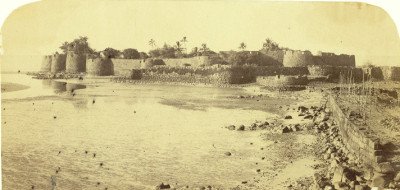
Kolaba Fort
Some quick example text to build on the card title and make up the bulk of the card's content.
Go somewhere
Korlai Fort
Some quick example text to build on the card title and make up the bulk of the card's content.
Go somewhere
Mandwa Beach & Jetty
Some quick example text to build on the card title and make up the bulk of the card's content.
Go somewhere
Murud-Janjira Fort
Some quick example text to build on the card title and make up the bulk of the card's content.
Go somewhere
Raigadi Bazaar
Some quick example text to build on the card title and make up the bulk of the card's content.
Go somewhere
Revdanda Fort and Beach
Some quick example text to build on the card title and make up the bulk of the card's content.
Go somewhere
Rewas Jetty
Some quick example text to build on the card title and make up the bulk of the card's content.
Go somewherein Other Cities