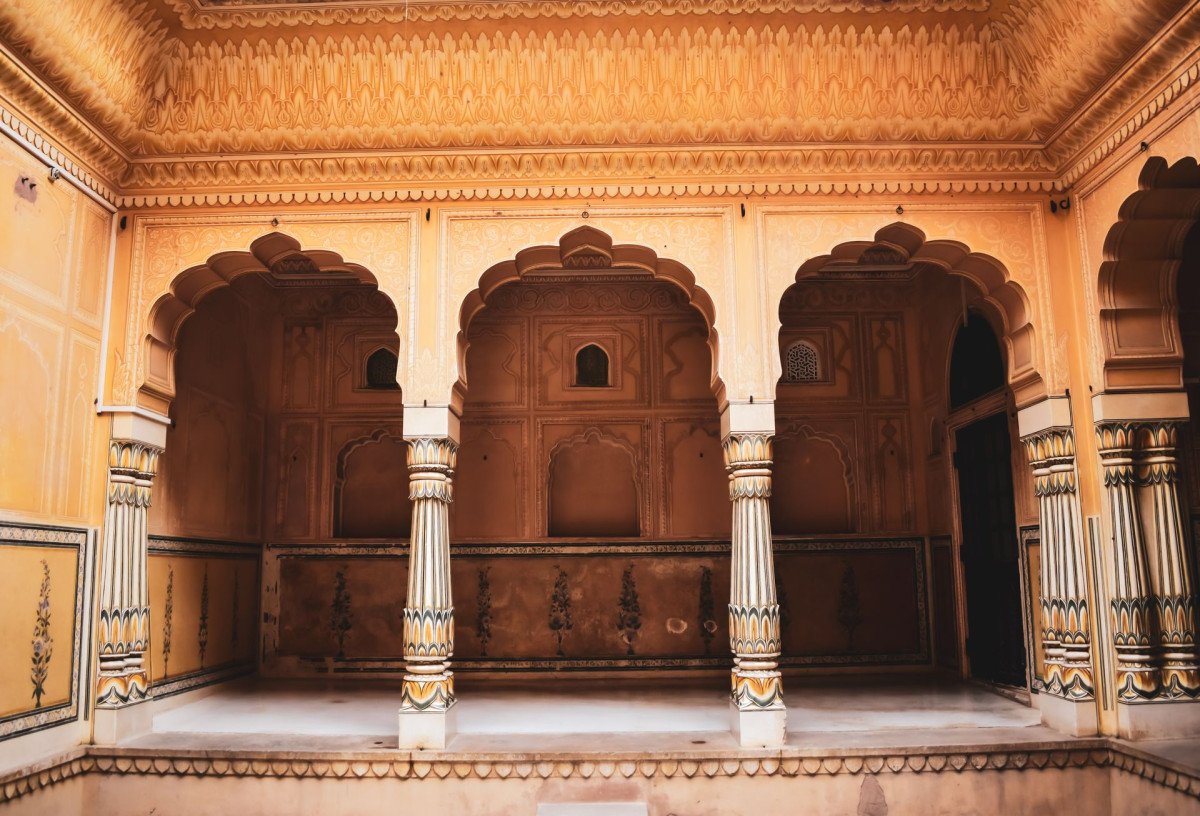
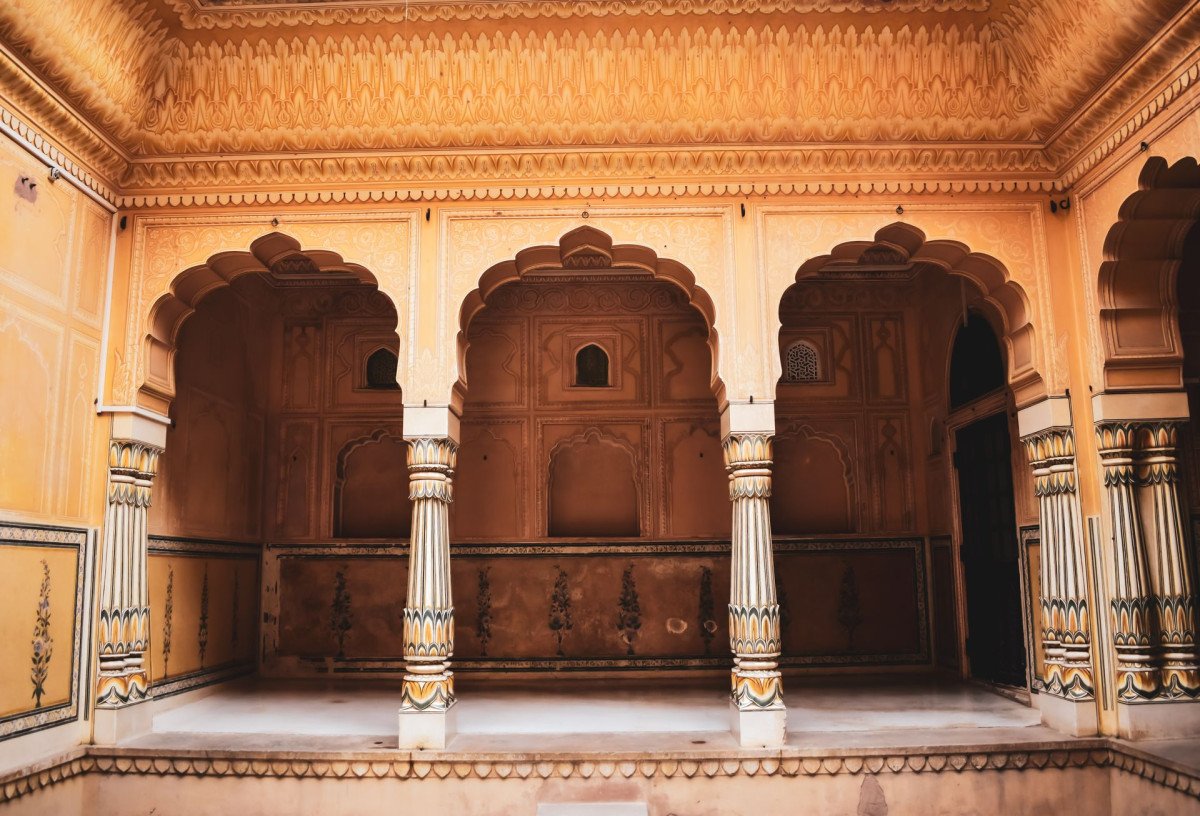
Korigad Fort
General information
-
Ideal Duration:
3-4 Hours (Includes 2-hour round trek and time for exploration at the top).Place Type:
Hill Fort, Trekking Destination, Historical/HeritaEntry Fees:
Entry to the Fort: Korigad Fort typically does not have a mandatory entry fee for trekking and basic sightseeing. It is an ancient fort site, largely open to the public.
However, this topic requires more detail:
...Entry to the Fort: Korigad Fort typically does not have a mandatory entry fee for trekking and basic sightseeing. It is an ancient fort site, largely open to the public.
However, this topic requires more detail:
Trekking Group Fees: If you book an organized trek with a private company from Mumbai or Pune, the fee can range from Rs.750 to Rs.1,500 per person. This fee usually includes transportation to and from the fort, breakfast/lunch, and the expertise/guidance of the trek leader. This is the most common type of 'fee' associated with the visit.
Parking Charges: At the base village of Peth Shahpur, local villagers often collect a nominal fee for parking private vehicles (cars or bikes). This charge is usually around Rs.30 to Rs.50 for two-wheelers and Rs.50 to Rs.100 for cars. This is an unofficial but customary charge for using the parking area.
Conservation/Development Fees (Potential): While not currently enforced for basic entry, as a protected heritage site, the Archaeological Survey of India (ASI) or local bodies may, in the future, implement a small conservation fee for maintenance.
Temple Donations: Visitors to the Korai Devi Temple are welcome to make a voluntary donation, but it is not an entry charge.Timing:
Regular Timings (Trek and Fort Access): The fort is officially open all day and night (24 hours). The trail is accessible at any time. However, for safety and general sightseeing, the ideal time to start the trek is between 7:00 AM and 4:00 PM.Regular Timings (Trek and Fort Access): The fort is officially open all day and night (24 hours). The trail is accessible at any time. However, for safety and general sightseeing, the ideal time to start the trek is between 7:00 AM and 4:00 PM.
Ideal Visit Time - Day Treks: The most ideal time to begin the trek is early morning, between 7:00 AM and 9:00 AM, especially to avoid the midday sun and catch the beautiful morning light and mist.
Ideal Visit Time - Night Treks/Camping: For those planning to camp, starting the trek between 3:00 PM and 5:00 PM allows time to reach the top, set up camp before dark, and witness a spectacular sunset. Descending is usually done after sunrise the next day, around 8:00 AM to 10:00 AM.
Monsoon Considerations: During the heavy monsoon (July-August), the fort is immensely popular, but fog can reduce visibility, and the trail can be slippery. While accessible, hikers should allow for slower progress and prioritize safety.
Winter Popularity: November to February is highly popular for day treks due to the pleasant, cool, and clear weather.Special Events:
Annual Korai Devi Festival (Jatra): The most significant special event at Korigad Fort revolves around its patron goddess, Korai Devi. An annual festival or Jatra is held, usually coinciding with a significant date in the Hindu calendar (often around Navratri or other major...Annual Korai Devi Festival (Jatra): The most significant special event at Korigad Fort revolves around its patron goddess, Korai Devi. An annual festival or Jatra is held, usually coinciding with a significant date in the Hindu calendar (often around Navratri or other major festivals). During this time, the temple is specially decorated, and a large number of devotees and local villagers visit to offer prayers. The atmosphere is vibrant, with cultural activities and a greater sense of community, providing a unique insight into the local traditions linked to the fort.
Monsoon Trekking Events: While not an official "event," the monsoon months of July, August, and September see a huge surge in organized trekking events by various adventure groups from nearby cities like Mumbai and Pune. These guided treks are special occasions for groups of people to experience the fort in its most beautiful, rain-washed, and misty state.Best Photo Spots:
The Main Gateway (Darwaja) Entrance: The large, imposing stone gate provides an excellent historical backdrop. Photographing people standing beneath its archway captures the scale and grandeur of the old structure.
The Perimeter Wall Walk: ...The Main Gateway (Darwaja) Entrance: The large, imposing stone gate provides an excellent historical backdrop. Photographing people standing beneath its archway captures the scale and grandeur of the old structure.
The Perimeter Wall Walk: Any point along the 2 km wall offers a prime photo opportunity. Capture the wall snaking along the cliff edge, with the endless green valley and mountains in the background.
The Twin Lakes' Reflection: The best shots are captured here, especially in the morning or post-monsoon. The water perfectly mirrors the sky and the fort walls, creating a stunning, tranquil composition.
Cannon Posing: Posing with the large Laxmi Toph near the Korai Devi Temple is a popular spot, giving a fun and historical dimension to the photos.
The View of Aamby Valley: Look eastward from the ramparts for a striking panoramic shot of the modern Aamby Valley City sprawling below, contrasting man-made structure with natural fort history.
The Stone Steps Ascending: Photographing the stone-cut steps leading up the final stretch of the trek, often shrouded in mist during the monsoon, makes for a dramatic and moody shot.Photo Gallery
Things To Do
-
Trekking and Hiking: Korigad is primarily a trekking destination. The trail starts from Peth Shahpur village and is classified as easy to moderate, making it ideal for a day trek. The main activity is the climb itself, which takes about 1-1. 5 hours.
Circumnavigating the Ramparts: Once at the top, dedicate at least an hour to walking the entire 2 km perimeter wall. This provides a continuously changing, breathtaking view of the valley, the Aamby Valley area, and nearby forts.
Fort Exploration and History: Explore the historical structures. Visit the main Korai Devi Temple and the smaller shrines. Locate the six cannons, particularly the large Laxmi Toph. Look for the remnants of old structures and cisterns (water tanks) within the plateau area.
Nature Photograp...Trekking and Hiking: Korigad is primarily a trekking destination. The trail starts from Peth Shahpur village and is classified as easy to moderate, making it ideal for a day trek. The main activity is the climb itself, which takes about 1-1. 5 hours.
Circumnavigating the Ramparts: Once at the top, dedicate at least an hour to walking the entire 2 km perimeter wall. This provides a continuously changing, breathtaking view of the valley, the Aamby Valley area, and nearby forts.
Fort Exploration and History: Explore the historical structures. Visit the main Korai Devi Temple and the smaller shrines. Locate the six cannons, particularly the large Laxmi Toph. Look for the remnants of old structures and cisterns (water tanks) within the plateau area.
Nature Photography: The fort offers incredible photographic opportunities. Capture the lush green landscapes, the winding roads leading up, the misty atmosphere during the monsoon, and the twin lakes reflecting the sky.
Sunrise and Sunset Viewing: The top of the fort is a fantastic spot for watching the sun rise or set over the Sahyadri ranges, painting the sky in vibrant colors.
Camping (Overnight Treks): The large, flat plateau is a popular spot for overnight camping, especially during the winter months. Visitors can pitch tents, build a small bonfire (check local rules), and enjoy sleeping under the stars.
Picnicking and Relaxation: The spacious plateau offers several shaded or scenic spots to rest, unpack snacks, and enjoy a picnic after the trek, soaking in the fresh mountain air.
Information
-
Why Famous:
The Complete Circuit Walk: Korigad is renowned because its full fortification wall is still largely intact, unlike many other Sahyadri forts whose walls have crumbled. This 2 km wall allows visitors to walk the entire perimeter, providing unique, rotating 360-degree views a...The Complete Circuit Walk: Korigad is renowned because its full fortification wall is still largely intact, unlike many other Sahyadri forts whose walls have crumbled. This 2 km wall allows visitors to walk the entire perimeter, providing unique, rotating 360-degree views and an encompassing sense of the fort’s scale.
Gateway to Aamby Valley: Its proximity to the exclusive Aamby Valley City township means it offers spectacular aerial views of the planned city and the Mulshi catchment area. The contrast between the ancient, rugged fort and the modern, manicured landscape below is a popular attraction.
Beginner-Friendly Trek: While it is a substantial hill fort, the trek from Peth Shahpur is considered one of the easiest climbs in the region. The path is well-defined, with stone steps installed for much of the ascent, making it accessible for families, first-time trekkers, and those looking for a rewarding experience without extreme difficulty.
Maratha History: The fort's association with Chhatrapati Shivaji Maharaj in 1657 and its dramatic capture by the British in 1818 make it a site of historical importance, attracting history enthusiasts eager to walk on ground that witnessed significant events in Maharashtra's past. -
Architecture:
Maratha Military Engineering and Divine Presence: The architecture of Korigad Fort is a classic example of hill fort military planning from the Maratha era, focusing on strong defensive structures and utility.
Dimens...Maratha Military Engineering and Divine Presence: The architecture of Korigad Fort is a classic example of hill fort military planning from the Maratha era, focusing on strong defensive structures and utility.
Dimension:
The Perimeter Wall: The most defining architectural feature is the nearly 2-kilometer-long intact fortification wall (rampart) that encircles the entire flat plateau at the summit. The walls are constructed using robust local stone masonry, designed to withstand siege. The wall often incorporates bastions (like watchtowers) at strategic points, providing defensive firing positions and observation decks.
Dimension:
Elevation: The fort stands at approximately 923 meters (3,028 feet) above mean sea level, rising dramatically about 200 meters (660 feet) above the adjacent valleys, giving it a commanding view and making it naturally difficult to attack.
Gateways and Ruins: The fort still retains its massive main gateway, or Darwaja, though much of the internal administrative structures are now in ruins. The gate itself is built with solid stone and wood (where original features remain), designed to be a choke point against invaders.
Sacred Structures: The plateau hosts a significant religious structure: the Korai Devi Temple, dedicated to the fort's patron deity. This temple often features a Deepmala (a traditional stone lamp tower), which can be seen near the main shrine. There are also smaller, ancient temples dedicated to deities like Lord Vishnu and Lord Shiva. These temples are simple but sturdy, reflecting the devotional focus within a military environment.
Water Management: A crucial part of the fort's architecture is its water management system. Two large, natural freshwater lakes (ponds/tanks) on the plateau served as the primary source of potable water for the garrison and villagers. These are rain-fed and demonstrate the self-sustaining design of the fort.
Artillery Remains: Six historic bombard cannons are strategically placed, with the largest, Laxmi Toph, near the Korai Devi Temple, providing a tangible link to the fort’s military past. -
How To Reach:
By Air: The nearest major airport is Pune International Airport (PNQ), approximately 105-110 KMS away. The second option is Chhatrapati Shivaji Maharaj International Airport in Mumbai (BOM), which is about 120-130 KMS away. From either airport, you must hire a pre-booked p...By Air: The nearest major airport is Pune International Airport (PNQ), approximately 105-110 KMS away. The second option is Chhatrapati Shivaji Maharaj International Airport in Mumbai (BOM), which is about 120-130 KMS away. From either airport, you must hire a pre-booked private taxi or take a bus to Lonavala, which is the nearest major town. The drive from Pune takes about 2-3 hours, and from Mumbai, it takes 3-4 hours, depending on traffic. Once in Lonavala, you will need to arrange local transport to the base village.
By Train: The nearest railway station is Lonavala Railway Station (LNL), which is a major station well-connected to both Mumbai and Pune via frequent local and express trains. The train journey from Mumbai takes about 2-3 hours, and from Pune, it is about 1-1. 5 hours. From Lonavala station, the fort is another 20-22 KMS.
By Road: Korigad Fort is easily reached by road, especially from Mumbai (approx. 110 KMS) and Pune (approx. 90 KMS). From Lonavala, take the road towards Aamby Valley City. The base village of Peth Shahpur is located on this route. The drive from Lonavala to Peth Shahpur takes about 45 minutes to 1 hour. Private taxis or self-driven cars are the most convenient ways to reach the base directly. The Mumbai-Pune Expressway (NH 48) provides the quickest route to Lonavala.
By Local Transport: From Lonavala Bus Stand or Railway Station, you can hire a private taxi, an auto-rickshaw (for a smaller group), or a local State Transport (MSRTC) bus (though less frequent) towards Aamby Valley City. It's advisable to negotiate a round-trip fare with a private taxi or rickshaw driver who will wait for you or arrange a pickup from Peth Shahpur village, as return transport options can be limited. Peth Shahpur is the starting point for the trek. -
Weather and Best Time to Visit:
Monsoon Season (June to September):
The Best Time for Scenery: The monsoon transforms the entire landscape. The hills become incredibly lush and green, and clouds often descend onto the fort plateau, creating a magical, misty atmosphere. Wa...Monsoon Season (June to September):
The Best Time for Scenery: The monsoon transforms the entire landscape. The hills become incredibly lush and green, and clouds often descend onto the fort plateau, creating a magical, misty atmosphere. Waterfalls also spring up along the route.
Caution: The trek steps can be very slippery and visibility can be low due to heavy fog and rain, requiring extra caution and good footwear.
Post-Monsoon Season (October to November):
The Ideal Time for Trekking: This is arguably the best time. The greenery remains vibrant, the air is crisp, and the heavy rainfall has subsided, making the trekking path stable and safe. The two lakes on the fort are full during this period.
Winter Season (December to February):
The Best Time for Camping and Clear Views: The weather is pleasantly cool and dry, perfect for a comfortable day trek or an overnight camp. The skies are generally clear, offering long-distance, sharp views of the surrounding Sahyadris and other forts.
Summer Season (March to May):
The Least Recommended Time: The weather is hot and humid, making the trek exhausting. The landscape is dry and less picturesque, and the lakes/ponds on the fort may have less water. -
Near Tourist Places:
Lohagad Fort: (18 KMS) - Another major Maratha hill fort with an easy trek.
Visapur Fort: (19 KMS) - Adjacent to Lohagad, slightly more rugged trek.
Tung Fort: (12 KMS) - A more conical hill fort, also known as Kathingad.
Rajmachi Fort: (35 KMS) - Famous twin fort (Shrivardhan & Manaranjan) trek.
Aamby Valley City: (8 KMS) - A luxurious, planned hill city (access restrictions may apply).
Pawna Lake: (25 KMS) - Famous for lakeside camping and picturesque views.
Bhushi Dam: (28 KMS) - Popular spot for water splashing (can be crowded).
Tiger's Leap / Tiger Point: (25 KMS) - A major viewpoint resembling a leaping tiger.
Duke's Nose (Nagphani): (27 KMS) - Cliff resembling a cobra's hood, popular for rappelling.
Bhaja Caves: (30 KMS) - Ancient Buddhist rock-cut caves from the 2nd century BCE.
Tourism Tips
-
Health & Safety - Footwear: Always wear sturdy, closed-toe trekking shoes with good grip, especially during the monsoon when the path can be slippery.
Health & Safety - Hydration: Carry at least 2-3 liters of water per person, as there is no...Health & Safety - Footwear: Always wear sturdy, closed-toe trekking shoes with good grip, especially during the monsoon when the path can be slippery.
Health & Safety - Hydration: Carry at least 2-3 liters of water per person, as there is no reliable potable water source on the fort itself.
Health & Safety - Food: There are no permanent food stalls on the fort. Carry energy bars, dry snacks, and a packed lunch. Local villagers at the base might sell tea and Maggi (instant noodles).
Health & Safety - First Aid: Carry a basic first aid kit, including bandages, antiseptic cream, and personal medications.
Packing - Essentials: Pack a lightweight backpack. Bring a rain jacket or windcheater, especially for the monsoon or a night stay. A headlamp or torch is essential for early morning or evening visits.
Packing - Photography: Carry a fully charged camera and, if visiting during the monsoon, protect electronic gear with waterproof covers or zip-lock bags.
Accommodation - Near the Fort: The base village of Peth Shahpur has limited stay options. Most trekkers prefer to stay in the nearby tourist hub of Lonavala or Khandala, where a range of hotels, resorts, and homestays is available.
Accommodation - Camping: If camping, carry a high-quality tent, sleeping bag, and all necessary camping equipment.
Other - Leave No Trace: The fort is a historical and natural site. Carry back all your waste (plastic, wrappers, bottles) and help keep the fort clean.
Other - Respect: Be respectful of the Korai Devi Temple and other ancient ruins. Avoid scribbling on the walls or disturbing the historical structure.
Other - Local Transport: Negotiate all fares with local taxi or auto-rickshaw drivers before starting the journey to the base village.
Reviews
FAQs
Lonavala Itineray And Cost:-
Other Places In Lonavala :-
Other States In India :-
Information about New and Updated Locations() of Maharashtra Has Been Added :-
Card subtitle
Note:-
Information provided here in good Faith and for reference only.
Near Places
Aamby Valley City
Some quick example text to build on the card title and make up the bulk of the card's content.
Go somewhere
Amrutanjan Point
Some quick example text to build on the card title and make up the bulk of the card's content.
Go somewhere
Bedsa Caves
Some quick example text to build on the card title and make up the bulk of the card's content.
Go somewhere
Bhairavnath Temple
Some quick example text to build on the card title and make up the bulk of the card's content.
Go somewhere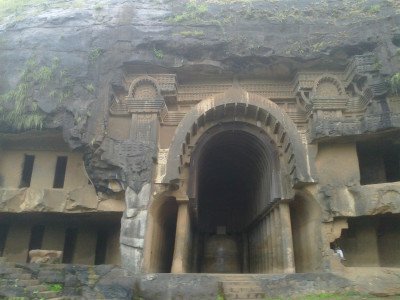
Bhaja Caves
Some quick example text to build on the card title and make up the bulk of the card's content.
Go somewhere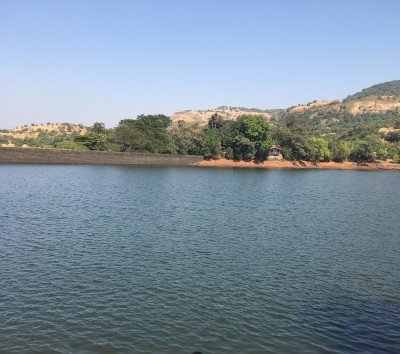
Bhushi Dam
Some quick example text to build on the card title and make up the bulk of the card's content.
Go somewhere
Bushy Lake
Some quick example text to build on the card title and make up the bulk of the card's content.
Go somewhere
Celebrity Wax Museum
Some quick example text to build on the card title and make up the bulk of the card's content.
Go somewhere
Della Adventure Park
Some quick example text to build on the card title and make up the bulk of the card's content.
Go somewhere
Duke's Nose
Some quick example text to build on the card title and make up the bulk of the card's content.
Go somewhere
Ekvira Devi Temple
Some quick example text to build on the card title and make up the bulk of the card's content.
Go somewhere
Imagicaa Theme Park
Some quick example text to build on the card title and make up the bulk of the card's content.
Go somewhere
Karla Caves
Some quick example text to build on the card title and make up the bulk of the card's content.
Go somewhere
Korigad Fort
Some quick example text to build on the card title and make up the bulk of the card's content.
Go somewhere
Kune Waterfalls
Some quick example text to build on the card title and make up the bulk of the card's content.
Go somewhere
Lion's Point
Some quick example text to build on the card title and make up the bulk of the card's content.
Go somewherein Other Cities