Krishnabai Temple
General information
-
Ideal Duration:
20-45 MinutesPlace Type:
Temple / Place of WorshipEntry Fees:
Entrance and Access: Entry to the Krishnabai Temple complex is completely free of charge for all devotees and tourists. There are no tickets or fees for entering the religious premises:
Pooja and Offering Costs: If visitors wish to perform a...Entrance and Access: Entry to the Krishnabai Temple complex is completely free of charge for all devotees and tourists. There are no tickets or fees for entering the religious premises:
Pooja and Offering Costs: If visitors wish to perform a special pooja (prayer ritual) or make offerings to the deities, they will need to purchase necessary items like flowers, coconut, or prasad from the local vendors outside.
These costs are minimal but variable:
Photography Fee (Usually None): Historically, simple photography of the exterior is free. However, a small donation for the temple's upkeep is always appreciated and customary, though not mandatory:
Vehicle Charges: Since the temple is located on the Old Mahabaleshwar road, parking a private vehicle or cab near the Panchganga Temple parking area will involve a nominal parking fee, typically around INR 30 to INR 50.Timing:
Regular Worship Hours: The temple is generally open for darshan from early morning, around 6:00 AM, to late evening, around 8:
00 PM, allowing ample time for devotees to visit:
Ideal Time for Serenity: The best...Regular Worship Hours: The temple is generally open for darshan from early morning, around 6:00 AM, to late evening, around 8:
00 PM, allowing ample time for devotees to visit:
Ideal Time for Serenity: The best time to visit for a peaceful, uncrowded, and meditative experience is early in the morning (6:00 AM to 8:00 AM) on a weekday, before the tour buses and large groups arrive. The light is also very soft for exterior photography:
Peak Devotion Time: The temple is extremely crowded during festivals like Maha Shivratri and on Mondays (dedicated to Lord Shiva), as well as during the peak tourist season of May and October and the evening Aarti (prayer session) (around 7:
00 PM) Best Visiting Season: The Winter months (November to February) offer the most comfortable weather for a focused spiritual visit.Special Events:
Maha Shivratri Celebration: As the temple is dedicated to Lord Shiva, the festival of Maha Shivratri (February or March) is the most important annual event. The temple premises are beautifully decorated, and special rituals, abhishekams, and night-long prayers are conducted...Maha Shivratri Celebration: As the temple is dedicated to Lord Shiva, the festival of Maha Shivratri (February or March) is the most important annual event. The temple premises are beautifully decorated, and special rituals, abhishekams, and night-long prayers are conducted, drawing huge crowds of devotees:
Janmashtami Festivities: Since the water source is dedicated to the Krishna River, the festival of Janmashtami (August or September), celebrating the birth of Lord Krishna, is also celebrated with special prayers and traditional devotional singing (bhajans):
Navratri Water Rituals: During the nine days of Navratri (September or October), special rituals focusing on the importance of the sacred river water are performed, often drawing many pilgrims from the surrounding areas.Best Photo Spots:
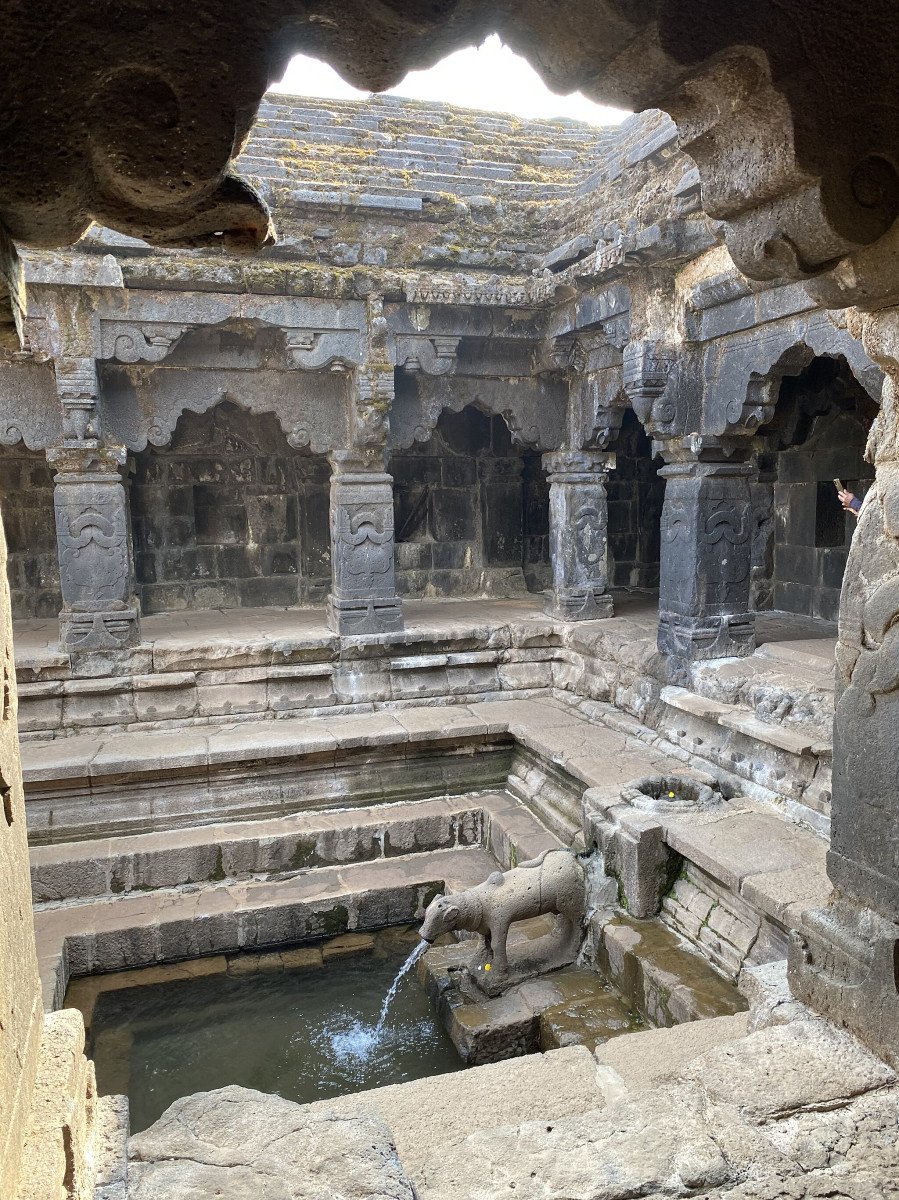
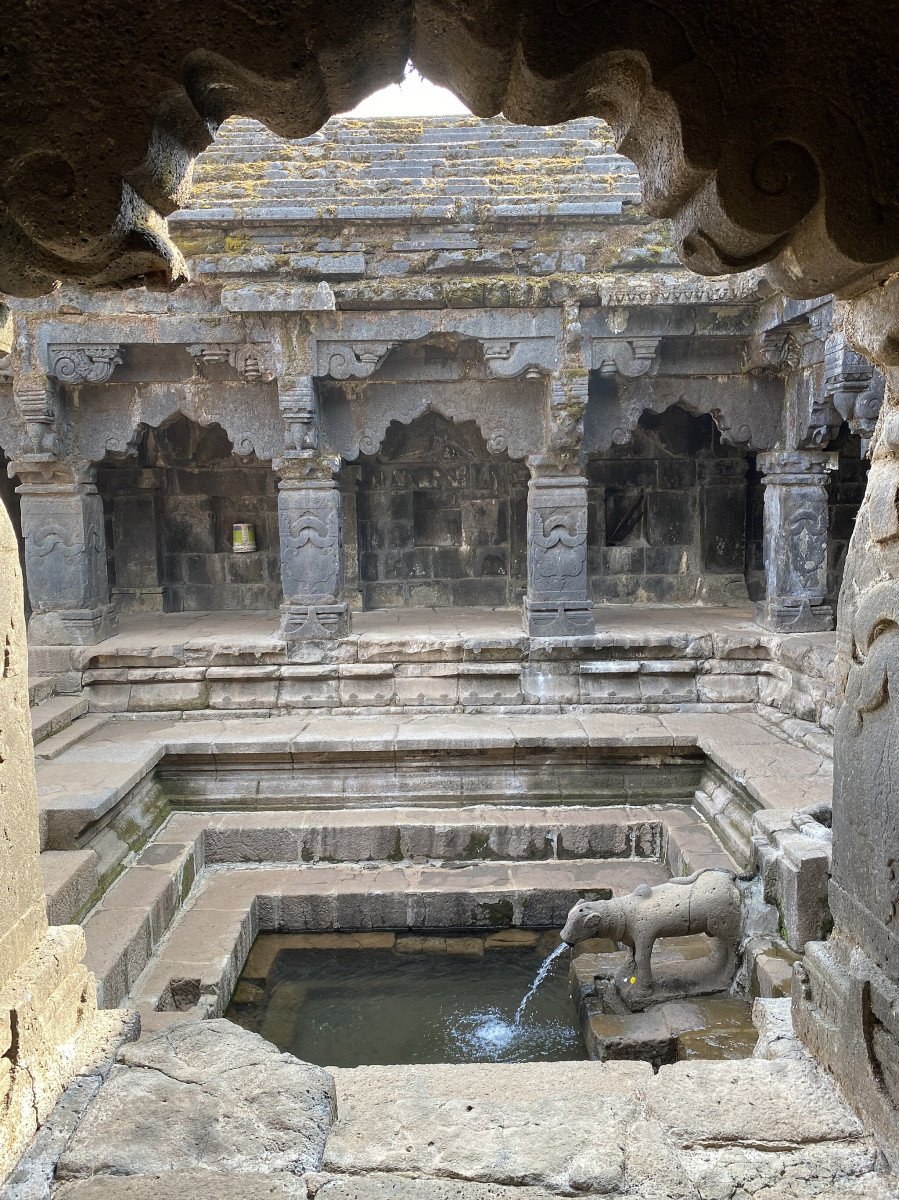
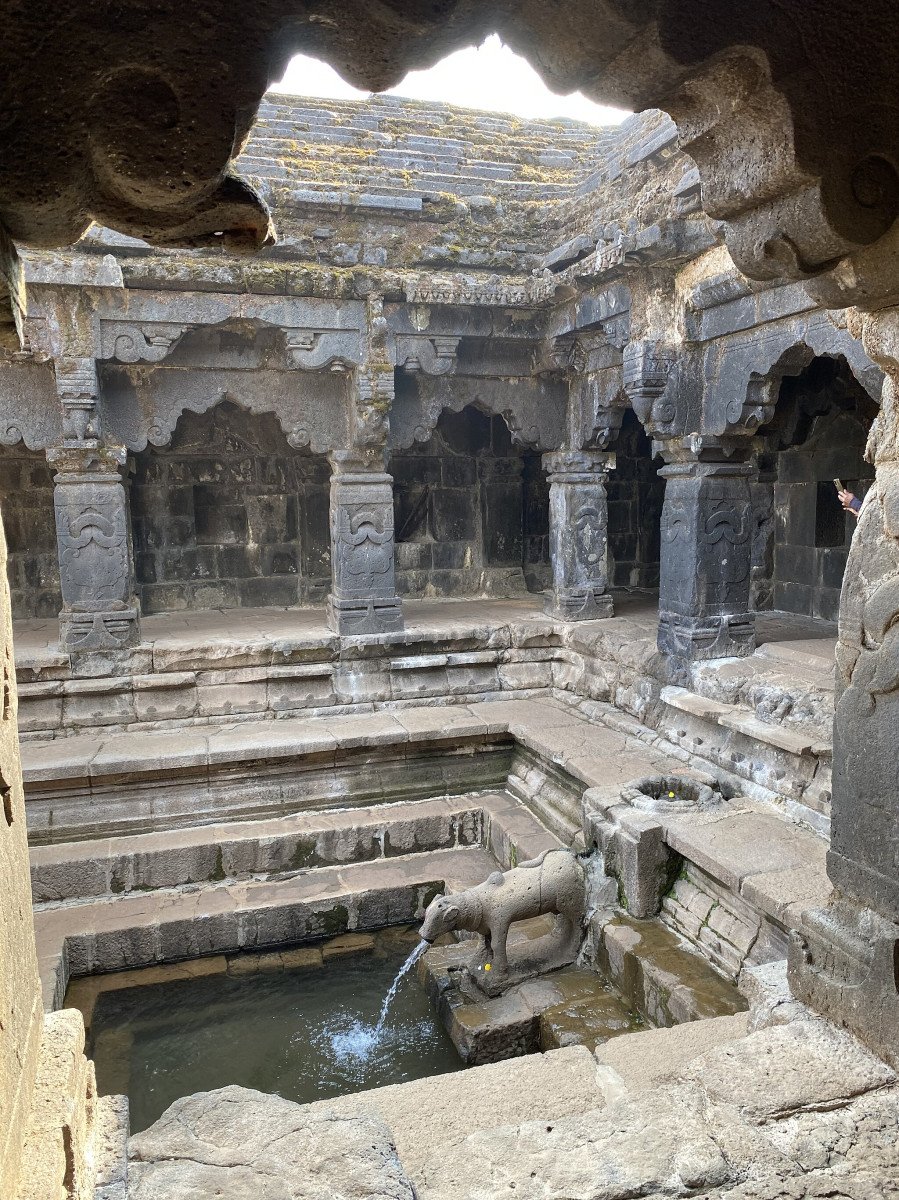
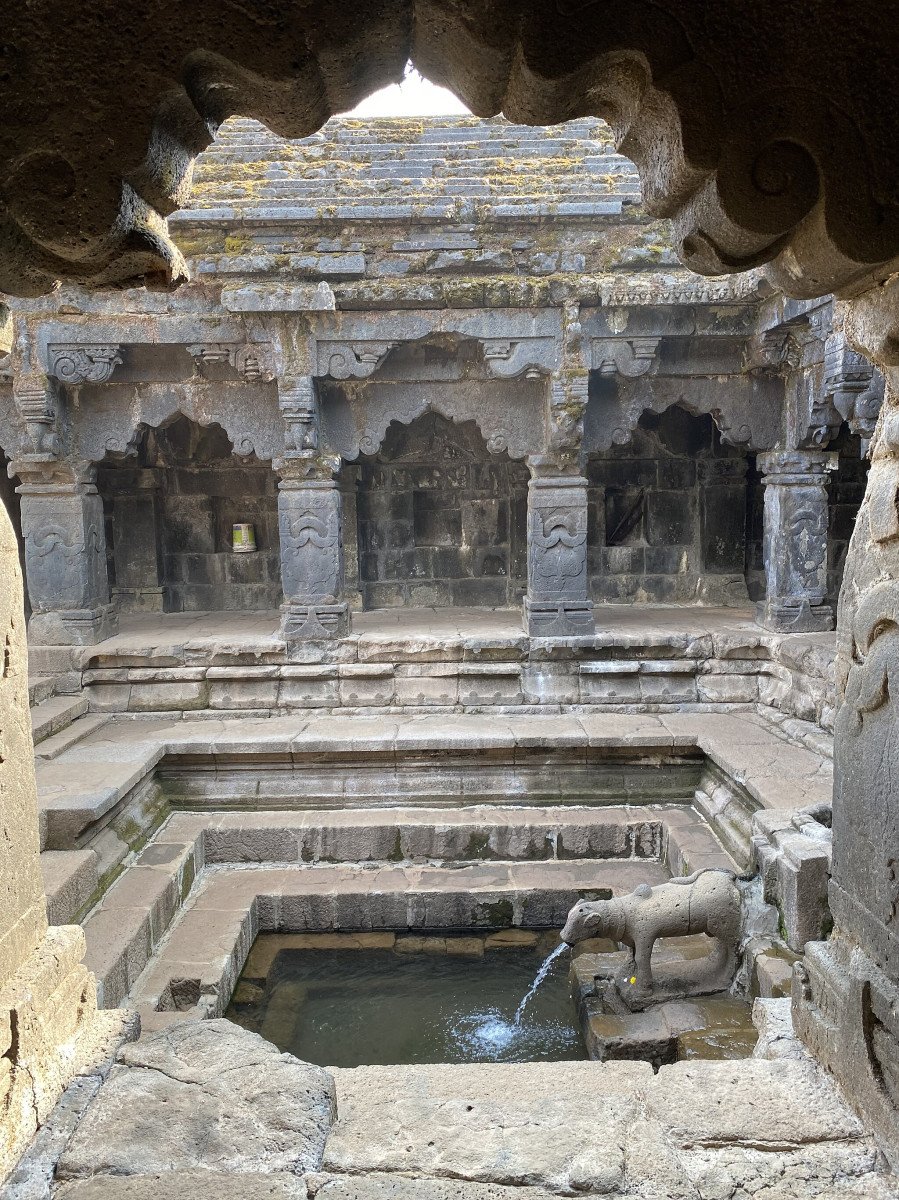
The Gaumukhi Water Spout: A focused, close-up photograph of the stone spout where the water of the Krishna River emerges is a key shot, capturing the spiritual heart of the temple:
Hemadpanti Carvings: Capturing the intricate detail of the bl...The Gaumukhi Water Spout: A focused, close-up photograph of the stone spout where the water of the Krishna River emerges is a key shot, capturing the spiritual heart of the temple:
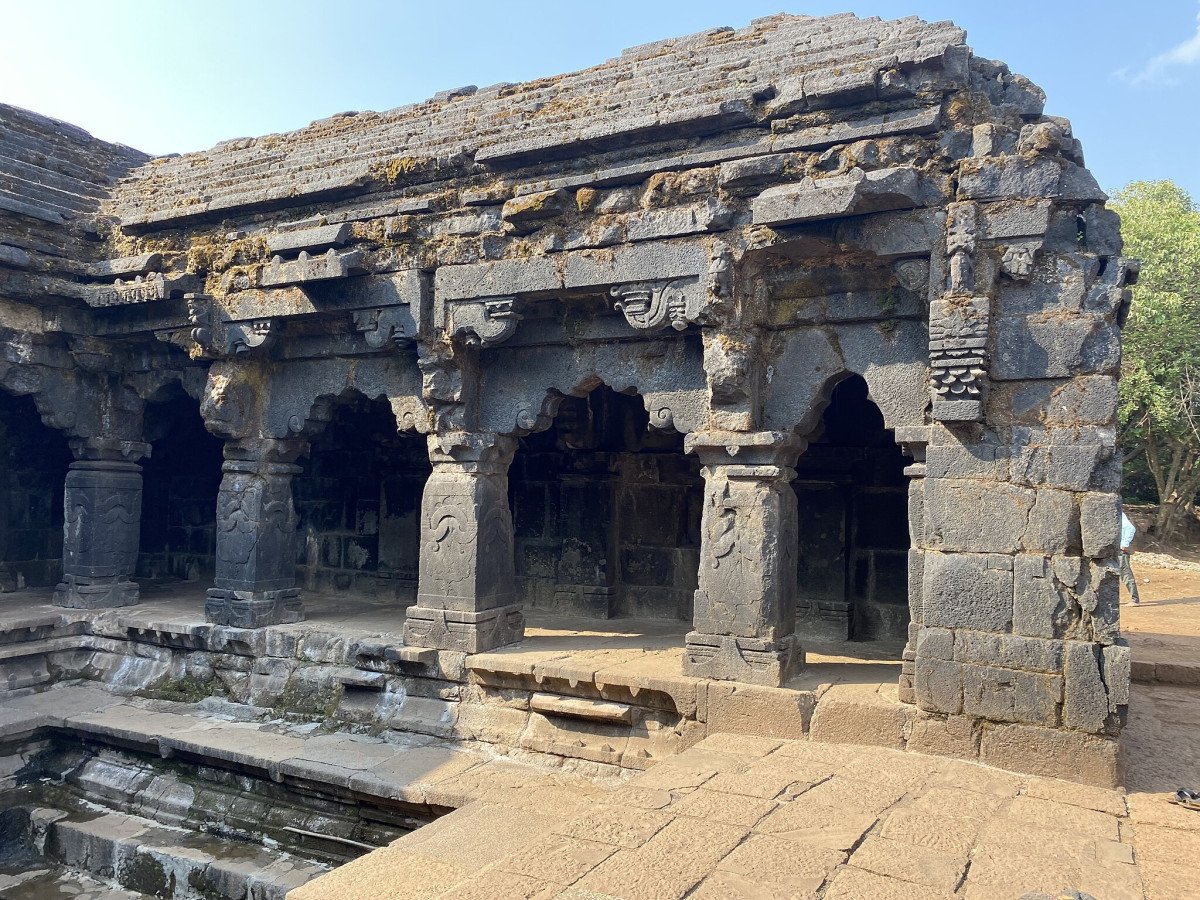
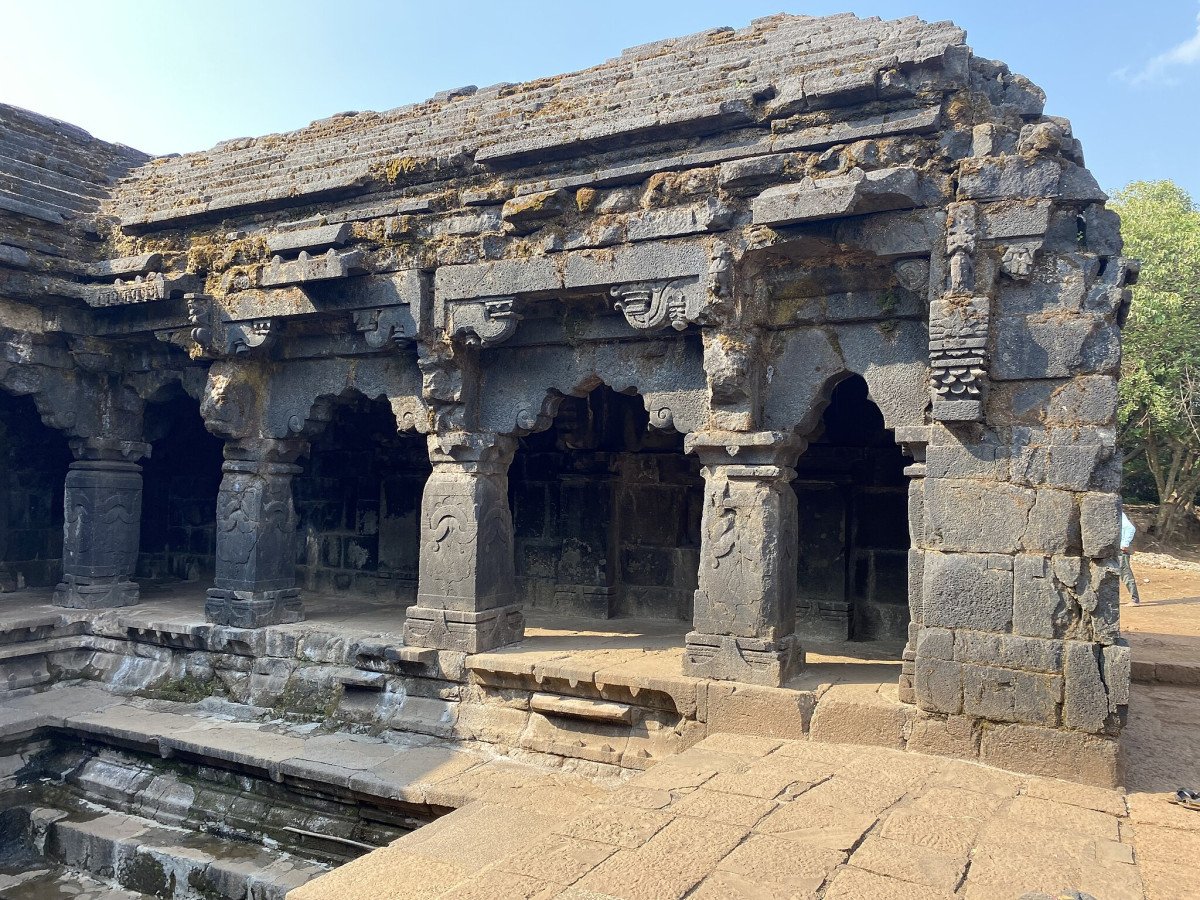
Hemadpanti Carvings: Capturing the intricate detail of the black stone carvings on the ceiling or the columns inside the mandap (hall). This highlights the architectural mastery and should be done respectfully without flash:
Temple Profile Overlooking the Valley: A slightly wide-angle shot of the temple's exterior profile with the vast, green Krishna Valley in the background, ideally taken from the path leading up to the temple, to showcase its serene, elevated location:
The Bell and Prayer Flags: Capturing the temple bell or the devotional flags tied to trees outside the complex, symbolizing the spiritual energy and devotion of the pilgrims.Photo Gallery
Things To Do
-
Performing Darshan and Pooja: The main activity is to perform darshan (sacred viewing) of the Shiva lingam and the statue of Lord Krishna. Offering prayers and pooja is a central spiritual activity. Respectful behavior and modest dressing are essential:
Viewing the River Source: Spend time observing the Gaumukhi water spout and the ancient stone cistern. Many devotees perform a symbolic cleansing by touching or sipping the water, linking themselves to the mighty Krishna River's source.
Note:
Do not pollute the sacred tank:
Historical and Architectural Study: Take time to study the intricate black stone carvings and the unique Hemadpanti style of architecture on the pillars and ceiling. The detail work is impressive and tells a s...Performing Darshan and Pooja: The main activity is to perform darshan (sacred viewing) of the Shiva lingam and the statue of Lord Krishna. Offering prayers and pooja is a central spiritual activity. Respectful behavior and modest dressing are essential:
Viewing the River Source: Spend time observing the Gaumukhi water spout and the ancient stone cistern. Many devotees perform a symbolic cleansing by touching or sipping the water, linking themselves to the mighty Krishna River's source.
Note:
Do not pollute the sacred tank:
Historical and Architectural Study: Take time to study the intricate black stone carvings and the unique Hemadpanti style of architecture on the pillars and ceiling. The detail work is impressive and tells a story of the region's past artisans and rulers:
Quiet Meditation and Reflection: The tranquil atmosphere of the temple, especially in the early morning, is perfect for quiet meditation. Sit and absorb the spiritual energy of this ancient place:
Exploring Panchganga Temple: Since the Panchganga Temple (confluence of five rivers) is adjacent, visiting it immediately after the Krishnabai Temple is a mandatory part of the spiritual circuit. Both sites are closely linked historically and geographically:
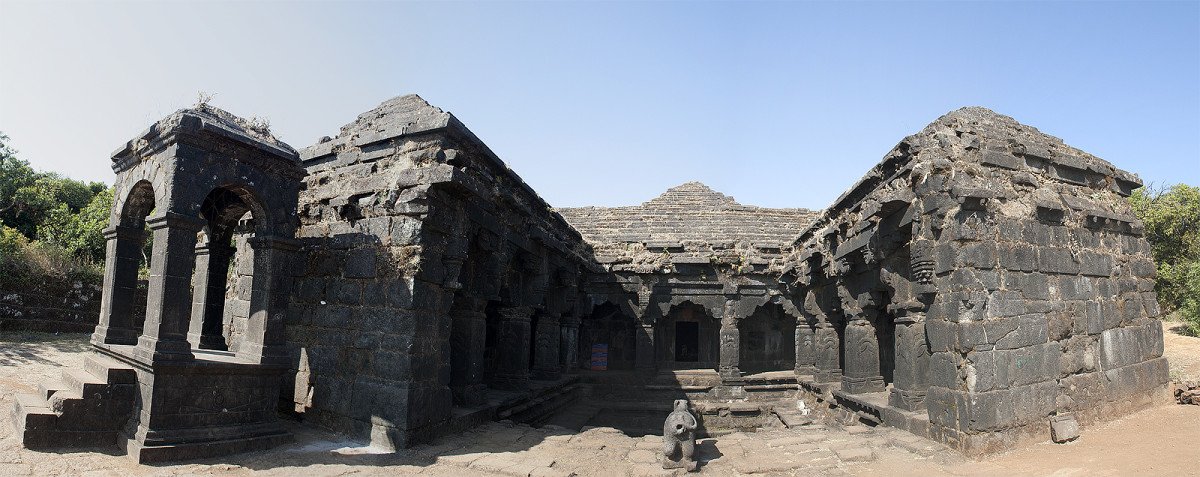
Photography (Exterior Only): Capture the simple beauty of the black stone architecture and the serene setting overlooking the Krishna Valley. Be respectful and avoid taking photos inside the main sanctum sanctorum:
Sandalwood and Local Souvenirs: Small stalls near the complex sell traditional items like sandalwood paste, flowers for offerings, and religious literature, which can be purchased as religious mementos.
Information
-
Why Famous:
Origin of the Krishna River: The temple’s paramount fame stems from the belief that it is the mystical source of the Krishna River, making it a major Hindu pilgrimage site. Devotees visit to witness the water flowing from the Gaumukhi spout into the sacred kund:Origin of the Krishna River: The temple’s paramount fame stems from the belief that it is the mystical source of the Krishna River, making it a major Hindu pilgrimage site. Devotees visit to witness the water flowing from the Gaumukhi spout into the sacred kund:
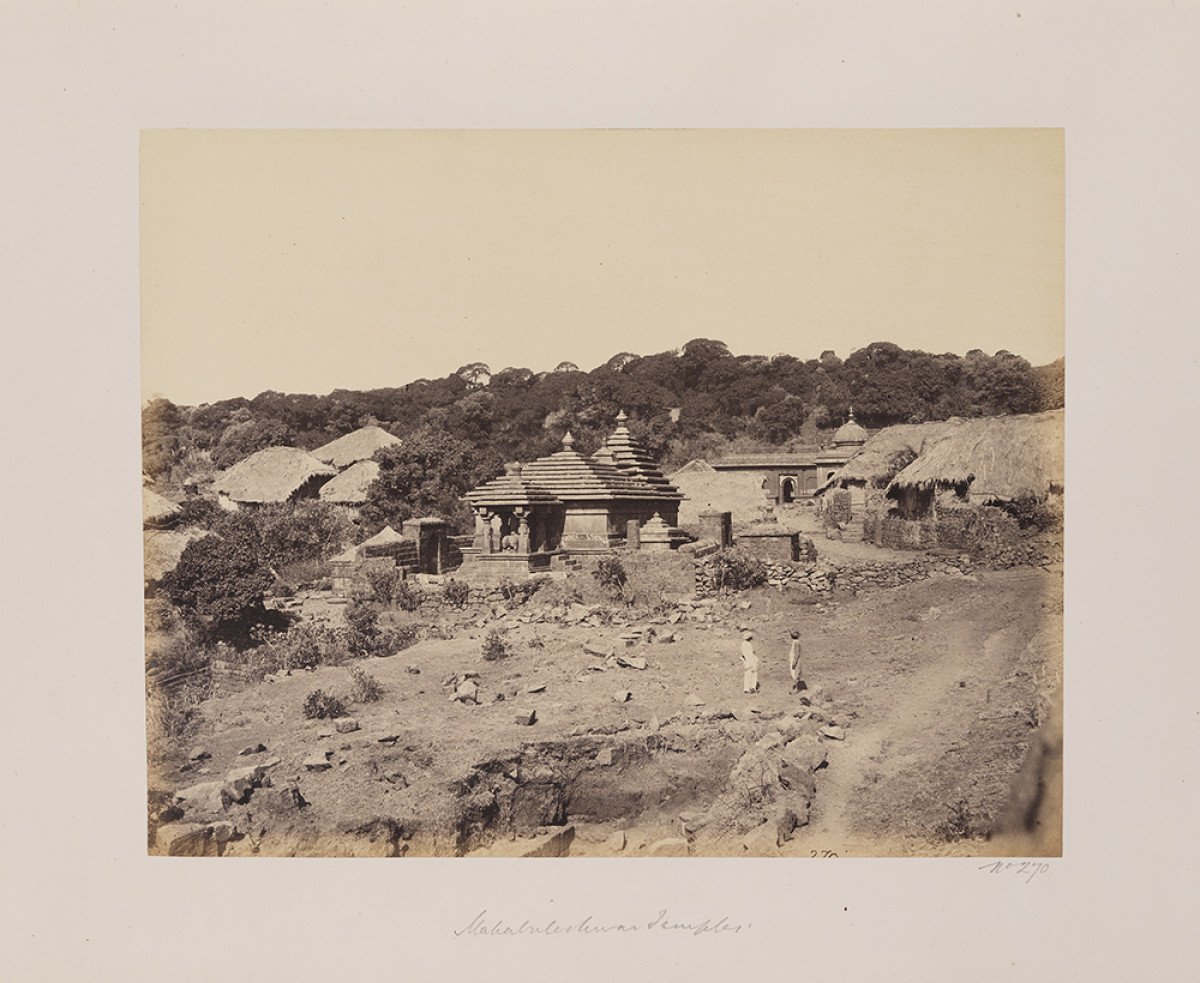
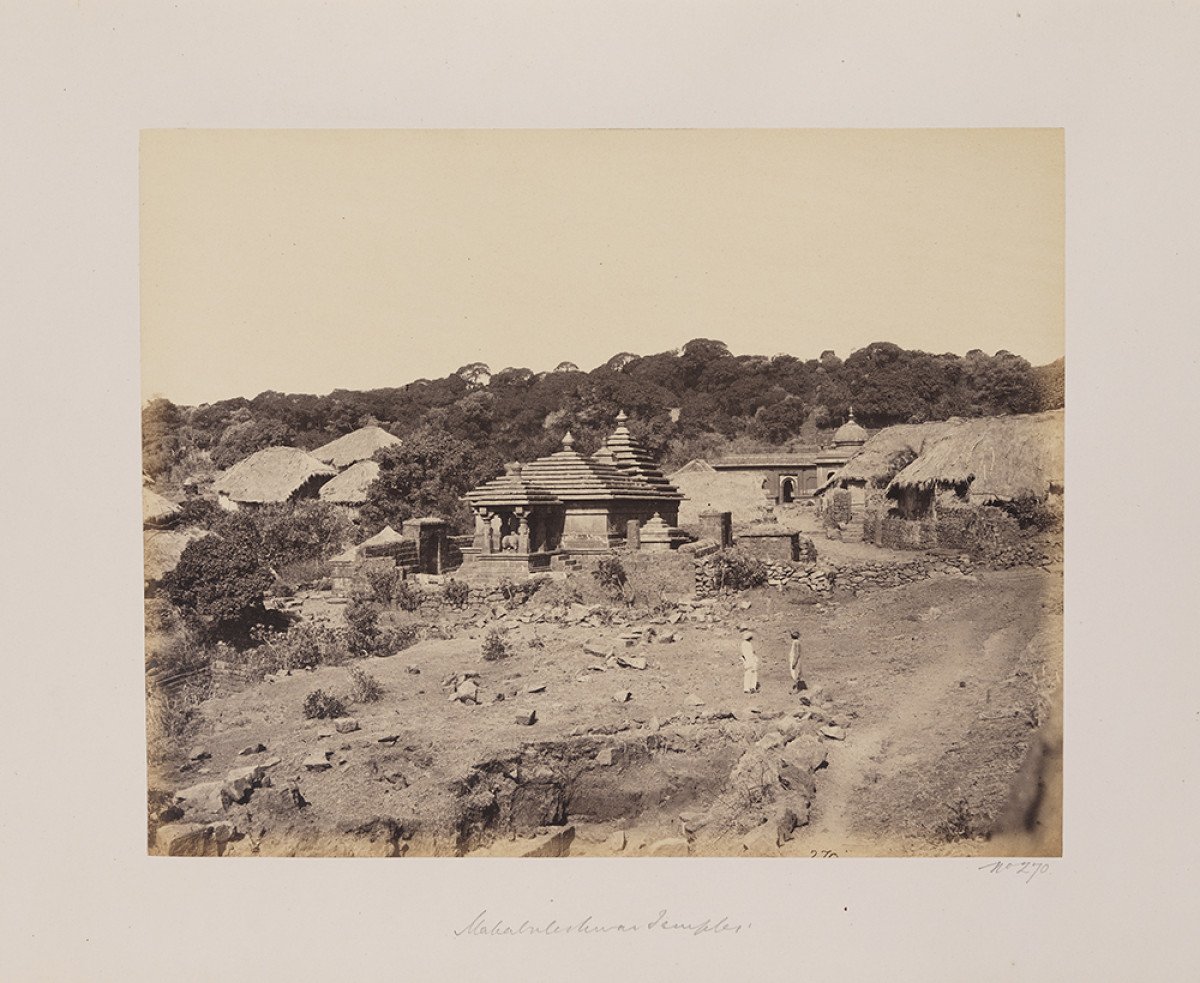
Ancient Hemadpanti Architecture: The black stone structure is a historically and architecturally significant example of the Hemadpanti style, featuring detailed carvings and a simple, powerful structure that dates back centuries, distinguishing it from modern temples:
Close Proximity to Panchganga: Its location immediately next to the Panchganga Temple (where five rivers are said to converge) links it to a wider spiritual circuit, enhancing its religious importance. -
Architecture:
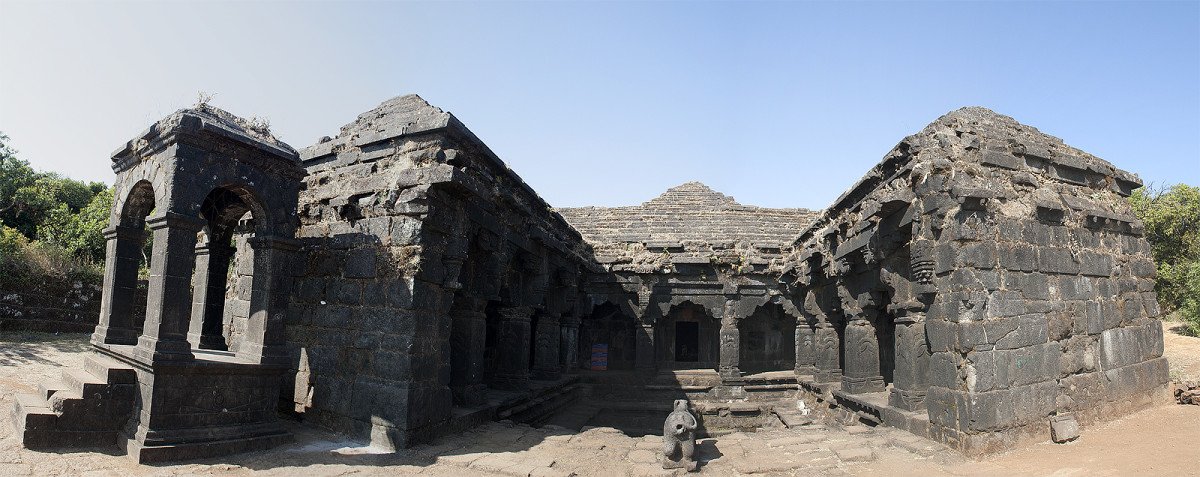
Hemadpanti Style and Shiva Lingam Sanctuary: The temple is a fine example of the architectural style known as Hemadpanti, which was prominent in the Yadava period (12th-13th century) of Maharashtra. This style typically features structures built using dry masonry (without m...Hemadpanti Style and Shiva Lingam Sanctuary: The temple is a fine example of the architectural style known as Hemadpanti, which was prominent in the Yadava period (12th-13th century) of Maharashtra. This style typically features structures built using dry masonry (without mortar), with interlocking stones, often using black stone.
Dimension: The temple structure is modest in size, generally measuring around 30 feet in length and 20 feet in width, but it is built upon a sturdy, elevated plinth. The main shrine features beautifully carved black stone ceilings and pillars adorned with intricate geometric and floral patterns, characteristic of the Hemadpanti style.
Key Feature: The most crucial architectural element is the sacred cistern (kund) inside the temple. The holy water believed to be the Krishna River's source flows from a meticulously carved stone spout, often shaped like a Gaumukhi (cow's mouth), directly into this tank. The structure seamlessly blends functional water channeling with spiritual stone artistry. -
How To Reach:
By Air: The nearest major airport is Pune International Airport (PNQ), located approximately 128 KMS away. The journey to Mahabaleshwar takes about 3 to 4 hours by road. From Mahabaleshwar, the temple is a short local taxi ride away:
By Train:<...By Air: The nearest major airport is Pune International Airport (PNQ), located approximately 128 KMS away. The journey to Mahabaleshwar takes about 3 to 4 hours by road. From Mahabaleshwar, the temple is a short local taxi ride away:
By Train: The best connectivity is via Pune Junction (PUNE), about 120 KMS away. The nearest local station is Wathar (WTR) at 60 KMS. From either station, take a bus or hired taxi to Mahabaleshwar town:
By Road: The temple is located in the Old Mahabaleshwar area, which is easily accessible by the main roads. State transport buses and private tourist vehicles can drop you off at the nearby Panchganga Temple area.
The road is well-marked and maintained:
By Local Transport: From the Mahabaleshwar market, a local taxi or auto-rickshaw can cover the 6 KMS to the temple. Since the temple is a significant site, local transport is frequent. From the parking area, it requires a short, easy walk through a pathway lined with small stalls to reach the main temple. -
Weather and Best Time to Visit:
The Serene Winter Visit: The quietest and most comfortable time is during the Winter months (October to February). The cool weather makes the spiritual journey very pleasant, and the views of the Krishna Valley are also at their clearest:
Monsoo...The Serene Winter Visit: The quietest and most comfortable time is during the Winter months (October to February). The cool weather makes the spiritual journey very pleasant, and the views of the Krishna Valley are also at their clearest:
Monsoon's Sacred Flow: The Monsoon (June to September) is considered highly auspicious as the water flow from the Gaumukhi spout is at its most powerful, symbolizing the full force of the Krishna River's origin.
The surrounding greenery is also spectacular:
Avoid Summer Midday: The Summer heat in the afternoon can make the stone floor of the temple uncomfortably hot and should be avoided:
Best Part of the Day: The best part of the day for a spiritual visit is the very Early Morning or the Evening Aarti time, as the atmosphere is the most peaceful and charged with devotion. -
Near Tourist Places:
Panchganga Temple (0. 5 KM), Mahabaleshwar Temple (1 KM), Arthur's Seat (6 KMS), Elphinstone Point (8 KMS), Lodwick Point (6 KMS), Venna Lake (8 KMS), Wilson Point (10 KMS), Bombay Point (12 KMS), Kate's Point (7 KMS), Lingmala Falls (9 KMS).
Tourism Tips
-
Respectful Attire: Since this is a place of worship, all visitors, regardless of belief, should dress modestly. Covering the shoulders and knees is highly recommended as a sign of respect:
Health and Safety (Slippery Steps): The path and the...Respectful Attire: Since this is a place of worship, all visitors, regardless of belief, should dress modestly. Covering the shoulders and knees is highly recommended as a sign of respect:
Health and Safety (Slippery Steps): The path and the stone floor around the kund (cistern) can be extremely slippery, especially during the Monsoon or if water has spilled. Wear shoes with good grip and walk carefully, especially on the stone steps:
Spiritual Etiquette: Remove your footwear before entering the temple premises. Avoid loud talking or distracting behavior inside the shrine. Do not touch or pollute the sacred water in the kund:
Combine Visits: Always plan to visit the Panchganga Temple at the same time, as they are part of the same sacred complex. Plan about an hour for a peaceful visit to both temples:
Water Source: While the water from the Gaumukhi is considered holy, it is generally not recommended for drinking unless purified. Carry your own drinking water for safety and hydration.
Reviews
FAQs
Mahabaleshwar Itineray And Cost:-
Krishnabai Temple Tourism:-
Information about New and Updated Locations() of Maharashtra Has Been Added :-
Card subtitle
Note:-
Information provided here in good Faith and for reference only.
All information and pictures will be updated soon, please keep visiting.
Near Places

Arthur's Seat
Some quick example text to build on the card title and make up the bulk of the card's content.
Go somewhere
Babington Point
Some quick example text to build on the card title and make up the bulk of the card's content.
Go somewhere
Bombay Point
Some quick example text to build on the card title and make up the bulk of the card's content.
Go somewhere
Chinaman's Falls
Some quick example text to build on the card title and make up the bulk of the card's content.
Go somewhere
Connaught Peak
Some quick example text to build on the card title and make up the bulk of the card's content.
Go somewhere
Dhobi Waterfall
Some quick example text to build on the card title and make up the bulk of the card's content.
Go somewhere
Echo Point
Some quick example text to build on the card title and make up the bulk of the card's content.
Go somewhere
Elephant's Head Point / Needle Hole Point
Some quick example text to build on the card title and make up the bulk of the card's content.
Go somewhere
Elphinstone Point
Some quick example text to build on the card title and make up the bulk of the card's content.
Go somewhere
Kate's Point
Some quick example text to build on the card title and make up the bulk of the card's content.
Go somewherein Other Cities