

Latehar
General information
-
Ideal Duration:
2 to 3 DaysPlace Type:
Wildlife, Nature, HistoricalEntry Fees:
Place Entry Fees: Entry to Betla National Park costs around INR 100 for Indians and more for foreigners. Jeep safaris cost between INR 1000-2000 including the guide fee. The Lodh Falls area might have a small parking and maintenance fee of INR 50.
Read MorePlace Entry Fees: Entry to Betla National Park costs around INR 100 for Indians and more for foreigners. Jeep safaris cost between INR 1000-2000 including the guide fee. The Lodh Falls area might have a small parking and maintenance fee of INR 50.
Free Access: Most other waterfalls like Mirchaiya and the Palamu Forts have free entry.
Guide Fees: Hiring a guide for the forts or deep forest treks is recommended and costs about INR 300-500.Timing:
Place Timings: Betla National Park safaris are usually conducted from 06:00 AM to 10:00 AM and 02:00 PM to 05:00 PM. Netarhat is best explored starting from pre-dawn (for sunrise) until dusk. Avoid entering the deep forest areas after 05:00 PM for safety.Place Timings: Betla National Park safaris are usually conducted from 06:00 AM to 10:00 AM and 02:00 PM to 05:00 PM. Netarhat is best explored starting from pre-dawn (for sunrise) until dusk. Avoid entering the deep forest areas after 05:00 PM for safety.
Museum/Fort Hours: The forts are best visited between 09:00 AM and 04:00 PM.
Seasonal Closing: The national park may be partially closed during the peak monsoon for safety.Special Events:
Place Special Event: The Sarhul festival is celebrated with great joy, marking the flowering of the Sal trees. Tribal dances and community feasts are held across the district during this time. The Karma festival is another important event where the youth pray for the prosp...Place Special Event: The Sarhul festival is celebrated with great joy, marking the flowering of the Sal trees. Tribal dances and community feasts are held across the district during this time. The Karma festival is another important event where the youth pray for the prosperity of their families.
Annual Fairs: Fairs are often held near the Palamu Forts during the winter months.
Independence Day: Large celebrations are held at the Netarhat Residential School, a pride of the state.Best Photo Spots:
Place Best Photo Spots: Magnolia Point in Netarhat is the best place for capturing the dramatic colors of the sunrise and sunset. The base of Lodh Falls provides a powerful perspective of the falling water and the surrounding cliffs. The Palamu Forts, with their overgrown ...Place Best Photo Spots: Magnolia Point in Netarhat is the best place for capturing the dramatic colors of the sunrise and sunset. The base of Lodh Falls provides a powerful perspective of the falling water and the surrounding cliffs. The Palamu Forts, with their overgrown vines and ancient stones, are perfect for moody, historical shots.
Pine Forest: The tall, straight trees in Netarhat provide a unique forest aesthetic for portraits.
Wildlife: The grasslands of Betla offer clear views for photographing wild elephants and bison.
River Confluence: The meeting point of the two rivers at Kechki is great for landscape photography.Photo Gallery
Things To Do
 The North Koel River at Chandandih is a majestic sight, especially where it widens as it flows through the district. This particular spot is a favorite for locals due to its proximity to the town and its sandy banks. The river originates from the Ranchi plateau and is a vital source of water for the region. At Chandandih, the river creates a wide, shallow bed filled with smooth pebbles and white sand. It is a peaceful place to watch the sunset as the water reflects the orange hues of the sky. The river is surrounded by agricultural fields and small tribal hamlets. During the winter, the water is calm and clear, making it ideal for a relaxing day out. It is also a site of cultural importance, where many local festivals are celebrated on the banks. The sound of the flowing water against the silence of the countryside is deeply therapeutic.
@@The Amdiha region near Barwadih is a picturesque landscape characterized by rolling hills and dense deciduous forests that define the heart of Jharkhand. This area serves as a gateway to the tribal heartland where the Chero and Kharwar tribes have lived for centuries in harmony with nature. The geography is marked by the presence of the North Koel River tributaries which provide life to the local agriculture and create small natural ponds. Visitors often find themselves mesmerized by the untouched beauty of the rural countryside which offers a stark contrast to the industrial parts of the state. The local culture is deeply rooted in ancestral traditions and the preservation of sacred groves known as Sarna. The biodiversity here includes a variety of flora like Sal, Mahua, and Palas trees which turn the landscape bright orange during the spring season. The area is also historically significant due to its proximity to the ancient Palamu forts and the strategic mountain passes used by tribal kings. Traveling through Amdiha gives a deep insight into the rustic lifestyle of the Latehar district where time seems to slow down. The silence of the forest is only broken by the chirping of birds and the distant sound of tribal drums during evening celebrations. It is a place where one can experience the raw essence of Jharkhand tourism away from the crowded commercial spots.
Sugabandh Waterfall, often spelled as Sugga Bandh, is one of the most mesmerizing natural sites in the Latehar district. Located on the route between Netarhat and Betla, it is formed by the North Koel River. The water cascades from a height of about 35 to 80 feet, depending on the section, creating a thunderous sound that resonates through the dense forest. The name "Sugga Bandh" literally translates to "Parrot's Dam," stemming from local legends about parrots frequenting the area. The waterfall is unique because it flows through a narrow rocky gorge, creating a series of deep blue pools and swirling currents. The surrounding area is part of the Palamu Tiger Reserve, ensuring that the environment remains pristine and rich in biodiversity. It is a must-visit for anyone exploring the tribal heartlands of Jharkhand.
The North Koel River at Chandandih is a majestic sight, especially where it widens as it flows through the district. This particular spot is a favorite for locals due to its proximity to the town and its sandy banks. The river originates from the Ranchi plateau and is a vital source of water for the region. At Chandandih, the river creates a wide, shallow bed filled with smooth pebbles and white sand. It is a peaceful place to watch the sunset as the water reflects the orange hues of the sky. The river is surrounded by agricultural fields and small tribal hamlets. During the winter, the water is calm and clear, making it ideal for a relaxing day out. It is also a site of cultural importance, where many local festivals are celebrated on the banks. The sound of the flowing water against the silence of the countryside is deeply therapeutic.
@@The Amdiha region near Barwadih is a picturesque landscape characterized by rolling hills and dense deciduous forests that define the heart of Jharkhand. This area serves as a gateway to the tribal heartland where the Chero and Kharwar tribes have lived for centuries in harmony with nature. The geography is marked by the presence of the North Koel River tributaries which provide life to the local agriculture and create small natural ponds. Visitors often find themselves mesmerized by the untouched beauty of the rural countryside which offers a stark contrast to the industrial parts of the state. The local culture is deeply rooted in ancestral traditions and the preservation of sacred groves known as Sarna. The biodiversity here includes a variety of flora like Sal, Mahua, and Palas trees which turn the landscape bright orange during the spring season. The area is also historically significant due to its proximity to the ancient Palamu forts and the strategic mountain passes used by tribal kings. Traveling through Amdiha gives a deep insight into the rustic lifestyle of the Latehar district where time seems to slow down. The silence of the forest is only broken by the chirping of birds and the distant sound of tribal drums during evening celebrations. It is a place where one can experience the raw essence of Jharkhand tourism away from the crowded commercial spots.
Sugabandh Waterfall, often spelled as Sugga Bandh, is one of the most mesmerizing natural sites in the Latehar district. Located on the route between Netarhat and Betla, it is formed by the North Koel River. The water cascades from a height of about 35 to 80 feet, depending on the section, creating a thunderous sound that resonates through the dense forest. The name "Sugga Bandh" literally translates to "Parrot's Dam," stemming from local legends about parrots frequenting the area. The waterfall is unique because it flows through a narrow rocky gorge, creating a series of deep blue pools and swirling currents. The surrounding area is part of the Palamu Tiger Reserve, ensuring that the environment remains pristine and rich in biodiversity. It is a must-visit for anyone exploring the tribal heartlands of Jharkhand.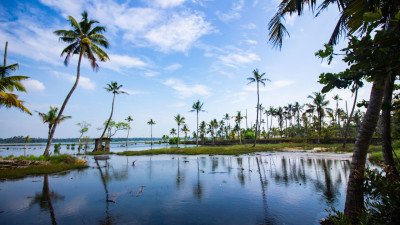 Latehar Lake is a serene man-made water body located right in the heart of the district headquarters, serving as the primary recreational hub for locals and tourists alike. Surrounded by gentle hillocks and manicured gardens, the lake offers a peaceful escape from the hustle of the town. Historically, it was developed to provide a steady water source and to beautify the administrative zone of the district. The lake is particularly famous for its calm, blue waters that reflect the shifting colors of the sky, especially during the Sunset. Over the years, the local administration has added boating facilities and walking tracks, turning it into a family-friendly destination. The lake is home to various local fish species and attracts several migratory birds during the Winter months, such as the Pintail Duck. The surrounding park is filled with seasonal flowers and ornamental trees, providing a lush green backdrop. It is a common sight to see people jogging along the perimeter in the early morning or families enjoying a quiet evening stroll. The lake also plays a role in local festivals, serving as a site for the Chhath Puja celebrations, where thousands of devotees gather to offer prayers to the Sun God. The atmosphere during such events is electric, with the entire lake illuminated by lamps and candles. In recent years, efforts have been made to maintain the ecological balance of the lake through regular cleaning and desilting. It remains a symbolic landmark of Latehar, representing the town's commitment to preserving urban green spaces. Whether you want to enjoy a quiet boat ride or simply sit on the benches and watch the water, Latehar Lake provides a soul-soothing experience for everyone who visits. :
@@The entrance to Betla National Park serves as the primary access point to one of India's oldest and most famous wildlife sanctuaries. As you approach the gate the landscape shifts from rural farmland to the dense, towering forests of the Chota Nagpur Plateau. The entrance area is a hub of activity where forest officials manage the flow of visitors and provide information about the park's biodiversity. The park itself covers an area of over 226 square kilometers and is a crucial part of the Palamu Tiger Reserve. The name Betla is famously an acronym for Bison, Elephant, Tiger, Leopard, and Axis-axis (Chital), representing the key species found within its borders. The entrance is marked by a traditional forest gate that leads into a world of ancient Sal and bamboo groves. Near the entrance there are various facilities including a museum, a nature interpretation center, and the starting point for jeep and elephant safaris. The air here is noticeably cooler and filled with the sounds of the jungle. It is common to see herds of Chital or Hanuman Langurs right near the entrance gates providing an immediate introduction to the park's inhabitants. The history of the park is significant as it was one of the first nine tiger reserves established under Project Tiger in 1973. Visiting the entrance is the first step in an unforgettable journey through a landscape that has remained largely unchanged for centuries. It is a place where conservation and tourism meet to protect Jharkhand's natural heritage.
Latehar Lake is a serene man-made water body located right in the heart of the district headquarters, serving as the primary recreational hub for locals and tourists alike. Surrounded by gentle hillocks and manicured gardens, the lake offers a peaceful escape from the hustle of the town. Historically, it was developed to provide a steady water source and to beautify the administrative zone of the district. The lake is particularly famous for its calm, blue waters that reflect the shifting colors of the sky, especially during the Sunset. Over the years, the local administration has added boating facilities and walking tracks, turning it into a family-friendly destination. The lake is home to various local fish species and attracts several migratory birds during the Winter months, such as the Pintail Duck. The surrounding park is filled with seasonal flowers and ornamental trees, providing a lush green backdrop. It is a common sight to see people jogging along the perimeter in the early morning or families enjoying a quiet evening stroll. The lake also plays a role in local festivals, serving as a site for the Chhath Puja celebrations, where thousands of devotees gather to offer prayers to the Sun God. The atmosphere during such events is electric, with the entire lake illuminated by lamps and candles. In recent years, efforts have been made to maintain the ecological balance of the lake through regular cleaning and desilting. It remains a symbolic landmark of Latehar, representing the town's commitment to preserving urban green spaces. Whether you want to enjoy a quiet boat ride or simply sit on the benches and watch the water, Latehar Lake provides a soul-soothing experience for everyone who visits. :
@@The entrance to Betla National Park serves as the primary access point to one of India's oldest and most famous wildlife sanctuaries. As you approach the gate the landscape shifts from rural farmland to the dense, towering forests of the Chota Nagpur Plateau. The entrance area is a hub of activity where forest officials manage the flow of visitors and provide information about the park's biodiversity. The park itself covers an area of over 226 square kilometers and is a crucial part of the Palamu Tiger Reserve. The name Betla is famously an acronym for Bison, Elephant, Tiger, Leopard, and Axis-axis (Chital), representing the key species found within its borders. The entrance is marked by a traditional forest gate that leads into a world of ancient Sal and bamboo groves. Near the entrance there are various facilities including a museum, a nature interpretation center, and the starting point for jeep and elephant safaris. The air here is noticeably cooler and filled with the sounds of the jungle. It is common to see herds of Chital or Hanuman Langurs right near the entrance gates providing an immediate introduction to the park's inhabitants. The history of the park is significant as it was one of the first nine tiger reserves established under Project Tiger in 1973. Visiting the entrance is the first step in an unforgettable journey through a landscape that has remained largely unchanged for centuries. It is a place where conservation and tourism meet to protect Jharkhand's natural heritage.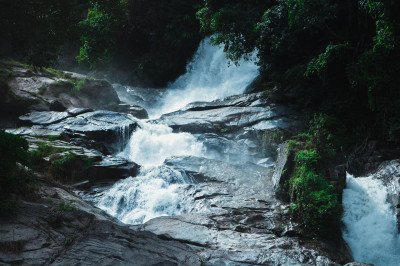 Lower Ghaghri Falls is a breathtaking natural wonder located near the famous hill station of Netarhat. The waterfall is formed by the Ghaghri River, a tributary of the Auranga River, and drops from a staggering height of about 320 feet. It is ranked as the 33rd highest waterfall in India and is renowned for its mesmerizing beauty and tranquil atmosphere. The surrounding forest is so dense that sunlight often struggles to reach the forest floor, creating a mystical and cool environment even during the summer months. The rhythmic sound of the falling water combined with the chirping of exotic birds makes it a paradise for nature lovers and soul seekers. Unlike many commercialized spots, this place remains pristine and offers a raw experience of the Chotanagpur plateau's wilderness. Visitors usually have to trek a short distance through the woods to reach the base of the falls, which adds an element of adventure to the trip. It serves as a vital water source for the local flora and fauna, maintaining the ecological balance of the Latehar district. :
Kamaldah Lake is a serene water body located deep within the heart of the Palamu Tiger Reserve. The lake is famous for its abundance of beautiful lotuses that bloom across its surface. Historically, it served as a watering hole for the wildlife of the Chero kings' hunting grounds. Today, it is a primary spot for observing animals that come to drink water during the dry months. The lake is surrounded by tall Sal trees and dense bamboo thickets. It provides a tranquil setting that contrasts with the rugged wilderness of the surrounding park. Birdwatchers find this place particularly rewarding due to the migratory species that visit. The reflection of the ancient Palamu Fort in the water during sunset is a sight to behold. It remains one of the most photographed spots in the entire district.Show All
Lower Ghaghri Falls is a breathtaking natural wonder located near the famous hill station of Netarhat. The waterfall is formed by the Ghaghri River, a tributary of the Auranga River, and drops from a staggering height of about 320 feet. It is ranked as the 33rd highest waterfall in India and is renowned for its mesmerizing beauty and tranquil atmosphere. The surrounding forest is so dense that sunlight often struggles to reach the forest floor, creating a mystical and cool environment even during the summer months. The rhythmic sound of the falling water combined with the chirping of exotic birds makes it a paradise for nature lovers and soul seekers. Unlike many commercialized spots, this place remains pristine and offers a raw experience of the Chotanagpur plateau's wilderness. Visitors usually have to trek a short distance through the woods to reach the base of the falls, which adds an element of adventure to the trip. It serves as a vital water source for the local flora and fauna, maintaining the ecological balance of the Latehar district. :
Kamaldah Lake is a serene water body located deep within the heart of the Palamu Tiger Reserve. The lake is famous for its abundance of beautiful lotuses that bloom across its surface. Historically, it served as a watering hole for the wildlife of the Chero kings' hunting grounds. Today, it is a primary spot for observing animals that come to drink water during the dry months. The lake is surrounded by tall Sal trees and dense bamboo thickets. It provides a tranquil setting that contrasts with the rugged wilderness of the surrounding park. Birdwatchers find this place particularly rewarding due to the migratory species that visit. The reflection of the ancient Palamu Fort in the water during sunset is a sight to behold. It remains one of the most photographed spots in the entire district.Show All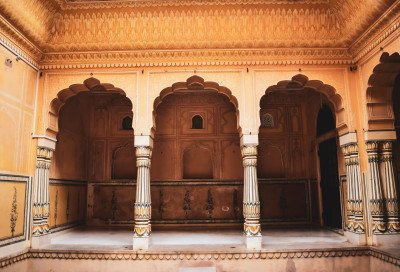 The Palamau Fort consists of two magnificent ruined forts located deep within the forests of Betla National Park. The "Old Fort" was built in the 16th century by the Raksel dynasty kings and later significantly fortified by the Chero king Medini Ray. The "New Fort" sits on an adjacent hill and was also a masterpiece commissioned by Medini Ray in 1673. These forts were the seat of the Chero kingdom for centuries and witnessed fierce battles with Mughal generals like Shaista Khan and Daud Khan, as well as the British. The forts are strategically located overlooking the Auranga River, which provided a natural defense. Today, they stand as hauntingly beautiful ruins surrounded by the sounds of the jungle. Exploring these forts is like stepping back in time; you can see the mix of Hindu and Islamic architectural influences. Because they are located inside a tiger reserve, the experience is uniquely combined with wildlife sightings. It is undoubtedly the most significant historical monument in the entire Latehar district. :
Information
-
Why Famous:
Why Famous Place: Latehar is famous for Betla National Park, which was one of the first parks in India to come under Project Tiger. It is also renowned for the Lodh Falls, which is the highest waterfall in the state of Jharkhand. Netarhat, with its pine forests and cool cl...Why Famous Place: Latehar is famous for Betla National Park, which was one of the first parks in India to come under Project Tiger. It is also renowned for the Lodh Falls, which is the highest waterfall in the state of Jharkhand. Netarhat, with its pine forests and cool climate, is a famous summer retreat for people from all over the country.
Palamu Fort: The historical significance of the Chero dynasty makes it a major site for history buffs.
Sunrise/Sunset: The view from Netarhat is considered one of the most beautiful in Eastern India.
Eco-Tourism: The district is a leader in promoting sustainable tourism through its forest reserves. -
Architecture:
Place Architecture: The architecture in Latehar is a fascinating mix of ancient tribal forts and colonial-era school buildings. The Palamu Forts (Old and New) showcase traditional Indian fort architecture with thick stone walls and strategic gateways. In contrast, the Neta...Place Architecture: The architecture in Latehar is a fascinating mix of ancient tribal forts and colonial-era school buildings. The Palamu Forts (Old and New) showcase traditional Indian fort architecture with thick stone walls and strategic gateways. In contrast, the Netarhat Residential School features colonial-style brick architecture with sloping roofs.
Fort Design: The use of local stone and lime mortar has allowed the forts to survive for centuries.
Colonial Influence: The forest bungalows built during the British era feature large rooms and wooden porches.
Dimensions: The Lodh Falls drop from a height of 469 feet, making it a natural architectural marvel.
Functional Tribal Art: The village houses are often decorated with geometric patterns and natural colors. -
How To Reach:
Place How to Reach: Latehar is well-connected by road and rail to Ranchi and Daltonganj.
By Air: The nearest airport is Birsa Munda Airport in Ranchi, about 110 KM from Latehar town.
By Train: Latehar Railwa...Place How to Reach: Latehar is well-connected by road and rail to Ranchi and Daltonganj.
By Air: The nearest airport is Birsa Munda Airport in Ranchi, about 110 KM from Latehar town.
By Train: Latehar Railway Station and Barwadih Junction are the main railheads for the district.
By Road: Regular buses and private taxis ply from Ranchi, Daltonganj, and Hazaribagh.
By Local Transport: Private jeeps and SUVs are the best way to navigate the hilly and forested terrain. -
Weather and Best Time to Visit:
Place Best Time to Visit: The best time to visit is from November to March when the weather is cool and perfect for safaris. The post-monsoon months of September and October are also great as the waterfalls are in full flow. Summers in Netarhat are pleasant, but the plains...Place Best Time to Visit: The best time to visit is from November to March when the weather is cool and perfect for safaris. The post-monsoon months of September and October are also great as the waterfalls are in full flow. Summers in Netarhat are pleasant, but the plains of Latehar can get quite hot.
Winter: Ideal for wildlife sightings and trekking in the Palamu forest range.
Monsoon: The district turns into a lush green paradise, but some roads may be difficult to navigate. -
Near Tourist Places:
1. Betla National Park (25 KM), 2. Netarhat (100 KM), 3. Lodh Falls (95 KM), 4. Palamu Forts (30 KM), 5. Mirchaiya Falls (40 KM), 6. Kechki Sangam (20 KM), 7. Tattapani (15 KM), 8. Daltonganj (45 KM), 9. Sugga Bandh (35 KM), 10. Mahuadanr Wolf Sanctuary (90 KM)
Tourism Tips
-
Place Tourism Tips: Always travel with a local guide when entering the deep forest or visiting the ancient forts. Carry a good pair of binoculars and a powerful flashlight for wildlife safaris. It is important to book forest rest houses well in advance as they are in high ...Place Tourism Tips: Always travel with a local guide when entering the deep forest or visiting the ancient forts. Carry a good pair of binoculars and a powerful flashlight for wildlife safaris. It is important to book forest rest houses well in advance as they are in high demand.
Health & Safety: Carry anti-malarial precautions and basic medicines as you will be in deep forest zones.
Packing: Include heavy woolens for Netarhat in winter and sturdy, waterproof boots for trekking.
Environment: Do not use plastic inside the national park and avoid making loud noises near animals.
Food: Try the local forest honey and traditional dishes like Madua Ki Roti (Finger Millet Bread).
Reviews
FAQs
Latehar Itineray And Cost:-
Other Places In Jharkhand :-
Other States In India :-
Information about New and Updated Locations() of Jharkhand Has Been Added :-
Card subtitle
Note:-
Information provided here in good Faith and for reference only.
Near Places
Bokaro
Some quick example text to build on the card title and make up the bulk of the card's content.
Go somewhere
Chaibasa
Some quick example text to build on the card title and make up the bulk of the card's content.
Go somewhere
Chatra
Some quick example text to build on the card title and make up the bulk of the card's content.
Go somewhere
Chirkunda
Some quick example text to build on the card title and make up the bulk of the card's content.
Go somewhere
Daltonganj
Some quick example text to build on the card title and make up the bulk of the card's content.
Go somewhere
Deoghar
Some quick example text to build on the card title and make up the bulk of the card's content.
Go somewhere
Dhanbad
Some quick example text to build on the card title and make up the bulk of the card's content.
Go somewhere
Dumka
Some quick example text to build on the card title and make up the bulk of the card's content.
Go somewhere
Garhwa
Some quick example text to build on the card title and make up the bulk of the card's content.
Go somewhere
Ghatsila
Some quick example text to build on the card title and make up the bulk of the card's content.
Go somewhere
Giridih
Some quick example text to build on the card title and make up the bulk of the card's content.
Go somewhere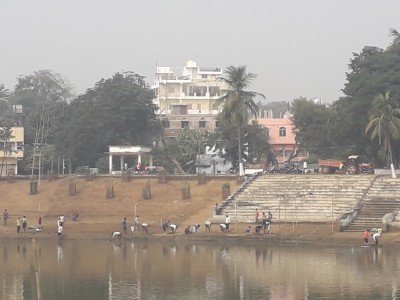
Godda
Some quick example text to build on the card title and make up the bulk of the card's content.
Go somewhere
Gumla
Some quick example text to build on the card title and make up the bulk of the card's content.
Go somewhere
Hazaribagh
Some quick example text to build on the card title and make up the bulk of the card's content.
Go somewhere
Jamshedpur
Some quick example text to build on the card title and make up the bulk of the card's content.
Go somewhere
Jamtara
Some quick example text to build on the card title and make up the bulk of the card's content.
Go somewherein Other Cities