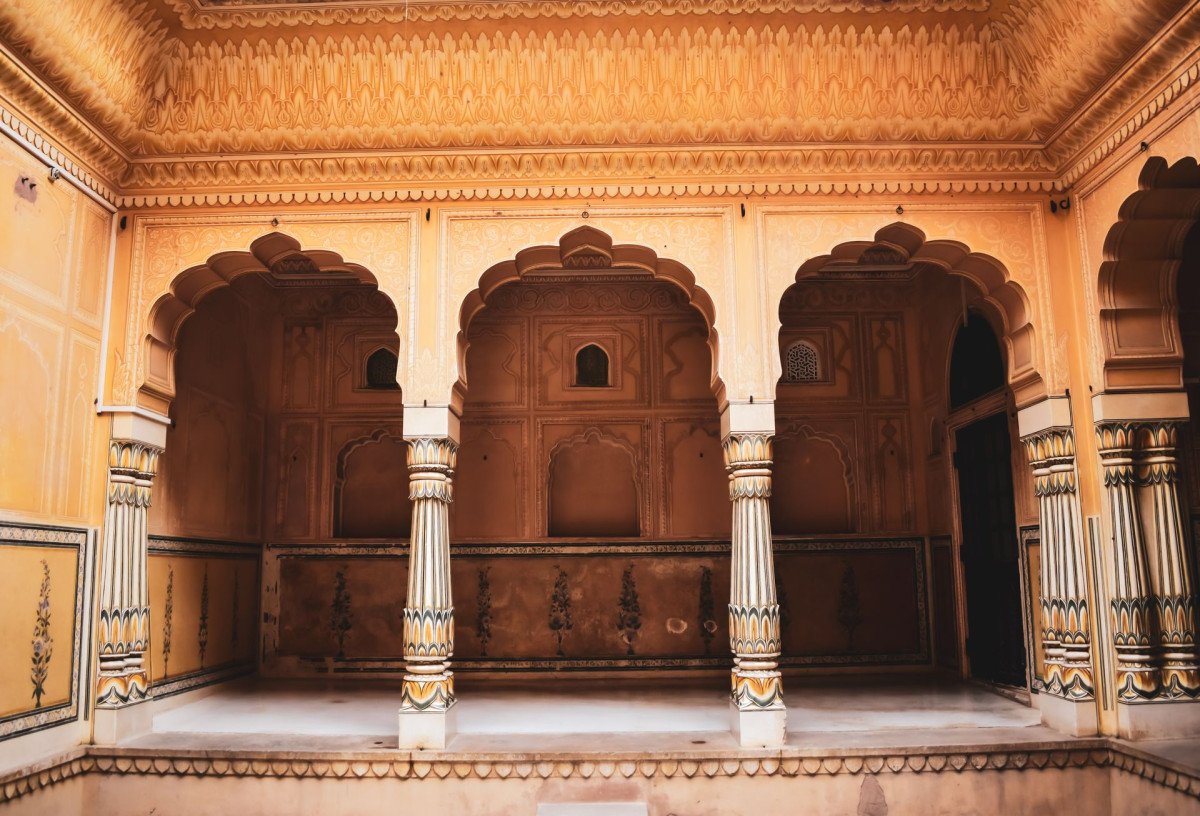
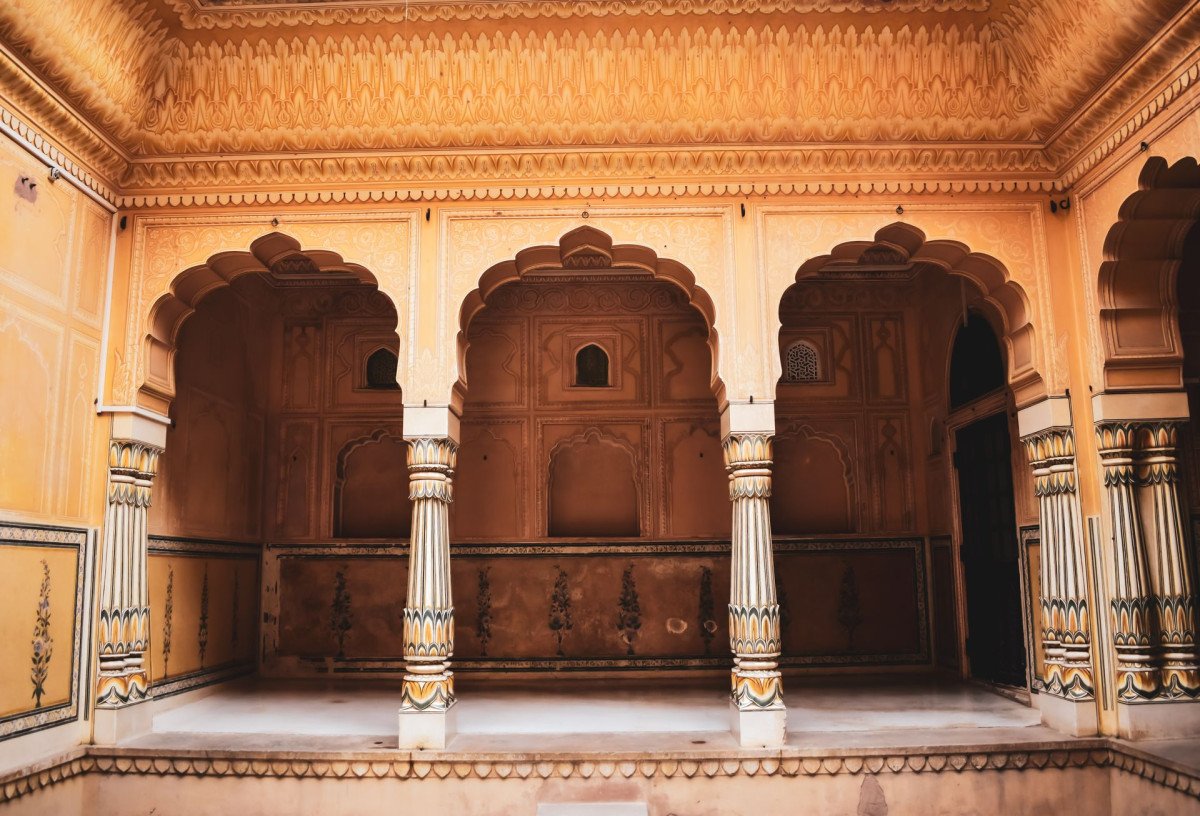
Lohagad Fort
General information
-
Ideal Duration:
3 to 5 hours (Trekking up, exploring the fort, and descending).Place Type:
Hill Fort / Trekking / History / HeritageEntry Fees:
Entry Fee to the Fort (Nominal/Nil): As of current information, there is generally no mandatory entry fee to enter the Lohagad Fort itself, as it is a protected monument under the Archaeological Survey of India (ASI). However, a very nominal Forest Department fee may someti...Entry Fee to the Fort (Nominal/Nil): As of current information, there is generally no mandatory entry fee to enter the Lohagad Fort itself, as it is a protected monument under the Archaeological Survey of India (ASI). However, a very nominal Forest Department fee may sometimes be charged at the base or at the first gate by local authorities, which is usually a small amount and subject to change.
Parking and Base Village Fees: Trekkers driving their vehicles will be charged a compulsory parking fee at the base village of Lohagadwadi. There is also sometimes a small, separate, locally-mandated village entry fee or 'cleanliness charge' collected by the local panchayat (governing body) to support the village infrastructure and sanitation.
Trekking Group Charges (Service Fee): For tourists joining organized trekking groups or camps, the fee is a comprehensive service charge that includes transportation from Mumbai or Pune, meals, a professional guide, and sometimes first-aid services. This is a fee for the experience package, not the fort entry itself.
Bhaja Caves Fee (Separate Monument): If you choose to visit the nearby Bhaja Caves (recommended), there is a separate, mandatory entry fee collected by the ASI, as it is a distinct protected monument.Timing:
Regular Fort Timings (Daylight Hours): The fort is technically accessible 24 hours a day for trekkers, but the ideal visiting hours for safety and practical purposes are between 6:00 AM and 6:00 PM. Trekkers often begin their ascent early in the morning to avoid the midday ...Regular Fort Timings (Daylight Hours): The fort is technically accessible 24 hours a day for trekkers, but the ideal visiting hours for safety and practical purposes are between 6:00 AM and 6:00 PM. Trekkers often begin their ascent early in the morning to avoid the midday sun and have ample time to explore and descend before dark.
Ideal Visit Time (Clear Views): The ideal visit time is early morning on a weekday during the post-monsoon winter months (October to February). This combination offers pleasant weather, lower crowd density, and the clearest views from the top, including a spectacular sight of the Pawna Lake.
Monsoon Timings (Adventure Peak): While the monsoon is the most popular time for the visual drama, it requires an early morning start (around 7:00 AM to 8:00 AM). The path is slippery, and dense fog can sometimes obscure the view, but the experience of walking through the mist is unparalleled.Special Events:
Shivaji Jayanti Celebration (Maratha Legacy): While formal, large-scale events are less common, Lohagad Fort sees a surge of activity and special, often spontaneous, celebrations on Shivaji Jayanti (the birth anniversary of Chhatrapati Shivaji Maharaj, usually in February or...Shivaji Jayanti Celebration (Maratha Legacy): While formal, large-scale events are less common, Lohagad Fort sees a surge of activity and special, often spontaneous, celebrations on Shivaji Jayanti (the birth anniversary of Chhatrapati Shivaji Maharaj, usually in February or March). Trekkers and history enthusiasts visit to pay tribute, often carrying the Maratha flag, creating a highly patriotic and charged atmosphere.
Monsoon Trekking Camps: Throughout the monsoon season, various adventure groups and organizations arrange special weekend Lohagad-Visapur trekking camps. These are guided tours that include night trekking, camping at the base, and shared transport, turning the regular trek into a structured special event that attracts a specific crowd of young adventure seekers from Mumbai and Pune.
Annual Lohagad Utsav (Local Festival): The nearby village of Lohagadwadi and the surrounding areas occasionally organize local festivals or utsavs dedicated to the fort or local deities. These events are deeply traditional, featuring local music, dance, and community bhojan (feasts), offering visitors a rare glimpse into the authentic rural culture of the region, distinct from mainstream tourism.Best Photo Spots:
The Vinchukada Spur Tip: The undisputed best photo spot is the narrow end of the Vinchukada (Scorpion's Tail). A shot taken here, with the sheer drops on either side and the expanse of the valley and Pawna Lake in the background, is the fort's most iconic photograph. The b...The Vinchukada Spur Tip: The undisputed best photo spot is the narrow end of the Vinchukada (Scorpion's Tail). A shot taken here, with the sheer drops on either side and the expanse of the valley and Pawna Lake in the background, is the fort's most iconic photograph. The best time for this is early morning before the mist gets too thick.
Framing the Maha Darwaja: The main Maha Darwaja (Great Gate) is perfect for capturing architectural history. Use the massive stone archway as a frame for a portrait of a person standing within, or to frame the green valley view visible through the entrance. This shot emphasizes the scale and robustness of the fort's military design.
The Bhaja Caves Waterfall (Monsoon Only): If you take the Bhaja Caves route, the seasonal waterfall that cascades down near the caves is a stunning photo spot. Capture the flowing water against the ancient rock-cut cave entrance for a powerful contrast between nature and human history. Long-exposure photography works best here.
The Steps Near Ganesh Darwaja: The long, winding flight of steps leading up to the Ganesh Darwaja is a great spot for an artistic trekking photo. Capture the upward perspective of the steps disappearing into the greenery and mist to convey the feeling of the climb and the mystery of the ancient fort ahead.Photo Gallery
Things To Do
-
Trek to the Summit: The main activity is the trek itself. Starting from Malavli or Lohagadwadi, the trail is well-defined and takes about 2 to 3 hours to ascend. Enjoy the journey through the scenic, winding paths, especially the waterfall trail during the monsoon. This trek is manageable for beginners but requires comfortable, non-slip footwear.
Explore the Four Historic Gates:
Spend time at each of the four gates: Ganesh Darwaja, Narayan Darwaja, Hanuman Darwaja, and Maha Darwaja. Notice the architecture, the defensive structures, and the size of the stone blocks used. These gates are the most intact parts of the fort and offer a tangible connection to its military past.
Walk the Vinchukada (Scorpion's Tail) Spur: This is a thrilling and unique activity. W...Trek to the Summit: The main activity is the trek itself. Starting from Malavli or Lohagadwadi, the trail is well-defined and takes about 2 to 3 hours to ascend. Enjoy the journey through the scenic, winding paths, especially the waterfall trail during the monsoon. This trek is manageable for beginners but requires comfortable, non-slip footwear.
Explore the Four Historic Gates:
Spend time at each of the four gates: Ganesh Darwaja, Narayan Darwaja, Hanuman Darwaja, and Maha Darwaja. Notice the architecture, the defensive structures, and the size of the stone blocks used. These gates are the most intact parts of the fort and offer a tangible connection to its military past.
Walk the Vinchukada (Scorpion's Tail) Spur: This is a thrilling and unique activity. Walk along the narrow, fortified ridge to the westernmost end of the fort. This spur provides the most spectacular and vertigo-inducing views of the surrounding hills and the Pawna Lake reservoir. Caution must be exercised, especially during high winds or rain.
Visit the Bhaja Caves En Route: If trekking from Malavli Railway Station, take a small detour to visit the ancient Bhaja Caves. These rock-cut Buddhist caves are a short distance away and are a highly rewarding stop, blending the day's trek with a deep historical and archaeological experience.
Observe the Water Cisterns and Temple Ruins: Locate the various rock-cut water tanks and the small temple dedicated to Lord Shiva within the fort premises. These cisterns are historical marvels of water management. The ruins of old buildings offer a chance to reflect on the fort's former inhabitants.
Photography of the Pawna Lake View: Find a perfect vantage point on the fort walls to take breathtaking photographs of the Pawna Lake reservoir far below. The contrast between the rugged fort walls, the green plateau, and the expansive blue water makes for a stunning visual. The views are clearest during the post-monsoon months.
Enjoy Local Food at the Base Village: The base village of Lohagadwadi has small eateries (dhabas) run by locals. Stop here for authentic, rustic Maharashtrian meals (like pithla bhakri or simple rice plate) and fresh beverages before or after your trek. This supports the local economy and provides a satisfying end to the adventure.
Information
-
Why Famous:
Historical Significance with Chhatrapati Shivaji: Lohagad is famous primarily because of its deep connection to the Maratha Empire and the legendary warrior king, Chhatrapati Shivaji Maharaj. Its role as a major treasury and military base, and its capture and recapture, sol...Historical Significance with Chhatrapati Shivaji: Lohagad is famous primarily because of its deep connection to the Maratha Empire and the legendary warrior king, Chhatrapati Shivaji Maharaj. Its role as a major treasury and military base, and its capture and recapture, solidify its place as a revered symbol of Maratha power and resilience in Maharashtra.
The Iconic Scorpion's Tail (Vinchukada): The unique, naturally-formed spur of rock that juts out from the main fort, known as Vinchukada, or the Scorpion's Tail, is a famous visual landmark. This dramatic geographical feature is a favorite spot for photographers and is instantly recognizable, making the fort distinct from other regional strongholds.
Accessible Monsoon Trekking: Unlike some high-altitude, difficult forts, Lohagad offers a relatively easy to moderate trek, making it famous and highly popular among first-time trekkers, families, and day-trippers from Mumbai and Pune. The accessibility, combined with the breathtaking greenery and mist during the monsoon, ensures a massive and continuous influx of visitors every year. -
Architecture:
Fortification and Gateway Design: The architecture of Lohagad is classic Maratha military design, characterized by its robust stone walls and towering bastions. The fort is accessed through a series of four successive gates: Ganesh Darwaja, Narayan Darwaja, Hanuman Darwaja,...Fortification and Gateway Design: The architecture of Lohagad is classic Maratha military design, characterized by its robust stone walls and towering bastions. The fort is accessed through a series of four successive gates: Ganesh Darwaja, Narayan Darwaja, Hanuman Darwaja, and the main Maha Darwaja. These gates were strategically designed with sharp turns and narrow passages to slow down and trap invading armies. The masonry work, involving large, meticulously placed basalt stones, speaks to the high level of engineering skill.
The Vinchukada Spur (Unique Dimension): The fort's most iconic architectural/geological feature is the Vinchukada (Scorpion's Tail), a long, fortified spur extending westward for approximately 1,500 meters. The fortifications along this narrow ridge are a marvel of defensive planning, with walls built right along the steep edges. The width of this spur can be as narrow as 10-15 meters in certain sections, giving it a dramatic and dangerous feel.
Water Cisterns and Step-Wells: Within the fort, there are large rock-cut water tanks and step-wells, notably constructed during the era of Nana Phadnavis. These structures were essential for water storage, demonstrating an efficient system of rainwater harvesting crucial for sustaining the garrison during sieges. The main tank is a large, rectangular rock-cut pit, ensuring year-round water availability. -
How To Reach:
By Air (Initial Approach): Travelers should fly to Pune International Airport (PNQ) (70 KMS) or Mumbai's Chhatrapati Shivaji Maharaj International Airport (BOM) (100 KMS). From there, hire a pre-booked taxi to the base of the fort or to Lonavala town first. A taxi ride is ...By Air (Initial Approach): Travelers should fly to Pune International Airport (PNQ) (70 KMS) or Mumbai's Chhatrapati Shivaji Maharaj International Airport (BOM) (100 KMS). From there, hire a pre-booked taxi to the base of the fort or to Lonavala town first. A taxi ride is mandatory for the final leg.
By Train (The Crucial Connection): The closest and most important railway station is Malavli, located on the Mumbai-Pune local train line. Malavli station is approximately 5 KMS from the base village of Lohagadwadi, which is the start of the trek. Local trains from Lonavala frequently stop at Malavli. Lonavala Railway Station is also a major hub, about 14 KMS away.
By Road (The Final Leg): The fort is about 14 KMS from Lonavala town. You can drive your own car or hire a taxi/cab directly to the base village of Lohagadwadi. The road is motorable up to the base plateau, significantly cutting down the trekking time compared to starting from Malavli. The entire journey from Pune takes about 1. 5 to 2 hours, and from Mumbai about 2 to 3 hours via the expressway.
By Local Transport (Base to Summit): From Lonavala or Malavli station, the only local transport is shared or private auto-rickshaws and local taxis. Auto-rickshaws can be hired to take you to the Lohagadwadi base village. For organized treks, transportation is usually provided from a major city starting point. Ensure you negotiate the waiting charges if you hire a taxi for the round trip. -
Weather and Best Time to Visit:
The Best Season:
The Green Monsoon Months (June to September): The most rewarding and spectacular time to visit is during the monsoon season. The entire trek path is lush green, small waterfalls flow down the rocks, and the fort is often env...The Best Season:
The Green Monsoon Months (June to September): The most rewarding and spectacular time to visit is during the monsoon season. The entire trek path is lush green, small waterfalls flow down the rocks, and the fort is often enveloped in romantic mist and clouds. The cool temperature makes trekking enjoyable, though the path is slippery. Post-Monsoon and Winter Season (October to February): This is the most comfortable time to visit. The skies are clear, the weather is cool and dry, and the lush greenery remains. This period is best for photography, as the distant views of Pawna Lake and surrounding hills are unobstructed.
Best Part of the Day:
Early Morning Start: Start the trek early in the morning, ideally between 7:00 AM and 9:00 AM. This allows you to avoid the midday sun, reach the summit before it gets crowded, and spend ample time exploring the fort and the Vinchukada before descending in the late afternoon. -
Near Tourist Places:
1.
Visapur Fort: (Connected by a ridge; approx. 2 KMS from base) 2.
Bhaja Caves: (Approx. 5 KMS) 3.
Pawna Lake: (Approx. 12 KMS) 4.
Ekvira Devi Temple (Karla): (Approx. 13 KMS) 5.
Karla Caves: (Approx. 13 KMS) 6.
Lonavala Lake: (Approx. 14 KMS) 7.
Wax Museum (Lonavala): (Approx. 15 KMS) 8.
Duke's Nose: (Approx. 20 KMS) 9.
Kune Falls: (Approx. 17 KMS) 10.
Bhushi Dam: (Approx. 15 KMS)
Tourism Tips
-
Health & Safety:
Slippery Paths and Hydration: The trek can be slippery, especially during the monsoon. Wear robust, high-grip trekking shoes. Carry a hiking stick for stability. Ensure you stay hydrated by carrying at least 2 liters of wa...Health & Safety:
Slippery Paths and Hydration: The trek can be slippery, especially during the monsoon. Wear robust, high-grip trekking shoes. Carry a hiking stick for stability. Ensure you stay hydrated by carrying at least 2 liters of water per person, regardless of the season. Inform someone of your plans if trekking solo. Be cautious on the Vinchukada spur as there are no railings and it's windy.
Packing:
Trekking Essentials: Packing must include a waterproof backpack cover, a light raincoat or windcheater (for monsoon/winter), a hat/cap, and sunblock. Carry light snacks like energy bars or dried fruits. Do not forget a powerful flashlight/headlamp if you plan a late descent or night trek. Carry a small bag for your trash (non-negotiable).
Accommodation:
Base Village and Lonavala: Basic Accommodation in the form of homestays and camping options is available in the base village of Lohagadwadi. However, for more comfort and amenities, it's best to stay in the numerous hotels and resorts available in Lonavala town, which is a short drive away.
Other Different Topics:
Trek Etiquette and Guides: The fort is a historical monument; do not litter, deface the walls, or remove any historical artifacts. Consider hiring a local guide from Lohagadwadi if you are a first-time trekker or wish to learn more about the fort's history and lesser-known spots, which supports the local community. Cash is essential for base village purchases.
Reviews
FAQs
Lonavala Itineray And Cost:-
Information about New and Updated Locations() of Maharashtra Has Been Added :-
Card subtitle
Note:-
Information provided here in good Faith and for reference only.
All information and pictures will be updated soon, please keep visiting.
Near Places
Aamby Valley City
Some quick example text to build on the card title and make up the bulk of the card's content.
Go somewhere
Amrutanjan Point
Some quick example text to build on the card title and make up the bulk of the card's content.
Go somewhere
Bedsa Caves
Some quick example text to build on the card title and make up the bulk of the card's content.
Go somewhere
Bhairavnath Temple
Some quick example text to build on the card title and make up the bulk of the card's content.
Go somewhere
Bhaja Caves
Some quick example text to build on the card title and make up the bulk of the card's content.
Go somewhere
Bhushi Dam
Some quick example text to build on the card title and make up the bulk of the card's content.
Go somewhere
Bushy Lake
Some quick example text to build on the card title and make up the bulk of the card's content.
Go somewhere
Celebrity Wax Museum
Some quick example text to build on the card title and make up the bulk of the card's content.
Go somewhere
Della Adventure Park
Some quick example text to build on the card title and make up the bulk of the card's content.
Go somewhere
Duke's Nose
Some quick example text to build on the card title and make up the bulk of the card's content.
Go somewherein Other Cities