Magic Valley
General information
-
Ideal Duration:
Trekking to Valley: 2 Hours (one way from Malana Village) Camping and Exploration: 1-2 DaysPlace Type:
Trekking, Camping, Natural BeautyEntry Fees:
Valley Entry/Trek Fees: There is No Entry Fee to the valley itself, as it is a natural, open landscape. The trek from Malana Village is free of charge.
Mandatory Costs for Camping: The primary cost is for Camping Accommodation, which is the...Valley Entry/Trek Fees: There is No Entry Fee to the valley itself, as it is a natural, open landscape. The trek from Malana Village is free of charge.
Mandatory Costs for Camping: The primary cost is for Camping Accommodation, which is the only option available. Campsite charges typically range from Rs.900 to Rs.1500 per person per night, which usually includes dinner and breakfast. This cost acts as the de facto 'entry fee' for an overnight stay.
Guide Fees: While not always mandatory, hiring a local guide (approximately Rs.1000 to Rs.1500 per day) is highly recommended for safety, as the trail can be confusing, making the guide's fee an essential expenditure for a smooth trip. Porter Fees for luggage can also be factored in.
:Timing:
Regular Timings: The valley is a continuous, 24-hour camping area. The trek to and from the valley should only be undertaken during Daylight Hours, ideally between 8:00 AM and 4:00 PM, to avoid getting lost or trekking on dangerous, dark trails.Regular Timings: The valley is a continuous, 24-hour camping area. The trek to and from the valley should only be undertaken during Daylight Hours, ideally between 8:00 AM and 4:00 PM, to avoid getting lost or trekking on dangerous, dark trails.
Ideal Visit Time (Camping/Views): The best time to start the ascent is in the Early Morning (around 9:00 AM from Malana) to reach the valley by lunchtime and have the whole afternoon for exploration. The period from 5:00 PM to 10:00 PM is the peak for enjoying the sunset, dinner, and the bonfire.
Seasonal Timings (Trek/Accessibility): Accessible from May to October. The trek becomes very difficult and dangerous in the winter months (November to April) due to heavy snow and ice, often requiring specialized gear and guides.
:Special Events:
Informal Camping Gatherings: Since there are no formal, traditional festivals, the special events are the informal gatherings of trekkers. This can include New Year's Eve parties (though very difficult to access in December) or spontaneous Bonfire and Music Sessions organiz...Informal Camping Gatherings: Since there are no formal, traditional festivals, the special events are the informal gatherings of trekkers. This can include New Year's Eve parties (though very difficult to access in December) or spontaneous Bonfire and Music Sessions organized by camp operators during the peak season (May-October).
Seasonal Rhododendron Bloom Celebration: The peak bloom of the rhododendron flowers in April and May is an unofficial 'special event' for nature lovers, drawing photographers to witness the valley floor covered in vibrant red and pink hues.
Full Moon Camping Nights: Full moon nights are considered special, offering an incredible opportunity to trek and experience the valley under natural light, often resulting in larger, celebratory camping groups.
:Best Photo Spots:
View of Deo Tibba at Sunrise: Capture the massive peak of Deo Tibba as the sun first strikes it, turning the snow gold against the deep blue of the sky, ideally shot from the middle of the valley meadow.
Camping Tent Silhouettes at Dusk: Pho...View of Deo Tibba at Sunrise: Capture the massive peak of Deo Tibba as the sun first strikes it, turning the snow gold against the deep blue of the sky, ideally shot from the middle of the valley meadow.
Camping Tent Silhouettes at Dusk: Photograph the line of colorful camping tents silhouetted against the dark mountains and the emerging stars, emphasizing the human element in the vast wilderness.
Long Exposure of the Glacial Stream: Find a section of the Malana Stream with large boulders and use a long exposure to turn the rushing glacial water into a smooth, ethereal white mist, capturing the motion and serenity.
Hidden Waterfall Spot: The area around the Waichin Valley Waterfall (or any smaller hidden cascade) provides fantastic photo spots, framing the clear water with mossy rocks and tall pine trees.
Night Sky Photography: The dark skies are perfect for night photography, focusing on capturing the Milky Way arching over the mountain peaks, requiring a sturdy tripod and a wide-angle lens. (Approx.
):Photo Gallery
Things To Do
-
Set Up Camp or Stay at a Designated Campsite to experience a night under an exceptionally clear, star-filled Himalayan sky, which is the primary activity of the valley. Trek to the Hidden Waterfalls within the valley. The most famous one is the Waichin Valley Waterfall, but there are multiple smaller, pristine cascades that can be discovered along the stream's path. Practice High-Altitude Yoga and Meditation in the peaceful, wide-open meadows, using the stunning mountain backdrop of Deo Tibba for a deeply spiritual experience. Stargazing and Astro-Photography after sunset, utilizing the minimal light pollution to capture the Milky Way and constellations, a specialty of this remote location. Day Hike to the Khiksa Thaj Glacier Viewpoint for a closer look at the ice formations and the raw, natural architecture of the surrounding peaks, requiring a guide and an early start. Identify a...Set Up Camp or Stay at a Designated Campsite to experience a night under an exceptionally clear, star-filled Himalayan sky, which is the primary activity of the valley. Trek to the Hidden Waterfalls within the valley. The most famous one is the Waichin Valley Waterfall, but there are multiple smaller, pristine cascades that can be discovered along the stream's path. Practice High-Altitude Yoga and Meditation in the peaceful, wide-open meadows, using the stunning mountain backdrop of Deo Tibba for a deeply spiritual experience. Stargazing and Astro-Photography after sunset, utilizing the minimal light pollution to capture the Milky Way and constellations, a specialty of this remote location. Day Hike to the Khiksa Thaj Glacier Viewpoint for a closer look at the ice formations and the raw, natural architecture of the surrounding peaks, requiring a guide and an early start. Identify and Document Local Alpine Flora and Fauna, as the valley is a rich habitat for various Himalayan herbs and a few elusive wildlife species. Enjoy a Bonfire and Community Gathering at your campsite, sharing stories and food with fellow travelers under the cold night sky. Cross the Glacial Stream using the small, natural bridges or carefully constructed crossings, experiencing the exhilarating cold of the mountain water. Savor the Simple Camp Food which is often prepared locally and tastes wonderful in the fresh mountain air, focusing on hot meals like Dal-Roti or Maggi. Capture Panoramic Landscape Photography of the massive valley, focusing on the sheer scale of the mountains, the camping setups, and the dramatic interplay of light and shadow throughout the day. Bird Watching in the early morning hours, as various high-altitude species frequent the water sources and pine tree patches. Rest and Acclimatize before or after a more challenging trek like the Chanderkhani Pass, using the peaceful environment of the valley as a basecamp for recovery. Read a Book in Solitude near the Malana stream, embracing the quiet isolation that is a luxury of this remote location. Attend an Informal Trance Party (occasionally organized by trekkers and camp operators), which is a part of the valley's evolving counter-culture, though not a scheduled event.
:
Information
-
Why Famous:
The Untouched Wilderness and Peaks: It is famous for its stunning, uncommercialized wilderness. The valley provides close-up, mesmerizing views of major Himalayan peaks like Deo Tibba and Chandrakhani Pass, making it a celebrated destination for peak viewing and high-altitu...The Untouched Wilderness and Peaks: It is famous for its stunning, uncommercialized wilderness. The valley provides close-up, mesmerizing views of major Himalayan peaks like Deo Tibba and Chandrakhani Pass, making it a celebrated destination for peak viewing and high-altitude trekking.
The Camping and Stargazing Experience: Magic Valley is renowned among travelers specifically for its exceptional camping sites and the phenomenal night sky. Due to the lack of light pollution and high altitude, it offers one of the best locations for star-gazing and astro-photography in the region, a primary draw for tourists.
The Valley's Dual Identity and Seclusion: The valley's popularity stems from its location above the culturally isolated Malana Village. The effort required to reach it guarantees seclusion and a raw, unspoiled natural experience, a rarity in the increasingly crowded Parvati Valley. The fact that it's a 'magic' valley known to relatively few makes it an adventurous, bucket-list destination. The pristine glacial water that feeds the streams and the presence of hidden waterfalls are also major attractions that contribute to its fame as a pure mountain escape.
: -
Architecture:
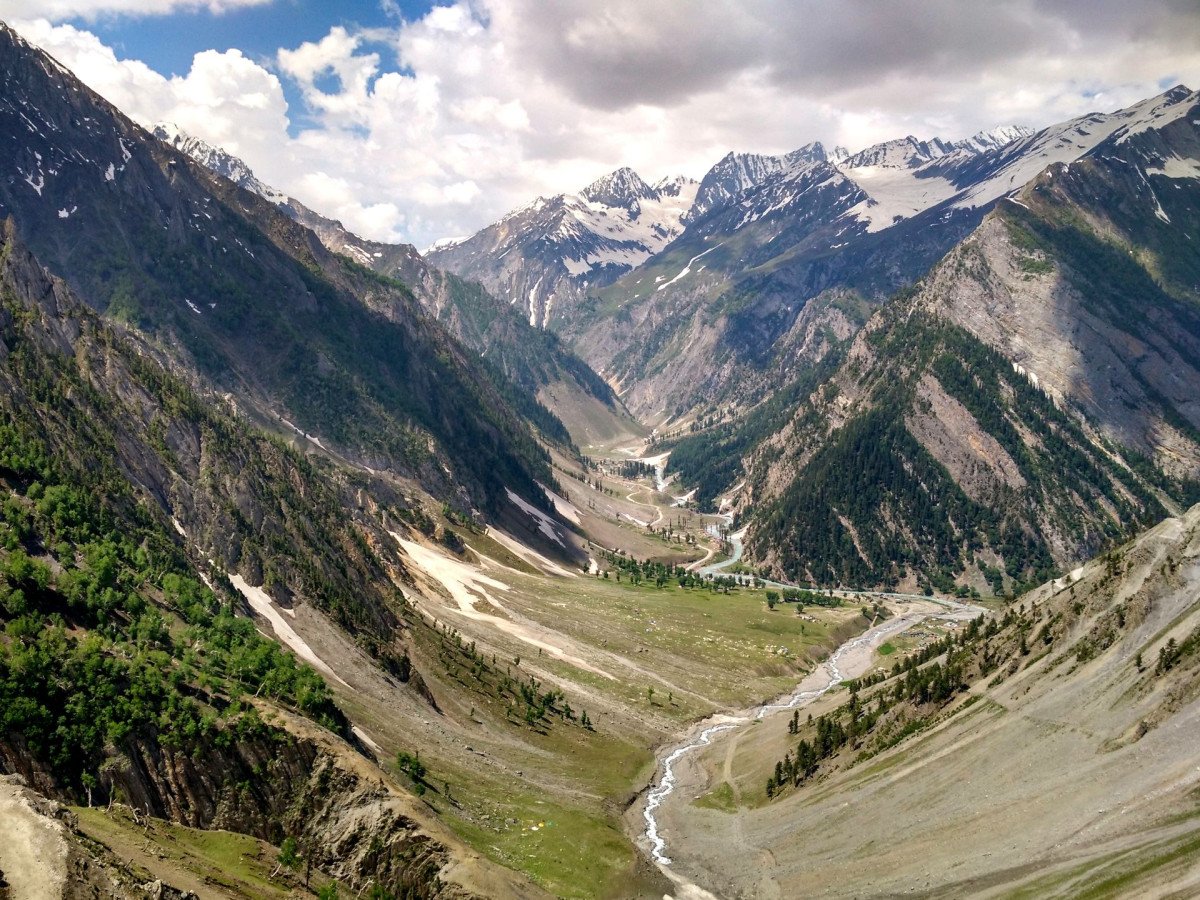
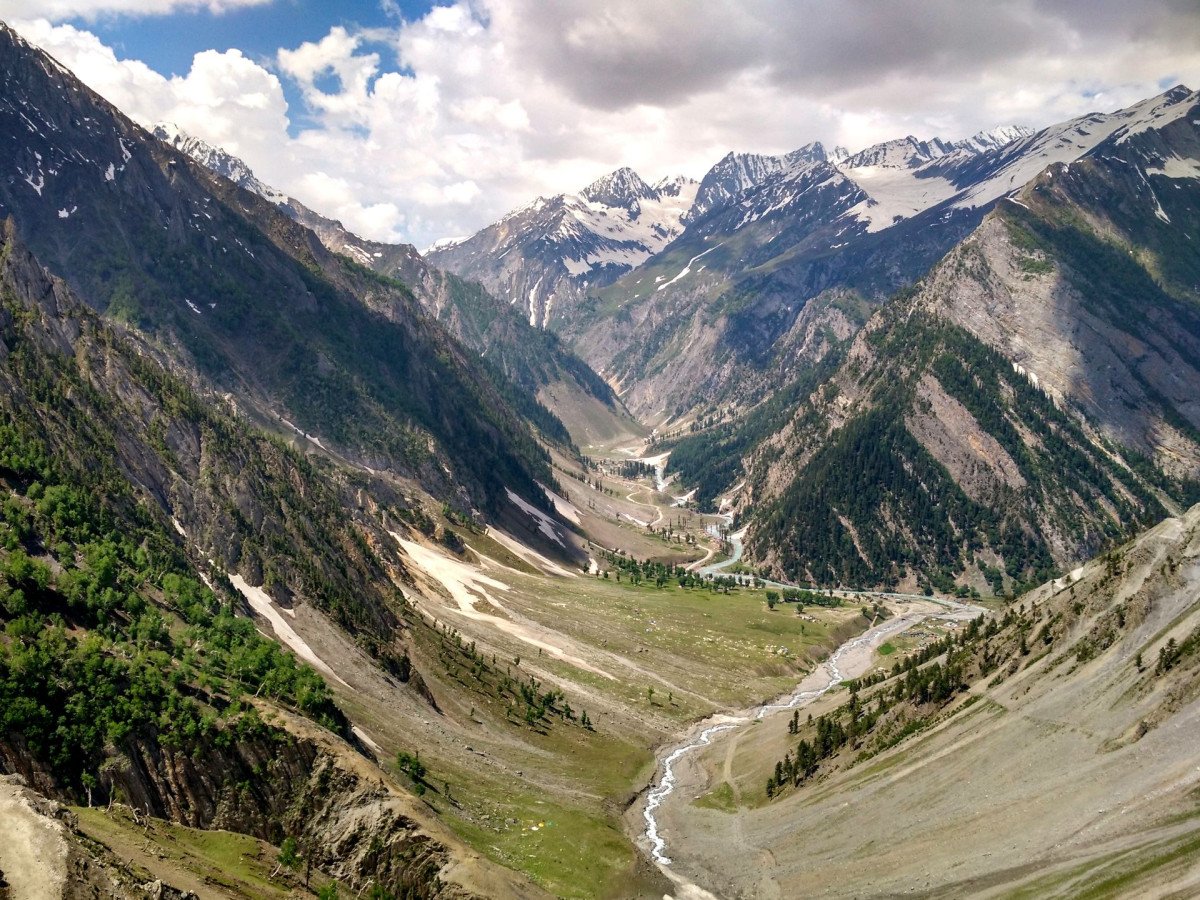
Natural Alpine Architecture Overview: The "architecture" of Magic Valley is entirely natural, defined by its spectacular alpine landscape. The valley is a classic U-shaped glacial valley, carved by ancient ice movements, which gives it its wide, meadowed floor, a natural fe...Natural Alpine Architecture Overview: The "architecture" of Magic Valley is entirely natural, defined by its spectacular alpine landscape. The valley is a classic U-shaped glacial valley, carved by ancient ice movements, which gives it its wide, meadowed floor, a natural feature.
Geological Dimensions and Features: The valley is situated at an elevation of approximately 2,700 meters (8,900 feet), with the surrounding peaks like Deo Tibba reaching heights over 6,000 meters. The primary architectural feature is the geological structure: massive vertical cliffs and rock faces (granite and metamorphic rock) that flank the valley, creating a dramatic, naturally enclosed space. The valley floor itself is characterized by flat, open meadows (Thaj in local language) suitable for camping.
Ephemeral Structures and Design: The man-made structures are temporary and minimalistic, consisting primarily of dome tents and A-frame wooden/stone shelters used by shepherds or temporary cafes and campsites. These temporary structures are designed for harsh weather, using canvas, rope, and local wood, blending into the environment. The design prioritizes portability and thermal insulation against the constantly cold temperatures. The valley's architecture is, by necessity, a fluid, non-permanent structure that respects the raw power of nature.
: -
How To Reach:
By Air (Nearest Airport): The nearest airport is Bhuntar (KUU), followed by a taxi/bus to Jari (about 52 KM). Then, a cab to the Malana Dam road head (approx. 16 KM).
By Train (Nearest Major Railhead): The nearest major station is Joginder...By Air (Nearest Airport): The nearest airport is Bhuntar (KUU), followed by a taxi/bus to Jari (about 52 KM). Then, a cab to the Malana Dam road head (approx. 16 KM).
By Train (Nearest Major Railhead): The nearest major station is Joginder Nagar (JDNX), with better connections to Chandigarh (CDG). From the railhead, take a bus or taxi to Bhuntar/Kasol, then a local cab to the Malana Dam road head.
By Road (Starting Point): Reach the Malana Dam road head via a cab from Jari or Kasol. This point is the start of the trek to Malana Village.
By Local Transport (The Treks): The journey involves two stages of trekking. Stage 1: Road head to Malana Village (approx. 3-5 KM, 1. 5-2 hours). Stage 2: From Malana Village to Magic Valley (Waichin Valley), which is an additional, steeper trek of about 4-5 KM, taking roughly 2 hours one way. Local guides are essential for this second, more remote trek.
: -
Weather and Best Time to Visit:
Different Seasons:
Summer (May to July): An Excellent Time with comfortable, warm days (up to 20°C) and cool nights, ideal for trekking and camping in lush green meadows.
Post-Monsoon/Autumn (August to October):...Different Seasons:
Summer (May to July): An Excellent Time with comfortable, warm days (up to 20°C) and cool nights, ideal for trekking and camping in lush green meadows.
Post-Monsoon/Autumn (August to October): This is arguably the Best Time to Visit as the air is crisp, the views of the Himalayan peaks are the clearest, and the visibility for stargazing is superb, with pleasant daytime weather.
Monsoon (July to August): While green, the trekking trails are extremely slippery and treacherous due to mud and continuous rainfall, making it a Challenging Time.
Winter (November to April): Not Recommended for general tourists due to heavy snowfall (often several feet) and frozen trails, which block access and require professional mountaineering gear.
Different Parts of the Day:
Night (Post-Dinner):
The best time for the main attraction: Stargazing and night sky photography. Mid-Morning (10:00 AM - 1:00 PM) The perfect time for undertaking the final trek from Malana Village to the valley, utilizing the warmth of the sun on the ascent.
: -
Near Tourist Places:
Waichin Valley Waterfall:
~1 KM (Trek within the valley) Malana Village:
~4-5 KM (Trek down) Chanderkhani Pass:
~12 KM (Trek) Rashol Pass:
~15 KM (Trek) Malana River Source:
~2 KM (Trek further up) Jari Village:
~20 KM (Trek + Road) Kasol Town:
~25 KM (Trek + Road) Tosh Village:
~30 KM (Trek + Road) Manikaran Sahib:
~30 KM (Trek + Road) Base of Deo Tibba Peak: ~15 KM (Trek)
Tourism Tips
-
Health & Safety:
Cold and Exposure: The temperature drops drastically at night. Carry high-quality, cold-weather sleeping bags and tents.
Altitude Sickness: Be aware of signs of Acute Mountain Sickness (AMS)...Health & Safety:
Cold and Exposure: The temperature drops drastically at night. Carry high-quality, cold-weather sleeping bags and tents.
Altitude Sickness: Be aware of signs of Acute Mountain Sickness (AMS); descend immediately if symptoms are severe.
Navigation: Always hire a local guide for the trek from Malana Village, as the path is secluded and not well-marked.
Packing:
Extra Warmth: Pack an extra layer of thermal clothing and waterproof gloves.
Camping Essentials: Carry a headlamp or powerful flashlight for moving around the campsite at night.
Food and Water: Carry extra snacks (energy bars, dry fruits) and a water purification method (tablets/filter), though water from the glacial streams is usually safe to boil.
Accommodation:
Campsite Booking: Pre-booking a spot at one of the few managed campsites (if you don't carry your own gear) is necessary, especially during peak season.
Solo Camping: If you are solo camping, choose a spot near other groups for safety.
Other Different Topics:
Leave No Trace: This is a pristine environment. Strictly follow "Leave No Trace" principles—carry everything out, including food wrappers and cigarette butts.
Cultural Boundary: Even here, remember the "no-touch" rules of the Malanese people if you interact with any locals who may be herding or passing through.
:
Reviews
FAQs
Malana Itineray And Cost:-
Information about New and Updated Locations() of Himachal Pradesh Has Been Added :-
Card subtitle
Note:-
Information provided here in good Faith and for reference only.
All information and pictures will be updated soon, please keep visiting.
Near Places

Barshaini
Some quick example text to build on the card title and make up the bulk of the card's content.
Go somewhere
Chanderkhani Pass
Some quick example text to build on the card title and make up the bulk of the card's content.
Go somewhere
Deo Tibba Peak
Some quick example text to build on the card title and make up the bulk of the card's content.
Go somewhere
Grahan Village
Some quick example text to build on the card title and make up the bulk of the card's content.
Go somewhere
Great Himalayan National Park
Some quick example text to build on the card title and make up the bulk of the card's content.
Go somewhere
Hampta Pass
Some quick example text to build on the card title and make up the bulk of the card's content.
Go somewhere
Jamlu Devta Temple
Some quick example text to build on the card title and make up the bulk of the card's content.
Go somewhere
Jari Village
Some quick example text to build on the card title and make up the bulk of the card's content.
Go somewhere
Kheerganga
Some quick example text to build on the card title and make up the bulk of the card's content.
Go somewhere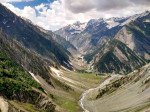
Magic Valley
Some quick example text to build on the card title and make up the bulk of the card's content.
Go somewherein Other Cities