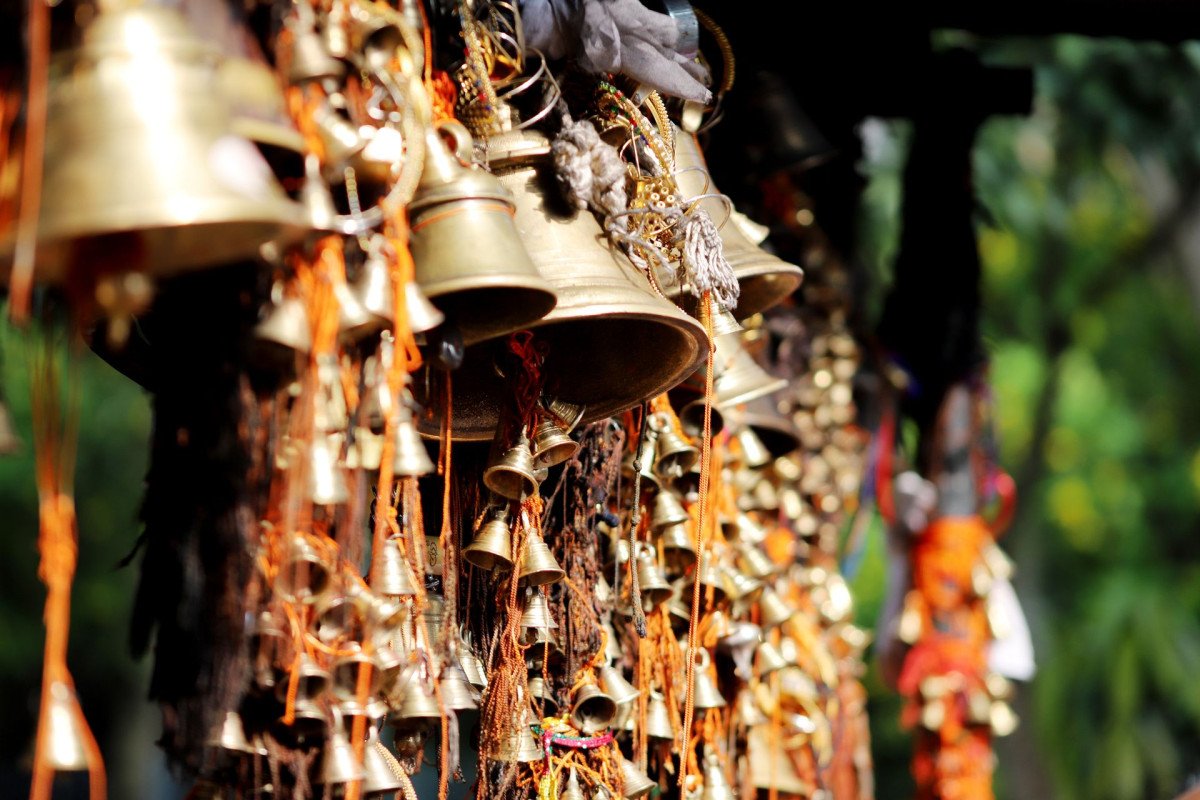
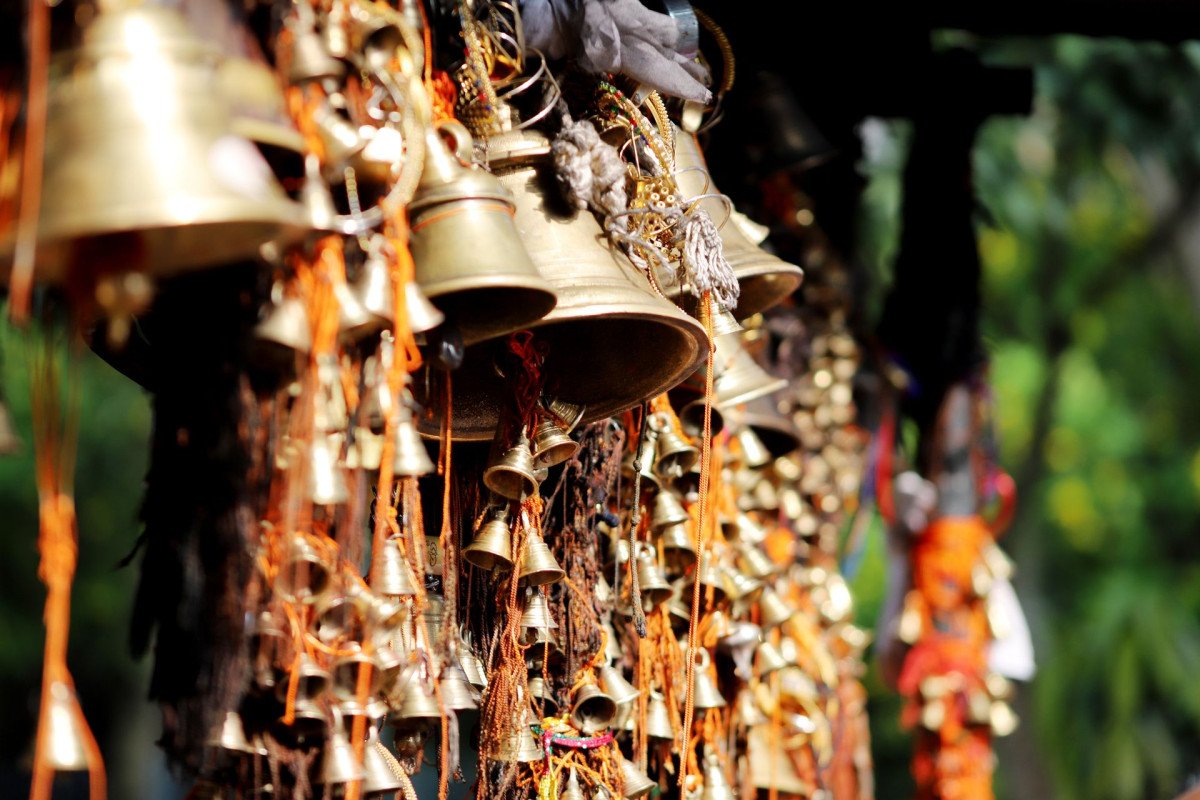
Jamlu Devta Temple
General information
-
Ideal Duration:
Viewing the Temple and Village: 1-2 Hours (after reaching Malana Village) Trekking Time from Road Head: 3-4 Hours (up and down)Place Type:
Religious, Cultural, TrekkingEntry Fees:
Temple Entry and Village Interaction Fees: There is No Entry Fee for the village or for viewing the temple from the designated public areas. The most significant 'fee' is the penalty or fine imposed by the village council if a visitor violates the strict local customs, such...Temple Entry and Village Interaction Fees: There is No Entry Fee for the village or for viewing the temple from the designated public areas. The most significant 'fee' is the penalty or fine imposed by the village council if a visitor violates the strict local customs, such as touching the temple, people, or houses. This fine is mandatory and can be substantial, emphasizing the need for respectful behavior.
Photography/Videography Fee: While there is no official, standardized fee, photography in the main village areas is highly restricted and requires extremely rare, prior permission from the elders. Violating this rule can result in a hefty fine or confiscation of equipment, acting as a prohibitively high 'fee'.
Accommodation and Trekking Costs: The only mandatory costs are for personal expenses like accommodation at the road-head or in approved guesthouses, and the hiring of an authorized local guide (which is highly recommended for safety and cultural compliance). The trek itself is free, but respecting the cultural norms is the paramount form of 'payment' in this self-governed community.
:Timing:
Regular Timings: The temple is continuously operational for local rituals and the village's governance. Tourists are generally restricted to daylight hours, from about 9:00 AM to 5:00 PM, for visiting the village and the temple exterior. The Sanctum is Not Open to the Publ...Regular Timings: The temple is continuously operational for local rituals and the village's governance. Tourists are generally restricted to daylight hours, from about 9:00 AM to 5:00 PM, for visiting the village and the temple exterior. The Sanctum is Not Open to the Public.
Ideal Visit Time (Photography/Trekking): The best time is the Early Morning (around 8:00 AM) after sunrise, when the mountain air is clear, the light is soft, and before the village becomes busy with the limited tourist flow. For an atmospheric experience, visiting in the Late Afternoon (around 3:00 PM) allows for softer shadows on the temple's intricate woodwork.
Seasonal Timings (Trekking/Access): The most accessible season is from May to October. During the winter months (November to April), heavy snowfall often makes the trek and village access difficult or impossible, sometimes effectively shutting down tourist access until the snow melts.
:Special Events:
Malana Fagli Festival (February): This is one of the two main traditional festivals and involves mask dances and a procession of the village elders. It marks the start of the local new year and the celebration of the deity's power, allowing a rare, restricted view of the vi...Malana Fagli Festival (February): This is one of the two main traditional festivals and involves mask dances and a procession of the village elders. It marks the start of the local new year and the celebration of the deity's power, allowing a rare, restricted view of the village's deep spiritual life.
Budoh Mela (August): A more community-focused event where the locals celebrate by gathering, often with animal sacrifice, as a tribute to Jamlu Devta. The August timing places it after the monsoon, celebrating the agricultural bounty and the community's well-being.
Village Judicial Assemblies: While not a typical 'festival', the occasional public assembly or 'court session' to settle serious disputes is a special, rare event where the authority of the Devta is publicly manifested through the words of the council. Visitors may sometimes witness the gathering, which is a powerful demonstration of their unique legal system.
:Best Photo Spots:
View of the Temple and Village from the Trekking Trail: The best shots are often captured while ascending or descending, where the entire village and the temple complex are framed against the backdrop of the massive Himalayan peaks, especially in the clear light of the morning.
Read MoreView of the Temple and Village from the Trekking Trail: The best shots are often captured while ascending or descending, where the entire village and the temple complex are framed against the backdrop of the massive Himalayan peaks, especially in the clear light of the morning.
The Intricate Woodwork of the Temple Doors: Since entry is forbidden, focus on capturing the detailed carvings on the main door and surrounding walls from a distance. The texture of the aged wood and the shadows cast by the sun create a dramatic, historical feel. Panoramic View of the Chandrakhani and Deo Tibba Peaks: The area above the village, near the temple's courtyard, offers an unparalleled mountain vista, perfect for wide-angle landscape shots, especially during sunrise when the peaks are lit golden.
Traditional Kath-Kuni Houses: Capture the unique architecture of the surrounding stone and wooden houses, focusing on the distinct two-storey structure and the stacked wood-and-stone pattern, which is a cultural documentation gem.
Malana Stream and Gorge: The dramatic gorge and the crystal-clear water of the Malana Stream at the base of the village trek offer excellent opportunities for long-exposure photography, capturing the raw power of the mountain water. (Approx.
):Photo Gallery
Things To Do
-
Observe the Ancient Wooden Temple from a safe and respectful distance, focusing on the intricate carvings and the unique Kath-Kuni building style of the Pahari architecture. Respect the 'No-Touch' Rule by maintaining a distance from all locals and structures, including the temple walls and the surrounding homes, which is the most important cultural activity in Malana. Hike to the Malana Dam Project Viewpoint which provides a different, panoramic perspective of the Malana Valley and the rugged terrain leading to the village. Engage with the Local Economy by purchasing food or small handicrafts from the few designated shops or homestays outside the restricted core area, which is a rare chance to support the isolated community. Take the Challenging Trek to the Chanderkhani Pass starting from the village or its vicinity, offering a multi-day adventure with views of the Pir Panjal and Dha...Observe the Ancient Wooden Temple from a safe and respectful distance, focusing on the intricate carvings and the unique Kath-Kuni building style of the Pahari architecture. Respect the 'No-Touch' Rule by maintaining a distance from all locals and structures, including the temple walls and the surrounding homes, which is the most important cultural activity in Malana. Hike to the Malana Dam Project Viewpoint which provides a different, panoramic perspective of the Malana Valley and the rugged terrain leading to the village. Engage with the Local Economy by purchasing food or small handicrafts from the few designated shops or homestays outside the restricted core area, which is a rare chance to support the isolated community. Take the Challenging Trek to the Chanderkhani Pass starting from the village or its vicinity, offering a multi-day adventure with views of the Pir Panjal and Dhauladhar ranges. Attend the Fagli Festival (February) or Budoh Mela (August) if your visit aligns, as these are the two main festivals where the deity is celebrated, and traditional rituals are performed, though viewing is restricted. Meditate in the Peaceful Upper Valley where the air is crisp and the isolation is complete, providing a perfect setting for quiet introspection and connecting with the powerful Himalayan landscape. Capture Landscape Photography of the stunning mountain peaks like Deo Tibba and the valley itself, but strictly avoid photographing the people or the restricted areas of the village without explicit, rare permission. Explore the Malana River or the local stream near the trek's starting point for a refreshing break and a tranquil riverside experience before or after the climb. Taste Local Cuisine at the limited guesthouses or cafes in the lower part of the village or at the road-head parking, focusing on simple, authentic mountain dishes. Learn about the Village History by talking to authorized guides or reading up on the unique Greek lineage legend and the judicial system before your visit. Camping Near the Malana Road Head is a common and permitted activity, allowing you to spend the night under the vast Himalayan sky if staying inside the village is not possible. Stroll through the Village Pathways to observe the unique lifestyle of the Malanese people from a distance, noting their traditional attire and daily routines. Identify Local Flora and Fauna as the region is rich in biodiversity, especially during the summer and September months.
:
Information
-
Why Famous:
Unique Socio-Political Governance: The temple is famous because it is the seat of the deity who is the supreme ruler of the village. Malana is renowned globally for its unique, self-governed democratic system, where the god's word is law, making the temple a symbol of ancie...Unique Socio-Political Governance: The temple is famous because it is the seat of the deity who is the supreme ruler of the village. Malana is renowned globally for its unique, self-governed democratic system, where the god's word is law, making the temple a symbol of ancient authority.
The Malana Cream Connection: The village is internationally recognized for its unique cultivation of Malana Cream, a high-quality cannabis concentrate, though this aspect is illegal and secondary to its cultural fame. The temple, being the village's heart, is indirectly linked to the village's overall mystique.
Historical and Mythological Significance: Legend claims the Malanese people are descendants of Alexander the Great, and the temple's deity, Jamlu Devta, is a form of the sage Jamadagni Rishi, lending it a deep historical and mythological pull. This narrative attracts history enthusiasts and spiritual seekers alike, all drawn to the mystery of this isolated Himalayan community. The complex of beliefs, including the strict no-touching rule and the unique judicial system, cements the temple's reputation as one of the world's most enigmatic religious sites, distinguishing it from all other temples in India.
: -
Architecture:
Kath-Kuni Style Architecture Overview: The Jamlu Devta Temple is an excellent example of the traditional Kath-Kuni architectural style common in the upper Kullu Valley of Himachal Pradesh. This style is characterized by the use of alternating layers of wood and stone (slate...Kath-Kuni Style Architecture Overview: The Jamlu Devta Temple is an excellent example of the traditional Kath-Kuni architectural style common in the upper Kullu Valley of Himachal Pradesh. This style is characterized by the use of alternating layers of wood and stone (slate), which interlock without the use of cement or mortar. This technique makes the structure highly flexible and resistant to earthquakes, a crucial feature in this seismic region.
Wooden Carvings and Aesthetics: The temple's facade, doors, and window frames are adorned with extremely detailed and intricate wooden carvings. These carvings often depict local deities, scenes from epics, and various flora and fauna, showcasing the exceptional skill of the local artisans. The wood used is typically cedar or deodar, valued for its durability and scent. After the devastating 2008 fire, the temple was meticulously rebuilt, adhering closely to the original design and techniques, ensuring the preservation of this cultural heritage.
Dimension and Layout: The temple is generally a two-storied structure, typical of the traditional 'Pahari' house style, but is significantly larger. The ground floor often houses the deity's storage, while the upper floor contains the sanctum where the idol of Jamlu Devta resides. Exact public dimensions are not available due to the sacred nature of the site and the restrictions on entry, but the typical base-to-roof height for a prominent temple of this style can range from 10 to 15 meters for a prominent temple, with a rectangular or square footprint. The roof is usually a sloping slate roof, designed to withstand heavy snow. The use of wood in this manner ensures both structural integrity and insulation against the harsh Himalayan winters.
: -
How To Reach:
By Air (Nearest Airport): The nearest airport is Bhuntar Airport (KUU) in Kullu, which is approximately 52 KM by road to the nearest road-head, Jari or the Malana Dam area. From the airport, hire a pre-paid taxi or take a local bus to Jari or the trek start point, a drive o...By Air (Nearest Airport): The nearest airport is Bhuntar Airport (KUU) in Kullu, which is approximately 52 KM by road to the nearest road-head, Jari or the Malana Dam area. From the airport, hire a pre-paid taxi or take a local bus to Jari or the trek start point, a drive of about 2-3 hours.
By Train (Nearest Major Railhead): The nearest major railway station is Joginder Nagar Railway Station (JDNX), about 144 KM away. The nearest major rail connectivity is in Chandigarh (CDG), over 270 KM away. From either station, the only practical option is to take an overnight bus or a private taxi to Bhuntar or Kasol, and then transfer to a local cab for Jari.
By Road (Starting Point): The road journey is typically to Jari (which is about 22 KM from Kasol and 52 KM from Kullu). From Jari, you hire a taxi to the Malana road head/dam point (approx. 16 KM drive).
By Local Transport (The Trek): The final part is entirely by foot. From the road head, the trek to Malana Village is a challenging ascent of about 3 KM (shorter route) to 5 KM (longer route, depending on the start point), taking approximately 1. 5 to 2 hours one way. Local porters or guides are available for hire near the road head parking. There is no other local transport (like jeeps or motorbikes) that goes directly to the main village due to the terrain.
: -
Weather and Best Time to Visit:
Different Seasons:
Summer (May to June): This is the Best Time to Visit as the weather is pleasant, with temperatures ranging from 10°C to 25°C. The trails are clear and the surroundings are lush green, ideal for trekking.Different Seasons:
Summer (May to June): This is the Best Time to Visit as the weather is pleasant, with temperatures ranging from 10°C to 25°C. The trails are clear and the surroundings are lush green, ideal for trekking.
Monsoon (July to September Mid): This is a Less Ideal Time due to heavy rainfall, which makes the trekking trails slippery and increases the risk of landslides and poor visibility.
Post-Monsoon/Autumn (September End to October): This is an Excellent Time with crisp, clear skies, offering the best views of the snow-capped peaks and pleasant daytime temperatures.
Winter (November to April): This is the Least Recommended Time for most tourists, as heavy snowfall closes the roads and trekking paths, and the temperatures drop below freezing, making access very challenging.
Different Parts of the Day:
Early Morning (Sunrise): This is the best time for photography and starting the trek to avoid the midday sun, offering cool temperatures and clear views. Late Afternoon (3:00 PM - 5:00 PM) Good for the return trek to avoid rushing and for experiencing the evening light on the mountains. Midday (11:00 AM - 2:00 PM) Harsher light, but the warmest part of the day for resting and exploring the village periphery.
: -
Near Tourist Places:
Tosh Village:
~28 KM (via Barshaini) Kasol Town:
~22 KM (via Jari) Manikaran Sahib Gurudwara: ~26 KM (via Jari) Kheerganga Trek Base (Barshaini):
~19 KM (via Jari) Jari Village (Trek Base): ~16 KM (Road Distance) Magic Valley/Waichin Valley:
~4-5 KM (Trek) Naggar Castle:
~40 KM Raison (River Rafting):
~45 KM Bhuntar Airport/Town:
~52 KM Bijli Mahadev Temple: ~65 KM
Tourism Tips
-
Health & Safety:
Acclimatization and Altitude: Malana is at a high altitude (2,652 meters). Take time to acclimatize and carry necessary medication. Trekking is moderate-to-difficult; wear sturdy shoes.
Hydrat...Health & Safety:
Acclimatization and Altitude: Malana is at a high altitude (2,652 meters). Take time to acclimatize and carry necessary medication. Trekking is moderate-to-difficult; wear sturdy shoes.
Hydration: Carry sufficient water, as the trek is exposed.
Emergency: Network coverage is sporadic; inform someone of your itinerary.
Packing:
Appropriate Clothing: Pack layers, including thermal wear, a rain jacket (even in summer for unexpected showers), and a warm hat.
Trekking Gear: Trekking poles are highly recommended for the steep ascent and descent.
Essential Items: Carry a flashlight, power bank, and basic first aid (painkillers, band-aids).
Accommodation:
Limited Options: Accommodation in Malana Village is very basic and limited, often only in designated guesthouses or homestays.
Booking Ahead: It is strongly advised to book in advance, or plan to camp near the dam site/road head, or stay in nearby towns like Jari or Kasol.
Respect Local Rules: Remember the no-touching rule applies to accommodation and its contents.
Other Different Topics:
Cultural Sensitivity: Respect is the most vital tip. Adhere strictly to the "do not touch" rule. Never attempt to take photos of locals without explicit, granted permission.
Waste Management: Carry all non-biodegradable waste back with you to maintain the village's pristine environment.
Currency: Carry enough cash, as ATMs and digital payment facilities are non-existent in the village.
Guide: Hiring a local guide from the road head is highly recommended for cultural mediation and safety.
:
Reviews
FAQs
Malana Itineray And Cost:-
Jamlu Devta Temple Tourism:-
Information about New and Updated Locations() of Himachal Pradesh Has Been Added :-
Card subtitle
Note:-
Information provided here in good Faith and for reference only.
All information and pictures will be updated soon, please keep visiting.
Near Places

Barshaini
Some quick example text to build on the card title and make up the bulk of the card's content.
Go somewhere
Chanderkhani Pass
Some quick example text to build on the card title and make up the bulk of the card's content.
Go somewhere
Deo Tibba Peak
Some quick example text to build on the card title and make up the bulk of the card's content.
Go somewhere
Grahan Village
Some quick example text to build on the card title and make up the bulk of the card's content.
Go somewhere
Great Himalayan National Park
Some quick example text to build on the card title and make up the bulk of the card's content.
Go somewhere
Hampta Pass
Some quick example text to build on the card title and make up the bulk of the card's content.
Go somewhere
Jamlu Devta Temple
Some quick example text to build on the card title and make up the bulk of the card's content.
Go somewhere
Jari Village
Some quick example text to build on the card title and make up the bulk of the card's content.
Go somewhere
Kheerganga
Some quick example text to build on the card title and make up the bulk of the card's content.
Go somewhere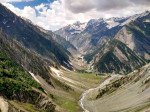
Magic Valley
Some quick example text to build on the card title and make up the bulk of the card's content.
Go somewherein Other Cities