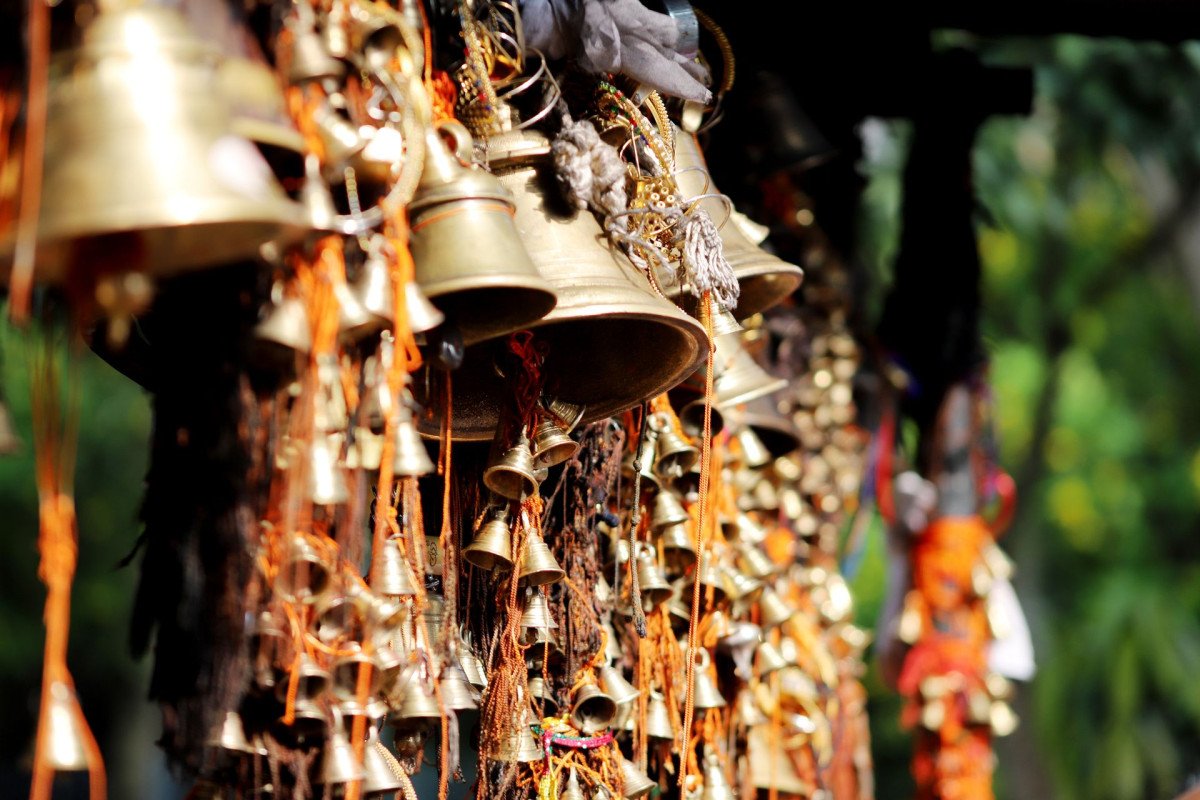
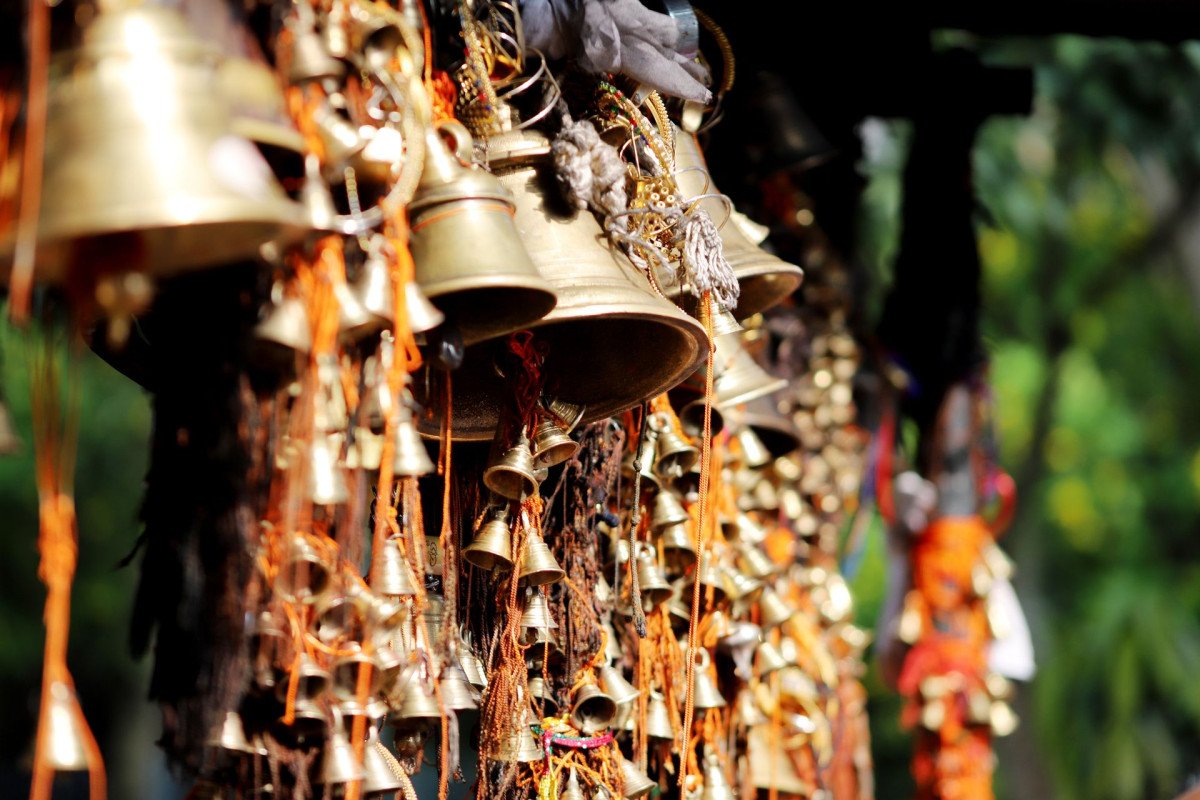
Mahakal Temple
General information
-
Ideal Duration:
2 to 3 Hours:Place Type:
Religious, Architectural Heritage:Entry Fees:
Admission Fee: There is No Entry Fee to visit the Baijnath Temple, as it is a protected monument under the Archaeological Survey of India (ASI) and a public place of worship.
Donations for Maintenance: Donations are accepted voluntarily for t...Admission Fee: There is No Entry Fee to visit the Baijnath Temple, as it is a protected monument under the Archaeological Survey of India (ASI) and a public place of worship.
Donations for Maintenance: Donations are accepted voluntarily for the temple's daily puja and maintenance, with proper donation boxes available.
ASI Protection: As an ASI-protected site, all entry is free to the historical complex, ensuring its preservation and public access.
Photography Fees: Personal photography is generally free, but commercial photography may be restricted or require permission and a fee from the ASI. :Timing:
Regular Timings: The temple is generally open from 6:00 AM to 8:00 PM daily, accommodating a full day of pilgrims and visitors.
Ideal Visit Time: The best time for darshan and photography is early morning (6:00 AM-8:00 AM) when the light is s...Regular Timings: The temple is generally open from 6:00 AM to 8:00 PM daily, accommodating a full day of pilgrims and visitors.
Ideal Visit Time: The best time for darshan and photography is early morning (6:00 AM-8:00 AM) when the light is soft, or late afternoon (4:00 PM-6:00 PM) to avoid midday crowds and heat.
Maha Shivaratri: During the Maha Shivaratri festival, the temple remains open for extended hours, often all night, to allow devotees to perform puja. :Special Events:
Maha Shivaratri: The most important event is the five-day state-level function held annually during Maha Shivaratri (typically in the Hindu month of Phalguna, February or March), featuring elaborate rituals, processions, and cultural performances.
Read MoreMaha Shivaratri: The most important event is the five-day state-level function held annually during Maha Shivaratri (typically in the Hindu month of Phalguna, February or March), featuring elaborate rituals, processions, and cultural performances.
Makara Sankranti: The festival of Makara Sankranti (mid-January) and Vaisakha Sankranti are also celebrated with special pujas and enthusiasm.
Shravana Mondays: Every Monday during the holy month of Shravan (typically July to August) is marked by special prayers and increased pilgrim activity devoted to Lord Shiva. :Best Photo Spots:
The Nagara Shikara: Capture the towering, curvilinear Shikara (spire) of the main temple from the courtyard, best highlighting its architectural perfection against the mountain backdrop.
Exterior Wall Carvings: Focus on the detailed close-up ...The Nagara Shikara: Capture the towering, curvilinear Shikara (spire) of the main temple from the courtyard, best highlighting its architectural perfection against the mountain backdrop.
Exterior Wall Carvings: Focus on the detailed close-up shots of the ancient, expressive stone carvings of deities and mythological figures on the outer walls.
The Main Entrance Archway: The temple's entrance features an archway with intricate work and is a great spot to frame the passing devotees, capturing a sense of piety.
Inside the Mandapa: Photograph the interior of the Mandapa (main hall), focusing on the intricate ceiling and the historical inscriptions (if allowed), capturing the scale of the structure. :Photo Gallery
Things To Do
-
Perform Darshan and Puja: Offer water and prayers to Lord Vaidyanath inside the Garbhagriha, participating in the traditional Hindu rituals.
Study Ancient Architecture: Spend time walking around the exterior walls to study the detailed and expressive carvings, including those of the deities and mythological scenes.
Witness Maha Shivaratri Celebrations: Plan a visit during the annual five-day state-level Maha Shivaratri festival (typically in February or March) for the grandest cultural and religious experience.
Visit the Subsidiary Shrines: Take time to visit the smaller, less-crowded temples within the complex courtyard, dedicated to deities like Bhairava and Jamadagni.
Reading the Inscriptions: Attempt to read or get information ab...
Information
-
Why Famous:
Status as a Jyotirlinga: Its fame rests heavily on the belief that the Shivlinga enshrined here is one of the twelve original Jyotirlingas, making it a major spiritual destination for Shaivites across India.
The Ravana Legend: The fascinating...Status as a Jyotirlinga: Its fame rests heavily on the belief that the Shivlinga enshrined here is one of the twelve original Jyotirlingas, making it a major spiritual destination for Shaivites across India.
The Ravana Legend: The fascinating mythological story of Ravana and the Shivlinga being accidentally placed here is a major draw for religious devotees and storytellers alike.
Nagara Architecture: The temple is a beautifully preserved example of Nagara style architecture from the 13th century, a crucial landmark for architectural historians and lovers of ancient Indian art.
Dussehra Uncelebrated: The unique cultural anomaly of the town not celebrating Dussehra (Ravana's defeat) is a point of national interest, highlighting the complex relationship between mythology and local tradition. : -
Architecture:
Architectural Style: The temple is a magnificent example of the early medieval North Indian Nagara Style of temple architecture, which is a key feature of the temple. This style is characterized by a towering curvilinear Shikara (spire).
Intrica...Architectural Style: The temple is a magnificent example of the early medieval North Indian Nagara Style of temple architecture, which is a key feature of the temple. This style is characterized by a towering curvilinear Shikara (spire).
Intricate Carvings: The exterior walls are richly decorated with numerous intricately carved idols and sculptures of Hindu deities, including Ganesha, Harihara (half Vishnu, half Shiva), and scenes from the wedding of Shiva and Parvati (Kalyanasundara).
Main Sanctum: The inner sanctum (Garbhagriha) is square and houses the sacred Shiva Lingam. The spire above it rises elegantly, following the classic Nagara profile.
Dimensions and Layout: The complex consists of the main shrine and several smaller subsidiary temples (dedicated to deities like Bhairava and Jamadagni) within a walled courtyard. The stone structure has shown resilience, surviving the 1905 Kangra Earthquake with only minor damage. : -
How To Reach:
By Air: The nearest airport is Gaggal Airport (Dharamshala) (DHM), about 50 KMS away. From the airport, hire a taxi to Baijnath.
By Train: The nearest broad-gauge station is Pathankot (PTK/PTKC), approx. 130 KMS away. The nearest narrow-ga... -
Near Tourist Places:
Tashi Jong Monastery (5 KMS), Bir Billing (18 KMS), Chamunda Devi Temple (30 KMS), Palampur Tea Gardens (15 KMS), Saurabh Van Vihar (18 KMS), Andretta Artist Village (30 KMS), Dharamshala (55 KMS), Jakhni Mata Temple (22 KMS).
Tourism Tips
-
Health & Safety: Dress modestly as it is a highly revered Hindu shrine. The temple flooring can be cold; consider wearing socks. Be respectful of the ongoing rituals and the ASI-protected structure.
Packing: Carry a water bottle and wear c...
Reviews
Palampur Itineray And Cost:-
Information about New and Updated Locations() of Himachal Pradesh Has Been Added :-
Card subtitle
Note:-
Information provided here in good Faith and for reference only.
All information and pictures will be updated soon, please keep visiting.
Near Places

Al-Hilal
Some quick example text to build on the card title and make up the bulk of the card's content.
Go somewhere
Andretta Artist's Village
Some quick example text to build on the card title and make up the bulk of the card's content.
Go somewhere
Baijnath Shiva Temple
Some quick example text to build on the card title and make up the bulk of the card's content.
Go somewhere
Bir Billing
Some quick example text to build on the card title and make up the bulk of the card's content.
Go somewhere
Bundlamata Temple
Some quick example text to build on the card title and make up the bulk of the card's content.
Go somewhere
Chamunda Devi Temple
Some quick example text to build on the card title and make up the bulk of the card's content.
Go somewhere
Church of St. John in the Wilderness
Some quick example text to build on the card title and make up the bulk of the card's content.
Go somewhere
Dhauladhar Range
Some quick example text to build on the card title and make up the bulk of the card's content.
Go somewhere
Jakhni Mata Temple
Some quick example text to build on the card title and make up the bulk of the card's content.
Go somewhere
Jwalamukhi Temple
Some quick example text to build on the card title and make up the bulk of the card's content.
Go somewherein Other Cities