Mahamaya Temple
General information
-
Ideal Duration:
1 to 2 hours:Place Type:
Pilgrimage Site and Ancient Temple:Entry Fees:
Admission and Accessibility: There is generally no entry fee to visit the Mahamaya Temple complex and offer darshan to the Goddess. It is open to all devotees and tourists free of charge.
Special Puja and Ritual Fees: Fees are applicable fo...Admission and Accessibility: There is generally no entry fee to visit the Mahamaya Temple complex and offer darshan to the Goddess. It is open to all devotees and tourists free of charge.
Special Puja and Ritual Fees: Fees are applicable for specific and elaborate Pujas, special offerings, or the service of lighting a Jyotikalasha during Navaratri. These are handled by the temple trust, and the charges vary depending on the service requested.
Parking and Amenities: A nominal fee may be charged for vehicle parking in the designated area near the temple complex. Fees for cloakroom services (if available) or for purchasing special prasad are separate.Timing:
Regular Timings and Worship Hours: The temple is generally open for darshan from 6:00 AM to 10:00 PM. The main Aarti times are typically around 8:00 AM (Morning Aarti) and 7:00 PM to 8:00 PM (Evening Aarti), though these timings can vary slightly with seasons and festivals....Regular Timings and Worship Hours: The temple is generally open for darshan from 6:00 AM to 10:00 PM. The main Aarti times are typically around 8:00 AM (Morning Aarti) and 7:00 PM to 8:00 PM (Evening Aarti), though these timings can vary slightly with seasons and festivals.
Ideal Visit Time to Avoid Crowds: The ideal time to visit is during the non-festival days and outside the peak Aarti hours to ensure a peaceful and quick darshan. Early morning (post-sunrise) is usually the calmest. During Navaratri, expect heavy crowds and long waiting times.Special Events:
Sharad Navaratri and Chaitra Navaratri: The most significant events are the nine-day festivals of Sharad Navaratri (usually in September or October) and Chaitra Navaratri (usually in March or April). During these times, the temple comes alive with hundreds of thousands of d...Sharad Navaratri and Chaitra Navaratri: The most significant events are the nine-day festivals of Sharad Navaratri (usually in September or October) and Chaitra Navaratri (usually in March or April). During these times, the temple comes alive with hundreds of thousands of devotees, Jyotikalashas are lit, and special Pujas and cultural programs are organized daily.
Maha Shivaratri: As the complex has Shiva shrines, Maha Shivaratri in February or March is also celebrated with special prayers and rituals, drawing a large number of devotees of Lord Shiva.Best Photo Spots:
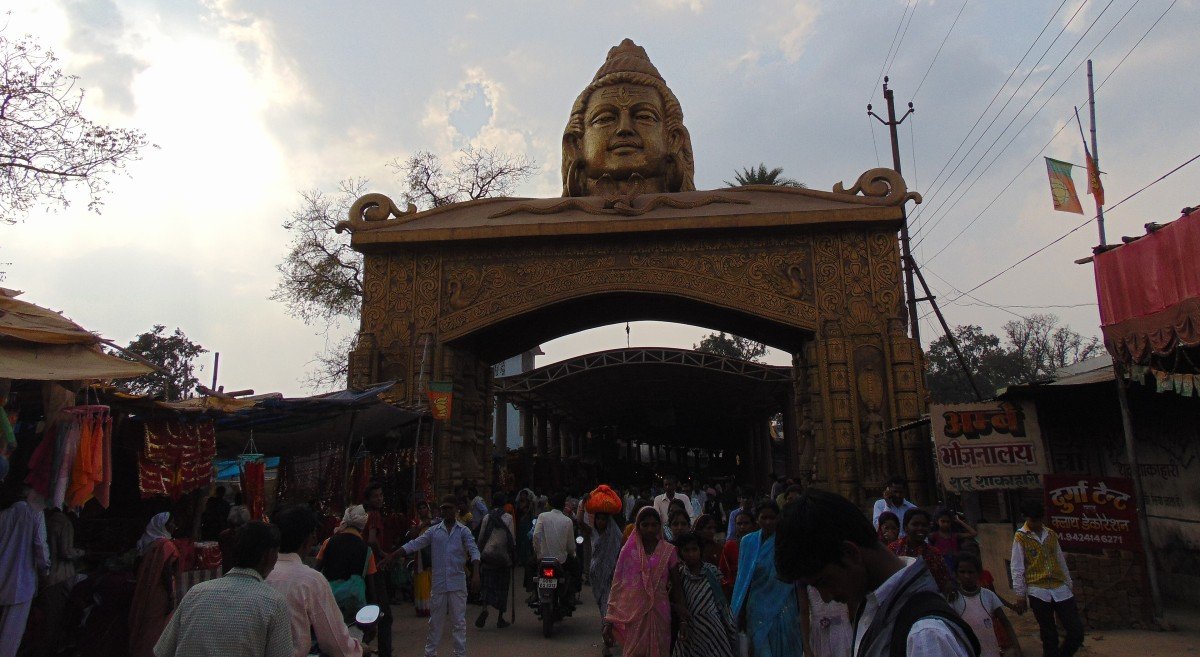
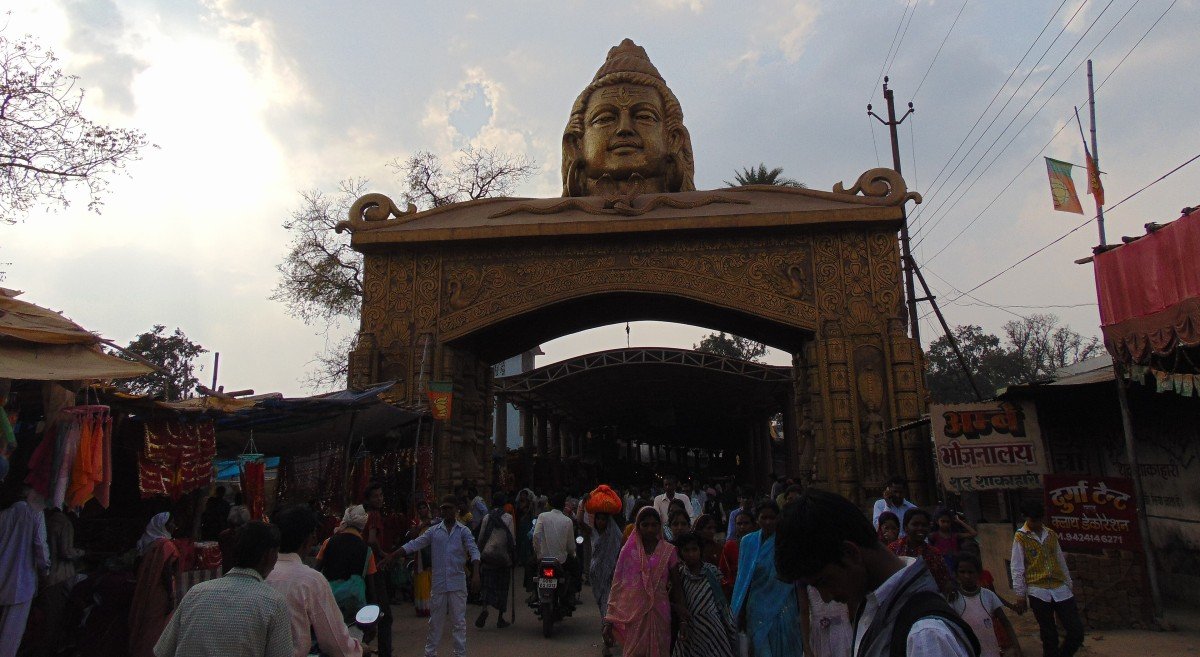
Temple Gopuram and Shikhar: The main temple's curvilinear tower (shikhara) and the entrance archway (Gopuram) offer excellent photo spots, especially from the ground level looking up, capturing the Nagara style architecture against the sky.
Refl...Temple Gopuram and Shikhar: The main temple's curvilinear tower (shikhara) and the entrance archway (Gopuram) offer excellent photo spots, especially from the ground level looking up, capturing the Nagara style architecture against the sky.
Reflection in the Mahamaya Talab: The most artistic spot is the reflection of the entire temple complex, including the Kanti Deval, in the tranquil waters of the adjacent Mahamaya Talab (Budhi Talab), best captured in the early morning.
The Stone Carvings and Dual Idol: Taking permitted photos (respecting restrictions) of the detailed stone carvings on the outer walls and the unique dual idol (if allowed) within the sanctum can result in culturally rich close-ups.
Rows of Jyotikalashas (During Navaratri): During the Navaratri festival, the halls where the perpetual lamps (Jyotikalashas) are lit offer a spectacular, spiritually charged photography opportunity of hundreds of glowing lights.Photo Gallery
Things To Do
-
Offering Prayers and Seeking Blessings: The primary activity is to offer prayers (darshan) to Goddess Mahamaya and seek her blessings. The queue for darshan is particularly long during Navaratri and other auspicious days.
Participating in Aarti and Rituals: Visitors can witness and participate in the daily Morning and Evening Aarti ceremonies, which are conducted with great devotion and traditional musical instruments, offering a vibrant cultural experience.
Circumambulation and Exploring the Complex: Take a parikrama (circumambulation) of the main temple and explore the entire complex, which includes several minor shrines dedicated to deities like Mahakali, Bhadrakali, Hanuman, Surya Dev, and Shiva.
Lighting a Jyotikalash (During Navaratri): For those visiting ...Offering Prayers and Seeking Blessings: The primary activity is to offer prayers (darshan) to Goddess Mahamaya and seek her blessings. The queue for darshan is particularly long during Navaratri and other auspicious days.
Participating in Aarti and Rituals: Visitors can witness and participate in the daily Morning and Evening Aarti ceremonies, which are conducted with great devotion and traditional musical instruments, offering a vibrant cultural experience.
Circumambulation and Exploring the Complex: Take a parikrama (circumambulation) of the main temple and explore the entire complex, which includes several minor shrines dedicated to deities like Mahakali, Bhadrakali, Hanuman, Surya Dev, and Shiva.
Lighting a Jyotikalash (During Navaratri): For those visiting during Navaratri, the unique opportunity to contribute to or witness the lighting of the Akhand Manookaamna Navratra Jyoti Kalashas (perpetual lamps) is a deeply spiritual experience.
Boating and Relaxation at Mahamaya Talab: While not always active, the large adjacent Mahamaya Talab sometimes offers boating or simply provides a peaceful spot to sit and relax, observing the temple's reflection in the water.
Visiting Kanti Deval Temple: Do not miss the ancient and architecturally stunning Kanti Deval Temple situated right next to the main temple complex, as it is integral to the historical and architectural heritage of the area.
Shopping for Local Souvenirs: Near the temple entrance, numerous small shops sell religious items, sweets (prasad), and local handicrafts and souvenirs, providing a chance to take a piece of the pilgrimage home.
Information
-
Why Famous:
A Siddh Shakti Peeth and Center of Power: The temple's immense fame rests on its status as a revered Siddh Shakti Peeth, a place where the desires of devotees are believed to be fulfilled, and as the seat of the Kuldevi for the Kalachuri rulers. Its historical connection to...A Siddh Shakti Peeth and Center of Power: The temple's immense fame rests on its status as a revered Siddh Shakti Peeth, a place where the desires of devotees are believed to be fulfilled, and as the seat of the Kuldevi for the Kalachuri rulers. Its historical connection to King Ratnadeva I who shifted his capital to Ratanpur after a vision of the Goddess, solidifies its historical and spiritual significance. The lighting of the continuous Akhand Jyotikalashas during Navaratri attracts nationwide pilgrimage.
Dual Deity and Ancient Tank: The unique dual statue of the Goddess and the presence of the ancient, massive Mahamaya Talab beside the temple complex add to its popular appeal, making it a distinctive and spiritually powerful destination. -
Architecture:
Nagara Style and Dual Deity Feature: The temple is built in the traditional Nagara style of Hindu temple architecture, facing north, and is surrounded by an 18-inch thick boundary wall. The core structure is supported by sixteen stone columns.
...Nagara Style and Dual Deity Feature: The temple is built in the traditional Nagara style of Hindu temple architecture, facing north, and is surrounded by an 18-inch thick boundary wall. The core structure is supported by sixteen stone columns.
Dimension: The main sanctum (garbhagriha) houses a dual statue of Goddess Mahamaya (Mahishasur Mardini form in the front and Saraswati at the back), which is a unique architectural and devotional feature.
Construction Material and Influences: Constructed primarily with stone masonry, the temple's carvings and motifs show a mix of Kalachuri and later Maratha influences (especially in the courtyard fortification built in the 18th century). The use of salvaged statues from older, ruined temples, including some Jain statues, is also evident in the complex. The nearby Kanti Deval temple within the complex is a fine example of a triple-story structure, often mistakenly thought to be the main temple. -
How To Reach:
By Air (Approx.
160 KMS): The nearest airport is Swami Vivekananda International Airport (RPR) in Raipur. From Raipur, hired taxis or state-run buses connect to Ratanpur via Bilaspur (approx. 3. 5 to 4 hours journey). By Train (Approx.
Read MoreBy Air (Approx.
160 KMS): The nearest airport is Swami Vivekananda International Airport (RPR) in Raipur. From Raipur, hired taxis or state-run buses connect to Ratanpur via Bilaspur (approx. 3. 5 to 4 hours journey). By Train (Approx.
30 KMS): The closest major railway station is Bilaspur Junction (BSP). From Bilaspur, numerous modes of transport, including taxis, local buses, and auto-rickshaws, are readily available to reach the temple complex in Ratanpur in about 1 hour. By Road (Approx.
30 KMS from Bilaspur): Ratanpur is easily accessible by road, situated on the main Bilaspur-Ambikapur State Highway. Frequent public transport like state and private buses ply the route from Bilaspur and other major towns in Chhattisgarh.
By Local Transport: Within Ratanpur, the temple is a primary landmark. Local auto-rickshaws are the easiest way to reach the temple from any part of the town. For those staying nearby, it is a pleasant walk.Weather and Best Time to Visit:
Different Types of Seasons (Festival Time is Peak): The winter season (October to March) is the best time for general travel due due to pleasant weather. However, the most spiritually vibrant time to visit is during the two Navaratri festivals (Sharad and Chaitra), despite ...Different Types of Seasons (Festival Time is Peak): The winter season (October to March) is the best time for general travel due due to pleasant weather. However, the most spiritually vibrant time to visit is during the two Navaratri festivals (Sharad and Chaitra), despite the heavy crowds and increased costs. The monsoon is also a scenic period. Different Parts of the Day (Aarti Time is Energetic): The ideal time of day is during the Morning Aarti or Evening Aarti to experience the temple's energetic atmosphere and sacred rituals. For a quick, peaceful visit, go in the mid-morning or late afternoon.Near Tourist Places:
Kanti Deval Temple Complex (Within the complex), Bhairavnath Mandir (1. 5 KMS), Ram Tekri Temple (3 KMS), Ratanpur Fort (1 KM), Khutaghat Dam (5 KMS), Lutara Shareef (20 KMS), Achanakmar Wildlife Sanctuary (65 KMS), Malhar Archaeological Site (40 KMS), Pali (55 KMS), Kanan Pendari Zoo (28 KMS).Tourism Tips
-
Health & Safety (Crowd Management and Modesty): During Navaratri, be prepared for massive crowds and ensure you keep your belongings safe. Wear modest clothing that covers your shoulders and knees, as is customary in Hindu temples.
Packing (Dev...Health & Safety (Crowd Management and Modesty): During Navaratri, be prepared for massive crowds and ensure you keep your belongings safe. Wear modest clothing that covers your shoulders and knees, as is customary in Hindu temples.
Packing (Devotional Items): You can purchase flowers, coconut, and other offerings outside the temple, but some devotees prefer to carry their own. Carry small change for offerings. Be prepared for potential lines and waiting times.
Accommodation (Dharamshalas and Temple Trust): The temple complex itself and the nearby trust run basic dharamshalas (guest houses) for pilgrims. Booking well in advance is essential during Navaratri. Bilaspur offers superior hotels. Other Different Topics (Photography and Temple Rules): Photography of the main deity inside the sanctum is often prohibited; always check with the temple management and respect their rules. It is customary to remove footwear before entering the temple premises.
Reviews
FAQs
Ratanpur Itineray And Cost:-
Other Places In Ratanpur :-
Other States In India :-
Information about New and Updated Locations() of Chhattisgarh Has Been Added :-
Card subtitle
Note:-
Information provided here in good Faith and for reference only.
Near Places
Ancient Fort
Some quick example text to build on the card title and make up the bulk of the card's content.
Go somewhere
Bhairavnath Mandir
Some quick example text to build on the card title and make up the bulk of the card's content.
Go somewhere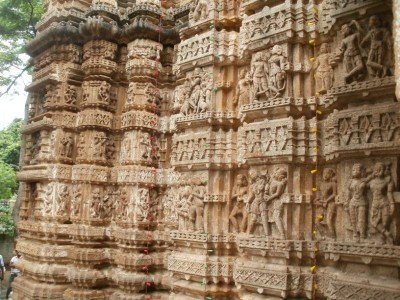
Bhoramdeo Temple
Some quick example text to build on the card title and make up the bulk of the card's content.
Go somewhere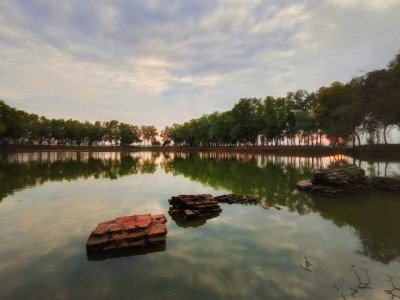
Chacheri Dam
Some quick example text to build on the card title and make up the bulk of the card's content.
Go somewhere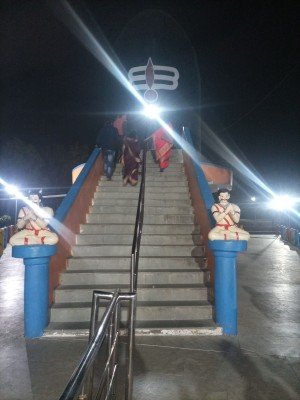
Damru Ghati
Some quick example text to build on the card title and make up the bulk of the card's content.
Go somewhere
Devrani Jethani Temple
Some quick example text to build on the card title and make up the bulk of the card's content.
Go somewhere
Didneswari Temple
Some quick example text to build on the card title and make up the bulk of the card's content.
Go somewhere
Jaitkham
Some quick example text to build on the card title and make up the bulk of the card's content.
Go somewhere
Kanan Pendari Zoo Park
Some quick example text to build on the card title and make up the bulk of the card's content.
Go somewhere
Kanti Deval Temple Complex
Some quick example text to build on the card title and make up the bulk of the card's content.
Go somewhere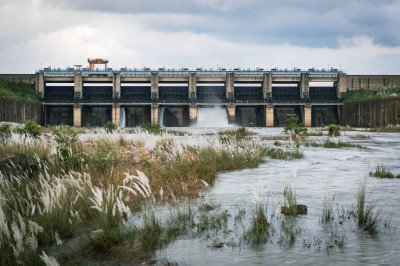
Khadia Dam
Some quick example text to build on the card title and make up the bulk of the card's content.
Go somewhere
Kharaud
Some quick example text to build on the card title and make up the bulk of the card's content.
Go somewhere
Khutaghat Dam
Some quick example text to build on the card title and make up the bulk of the card's content.
Go somewhere
Lafagarh
Some quick example text to build on the card title and make up the bulk of the card's content.
Go somewhere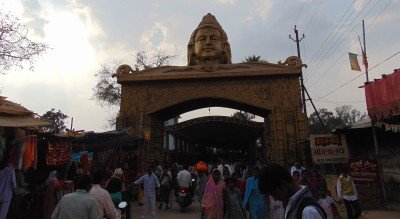
Mahamaya Temple
Some quick example text to build on the card title and make up the bulk of the card's content.
Go somewhere
Malhar
Some quick example text to build on the card title and make up the bulk of the card's content.
Go somewherein Other Cities