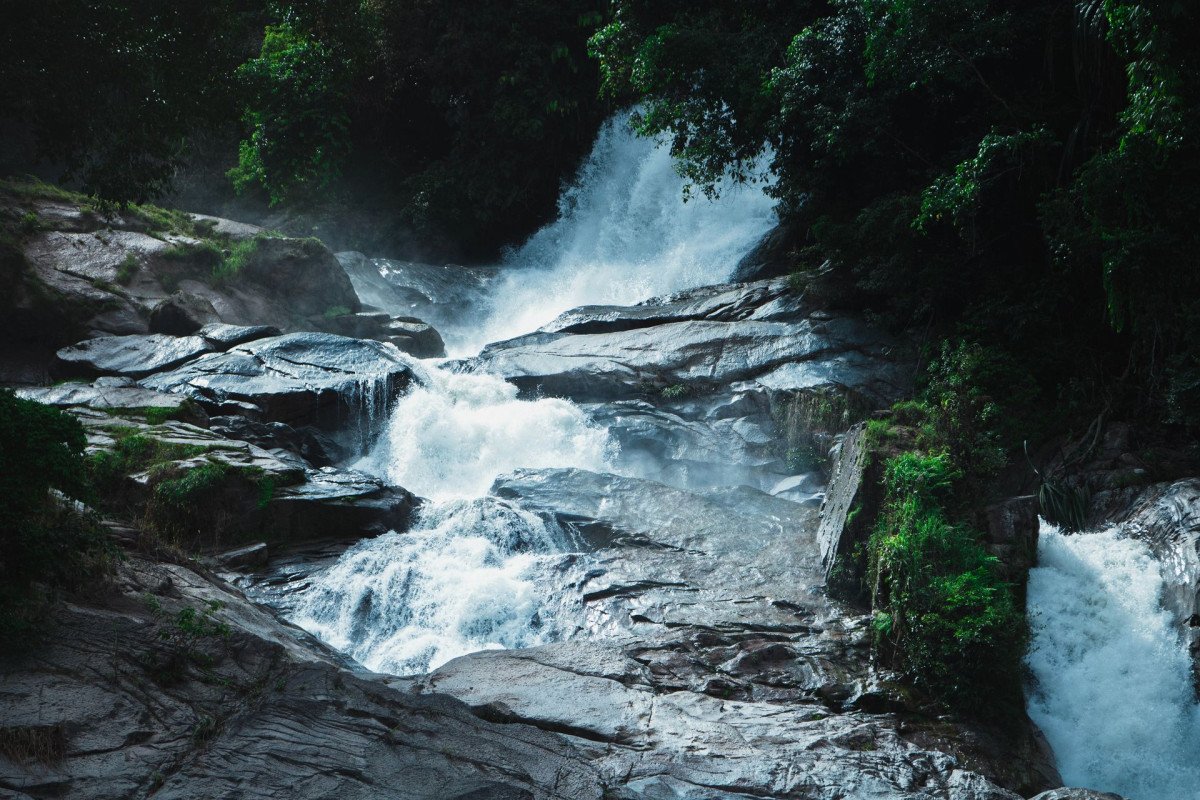
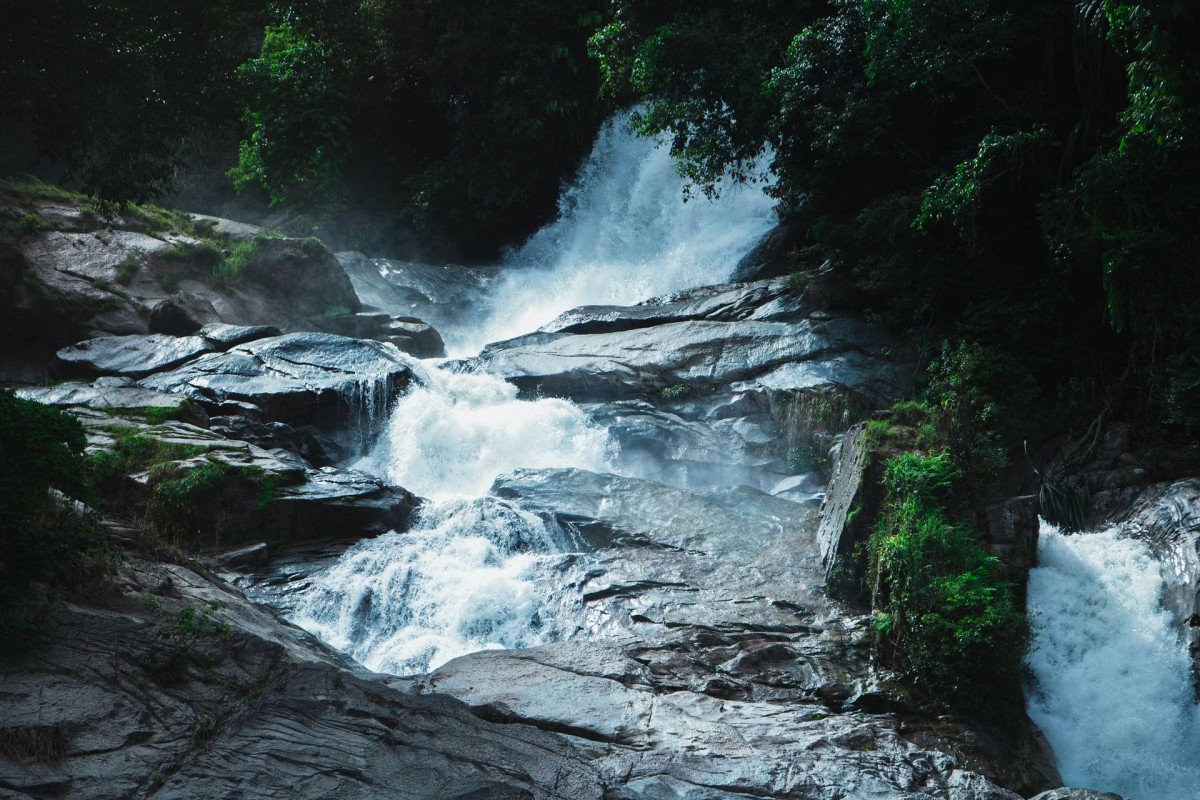
Manikyadhara Falls
General information
-
Ideal Duration:
2-3 Hours:Place Type:
Nature, Pilgrimage, Waterfall:Entry Fees:
Minimal Entry Fee Structure: The falls maintain a very minimal entry fee, typically around Rs.5 per person, which is mainly a conservation or maintenance charge to support the upkeep of the path, steps, and general cleanliness of the site. This nominal fee ensures that the lo...Minimal Entry Fee Structure: The falls maintain a very minimal entry fee, typically around Rs.5 per person, which is mainly a conservation or maintenance charge to support the upkeep of the path, steps, and general cleanliness of the site. This nominal fee ensures that the location remains accessible to pilgrims and tourists from all walks of life, adhering to the tradition of a holy site.
No Charges for Bathing or Trekking: Importantly, there are no separate charges for taking the holy dip in the waterfall's pool or for accessing the immediate trekking trails surrounding the site, maintaining the spirit of free access to a natural and spiritual place.
Parking and Vehicle Fee Details: If you arrive by private vehicle or taxi, there may be a small, separate parking fee charged at the designated parking area, which is usually a flat rate per vehicle (e. g. , Rs.20-Rs.50 for a car). This fee is for the security and organization of the vehicle movement, which can be significant on peak tourist days, particularly on weekends or during the Urus festival.
Local Guide Fees: While the path to the falls is clear and does not require a guide, if visitors opt for a guide for the extended, more strenuous treks into the Baba Budan Giri range, they must negotiate and pay a separate fee directly to the local guides, which is not part of the falls' entry fee structure.Timing:
Regular Timings and Best Access: The site is technically open 24 hours a day for pilgrims, but for general tourism and safety, the ideal visiting time is from 7 AM to 7 PM. Visiting during this window ensures adequate natural light for photography and trekking and aligns wi...Regular Timings and Best Access: The site is technically open 24 hours a day for pilgrims, but for general tourism and safety, the ideal visiting time is from 7 AM to 7 PM. Visiting during this window ensures adequate natural light for photography and trekking and aligns with the presence of local vendors and minimal tourist support staff.
Ideal Visit Time - Early Morning Mist: The most visually and spiritually rewarding time to visit is early in the morning, between 7 AM and 9 AM. This period often features a cool mist rolling over the hills, giving the cascade a mystical, ethereal quality, and the light is soft for gentle photography. It also ensures the deepest spiritual solitude before the midday rush of pilgrims and tourists begins.
Midday and Afternoon Peak: The peak time for visitors and religious activity is generally between 11 AM and 3 PM, especially on weekends and festival days, as the light is also best during this time to capture the 'string of pearls' effect. However, this is the most crowded time, so those seeking solitude should avoid it.
Season-Specific Timings: While the fall is perennial, post-monsoon months (October to December) offer the most magnificent flow within the daytime visiting hours, as the water volume is at its highest, creating a louder, more thunderous sound.Special Events:
Annual Urus Festival: The nearby Inam Dattatreya Peetha or Baba Budan Giri Dargah (a cave shrine which is sacred to both faiths) is the focal point for a significant annual Urus (festival) or Jatra (fair) celebrated by both the Muslim and Hindu communities. This event, whic...Annual Urus Festival: The nearby Inam Dattatreya Peetha or Baba Budan Giri Dargah (a cave shrine which is sacred to both faiths) is the focal point for a significant annual Urus (festival) or Jatra (fair) celebrated by both the Muslim and Hindu communities. This event, which usually takes place in the latter half of the year, is a spectacular display of the region's unique syncretic culture. Thousands of pilgrims flock to the area, often after trekking or taking a long drive, to participate in the rituals and the large fair held outside the main shrine complex.
Local Harvest Festivals: During the harvest seasons, particularly around November and December, the local communities sometimes hold small, local harvest-related thanksgiving events and rituals at or near the falls, celebrating the bountiful nature of the hills. These small gatherings are less commercialized than the Urus and offer a more intimate, authentic glimpse into the rural life and agricultural cycles of the mountain dwellers. The spiritual energy is heightened during these times.Best Photo Spots:
The String of Pearls Effect: The absolute best spot is the point where the descending steps end, right before the pool, offering an unhindered, close-up view of the cascade. The 'string of pearls' effect is most visible here, especially during midday or early afternoon when...The String of Pearls Effect: The absolute best spot is the point where the descending steps end, right before the pool, offering an unhindered, close-up view of the cascade. The 'string of pearls' effect is most visible here, especially during midday or early afternoon when the sunlight hits the droplets at the right angle, making the entire falls glitter dramatically. This spot is perfect for capturing slow-shutter speed photographs to create a silky water effect.
The Mid-Slope Panorama: A point approximately halfway down the 200 steps offers a magnificent panoramic view, not just of the falls but also of the expansive valley and the surrounding misty mountains of the Baba Budan Giri range. This is the ideal location for wide-angle landscape shots, capturing the vastness of the Western Ghats' green carpet in the backdrop, often enveloped in a soft, rolling fog.
The Shrine Archway View: The area near the archway or entrance of the path leading down to the falls, which is usually shared with the route to the nearby shrine, provides a frame for a perfect shot. This angle often allows photographers to capture the falls in the distance, framed by the lush, dense shola forest canopy, providing a beautiful natural border and emphasizing the falls' secluded location deep within nature.Photo Gallery
Things To Do
-
Take a Holy and Healing Dip: The foremost activity is taking a ceremonial bath in the pool at the base of the waterfall. This is an essential ritual for pilgrims who believe in the water's medicinal properties for healing skin ailments and fulfilling wishes. The act of bathing, even in the chilling mountain water, is highly refreshing and invigorating, offering a direct, immersive experience with the sacred cascade. Visitors often tie a piece of clothing or a bangle to the surrounding fences post-bath, symbolizing a wish or an offering.
Hike the 200 Steps and Forest Trails: Trekking is a major activity, though the descent of the 200 steps is a moderate physical effort. The steps are well-maintained, providing a continuous connection with the misty mountainside. The falls also connect to the larger, more challenging trekking ...
Information
-
Why Famous:
Syncretic Religious Significance: Manikyadhara Falls is exceptionally famous for its unique spiritual blending, revered equally by both Hindus and Muslims, a rare and beautiful example of communal harmony. Hindus call the water Nellikai Theertham and associate the nearby sh...Syncretic Religious Significance: Manikyadhara Falls is exceptionally famous for its unique spiritual blending, revered equally by both Hindus and Muslims, a rare and beautiful example of communal harmony. Hindus call the water Nellikai Theertham and associate the nearby shrine with Lord Dattatreya, while Muslims revere the site due to the Sufi Saint Baba Budan. The act of bathing in the falls is a shared ritual, believed to grant wishes and cleanse the soul, making it a powerful pilgrimage vortex.
Medicinal Properties and Perennial Flow: A major draw is the local belief in the water's medicinal and curative powers, particularly for skin ailments. Visitors come not just for the view but for the ritualistic, healing dip. Furthermore, its perennial nature ensures the falls flow year-round, unlike many seasonal cascades in the region, guaranteeing a spectacle for tourists in any month. Even in the height of summer, the water remains cool and refreshing.
Trekking Gateway and Scenic Spot: The falls serve as a popular point along the famed Baba Budan Giri trekking route, attracting adventure enthusiasts. Its location, deep within the lush shola forests and misty hills of the Western Ghats, provides a breathtaking, untouched scenic backdrop, making it a primary stop for nature photography and peaceful picnics in the Chikmagalur region. The ease of access via a dedicated staircase, which ensures safety, also contributes to its popularity among families and elderly pilgrims. -
Architecture:
Natural Stone and Steps Architecture:The primary architecture of Manikyadhara Falls is naturally occurring, formed by the millennia-long erosion of the massive basalt and granite rock faces of the Baba Budan Giri hills. The cascading water itself has sculpted the rock into ...Natural Stone and Steps Architecture:The primary architecture of Manikyadhara Falls is naturally occurring, formed by the millennia-long erosion of the massive basalt and granite rock faces of the Baba Budan Giri hills. The cascading water itself has sculpted the rock into a smooth, water-worn surface. The most prominent architectural feature, introduced by human effort to facilitate pilgrimage and tourism, is the elaborate and sturdy system of around 200 stone-cut steps and pathways. These steps are carefully laid out along the steep slope, providing safe and convenient access down to the waterfall's base pool. The steps are often made of locally sourced, rough-cut stone that blends seamlessly with the natural, rugged environment.
Safety and Pilgrim Infrastructure:To ensure the safety of visitors, particularly the elderly and children navigating the descent and ascent, wrought-iron or strong wire fences and railings have been erected along the entire path. These fences also serve a ritualistic purpose, where devotees tie pieces of cloth as offerings. Near the pool, small, unornamented concrete or stone platforms have been constructed to allow bathers to change or rest. The nearby shrine (either the Dattatreya Peetha or the associated Baba Budan shrine) represents traditional minimal Islamic or Hindu cave temple architecture, typically featuring simple laterite stone walls or the natural rock face serving as the primary structural element. The lack of commercial structures maintains the area's pristine and spiritual character. The entire site is an example of landscape architecture where the minimal human intervention is designed to enhance access without compromising the wild natural beauty of the perennial cascade.
Dimension of Descent: The waterfall plunges approximately 30 feet, and the access path covers a vertical drop equivalent to about 200 steps, which equates to a significant vertical dimension for the descent. -
How To Reach:
By Air to Manikyadhara Falls: The nearest airport is Mangalore International Airport (IXE), located approximately 170 KMS away. From the airport, visitors can hire a prepaid taxi or cab directly to Chikmagalur and then a local cab or jeep to the falls. A closer, though les... -
Near Tourist Places:
Inam Dattatreya Peetha / Baba Budan Giri Dargah: (Approx. 7 KMS) - A sacred cave shrine for both Hindus and Muslims.
Mullayanagiri Peak: (Approx. 26 KMS) - Karnataka's highest peak, a trekking destination.
Jhari Falls (Bhadra Falls): (Approx. 15 KMS) - A popular tiered waterfall.
Hirekolale Lake: (Approx. 48 KMS) - Scenic lake amidst hills and coffee estates.
Kallathigiri Falls: (Approx. 30 KMS) - Falls with an ancient temple.
Z Point: (Approx. 35 KMS) - A popular viewpoint near Kemmanagundi.
Kemmanagundi Hill Station: (Approx. 60 KMS) - Queen of Hill Stations in Karnataka.
Bhadra Wildlife Sanctuary: (Approx. 15 KMS) - A reserve known for tigers and diverse fauna.
Hebbe Falls: (Approx. 65 KMS) - Remote, two-tiered waterfall accessible by jeep.
Sithalayanagiri Temple: (Approx. 23 KMS) - Temple and viewpoint near the route to Mullayanagiri.
Tourism Tips
-
Health & Safety - The 200 Steps: Be aware that reaching the pool involves descending and then ascending approximately 200 steep stone steps. Take your time, especially if traveling with elderly people or young children. Wear sturdy, non-slip footwear, as the steps can be w...
Reviews
Chikmagalur Itineray And Cost:-
Manikyadhara Falls Tourism:-
Information about New and Updated Locations() of Karnataka Has Been Added :-
Card subtitle
Note:-
Information provided here in good Faith and for reference only.
All information and pictures will be updated soon, please keep visiting.
Near Places

Ayyanakere Lake
Some quick example text to build on the card title and make up the bulk of the card's content.
Go somewhere
Baba Budangiri/Dattatreya Peetha
Some quick example text to build on the card title and make up the bulk of the card's content.
Go somewhere
Ballalarayana Durga Fort
Some quick example text to build on the card title and make up the bulk of the card's content.
Go somewhere
Bhadra Wildlife Sanctuary
Some quick example text to build on the card title and make up the bulk of the card's content.
Go somewhere
Coffee Museum Chikmagalur
Some quick example text to build on the card title and make up the bulk of the card's content.
Go somewhere
Dabdabe Falls
Some quick example text to build on the card title and make up the bulk of the card's content.
Go somewhere
Dantaramakki Lake
Some quick example text to build on the card title and make up the bulk of the card's content.
Go somewhere
Gadaikallu View Point
Some quick example text to build on the card title and make up the bulk of the card's content.
Go somewhere
Hebbe Falls
Some quick example text to build on the card title and make up the bulk of the card's content.
Go somewhere
Hirekolale Lake
Some quick example text to build on the card title and make up the bulk of the card's content.
Go somewherein Other Cities