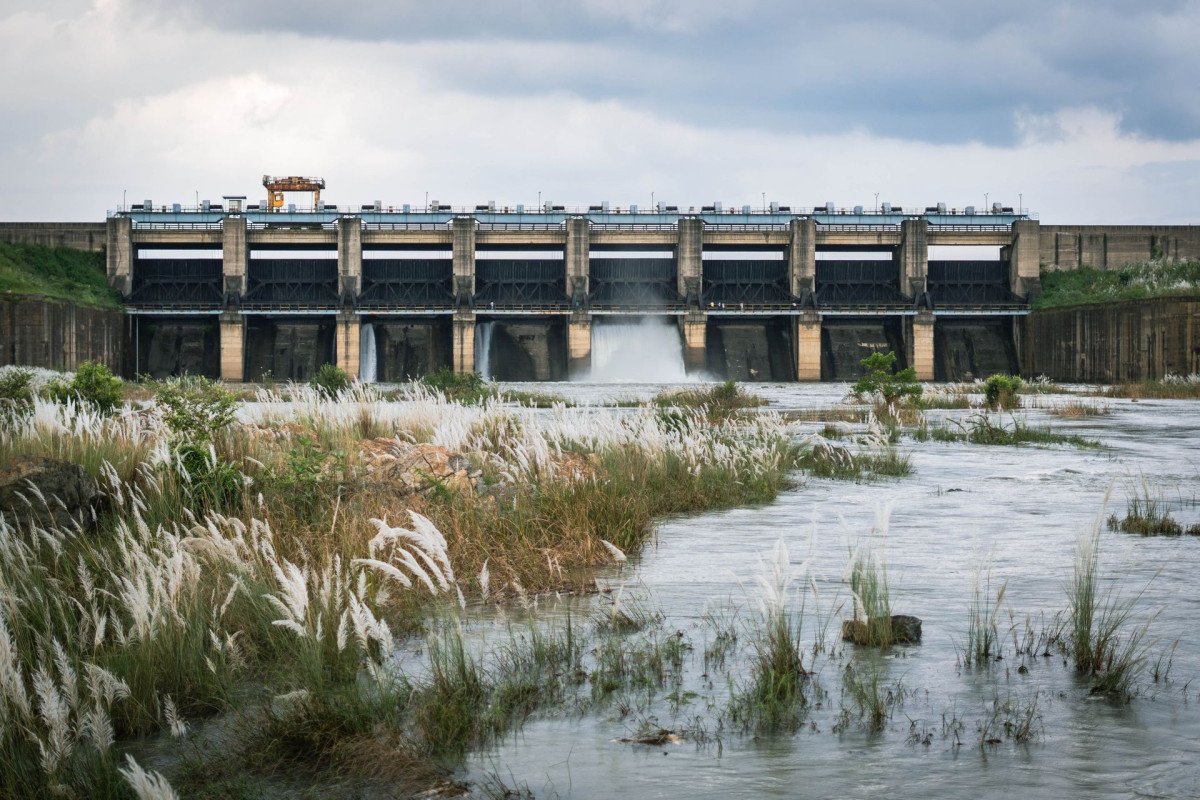
Manjeera Reservoir And Dam
General information
-
Ideal Duration:
2-3 Hours:Place Type:
Natural/Engineering Marvel:Entry Fees:
No Mandatory Entry Fees for Dam Viewpoint: Generally, there is no mandatory entry fee to visit the public viewpoint of the Manjeera Dam itself. Access to the main public road and viewing areas is free of cost for all visitors. This makes it a highly accessible destination ...No Mandatory Entry Fees for Dam Viewpoint: Generally, there is no mandatory entry fee to visit the public viewpoint of the Manjeera Dam itself. Access to the main public road and viewing areas is free of cost for all visitors. This makes it a highly accessible destination for families and budget travelers.
Parking Charges: Local governing bodies or private contractors might levy a nominal charge for vehicle parking in designated parking spots near the main access area. This fee is usually very small, often less than Rs. 30 for cars and less for two-wheelers.
Charges for Sanctuary Access: If a visitor chooses to enter the nearby Manjeera Wildlife Sanctuary, there will be a separate, defined entry fee. This fee structure typically includes an entrance charge per person (Rs. 50-100), a fee for carrying a camera (sometimes higher for telephoto lenses), and a charge for the vehicle, all of which fund the conservation efforts of the sanctuary.
Note: These sanctuary fees are strictly enforced to manage tourist flow and protect the sensitive ecological zone.
Boating Charges (If Available): If any private or government-run boating services are operating, they will have a per-person charge, which can range from Rs. 100 to Rs. 500 depending on the duration and type of boat. Always confirm official rates before engaging in any activity to avoid overpaying. The absence of a dam entry fee underscores its role as a vital public resource. :Timing:
Regular Timings: The public access areas and viewpoints around the Manjeera Dam are generally open from Sunrise to Sunset (approx. 6:00 AM to 6:00 PM). There are no gates preventing access to the public roads, but for safety reasons, visiting after dark is strongly discour...Regular Timings: The public access areas and viewpoints around the Manjeera Dam are generally open from Sunrise to Sunset (approx. 6:00 AM to 6:00 PM). There are no gates preventing access to the public roads, but for safety reasons, visiting after dark is strongly discouraged. The main control and administrative buildings are restricted access.
Ideal Visit Time: Early morning (6:00 AM to 9:00 AM) is the most ideal time, especially for birdwatching and photography, as the light is soft and the atmosphere is cool. The late afternoon (4:00 PM to 6:00 PM) is perfect for viewing the sunset and enjoying the cool breeze. Avoid the midday heat (noon to 3:00 PM) for comfortable viewing.
Best Day to Visit: Weekdays are always better to avoid the crowds that gather on Sundays and public holidays, especially at the main viewpoint. The atmosphere is more serene, which enhances the experience of observing nature.
Timing for Water Release: If you plan to witness the spectacular water release, you must check the local news or with the irrigation department for the exact dates and times, which only happen during peak monsoon (usually August-September). This is an unpredictable event. The adjacent Manjeera Wildlife Sanctuary typically opens from 9:00 AM to 5:00 PM. :Special Events:
The Water Release Festival: While not a traditional festival, the opening of the dam's radial gates during the peak monsoon season (typically August or September) due to heavy upstream flow is treated as a major local event. Large crowds gather to witness the spectacular, p...The Water Release Festival: While not a traditional festival, the opening of the dam's radial gates during the peak monsoon season (typically August or September) due to heavy upstream flow is treated as a major local event. Large crowds gather to witness the spectacular, powerful discharge of water, which is a mesmerizing display of nature and engineering prowess. This event marks a moment of collective excitement and gratitude for the bountiful water supply.
Annual Bird Migration Peak: The most special 'event' is the peak arrival of migratory birds, typically from November to February. The entire area around the sanctuary and reservoir becomes a hub of ornithological activity, with professional birdwatchers and researchers visiting from across India. The diversity and sheer number of birds at this time transform the landscape into a lively natural spectacle.
Local Village Harvest Celebrations: The villages immediately surrounding the reservoir, such as Kalabgoor, often celebrate harvest festivals (Sankranti in January or other localized agrarian festivals) with great fervor, incorporating the reservoir into their rituals, such as offering thanks for the irrigation water. Visitors can observe these genuine cultural practices from a respectful distance. :Best Photo Spots:
Spillway Viewpoint: The high ground overlooking the main spillway and the radial gates is arguably the most dramatic spot, especially when the water is overflowing or being released, capturing the majestic scale of the structure against the vast lake. Best lighting is in th...Spillway Viewpoint: The high ground overlooking the main spillway and the radial gates is arguably the most dramatic spot, especially when the water is overflowing or being released, capturing the majestic scale of the structure against the vast lake. Best lighting is in the early morning for soft contrast.
The Sunset Panorama Point: Locate an elevated point on the western bank of the reservoir to capture the huge, fiery sunset dropping into the water. The golden hour light reflecting off the ripples of the vast water body provides stunning, highly contrasted images. A tripod is essential for these low-light landscape shots.
Bird Photography Hides: Specific areas within the adjacent Manjeera Wildlife Sanctuary or the marshy reservoir edges where waders congregate offer natural 'hides' for close-up shots of migratory birds. Telephoto lenses are a must for capturing the intricate details of species like the Bar-headed Geese or Brahminy Ducks.
The Sluice Gate Architecture: Closer to the dam, the older, more rustic sluice gates or canal headworks offer a more industrial and architectural subject. The weathered concrete and metal against the flowing water create a striking visual contrast, perfect for artistic, detailed shots. Use the vertical lines of the structure to compose powerful images. :Photo Gallery
Things To Do
-
Bird Watching at the Edges: Dedicate a minimum of three hours during the early morning or late afternoon to walk the non-restricted perimeter near the sanctuary, equipped with binoculars. Spotting elusive species like the Painted Stork, Flamingos, and various Teals is a rewarding experience. Focus on the shallow water areas where wading birds feed.
Photography and Landscape Shooting: Find a vantage point on the high ground near the dam's access road. Capture the panoramic expanse of the water, the imposing structure of the dam itself, and the dramatic sunset or sunrise over the water’s edge. Wide-angle lenses are recommended to capture the vastness. Focus especially on the geometric patterns of the spillway gates.
Picnicking and Relaxation: Utilize the designated picnic areas near the rese...Bird Watching at the Edges: Dedicate a minimum of three hours during the early morning or late afternoon to walk the non-restricted perimeter near the sanctuary, equipped with binoculars. Spotting elusive species like the Painted Stork, Flamingos, and various Teals is a rewarding experience. Focus on the shallow water areas where wading birds feed.
Photography and Landscape Shooting: Find a vantage point on the high ground near the dam's access road. Capture the panoramic expanse of the water, the imposing structure of the dam itself, and the dramatic sunset or sunrise over the water’s edge. Wide-angle lenses are recommended to capture the vastness. Focus especially on the geometric patterns of the spillway gates.
Picnicking and Relaxation: Utilize the designated picnic areas near the reservoir park. Bring packed food and spend a relaxed day with family or friends. The cool breeze coming off the water makes it an ideal location for an escape from the city heat. Ensure all waste is collected and carried back.
Local Interaction and Fishing Culture: Observe the local fishermen who often cast their nets or use simple rods. Politely engage with them to learn about traditional fishing methods and the types of local fish found in the Manjeera River. This offers a rich cultural experience.
Note: Fishing by tourists is usually restricted.
Nature Trail Walks: Take a long, leisurely walk along the designated earthen bunds or service roads (where permitted and safe). These trails offer different perspectives of the reservoir and provide opportunities to observe smaller wildlife, insects, and indigenous flora of the Deccan Plateau region.
Studying Hydro-Engineering: For visitors with an interest in civil engineering, spend time observing the dam’s structure, the water flow mechanics at the canal headworks, and the operational logistics (from a safe distance). The sheer scale of the water management system is a topic for fascinating observation.
Boating (Seasonal and Restricted): Check for any officially sanctioned, low-impact boating or coracle rides, which may be available in designated, safe zones away from the main dam structure, particularly run by local tourism cooperatives. This provides a different perspective of the reservoir's size. Remember to follow all safety guidelines and stay away from intake areas. :
Information
-
Why Famous:
Water Security and Hydel Power: The Manjeera Reservoir is celebrated as the backbone of water supply for the Sangareddy-Hyderabad urban agglomeration, making it historically and politically significant for water security. The reliable water source directly impacts agricultu...Water Security and Hydel Power: The Manjeera Reservoir is celebrated as the backbone of water supply for the Sangareddy-Hyderabad urban agglomeration, making it historically and politically significant for water security. The reliable water source directly impacts agricultural output and industrial operations in the region.
Bird Habitat and Sanctuary Proximity: Its fame is intrinsically linked to the nearby Manjeera Wildlife Sanctuary, which it created, making it a combined destination for nature lovers and ornithologists. The open water and riparian areas provide critical nesting and feeding grounds for thousands of birds, especially during the winter season, solidifying its status as a major bird-watching spot in Telangana. This dual function—utility and conservation—boosts its appeal. The sheer volume of water it holds is a constant spectacle, especially when contrasted with the dry landscape during peak summer. This visible manifestation of a major resource makes it famous. The local community also regards the reservoir as a sacred water body, often performing rituals on its banks, adding a spiritual dimension to its fame. The dam is also famous for providing excellent panoramic views of the sunrise and sunset over the water, which attracts numerous photographers. The environmental importance as a carbon sink and biodiversity hotspot contributes significantly to its reputation beyond mere utility. Its proximity to the district headquarters of Sangareddy makes it a popular weekend picnic spot for families. : -
Architecture:
Structural Engineering Overview: The Manjeera Dam is a quintessential example of a gravity dam, primarily built using masonry or concrete (often a mix in older dams like this) to hold back the water by the sheer force of its mass. The architectural design is utilitarian, fo...Structural Engineering Overview: The Manjeera Dam is a quintessential example of a gravity dam, primarily built using masonry or concrete (often a mix in older dams like this) to hold back the water by the sheer force of its mass. The architectural design is utilitarian, focusing on stability and function rather than ornate decoration.
DimensionOverall Length and Height: The entire embankment and spillway span an impressive length, designed to withstand tremendous hydrostatic pressure. The average height from the deepest foundation to the crest of the dam is substantial, contributing to the significant storage capacity. The spillway section, often made of reinforced concrete, features radial gates, which are modern mechanical marvels for controlled water release.
Materials and Design: The construction primarily utilizes locally sourced stone and masonry blocks for the non-overflow section, giving it a sturdy, classic look typical of 20th-century Indian water projects. The overflow section (spillway) is geometrically designed with a smooth crest to allow for efficient and safe discharge of floodwaters. The architectural aesthetics, while minimal, are derived from the structure's imposing scale and smooth, curved lines that follow the river’s contour. The inspection galleries and control room have a distinct, functional colonial-era architectural influence, reflecting the period of major dam building in the region. The approach roads and protective bunds are also integral parts of the massive engineering project. : -
How To Reach:
By Air: The nearest major airport is Rajiv Gandhi International Airport (HYD) in Hyderabad, which is approx. 90-100 KMS away from Sangareddy. Upon arrival, you can hire a pre-paid taxi or book a cab service like Ola or Uber for a comfortable and direct four-lane road journ...By Air: The nearest major airport is Rajiv Gandhi International Airport (HYD) in Hyderabad, which is approx. 90-100 KMS away from Sangareddy. Upon arrival, you can hire a pre-paid taxi or book a cab service like Ola or Uber for a comfortable and direct four-lane road journey to Sangareddy town via NH-65, and then take local transport for the last leg to the reservoir. The journey takes around 2. 5 to 3 hours.
By Train: The nearest major railway station is Secunderabad Railway Station (SC) or Hyderabad Deccan Nampally (HYB), both about 70-80 KMS from Sangareddy. The closest local railway station is Shankarpalli (SKP) (approx. 30 KMS) or Lingampally (LPI) (approx. 35-40 KMS), but fewer long-distance trains stop here. From these stations, hiring a taxi or taking a local bus is the best option to reach Sangareddy and the dam.
By Road: Sangareddy is exceptionally well-connected by road, lying directly on the major National Highway 65 (NH-65) connecting Hyderabad to Mumbai. The distance from Hyderabad is approximately 60 KMS. The Telangana State Road Transport Corporation (TSRTC) runs frequent bus services from all major towns in Telangana to the Sangareddy Bus Station. From the bus station, the dam is a short, approximately 15-minute ride via auto-rickshaw or local taxi.
By Local Transport: Within Sangareddy town, the dam and reservoir are accessible by shared or private auto-rickshaws and local city buses that ply the Narsapur road. Always negotiate the auto-rickshaw fare before starting the journey. Hiring a taxi for a round trip from the city center is the most convenient local transport option. The road is well-maintained and clearly signposted. : -
Weather and Best Time to Visit:
Different Types of Seasons: Winter (October to February) is hands-down the best time to visit. The weather is pleasantly cool, making long walks and outdoor activities comfortable. Crucially, this period coincides with the peak migratory bird season, offering the richest v...Different Types of Seasons: Winter (October to February) is hands-down the best time to visit. The weather is pleasantly cool, making long walks and outdoor activities comfortable. Crucially, this period coincides with the peak migratory bird season, offering the richest viewing experience. Monsoon (July to September) is the second best time; while it can be humid, the surrounding greenery is lush, the water level is high, and there is a chance to see the dam gates open, which is a powerful sight. Summer (March to June) should be avoided due to extremely high temperatures that make daytime outdoor activities very uncomfortable and the low water levels can detract from the dam's majesty.
Different Parts of the Day: As mentioned, the early morning and late afternoon are the only comfortable and visually rewarding times. Morning visits are best for birdlife and peaceful reflection, benefiting from the soft, directional light. Afternoon visits are perfect for landscape photography of the reservoir's expanse and capturing the spectacular sunset. Avoid the intensity of the midday sun to prevent heat stress and fatigue. A multi-hour visit starting at 3:00 PM and lasting till sunset is highly recommended. :
Tourism Tips
-
Health & Safety: Wear a hat and use sunscreen, even in winter, as the sun reflecting off the water can be intense. Carry plenty of water as the area near the dam viewpoint often lacks commercial vendors. Be cautious around the water's edge and strictly adhere to all warnin...Health & Safety: Wear a hat and use sunscreen, even in winter, as the sun reflecting off the water can be intense. Carry plenty of water as the area near the dam viewpoint often lacks commercial vendors. Be cautious around the water's edge and strictly adhere to all warning signs regarding restricted areas, especially near the sluice gates or spillway, as the currents can be dangerous. Anti-mosquito repellent is advisable, especially during the post-monsoon and evening hours.
Packing Essentials: Bring binoculars and a good camera with a telephoto lens for optimal bird and landscape viewing. Pack light snacks. A windbreaker or light jacket can be useful in the early mornings of winter. Wear comfortable, sturdy walking shoes, as the terrain can be uneven on the earthen bunds.
Accommodation: Sangareddy town offers various mid-range and budget hotel options. For a higher-end stay, or if you prefer urban convenience, it is best to stay in Hyderabad (e. g. , in the Gachibowli or Miyapur areas), which is only an hour’s drive away. There are no major resorts or hotels directly adjacent to the dam or sanctuary.
Other Different Topics Heading: Respect the Wildlife Maintain silence, especially near the bird habitat, and never feed the birds or other wildlife. Local Transport Negotiate the full price for a round-trip auto-rickshaw ride from Sangareddy to avoid being stranded. Conservation Littering is strictly prohibited; carry a small bag to collect all your trash. Photography Etiquette Do not use flash when photographing birds. Permits Always confirm if any special permit is needed for professional photography or research activities, particularly within the adjacent sanctuary. :
Reviews
FAQs
Sangareddy Itineray And Cost:-
Manjeera Reservoir And Dam Tourism:-
Information about New and Updated Locations() of Telangana Has Been Added :-
Card subtitle
Note:-
Information provided here in good Faith and for reference only.
Near Places

Ambedkar Statue Nandi Kandi
Some quick example text to build on the card title and make up the bulk of the card's content.
Go somewhere
Beeramguda Temple
Some quick example text to build on the card title and make up the bulk of the card's content.
Go somewhere
Chinthal Dargah Sharif
Some quick example text to build on the card title and make up the bulk of the card's content.
Go somewhere
Chitkul Village Temple
Some quick example text to build on the card title and make up the bulk of the card's content.
Go somewhere
Dam Site Swimming Pool
Some quick example text to build on the card title and make up the bulk of the card's content.
Go somewhere
Dargah Hazrat Syed Shah Mohammad Sahab Ra
Some quick example text to build on the card title and make up the bulk of the card's content.
Go somewhere
Dragon River
Some quick example text to build on the card title and make up the bulk of the card's content.
Go somewhere
Ghanpur Village Fort Ruins
Some quick example text to build on the card title and make up the bulk of the card's content.
Go somewhere
Gumma Village Lake
Some quick example text to build on the card title and make up the bulk of the card's content.
Go somewhere
Julkal
Some quick example text to build on the card title and make up the bulk of the card's content.
Go somewhere
Kandi Junction
Some quick example text to build on the card title and make up the bulk of the card's content.
Go somewhere
Kandi Temple Arch
Some quick example text to build on the card title and make up the bulk of the card's content.
Go somewhere
Kethaki Sangameshwara Temple
Some quick example text to build on the card title and make up the bulk of the card's content.
Go somewhere
Kondapur Museum
Some quick example text to build on the card title and make up the bulk of the card's content.
Go somewhere
Lake Side Seating
Some quick example text to build on the card title and make up the bulk of the card's content.
Go somewhere
Manjeera Reservoir And Dam
Some quick example text to build on the card title and make up the bulk of the card's content.
Go somewherein Other Cities