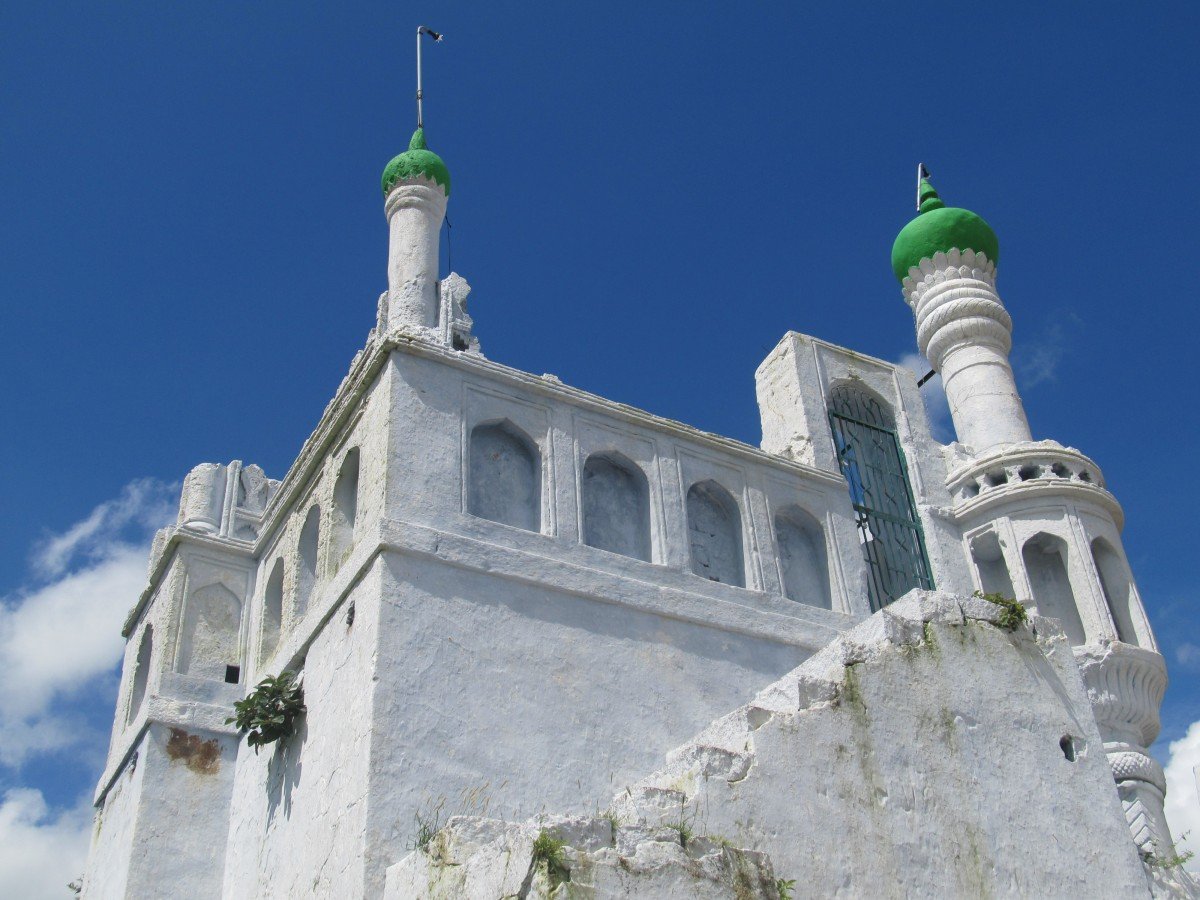
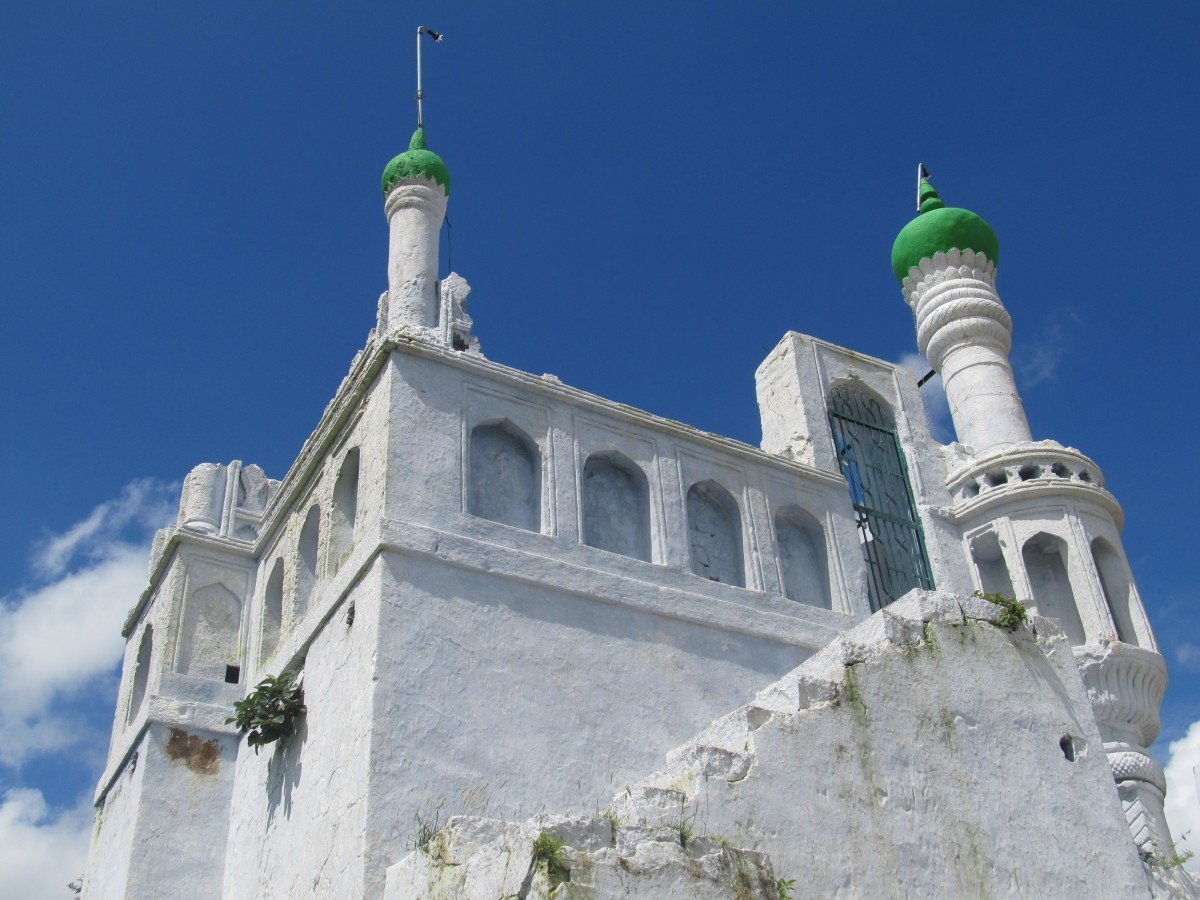
Medak Fort
General information
-
Ideal Duration:
2 to 3 HoursPlace Type:
Historical Landmark/FortressEntry Fees:
No Entry Fee: Entry to the Medak Fort premises itself is typically Free of charge for all visitors. It is an open historical monument maintained by the state tourism or archaeology department, and access is generally unrestricted during daylight hours.
Read MoreNo Entry Fee: Entry to the Medak Fort premises itself is typically Free of charge for all visitors. It is an open historical monument maintained by the state tourism or archaeology department, and access is generally unrestricted during daylight hours.
Parking/Vehicle Charges: If you drive your vehicle up the hill (some roads allow this partially), there might be a small nominal parking or vehicle entry charge collected by local authorities or management at the base or intermediate point of the hill.
Guided Tour Fees (Optional): Local, unofficial guides may offer their services. Their fees are negotiable and entirely optional. It is advisable to agree upon a rate beforehand if you choose to use a guide.
No Separate Camera/Video Fee: Unlike some protected monuments, there are usually no explicit fees for still cameras or video cameras, making it a great spot for budget photography enthusiasts. The key cost is the effort of the climb.Timing:
Regular Timings: The fort is generally accessible from Sunrise to Sunset (6:00 AM to 6:00 PM). As a large, open hilltop structure, it does not have strict gate closing times, but it is strongly advised to visit only during daylight for safety and visibility.Regular Timings: The fort is generally accessible from Sunrise to Sunset (6:00 AM to 6:00 PM). As a large, open hilltop structure, it does not have strict gate closing times, but it is strongly advised to visit only during daylight for safety and visibility.
Ideal Visit Time: The absolute best time to visit is the Early Morning (6:00 AM to 8:30 AM) or the Late Afternoon (4:00 PM to 6:00 PM). The intense midday sun must be avoided, as the long climb and the open fort lack shade. Early morning offers cooler temperatures for the ascent and the best light for photography.
Seasonal Timing: Visiting in the Winter months (October to March) is highly recommended due to the cool, pleasant climate, making the 500+ step climb much easier and more enjoyable. The Monsoon also brings lush greenery but makes the steps slippery.Special Events:
Shivaratri at the Old Temple: The small Old Shiva Temple within the fort complex becomes a focal point for the Hindu festival of Maha Shivaratri (February/March). Devotees make the arduous climb to the temple to offer special prayers and perform abhishekam to Lord Shiva, ad...Shivaratri at the Old Temple: The small Old Shiva Temple within the fort complex becomes a focal point for the Hindu festival of Maha Shivaratri (February/March). Devotees make the arduous climb to the temple to offer special prayers and perform abhishekam to Lord Shiva, adding a spiritual vibrancy to the historical location.
Local Fairs and Festivals: Occasionally, the base of the fort or the immediate surrounding grounds are used for local community fairs, cultural programs, or market days, especially after a good harvest or during regional festivals like Dasara (September/October). These events provide a lively contrast to the fort's ancient solitude.
Historical Re-enactments: Although rare, some local history groups or government departments may organize small historical talks or re-enactments at the fort on occasions like Telangana Formation Day (June 2nd), aiming to educate the public about the fort's glorious past and its Kakatiya connection.Best Photo Spots:
View from the Summit: The most prized photo spot is the fort's summit. Capture the wide, uninterrupted panoramic landscape, including the distinct spire of the Medak Cathedral below and the vast agricultural lands extending to the horizon. Wide-angle lenses are recommended...View from the Summit: The most prized photo spot is the fort's summit. Capture the wide, uninterrupted panoramic landscape, including the distinct spire of the Medak Cathedral below and the vast agricultural lands extending to the horizon. Wide-angle lenses are recommended.
The Gaja Dwaram Entrance: The intricately carved Gaja Dwaram (Elephant's Gate) is the signature architectural shot. Focus on the interlocked elephant sculpture and the overall symmetry of the gate. Try shooting from slightly below to emphasize the gate's height. The 3.
2-Meter Cannon: A close-up or mid-shot of the massive cannon, with the surrounding ramparts and the sky as the backdrop, is an essential historical photo. Capture the trident etching detail.
Stone Texture and Ruins: Focus on the texture of the old granite walls, the crumbling bastions, and the moss/lichen growing on the stones, especially in the golden light of the early morning. These shots highlight the fort's antiquity and decay.
Steps and Perspectives: Use the long, winding path of the over 500 steps to create leading lines in your photographs, drawing the viewer's eye up the hill toward the summit or a particular ruin.Photo Gallery
Things To Do
-
The 500-Step Ascent: The main activity is the climb to the top. Take your time to ascend the more than 500 steps, using the opportunity for exercise and enjoying the changing perspectives of the landscape below. Ensure you carry water for this trek.
Historical Sightseeing and Exploration: Spend time exploring the remnants of the fortress. Focus on identifying the Qutub Shahi Mosque and the various ruined structures like the barracks and granaries. Try to visualize the fort in its prime.
Cannon and Entrance Photography:
Take photos at the iconic spots: the massive 3. 2-meter cannon and the intricately carved Gaja Dwaram entrance. These are the fort's signature photographic elements.
Panoramic View Gazing: Dedicate a significan...The 500-Step Ascent: The main activity is the climb to the top. Take your time to ascend the more than 500 steps, using the opportunity for exercise and enjoying the changing perspectives of the landscape below. Ensure you carry water for this trek.
Historical Sightseeing and Exploration: Spend time exploring the remnants of the fortress. Focus on identifying the Qutub Shahi Mosque and the various ruined structures like the barracks and granaries. Try to visualize the fort in its prime.
Cannon and Entrance Photography:
Take photos at the iconic spots: the massive 3. 2-meter cannon and the intricately carved Gaja Dwaram entrance. These are the fort's signature photographic elements.
Panoramic View Gazing: Dedicate a significant amount of time at the summit to simply relax and take in the 360-degree panoramic view. Identify landmarks like the Medak Cathedral and the distant fields. This is the ultimate reward for the climb.
Visit the Old Shiva Temple: Make an effort to locate and visit the small, ancient Shiva Temple within the fort complex. Offer prayers or simply appreciate the quiet spirituality of this ancient shrine.
Study the Engravings: Look closely at the engravings on the gates and walls, especially the Gandabherundam emblem, and the trident on the cannon. These details are crucial for understanding the fort's dynastic history.
Sunrise/Sunset Viewing: Arriving just before sunrise or staying until sunset can offer spectacular views from the summit, though safety should be prioritized for sunset viewing. The golden hour light dramatically enhances the texture of the old stone walls.
Information
-
Why Famous:
Kakatiya Dynasty Connection: Its primary claim to fame is its origin during the reign of the powerful Kakatiya ruler Pratapa Rudra in the 12th century, linking it to one of the most celebrated dynasties of South India. The Kakatiya heritage makes it a pivotal historical sit...Kakatiya Dynasty Connection: Its primary claim to fame is its origin during the reign of the powerful Kakatiya ruler Pratapa Rudra in the 12th century, linking it to one of the most celebrated dynasties of South India. The Kakatiya heritage makes it a pivotal historical site.
Iconic Entrances: The three uniquely named and decorated entrances, particularly the Gaja Dwaram (Elephant's Entrance), are architectural highlights that draw attention. These entrances showcase the blend of indigenous and later Islamic architectural motifs.
The 17th-Century Cannon: The presence of the massive 3. 2-meter long cannon at the top is a key attraction and a popular photo-op. Its size and the trident inscription make it a unique artifact that tells a story of military history and religious influence.
Panoramic Views: The fort’s location high on the hillock offers breathtaking, sweeping panoramic views of the entire Medak town and the surrounding fertile plains, which is the main reward for the climb. This view is considered one of the best vistas in the district. -
Architecture:
Composite Architectural Style: The Medak Fort exhibits a fascinating composite architecture, primarily influenced by the Kakatiya style but with significant additions from the Qutub Shahi period.
Strategic Design: The fort leverages its natu...Composite Architectural Style: The Medak Fort exhibits a fascinating composite architecture, primarily influenced by the Kakatiya style but with significant additions from the Qutub Shahi period.
Strategic Design: The fort leverages its natural hilltop location for maximum defense. It is spread across a massive 100 acres on the hilly terrain. Its defense strategy includes multiple layers of walls and a strategic layout that follows the hill's contours.
The Three Entrances and Symbolism: The fort has three major entrances, each with distinct, powerful symbolism. The main entrance, or Gaja Dwaram (Elephant's Entrance), features a sculpture of two majestically interlocked elephants, signifying strength. The Simha Dwaram features two snarling lions, and the Prathama Dwaram is the first gate. The main entrance proudly displays the double-headed bird "Gandabherundam," the emblem of the Vijayanagara Empire, possibly added by King Srikrishna Devaraya.
Dimension and Features: The climb to the top involves over 500 steps. The fort houses several internal structures, including a 17th-century Mosque, granaries, barracks, a warehouse, and a small lake or pond, indicating its capacity for a prolonged siege. A famous feature is a 3. 2-meter long 17th-century cannon perched on the fort, which has a trident skillfully etched on it, reflecting the fort’s various occupational periods and religious syncretism. -
How To Reach:
By Air: The nearest airport is Rajiv Gandhi International Airport (HYD) in Hyderabad (146 KM). From Hyderabad, follow the road transport options.
By Train: The nearest functional railway station is Akkannapet (AKNT), about 19 KM away. Take...By Air: The nearest airport is Rajiv Gandhi International Airport (HYD) in Hyderabad (146 KM). From Hyderabad, follow the road transport options.
By Train: The nearest functional railway station is Akkannapet (AKNT), about 19 KM away. Take a taxi or auto from the station to Medak town. Secunderabad Railway Station (SC) is the major junction for long-distance travel.
By Road: Medak is about 96 KM from Hyderabad and is easily reachable via the well-maintained road network. Frequent TSRTC buses from Hyderabad (JBS/MGBS) run to the Medak Bus Stand. Driving a personal vehicle or hiring a taxi is the most convenient option, taking about 2 to 3 hours.
By Local Transport: From the Medak Bus Stand (approx. 2 KM), you can take an auto-rickshaw to the base of the fort hill. Some vehicles can drive partway up the hill, but the final ascent to the main ruins requires walking the 500+ steps. The fort is prominent and easily located by locals. -
Weather and Best Time to Visit:
Different Types of Seasons: Winter (October to March) is the Best Season. The cooler temperatures are perfect for the strenuous climb to the summit and for spending time in the open area of the ruins. The skies are also clearer for the panoramic views. Monsoon (July to Se...Different Types of Seasons: Winter (October to March) is the Best Season. The cooler temperatures are perfect for the strenuous climb to the summit and for spending time in the open area of the ruins. The skies are also clearer for the panoramic views. Monsoon (July to September) is scenic due to the green surroundings but the steps can become slippery and dangerous. Avoid the extreme heat of Summer (April to June).
Different Parts of the Day: The Ideal Time of Day is Early Morning or Late Afternoon. Begin your ascent as early as possible (6:00 AM) to beat the heat, capture the soft morning light, and avoid the strong, dehydrating midday sun between 11:00 AM and 3:00 PM. The sunset view from the top is also magnificent but requires caution on the descent. -
Near Tourist Places:
Old Shiva Temple, Medak Fort (Within Fort): Ancient temple within the premises. Nandi Kaman (1 KM) Historical ceremonial gate. Medak Cathedral (1 KM) The iconic Gothic Church. Medak Clock Tower (1. 5 KM) Historical civic structure. Medak Market Area (1. 5 KM) Local commerce hub. Archaeological Museum (2. 5 KM) Repository of district artifacts. Pocharam Lake & Sanctuary (20 KM) Scenic lake and nature spot. Wargal Saraswati Temple (45 KM) Famous pilgrimage site. Kondapur Archaeological Site (60 KM) Historical site with Buddhist remnants. Singur Dam (65 KM) A popular scenic dam site.
Tourism Tips
-
Health & Safety:
Essential: Carry ample water, especially for the strenuous climb. Wear a sturdy hat, sunscreen, and sunglasses, as the fort is very exposed. The steps and ruins can be uneven; wear comfortable, non-slip walking or trekking...Health & Safety:
Essential: Carry ample water, especially for the strenuous climb. Wear a sturdy hat, sunscreen, and sunglasses, as the fort is very exposed. The steps and ruins can be uneven; wear comfortable, non-slip walking or trekking shoes. Be cautious around the edges of the bastions and ruined walls, as there are no strong railings in many places.
Packing: Pack light. A small backpack with water, a camera, and a basic first-aid kit is sufficient. Use a good telephoto lens on your camera to capture distant landmarks like the Medak Cathedral and the detailed landscape.
Accommodation: As with the Cathedral, consider staying in Hyderabad or at the reliable Haritha Hotel in Medak. Look for places close to the town center for easy access to the fort's base.
Other Topics (Guidance & Conduct): Carry some cash for local snacks or transport at the base. It is advisable to check the weather forecast and plan the climb for the coolest part of the day. Hire an optional local guide at the base if you want detailed information about the less-obvious ruins and historical context. Do not litter or climb on fragile ruins.
Reviews
FAQs
Medak Itineray And Cost:-
Information about New and Updated Locations() of Telangana Has Been Added :-
Card subtitle
Note:-
Information provided here in good Faith and for reference only.
Near Places

District Science Centre
Some quick example text to build on the card title and make up the bulk of the card's content.
Go somewhere
Edithanur Cave
Some quick example text to build on the card title and make up the bulk of the card's content.
Go somewhere
Edupayala Vana Durga Bhavani Temple
Some quick example text to build on the card title and make up the bulk of the card's content.
Go somewhere
Gajulpet Church
Some quick example text to build on the card title and make up the bulk of the card's content.
Go somewhere
Ghanpur Dam
Some quick example text to build on the card title and make up the bulk of the card's content.
Go somewhere
Komuravelli
Some quick example text to build on the card title and make up the bulk of the card's content.
Go somewhere
Lakshmi Narasimha Swamy Temple, Nacharam
Some quick example text to build on the card title and make up the bulk of the card's content.
Go somewhere
Manjeera River Tributaries
Some quick example text to build on the card title and make up the bulk of the card's content.
Go somewhere
Medak Cathedral
Some quick example text to build on the card title and make up the bulk of the card's content.
Go somewhere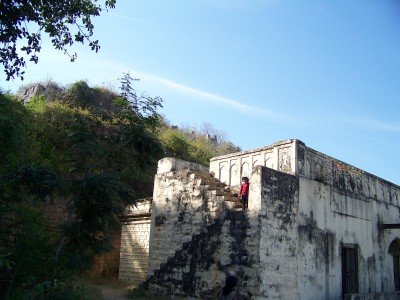
Medak Clock Tower
Some quick example text to build on the card title and make up the bulk of the card's content.
Go somewhere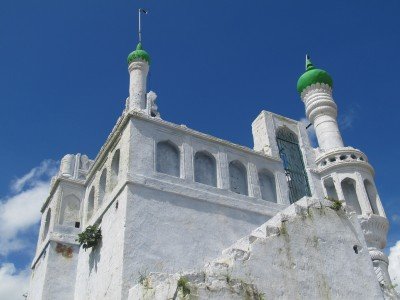
Medak Fort
Some quick example text to build on the card title and make up the bulk of the card's content.
Go somewhere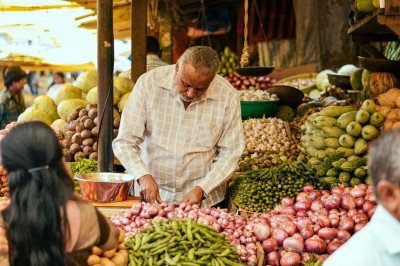
Medak Market Area
Some quick example text to build on the card title and make up the bulk of the card's content.
Go somewhere
Nandi Kaman
Some quick example text to build on the card title and make up the bulk of the card's content.
Go somewhere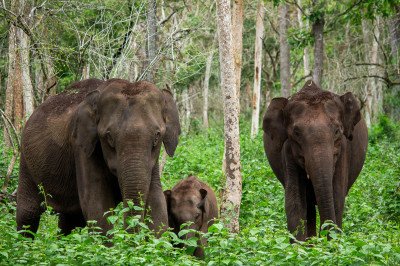
Narsapur Forest
Some quick example text to build on the card title and make up the bulk of the card's content.
Go somewhere
Old Shiva Temple
Some quick example text to build on the card title and make up the bulk of the card's content.
Go somewhere
Pocharam Dam & Wildlife Sanctuary
Some quick example text to build on the card title and make up the bulk of the card's content.
Go somewherein Other Cities