Old Shiva Temple
General information
-
Ideal Duration:
30 Minutes to 1 Hour:Place Type:
Religious, Historical, Spiritual:Entry Fees:
No Entry Fee - Free Devotional Access: There is absolutely no entry fee to enter the temple grounds or the main hall, as it is a functioning place of worship open to all devotees.
Pooja/Ritual Costs (Voluntary): While entry is free, you are ...No Entry Fee - Free Devotional Access: There is absolutely no entry fee to enter the temple grounds or the main hall, as it is a functioning place of worship open to all devotees.
Pooja/Ritual Costs (Voluntary): While entry is free, you are expected to purchase or bring the ritualistic items (Puja Samagri) like flowers, milk, or ghee if you wish to perform a special Abhishekham.
Donations are Customary: Voluntary cash donations towards the temple's maintenance, priest's livelihood, and daily rituals are customary and highly encouraged, with a donation box usually placed near the sanctum.
Guide Fees: Any local individual offering guidance will charge a small, negotiated fee, which is optional.
Timing:
Regular Timings: The temple follows the traditional Hindu temple schedule, typically open from 6:00 AM to 1:00 PM and then reopening from 4:00 PM to 8:00 PM for morning and evening rituals (Darshan and Aarti).
Ideal Visit Time: The best time...Regular Timings: The temple follows the traditional Hindu temple schedule, typically open from 6:00 AM to 1:00 PM and then reopening from 4:00 PM to 8:00 PM for morning and evening rituals (Darshan and Aarti).
Ideal Visit Time: The best time is the very early morning (6:00 AM to 7:00 AM) during the first morning ritual (Mangala Aarti). This is the quietest time, offering the most profound spiritual experience and the best cool weather for the location at the fort's base. The late afternoon is also pleasant.
Closing Hours: The temple closes during the main lunch hour for the offering (Naivedyam) and to give the priest a break; check with locals for the exact afternoon closing time.
Special Events:
Maha Shivaratri Festival: This is the temple's most important annual event, celebrated with great fervor, featuring all-night vigil (Jagaran), continuous prayers, special Abhishekham ceremonies, and local cultural performances, attracting a large number of devotees from the ...Maha Shivaratri Festival: This is the temple's most important annual event, celebrated with great fervor, featuring all-night vigil (Jagaran), continuous prayers, special Abhishekham ceremonies, and local cultural performances, attracting a large number of devotees from the surrounding villages.
Karthika Masam Observances: The entire Karthika month (October/November) is a special period for Lord Shiva, and the temple sees increased daily footfall, special lighting of lamps (Deepotsavam), and mass prayers led by the chief priest.
Local Jatara (Village Fair): Occasionally, a small local fair or gathering (Jatara) associated with the temple's annual day or a significant historical event is held in the grounds, involving local vendors, food stalls, and folk entertainment.
Best Photo Spots:
The Early Morning Light: Photograph the temple exterior at sunrise, when the soft, golden light strikes the unplastered stone walls, highlighting the texture and giving the ancient structure a warm, spiritual glow against a clear sky.
Framing wi...The Early Morning Light: Photograph the temple exterior at sunrise, when the soft, golden light strikes the unplastered stone walls, highlighting the texture and giving the ancient structure a warm, spiritual glow against a clear sky.
Framing with the Fort: Position yourself so that the small temple is captured in the foreground, framed by the towering presence of the Medak Fort hill in the background, symbolizing the historical relationship between the two landmarks.
Detail of the Nandi: A focused, low-light shot of the stone Nandi sculpture in the main hall, using the available lamp or diya light, can create a moody, highly spiritual, and ancient-feeling portrait.
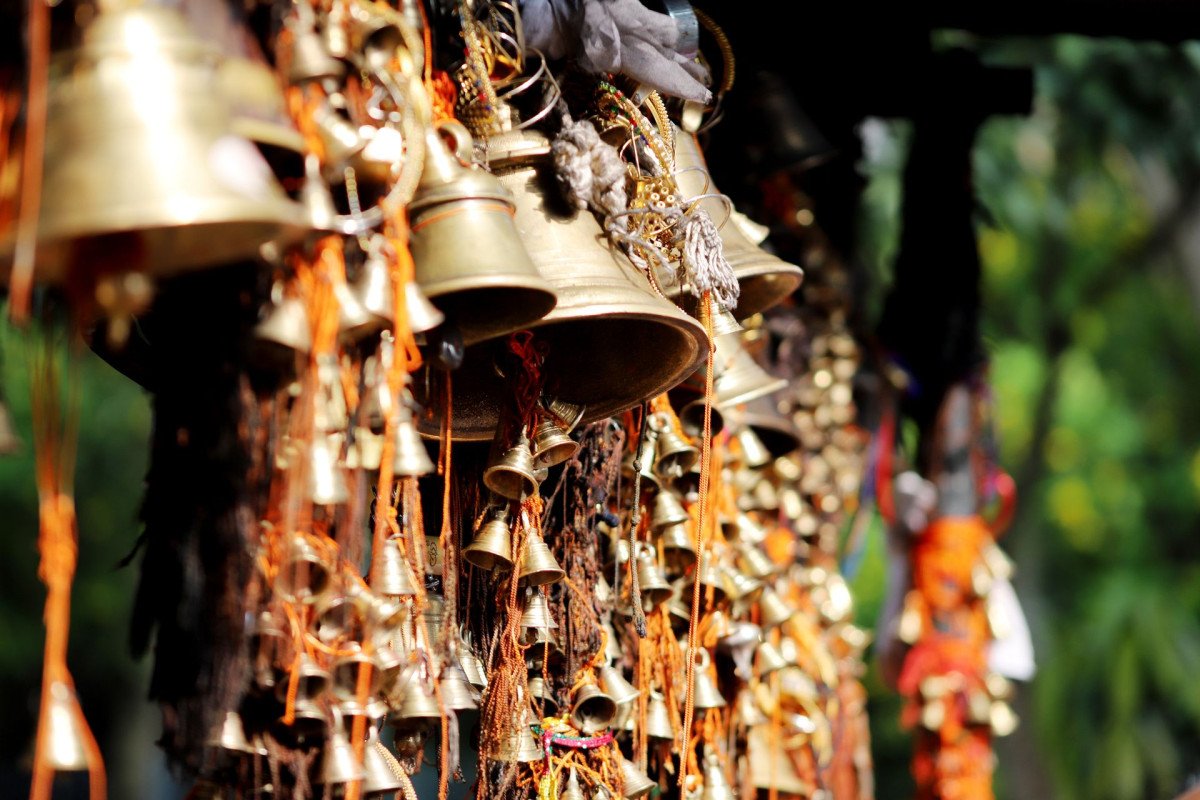
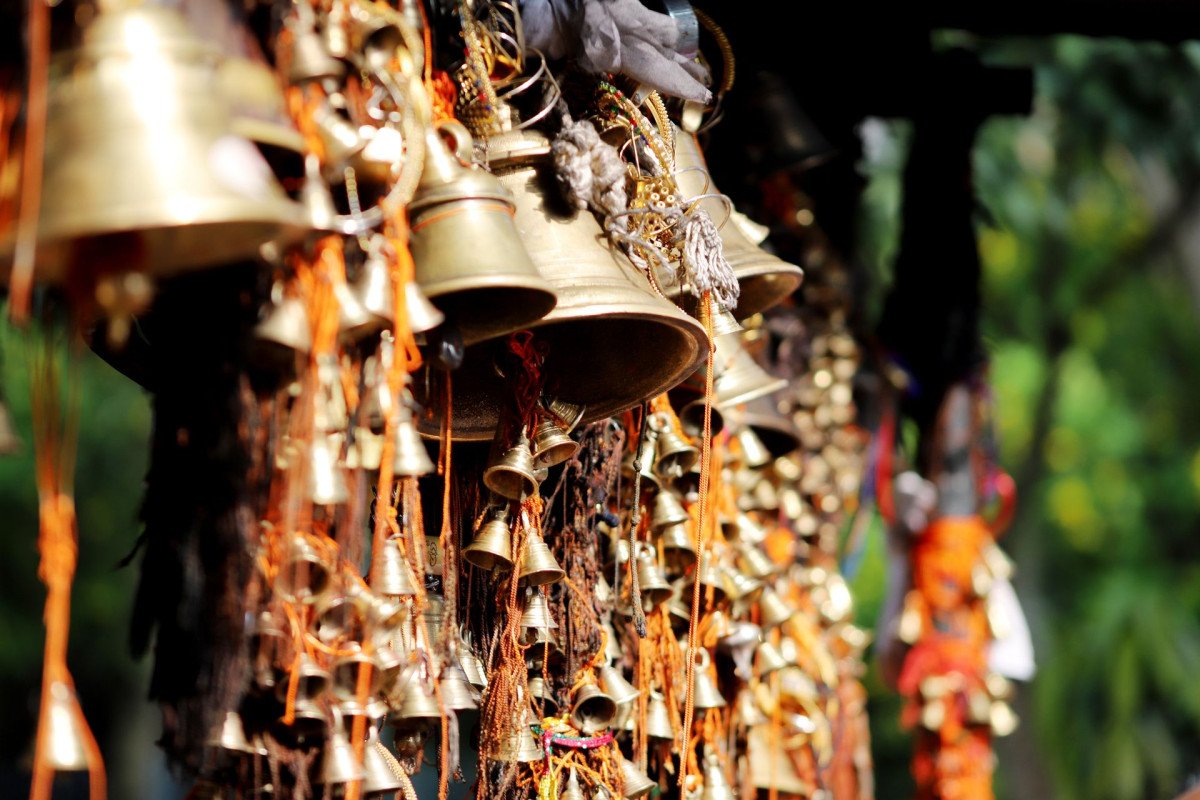
The Temple Bell and Archway: Capture the temple bell or the main entrance archway with its subtle carvings, often focusing on the contrast between the dark interior and the bright exterior light, emphasizing the journey from the secular to the sacred space.
Photo Gallery
Things To Do
-
Offer Prayer and Abhishekham: Participate in the traditional Hindu rituals, such as offering a prayer (Puja) and a holy bath (Abhishekham) to the Shivalinga with water, milk, or Bilva leaves, following the local priest's guidance.
Meditation and Reflection: Utilize the temple's serene and quiet environment for a few minutes of silent meditation, especially in the pillared hall (Mandapa), to absorb the ancient, spiritual energy of the site.
Explore the Fort Path: Use the temple as your starting or endpoint for the climb up to the Medak Fort, which often begins nearby, mentally linking the spiritual and the military history of the location.
Document the Stone Work: Take close-up photographs of the temple's unplastered stone masonry, focusing on the joint work, pill...Offer Prayer and Abhishekham: Participate in the traditional Hindu rituals, such as offering a prayer (Puja) and a holy bath (Abhishekham) to the Shivalinga with water, milk, or Bilva leaves, following the local priest's guidance.
Meditation and Reflection: Utilize the temple's serene and quiet environment for a few minutes of silent meditation, especially in the pillared hall (Mandapa), to absorb the ancient, spiritual energy of the site.
Explore the Fort Path: Use the temple as your starting or endpoint for the climb up to the Medak Fort, which often begins nearby, mentally linking the spiritual and the military history of the location.
Document the Stone Work: Take close-up photographs of the temple's unplastered stone masonry, focusing on the joint work, pillar carvings, and any visible relief sculptures, capturing the texture and age of the structure.
Interact with the Pujari: Engage respectfully with the temple priest (Pujari) or the local caretakers to learn the specific local legends (Sthala Purana) and historical anecdotes associated with this particular Shivalinga and its founders.
Circumambulate the Sanctum: Perform the ritualistic walk around the sanctum (Pradakshina or Parikrama), focusing on the exterior wall carvings, if any, a key act of devotion.
Visit During Shivaratri: Plan a visit during the major Maha Shivaratri festival to witness the temple at its most vibrant, decorated, and spiritually active, offering a complete cultural experience.
Information
-
Why Famous:
Ancient Spiritual Continuity: The temple is famous for being one of the oldest places of continuous Hindu worship in Medak, linking the current generation of devotees to the spiritual practices of the Kakatiya period. Its old-world simplicity and atmosphere of deep history ...Ancient Spiritual Continuity: The temple is famous for being one of the oldest places of continuous Hindu worship in Medak, linking the current generation of devotees to the spiritual practices of the Kakatiya period. Its old-world simplicity and atmosphere of deep history are a significant draw.
The Fort and Temple Nexus: Its location at the foot of the Medak Fort hill is a source of its fame, suggesting a historical relationship between the royal/military power (the fort) and the spiritual authority (the temple), making it a site of both historical and religious intersection.
A Place of Quiet Devotion: Unlike the highly crowded major temples, this Old Shiva Temple is famed among locals for its relative solitude and peaceful atmosphere, making it an ideal spot for sincere, unhurried prayer and meditation.
Architectural Time Capsule: For history buffs, the temple is a famous example of the early, unadulterated stone architecture of the region, showcasing the techniques and aesthetic of the pre-colonial era before major outside influences took hold.
-
Architecture:
Kakatiya Stone-Masonry Style: The temple's architecture is primarily in the simple, early Kakatiya style, characterized by a small, square-plan sanctum (Garbhagriha) and a modest pillared hall (Mandapa). The walls are made of thick, precisely interlocked local granite and b...Kakatiya Stone-Masonry Style: The temple's architecture is primarily in the simple, early Kakatiya style, characterized by a small, square-plan sanctum (Garbhagriha) and a modest pillared hall (Mandapa). The walls are made of thick, precisely interlocked local granite and black basalt stone blocks, often left unplastered, demonstrating the structural expertise of early Telangana masons.
Mandapa and Vimana Dimensions: The temple footprint is small, with the main structure covering approximately 50 square meters. The Mandapa typically features four or eight simple, lathe-turned pillars adorned with basic geometric and floral motifs. The tower (Vimana) above the sanctum is typically a simple, tiered pyramid structure made of brick and mortar, often small and unadorned compared to later, larger temples, reflecting its age and minimal renovation. The entrance faces east, following traditional Vaastu principles.
-
How To Reach:
By Air: The nearest international airport is Rajiv Gandhi International Airport (HYD) in Hyderabad, approximately 108 KMs away. From HYD, the best route is a direct taxi or hired car towards the Medak Fort area, which is where the temple is situated. Travel time is around ...By Air: The nearest international airport is Rajiv Gandhi International Airport (HYD) in Hyderabad, approximately 108 KMs away. From HYD, the best route is a direct taxi or hired car towards the Medak Fort area, which is where the temple is situated. Travel time is around 2. 5 to 3 hours.
By Train: The major railway junction is Secunderabad Junction (SC), about 100 KMs distant. From the station, take a bus or taxi towards Medak Bus Station. The closest local railhead is Kamareddy (KMC), 60 KMs away.
By Road: The temple is located off the main road, near the foothills of the Medak Fort hill. State-run buses (TSRTC) from Hyderabad and other towns will drop you at the Medak Bus Station. From there, you will need to take an auto-rickshaw or shared taxi for the remaining 3 KMs, or hire a private vehicle for the round trip.
By Local Transport: Local auto-rickshaws will take you directly to the 'foot of the fort' or the 'Old Shiva Temple'. It is too far to walk from the town center, so local transport is essential.
-
Weather and Best Time to Visit:
Different Types of Seasons: The Winter season (October to February) is the best time for a visit. The cool, dry weather is perfect for the short walk or climb associated with the temple's location at the base of the hill. Summer is extremely hot and should be avoided.
...Different Types of Seasons: The Winter season (October to February) is the best time for a visit. The cool, dry weather is perfect for the short walk or climb associated with the temple's location at the base of the hill. Summer is extremely hot and should be avoided.
Different Parts of the Day: The early morning (6:00 AM to 8:00 AM) is the ideal time. The cool atmosphere, the opportunity to witness the morning rituals, and the soft light for photography make this the perfect slot. Avoid the intense midday heat.
-
Near Tourist Places:
Medak Fort (0.
5 KMs - The Climb Starts Here):
, Medak Cathedral (3 KMs):, District Science Centre (2.
5 KMs):, Medak Clock Tower (2.
5 KMs):
, Medak Market Area (3 KMs):, Nandi Kaman (1.
5 KMs):, Archaeological Museum (Medak - 1.
5 KMs):
, Pocharam Wildlife Sanctuary & Dam (1
5 KMs):
, Edupayala Vana Durga Bhavani Temple (18 KMs):
, Singur Dam (6
5 KMs):
Tourism Tips
-
Health & Safety: Wear modest clothes suitable for a religious site (e. g. , trousers/long skirts). The path to the temple can be a bit rugged; wear sturdy, comfortable shoes. Be mindful of snakes or insects if you explore the overgrown areas near the fort's base.
...Health & Safety: Wear modest clothes suitable for a religious site (e. g. , trousers/long skirts). The path to the temple can be a bit rugged; wear sturdy, comfortable shoes. Be mindful of snakes or insects if you explore the overgrown areas near the fort's base.
Packing Essentials: Carry water and sun protection, especially if you plan to climb the fort afterwards. A small offering for the deity (flowers, coconut) can be bought in the town center.
Accommodation: Staying in Medak town near the bus stand provides the easiest access. The temple itself has no accommodation facilities.
Other Tips - Ritual Etiquette: Remove your shoes before entering the temple compound. Take permission before taking photos of the deities or the priest inside the sanctum. If you plan to donate, use a fresh, clean note.
Reviews
FAQs
Medak Itineray And Cost:-
Old Shiva Temple Tourism:-
Information about New and Updated Locations() of Telangana Has Been Added :-
Card subtitle
Note:-
Information provided here in good Faith and for reference only.
Near Places

District Science Centre
Some quick example text to build on the card title and make up the bulk of the card's content.
Go somewhere
Edithanur Cave
Some quick example text to build on the card title and make up the bulk of the card's content.
Go somewhere
Edupayala Vana Durga Bhavani Temple
Some quick example text to build on the card title and make up the bulk of the card's content.
Go somewhere
Gajulpet Church
Some quick example text to build on the card title and make up the bulk of the card's content.
Go somewhere
Ghanpur Dam
Some quick example text to build on the card title and make up the bulk of the card's content.
Go somewhere
Komuravelli
Some quick example text to build on the card title and make up the bulk of the card's content.
Go somewhere
Lakshmi Narasimha Swamy Temple, Nacharam
Some quick example text to build on the card title and make up the bulk of the card's content.
Go somewhere
Manjeera River Tributaries
Some quick example text to build on the card title and make up the bulk of the card's content.
Go somewhere
Medak Cathedral
Some quick example text to build on the card title and make up the bulk of the card's content.
Go somewhere
Medak Clock Tower
Some quick example text to build on the card title and make up the bulk of the card's content.
Go somewhere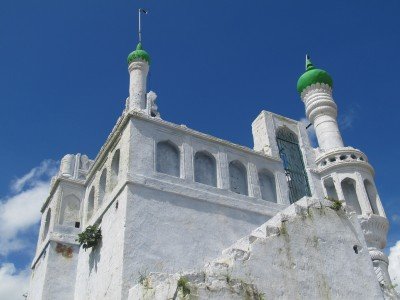
Medak Fort
Some quick example text to build on the card title and make up the bulk of the card's content.
Go somewhere
Medak Market Area
Some quick example text to build on the card title and make up the bulk of the card's content.
Go somewhere
Nandi Kaman
Some quick example text to build on the card title and make up the bulk of the card's content.
Go somewhere
Narsapur Forest
Some quick example text to build on the card title and make up the bulk of the card's content.
Go somewhere
Old Shiva Temple
Some quick example text to build on the card title and make up the bulk of the card's content.
Go somewhere
Pocharam Dam & Wildlife Sanctuary
Some quick example text to build on the card title and make up the bulk of the card's content.
Go somewherein Other Cities