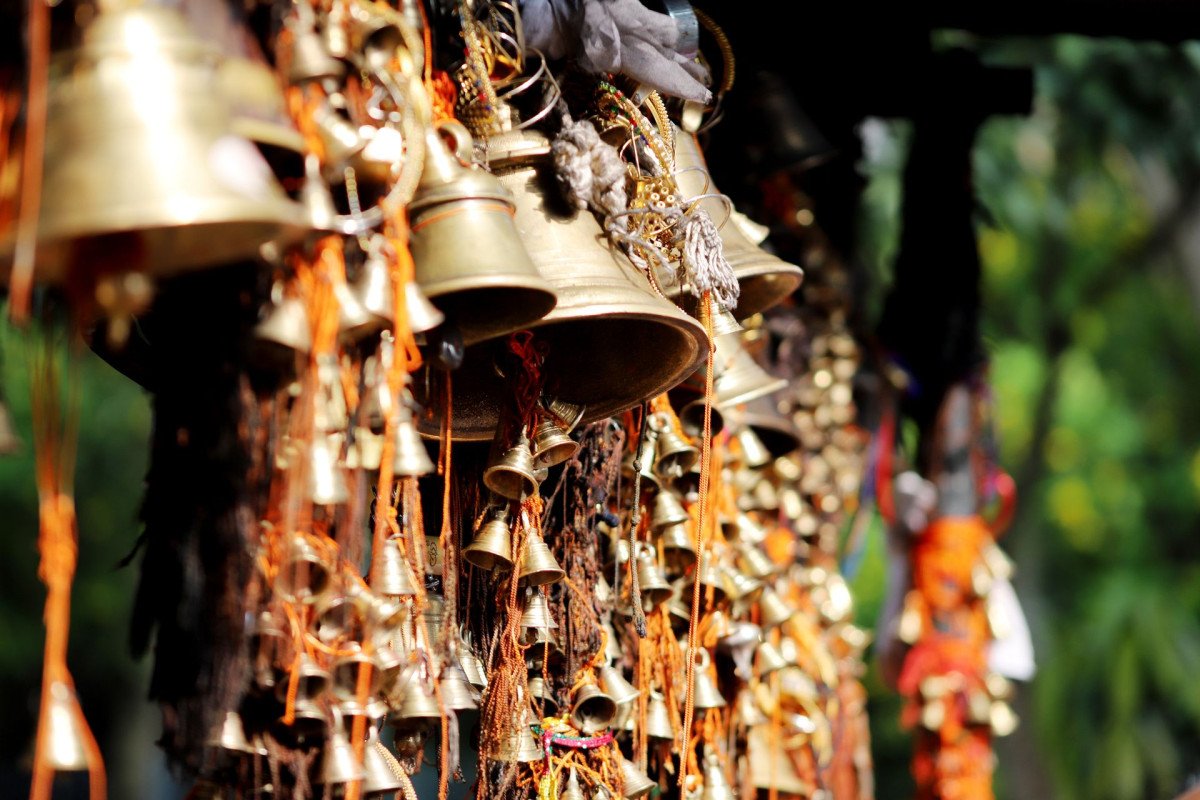
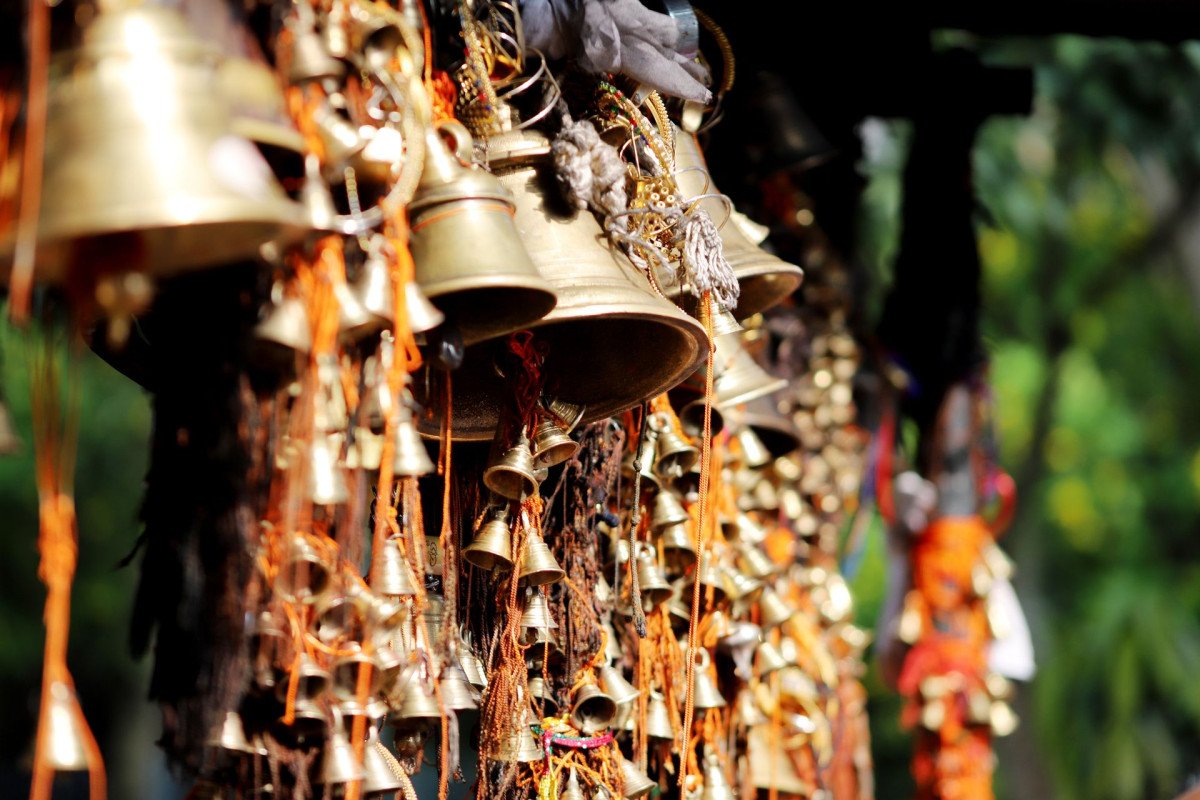
Muktidham Temple
General information
-
Ideal Duration:
1 to 2 Hours:Place Type:
Temple Complex, Religious, Spiritual:Entry Fees:
General Entry:Entry to the Muktidham Temple Complex is generally Free for all visitors. The temple trust provides access to the shrines and grounds without charging an admission fee, upholding the principle of open spiritual access.
Puja and Ri...General Entry:Entry to the Muktidham Temple Complex is generally Free for all visitors. The temple trust provides access to the shrines and grounds without charging an admission fee, upholding the principle of open spiritual access.
Puja and Ritual Costs:There are designated, fixed fees for special pujas, aartis, and rituals that devotees may wish to perform, such as Rudrabhishekam at the Jyotirlinga shrines. These costs are displayed at the temple counters.
Accommodation and Parking:A fee is charged for staying in the on-site Bhakt Niwas (Dharamshala), which is typically nominal and varies based on the type of room. Parking charges for private vehicles are nominal and apply only to cover the cost of maintaining the parking area.
Photography/Videography:Photography is strictly Prohibited inside the monitored temple premises, especially within the inner sanctums and the Jyotirlinga cave, a rule strictly enforced by guards. Only exterior and general compound photography is permitted.
End:Timing:
Regular Timings:The temple is typically open from 6:00 AM to 12:00 PM (noon) and then reopens from 4:00 PM to 9:00 PM. The midday closure is common for rest and Bhog rituals. It remains open on all days, unlike some other Nashik museums or institutes.
Read MoreRegular Timings:The temple is typically open from 6:00 AM to 12:00 PM (noon) and then reopens from 4:00 PM to 9:00 PM. The midday closure is common for rest and Bhog rituals. It remains open on all days, unlike some other Nashik museums or institutes.
Ideal Visit Time:The Ideal Visit Time is the Early Morning (6:00 AM to 9:00 AM), which allows for a quiet Darshan of the Jyotirlingas and the Krishna temple before the crowds and the day's heat. The Late Afternoon (4:00 PM to 6:00 PM) is also a pleasant time to visit.
Best Season:The Winter Months (October to March) are the best for visiting, as the cool climate is perfect for walking around the large, open marble complex. Avoid the intense midday heat of the summer months, which can make the white marble scorching hot.
End:Special Events:
Kumbh Mela Pilgrimage:The temple becomes an extremely significant point of pilgrimage and attraction during the massive Kumbh Mela (held every 12 years in Nashik), drawing thousands of devotees who stop here en route to the main Shahi Snan at Ramkund.
Read MoreKumbh Mela Pilgrimage:The temple becomes an extremely significant point of pilgrimage and attraction during the massive Kumbh Mela (held every 12 years in Nashik), drawing thousands of devotees who stop here en route to the main Shahi Snan at Ramkund.
Major Hindu Festivals:All major Hindu festivals, especially Maha Shivaratri (due to the Jyotirlinga replicas), Janmashtami (in the Krishna temple), and Ram Navami, are celebrated with special pujas, aartis, and decorations, attracting large local and regional crowds.
Anniversary of Founding:The anniversary of the temple's founding (1971) is marked by special religious discourses, cultural programs, and community feasts, usually featuring prominent religious or political figures.
End:Best Photo Spots:
(Approx ) The White Marble Facade:The immense, gleaming white Makrana marble exterior is the premier photo spot. Capture the entire facade, especially the domes and the main entrance, against the early morning or late afternoon sun for the best light. The white color ensur...(Approx ) The White Marble Facade:The immense, gleaming white Makrana marble exterior is the premier photo spot. Capture the entire facade, especially the domes and the main entrance, against the early morning or late afternoon sun for the best light. The white color ensures high-contrast photographs.
The Cave-like Structure Entrance:The entrance to the Jyotirlinga replicas, with its distinct cave-like structure carved in marble, provides a unique and atmospheric photo opportunity. Frame the entrance to highlight the contrast between the rough-hewn stone design and the smooth marble.
Krishna Temple Mural Details:While overall interior photography is prohibited, the detailed, colorful murals on the exterior walls of the Krishna temple or in the open halls (if allowed) offer excellent close-up shots of high-quality Indian art by Raghubir Mulgaonkar.
The Bhagavad Gita Walls:A unique photo is a close-up or medium shot of the marble walls showing the inscribed Sanskrit shlokas of the Bhagavad Gita. This captures the temple's unique educational and spiritual offering in a single frame.
End:Photo Gallery
Things To Do
-
Performing the Jyotirlinga Darshan:Systematically visit and perform Darshan at each of the twelve Jyotirlinga replicas housed in the cave-like structure. Take time to read the plaques that describe the original location and significance of each Jyotirlinga to gain a deeper spiritual connection.
Reading the Bhagavad Gita Inscriptions:Undertake a meditative Parikrama (circumambulation) of the temple complex, focusing on reading the eighteen chapters of the Bhagavad Gita inscribed on the marble walls. This offers a unique way to absorb the holy text while walking.
Viewing the Raghubir Mulgaonkar Paintings:Spend time in the Lord Krishna temple to admire the vibrant and intricate wall paintings by Raghubir Mulgaonkar. These murals vividly bring to life scenes from Mahabharata and Krishna Leela, offe...Performing the Jyotirlinga Darshan:Systematically visit and perform Darshan at each of the twelve Jyotirlinga replicas housed in the cave-like structure. Take time to read the plaques that describe the original location and significance of each Jyotirlinga to gain a deeper spiritual connection.
Reading the Bhagavad Gita Inscriptions:Undertake a meditative Parikrama (circumambulation) of the temple complex, focusing on reading the eighteen chapters of the Bhagavad Gita inscribed on the marble walls. This offers a unique way to absorb the holy text while walking.
Viewing the Raghubir Mulgaonkar Paintings:Spend time in the Lord Krishna temple to admire the vibrant and intricate wall paintings by Raghubir Mulgaonkar. These murals vividly bring to life scenes from Mahabharata and Krishna Leela, offering a cultural and artistic experience alongside the spiritual one.
Worshipping Other Deities:Explore the various smaller shrines dedicated to other Hindu Gods and Goddesses, such as Ram-Sita-Lakshman, Durga, and Ganesha. The complex is a comprehensive Hindu pantheon, offering a chance to pay respects to a wide range of deities.
Photography of the Architecture (Exterior Only):Capture the grandeur of the white Makrana marble architecture. The temple's exterior, especially the intricate domes and carvings, offers excellent photography opportunities. Focus on the sharp contrast between the white marble and the blue sky. Remember that indoor photography is strictly prohibited.
Meditation and Relaxation:Utilize the ample seating, well-maintained gardens, and the clean atmosphere for quiet meditation and relaxation. The trust has provided a peaceful environment ideal for spending a few hours in reflection and devotion.
Using the Bhakt Niwas:For pilgrims, staying at the on-site Bhakt Niwas (Dharamshala) offers a convenient and immersive spiritual experience. Advance booking is required to secure accommodation. It facilitates early morning and late evening temple visits.
End:
Information
-
Why Famous:
The 12 Jyotirlinga Replicas:The temple's primary fame rests on its unique feature: having meticulously crafted and sanctified replicas of all Twelve Jyotirlingas of Lord Shiva. This allows devotees to attain the merit of visiting all twelve distant shrines in one place.The 12 Jyotirlinga Replicas:The temple's primary fame rests on its unique feature: having meticulously crafted and sanctified replicas of all Twelve Jyotirlingas of Lord Shiva. This allows devotees to attain the merit of visiting all twelve distant shrines in one place.
Makrana Marble Grandeur:The entire complex is famous for its stunning, immaculate construction using pure white Makrana marble, giving it a bright and magnificent look that distinguishes it from other temples in the region.
The Bhagavad Gita Inscriptions:A distinctive and widely known feature is that the eighteen chapters of the Bhagavad Gita are inscribed on the temple walls, turning the complex into a spiritual textbook and making the Parikrama (circumambulation) a meditative, educational experience.
Raghubir Mulgaonkar Paintings:The exquisite, detailed paintings by the renowned artist Raghubir Mulgaonkar in the Lord Krishna temple are a significant cultural attraction, drawing both art lovers and devotees.
End: -
Architecture:
Style and Material:The architectural style of Muktidham is a unique blend of modern design with traditional Hindu temple elements. It is distinguished by its extensive use of pure white Makrana marble (the same marble used for the Taj Mahal), sourced from Rajasthan. The e...Style and Material:The architectural style of Muktidham is a unique blend of modern design with traditional Hindu temple elements. It is distinguished by its extensive use of pure white Makrana marble (the same marble used for the Taj Mahal), sourced from Rajasthan. The entire structure, crafted by skilled Rajasthani sculptors, gives the complex a bright, clean, and imposing appearance.
Dimension and Layout:The temple is a large complex built on a considerable area, featuring the main marble structure, which includes separate shrines for various deities. The Jyotirlinga replicas are housed within a cave-like structure, creating a unique, devotional ambiance. The sheer scale and cleanliness of the white marble construction make it a remarkable modern marvel.
Krishna Temple Details:The dedicated Lord Krishna temple within the complex is notable for its interior artistic work, with its walls covered by intricate and vibrant murals depicting episodes from the Mahabharata and the life of Lord Krishna, painted by the famed artist Raghubir Mulgaonkar. This integration of high-quality artwork is a key architectural/artistic feature.
End: -
How To Reach:
By Air:The nearest airport is Nashik's Ozar Airport (ISK), approximately 20 KMS away. From the airport, hiring a taxi or an app-based cab is the most efficient way. The drive to Nashik Road via the highway should take about 30-40 minutes.
By T...By Air:The nearest airport is Nashik's Ozar Airport (ISK), approximately 20 KMS away. From the airport, hiring a taxi or an app-based cab is the most efficient way. The drive to Nashik Road via the highway should take about 30-40 minutes.
By Train:The nearest major railway station is the Nashik Road Railway Station (NK), which is only about 1 KM away from the temple, making it the most convenient option for train travelers. The temple is a 5-10 minute auto-rickshaw ride or a short walk from the station. Taxis and auto-rickshaws are constantly available outside the station.
By Road:The temple is situated off the main highway in the Nashik Road suburb, making it easily accessible by road. It is about 10 KMS from the central city. Visitors driving their own vehicles will find ample, paid parking space within the complex. The road from the city is direct and generally well-maintained.
By Local Transport:The temple is very easy to reach via local transport due to its proximity to the railway station and the highway. Auto-rickshaws and local city buses from all parts of Nashik regularly ply the Nashik Road route. App-based cab services are also readily available from the city center for a direct trip.
End: -
Weather and Best Time to Visit:
Different Types of Seasons:The Winter Season (October to March) is the most comfortable period for a visit, with the cool and dry climate ideal for walking around the large, open marble complex. The area's temperature is pleasant for a reflective visit. The Monsoon Season...Different Types of Seasons:The Winter Season (October to March) is the most comfortable period for a visit, with the cool and dry climate ideal for walking around the large, open marble complex. The area's temperature is pleasant for a reflective visit. The Monsoon Season (June to September) makes the temple surroundings green, but rain may make the marble slippery, and the temple might be busier with local pilgrims during the holy Shravan month. The Summer Season (April to June) is hot, and the white marble surfaces can become uncomfortably hot to walk on barefoot; carry socks and visit only during non-peak hours.
Different Parts of the Day:The Early Morning (6:00 AM to 9:00 AM) is the Best time for a peaceful Darshan, allowing one to complete the viewing of all Jyotirlinga replicas before the main rush and the heat begin. Late Afternoon (4:00 PM to 6:00 PM) is also a good option. Avoid the midday peak between 12:00 PM and 4:00 PM due to the temple's closure and the intense heat.
End: -
Near Tourist Places:
Nashik Road Railway Station (1 KM), Deolali Camp (8 KMS), Gargoti Museum (20 KMS), Pandavleni Caves (15 KMS), Tapovan (15 KMS), Kalaram Temple (10 KMS), Ramkund (10 KMS), Nashik City Centre Mall (10 KMS), Shri Balaji Temple (2 KMS), Dharma Chakra Prabhav Tirth (20 KMS).
Tourism Tips
-
Health & Safety:Wear socks as the marble floor can be extremely hot in summer and cold in winter, and all visitors must enter the complex barefoot. The area is large, so wear comfortable walking shoes for the approach. Photography is strictly enforced as prohibited inside...Health & Safety:Wear socks as the marble floor can be extremely hot in summer and cold in winter, and all visitors must enter the complex barefoot. The area is large, so wear comfortable walking shoes for the approach. Photography is strictly enforced as prohibited inside the shrine areas; respect the guards. Carry sufficient drinking water, as the heat reflecting off the marble can be intense.
Packing Essentials:Carry minimal belongings, as the temple may require you to deposit bags or phones before entering the inner sanctums. A notebook might be useful for noting down the Bhagavad Gita verses. Dress modestly as is expected in a Hindu temple complex, especially on the Nashik Road side.
Accommodation:The temple provides excellent, low-cost Bhakt Niwas (Dharamshala) for pilgrims, which should be booked in advance. Numerous affordable and mid-range hotels are also available near the Nashik Road Railway Station, offering convenience for early morning visits. Book well in advance if visiting during major festivals.
Other Tips - Research:Do a brief reading about the Twelve Jyotirlingas and the Char Dhams before your visit to appreciate the significance of the replicas fully. Allow at least 1. 5 to 2 hours to absorb all the details, especially the inscriptions and paintings. Be respectful of the sanctity and the pristine cleanliness of the marble.
End:
Reviews
FAQs
Nashik Itineray And Cost:-
Muktidham Temple Tourism:-
Information about New and Updated Locations() of Maharashtra Has Been Added :-
Card subtitle
Note:-
Information provided here in good Faith and for reference only.
All information and pictures will be updated soon, please keep visiting.
Near Places
Anjaneri Hills
Some quick example text to build on the card title and make up the bulk of the card's content.
Go somewhere
Artillery Museum
Some quick example text to build on the card title and make up the bulk of the card's content.
Go somewhere
Brahmagiri Mountain
Some quick example text to build on the card title and make up the bulk of the card's content.
Go somewhere
Coin Museum
Some quick example text to build on the card title and make up the bulk of the card's content.
Go somewhere
Deolali Camp
Some quick example text to build on the card title and make up the bulk of the card's content.
Go somewhere
Dugarwadi Waterfalls
Some quick example text to build on the card title and make up the bulk of the card's content.
Go somewhere
Gangapur Dam
Some quick example text to build on the card title and make up the bulk of the card's content.
Go somewhere
Harihar Fort
Some quick example text to build on the card title and make up the bulk of the card's content.
Go somewhere
Jain Mandir
Some quick example text to build on the card title and make up the bulk of the card's content.
Go somewhere
Kalaram Temple
Some quick example text to build on the card title and make up the bulk of the card's content.
Go somewherein Other Cities