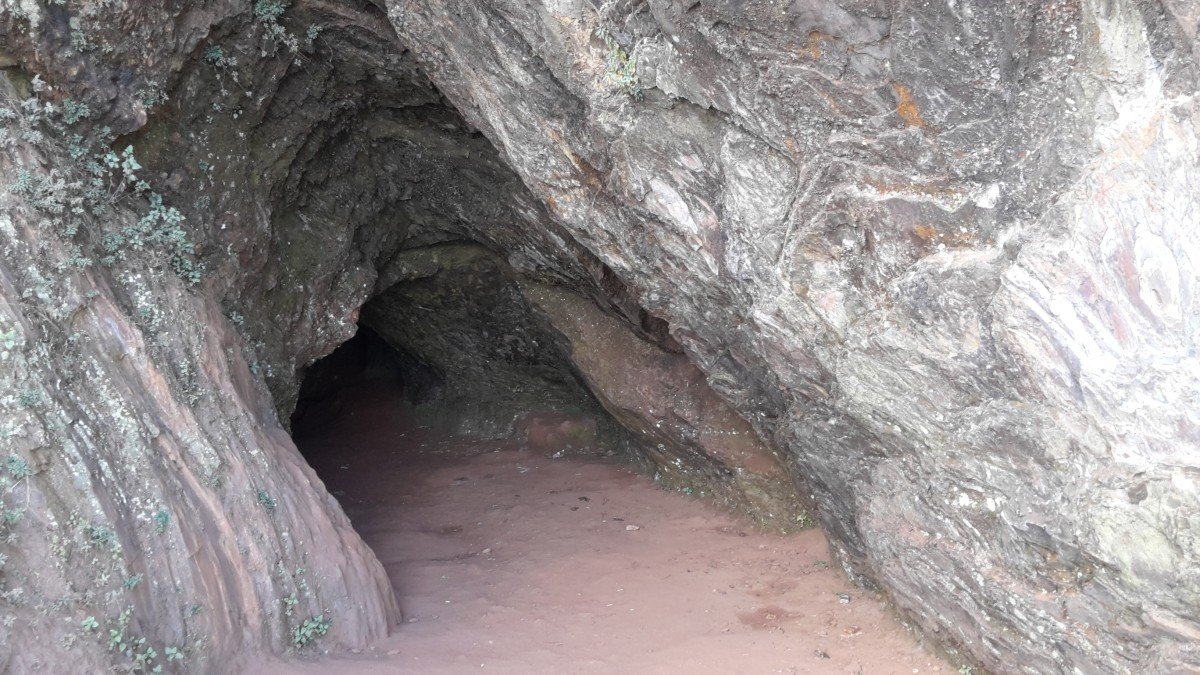

Mullayyana Giri Twin Caves
General information
-
Ideal Duration:
1 Hour:Place Type:
Pilgrimage, Adventure, Geological:Entry Fees:
No Entry Fee: There is absolutely No Entry Fee to visit or explore the natural rock caves, as they are a part of the publicly accessible, natural mountain landscape. This keeps the experience raw and free of commercialization.
Jeep and Parking ...No Entry Fee: There is absolutely No Entry Fee to visit or explore the natural rock caves, as they are a part of the publicly accessible, natural mountain landscape. This keeps the experience raw and free of commercialization.
Jeep and Parking Fees: The main cost associated with visiting the caves is the mandatory parking fee or road toll (approx. Rs.20-Rs.50) collected on the way to the Mullayanagiri base and the optional jeep rental fee (approx. Rs.500-Rs.1000) for the final ascent, which covers the transport to the parking area just below the caves.
Torch/Light Rental: Since the caves are dark, there may be a local vendor selling or renting small, cheap flashlights near the Seethalayyanagiri parking area. This is a very minor, optional expense, but essential for a good exploration. Visitors are advised to carry their own strong phone torch or headlamp to ensure the best visibility inside the rock shelters.Timing:
Regular Timings: As the caves are an extension of the peak, they are accessible from 7 AM to 5 PM. Visiting outside these hours is highly discouraged due to the extreme danger of navigating the unmarked path and the main road in the dark and heavy fog.
Read MoreRegular Timings: As the caves are an extension of the peak, they are accessible from 7 AM to 5 PM. Visiting outside these hours is highly discouraged due to the extreme danger of navigating the unmarked path and the main road in the dark and heavy fog.
Ideal Visit Time - Midday to Early Afternoon: The ideal time to visit is between 11 AM and 3 PM. This is when the light is strongest, helping to illuminate the dark interior of the cave just enough for safe navigation and providing the best contrast for photography at the cave mouth. While the summit is crowded at this time, the caves are often quieter as most tourists focus on the peak view.
Avoiding the Peak Crowds: Visiting during the late morning (around 9:30 AM to 10:30 AM) on a weekday can offer a quieter experience, catching the time before the main crowds arrive from the city and after the early morning sunrise viewers have left the peak.Special Events:
Local Pilgrimage Ceremonies: While the caves do not host large, organized events, local pilgrims sometimes conduct small, personal rituals and simple prayers inside the main cave, especially during auspicious months like Karthika (October/ November) or during Mahashivaratri....Local Pilgrimage Ceremonies: While the caves do not host large, organized events, local pilgrims sometimes conduct small, personal rituals and simple prayers inside the main cave, especially during auspicious months like Karthika (October/ November) or during Mahashivaratri. These are private, spontaneous events, and visitors should observe them respectfully from a distance.
Guru Poornima Offerings: Guru Poornima (a Hindu and Buddhist festival dedicated to teachers and spiritual masters, usually in July) is a day when devotees of the Siddha lineage may leave flowers, incense, or other offerings near the cave entrance to honor Mulappa Swamy, the spiritual master of the peak. While not a large public event, the caves feel especially sacred on this day, with a heightened spiritual energy that is palpable to visitors.Best Photo Spots:
The Cave Mouth Framing: The most photogenic spot is the mouth of the main cave, where the small opening frames the spectacular, mist-covered landscape outside. This allows for powerful shots contrasting the dark, rugged interior with the bright, ethereal background, creatin...The Cave Mouth Framing: The most photogenic spot is the mouth of the main cave, where the small opening frames the spectacular, mist-covered landscape outside. This allows for powerful shots contrasting the dark, rugged interior with the bright, ethereal background, creating a mood of mystery and drama.
Inside the Main Chamber: With a strong light source, the interior of the main cave provides a great location for dramatic portraiture or silhouette photography, emphasizing the scale of the natural rock walls and the rough, silent atmosphere of the sage's meditation spot.
The Off-Path Rock Scramble: The rocky area leading to the cave entrance is a good spot to photograph the adventure aspect. Capture friends or family carefully scrambling over the rocks towards the hidden entrance, which emphasizes the "hidden gem" nature of the site, often with the main temple's flag visible far above on the peak.Photo Gallery
Things To Do
-
Cave Exploration and Discovery: The primary thing to do is to explore the natural rock shelters, requiring visitors to duck or slightly crawl to enter the small, dark chambers. This is a mini-adventure and provides a sense of discovery. Always carry a strong flashlight or phone torch to navigate the dark, uneven floor and observe the cave's natural rock formation. Respect the sanctity of the place.
Photography with Natural Light: Due to the small entrance, the contrast between the dark interior and the bright, misty exterior provides excellent opportunities for dramatic silhouette photography. Capturing the outline of the cave mouth or a person entering the cave against the backdrop of the bright, distant sky makes for a highly atmospheric and visually interesting photo, distinct from the summit landscape shots.Cave Exploration and Discovery: The primary thing to do is to explore the natural rock shelters, requiring visitors to duck or slightly crawl to enter the small, dark chambers. This is a mini-adventure and provides a sense of discovery. Always carry a strong flashlight or phone torch to navigate the dark, uneven floor and observe the cave's natural rock formation. Respect the sanctity of the place.
Photography with Natural Light: Due to the small entrance, the contrast between the dark interior and the bright, misty exterior provides excellent opportunities for dramatic silhouette photography. Capturing the outline of the cave mouth or a person entering the cave against the backdrop of the bright, distant sky makes for a highly atmospheric and visually interesting photo, distinct from the summit landscape shots.
Moment of Solitary Meditation: Utilize the absolute silence and cool, spiritual atmosphere of the cave for a brief, genuine moment of meditation or quiet reflection. This offers a unique, sensory experience of the peak, connecting with the legacy of Mulappa Swamy in the very spot he is believed to have mediated for years. The cool temperature inside the cave is a natural relief from the exertion of the trek outside.
Scrambling and Rocky Path Navigation: Reaching the caves involves a short, gentle scramble off the main, easy path, making it a fun, brief physical challenge. It allows visitors to experience the true, rugged, non-commercialized mountain terrain right near the summit. Ensure you wear shoes with good grip, as the surrounding rocks can be loose or slippery due to moss and mist.
Connect with the Summit Temple Visit: Combine the cave visit with the pilgrimage to the Mulappa Swamy Temple on the summit, as they are intrinsically linked by the sage's history. Visit the temple first and then seek out the cave to complete the spiritual and historical narrative of the peak. The entire circuit provides a comprehensive understanding of the peak's significance.
Observe the Geology: For the scientifically inclined, spend time observing the geological formation of the caves, the type of rock, and the patterns of erosion, which are typical of high-altitude Western Ghats rock shelters. This offers an educational dimension to the visit, highlighting the cave's natural architecture and formation process.
Information
-
Why Famous:
Connection to the Sage Mulappa Swamy: The primary fame of the Twin Caves is their historical and spiritual association with the revered sage Mulappa Swamy, a Shiva devotee. Local lore states that the sage meditated here for decades, making the caves a highly sacred spot, a ...Connection to the Sage Mulappa Swamy: The primary fame of the Twin Caves is their historical and spiritual association with the revered sage Mulappa Swamy, a Shiva devotee. Local lore states that the sage meditated here for decades, making the caves a highly sacred spot, a sort of natural, pre-existing temple. This deep spiritual connection attracts pilgrims who seek to feel the meditative energy of the sage.
A Thrilling Stop on the Trek: The caves serve as a thrilling, unique stop for trekkers and adventure tourists climbing to the Mullayanagiri summit. Unlike the wide, open vistas of the peak, the caves offer a dark, silent, and mysterious contrast, appealing to those who enjoy exploring the unknown and the physically challenging terrain. The need to scramble to the slightly hidden entrance makes the discovery a mini-adventure in itself.
The Highest Altitude Cave Site in Karnataka: Given the caves' proximity to the 1,930-meter summit of Mullayanagiri, they hold the distinction of being one of the highest accessible natural cave sites in Karnataka. This geological rarity and high-altitude location contribute to their fame among geologists and nature enthusiasts. Their rough, natural form is a prime example of high-altitude rock shelter formation, contrasting with the commercialized architecture of other sites. -
Architecture:
Natural Rock Formation and Vernacular Simplicity: The architecture of the caves is almost entirely natural, sculpted by millions of years of wind and water erosion of the underlying rock. They are essentially horizontal fissures and small, rugged chambers in the face of the...Natural Rock Formation and Vernacular Simplicity: The architecture of the caves is almost entirely natural, sculpted by millions of years of wind and water erosion of the underlying rock. They are essentially horizontal fissures and small, rugged chambers in the face of the mountain rock. Human intervention is minimal, primarily consisting of a very rough, stone pathway or a few steps leading down to the opening. There are no elaborate carvings, structural supports, or masonry work; their significance lies in their raw, untouched natural form.
Minimalist Shrine Dimensions: Inside the primary cave, there is a very small, basic shrine or a makeshift altar, often just a rock or small idol, symbolizing the place where Mulappa Swamy meditated. The entrance to the caves is generally low and narrow, requiring visitors to duck or crawl slightly to enter the small chamber. The chambers themselves are very compact. For instance, the main chamber may have dimensions of approximately 2 meters in width, 3 meters in depth, and a ceiling height of 1. 5 meters in the center, though this is a close estimate. The adjacent "twin" cave is likely smaller, possibly a small recess used for storing materials or for a solitary disciple's shelter. The cave's architecture is a testament to the simplicity of the ancient Siddha culture. -
How To Reach:
By Air to Mullayyana Giri Twin Caves: The air travel is the same as for Mullayanagiri Peak. Fly to Mangalore International Airport (IXE) (170 KMS) or Bangalore (BLR) (260 KMS). The journey requires a subsequent private taxi to Chikmagalur and then up the mountain road to t...By Air to Mullayyana Giri Twin Caves: The air travel is the same as for Mullayanagiri Peak. Fly to Mangalore International Airport (IXE) (170 KMS) or Bangalore (BLR) (260 KMS). The journey requires a subsequent private taxi to Chikmagalur and then up the mountain road to the peak's base, involving a total journey time of around 5-7 hours after landing.
By Train to Mullayyana Giri Twin Caves: The nearest major rail connectivity is at Chikmagalur Railway Station (CMGR), roughly 35 KMS away. Visitors should hire a private taxi directly from the station to the peak's base. Alternatively, a taxi can be hired from the main hub at Kadur (KDU), 70 KMS away. The challenging final stretch of road means a vehicle specifically hired for the mountain ascent is necessary.
By Road to Mullayyana Giri Twin Caves: The caves are reached by the same road as the peak. From Chikmagalur (approx. 21 KMS), take the steep and narrow Mullayanagiri Road via Seethalayyanagiri. Only small-to-medium vehicles and local 4x4 jeeps are advisable for the final 5 KMS ascent due to the poor, winding road conditions. The drive takes around 1 hour from the city.
By Local Transport: The best way to cover the final stretch is to park your vehicle at Seethalayyanagiri and hire one of the specialized local 4x4 jeeps that ferry tourists up to the final parking lot of Mullayanagiri. From that parking lot, the caves are just a short hike up the summit steps, a total trekking distance of less than 500 meters, but requiring a careful detour off the main path. -
Weather and Best Time to Visit:
Different Types of Seasons: The Best Time to Visit Mullayyana Giri Twin Caves is during the dry, clear months of October to March.
Post-Monsoon (October - November): The surrounding landscape is intensely green, and the air is clean. Visibi...Different Types of Seasons: The Best Time to Visit Mullayyana Giri Twin Caves is during the dry, clear months of October to March.
Post-Monsoon (October - November): The surrounding landscape is intensely green, and the air is clean. Visibility is good, but the chance of mist and fog is high, which makes the journey dramatic and the cave's atmosphere mysterious. The rocks around the cave entrance are often slippery, requiring extra caution.
Peak Winter (December - February): This period offers the coldest temperatures but the clearest skies, making the trek less prone to fog. The dry conditions also make the rocky scramble to the cave entrance safer and easier. This is the ideal time for those who prioritize safety and clear travel conditions.
Monsoon (June - August): This period should be mostly avoided. The rocks are extremely slippery, and the continuous heavy fog and rain make visibility near zero, making the caves difficult and dangerous to locate and explore safely.
Different Parts of the Day: Late Morning to Midday (10 AM - 3 PM) is the safest and best-lit time for exploring the cave interiors. Sunrise and Sunset visits are too dark for the cave exploration itself, but the drive up and down is rewarding. -
Near Tourist Places:
Mullayanagiri Peak: (Adjacent/Above Caves) - Highest point in Karnataka.
Seethalayyanagiri Temple: (Approx. 4 KMS) - Gateway peak to Mullayanagiri.
Sarpadaari Trekking Point: (Approx. 3 KMS descent) - Traditional start of the trek.
Jhari Falls (Bhadra Falls): (Approx. 15 KMS) - Waterfall surrounded by dense forests.
Baba Budan Giri: (Approx. 12 KMS) - Sacred mountain, final point of the ridge trek.
Manikyadhara Falls: (Approx. 26 KMS) - Holy waterfall near the route.
Hirekolale Lake: (Approx. 12 KMS) - Scenic lake at the foothills.
Kavikal Gandi Viewpoint: (Approx. 18 KMS) - Panoramic viewpoint.
Deviramma Temple: (Approx. 30 KMS) - Ancient temple with annual festival.
Aldur Shooting Point: (Approx. 40 KMS) - Popular scenic spot.
Tourism Tips
-
Health & Safety - Scrambling and Lighting: Always carry a torch/headlamp, as the caves are completely dark and the floor is uneven. The rocks leading to the entrance are slippery; wear non-slip, closed-toe shoes and proceed slowly. The caves are small, so be mindful of yo...Health & Safety - Scrambling and Lighting: Always carry a torch/headlamp, as the caves are completely dark and the floor is uneven. The rocks leading to the entrance are slippery; wear non-slip, closed-toe shoes and proceed slowly. The caves are small, so be mindful of your head and avoid over-crawding. Inform someone on the main path about your plan to explore the caves.
Respecting the Sacred Site: Treat the caves with the utmost respect due to their connection with Mulappa Swamy and the nearby temple. Do not leave trash, food, or any non-biodegradable waste inside or near the cave. Speak softly and avoid unnecessary noise, especially if others are meditating or praying nearby.
Appropriate Clothing: Dress in layers, as the inside of the cave is significantly cooler and damper than the outside, and the temperature near the summit is generally very low and windy. A light jacket is a must.
Guide Requirement: While the caves are close to the path, finding the subtle entrance can be tricky. Consider asking a local guide or one of the jeep drivers to point out the specific location to avoid wasting time searching in the wrong, potentially dangerous, rocky area.
Limited Space: The caves are very small. If you find a group already inside, wait patiently outside for them to finish, as the space is not large enough to comfortably accommodate more than a few people at a time.
Reviews
FAQs
Chikmagalur Itineray And Cost:-
Mullayyana Giri Twin Caves Tourism:-
Other Places In Chikmagalur :-
Other States In India :-
Information about New and Updated Locations() of Karnataka Has Been Added :-
Card subtitle
Note:-
Information provided here in good Faith and for reference only.
Near Places
Ayyanakere Lake
Some quick example text to build on the card title and make up the bulk of the card's content.
Go somewhere
Baba Budangiri/Dattatreya Peetha
Some quick example text to build on the card title and make up the bulk of the card's content.
Go somewhere
Ballalarayana Durga Fort
Some quick example text to build on the card title and make up the bulk of the card's content.
Go somewhere
Bhadra Wildlife Sanctuary
Some quick example text to build on the card title and make up the bulk of the card's content.
Go somewhere
Coffee Museum Chikmagalur
Some quick example text to build on the card title and make up the bulk of the card's content.
Go somewhere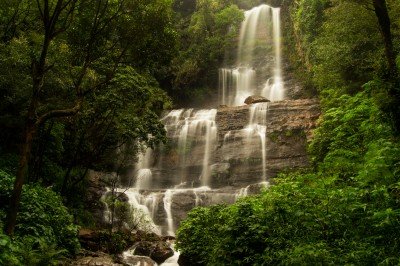
Dabdabe Falls
Some quick example text to build on the card title and make up the bulk of the card's content.
Go somewhere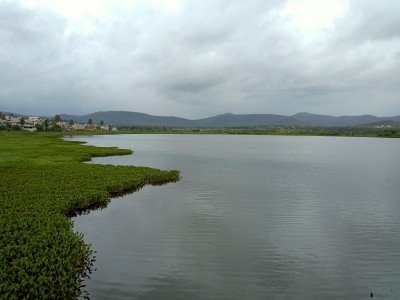
Dantaramakki Lake
Some quick example text to build on the card title and make up the bulk of the card's content.
Go somewhere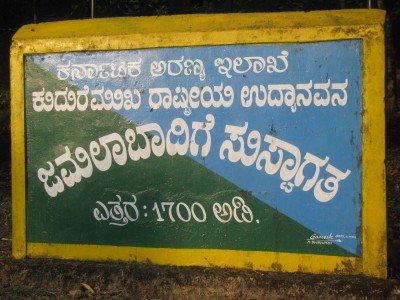
Gadaikallu View Point
Some quick example text to build on the card title and make up the bulk of the card's content.
Go somewhere
Hebbe Falls
Some quick example text to build on the card title and make up the bulk of the card's content.
Go somewhere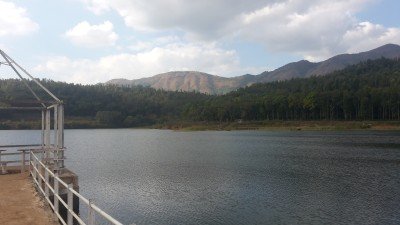
Hirekolale Lake
Some quick example text to build on the card title and make up the bulk of the card's content.
Go somewhere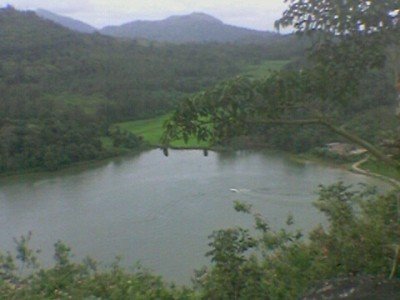
Honnamana Falls
Some quick example text to build on the card title and make up the bulk of the card's content.
Go somewhere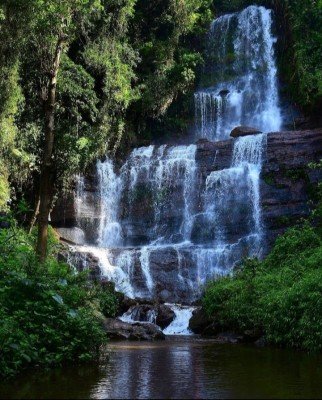
Jhari Waterfalls
Some quick example text to build on the card title and make up the bulk of the card's content.
Go somewhere
Manikyadhara Falls
Some quick example text to build on the card title and make up the bulk of the card's content.
Go somewhere
Mullayanagiri Peak
Some quick example text to build on the card title and make up the bulk of the card's content.
Go somewhere
Mullayyana Giri Twin Caves
Some quick example text to build on the card title and make up the bulk of the card's content.
Go somewhere
Nallur Lake
Some quick example text to build on the card title and make up the bulk of the card's content.
Go somewherein Other Cities