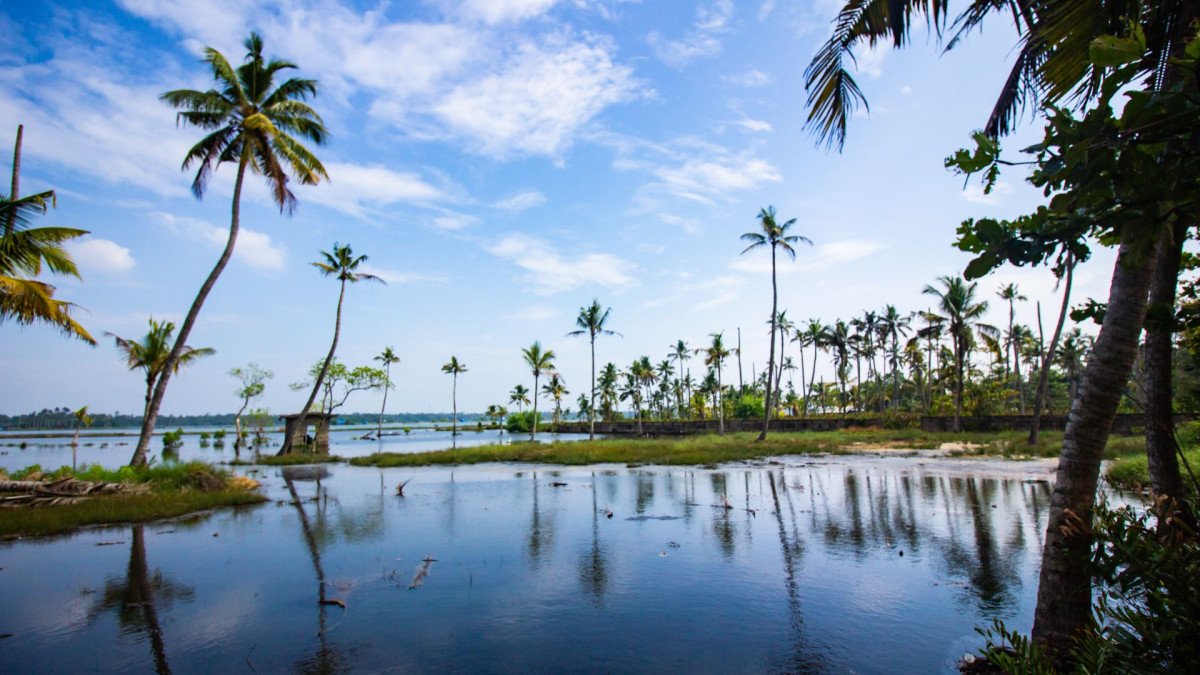
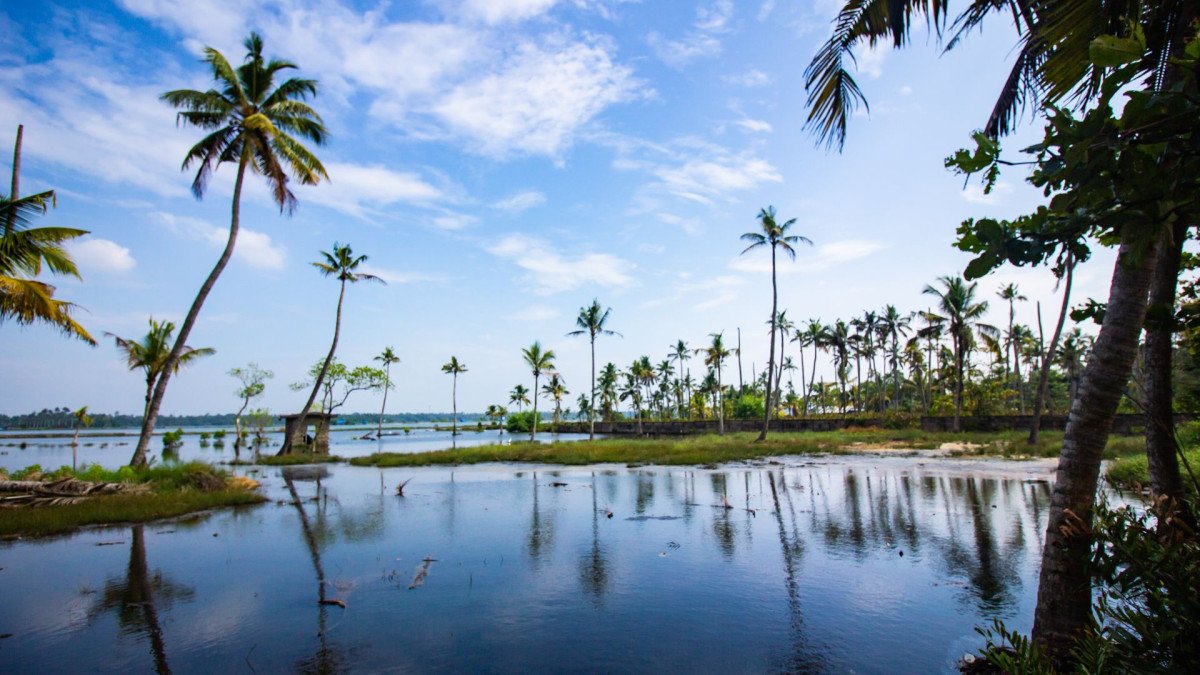
Mulshi Lake and Dam
General information
-
Ideal Duration:
1 Day (Day trip) or 2 Days/1 Night (Including resort stay/camping)Place Type:
Lake, Hydroelectric Dam, Eco-Tourism Destination,Entry Fees:
No Direct Entry Fee (at least ): There is No Entry Fee required to visit the public areas surrounding Mulshi Lake and Dam. The main viewpoint areas and the public roads leading to them are free and open to all visitors.
Associated Costs: H...No Direct Entry Fee (at least ): There is No Entry Fee required to visit the public areas surrounding Mulshi Lake and Dam. The main viewpoint areas and the public roads leading to them are free and open to all visitors.
Associated Costs: However, visitors should budget for associated costs, which effectively act as a fee for activities:
Parking Charges: Nominal fees (usually INR 20 to INR 50 for cars) are collected by local committees or private property owners for parking at popular viewing spots, restaurants, and trekking base points.
Resort/Camping Fees: The numerous private properties and resorts that offer the best lake views and access (including camping, boating, and food) require a booking or cover charge. These can range widely from INR 1000 for a simple day pass with lunch to INR 5000+ for an overnight stay in a luxury resort.
Activity Fees: Organised activities like Kayaking or Boating (if available) are charged separately by the private operators. It is important to note that access to the immediate dam wall and core power plant premises is restricted and requires special authorization, which is typically not granted for general tourism.Timing:
Regular Timings (at least ): The public viewing areas and approach roads to Mulshi Lake and Dam are generally accessible from 9:00 AM to 6:00 PM every day. The local authorities recommend leaving the area before dark due to the remote location, lack of street lighting, and ...Regular Timings (at least ): The public viewing areas and approach roads to Mulshi Lake and Dam are generally accessible from 9:00 AM to 6:00 PM every day. The local authorities recommend leaving the area before dark due to the remote location, lack of street lighting, and the presence of wildlife. The operation of the Tata Power dam itself is continuous, but the visitors' gallery (if any) adheres to strict daytime timings.
Ideal Visit Time: The Ideal Visit Time is undoubtedly the Monsoon season (July and August). During the day, the best time is Early Morning (7:00 AM to 10:00 AM) for clean, misty air and to avoid the mid-day sun, or Late Afternoon (4:00 PM to 6:00 PM) to catch the stunning sunset over the water and the hills. Weekdays are always better than weekends to avoid the heavy traffic and crowds from Pune and Mumbai. For nature lovers, arriving at sunrise is perfect for bird-watching as the dam area is known for its diverse avian population.Special Events:
Monsoon Tourism Festivals (at least ): The most significant 'special event' at Mulshi is the collective, informal celebration of the Monsoon. From July to September, the entire region becomes a massive tourist destination, leading to weekend "festivals" of trekking, driving...Monsoon Tourism Festivals (at least ): The most significant 'special event' at Mulshi is the collective, informal celebration of the Monsoon. From July to September, the entire region becomes a massive tourist destination, leading to weekend "festivals" of trekking, driving, and feasting. Local resorts and dhabas host special Monsoon packages and food festivals, offering local delicacies like Bhajji (pakoras) and hot drinks. Bike clubs and car enthusiasts frequently organize large group drives and rallies to Mulshi, turning the drive itself into a social event.
Holi Celebrations (Kavadi Pat): For a more cultural experience, the local celebration of Holi is unique. The local community organizes traditional folk dances, most notably the Kavadi Pat. While not a massive public event, attending this offers an authentic glimpse into the vibrant cultural heritage of the village community, which revolves around agriculture and traditional customs. The dam operator, Tata Power, sometimes hosts community events or educational tours related to the dam's operation on significant anniversaries, though these are typically industry-focused.Best Photo Spots:
Mulshi Dam Wall and Crest (at least ): The dam wall itself, especially the viewpoint near the crest, is the classic photo spot. It allows for a powerful shot of the immense concrete structure juxtaposed against the vast, placid reservoir. Caution must be exercised here, as...Mulshi Dam Wall and Crest (at least ): The dam wall itself, especially the viewpoint near the crest, is the classic photo spot. It allows for a powerful shot of the immense concrete structure juxtaposed against the vast, placid reservoir. Caution must be exercised here, as access to the immediate dam structure is restricted for security reasons. The best photos are taken from the viewing points slightly away from the main infrastructure.
The Infinity Edge of the Lake (from Resorts): Many private resorts and homestays built along the edge of the backwaters offer infinity pool or deck views that make the water appear to merge seamlessly with the sky and the surrounding hills. These spots are excellent for capturing professional-looking, serene, and modern landscape photographs, particularly during the golden hour of sunrise or sunset.
Tamhini Ghat Viewpoints: The numerous lookout points along the Tamhini Ghat road, particularly those that capture the winding road disappearing into the misty valley, offer highly dynamic and dramatic shots. These are ideal for capturing the intense green colors of the Monsoon and the low-hanging clouds.
The Koraigad Fort Approach: The views from the initial ascent of nearby Koraigad Fort offer a high-altitude perspective of the entire Mulshi valley and the lake, allowing for a fantastic wide-angle shot of the reservoir and the distant hills. This spot is perfect for capturing the sheer scale of the landscape and the water body.Photo Gallery
Things To Do
-
The Scenic Mulshi Lake Drive and Photography: The primary activity is the scenic drive around the perimeter of the lake, stopping at various viewpoints. The area, particularly around the Valanewadi village, offers stunning vantage points for landscape photography, capturing the water, the surrounding forts (Koraigad, Dhangad), and the reflection of the Sahyadris. Aim for the early morning or late afternoon for the best light.
Trekking and Fort Exploration (at least ): The hills surrounding Mulshi are dotted with historic Maratha forts, offering excellent trekking opportunities. Koraigad Fort and Dhangad Fort are the most accessible. Trekking to these forts involves walking through dense forests and grassy slopes, making them moderately challenging but highly rewarding. The Andharban Trail Point, located in the vicinity of T...The Scenic Mulshi Lake Drive and Photography: The primary activity is the scenic drive around the perimeter of the lake, stopping at various viewpoints. The area, particularly around the Valanewadi village, offers stunning vantage points for landscape photography, capturing the water, the surrounding forts (Koraigad, Dhangad), and the reflection of the Sahyadris. Aim for the early morning or late afternoon for the best light.
Trekking and Fort Exploration (at least ): The hills surrounding Mulshi are dotted with historic Maratha forts, offering excellent trekking opportunities. Koraigad Fort and Dhangad Fort are the most accessible. Trekking to these forts involves walking through dense forests and grassy slopes, making them moderately challenging but highly rewarding. The Andharban Trail Point, located in the vicinity of Tamhini Ghat, is a famous "dark forest" trek known for its dense canopy and streams, attracting serious hikers. These treks allow visitors to explore the rich biodiversity of the Sahyadri region.
Camping and Bonfires: Mulshi is one of the most popular camping destinations near Pune. Numerous private campsites and resorts offer lakeside or hillside camping experiences. This involves staying in tents, enjoying a bonfire, and stargazing in the clear night sky, offering a perfect digital detox and a quiet experience away from city noise. Prior booking is essential and all waste must be responsibly managed.
Water Sports and Boating: While activities directly on the main dam and lake area are regulated, many resorts and private sections of the backwaters near the lake offer organized water sports. These activities can include Kayaking and Boating, especially in the calmer arms of the reservoir. Always ensure any activity is conducted through a registered and safe operator. River Rafting is also available in the nearby Kundalika River (near Kolad), which is a short drive away and complements a Mulshi trip well.
Local Cuisine and Farm-to-Table Experience: The area is known for its local Maharashtrian and rural cuisine. Many farmhouses and resort restaurants emphasize farm-to-table experiences, serving fresh, locally sourced food. Trying Varan Bhaat (dal and rice), Pithla Bhakri, and local vegetarian curries made with seasonal vegetables is a must. The roadside stalls sell fresh corn (Bhutta) and hot tea (Chai), which are particularly enjoyable during the cool Monsoon mist.
Wellness and Relaxation: The sheer tranquility of the location has led to the growth of wellness tourism. Many resorts offer Yoga sessions, nature walks, and spa treatments. The clean air and quiet environment are excellent for meditation and mental rejuvenation.
Visiting Ancient Temples: The region is home to several ancient temples like the Mahadev Temple and Narayaneshwar Temple. These temples often hold historical significance and provide a quieter, spiritual side to the visit, away from the bustling viewpoints. Shri Kshetra Pandurang, a temple on a hilltop, is also a nearby attraction offering great views.
Information
-
Why Famous:
Scenic Monsoon Destination (at least ): Mulshi is most famous for its stunning transformation during the Monsoon months (June to September). The Sahyadri hills, which were dry and brown, burst into vibrant shades of green, with thick mist and clouds often descending to meet...Scenic Monsoon Destination (at least ): Mulshi is most famous for its stunning transformation during the Monsoon months (June to September). The Sahyadri hills, which were dry and brown, burst into vibrant shades of green, with thick mist and clouds often descending to meet the lake's surface, creating a dreamy, ethereal landscape. Countless temporary waterfalls cascade down the slopes into the lake, attracting thousands of visitors from Pune and Mumbai who come specifically for the scenic drive and the cool, refreshing weather. This makes it the premier Monsoon getaway in the region.
Hydroelectric Power History: The dam itself is historically significant as one of the oldest operational hydroelectric projects in Maharashtra, built by the Tata Group. It became a key source of power for the industrial growth of Mumbai and Pune in the early 20th century. This combination of being a functional engineering marvel and a visual retreat makes it unique. The presence of the huge, peaceful lake—a byproduct of the dam—has led to the proliferation of eco-tourism, including high-end resorts and secluded homestays, further cementing its fame as a tranquil weekend retreat. The tranquil setting and lush greenery offer a perfect contrast to the urban rush, which is a major draw for weekenders. -
Architecture:
The Concrete Gravity Dam Structure (at least with Dimension): The Mulshi Dam is a crucial example of early 20th-century Indian hydraulic engineering, specifically built as a Concrete Gravity Dam. This type of architecture relies on its own massive weight and the resistance of the foundation to wit...The Concrete Gravity Dam Structure (at least with Dimension): The Mulshi Dam is a crucial example of early 20th-century Indian hydraulic engineering, specifically built as a Concrete Gravity Dam. This type of architecture relies on its own massive weight and the resistance of the foundation to withstand the horizontal force of the water it retains. The structure spans across the Mula River, creating the vast Mulshi Lake reservoir. While the specific original height and length figures for the structure are proprietary to Tata Power, the general architectural achievement lies in its robust, functional design built on the challenging terrain of the Western Ghats. The water stored here is channeled through tunnels to the Bhira power plant, which utilizes the steep drop in elevation to generate electricity using Pelton turbines, a clever application of geographic advantage.
Reservoir and Catchment Area: The most significant "dimension" is the vast expanse of the reservoir, Mulshi Lake, which covers a sprawling catchment area. The area of the lake is dynamic, especially during the Monsoon, but its immense volume is a testament to the dam's scale. The surrounding hills, which form the basin, contribute to the picturesque views and the stability of the structure. Functional Design vs.
Aesthetics: Unlike historical forts, the architecture is purely functional, designed for water storage and power generation. However, the design inherently created the stunning, sprawling backwaters, an unintentional aesthetic marvel. The long, winding shores of the lake, punctuated by local resorts and farmhouses, highlight the successful integration of a massive industrial project into a pristine natural environment. -
How To Reach:
By Air (at least ): The nearest airport is Pune International Airport (PNQ), located approximately 55-60 KMS from the Mulshi region. It handles domestic flights connecting to major Indian cities and limited international routes.By Air (at least ): The nearest airport is Pune International Airport (PNQ), located approximately 55-60 KMS from the Mulshi region. It handles domestic flights connecting to major Indian cities and limited international routes.
Steps: From PNQ, hire a pre-paid taxi or book an app-based cab (Uber/Ola). Instruct the driver to proceed toward Chandni Chowk and then take the Paud Road to Mulshi. This road journey takes approximately 2 to 3 hours, depending heavily on Pune city traffic.
By Train: The nearest major railway station is Pune Junction (PUNE), about 50 KMS away. Pune Junction is a crucial hub, connected nationally.
Steps: From the station, the best and most direct way is to hire a private taxi or cab. Alternatively, take an auto-rickshaw to the Swargate Bus Terminal. From Swargate, you must find a state transport bus or a PMPML bus going towards Paud or villages further along the Mulshi route. You will need to take a local shared taxi (Tum-Tum or Jeep) from Paud or a convenient drop-off point to reach the lake's viewing areas.
By Road: Mulshi is most easily accessible by road from Pune via the Paud Road, covering about 40-45 KMS.
Private/Self-Drive: This is the most popular and recommended option, taking around 1. 5 to 2 hours. The route is scenic, particularly past Chandni Chowk. Ensure your vehicle is in good condition for mountain driving, although the roads are generally well-maintained.
Bus/Local Transport: State Transport (MSRTC) and local PMPML buses run services from Pune's Swargate and Paud bus stands to the Mulshi area, including villages like Paud and Mulshi. However, the frequency is lower than city routes. Shared taxis and local jeeps are readily available from the Paud area to ferry visitors to the lake viewpoints and resorts, acting as the primary form of local transport.
By Local Transport: Outside of the main towns, local shared jeeps or sumos serve as a lifeline. From the town of Paud, which is about 15-20 KMS before the lake, these shared vehicles can take you to the key viewing spots and resorts along the water's edge for a small, fixed fare. -
Weather and Best Time to Visit:
Different Types of Seasons (at least ):
Monsoon (June to September): Best Time to Visit. The hills are vibrant green, the lake is full, and the air is cool and misty. The numerous waterfalls are in full flow. July and August are peak mon...Different Types of Seasons (at least ):
Monsoon (June to September): Best Time to Visit. The hills are vibrant green, the lake is full, and the air is cool and misty. The numerous waterfalls are in full flow. July and August are peak months, but expect heavy rainfall and crowds on weekends.
Post-Monsoon/Winter (October to February): A great time. The greenery remains, the air is crisp and clear, and the weather is comfortable for outdoor activities like trekking and camping. This is ideal for clear, panoramic photography and enjoying the serenity without the heavy rain. November and January offer pleasant daytime temperatures.
Summer (March to May): This period is tolerable but can be hot, with temperatures rising during the day. The hills lose their intense greenery, and the water level in the lake can be lower. Visits should be restricted to early mornings and late afternoons. The advantage is minimal crowds, making it a peaceful getaway for those seeking quiet resort stays.
Different Parts of the Day: Sunrise/Early Morning (6:00 AM to 9:00 AM) Highly recommended for photographers and nature lovers. The calm water, low-lying mist, and golden light create spectacular views. Ideal for trekking before the sun gets too strong. Mid-Day (10:00 AM to 3:00 PM) Best reserved for relaxing at a lakeside resort, enjoying lunch, or visiting the ancient temples. Avoid strenuous outdoor activity during this time, especially in summer. Late Afternoon/Sunset (4:00 PM to 6:00 PM) Excellent time to visit the viewpoints. The sunset over the Sahyadri range with the lake in the foreground is mesmerizing. Be sure to start your journey back before the road becomes completely dark. -
Near Tourist Places:
1.
Tamhini Ghat View Point: Approx. 20 KMS (Continuing drive on Tamhini Road). 2.
Koraigad Fort: Approx. 25 KMS (Near Lonavala side). 3.
Dhangad Fort: Approx. 30 KMS. 4.
Lavasa City (New Location): Approx. 40 KMS. 5.
Pawna Dam and Lake: Approx. 45 KMS. 6.
Lonavala / Khandala Hill Stations: Approx. 60-65 KMS. 7.
Lohagad Fort and Visapur Fort: Approx. 65-70 KMS. 8.
Panshet Dam: Approx. 70 KMS. 9.
Devkund Waterfall: Approx. 60 KMS (Near Tamhini Ghat). 10.
Aamby Valley City: Approx. 30 KMS.
Tourism Tips
-
Health & Safety (at least ):
Water Safety: The lake is a massive reservoir and can be deep and unpredictable. Swimming or venturing too far into the lake is strongly discouraged unless at a designated, supervised area within a resort.
...Health & Safety (at least ):
Water Safety: The lake is a massive reservoir and can be deep and unpredictable. Swimming or venturing too far into the lake is strongly discouraged unless at a designated, supervised area within a resort.
Slippery Roads: Drive with extreme caution on the ghat roads, especially during the Monsoon, as the roads are winding and can be slippery due to rain and mist.
Medical: Carry basic first-aid supplies. Emergency medical facilities are far away in the main town of Paud or Pune.
Wildlife: The area is rich in nature. Avoid wandering off marked trails, particularly after sunset, due to the presence of local wildlife and insects.
Packing:
Weather Gear: Carry light jackets or sweaters even in winter, as evenings can be cool. During the Monsoon, a raincoat or windcheater is essential.
Footwear: Comfortable, waterproof walking shoes are a must for exploring the dam and surrounding trails.
Essentials: High-power binoculars for bird-watching, camera equipment, and power banks, as network and charging points can be sparse.
Accommodation:
Wide Range: Mulshi offers a range of stays, from basic lakeside homestays to high-end luxury resorts with infinity pools and private lake access. Book well in advance, especially for weekend Monsoon visits.
Camping: Only use organized campsites, which ensure safety, security, and basic facilities. Wild camping is generally not advised.
Other Different Topics:
Connectivity: Mobile network coverage (especially for data) can be patchy or non-existent in remote areas around the lake. Be prepared for a digital detox and inform family/friends of limited connectivity.
Local Support: Support the local economy by eating at small local dhabas and purchasing local produce.
Environmental Responsibility: This is an eco-tourism destination. Do not litter, and adhere strictly to all no-plastic warnings.
Reviews
FAQs
Pune Itineray And Cost:-
Mulshi Lake and Dam Tourism:-
Other Places In Pune :-
Other States In India :-
Information about New and Updated Locations() of Maharashtra Has Been Added :-
Card subtitle
Note:-
Information provided here in good Faith and for reference only.
Near Places
Aga Khan Palace
Some quick example text to build on the card title and make up the bulk of the card's content.
Go somewhere
Bhandarkar Oriental Research Institute
Some quick example text to build on the card title and make up the bulk of the card's content.
Go somewhere
Bhuleshwar Temple
Some quick example text to build on the card title and make up the bulk of the card's content.
Go somewhere
Dagdusheth Halwai Ganpati Temple
Some quick example text to build on the card title and make up the bulk of the card's content.
Go somewhere
Darshan Museum
Some quick example text to build on the card title and make up the bulk of the card's content.
Go somewhere
Empress Botanical Garden
Some quick example text to build on the card title and make up the bulk of the card's content.
Go somewhere
Joshi's Museum of Miniature Railways
Some quick example text to build on the card title and make up the bulk of the card's content.
Go somewhere
Khadakwasla Dam & Lake
Some quick example text to build on the card title and make up the bulk of the card's content.
Go somewhere
Lal Mahal
Some quick example text to build on the card title and make up the bulk of the card's content.
Go somewhere
Lohagad Fort
Some quick example text to build on the card title and make up the bulk of the card's content.
Go somewhere
Mulshi Lake and Dam
Some quick example text to build on the card title and make up the bulk of the card's content.
Go somewhere
Osho International Meditation Resort
Some quick example text to build on the card title and make up the bulk of the card's content.
Go somewhere
Parvati Hill Temple
Some quick example text to build on the card title and make up the bulk of the card's content.
Go somewhere
Pataleshwar Cave Temple
Some quick example text to build on the card title and make up the bulk of the card's content.
Go somewhere
Pawna Lake
Some quick example text to build on the card title and make up the bulk of the card's content.
Go somewhere
Pune Okayama Friendship Garden
Some quick example text to build on the card title and make up the bulk of the card's content.
Go somewherein Other Cities