

Nagaland
General information
-
Ideal Duration:
5 to 10 DaysPlace Type:
Cultural Heritage, Adventure, Eco-TourismEntry Fees:
Inner Line Permit: All domestic tourists from other parts of India must obtain an Inner Line Permit (ILP) to enter. The fee for a fresh ILP for domestic tourists is approximately Rs. 200 for a 30-day stay. This can be applied for online or at Nagaland Houses in major citi...Inner Line Permit: All domestic tourists from other parts of India must obtain an Inner Line Permit (ILP) to enter. The fee for a fresh ILP for domestic tourists is approximately Rs. 200 for a 30-day stay. This can be applied for online or at Nagaland Houses in major cities like Delhi and Guwahati. The permit is essential for crossing the border checkpoints into the state. Foreign tourists no longer need a permit but must register with the local police. Carrying multiple copies of the permit is advised during travel.
Museum and Heritage Fees: Entry to the Nagaland State Museum in Kohima is very affordable, costing around Rs. 20 for adults. Most heritage villages like Kisama charge a nominal maintenance fee of Rs. 50 during the Hornbill Festival. Photography and videography may require additional small charges ranging from Rs. 50 to Rs. 100. These fees go toward the upkeep of the cultural sites and local community development. Some private viewpoints or waterfalls may also charge a small parking fee. The costs are generally very low compared to other tourist destinations.Timing:
Regular Visiting Hours: Most museums and heritage sites in Nagaland open at 9:30 AM and close by 4:00 PM. Markets are busiest between 10:00 AM and 6:00 PM, after which many shops start closing. Since it is a hilly state, it gets dark early, and public transport reduces sig...Regular Visiting Hours: Most museums and heritage sites in Nagaland open at 9:30 AM and close by 4:00 PM. Markets are busiest between 10:00 AM and 6:00 PM, after which many shops start closing. Since it is a hilly state, it gets dark early, and public transport reduces significantly after sunset. It is best to complete all outdoor sightseeing before the evening sets in. Planning your day to start early is the key to a successful trip. Most establishments remain closed on Sundays as it is a day of worship.
Ideal Visit Time: The best time to experience the state is during the winter months from October to March. The weather is cool and clear, perfect for trekking and attending festivals. The Hornbill Festival in early December is the peak tourist time. Summers are mild but can be humid, while the monsoon brings heavy rains that might block roads. Early morning at 5:00 AM is the best time to witness the sunrise over the hills. Evening walks are pleasant but should be limited to well-lit town areas.Special Events:
Hornbill Festival: Held from December 1st to 10th at Kisama, this is the most famous event in Nagaland. It brings together all the tribes of the state to showcase their traditional dances, songs, and games. Visitors can enjoy local food, bamboo crafts, and the famous Hornb...Hornbill Festival: Held from December 1st to 10th at Kisama, this is the most famous event in Nagaland. It brings together all the tribes of the state to showcase their traditional dances, songs, and games. Visitors can enjoy local food, bamboo crafts, and the famous Hornbill Rock Contest. The festival is a celebration of the rich cultural diversity of the Naga people. It attracts thousands of international tourists who come to witness the grand spectacle. The atmosphere is filled with energy, music, and the smell of smoked pork.
Sekrenyi Festival: This is the premier festival of the Angami tribe, celebrated in the month of February. It is a purification festival that marks the beginning of the lunar year for the tribe. Young men perform rituals to cleanse their souls and pray for a good harvest in the coming year. The celebration involves colorful processions, folk songs, and community feasts. It is a time when the village comes alive with traditional attire and jewelry. Travelers can experience the authentic hospitality of the Angami people during this time.Best Photo Spots:
Japfu Peak Viewpoint: Japfu Peak is the second highest point in Nagaland and offers some of the best photo opportunities. The peak is home to the world's tallest rhododendron tree, which is a popular subject for nature photographers. From the summit, one can capture 360-de...Japfu Peak Viewpoint: Japfu Peak is the second highest point in Nagaland and offers some of the best photo opportunities. The peak is home to the world's tallest rhododendron tree, which is a popular subject for nature photographers. From the summit, one can capture 360-degree views of the Dzukou Valley and the surrounding mountain ranges. The golden hour at this height creates a magical play of light and shadows over the green ridges. It is an ideal spot for landscape photography enthusiasts. The climb is challenging but the visual rewards are unparalleled.
Kachari Ruins in Dimapur: The Kachari Ruins in Dimapur feature a series of mysterious mushroom-shaped monoliths. These 13th-century stone structures are the remnants of the ancient Kachari kingdom. Photographers find the weathered textures and the geometric patterns of the pillars very interesting. The ruins are surrounded by a park that provides a contrasting green backdrop to the gray stones. It is one of the few historical archaeological sites in the state. Capturing these ruins at sunset adds a dramatic effect to the photos.Photo Gallery
Things To Do
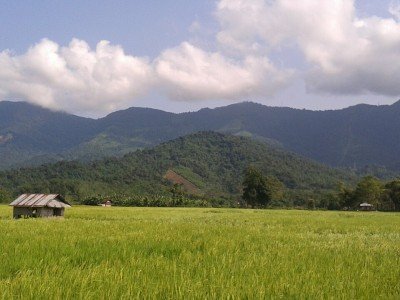 @@The Land of Pioneers: Mokokchung is often referred to as the "Land of Pioneers" because it was one of the first areas in Nagaland to embrace modern education and Christianity. This has led to a society that is both culturally rich and intellectually advanced, serving as a model for the state. @@Home of the Ao Naga: The district is the ancestral home of the Ao Naga tribe, one of the most prominent and influential tribes in the region. Their history is filled with stories of bravery, innovation, and a deep-seated love for their traditional customs and community life. @@Urban and Rural Blend: Mokokchung Town is a well-developed urban center with parks and museums, yet it is surrounded by legendary villages like Ungma and Longkhum. This balance allows visitors to enjoy modern comforts while being just minutes away from ancient tribal history. @@Agricultural Roots: Agriculture is the backbone of the local economy, and the landscape is dotted with beautiful terraced fields and tea gardens. The cycle of the seasons is celebrated through various harvest festivals that are central to the Ao identity.
 @@Historic Gateway: Dimapur serves as the primary entry point to the hills of Nagaland. This bustling city is a blend of modernity and ancient ruins that tell stories of a glorious past. Visitors often start their Naga journey here due to its connectivity. It is the most developed urban center in the state with vibrant markets. @@Kachari Kingdom: The city was once the capital of the Kachari Kingdom in the 10th century. Remnants of this era are visible in the form of megalithic structures and stone carvings. These historical sites are maintained by the Archaeological Survey of India. The ruins reflect a unique civilization that predates many modern tribes. @@Commercial Hub: Being the only city in Nagaland with an airport and railhead, it is a trade center. It connects the state with the rest of India through various supply chains and transport. The local economy thrives on traditional handicrafts and modern electronics alike. People from all over the Northeast visit for business. @@Cultural Melting Pot: The population is a diverse mix of various Naga tribes and people from other states. This diversity is reflected in the local food, languages spoken, and festivals celebrated. You can find authentic Naga cuisine alongside North Indian and Chinese dishes. It offers a warm welcome to every traveler.
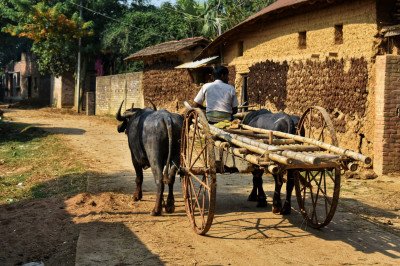 @@The Gateway to Naga Culture: Kisama Heritage Village is a specially designed model village that serves as the permanent venue for the famous Hornbill Festival. It was established by the state government to showcase the diverse traditions, architecture, and lifestyles of the 17 major Naga tribes under one roof. The village is meticulously planned to represent a traditional Naga settlement, complete with tribal Morungs and community squares. For travelers with limited time, this village provides a comprehensive overview of the entire state's cultural landscape in a single location. It is a place where the past is celebrated with modern energy and festive spirit. @@Architectural Diversity: Each of the 17 tribes has its own dedicated Morung (communal hut) within the village, built according to their specific traditional styles. These huts use natural materials like bamboo, thatch, and wood, featuring unique carvings and symbols that differentiate one tribe from another. Walking through the village is like traveling across the different districts of Nagaland, as each structure tells a story of geographic and tribal identity. The attention to detail in the construction makes it an architectural treasure trove for students and heritage lovers. It is the only place in the world where so many distinct tribal styles are concentrated. @@The Hornbill Festival Hub: While the village is open year-round, it truly comes alive during the first ten days of December during the Hornbill Festival. Thousands of domestic and international tourists flock here to witness the "Festival of Festivals," which features folk dances, indigenous games, and music. The main arena serves as a stage for spectacular performances that echo through the surrounding hills of the Barail range. During this time, the air is filled with the scent of wood-fired cooking and the sounds of traditional log drums and folk songs. It is a sensory explosion that defines the spirit of modern Nagaland. @@Historical and Educational Value: Beyond the festivities, the heritage village serves as an educational center with the World War II Museum located within its premises. This museum provides a poignant look at the Battle of Kohima and the impact of the war on the Naga people and British forces. The village also hosts a Bamboo Heritage Pavilion that showcases the incredible versatility of bamboo in Naga life, from construction to culinary arts. It is a destination that balances the joy of celebration with the gravity of history and the wisdom of indigenous knowledge. Visitors leave with a deep respect for the resilience and creativity of the Naga tribes.
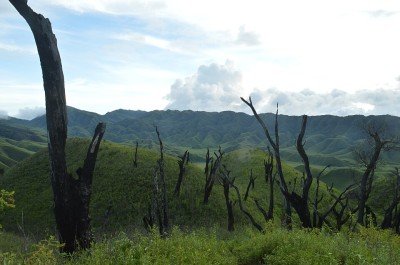 @@Ancient Settlement: Kigwema is one of the oldest villages of the Angami tribe. It is located very close to the Kisama Heritage Village, the venue for the Hornbill Festival. The village has a long history and is often visited for its cultural significance. It serves as a perfect base for exploring the capital region. @@World War II Link: The village has a historical connection to the Second World War. General Slim of the British Army had his headquarters here during the Battle of Kohima. You can still see some remnants and hear stories from the village elders. It played a vital role in the regional history. @@Traditional Architecture: The village is a living museum of Naga architecture. Many houses still feature the traditional wooden carvings and hornbill motifs. The narrow stone-paved paths give it a very old-world feel. It is a delight for those interested in tribal art and design. @@Hospitality and Culture: The people of Kigwema are known for their warm hospitality. Visitors can stay in authentic homestays and experience the daily life of the tribe. The village is active with community events and traditional rituals. It offers a deep insight into the Naga way of life.
@@Geographical Setting: Longleng is a mountainous district in northern Nagaland, known for its rugged terrain and lack of flat plains, making it a true hill station. It is perched at an altitude that often sees it shrouded in thick clouds, giving it a mystical and ethereal appearance. @@The Phom Naga Tribe: The district is primarily inhabited by the Phom Naga tribe, who are renowned for their bravery and exceptional skills in traditional arts. Their culture is deeply rooted in oral traditions and a strong community spirit that defines the local lifestyle. @@Handicrafts Hub: Known as the "District of Handicrafts," Longleng is famous for its exquisite pottery, bamboo work, and traditional hand-woven shawls. These crafts are not just products but a way of preserving the ancestral knowledge of the Phom people. @@Scenic Beauty: The landscape is dominated by the Dikhu and Yongam rivers, which flow through deep valleys and offer stunning views of the surrounding wilderness. The area remains largely untouched by commercial tourism, offering a peaceful retreat for nature enthusiasts.
@@Introduction to Peren: Peren is the headquarters of the district of the same name, a region known as the "Land of Virgin Forests." It is primarily inhabited by the Zeliang and Kuki tribes, who have a unique cultural heritage distinct from the tribes of central and northern Nagaland. The town is situated at an elevation of 1,445 meters, offering cool temperatures and breathtaking views of the lush, rolling hills. Peren serves as a gateway to some of Nagaland's most pristine wildlife sanctuaries and high mountain peaks. It is a destination that appeals to nature lovers, trekkers, and those interested in the history of Naga resistance against colonial rule. @@Nature and Wildlife: The district is home to the Ntangki National Park, one of the most significant biodiversity hotspots in Northeast India. This park is a sanctuary for rare species like the Hoolock Gibbon, the only ape found in India, along with wild buffaloes (Mithun), tigers, and hornbills. The dense rainforests of Peren are often referred to as "virgin" because of their untouched state and the community's commitment to conservation. Exploring these forests offers a sense of prehistoric beauty, with giant ferns, ancient trees, and hidden waterfalls around every corner. It is a place where nature still dictates the rhythm of life for both the wildlife and the local people. @@Historical Significance: Peren played a crucial role in the Naga resistance movements, particularly under the leadership of Rani Gaidinliu, a spiritual and political leader who fought against British rule. The caves in Puilwa village served as her hiding place and are now a site of pilgrimage and historical interest. These caves represent the resilience of the Zeliangrong people and their struggle for identity and freedom. Visiting these sites provides a deep historical context to the modern state of Nagaland and its political evolution. The district's history is a blend of tribal lore, colonial resistance, and the preservation of indigenous spiritual practices. @@Trekking and Adventure: For the adventurous traveler, Peren offers some of the best trekking routes in Nagaland, including the climb to Mount Pauna, the state's third-highest peak. The trek passes through diverse ecological zones, from dense jungles to alpine-like meadows near the summit. The views from the top are spectacular, encompassing the valleys of both Nagaland and neighboring Manipur. The district's topography, with its sharp cliffs, deep gorges, and high ridges, makes it a playground for outdoor enthusiasts. Whether it's birdwatching, mountain hiking, or exploring limestone caves, Peren provides an adrenaline-filled experience in a serene setting.
@@Ancient Settlement: Kigwema is one of the oldest villages of the Angami tribe. It is located very close to the Kisama Heritage Village, the venue for the Hornbill Festival. The village has a long history and is often visited for its cultural significance. It serves as a perfect base for exploring the capital region. @@World War II Link: The village has a historical connection to the Second World War. General Slim of the British Army had his headquarters here during the Battle of Kohima. You can still see some remnants and hear stories from the village elders. It played a vital role in the regional history. @@Traditional Architecture: The village is a living museum of Naga architecture. Many houses still feature the traditional wooden carvings and hornbill motifs. The narrow stone-paved paths give it a very old-world feel. It is a delight for those interested in tribal art and design. @@Hospitality and Culture: The people of Kigwema are known for their warm hospitality. Visitors can stay in authentic homestays and experience the daily life of the tribe. The village is active with community events and traditional rituals. It offers a deep insight into the Naga way of life.
@@Geographical Setting: Longleng is a mountainous district in northern Nagaland, known for its rugged terrain and lack of flat plains, making it a true hill station. It is perched at an altitude that often sees it shrouded in thick clouds, giving it a mystical and ethereal appearance. @@The Phom Naga Tribe: The district is primarily inhabited by the Phom Naga tribe, who are renowned for their bravery and exceptional skills in traditional arts. Their culture is deeply rooted in oral traditions and a strong community spirit that defines the local lifestyle. @@Handicrafts Hub: Known as the "District of Handicrafts," Longleng is famous for its exquisite pottery, bamboo work, and traditional hand-woven shawls. These crafts are not just products but a way of preserving the ancestral knowledge of the Phom people. @@Scenic Beauty: The landscape is dominated by the Dikhu and Yongam rivers, which flow through deep valleys and offer stunning views of the surrounding wilderness. The area remains largely untouched by commercial tourism, offering a peaceful retreat for nature enthusiasts.
@@Introduction to Peren: Peren is the headquarters of the district of the same name, a region known as the "Land of Virgin Forests." It is primarily inhabited by the Zeliang and Kuki tribes, who have a unique cultural heritage distinct from the tribes of central and northern Nagaland. The town is situated at an elevation of 1,445 meters, offering cool temperatures and breathtaking views of the lush, rolling hills. Peren serves as a gateway to some of Nagaland's most pristine wildlife sanctuaries and high mountain peaks. It is a destination that appeals to nature lovers, trekkers, and those interested in the history of Naga resistance against colonial rule. @@Nature and Wildlife: The district is home to the Ntangki National Park, one of the most significant biodiversity hotspots in Northeast India. This park is a sanctuary for rare species like the Hoolock Gibbon, the only ape found in India, along with wild buffaloes (Mithun), tigers, and hornbills. The dense rainforests of Peren are often referred to as "virgin" because of their untouched state and the community's commitment to conservation. Exploring these forests offers a sense of prehistoric beauty, with giant ferns, ancient trees, and hidden waterfalls around every corner. It is a place where nature still dictates the rhythm of life for both the wildlife and the local people. @@Historical Significance: Peren played a crucial role in the Naga resistance movements, particularly under the leadership of Rani Gaidinliu, a spiritual and political leader who fought against British rule. The caves in Puilwa village served as her hiding place and are now a site of pilgrimage and historical interest. These caves represent the resilience of the Zeliangrong people and their struggle for identity and freedom. Visiting these sites provides a deep historical context to the modern state of Nagaland and its political evolution. The district's history is a blend of tribal lore, colonial resistance, and the preservation of indigenous spiritual practices. @@Trekking and Adventure: For the adventurous traveler, Peren offers some of the best trekking routes in Nagaland, including the climb to Mount Pauna, the state's third-highest peak. The trek passes through diverse ecological zones, from dense jungles to alpine-like meadows near the summit. The views from the top are spectacular, encompassing the valleys of both Nagaland and neighboring Manipur. The district's topography, with its sharp cliffs, deep gorges, and high ridges, makes it a playground for outdoor enthusiasts. Whether it's birdwatching, mountain hiking, or exploring limestone caves, Peren provides an adrenaline-filled experience in a serene setting.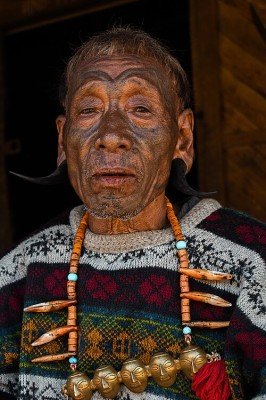 @@The Konyak Warriors: Mon is the home of the Konyak Naga tribe, famously known as the last of the headhunters. The elderly men with facial tattoos and traditional jewelry are a living testament to a fierce and fascinating warrior past. @@The Institution of Anghs: Unlike other Naga tribes, the Konyaks follow a hereditary system of kingship called Anghs. The Chief Angh of a village holds significant social and political power, often governing multiple villages across the border. @@Geographical Uniqueness: The district is located at the northeastern tip of Nagaland, bordering Myanmar. The village of Longwa is particularly unique as it literally sits on the international border, with the king's house split between two nations. @@Art and Craftsmanship: The Konyaks are master craftsmen, known for their exceptional skills in wood carving, beadwork, and even traditional gun-making. Their artistic expressions are deeply intertwined with their warrior heritage and tribal identity.Show All
@@Organic Paradise: Dzulekie is a serene village known for its commitment to environmental conservation. It is often described as a place where time stands still. The village is surrounded by lush green hills and deep valleys. It is the perfect escape for those seeking peace. @@The Dzuleke River: The village is named after the river that flows through it. This river is famous for being the habitat of the rare Rainbow Trout. The water is crystal clear and flows over smooth pebbles. It is a lifeline for the local community and wildlife. @@Bison Sanctuary: It is home to the Mithun, also known as the mountain bison, which is the state animal. The villagers take great pride in protecting these animals and their habitat. You can often see them grazing in the nearby forests. The area is a haven for biodiversity. @@Angami Heritage: The village is inhabited by the Angami tribe, known for their bravery and hospitality. The houses are built in traditional styles and reflect a deep connection with nature. Visitors can experience the authentic Naga lifestyle here. The community is small but very welcoming.
@@The Konyak Warriors: Mon is the home of the Konyak Naga tribe, famously known as the last of the headhunters. The elderly men with facial tattoos and traditional jewelry are a living testament to a fierce and fascinating warrior past. @@The Institution of Anghs: Unlike other Naga tribes, the Konyaks follow a hereditary system of kingship called Anghs. The Chief Angh of a village holds significant social and political power, often governing multiple villages across the border. @@Geographical Uniqueness: The district is located at the northeastern tip of Nagaland, bordering Myanmar. The village of Longwa is particularly unique as it literally sits on the international border, with the king's house split between two nations. @@Art and Craftsmanship: The Konyaks are master craftsmen, known for their exceptional skills in wood carving, beadwork, and even traditional gun-making. Their artistic expressions are deeply intertwined with their warrior heritage and tribal identity.Show All
@@Organic Paradise: Dzulekie is a serene village known for its commitment to environmental conservation. It is often described as a place where time stands still. The village is surrounded by lush green hills and deep valleys. It is the perfect escape for those seeking peace. @@The Dzuleke River: The village is named after the river that flows through it. This river is famous for being the habitat of the rare Rainbow Trout. The water is crystal clear and flows over smooth pebbles. It is a lifeline for the local community and wildlife. @@Bison Sanctuary: It is home to the Mithun, also known as the mountain bison, which is the state animal. The villagers take great pride in protecting these animals and their habitat. You can often see them grazing in the nearby forests. The area is a haven for biodiversity. @@Angami Heritage: The village is inhabited by the Angami tribe, known for their bravery and hospitality. The houses are built in traditional styles and reflect a deep connection with nature. Visitors can experience the authentic Naga lifestyle here. The community is small but very welcoming.Information
-
Why Famous:
Land of Festivals: Nagaland is globally famous as the "Land of Festivals" due to the unique celebrations of its 17 tribes. The most prominent event is the Hornbill Festival held every December, which showcases tribal dances and music. Every month of the year features a dif...Land of Festivals: Nagaland is globally famous as the "Land of Festivals" due to the unique celebrations of its 17 tribes. The most prominent event is the Hornbill Festival held every December, which showcases tribal dances and music. Every month of the year features a different tribal festival dedicated to agriculture and harvest. These events are a riot of colors, traditional costumes, and ancient rituals. Travelers visit to witness the vibrant communal spirit and the preservation of age-old traditions. It is a rare chance to see all the tribes of the state performing in one single venue.
Warrior Heritage: The state is famous for the history of its fierce warrior tribes, particularly the Konyaks of Mon. These tribes were once known for headhunting, a practice that ended many decades ago but remains part of their folklore. Today, the elders still bear traditional facial tattoos and wear brass skull necklaces as symbols of their past. This unique cultural history attracts anthropologists and history buffs from all over the world. The transition from a warrior society to a modern Christian community is a fascinating story. Visitors can interact with the last of the tattooed warriors in remote border villages. -
Architecture:
Traditional Naga Morungs: The Morung is a communal bachelor dormitory that serves as the center of Naga social life. These structures are built with massive wooden pillars and thatched roofs that slope steeply to the ground. They are often decorated with intricate carvings...Traditional Naga Morungs: The Morung is a communal bachelor dormitory that serves as the center of Naga social life. These structures are built with massive wooden pillars and thatched roofs that slope steeply to the ground. They are often decorated with intricate carvings of animals, warriors, and fertility symbols. The dimensions usually span 30 to 50 feet in length, providing ample space for training youth. These buildings are constructed without using a single iron nail, relying on bamboo lashings.
Naga Longhouses: Traditional family houses are elongated structures built from bamboo, wood, and palm leaves. These houses typically measure about 15 feet in width and can extend up to 60 feet in length. The front of the house is often adorned with mithun horns, signifying the wealth and status of the owner. Inside, the space is divided into a front room for visitors and a rear kitchen area. The floor is made of flattened bamboo, which stays cool during the humid summer months. The architecture reflects a deep harmony with the hilly environment and locally available forest resources. -
How To Reach:
By Air: The only airport in the state is located at Dimapur, which has direct flights from Kolkata and Guwahati. From the airport, one can take a taxi to reach Kohima, which is about 74 kilometers away. The drive takes around 3 hours through scenic winding roads. Many tou...By Air: The only airport in the state is located at Dimapur, which has direct flights from Kolkata and Guwahati. From the airport, one can take a taxi to reach Kohima, which is about 74 kilometers away. The drive takes around 3 hours through scenic winding roads. Many tourists also fly into Guwahati airport in Assam and travel to Nagaland by road or train. There are frequent flights operated by major domestic airlines. Pre-booking a taxi from the airport is recommended for a smooth journey.
By Train: Dimapur is the main railway station and is well-connected to major Indian cities like Delhi, Kolkata, and Guwahati. Many trains from Guwahati run daily, with the journey taking about 4 to 5 hours. From the railway station, shared and private taxis are readily available for onward travel to other districts. The rail network is the most economical way to reach the state. Traveling by train allows you to see the changing landscape of the lush plains of Assam. Most long-distance trains have comfortable sleeper and AC coaches.
By Road: A network of National Highways connects Nagaland with its neighboring states like Assam and Manipur. State transport buses and private luxury buses run daily between Guwahati and Kohima. The roads are mountainous and can be challenging during the rainy season. However, the drive offers breathtaking views of the forested hills and tribal villages. It is common to see local markets along the highways selling fresh organic produce. Traveling by road is the best way to soak in the natural beauty of the region.
By Local Transport: Within the state, shared taxis and sumos are the primary mode of local transport between towns. These vehicles are reliable and connect even the remotest villages to the main hubs. Local buses also operate within cities like Kohima and Dimapur, though they can be crowded. In smaller towns, walking is the best way to explore the local culture and architecture. Hiring a private cab for the entire duration of the trip offers more flexibility. Prices for local transport are regulated but can vary based on fuel costs. -
Weather and Best Time to Visit:
Winter Season: October to March is the peak season for tourism in Nagaland. The weather is dry and pleasant, with temperatures ranging from 5°C to 25°C. This is the perfect time for trekking, bird watching, and attending the Hornbill Festival. The skies are usually clea...Winter Season: October to March is the peak season for tourism in Nagaland. The weather is dry and pleasant, with temperatures ranging from 5°C to 25°C. This is the perfect time for trekking, bird watching, and attending the Hornbill Festival. The skies are usually clear, providing great visibility of the mountain peaks. It is advisable to carry heavy woolens as nights can get quite cold. This season offers the most comfortable conditions for exploring the outdoors.
Monsoon and Summer: The monsoon lasts from June to September, bringing heavy rainfall that turns the landscape emerald green. While the waterfalls are at their best, road travel can be difficult due to landslides. Summer from April to May is mild and good for seeing the blooming orchids. Morning visits are best for photography to catch the soft light on the hills. Afternoon showers are common during the transition months. Evenings are generally cool and refreshing throughout the year. -
Near Tourist Places:
1. Khonoma (20km), 2. Dzuleke (40km), 3. Dzukou Valley (25km), 4. Dimapur (74km), 5. Wokha (80km), 6. Mokokchung (145km), 7. Mon (350km), 8. Phek (120km), 9. Tuensang (230km), 10. Imphal (140km)
Tourism Tips
-
Health and Safety: Nagaland is generally very safe for tourists, but it is important to respect local tribal customs. Always carry basic medicines for motion sickness as the mountain roads have many sharp turns. Drinking bottled or boiled water is recommended to avoid stom...Health and Safety: Nagaland is generally very safe for tourists, but it is important to respect local tribal customs. Always carry basic medicines for motion sickness as the mountain roads have many sharp turns. Drinking bottled or boiled water is recommended to avoid stomach issues. It is best to avoid trekking alone in remote forest areas; always hire a local guide. The local people are very friendly and helpful to visitors. Keep emergency contact numbers and your ID permit handy at all times.
Packing Essentials: Layered clothing is essential because the temperature can drop significantly after sunset. Carry a sturdy pair of walking or trekking shoes with a good grip for the hilly terrain. A rain jacket or an umbrella is a must, even during the dry season, as mountain weather is unpredictable. Don't forget to pack a power bank since power cuts can occur in remote villages. A basic first-aid kit and insect repellent are also very useful. If you plan to camp, bring a good quality sleeping bag and a flashlight.
Accommodation Tips: There are many hotels and guest houses in Kohima and Dimapur ranging from budget to luxury. For a more authentic experience, try staying in community-run homestays in villages like Khonoma or Touphema. These homestays allow you to eat traditional food and learn about the local lifestyle. It is important to book your stay well in advance, especially during the Hornbill Festival in December. Most accommodations offer basic amenities but may not have high-speed internet in remote areas. Staying in a traditional Naga hut is a unique experience you shouldn't miss.
Reviews
FAQs
Nagaland Itineray And Cost:-
Other States In India :-
Information about New and Updated Locations() of Nagaland Has Been Added :-
Card subtitle
Note:-
Information provided here in good Faith and for reference only.
Near Places
Andaman and Nicobar Islands
Some quick example text to build on the card title and make up the bulk of the card's content.
Go somewhere
Andhra Pradesh
Some quick example text to build on the card title and make up the bulk of the card's content.
Go somewhere
Arunachal Pradesh
Some quick example text to build on the card title and make up the bulk of the card's content.
Go somewhere
Assam
Some quick example text to build on the card title and make up the bulk of the card's content.
Go somewhere
Bihar
Some quick example text to build on the card title and make up the bulk of the card's content.
Go somewhere
Chandigarh
Some quick example text to build on the card title and make up the bulk of the card's content.
Go somewhere
Chhattisgarh
Some quick example text to build on the card title and make up the bulk of the card's content.
Go somewhere
Daman and Diu
Some quick example text to build on the card title and make up the bulk of the card's content.
Go somewhere
Delhi
Some quick example text to build on the card title and make up the bulk of the card's content.
Go somewhere
Goa
Some quick example text to build on the card title and make up the bulk of the card's content.
Go somewhere
Gujarat
Some quick example text to build on the card title and make up the bulk of the card's content.
Go somewhere
Haryana
Some quick example text to build on the card title and make up the bulk of the card's content.
Go somewhere
Himachal Pradesh
Some quick example text to build on the card title and make up the bulk of the card's content.
Go somewhere
Jammu and Kashmir
Some quick example text to build on the card title and make up the bulk of the card's content.
Go somewhere
Jharkhand
Some quick example text to build on the card title and make up the bulk of the card's content.
Go somewhere
Karnataka
Some quick example text to build on the card title and make up the bulk of the card's content.
Go somewherein Other Cities