Nallur Lake
General information
-
Ideal Duration:
1-2 Hours:Place Type:
Nature, Relaxation, Picnic:Entry Fees:
No Official Entry Fees: Access to Nallur Lake is completely Free, as it is a working, community-use water body and not a commercialized tourist attraction. There are no gates or ticket counters, maintaining its open, natural accessibility.
Park...No Official Entry Fees: Access to Nallur Lake is completely Free, as it is a working, community-use water body and not a commercialized tourist attraction. There are no gates or ticket counters, maintaining its open, natural accessibility.
Parking Costs: Parking is generally Free and informal, usually on the side of the small approach road near the embankment. There are no designated, paid parking lots. This ensures the visit is highly economical.
Cost of Activities: All activities, including walking, birdwatching, and photography, are entirely Free. The only potential cost would be if a visitor buys local produce or snacks from a stray vendor near the village, which is a direct contribution to the local economy.
Donations: While not a fee, visitors might choose to leave a small, voluntary donation to a local community group or a fisherman as a token of respect, though this is entirely optional. This low-cost structure makes Nallur Lake an ideal budget-friendly destination.Timing:
Regular Timings: The lake is technically open 24 hours a day, as it's a natural public space. However, for safe and ideal visiting conditions, the recommended time is from 6 AM to 6 PM. Visiting after dark is not advised due to the remote, unlit location.Regular Timings: The lake is technically open 24 hours a day, as it's a natural public space. However, for safe and ideal visiting conditions, the recommended time is from 6 AM to 6 PM. Visiting after dark is not advised due to the remote, unlit location.
Ideal Visit Time - Early Morning and Sunset: The ideal time to visit is either at Sunrise (around 6 AM to 7:30 AM) for birdwatching and the crispest air, or at Sunset (around 5 PM to 6 PM) for the most breathtaking reflection photography and a romantic atmosphere. Both times offer the most dramatic and photogenic lighting.
Midday Heat: The time between 11 AM and 3 PM can be quite hot, especially during the summer, as there is very little natural shade around the embankment. This is the least comfortable time for a long visit.
Water Level Fluctuations: The period between October and December offers the fullest water levels and the best scenery after the monsoon, making it the most visually rewarding time within the regular timings.Special Events:
Village Fairs and Harvest Festivals: Being closely associated with an agricultural village, the area surrounding Nallur Lake is occasionally the site of small, localized village fairs (Sante) or simple, traditional harvest thanksgiving ceremonies (Habbha), particularly after...Village Fairs and Harvest Festivals: Being closely associated with an agricultural village, the area surrounding Nallur Lake is occasionally the site of small, localized village fairs (Sante) or simple, traditional harvest thanksgiving ceremonies (Habbha), particularly after the main crop harvest (around October or January). These events are highly authentic, featuring local music, traditional food, and simple rituals to thank the water and land gods for a bountiful harvest. They are often unadvertised and a truly rare cultural find.
Annual Lake Cleaning Drive: The local village and community groups sometimes organize an annual lake cleaning or de-silting drive, which is a significant community event. Visitors present during this time can participate in a truly meaningful form of responsible tourism, helping the local community maintain the health of their vital water source.Best Photo Spots:
The Main Embankment View: The top of the main earthen embankment provides the most comprehensive, unobstructed view of the entire lake and the surrounding valley, making it the best location for wide-angle landscape and panorama shots. This is the ultimate spot for sunset p...The Main Embankment View: The top of the main earthen embankment provides the most comprehensive, unobstructed view of the entire lake and the surrounding valley, making it the best location for wide-angle landscape and panorama shots. This is the ultimate spot for sunset photography.
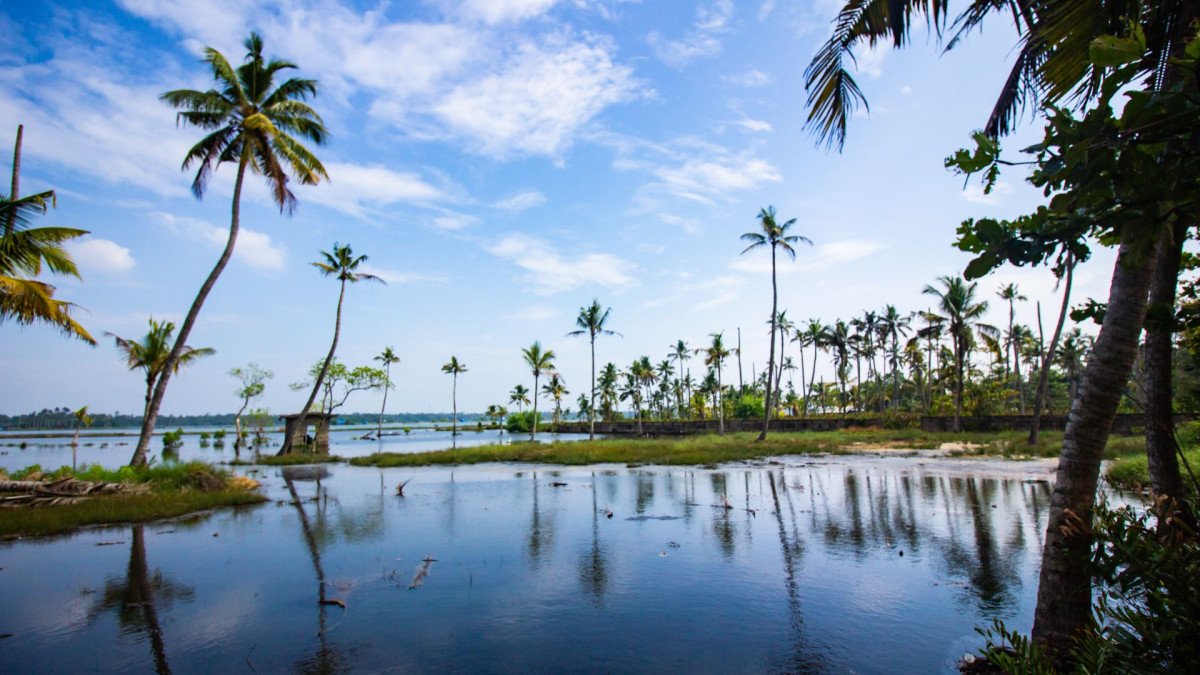
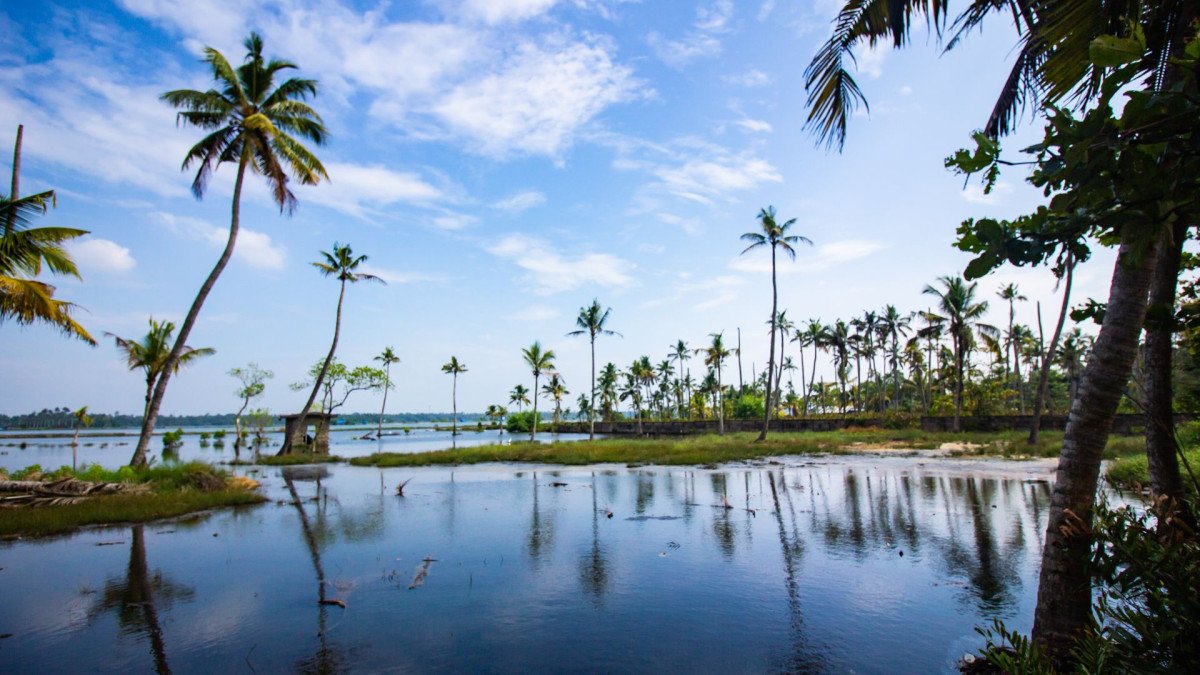
The Reflection Angle: Position yourself low near the water's edge on a calm day to capture perfect reflection shots of the sky, clouds, and distant hillocks mirrored on the water's surface, emphasizing the tranquility of the spot.
Framing with Paddy Fields: Use the foreground of the adjacent paddy fields or local groves to frame the lake in the distance, providing a rich, contextual shot that emphasizes the rural, agricultural character of the Nallur valley.
Bird's Eye View from a Small Hillock: If there is an easily accessible, small hillock nearby, climbing it can provide a slightly elevated, unique perspective to capture the lake's shape and its function within the surrounding agricultural ecosystem.Photo Gallery
Things To Do
-
Relaxation and Picnic by the Embankment: The primary activity is simply relaxing and unwinding. The broad, grassy embankment (bund) is a perfect spot to lay down a sheet, have a quiet picnic, read a book, or simply watch the water. The serene atmosphere is conducive to de-stressing and enjoying the company of family or friends without the distractions of commercial tourism. This is an ideal spot for an afternoon of quiet contemplation.
Sunset Photography and Reflection Shots: The lake is an excellent location for landscape and reflection photography, particularly during the golden hours of sunrise and sunset. Capture the stunning mirror image of the sky and the surrounding small hillocks on the calm water surface. The lack of obstructions ensures clear, crisp shots of the horizon and the colors of the setting sun, making it ...
Information
-
Why Famous:
Authentic Rural Tranquility: Nallur Lake is primarily famous locally and gaining recognition among tourists for its authentic, non-commercialized tranquility, a stark contrast to the busy, crowded hotspots like Mullayanagiri. It offers a genuine slice of quiet, rural Malnad...Authentic Rural Tranquility: Nallur Lake is primarily famous locally and gaining recognition among tourists for its authentic, non-commercialized tranquility, a stark contrast to the busy, crowded hotspots like Mullayanagiri. It offers a genuine slice of quiet, rural Malnad life. The calm water, surrounded by agricultural fields and gentle hillocks, provides a deeply peaceful atmosphere, making it a favorite retreat for those seeking solace and a break from the standard tourist circuit noise.
Birdwatching and Local Ecosystem: The lake's ecosystem makes it a famous local spot for birdwatching. It acts as a vital water source, attracting a variety of resident and migratory waterfowl, especially during the winter. This natural feature draws ornithology enthusiasts and nature photographers seeking a quiet place to observe the regional birdlife in their natural habitat, making it an ecological interest point, an aspect of fame often overshadowed by the mountain treks.
Spectacular Sunset and Reflection: The open environment and calm, reflective water surface are famous for producing spectacular sunset views. As the sun dips behind the surrounding small hills, its colors are perfectly mirrored on the lake's surface, creating a stunning visual effect that is highly popular among local couples and photographers. The lack of large structures around the lake ensures an unhindered view of the horizon. -
Architecture:
Embankment and Bund Architecture: As a man-made irrigation reservoir, the primary architectural element of Nallur Lake is its strong, utilitarian earthen or stone-reinforced embankment (or bund). This structure is designed to hold back the water and create the reservoir. T...Embankment and Bund Architecture: As a man-made irrigation reservoir, the primary architectural element of Nallur Lake is its strong, utilitarian earthen or stone-reinforced embankment (or bund). This structure is designed to hold back the water and create the reservoir. The bund is typically built using locally sourced soil and rock, featuring a broad top that often serves as a pathway for walking and viewing. The dimensions of the bund are functional, designed to manage the water pressure of the full tank level, and can span several hundred meters in length, with a height of around 5 to 10 meters. The visible architecture is simple, functional, and built on sound hydrological engineering principles.
Stone Steps and Inlet/Outlet Structures: The lake features basic, unadorned stone steps leading down to the water's edge in certain spots, designed for easy water access for locals, fishermen, and animals. The visible structures related to the lake's function are the inlet channels (to feed the water) and the sluice gates (or outlet structures) that control the water flow for irrigation. These are simple masonry or concrete structures, typically box-culvert or pipe outlets, built with robust, plain concrete to ensure longevity and minimal maintenance. The entire design is one of minimalist, functional, village-level hydraulic architecture, contrasting with the ornate temple structures of the region. -
How To Reach:
By Air to Nallur Lake: The nearest airport is Mangalore International Airport (IXE), approximately 180 KMS away, or Bangalore (BLR), about 240 KMS away. From either airport, the most reliable transport is a private or prepaid taxi directly to Nallur Lake via the NH 75 route... -
Near Tourist Places:
Chikmagalur City Center: (Approx. 30 KMS) - For shopping, dining, and major accommodation.
Halebidu Temples: (Approx. 45 KMS) - Famous Hoysala architectural marvels.
Yagachi Dam & Water Sports: (Approx. 35 KMS) - Adventure sports complex near Belur.
Belur Chennakeshava Temple: (Approx. 40 KMS) - Intricately carved temple complex.
Ayyanakere Lake: (Approx. 55 KMS) - Larger, historical lake further north.
Aldur Shooting Point: (Approx. 30 KMS) - A popular scenic viewpoint.
Mullayanagiri Peak: (Approx. 50 KMS) - Highest peak in Karnataka.
Hirekolale Lake: (Approx. 40 KMS) - Closer, more commercialized lake.
Kadur Town: (Approx. 45 KMS) - Major railway junction.
Bhadra Wildlife Sanctuary: (Approx. 50 KMS) - Reserve for wildlife sightings.
Tourism Tips
-
Health & Safety - Lack of Facilities: As a non-commercial site, there are no lifeguards, formal fences, or public restrooms. Be highly cautious near the water's edge, as the ground can be soft, slippery, or steep; Swimming is strongly discouraged due to unseen currents or ...
Reviews
Chikmagalur Itineray And Cost:-
Information about New and Updated Locations() of Karnataka Has Been Added :-
Card subtitle
Note:-
Information provided here in good Faith and for reference only.
All information and pictures will be updated soon, please keep visiting.
Near Places
Ayyanakere Lake
Some quick example text to build on the card title and make up the bulk of the card's content.
Go somewhere
Baba Budangiri/Dattatreya Peetha
Some quick example text to build on the card title and make up the bulk of the card's content.
Go somewhere
Ballalarayana Durga Fort
Some quick example text to build on the card title and make up the bulk of the card's content.
Go somewhere
Bhadra Wildlife Sanctuary
Some quick example text to build on the card title and make up the bulk of the card's content.
Go somewhere
Coffee Museum Chikmagalur
Some quick example text to build on the card title and make up the bulk of the card's content.
Go somewhere
Dabdabe Falls
Some quick example text to build on the card title and make up the bulk of the card's content.
Go somewhere
Dantaramakki Lake
Some quick example text to build on the card title and make up the bulk of the card's content.
Go somewhere
Gadaikallu View Point
Some quick example text to build on the card title and make up the bulk of the card's content.
Go somewhere
Hebbe Falls
Some quick example text to build on the card title and make up the bulk of the card's content.
Go somewhere
Hirekolale Lake
Some quick example text to build on the card title and make up the bulk of the card's content.
Go somewherein Other Cities