




Namchi
General information
-
Ideal Duration:
1 DayPlace Type:
TownSpecial Events:
Namchi Mahotsav: A cultural festival held in October featuring traditional music and food.
Flower Show: An annual event in February showcasing exotic orchids. ...Namchi Mahotsav: A cultural festival held in October featuring traditional music and food.
Flower Show: An annual event in February showcasing exotic orchids.Best Photo Spots:
Photo Gallery


Things To Do
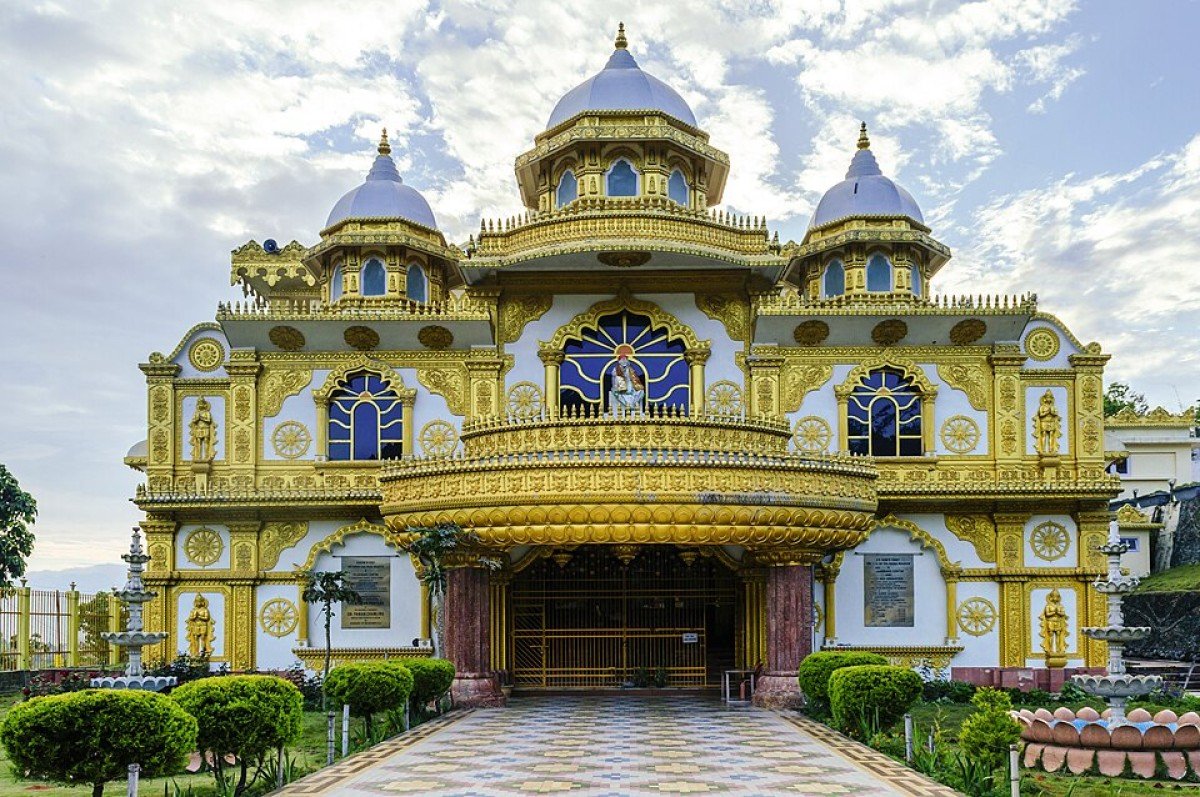
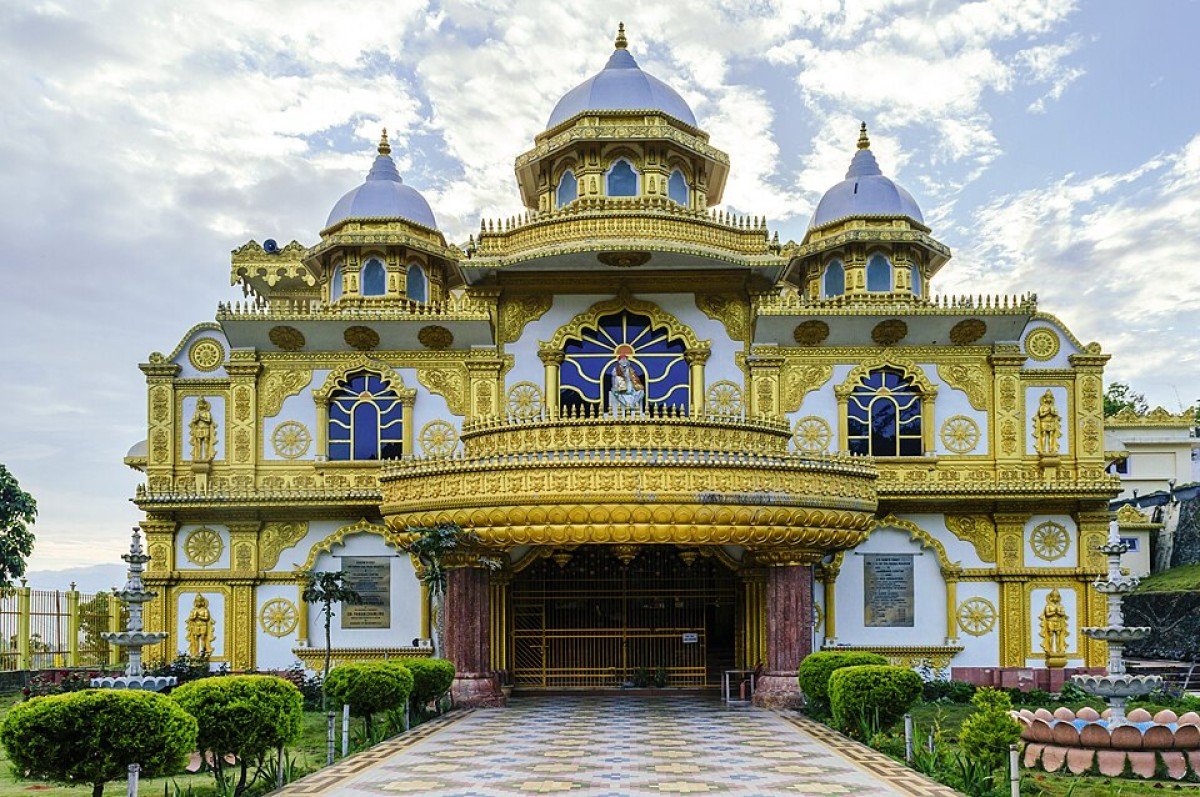
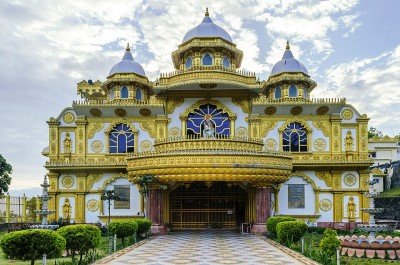 @@Temple Dedication: The Sai Mandir in Namchi is a magnificent Hindu temple dedicated to the revered saint Shirdi Sai Baba. It was inaugurated in November 2010 and has since become a significant pilgrimage and tourist site in South Sikkim. @@Architectural Splendor: The temple is a grand, two-storied structure that stands out with its modern, aesthetically pleasing design, featuring intricate carvings, marble work, and gold-accented exteriors. It is set against a beautiful backdrop of rolling green hills, enhancing its spiritual ambiance. @@The Inner Sanctum: The temple's upper floor houses a beautiful marble statue of Shirdi Sai Baba on an elevated platform, which is the main deity. The walls and ceiling are adorned with artistic depictions and religious motifs, creating a serene and awe-inspiring atmosphere. @@Other Deities: In addition to Sai Baba, the temple complex often houses smaller shrines or statues dedicated to other Hindu deities, including Lord Shiva and his family, promoting a sense of syncretism and universal faith. The ground floor is often used as a large prayer hall for devotees.
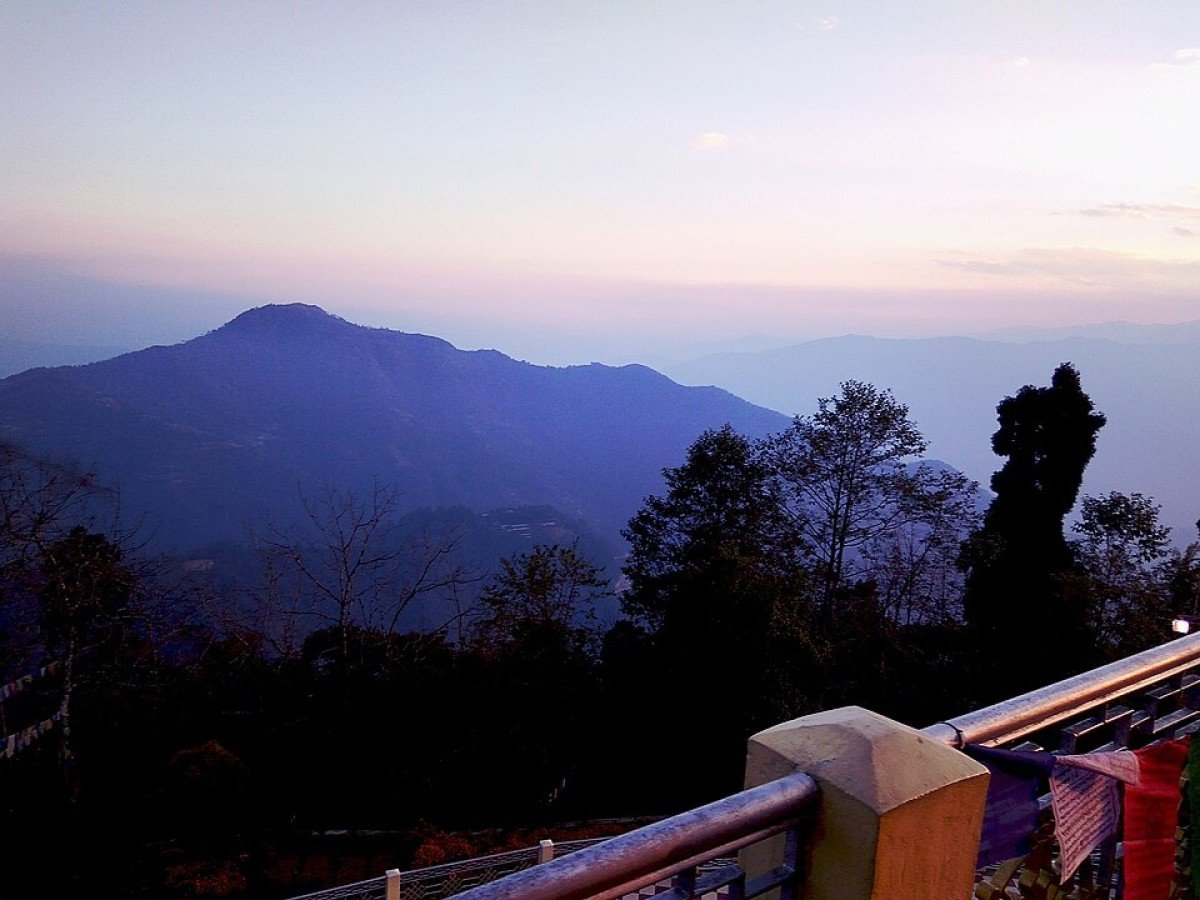
 The Baichung Statue is an honorary sculpture dedicated to the legendary Indian footballer Bhaichung Bhutia, who hails from Sikkim. It stands as a proud symbol for the state and an inspiration for aspiring athletes nationwide. The monument is situated in a well-maintained, serene park area, often referred to locally as a viewing point, due to its elevation offering panoramic vistas of the surrounding green hills and, on clear days, parts of the mighty Khangchendzonga range. It commemorates his immense contributions to Indian football, being the first Indian to play in a European league. The statue’s location in Namchi, the cultural and administrative hub of South Sikkim, integrates sports recognition with the region's spiritual and natural tourist attractions, making it a compulsory stop for tourists and sports enthusiasts alike. Its strategic placement allows visitors to reflect on the legacy of a local hero while enjoying the tranquil mountain environment. The site is often bustling with locals and tourists paying homage and enjoying the peaceful ambience.
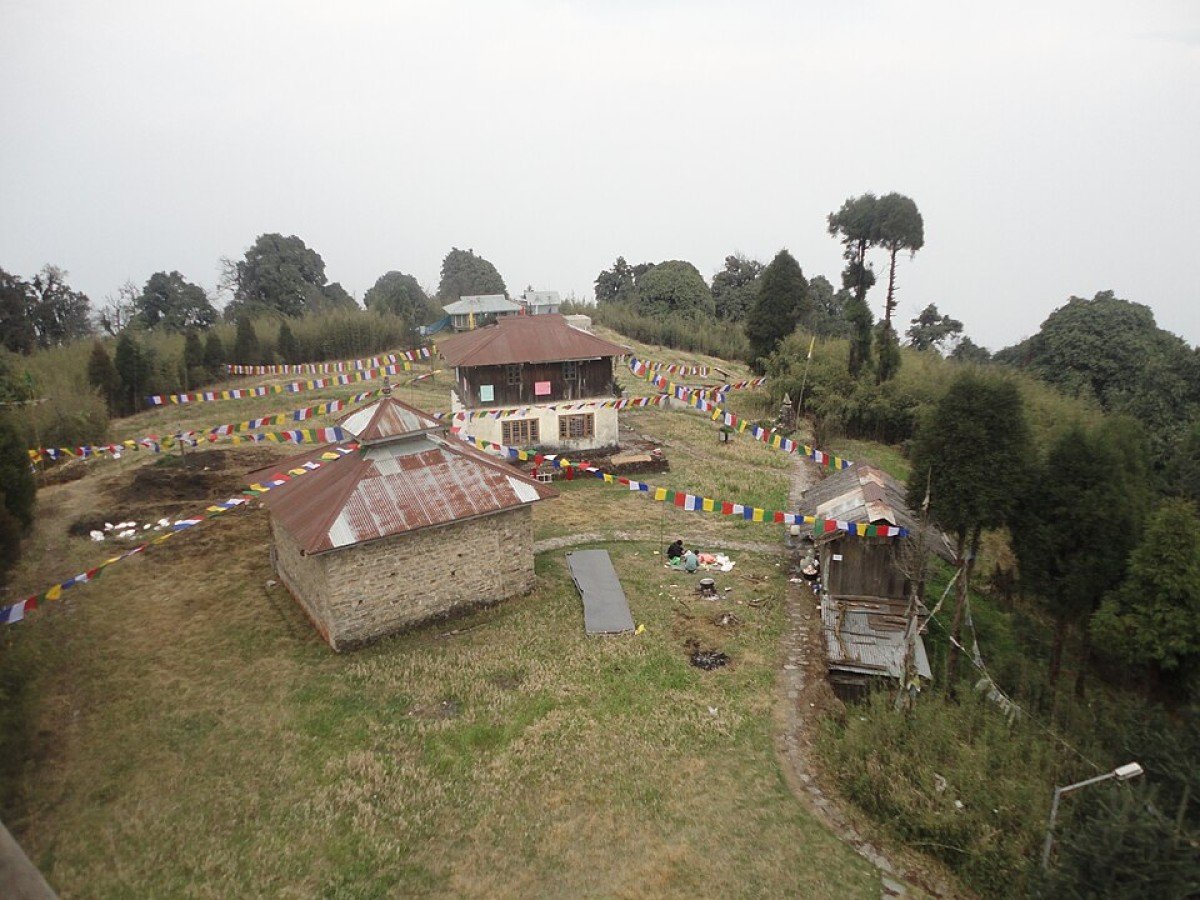
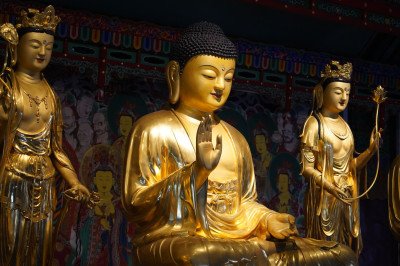 The Bon Monastery, also known as Kagyu Thekchen Ling or Yungdrung Bon Monastic Center, is a significant religious landmark situated in the serene village of Kewzing. This monastery is uniquely prominent because it belongs to the Bon faith, a spiritual tradition that flourished in Tibet long before the advent of Buddhism in the 7th century. Unlike many other religious sites in the region, this is one of only two Bon monasteries in India, with the other being in Himachal Pradesh. Established in the late 1980s by the late Yungdrung Tsultrim, the monastery serves as a vital center for preserving the ancient Bonpo culture and teachings. The environment surrounding the monastery is incredibly tranquil, characterized by lush green forests and a panoramic view of the Himalayan peaks. Inside, the atmosphere is heavy with the scent of incense and the rhythmic sound of chanting, providing a deep sense of spiritual rejuvenation. The monastery is home to several young monks who study the ancient scriptures and maintain the daily rituals of the Bon tradition. Visitors often find the experience here to be more intimate and less commercialized compared to larger tourist hubs. The path leading to the monastery is dotted with colorful prayer flags that flutter in the mountain breeze, symbolizing the spread of peace and compassion. The spiritual energy of the site is palpable, especially during the morning and evening prayer sessions when the monks gather in the main hall. Exploring this site offers a rare glimpse into a lineage that has influenced many aspects of modern Tibetan Buddhism, including the use of prayer flags and incense. For those seeking a quiet retreat away from the crowds of Namchi, this monastery provides the perfect sanctuary for meditation and reflection. The surrounding hills of Kewzing add to the charm, making it a must-visit for history buffs and spiritual seekers alike.
 @@Overview and Spiritual Significance: Sharchog Bey Phug, meaning 'The Hidden Cave in the East', is one of the four cardinal sacred caves (Phug Chen Zhi) in Sikkim, all surrounding the spiritual hub of Tashiding. It is profoundly revered by the Buddhist community as a site blessed and meditated upon by Guru Rinpoche (Padmasambhava) in the 8th century AD. According to the sacred text Denjong Nye-yig, a visit to this cave, traditionally the first in the clockwise pilgrimage of the four caves, is believed to fulfill one's wishes and cleanse one of sins. The cave is part of the larger network of natural, holy sanctuaries in the region, embodying the hidden and pristine nature of Sikkim's spiritual landscape. Its location near Rabongla in South Sikkim makes it a significant pilgrimage destination, often known locally as Sangmo Ney. The vast cavern is said to extend for a quarter of a mile, with legendary connections to Mt. Tendong and Maenam Hill. This cave marks the beginning of the spiritual journey, symbolizing the opening of the path to the sacred land of Bayul Demajong, and its importance is akin to the Char Dhams for Hindus.:
The Maenam Wildlife Sanctuary, established in 1969, covers an area of approximately 36.34 sq. km and ranges in altitude from 2,300 meters to 3,263 meters (about 10,600 ft), making it a mid-to-high altitude temperate forest ecosystem. Its name, "Maenam-la," literally translates to "treasure-house of medicines" in local language, owing to its rich assortment of medicinal plants and herbs. The sanctuary is a critical watershed area for both the Teesta and Rangit rivers and is home to high-altitude Himalayan fauna, including the endangered Red Panda, Goral, Serow, Barking Deer, Leopard-Cat, and numerous bird species like the Blood Pheasant and Common Hill Partridge. The sanctuary is most famous as the starting point for the challenging trek to the Maenam Peak and the historical Maenam Gompa (Monastery) at the summit.
@@Overview and Spiritual Significance: Sharchog Bey Phug, meaning 'The Hidden Cave in the East', is one of the four cardinal sacred caves (Phug Chen Zhi) in Sikkim, all surrounding the spiritual hub of Tashiding. It is profoundly revered by the Buddhist community as a site blessed and meditated upon by Guru Rinpoche (Padmasambhava) in the 8th century AD. According to the sacred text Denjong Nye-yig, a visit to this cave, traditionally the first in the clockwise pilgrimage of the four caves, is believed to fulfill one's wishes and cleanse one of sins. The cave is part of the larger network of natural, holy sanctuaries in the region, embodying the hidden and pristine nature of Sikkim's spiritual landscape. Its location near Rabongla in South Sikkim makes it a significant pilgrimage destination, often known locally as Sangmo Ney. The vast cavern is said to extend for a quarter of a mile, with legendary connections to Mt. Tendong and Maenam Hill. This cave marks the beginning of the spiritual journey, symbolizing the opening of the path to the sacred land of Bayul Demajong, and its importance is akin to the Char Dhams for Hindus.:
The Maenam Wildlife Sanctuary, established in 1969, covers an area of approximately 36.34 sq. km and ranges in altitude from 2,300 meters to 3,263 meters (about 10,600 ft), making it a mid-to-high altitude temperate forest ecosystem. Its name, "Maenam-la," literally translates to "treasure-house of medicines" in local language, owing to its rich assortment of medicinal plants and herbs. The sanctuary is a critical watershed area for both the Teesta and Rangit rivers and is home to high-altitude Himalayan fauna, including the endangered Red Panda, Goral, Serow, Barking Deer, Leopard-Cat, and numerous bird species like the Blood Pheasant and Common Hill Partridge. The sanctuary is most famous as the starting point for the challenging trek to the Maenam Peak and the historical Maenam Gompa (Monastery) at the summit.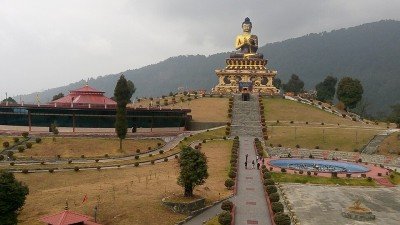 @@Historical Foundation: Ngadak Monastery, also known as Ngadak Gonpa, is one of the oldest monasteries in Sikkim, dating back to the 17th century. It was originally built as a palace for the Queen Peden Ongmu during the reign of Chogyal Gyurmed Namgyal, before being converted into a monastery after a tragic event. @@Name and Legend: The name 'Ngadak' is derived from a Bhutia word meaning 'promise'. Legend holds that every visitor to the monastery must make a promise to visit the place again, ensuring its continued spiritual relevance and visitation over centuries. @@Spiritual Significance: It belongs to the Nyingma sect of Tibetan Buddhism, which is the oldest and most ancient order. The serene and peaceful environment makes it an ideal spot for meditation and reflection, offering a deep insight into the Buddhist culture of Sikkim. @@Restoration and New Structure: The original structure suffered damage in the 17th-century earthquake and subsequent decay. A newer, parallel monastery building has been constructed recently to preserve the tradition and house the monks, maintaining its spiritual and cultural heritage.
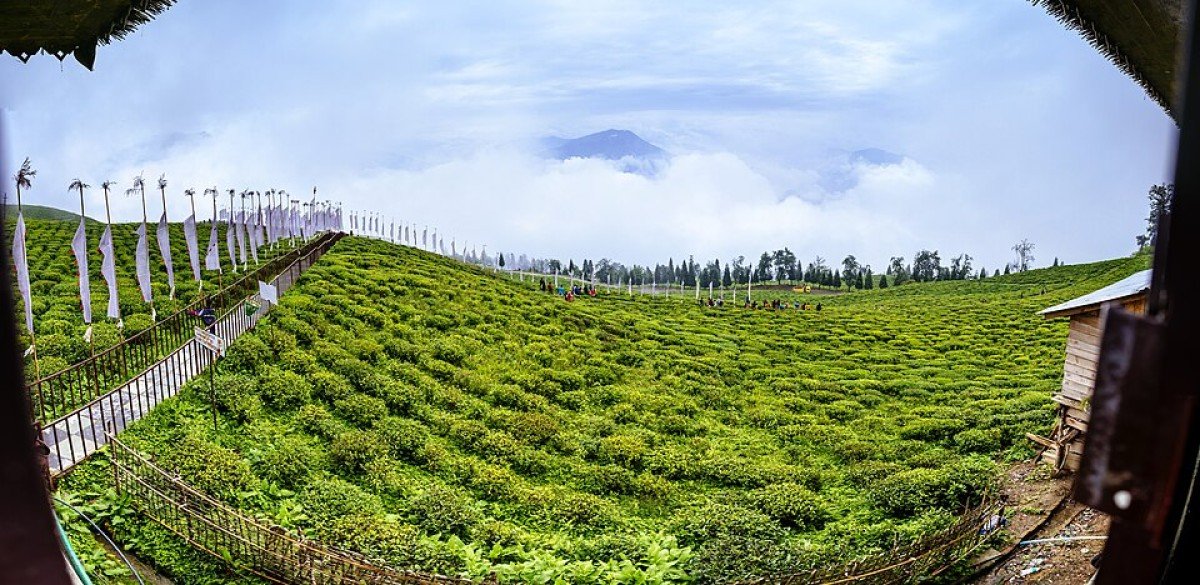
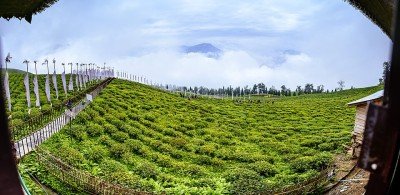 @@Overview and History: Temi Tea Garden is the only tea estate in Sikkim, spread across a gentle hill slope descending from Tendong Hill. Established in 1969 by the Government of Sikkim, it is globally renowned for producing some of the finest quality organic tea. The tea produced here is of exceptionally high quality, competing with the best international brands, and is often exported. The estate follows strict organic farming practices and is a model for sustainable agriculture in the region. The garden covers a large area, offering a magnificent, expansive, and highly photogenic view of the terraced tea plantations, surrounding villages, and the distant mountains. A visit provides a tranquil experience, combining natural beauty with an insight into the processes of tea cultivation and manufacturing. The estate also features an old British-era bungalow and a modern factory where visitors can witness the tea processing firsthand and sample the exquisite Temi Tea. It is a crucial landmark for the state's economy and tourism. The surrounding area is also famous for its vibrant cherry blossoms in late Autumn.:Show All
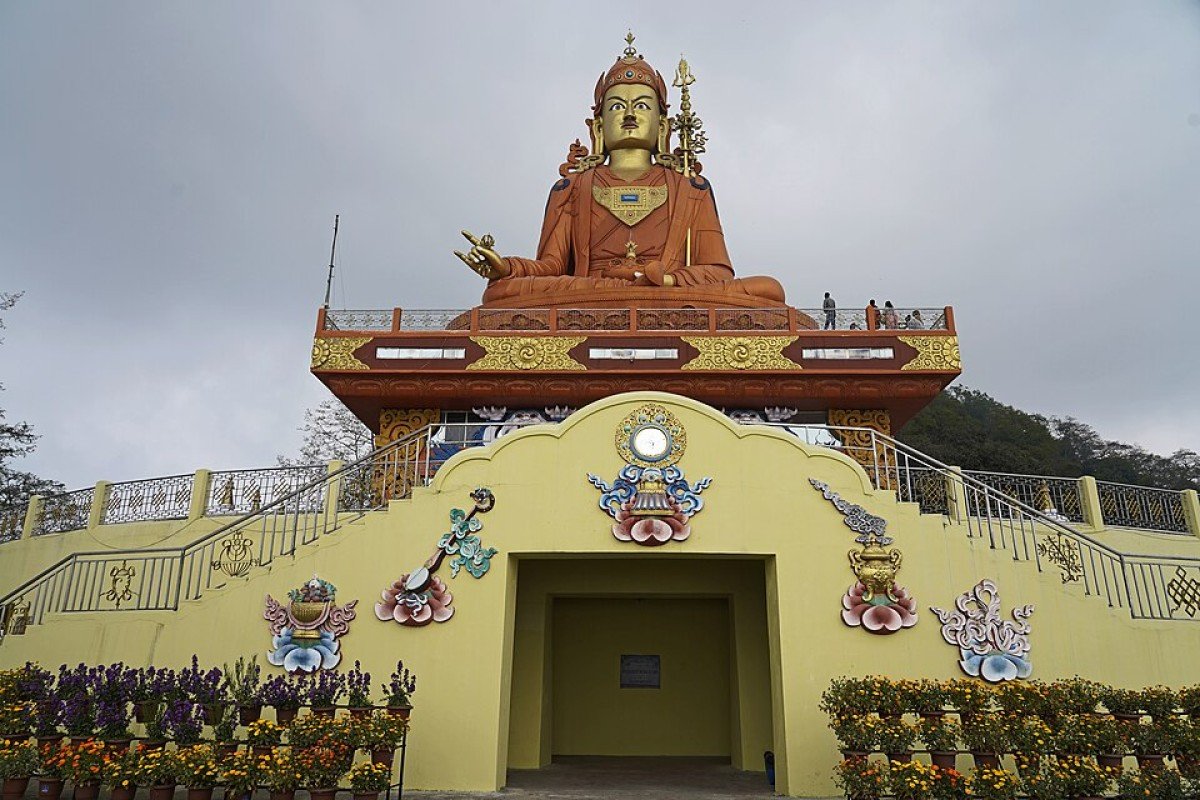
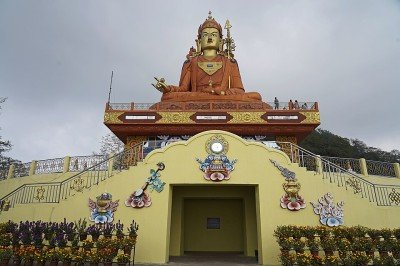 @@Iconic Statue: Samdruptse Hill, translating to the 'Wish-Fulfilling Hill' in Bhutia, is the site of the world's tallest statue of Guru Padmasambhava (also known as Guru Rinpoche), who is considered the patron saint of Sikkim and a major figure in Vajrayana Buddhism. The statue stands at a majestic 135 feet (41 meters) high. @@Spiritual Legend: Local belief holds that the hill itself is a dormant volcano, and the presence of the colossal statue and continuous prayers are necessary to keep the volcano from erupting, adding a mythical and spiritual layer to the site. @@Panoramic Vista: The hilltop offers one of the most magnificent and expansive 360-degree panoramic views in Namchi, encompassing the entire town, the rolling hills, parts of Darjeeling and Kalimpong, and the majestic snow-capped Mt. Khangchendzonga. @@Complex Features: The site includes a beautifully maintained garden, a small prayer hall at the base of the statue, and a gallery/archive displaying vintage photographs and history of Sikkim and the statue's construction, offering cultural and historical context.
Information
-
Why Famous:
Char Dham: A unique destination that brings together the four major Hindu pilgrimages in one campus.
Guru Padmasambhava: Home to the world's tallest statue of the patron saint of Sikkim. ...Char Dham: A unique destination that brings together the four major Hindu pilgrimages in one campus.
Guru Padmasambhava: Home to the world's tallest statue of the patron saint of Sikkim. -
Architecture:
Grand Monuments: Siddheshwar Dham (Char Dham) features a 108-foot statue of Lord Shiva. The temple complex spans over 7 acres of land. The architecture is a mix of various Indian temple styles, including Dravidian and Nagara.
Samdruptse: T...Grand Monuments: Siddheshwar Dham (Char Dham) features a 108-foot statue of Lord Shiva. The temple complex spans over 7 acres of land. The architecture is a mix of various Indian temple styles, including Dravidian and Nagara.
Samdruptse: The statue platform is massive, with a diameter of over 50 feet. It is an engineering marvel designed to withstand earthquakes. -
-
Weather and Best Time to Visit:
-
Near Tourist Places:
Temi Tea Garden (18 km), Ravangla (26 km), Jorethang (20 km).
Tourism Tips
-
Dress Code: Respectful clothing is required at the religious sites.
Walking: Wear comfortable shoes as there is a lot of walking involved in the temple complexes. ...Dress Code: Respectful clothing is required at the religious sites.
Walking: Wear comfortable shoes as there is a lot of walking involved in the temple complexes.
Reviews
FAQs
Namchi Itineray And Cost:-
Other Places In Sikkim :-
Other States In India :-
Information about New and Updated Locations() of Sikkim Has Been Added :-
Card subtitle
Note:-
Information provided here in good Faith and for reference only.
Near Places
Chungthang
Some quick example text to build on the card title and make up the bulk of the card's content.
Go somewhere
Gangtok
Some quick example text to build on the card title and make up the bulk of the card's content.
Go somewhere
Geyzing
Some quick example text to build on the card title and make up the bulk of the card's content.
Go somewhere
Jorethang
Some quick example text to build on the card title and make up the bulk of the card's content.
Go somewhere
Lachen
Some quick example text to build on the card title and make up the bulk of the card's content.
Go somewhere
Lachung
Some quick example text to build on the card title and make up the bulk of the card's content.
Go somewhere
Mangan
Some quick example text to build on the card title and make up the bulk of the card's content.
Go somewhere
Namchi
Some quick example text to build on the card title and make up the bulk of the card's content.
Go somewhere
Pakyong
Some quick example text to build on the card title and make up the bulk of the card's content.
Go somewhere
Pelling
Some quick example text to build on the card title and make up the bulk of the card's content.
Go somewhere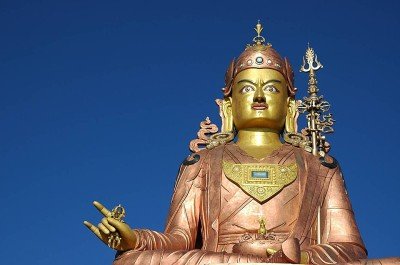
Ravangla
Some quick example text to build on the card title and make up the bulk of the card's content.
Go somewhere
Rumtek
Some quick example text to build on the card title and make up the bulk of the card's content.
Go somewhere
Singtam
Some quick example text to build on the card title and make up the bulk of the card's content.
Go somewhere
Soreng
Some quick example text to build on the card title and make up the bulk of the card's content.
Go somewhere
Yuksom
Some quick example text to build on the card title and make up the bulk of the card's content.
Go somewhere
Zuluk
Some quick example text to build on the card title and make up the bulk of the card's content.
Go somewherein Other Cities