
...

Place To Visit And Things To Do In Namchi

Sikkim, India
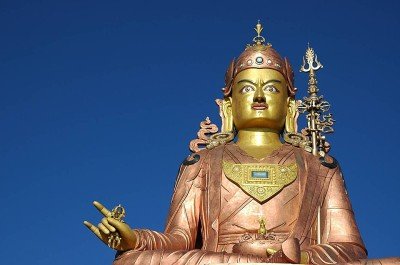
Religious Grandeur: Namchi is the cultural and religious capital of South Sikkim. It is famous for housing massive replicas of the four most sacred Hindu dhams, all in one place at Siddheshwar Dham. The town is beautifully landscaped and feels more developed and organized compared to the rugged nort h. It is a major pilgrimage site for people from all over India. The Statue of Prosperity: The town is overlooked by the gigantic 118-foot statue of Guru Padmasambhava on Samdruptse Hill. This statue is covered in gold and is visible from many kilometers away. It represents the spiritual protection of the state. The hill itself is known as the "Wish Fulfilling Hill" in local lore. Flower Power: Namchi is known for its annual flower shows and the beautifully maintained Rock Garden. The town is adorned with colorful blooms throughout the year, making it a visual delight. The local government has invested heavily in tourism infrastructure, making it very visitor-friendly. Tea Heritage: Being close to the Temi Tea Garden, the town is a center for tea culture in Sikkim. The rolling hills of tea bushes create a serene backdrop for the town. Visitors can enjoy some of the world's best organic tea while looking out at the mountains. It is a place of peace, piety, and natural beauty.

Things To Do

Card image cap
Baichung Statue

The Baichung Statue is an honorary sculpture dedicated to the legendary Indian footballer Bhaichung Bhutia, who hails from Sikkim. It stands as a prou...

The Baichung Statue is an honorary sculpture dedicated to the legendary Indian footballer Bhaichung Bhutia, who hails from Sikkim. It stands as a proud symbol for the state and an inspiration for aspiring athletes nationwide. The monument is situated in a well-maintained, serene park area, often referred to locally as a viewing point, due to its elevation offering panoramic vistas of the surrounding green hills and, on clear days, parts of the mighty Khangchendzonga range. It commemorates his immense contributions to Indian football, being the first Indian to play in a European league. The statue’s location in Namchi, the cultural and administrative hub of South Sikkim, integrates sports recognition with the region's spiritual and natural tourist attractions, making it a compulsory stop for tourists and sports enthusiasts alike. Its strategic placement allows visitors to reflect on the legacy of a local hero while enjoying the tranquil mountain environment. The site is often bustling with locals and tourists paying homage and enjoying the peaceful ambience.
Card image cap
Bhaichung Stadium

The Bhaichung Stadium, officially the Bhaichung Bhutia Football Stadium, is a significant sports venue in Namchi, named after the legendary local foot...
The Bhaichung Stadium, officially the Bhaichung Bhutia Football Stadium, is a significant sports venue in Namchi, named after the legendary local footballer, Bhaichung Bhutia. Opened and later renovated, the stadium primarily serves as a high-altitude training ground and the main venue for football events in South Sikkim. It features an artificial turf pitch and has a capacity ranging from 7,500 to 15,000 spectators, making it one of the most prominent stadiums in the Northeast. Beyond hosting local leagues and training camps, it is famous for holding the prestigious 'Governor's Gold Cup' football tournament, which attracts teams from different Indian states and neighboring countries like Nepal, Bangladesh, and Bhutan. The stadium's location provides a stunning natural backdrop of forested hills and the Himalayan peaks, enhancing the experience of watching or playing football.
Card image cap
Bon Monastery

The Bon Monastery, also known as Kagyu Thekchen Ling or Yungdrung Bon Monastic Center, is a significant religious landmark situated in the serene vill...

The Bon Monastery, also known as Kagyu Thekchen Ling or Yungdrung Bon Monastic Center, is a significant religious landmark situated in the serene village of Kewzing. This monastery is uniquely prominent because it belongs to the Bon faith, a spiritual tradition that flourished in Tibet long before the advent of Buddhism in the 7th century. Unlike many other religious sites in the region, this is one of only two Bon monasteries in India, with the other being in Himachal Pradesh. Established in the late 1980s by the late Yungdrung Tsultrim, the monastery serves as a vital center for preserving the ancient Bonpo culture and teachings. The environment surrounding the monastery is incredibly tranquil, characterized by lush green forests and a panoramic view of the Himalayan peaks. Inside, the atmosphere is heavy with the scent of incense and the rhythmic sound of chanting, providing a deep sense of spiritual rejuvenation. The monastery is home to several young monks who study the ancient scriptures and maintain the daily rituals of the Bon tradition. Visitors often find the experience here to be more intimate and less commercialized compared to larger tourist hubs. The path leading to the monastery is dotted with colorful prayer flags that flutter in the mountain breeze, symbolizing the spread of peace and compassion. The spiritual energy of the site is palpable, especially during the morning and evening prayer sessions when the monks gather in the main hall. Exploring this site offers a rare glimpse into a lineage that has influenced many aspects of modern Tibetan Buddhism, including the use of prayer flags and incense. For those seeking a quiet retreat away from the crowds of Namchi, this monastery provides the perfect sanctuary for meditation and reflection. The surrounding hills of Kewzing add to the charm, making it a must-visit for history buffs and spiritual seekers alike.
Card image cap
Kitam Bird Sanctuary

The Kitam Bird Sanctuary is the sole bird sanctuary in Sikkim, established in 2005, covering an area of approximately 6 sq. km. It is a unique ecologi...

The Kitam Bird Sanctuary is the sole bird sanctuary in Sikkim, established in 2005, covering an area of approximately 6 sq. km. It is a unique ecological pocket as it lies at a much lower altitude (ranging from 1,200 ft to 3,200 ft) compared to most of the state, making its forest type predominantly sub-tropical with abundant Sal, Chir, and Pine trees. This altitudinal range and habitat diversity make it a haven for over 200 species of birds, including residents and migratory visitors, such as the Rufous-necked Hornbill, Chestnut-breasted Partridge, and various types of Wren-Babblers. The sanctuary is also a hotspot for vibrant butterflies and is flanked by two rivers, the River Rangit and the Manpur River, offering tranquil riverside walks and opportunities for angling. The nearby villages of Sumbuk and Kitam provide a glimpse into traditional rural Sikkimese life and culture.
Card image cap
Maenam Wildlife Sanctuary

The Maenam Wildlife Sanctuary, established in 1969, covers an area of approximately 36.34 sq. km and ranges in altitude from 2,300 meters to 3,263 met...

The Maenam Wildlife Sanctuary, established in 1969, covers an area of approximately 36.34 sq. km and ranges in altitude from 2,300 meters to 3,263 meters (about 10,600 ft), making it a mid-to-high altitude temperate forest ecosystem. Its name, "Maenam-la," literally translates to "treasure-house of medicines" in local language, owing to its rich assortment of medicinal plants and herbs. The sanctuary is a critical watershed area for both the Teesta and Rangit rivers and is home to high-altitude Himalayan fauna, including the endangered Red Panda, Goral, Serow, Barking Deer, Leopard-Cat, and numerous bird species like the Blood Pheasant and Common Hill Partridge. The sanctuary is most famous as the starting point for the challenging trek to the Maenam Peak and the historical Maenam Gompa (Monastery) at the summit.
Card image cap
Namchi Central Park

Namchi Central Park is a beautifully designed, well-maintained urban park located directly in the center of the town’s bustling market area. It serv...
Namchi Central Park is a beautifully designed, well-maintained urban park located directly in the center of the town’s bustling market area. It serves as the commercial and social nexus of Namchi, providing a tranquil green space amidst the concrete development. The park features paved floors, well-manicured gardens, vibrant floral displays (especially during blooming seasons), comfortable seating areas, and a central water feature or fountain. More than just a park, it is surrounded by the main market, shops, cafes, banks, and all essential amenities, making it a critical hub for both locals and tourists. On clear days, the park's central location also provides framed views of the surrounding hills and, occasionally, the imposing Mt. Khangchendzonga. It is the ideal place for a leisurely stroll, people-watching, or simply a quick rest during a day of sightseeing or shopping.
Card image cap
Namchi Ropeway

@@Ropeway Overview: The Namchi Ropeway is a modern aerial lift connecting a lower point near the Rock Garden to the summit of Samdruptse Hill. The rid...
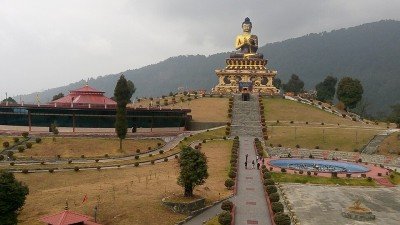
@@Ropeway Overview: The Namchi Ropeway is a modern aerial lift connecting a lower point near the Rock Garden to the summit of Samdruptse Hill. The ride spans about 1.5 kilometers and offers a breathtaking 10-15 minute journey across the valley, providing stunning panoramic views. The journey is often described as an exhilarating way to merge sightseeing with adventure, eliminating the uphill drive to the statue. @@Scenic Experience: It provides unparalleled views of the terraced fields, the distant Kanchenjunga mountain range, the serpentine Rangit River valley, and the cityscape of Namchi. The gentle sway of the cabin offers a serene yet thrilling perspective. It is a vital piece of tourism infrastructure, symbolizing Namchi's commitment to modern amenities and accessibility for visitors of all ages. The clear glass cabins allow for unobstructed photography. The base station and the top station are well-equipped with amenities like ticket counters and waiting areas. @@Connecting Destinations: The ropeway primarily serves as a convenient and scenic link to the towering Guru Padmasambhava Statue on Samdruptse Hill, allowing tourists to effortlessly combine two major attractions. This integration enhances the overall visitor experience in the Namchi region. @@Ride Details: The cable car system is built with safety as a priority, utilizing state-of-the-art technology. It glides over lush, verdant valleys, making the transit a tourist attraction in itself. It’s particularly beautiful during the post-monsoon and pre-winter seasons when the skies are clearest.
Card image cap
Ngadak Monastery

@@Historical Foundation: Ngadak Monastery, also known as Ngadak Gonpa, is one of the oldest monasteries in Sikkim, dating back to the 17th century. It...

@@Historical Foundation: Ngadak Monastery, also known as Ngadak Gonpa, is one of the oldest monasteries in Sikkim, dating back to the 17th century. It was originally built as a palace for the Queen Peden Ongmu during the reign of Chogyal Gyurmed Namgyal, before being converted into a monastery after a tragic event. @@Name and Legend: The name 'Ngadak' is derived from a Bhutia word meaning 'promise'. Legend holds that every visitor to the monastery must make a promise to visit the place again, ensuring its continued spiritual relevance and visitation over centuries. @@Spiritual Significance: It belongs to the Nyingma sect of Tibetan Buddhism, which is the oldest and most ancient order. The serene and peaceful environment makes it an ideal spot for meditation and reflection, offering a deep insight into the Buddhist culture of Sikkim. @@Restoration and New Structure: The original structure suffered damage in the 17th-century earthquake and subsequent decay. A newer, parallel monastery building has been constructed recently to preserve the tradition and house the monks, maintaining its spiritual and cultural heritage.
Card image cap
Rock Garden

@@Garden Layout: The Namchi Rock Garden, officially known as Saipatal, is a beautifully landscaped, terraced garden sprawling across a large area belo...
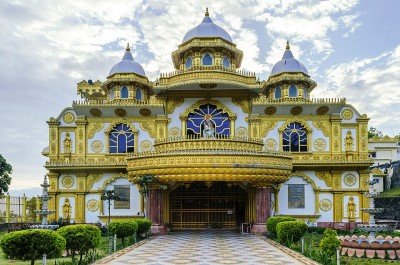
@@Garden Layout: The Namchi Rock Garden, officially known as Saipatal, is a beautifully landscaped, terraced garden sprawling across a large area below the road to Samdruptse Hill. It was developed to promote tourism and showcase the region's rich flora. @@Natural Features: The garden is characterized by its unique utilization of natural rock formations, waterfalls, fountains, and small bridges that crisscross the pathways. It creates a serene and picturesque environment that blends seamlessly with the hilly terrain. @@Flora Diversity: It is home to a vast diversity of temperate and subtropical plants, including numerous species of orchids, vibrant flowering plants, and medicinal herbs. The meticulously maintained flowerbeds are a highlight, especially during the blooming season. @@Visitor Amenities: The garden features well-defined walking paths, sheltered waiting sheds, and viewpoints strategically placed to offer breathtaking vistas of the surrounding valley, the majestic Kanchenjunga range (on a clear day), and the distant confluence of the Teesta and Rangit rivers.
Card image cap
Sai Mandir

@@Temple Dedication: The Sai Mandir in Namchi is a magnificent Hindu temple dedicated to the revered saint Shirdi Sai Baba. It was inaugurated in Nove...
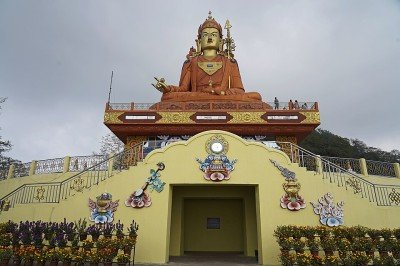
@@Temple Dedication: The Sai Mandir in Namchi is a magnificent Hindu temple dedicated to the revered saint Shirdi Sai Baba. It was inaugurated in November 2010 and has since become a significant pilgrimage and tourist site in South Sikkim. @@Architectural Splendor: The temple is a grand, two-storied structure that stands out with its modern, aesthetically pleasing design, featuring intricate carvings, marble work, and gold-accented exteriors. It is set against a beautiful backdrop of rolling green hills, enhancing its spiritual ambiance. @@The Inner Sanctum: The temple's upper floor houses a beautiful marble statue of Shirdi Sai Baba on an elevated platform, which is the main deity. The walls and ceiling are adorned with artistic depictions and religious motifs, creating a serene and awe-inspiring atmosphere. @@Other Deities: In addition to Sai Baba, the temple complex often houses smaller shrines or statues dedicated to other Hindu deities, including Lord Shiva and his family, promoting a sense of syncretism and universal faith. The ground floor is often used as a large prayer hall for devotees.
Card image cap
Samdruptse Hill

@@Iconic Statue: Samdruptse Hill, translating to the 'Wish-Fulfilling Hill' in Bhutia, is the site of the world's tallest statue of Guru Padmasambhava...

@@Iconic Statue: Samdruptse Hill, translating to the 'Wish-Fulfilling Hill' in Bhutia, is the site of the world's tallest statue of Guru Padmasambhava (also known as Guru Rinpoche), who is considered the patron saint of Sikkim and a major figure in Vajrayana Buddhism. The statue stands at a majestic 135 feet (41 meters) high. @@Spiritual Legend: Local belief holds that the hill itself is a dormant volcano, and the presence of the colossal statue and continuous prayers are necessary to keep the volcano from erupting, adding a mythical and spiritual layer to the site. @@Panoramic Vista: The hilltop offers one of the most magnificent and expansive 360-degree panoramic views in Namchi, encompassing the entire town, the rolling hills, parts of Darjeeling and Kalimpong, and the majestic snow-capped Mt. Khangchendzonga. @@Complex Features: The site includes a beautifully maintained garden, a small prayer hall at the base of the statue, and a gallery/archive displaying vintage photographs and history of Sikkim and the statue's construction, offering cultural and historical context.
Card image cap
Serdup Choling Monastery

@@Monastery Location: Serdup Choling Monastery is a beautiful, relatively small, and serene monastery situated just a short distance from Namchi town ...

@@Monastery Location: Serdup Choling Monastery is a beautiful, relatively small, and serene monastery situated just a short distance from Namchi town in the Alley Dara area. Its location is highly picturesque, offering a splendid, framed view of the majestic Mt. Khangchendzonga. @@Founding and Lineage: It was established in 1967 and belongs to one of the traditional schools of Tibetan Buddhism, maintaining the ancient monastic traditions of Sikkim. It serves primarily as a peaceful retreat and a center for monastic education and practice for the resident monks. @@Statues and Deities: The main shrine within the monastery is renowned for housing three prominent statues collectively known as the 'Khen Lob Chok Sum'. These represent Khenchen Shantaraksita, Guru Padmasambhava (Lob), and Chogyal Trisong Detsen (Chok), honoring the three key figures in the introduction of Buddhism to Tibet. @@Wall Paintings: The interior walls of the main temple shrine are adorned with colorful and well-preserved murals and wall paintings, primarily depicting scenes from the life of Guru Padmasambhava and various Buddhist deities, making it a place of artistic and spiritual interest.
Card image cap
Sharchog Bey Phug

@@Overview and Spiritual Significance: Sharchog Bey Phug, meaning 'The Hidden Cave in the East', is one of the four cardinal sacred caves (Phug Chen Z...

@@Overview and Spiritual Significance: Sharchog Bey Phug, meaning 'The Hidden Cave in the East', is one of the four cardinal sacred caves (Phug Chen Zhi) in Sikkim, all surrounding the spiritual hub of Tashiding. It is profoundly revered by the Buddhist community as a site blessed and meditated upon by Guru Rinpoche (Padmasambhava) in the 8th century AD. According to the sacred text Denjong Nye-yig, a visit to this cave, traditionally the first in the clockwise pilgrimage of the four caves, is believed to fulfill one's wishes and cleanse one of sins. The cave is part of the larger network of natural, holy sanctuaries in the region, embodying the hidden and pristine nature of Sikkim's spiritual landscape. Its location near Rabongla in South Sikkim makes it a significant pilgrimage destination, often known locally as Sangmo Ney. The vast cavern is said to extend for a quarter of a mile, with legendary connections to Mt. Tendong and Maenam Hill. This cave marks the beginning of the spiritual journey, symbolizing the opening of the path to the sacred land of Bayul Demajong, and its importance is akin to the Char Dhams for Hindus.:
Card image cap
Siddheshwar Dham

@@Overview and Religious Concept: Siddheshwar Dham, popularly known as Char Dham of Sikkim, is a massive, modern pilgrimage and cultural complex situa...

@@Overview and Religious Concept: Siddheshwar Dham, popularly known as Char Dham of Sikkim, is a massive, modern pilgrimage and cultural complex situated atop the picturesque Solophok Hill. Conceived to promote religious and cultural tourism, it replicates the four most revered pilgrimage centers (Dhamas) of Hindus in India—Badrinath, Dwarka, Puri, and Rameswaram—along with a magnificent 108-foot-tall statue of Lord Shiva in a sitting posture. Surrounding the main Shiva statue are exact replicas of the Twelve Jyotirlingas (Dwadash Jyotirlingas). The site is built on the belief that visiting this complex washes away one's sins, a belief linked to the local legend that Lord Shiva took the form of a hunter, Kirateshwar, and meditated on this very hill after losing Sati. The complex also houses a two-story Sai Baba Temple and a statue of Kirateshwar, making it a unique convergence of multiple Hindu deities and pilgrimage traditions. It was inaugurated in November 2011.:
Card image cap
Tarey Bhir

@@Overview and Geological Feature: Tarey Bhir is a unique and spectacular natural geological feature near Sadam Village in South Sikkim. The name 'Bhi...
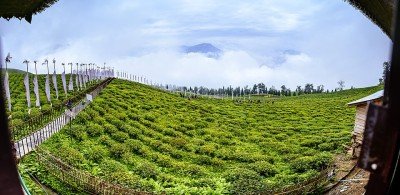
@@Overview and Geological Feature: Tarey Bhir is a unique and spectacular natural geological feature near Sadam Village in South Sikkim. The name 'Bhir' means a cliff or cliff edge, and Tarey Bhir is essentially a vertical cliff ridge, over a kilometre long, that descends precipitously into the valley below. It stands at a height of about 10,000 feet, offering a dizzying, stunning view of the surrounding mountain ranges and the distant plains. The main attraction is a long, narrow, and often precariously-built paved walkway (or sometimes a stone path/bridge) constructed along this sheer cliff face, reminiscent of the famous skywalks or cliff paths in China. The walk along the ridge is an exhilarating and thrilling experience, providing a continuous, uninterrupted panoramic vista of the lower Himalayan ranges, including the hills of Darjeeling and Kalimpong, as well as the confluence of the majestic Teesta and Rangit rivers far below in the valley. It is an offbeat destination, less frequented by the main tourist circuit, which preserves its pristine, peaceful atmosphere and raw natural beauty. The spot is popular for adventure-seeking day-trippers from Namchi.:
Card image cap
Temi Tea Garden

@@Overview and History: Temi Tea Garden is the only tea estate in Sikkim, spread across a gentle hill slope descending from Tendong Hill. Established ...

@@Overview and History: Temi Tea Garden is the only tea estate in Sikkim, spread across a gentle hill slope descending from Tendong Hill. Established in 1969 by the Government of Sikkim, it is globally renowned for producing some of the finest quality organic tea. The tea produced here is of exceptionally high quality, competing with the best international brands, and is often exported. The estate follows strict organic farming practices and is a model for sustainable agriculture in the region. The garden covers a large area, offering a magnificent, expansive, and highly photogenic view of the terraced tea plantations, surrounding villages, and the distant mountains. A visit provides a tranquil experience, combining natural beauty with an insight into the processes of tea cultivation and manufacturing. The estate also features an old British-era bungalow and a modern factory where visitors can witness the tea processing firsthand and sample the exquisite Temi Tea. It is a crucial landmark for the state's economy and tourism. The surrounding area is also famous for its vibrant cherry blossoms in late Autumn.:
Card image cap
Tendong Hill

@@Overview and Spiritual Significance: Tendong Hill is one of the most prominent landmarks in South Sikkim, rising to a height of approximately 8,530 ...

@@Overview and Spiritual Significance: Tendong Hill is one of the most prominent landmarks in South Sikkim, rising to a height of approximately 8,530 feet (2,600 meters). It is considered extremely sacred, particularly by the indigenous Lepcha community, who revere it as 'The Upraised Horn'. According to an ancient Lepcha folklore that has striking parallels to the story of Noah's Ark, the hill rose miraculously from the ground during a great deluge to save the Lepcha people from drowning. This legend underpins its spiritual importance as a sanctuary. The hilltop is only accessible by a rewarding, moderate trek, primarily starting from Damthang Village. The trail passes through dense forests rich in biodiversity, including rare Himalayan flora like rhododendrons, and is a habitat for animals like the elusive Red Panda and numerous bird species. The summit rewards trekkers with breathtaking 360-degree panoramic views of the entire Eastern Himalayas, including the Kanchenjunga range and parts of the plains of West Bengal and Darjeeling. It has long been a place of reclusion for Buddhist Lamas.:
Show All

Note:-

Information provided here in good Faith and for reference only.

All information and pictures will be updated soon, please keep visiting.

Near Places
in Other Cities