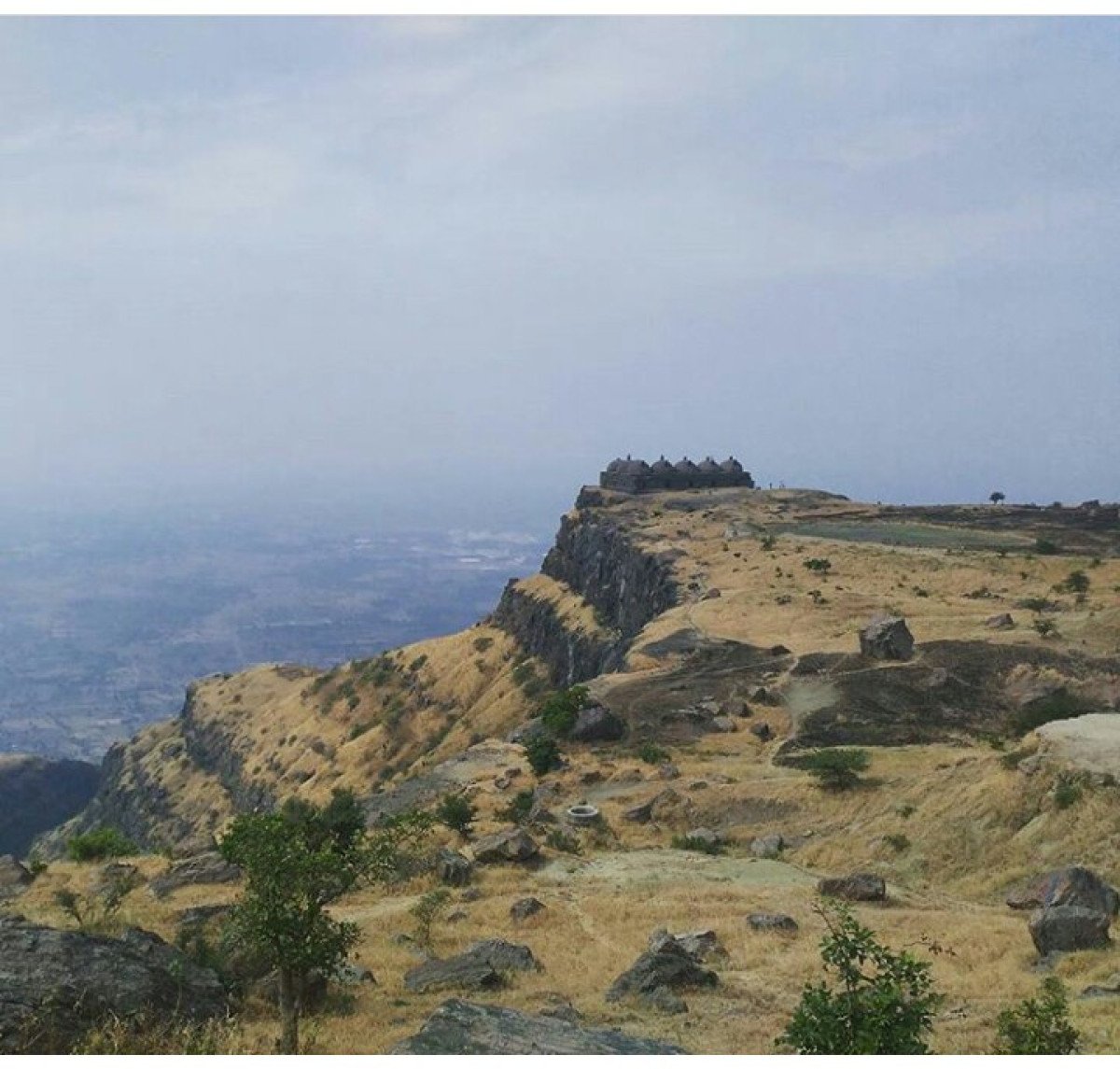
Navlakha Kothar
General information
-
Ideal Duration:
45 MinutesPlace Type:
Military Ruin:: Fort Granary and StorehouseEntry Fees:
No Direct Entry Fee:: As an open archaeological ruin, there is no direct entry fee.
ASI/Park Entry Fee may apply:: The standard ASI entrance fee (charged for entry into the fort area) will apply, as the Kothar is located deep within the midd...No Direct Entry Fee:: As an open archaeological ruin, there is no direct entry fee.
ASI/Park Entry Fee may apply:: The standard ASI entrance fee (charged for entry into the fort area) will apply, as the Kothar is located deep within the middle/upper fort's fortified area. The fee is nominal (INR 40 for Indians) and provides access to the cluster of ruins on the hill.Timing:
Regular Timings: Open Sunrise to Sunset (approx. 6:00 AM to 6:00 PM).
Ideal Visit Time: Mid-morning, between 9:00 AM and 11:00 AM, after the initial rush to the Kalika Mata Temple has passed, making the visit to the middle plateau ruins mor...Regular Timings: Open Sunrise to Sunset (approx. 6:00 AM to 6:00 PM).
Ideal Visit Time: Mid-morning, between 9:00 AM and 11:00 AM, after the initial rush to the Kalika Mata Temple has passed, making the visit to the middle plateau ruins more peaceful.
Avoid: Late afternoon, as the site offers little shelter, and the descent should ideally be completed before dark.Special Events:
Local Heritage Exploration Events:: Occasionally, the Archaeological Survey of India (ASI) or local heritage groups organize guided walks or talks focused on the military logistics of the Pavagadh Fort. The Navlakha Kothar is a central point in these discussions, often held...Local Heritage Exploration Events:: Occasionally, the Archaeological Survey of India (ASI) or local heritage groups organize guided walks or talks focused on the military logistics of the Pavagadh Fort. The Navlakha Kothar is a central point in these discussions, often held during World Heritage Week (November).Best Photo Spots:
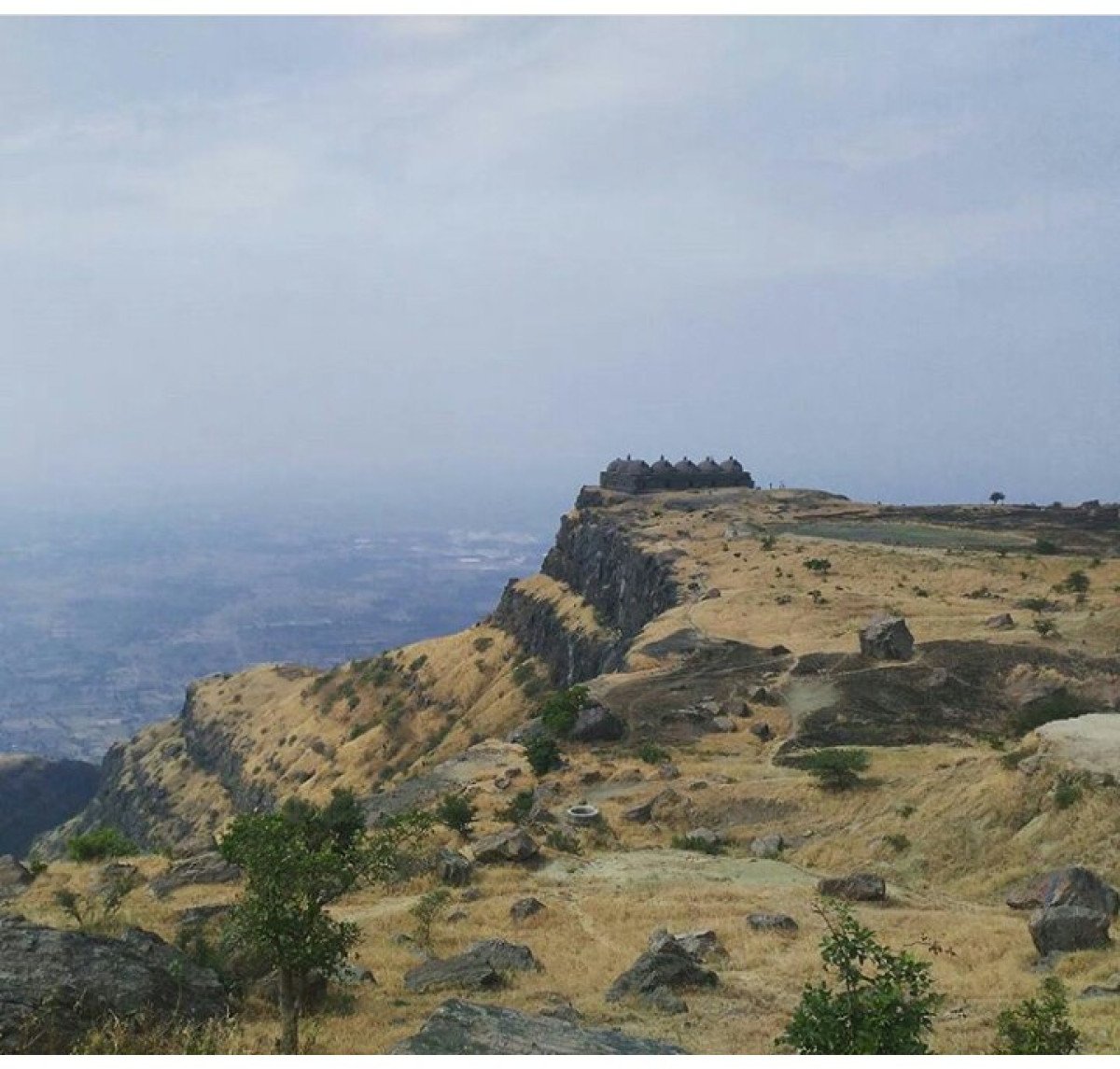
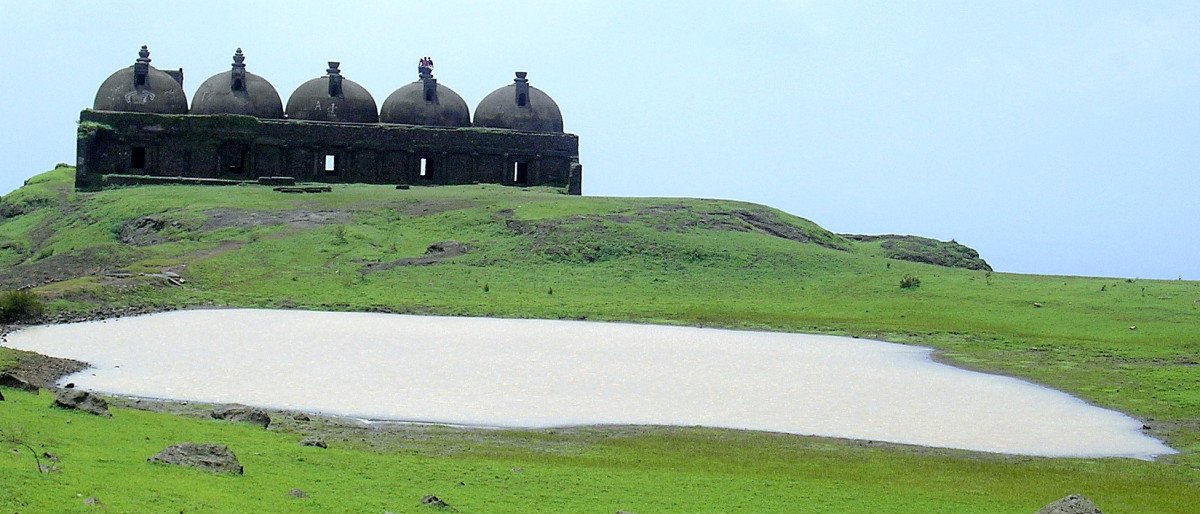
The Massive Stone Wall Texture:: Close-up photographs of the thick, rough-hewn stone walls, capturing the texture and the sheer scale of the masonry, emphasizing the military strength of the structure.
The Interior Perspective:: A shot taken...The Massive Stone Wall Texture:: Close-up photographs of the thick, rough-hewn stone walls, capturing the texture and the sheer scale of the masonry, emphasizing the military strength of the structure.
The Interior Perspective:: A shot taken from one end of the long interior space, capturing the receding lines of the walls and the large open arches/windows, conveying the massive volume of the granary.
Framing the Ruins:: Use a crumbling archway or wall gap to frame the distant landscape or another ruin, contrasting the military structure with the natural environment.Photo Gallery
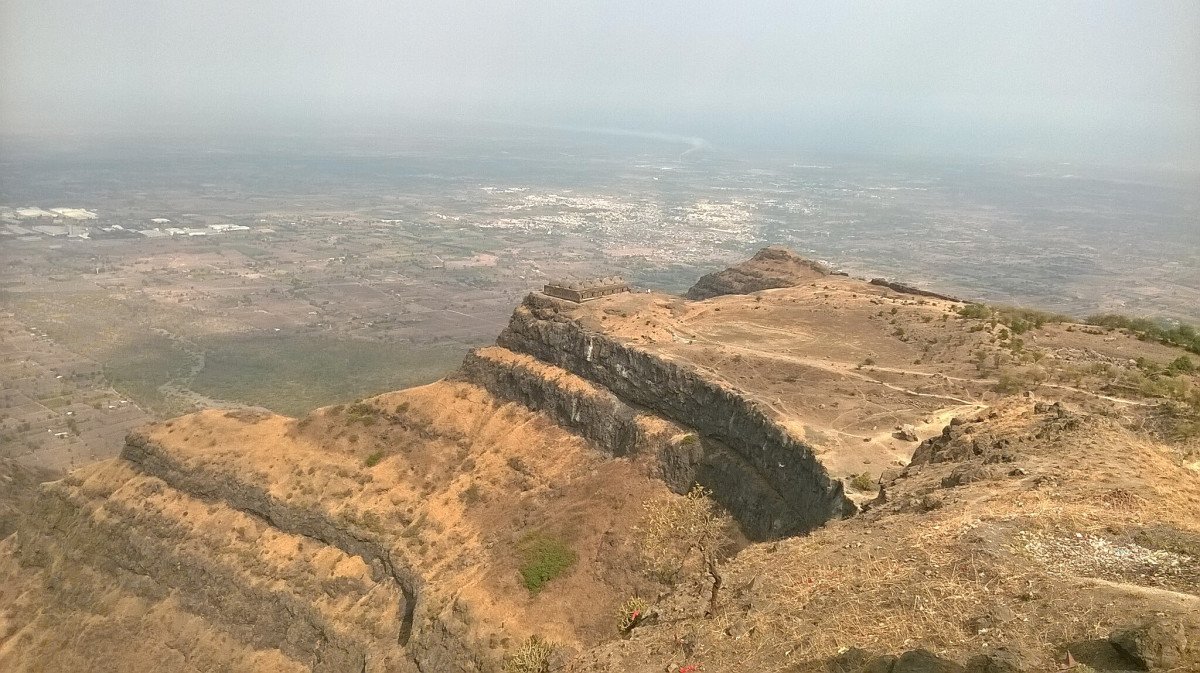
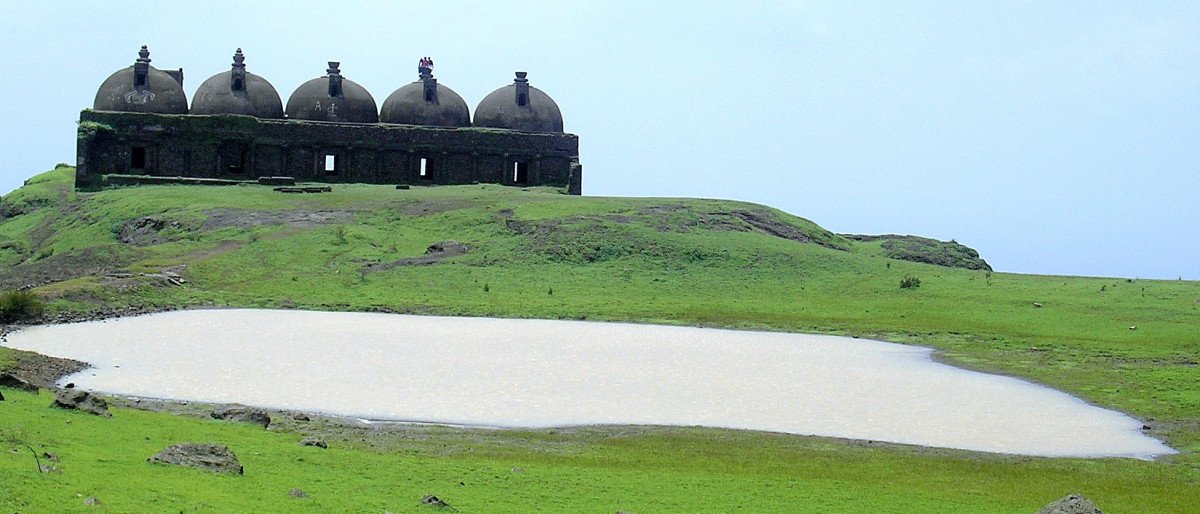
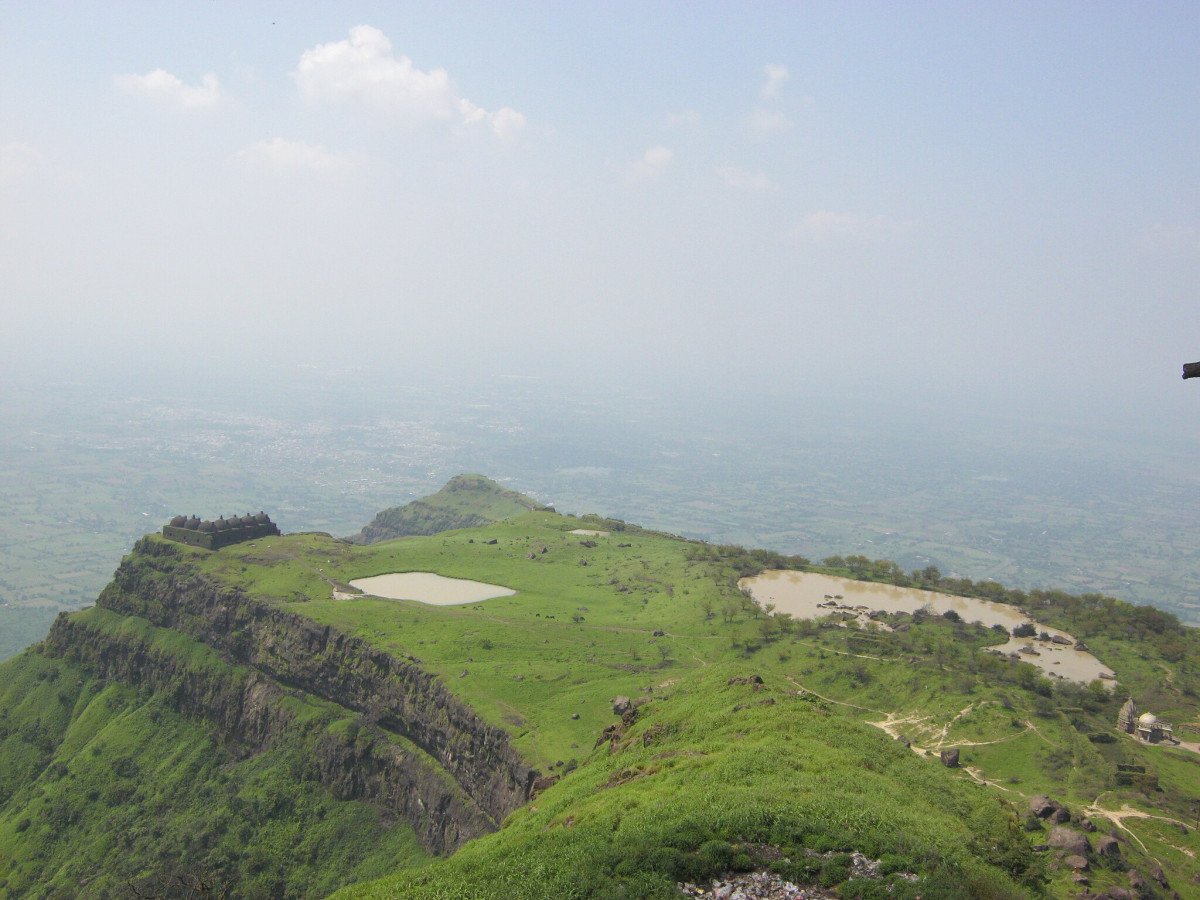
Things To Do
-
Historical Interpretation::
Visualize the Storage: Stand inside the vast, ruined interior and imagine the Kothar filled with supplies, sustaining an army and a city.
Study the Masonry: Examine the thickness and composition of the walls, noting the difference between the rough-hewn stone here and the fine carving on the nearby religious structures.
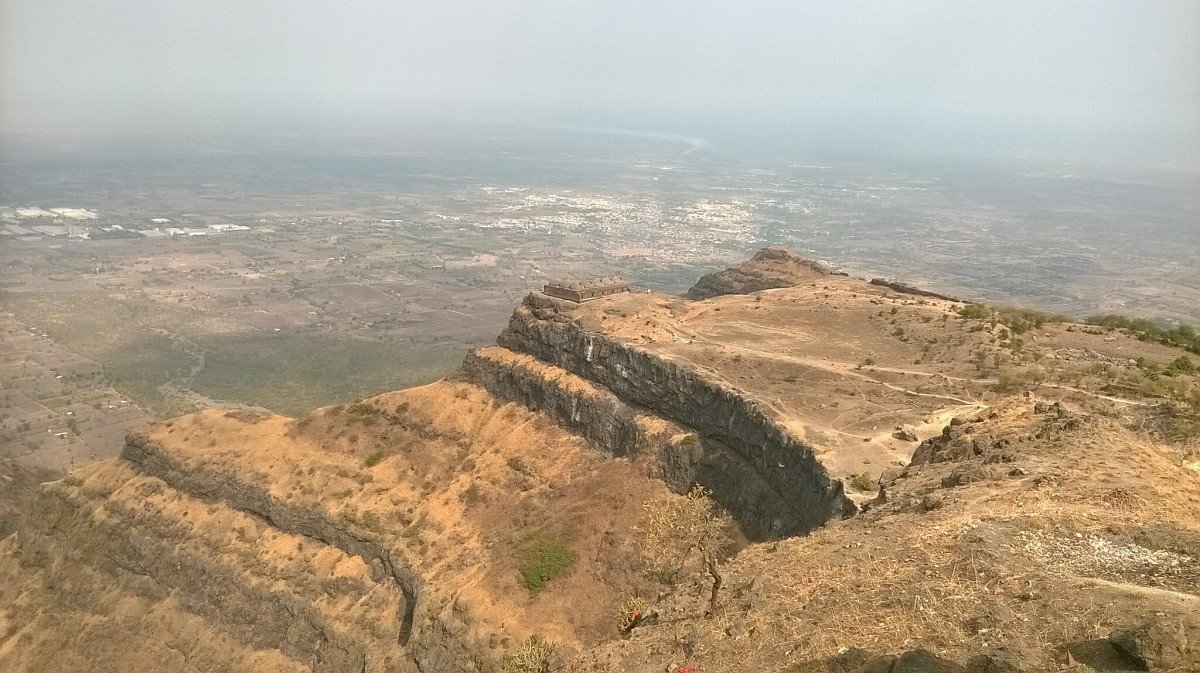
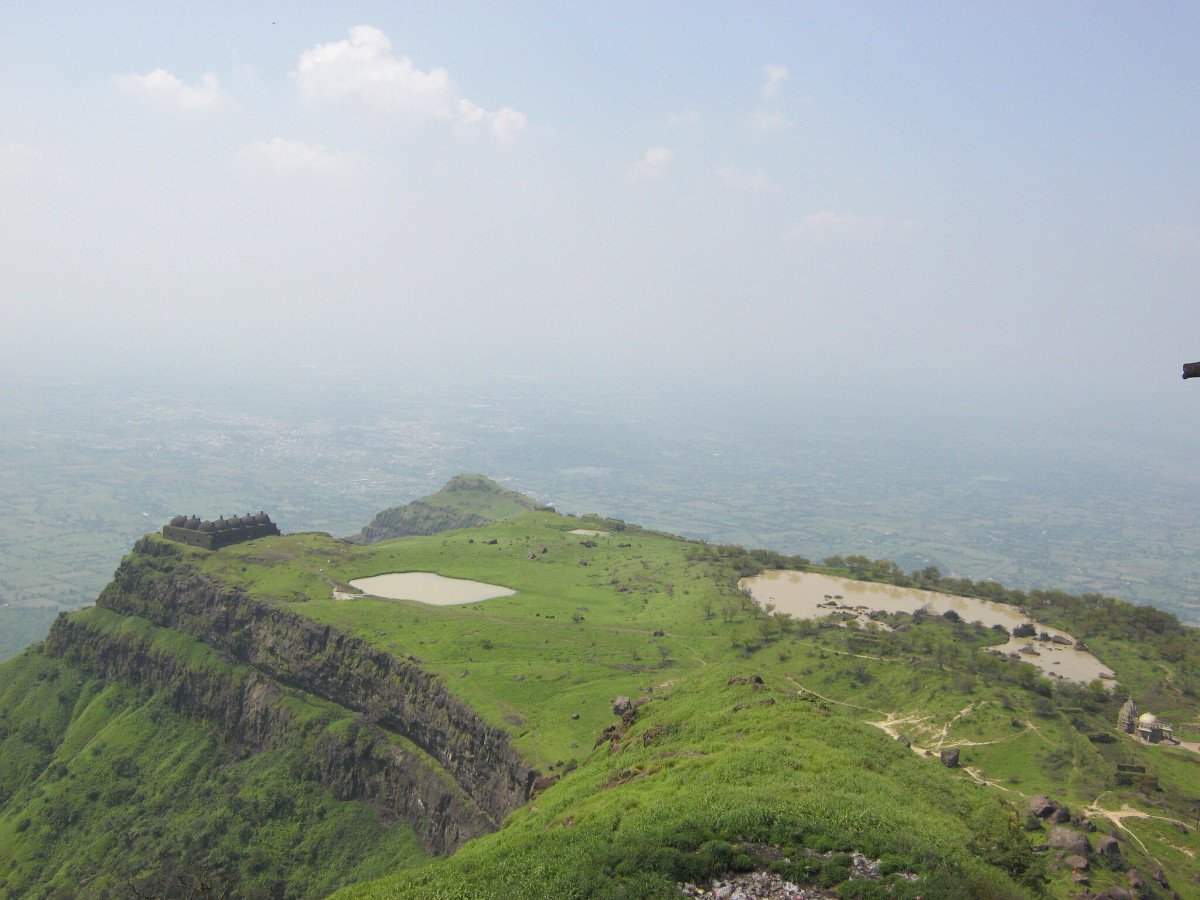
Panorama Point: The elevated position near the Kothar offers excellent views down the slope toward the Machi plateau and the surrounding ruins, including the Lakulisa Temple.
Photography of Scale: Use a wide-angle lens to capture the imposing scale of the thick, high walls and the large openings.
Connect to Saat Kaman: Walk the short distance to the Saat...
Information
-
Why Famous:
Symbol of Siege and Resilience:: The Navlakha Kothar is famous for its direct link to the siege of Pavagadh. Its size demonstrates the massive provisioning required for the extended defense of the hill, becoming a symbol of the resilience and final fall of the Chauhan Rajpu...Symbol of Siege and Resilience:: The Navlakha Kothar is famous for its direct link to the siege of Pavagadh. Its size demonstrates the massive provisioning required for the extended defense of the hill, becoming a symbol of the resilience and final fall of the Chauhan Rajput dynasty. Its fame stems from its military and strategic significance—it was one of the key targets for the attacking Sultanate forces. For modern visitors, it stands out as a structure dedicated purely to logistics and survival, contrasting sharply with the nearby temples and arches, offering a complete picture of life within a medieval hill fort. The name itself, "Nine Lakh," adds a legendary quality, evoking images of endless supplies and the fort's former wealth and self-sufficiency. It is often cited as one of the largest ancient granaries in the region, a remarkable feat of medieval civil engineering. -
Architecture:
Defensive and Functional Architecture:: The structure is a prime example of Indo-Islamic functional military architecture. It features massive, thick walls built of rough-hewn, local sandstone and rubble, designed to withstand both attack and the wear of time and climate. ...Defensive and Functional Architecture:: The structure is a prime example of Indo-Islamic functional military architecture. It features massive, thick walls built of rough-hewn, local sandstone and rubble, designed to withstand both attack and the wear of time and climate. The emphasis is on solidity, security, and internal space optimization rather than ornamentation.
Dimension and Interior Design:: The Navlakha Kothar is rectangular, featuring colossal dimensions. It can be estimated to be over 100 feet long, 50 feet wide, and multi-storeyed in its original form (though only the ground floor and parts of the first-floor walls survive). The walls are incredibly thick (easily 5-8 feet), providing natural insulation and protection. The interior features remnants of massive dividing walls or storage bays and high windows/vents placed strategically for ventilation to keep the stored grain dry. The sheer internal volume is the most striking architectural feature. -
How To Reach:
By Ropeway and Walk:: Reach the Machi plateau, take the ropeway to the mid-level station, and then walk for approximately 15-20 minutes uphill along the main path. The Kothar is clearly visible near the path.
By Foot (Trekking):: The site i... -
Near Tourist Places:
Saat Kaman (Seven Arches) (0.
2 km):: Jain Temples (Bavanderi/Navalakha) (0.
8 km):: Lakulisa Temple (Mauliya Plateau) (0.
3 km)::
Pavagadh Fort Walls (immediate vicinity):: Kalika Mata Temple (2.
5 km - uphill):: Doodhiya Talav (1.
5 km - descent)::
Khuniya Mahadev Waterfall (4 km - descent):: Machi Plateau (Ropeway Base) (2 km - walk/ropeway):: Sadan Shah Pir Dargah (near Kalika Mata Temple) (2.
5 km - uphill)::
Virasat Van (8 km - at base)::
Tourism Tips
-
Health & Safety:
Uneven Terrain:: The structure is a ruin with uneven floors and broken masonry. Be careful of loose stones and watch your footing.
Packing:
Camera and Sun Protec...
Reviews
Information about New and Updated Locations(862+) of Gujarat Has Been Added :-
Card subtitle
Note:-
Information provided here in good Faith and for reference only.
All information and pictures will be updated soon, please keep visiting.
Near Places

Atak Gate
Some quick example text to build on the card title and make up the bulk of the card's content.
Go somewhere
Champaner-Pavagadh Archaeological Park
Some quick example text to build on the card title and make up the bulk of the card's content.
Go somewhere
Dudhiya Lake
Some quick example text to build on the card title and make up the bulk of the card's content.
Go somewhere
Hathni Mata Waterfall
Some quick example text to build on the card title and make up the bulk of the card's content.
Go somewhere
Jain Temples
Some quick example text to build on the card title and make up the bulk of the card's content.
Go somewhere
Jambughoda Wildlife Sanctuary
Some quick example text to build on the card title and make up the bulk of the card's content.
Go somewhere
Jami Masjid
Some quick example text to build on the card title and make up the bulk of the card's content.
Go somewhere
Kalika Mata Temple
Some quick example text to build on the card title and make up the bulk of the card's content.
Go somewhere
Kevada Masjid
Some quick example text to build on the card title and make up the bulk of the card's content.
Go somewhere
Khuniya Mahadev Waterfall
Some quick example text to build on the card title and make up the bulk of the card's content.
Go somewherein Other Cities