

Nityanandashram Caves
General information
-
Ideal Duration:
1 to 2 hoursPlace Type:
Spiritual Site, Historical Architecture, CavesEntry Fees:
No Entry Fee (Free Access): The Nityanandashram Caves and the ashram complex are run as a spiritual institution and are open to the public with no mandatory entry fee. The philosophy is typically one of open access for all spiritual seekers.
O...No Entry Fee (Free Access): The Nityanandashram Caves and the ashram complex are run as a spiritual institution and are open to the public with no mandatory entry fee. The philosophy is typically one of open access for all spiritual seekers.
Optional Donations and Offerings: Visitors are encouraged to make voluntary donations to support the ashram's maintenance, spiritual programs, and charitable work. Offerings are also often made at the temple to the statue of Swami Nityananda. These contributions are entirely optional, reinforcing the site's identity as a place of worship and spiritual charity rather than a commercial tourist attraction. Parking for vehicles near the ashram is usually available for a small, optional fee or a voluntary donation.Timing:
Regular Timings: 5:30 AM to 5:
30 PM (Ashram Hours): The ashram and the caves are generally open to visitors during daylight hours, typically from 5:30 AM to 5:30 PM. This timing ensures safety on the hillock and allows for participation in t...Regular Timings: 5:30 AM to 5:
30 PM (Ashram Hours): The ashram and the caves are generally open to visitors during daylight hours, typically from 5:30 AM to 5:30 PM. This timing ensures safety on the hillock and allows for participation in the ashram's daily morning and evening rituals.
Ideal Visit Time:
Early Morning for Meditation: The ideal time to visit for spiritual seekers and those interested in meditation is the early morning (6:00 AM to 9:00 AM). The temperature is coolest, and the quiet atmosphere of the ashram is best suited for contemplation.
Afternoon for Exploration: The mid-to-late afternoon (3:00 PM to 5:00 PM) is also a good time for general exploration and photography, avoiding the midday heat while still allowing ample time before closing.Special Events:
Bhagwan Nityananda’s Samadhi Day: The most significant annual event is the commemoration of Bhagwan Nityananda's Samadhi Day (the day he left his mortal body). This day is observed with deep reverence, typically in August. The ashram hosts special prayers, spiritual disc...Bhagwan Nityananda’s Samadhi Day: The most significant annual event is the commemoration of Bhagwan Nityananda's Samadhi Day (the day he left his mortal body). This day is observed with deep reverence, typically in August. The ashram hosts special prayers, spiritual discourses, musical performances (Bhajans), and a large community feast (Bhandara). Followers travel from far and wide to attend this event, filling the ashram with spiritual energy and devotion. It is a profound cultural and religious gathering that truly showcases the enduring legacy of the Swami.Best Photo Spots:
The Cave Entrances and Maze: Focus on the individual cave entrances and the maze-like passages. Frame the shot to capture the texture and color of the laterite stone carved into the rock, emphasizing the architectural feat. A picture from inside a cave looking out can capt...The Cave Entrances and Maze: Focus on the individual cave entrances and the maze-like passages. Frame the shot to capture the texture and color of the laterite stone carved into the rock, emphasizing the architectural feat. A picture from inside a cave looking out can capture the sense of spiritual retreat.
The Panchaloha Statue: The life-size Panchaloha statue of Swami Nityananda is an artistic centerpiece. Take a respectful photo of the statue, trying to capture the serene expression and the intricate metalwork. The temple lighting often provides a dramatic effect.
The Panoramic View of Kanhangad: From the elevated section of the ashram, capture the wide panoramic view overlooking the green landscape and the distant town of Kanhangad. The best light is in the early morning when the mist may be lifting, or in the late afternoon for soft shadows that define the rolling hills.Photo Gallery
Things To Do
-
Spiritual and Introspective Activities:
Meditation in the Caves: The primary purpose of the site is spiritual. Spend time inside one of the cooler, quiet caves for quiet meditation or introspection. The unique environment of the rock chambers is highly conducive to silence and focus.
Visiting the Main Temple: Pay respects at the temple, where the Panchaloha statue of Swami Nityananda is installed. Devotees often participate in the daily prayers or rituals conducted by the ashram residents.
Ashram Walk and Reflection: Take a slow, reflective walk through the ashram complex. The peaceful, well-maintained gardens and natural surroundings are ideal for quiet contemplation and enjoying the serenity of the spiritual center.
Explorat...Spiritual and Introspective Activities:
Meditation in the Caves: The primary purpose of the site is spiritual. Spend time inside one of the cooler, quiet caves for quiet meditation or introspection. The unique environment of the rock chambers is highly conducive to silence and focus.
Visiting the Main Temple: Pay respects at the temple, where the Panchaloha statue of Swami Nityananda is installed. Devotees often participate in the daily prayers or rituals conducted by the ashram residents.
Ashram Walk and Reflection: Take a slow, reflective walk through the ashram complex. The peaceful, well-maintained gardens and natural surroundings are ideal for quiet contemplation and enjoying the serenity of the spiritual center.
Exploration and Education:
Exploring the 45 Caves: Carefully navigate the network of 45 caves, appreciating the unique construction and layout. Try to identify the varying sizes and connections between the individual meditation chambers. Be respectful and use caution in the narrow passages.
Learning the Swami’s History: Read the information plaques and try to learn more about the fascinating life and stories of Bhagwan Nityananda, including the legends surrounding the cave's creation, from the ashram's residents or visitors.
Observing the Laterite Engineering: Spend time examining the walls of the caves to appreciate the rock-carving engineering. Note the texture of the laterite stone and the smoothness of the finished surfaces, considering the limited tools available at the time of construction.
Leisure and Well-being:
Yoga Practice: The quiet courtyards and elevated open areas within the complex provide a perfect natural setting for practicing yoga poses or breathing exercises (Pranayama).
Photography: Capture the unique architecture of the caves, the serene ashram surroundings, and the view of the surrounding town from the hilltop.
Information
-
Why Famous:
The Marvel of 45 Man-Made Caves: The foremost reason for its fame is the sheer number and the unique nature of the 45 man-made caves carved from a single laterite rock. This architectural feat, achieved in the early 20th century, makes it a rare and fascinating structure, a...The Marvel of 45 Man-Made Caves: The foremost reason for its fame is the sheer number and the unique nature of the 45 man-made caves carved from a single laterite rock. This architectural feat, achieved in the early 20th century, makes it a rare and fascinating structure, attracting both engineers and spiritual seekers globally.
Association with Swami Nityananda: The site is famous because it was established and used by Bhagwan Nityananda, a highly revered and charismatic Indian saint known for his spiritual wisdom and miraculous stories. The ashram serves as a place to pay homage to his legacy and teachings.
Spiritual and Meditative Sanctuary: The caves were specifically created as chambers for meditation. They are renowned for their peaceful and spiritually charged atmosphere, making the ashram a celebrated destination for devotees and individuals seeking solace, meditation, and a retreat from the material world. -
Architecture:
The architecture of the Nityanandashram Caves is a unique fusion of Hindu spiritual symbolism and remarkable laterite rock carving engineering.
Laterite Cave Engineering:
Dimension and Material: The entire structure consists of 45 ...The architecture of the Nityanandashram Caves is a unique fusion of Hindu spiritual symbolism and remarkable laterite rock carving engineering.
Laterite Cave Engineering:
Dimension and Material: The entire structure consists of 45 caves carved out of a large, single laterite hillock. Laterite is the local stone, known for being soft when quarried but hardening upon exposure to air. The caves vary in size, with some being small, individual meditation chambers (perhaps 2 meters by 2 meters), while others are larger, interconnected halls.
Complex Network: The caves are connected by a maze of narrow passages and enclosures, functioning as a complete network for retreat. The total depth of the carvings is significant, showcasing the immense effort required to create a spiritual hermitage within solid rock.
Ashram and Temple Design:
The Main Temple: The ashram complex includes a temple housing the statue of Swami Nityananda. This structure is built using simple laterite stone and follows a basic, functional style, reflecting the ascetic simplicity of the Swami's life.
Panchaloha Statue: The life-size sitting statue of the Swami inside the temple is an architectural and artistic highlight, crafted from the traditional panchaloha alloy, typically measuring around 1. 5 to 2 meters in height, and is a major point of worship. -
How To Reach:
By Air:
Via Mangaluru or Kannur: The nearest airports are Mangaluru International Airport (IXE) (approx. 90-95 KMS) and Kannur International Airport (CNN) (approx. 95-100 KMS). From the airport, hiring a taxi is required to reach the ashra...By Air:
Via Mangaluru or Kannur: The nearest airports are Mangaluru International Airport (IXE) (approx. 90-95 KMS) and Kannur International Airport (CNN) (approx. 95-100 KMS). From the airport, hiring a taxi is required to reach the ashram in Kanhangad, taking around 2 to 3 hours.
By Train:
Nearest Station - Kanhangad: The most convenient railway station is Kanhangad Railway Station (KZE), located only about 3-4 KMS from the ashram. Kanhangad is a major station on the Southern Railway. From the station, the ashram is a very short and easy ride by auto-rickshaw or taxi.
By Road:
Near National Highway: The ashram is located very close to Hosdurg in Kanhangad, which is directly on the major road network, including the connecting roads off National Highway 66 (NH 66). State-run and private buses stop frequently at Kanhangad, from where local transport can be utilized.
By Local Transport:
Auto-Rickshaw from Kanhangad: From the Kanhangad town center or railway station, an auto-rickshaw is the simplest way to reach the ashram. It is a well-known local landmark, and the ride should be short and inexpensive. -
Weather and Best Time to Visit:
Winter (October to March):
Comfortable Exploration: The best time to visit is during the winter season when the temperatures are moderate. This weather is ideal for comfortably exploring the outdoor hillock area and the network of caves with...Winter (October to March):
Comfortable Exploration: The best time to visit is during the winter season when the temperatures are moderate. This weather is ideal for comfortably exploring the outdoor hillock area and the network of caves without excessive heat or humidity.
Monsoon (June to September):
Green and Tranquil: The ashram complex is exceptionally green and tranquil during the monsoon. The rain adds a reflective and quiet mood, enhancing the atmosphere for meditation, although movement between the caves can be slippery.
Different Parts of the Day:
Morning: Highly recommended for the spiritual atmosphere and the best light for photography.
Late Afternoon: Good for a peaceful visit as the sun begins to set.
Midday: Acceptable due to the cool temperatures inside the caves, but the surrounding open areas can be hot. -
Near Tourist Places:
Hosdurg Fort: (Approx. 1 KM) - Historic Fort adjacent to the ashram.
Kanhangad Town: (Adjacent/Walkable Distance) - Major town center.
Bekal Fort: (Approx. 15 KMS) - Kerala's largest Fort.
Bekal Beach Park: (Approx. 16 KMS) - Developed beach park.
Ananthapura Lake Temple: (Approx. 40 KMS) - Only Lake Temple in Kerala.
Kappil Beach: (Approx. 12 KMS) - Sea and backwater confluence.
Trikkaripur: (Approx. 30 KMS) - Famous for Theyyam performances.
Valiyaparamba Backwaters: (Approx. 35 KMS) - Backwater cruising spot.
Chandragiri Fort & River: (Approx. 27 KMS) - Fort and River cruise.
Malik Deenar Mosque: (Approx. 27 KMS to Kasaragod) - Historic 7th-century Mosque.
Tourism Tips
-
Health & Safety:
Spiritual and Physical:
Footwear: Wear sturdy, comfortable shoes for navigating the uneven paths and steps up the hillock. Footwear must be removed before entering the inner temple and cave ...Health & Safety:
Spiritual and Physical:
Footwear: Wear sturdy, comfortable shoes for navigating the uneven paths and steps up the hillock. Footwear must be removed before entering the inner temple and cave areas.
Caution in Caves: Exercise caution when navigating the narrow and sometimes dark passages inside the caves. Use a flashlight or your phone light if necessary, and supervise children closely.
Silence: The area is a place of deep meditation. Maintain silence and avoid loud conversations to respect the spiritual seekers.
Packing:
Meditation Focus:
Flashlight/Torch: Useful for navigating the deeper parts of the caves.
Meditation Mat: If you plan to meditate, a small, portable mat or cushion can enhance comfort.
Accommodation:
Kanhangad Hub:
Kanhangad Town: Since the ashram is in Kanhangad, staying there offers the closest accommodation options, from budget hotels to mid-range stays.
Other Different Topics Heading:
Respectful Dress: Dress modestly, covering shoulders and knees, out of respect for the religious environment.
Local Guide: While not mandatory, sometimes a local guide or ashram resident can provide valuable context on the caves' creation and spiritual significance.
Photography Discretion: While photography is generally allowed, be discreet and do not take pictures of people meditating or of specific rituals without permission.
Reviews
FAQs
Bekal Itineray And Cost:-
Nityanandashram Caves Tourism:-
Information about New and Updated Locations() of Kerala Has Been Added :-
Card subtitle
Note:-
Information provided here in good Faith and for reference only.
All information and pictures will be updated soon, please keep visiting.
Near Places
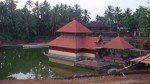
Ananthapura Lake Temple
Some quick example text to build on the card title and make up the bulk of the card's content.
Go somewhere
Azhi Pozhi
Some quick example text to build on the card title and make up the bulk of the card's content.
Go somewhere
Bekal Beach Park
Some quick example text to build on the card title and make up the bulk of the card's content.
Go somewhere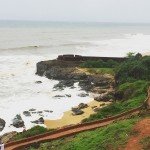
Bekal Fort
Some quick example text to build on the card title and make up the bulk of the card's content.
Go somewhere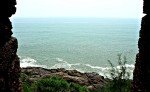
Bekal Fort Observation Tower
Some quick example text to build on the card title and make up the bulk of the card's content.
Go somewhere
Bekal Hole Aqua Park
Some quick example text to build on the card title and make up the bulk of the card's content.
Go somewhere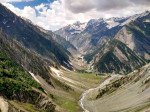
Bevinje Valley View Point
Some quick example text to build on the card title and make up the bulk of the card's content.
Go somewhere
Chandragiri Fort
Some quick example text to build on the card title and make up the bulk of the card's content.
Go somewhere
Chandragiri River
Some quick example text to build on the card title and make up the bulk of the card's content.
Go somewhere
Chemmanad Jama Masjid
Some quick example text to build on the card title and make up the bulk of the card's content.
Go somewherein Other Cities