

Odisha
General information
-
Ideal Duration:
7 to 10 DaysPlace Type:
Heritage, Spiritual, and Eco-TourismEntry Fees:
Museum and Monument Fees: Entry fees for major monuments like the Konark Sun Temple are approximately 40 rupees for Indians and 600 rupees for foreigners. Local museums like the Odisha State Museum usually charge a nominal fee of 20 rupees per person.
Read MoreMuseum and Monument Fees: Entry fees for major monuments like the Konark Sun Temple are approximately 40 rupees for Indians and 600 rupees for foreigners. Local museums like the Odisha State Museum usually charge a nominal fee of 20 rupees per person.
National Park Permits: Entering wildlife zones like Simlipal or Bhitarkanika requires a permit which costs around 40 to 100 rupees for Indians. Additional charges apply for vehicle entry, camera usage, and mandatory forest guides who accompany every group for safety.
Zoo and Botanical Gardens: Nandankanan Zoological Park in Bhubaneswar has an entry fee of about 50 rupees for adults. Special safaris like the Lion Safari or White Tiger Safari involve separate tickets ranging from 30 to 60 rupees per head.Timing:
Regular Visiting Hours: Most temples in Odisha are open from 6:00 AM to 9:00 PM, though the inner sanctums may close for rituals during mid-day. Parks and museums typically operate from 10:00 AM to 5:00 PM, with a weekly holiday usually on Mondays.
Read MoreRegular Visiting Hours: Most temples in Odisha are open from 6:00 AM to 9:00 PM, though the inner sanctums may close for rituals during mid-day. Parks and museums typically operate from 10:00 AM to 5:00 PM, with a weekly holiday usually on Mondays.
Ideal Time for Sightseeing: The best time to visit outdoor monuments is early morning at 7:00 AM to avoid the afternoon sun and crowds. Evening visits after 4:00 PM are also ideal for enjoying the cool breeze and witnessing cultural shows or light displays.Special Events:
The Grand Rath Yatra: The most significant festival in Odisha is the Rath Yatra of Lord Jagannath held in July, where massive wooden chariots are pulled by thousands of devotees. It is a spectacular event that showcases the deep spiritual roots of the people of Odisha.
...The Grand Rath Yatra: The most significant festival in Odisha is the Rath Yatra of Lord Jagannath held in July, where massive wooden chariots are pulled by thousands of devotees. It is a spectacular event that showcases the deep spiritual roots of the people of Odisha.
Konark Dance Festival: Held in December against the backdrop of the Sun Temple, this festival features world-class performances of classical Indian dances. The atmosphere is magical, with the temple illuminated and the air filled with the sounds of traditional music.
Bali Jatra in Cuttack: This is one of Asia's largest open-air trade fairs, held in November to commemorate the ancient maritime glory of Odisha. It takes place on the banks of the Mahanadi River and features thousands of stalls selling everything from local crafts to modern gadgets.
Raja Parba: A unique four-day festival celebrated in June that honors womanhood and the earth's fertility. It is a time of joy, with girls playing on swings, wearing new clothes, and enjoying traditional cakes called 'Poda Pitha' across the state.Best Photo Spots:
Sun Temple at Konark: The most iconic photo spot in Odisha is the Konark Sun Temple, especially during sunrise when the first rays hit the main entrance. The intricate stone wheels and the massive lion statues provide a majestic backdrop for any photographer.Sun Temple at Konark: The most iconic photo spot in Odisha is the Konark Sun Temple, especially during sunrise when the first rays hit the main entrance. The intricate stone wheels and the massive lion statues provide a majestic backdrop for any photographer.
Chilika Lake Sunsets: Capturing the sunset at Chilika Lake from the Rambha or Satapada side offers breathtaking views of the golden water and silhouettes of fishing boats. The presence of migratory birds adding movement to the frame makes it a perfect nature photography spot.
Peace Pagoda at Dhauli: The white Shanti Stupa at Dhauli Giri offers a stunning contrast against the green plains and the Daya River below. It is particularly beautiful during the evening 'Light and Sound Show' when the monument is bathed in colorful lights.
Mukteswar Temple Gateway: The arched gateway (Torana) of the Mukteswar Temple in Bhubaneswar is often called the 'gem of Odisha architecture'. Its exquisite carvings and perfect proportions make it a favorite spot for travelers looking for the perfect architectural shot.Photo Gallery
Things To Do
 @@History of Dhauli: Dhauli is a historic hill located on the banks of the Daya River. It is globally significant as the site of the Kalinga War in 261 BC. This war led to the transformation of Emperor Ashoka from a warrior to a peace-seeker. The river is said to have turned red with blood during the conflict. Today, it stands as a symbol of non-violence and Buddhism. @@The Peace Pagoda: The main attraction is the Vishwa Shanti Stupa or Peace Pagoda. It was built in 1972 by the Japan Buddha Sangha. The white dome stands out against the green landscape. It features various stone panels depicting the life of Lord Buddha. This monument attracts pilgrims from all over the world. @@Ashokan Rock Edicts: At the foot of the hill, one can find the Ashokan Rock Edicts. These are ancient inscriptions carved on a massive boulder. They represent the emperor's instructions for a just and peaceful administration. The carvings include the front half of an elephant, a masterpiece of Mauryan art. This elephant is considered one of the oldest rock-cut sculptures in India. @@Spiritual Significance: Dhauli is not just a Buddhist site but also houses Hindu temples. The Dhabaleswar Temple at the top is dedicated to Lord Shiva. It reflects the religious harmony of the region. Visitors often come here to find peace and meditate. The surrounding greenery offers a tranquil escape from city life.
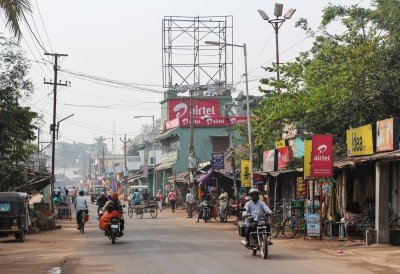 Pipili is a small but vibrant town world-famous for its traditional appliqué handicrafts, locally known as Chandua. The entire main street of the town is lined with shops showcasing bright, multi-colored fabric works that catch the eye of every traveler. The history of Pipili dates back to the 12th Century when the kings of Odisha settled craftsmen here to create canopies and umbrellas for the Jagannath Temple. The art form involves stitching smaller pieces of cloth onto a larger base to create intricate patterns of animals, flowers, and deities. Today, Pipili is a bustling center of commerce where almost every household is involved in this traditional craft. The town serves as a vital link between the capital city Bhubaneswar and the holy city of Puri. Beyond its commercial value, Pipili represents the living heritage of Odisha’s artistic soul. Walking through the narrow lanes, one can hear the rhythmic sound of sewing machines and see artisans meticulously hand-stitching mirrors onto velvet. The products range from massive temple canopies to modern home decor like lampshades and bags. It is a must-visit for anyone interested in indigenous crafts and vibrant culture.Show All
@@Beach Overview: Shankarpur in Odisha is a tranquil coastal village known for its pristine beaches and calm environment, offering a break from crowded tourist spots. It is located near the border of West Bengal and is often confused with its namesake in Bengal, but the Odisha side offers a more secluded experience. The shoreline is lined with casuarina trees that create a soothing sound as the sea breeze passes through them. It is a perfect destination for those seeking solitude and a close connection with nature. @@Local Life: The village is primarily a fishing community, and visitors can witness the traditional lifestyle of the local fishermen. The sight of colorful boats returning with the daily catch is a highlight for many travelers. @@Natural Beauty: The beach is known for its wide sandy stretches and the unique phenomenon where the sea recedes during low tide, allowing people to walk far into the seabed. @@Eco-Tourism: The area is being developed as an eco-tourism spot, emphasizing the preservation of the coastal ecosystem and local flora.
Pipili is a small but vibrant town world-famous for its traditional appliqué handicrafts, locally known as Chandua. The entire main street of the town is lined with shops showcasing bright, multi-colored fabric works that catch the eye of every traveler. The history of Pipili dates back to the 12th Century when the kings of Odisha settled craftsmen here to create canopies and umbrellas for the Jagannath Temple. The art form involves stitching smaller pieces of cloth onto a larger base to create intricate patterns of animals, flowers, and deities. Today, Pipili is a bustling center of commerce where almost every household is involved in this traditional craft. The town serves as a vital link between the capital city Bhubaneswar and the holy city of Puri. Beyond its commercial value, Pipili represents the living heritage of Odisha’s artistic soul. Walking through the narrow lanes, one can hear the rhythmic sound of sewing machines and see artisans meticulously hand-stitching mirrors onto velvet. The products range from massive temple canopies to modern home decor like lampshades and bags. It is a must-visit for anyone interested in indigenous crafts and vibrant culture.Show All
@@Beach Overview: Shankarpur in Odisha is a tranquil coastal village known for its pristine beaches and calm environment, offering a break from crowded tourist spots. It is located near the border of West Bengal and is often confused with its namesake in Bengal, but the Odisha side offers a more secluded experience. The shoreline is lined with casuarina trees that create a soothing sound as the sea breeze passes through them. It is a perfect destination for those seeking solitude and a close connection with nature. @@Local Life: The village is primarily a fishing community, and visitors can witness the traditional lifestyle of the local fishermen. The sight of colorful boats returning with the daily catch is a highlight for many travelers. @@Natural Beauty: The beach is known for its wide sandy stretches and the unique phenomenon where the sea recedes during low tide, allowing people to walk far into the seabed. @@Eco-Tourism: The area is being developed as an eco-tourism spot, emphasizing the preservation of the coastal ecosystem and local flora.Information
-
Why Famous:
Land of Lord Jagannath: Odisha is globally famous for the Jagannath Temple in Puri, one of the four sacred Char Dham pilgrimage sites for Hindus. The temple's unique rituals and the sheer scale of its operations attract millions of devotees every year.
Read MoreLand of Lord Jagannath: Odisha is globally famous for the Jagannath Temple in Puri, one of the four sacred Char Dham pilgrimage sites for Hindus. The temple's unique rituals and the sheer scale of its operations attract millions of devotees every year.
The Architectural Marvel of Konark: The Sun Temple at Konark is a masterpiece of creative genius, famous for its intricate stone carvings and astronomical significance. It represents the pinnacle of medieval temple building in India and is a must-visit for history buffs.
Rich Tribal Heritage: The state is home to 62 indigenous tribes, making it famous for its vibrant tribal culture, unique art forms like Pattachitra, and traditional dances like Odissi. These traditions offer a deep look into the ancient roots of Indian civilization.Architecture:
Kalinga Architectural Excellence: Odisha is world-renowned for its Kalinga Architecture, characterized by the Rekha Deula (curvilinear spire) and Pidha Deula (pyramidal roof) styles. The Konark Sun Temple, a UNESCO site, measures approximately 229 feet in its original heigh...Kalinga Architectural Excellence: Odisha is world-renowned for its Kalinga Architecture, characterized by the Rekha Deula (curvilinear spire) and Pidha Deula (pyramidal roof) styles. The Konark Sun Temple, a UNESCO site, measures approximately 229 feet in its original height, designed as a massive stone chariot with 24 wheels.
Temple Dimensions and Layout: The Jagannath Temple in Puri stands on a high platform with its main spire reaching a height of 214 feet, dominating the skyline. Most Odisha temples follow a specific plan consisting of the Vimana (sanctum), Jagamohana (assembly hall), Nata Mandira (dance hall), and Bhoga Mandapa (offering hall).How To Reach:
Reaching by Air: The Biju Patnaik International Airport in Bhubaneswar is the primary gateway to Odisha, connecting it to major Indian cities like Delhi and Mumbai. Regular flights are operated by IndiGo, Air India, and Vistara, making it very accessible for domestic and in...Reaching by Air: The Biju Patnaik International Airport in Bhubaneswar is the primary gateway to Odisha, connecting it to major Indian cities like Delhi and Mumbai. Regular flights are operated by IndiGo, Air India, and Vistara, making it very accessible for domestic and international travelers.
Reaching by Train: Odisha has a robust railway network with the Bhubaneswar Railway Station being a major junction on the East Coast line. Superfast trains like the Rajdhani Express and Shatabdi Express connect the state to Kolkata, Chennai, and Hyderabad daily.
Reaching by Road: The state is well-connected by National Highways like NH-16, which runs through the coastal belt. Regular bus services are operated by the OSRTC and private players, offering comfortable AC and non-AC coaches between major towns and neighboring states.
Local Transport Facilities: Within cities like Bhubaneswar and Puri, auto-rickshaws and app-based cabs like Ola and Uber are readily available. For exploring remote areas, hiring a private taxi or using the "Mo Bus" public transport system in the capital region is very efficient.Weather and Best Time to Visit:
Winter Season (October to February): This is the absolute best time to visit Odisha as the weather is pleasant with temperatures between 15°C and 25°C. It is the perfect season for exploring temples, enjoying the beaches, and visiting the various wildlife sanctuaries acro...Winter Season (October to February): This is the absolute best time to visit Odisha as the weather is pleasant with temperatures between 15°C and 25°C. It is the perfect season for exploring temples, enjoying the beaches, and visiting the various wildlife sanctuaries across the state.
Summer and Monsoon (March to September): Summers can be very hot with temperatures exceeding 40°C, making beach destinations more preferable than inland cities. The monsoon season from July to September brings heavy rains, which makes the waterfalls and forests look lush and beautiful.Near Tourist Places:
1. Konark (35 km from Puri), 2. Chilika Lake (50 km from Puri), 3. Bhubaneswar (60 km from Puri), 4. Cuttack (25 km from Bhubaneswar), 5. Dhauli (8 km from Bhubaneswar), 6. Pipli (25 km from Puri), 7. Raghurajpur (12 km from Puri), 8. Gopalpur (170 km from Puri), 9. Udayagiri (90 km from Bhubaneswar), 10. Ratnagiri (100 km from Bhubaneswar)Tourism Tips
-
Health and Safety Guidelines: Travelers should drink bottled water and avoid eating raw street food to prevent stomach issues. It is important to carry basic medicines for common ailments and use mosquito repellent when visiting forested areas like Simlipal or Satkosia.Health and Safety Guidelines: Travelers should drink bottled water and avoid eating raw street food to prevent stomach issues. It is important to carry basic medicines for common ailments and use mosquito repellent when visiting forested areas like Simlipal or Satkosia.
Packing Essentials for Odisha: Light cotton clothes are ideal for the humid climate, along with a pair of comfortable walking shoes for temple tours. Don't forget to pack a hat, sunglasses, and high-SPF sunscreen to protect yourself from the strong sun during daytime sightseeing.
Accommodation Options: Odisha offers a range of stays from luxury resorts in Puri to budget hotels in Bhubaneswar. For a unique experience, consider staying at the OTDC Panthanivas or eco-retreats which are located in some of the most scenic spots in the state.
Cultural Etiquette: When visiting temples, dress modestly and remember that many shrines do not allow leather items or mobile phones inside. Always seek permission before taking photographs of people, especially in tribal areas, to respect their privacy and local customs.
Reviews
FAQs
Odisha Itineray And Cost:-
Other States In India :-
Information about New and Updated Locations() of Odisha Has Been Added :-
Card subtitle
Note:-
Information provided here in good Faith and for reference only.
Near Places
Andaman and Nicobar Islands
Some quick example text to build on the card title and make up the bulk of the card's content.
Go somewhere
Andhra Pradesh
Some quick example text to build on the card title and make up the bulk of the card's content.
Go somewhere
Arunachal Pradesh
Some quick example text to build on the card title and make up the bulk of the card's content.
Go somewhere
Assam
Some quick example text to build on the card title and make up the bulk of the card's content.
Go somewhere
Bihar
Some quick example text to build on the card title and make up the bulk of the card's content.
Go somewhere
Chandigarh
Some quick example text to build on the card title and make up the bulk of the card's content.
Go somewhere
Chhattisgarh
Some quick example text to build on the card title and make up the bulk of the card's content.
Go somewhere
Daman and Diu
Some quick example text to build on the card title and make up the bulk of the card's content.
Go somewhere
Delhi
Some quick example text to build on the card title and make up the bulk of the card's content.
Go somewhere
Goa
Some quick example text to build on the card title and make up the bulk of the card's content.
Go somewhere
Gujarat
Some quick example text to build on the card title and make up the bulk of the card's content.
Go somewhere
Haryana
Some quick example text to build on the card title and make up the bulk of the card's content.
Go somewhere
Himachal Pradesh
Some quick example text to build on the card title and make up the bulk of the card's content.
Go somewhere
Jammu and Kashmir
Some quick example text to build on the card title and make up the bulk of the card's content.
Go somewhere
Jharkhand
Some quick example text to build on the card title and make up the bulk of the card's content.
Go somewhere
Karnataka
Some quick example text to build on the card title and make up the bulk of the card's content.
Go somewherein Other Cities