

Old Suspension Bridges
General information
-
Ideal Duration:
1-2 Hours (for crossing, photography, and surrounding exploration)Place Type:
Sub Place Category: Cultural, Historical, ArchitecEntry Fees:
No Entry Fee: There is no entry fee or ticket required to visit and cross the public Cane and Bamboo Suspension Bridge. It is a piece of community infrastructure.
Donations to Community: Visitors can, however, offer a voluntary donation dir...No Entry Fee: There is no entry fee or ticket required to visit and cross the public Cane and Bamboo Suspension Bridge. It is a piece of community infrastructure.
Donations to Community: Visitors can, however, offer a voluntary donation directly to the local village community (like Lenyi Village) if they see them maintaining the bridge or if there is a local collection point for the bridge's upkeep. This is a respectful way to support the preservation of the traditional craft.
Fees for Guided Tours: If a tourist hires a local guide to explain the architecture, culture, and history of the bridge, the guide's fee will be the only direct cost incurred for the experience.Timing:
Regular Timings: As a vital piece of community infrastructure, the bridges are generally accessible 24 hours a day for crossing by local people. However, tourists are advised to visit during daylight hours for safety and the best views.
Ideal V...Regular Timings: As a vital piece of community infrastructure, the bridges are generally accessible 24 hours a day for crossing by local people. However, tourists are advised to visit during daylight hours for safety and the best views.
Ideal Visit Time: The best time to visit is during the early morning (8:00 AM - 10:00 AM) when the light is soft and the river mist is clearing, providing a serene and atmospheric view. Late afternoon also offers good light and less pedestrian traffic.
Safety Precaution Time: Visitors should strictly avoid crossing the bridges after sunset or during heavy rainfall, as the bamboo becomes slippery and the lack of lighting makes it dangerous.Special Events:
Local Ceremonies and Bridge Dedications: While not a regular tourist event, the rebuilding or major repair of a bridge is often accompanied by a local tribal ceremony where prayers and blessings are offered for the bridge's strength and the safe passage of the community.Local Ceremonies and Bridge Dedications: While not a regular tourist event, the rebuilding or major repair of a bridge is often accompanied by a local tribal ceremony where prayers and blessings are offered for the bridge's strength and the safe passage of the community.
Post-Harvest Festivals: The area around the bridge, being a community gathering point, may occasionally serve as a venue for local community events or small celebrations tied to the major Tagin or Galo festivals like Si-Donyi (Tagin) or Mopin (Galo). These are deeply cultural and offer unique insights.
River-Related Events: On rare occasions, the river near the bridge may host the start or end point for adventure sporting events like river rafting competitions or small local fishing contests, adding an element of excitement to the visit.Best Photo Spots:
The Bridge from the Riverbank: Capture the entire length of the bridge from the sandy riverbank, with the tumultuous Subansiri River in the foreground and the green mountains as the backdrop, highlighting its impressive span.
Close-up of the Can...The Bridge from the Riverbank: Capture the entire length of the bridge from the sandy riverbank, with the tumultuous Subansiri River in the foreground and the green mountains as the backdrop, highlighting its impressive span.
Close-up of the Cane Ropes: Focus on the intricate, thick, and tensioned twisted cane ropes and the woven bamboo flooring to showcase the brilliant, all-natural craftsmanship and the textures of the materials.
Perspective from the Walkway: A thrilling photograph taken from the center of the bridge's walkway looking up- or downstream, emphasizing the dizzying height, the river below, and the feeling of being suspended in the air.Photo Gallery
Things To Do
-
Cross the Bridge: The primary thing to do is courageously walk across the swaying bridge. Feel the thrill of the movement and appreciate the engineering beneath your feet while taking in the magnificent views of the river.
Photography and Vistas: Use the bridge as a subject or a viewpoint for spectacular photography. Capture the dramatic suspension lines, the texture of the bamboo, and the stunning backdrop of the river and mountain cliffs.
Interact with Locals: Engage in a respectful conversation with the local Tagin villagers who use and maintain the bridge. This offers an opportunity for rich cultural exchange and learning about their sustainable lifestyle.
Riverbank Picnicking: The sandy stretches along the Subansiri River near the bridge often serve as ex...Cross the Bridge: The primary thing to do is courageously walk across the swaying bridge. Feel the thrill of the movement and appreciate the engineering beneath your feet while taking in the magnificent views of the river.
Photography and Vistas: Use the bridge as a subject or a viewpoint for spectacular photography. Capture the dramatic suspension lines, the texture of the bamboo, and the stunning backdrop of the river and mountain cliffs.
Interact with Locals: Engage in a respectful conversation with the local Tagin villagers who use and maintain the bridge. This offers an opportunity for rich cultural exchange and learning about their sustainable lifestyle.
Riverbank Picnicking: The sandy stretches along the Subansiri River near the bridge often serve as excellent, peaceful spots for a picnic or simply for relaxing and enjoying the sound of the flowing water.
Observe the River: Spend time watching the Subansiri River flow, which is a lifeline for the region. You might see locals fishing or preparing to use the water for various activities.
Sketching and Painting: For artistic travelers, the bridge, with its natural materials and dramatic setting, is an excellent subject for sketching or watercolor painting to capture the essence of the tribal craft.
Short Hikes: Explore the short trails leading from the bridge area into the nearby forests or to the adjoining villages like Lenyi for a quick immersive walk into the rural life of Arunachal Pradesh.
Information
-
Why Famous:
Indigenous Engineering: They are famous worldwide as a spectacular example of indigenous, eco-friendly engineering, showcasing the incredible skill of the local Tagin and Galo tribes who construct these intricate, strong structures without using a single piece of metal or co...Indigenous Engineering: They are famous worldwide as a spectacular example of indigenous, eco-friendly engineering, showcasing the incredible skill of the local Tagin and Galo tribes who construct these intricate, strong structures without using a single piece of metal or concrete. They are a vital cultural monument.
Adventure Experience: The act of crossing the swaying bridge over the roaring Subansiri River is a unique, thrilling, and slightly scary adventure experience, drawing travelers who seek an authentic, non-commercialized adrenaline rush.
Cultural Immersion: The bridges act as a gateway to the authentic Tagin Tribal Villages like Lenyi, making them famous as a point of contact for cultural exchange and observation of the traditional way of life in Upper Subansiri. -
Architecture:
Materials and Construction: The bridges are constructed using thick, locally grown bamboo for the main structural elements and flooring, and incredibly strong, twisted cane ropes for the suspension cables and railings. The primary construction tool is the Dao (broad-bladed ...Materials and Construction: The bridges are constructed using thick, locally grown bamboo for the main structural elements and flooring, and incredibly strong, twisted cane ropes for the suspension cables and railings. The primary construction tool is the Dao (broad-bladed knife), demonstrating the simplicity and ingenuity of the process.
Dimension and Span: While dimensions vary by bridge, they typically span the river at points of manageable width. A common example of these bridges can be 80 to 120 meters in length, hanging several dozen feet above the flowing river water. The walkway is often a woven bamboo mat, and the side panels are intricately woven bamboo or cane, creating a semi-enclosed, tubular structure in some designs (like those sometimes seen by the Sherdukpen tribe), though the ones near Daporijo are more often open-sided. The slight flexibility and sway of the structure are a deliberate part of the design, helping it to absorb the forces of the wind and the weight of the crossers.
Symbol of Sustainability: The architecture is a powerful example of sustainable design, relying entirely on rapidly renewable local resources. The bridges' durability is a testament to the tribes' expertise in processing and utilizing natural materials, ensuring that this vital infrastructure is both environmentally friendly and culturally authentic. -
How To Reach:
By Air: The closest airports are Lilabari Airport (IXI) (260 KMS) and Dibrugarh Airport (DIB) (286 KMS). From the airport, a taxi or bus is required to reach Daporijo.
By Train: Nearest major railheads are Naharlagun Railway Station (NHLN) ...By Air: The closest airports are Lilabari Airport (IXI) (260 KMS) and Dibrugarh Airport (DIB) (286 KMS). From the airport, a taxi or bus is required to reach Daporijo.
By Train: Nearest major railheads are Naharlagun Railway Station (NHLN) (260 KMS) and Dibrugarh Railway Station. The journey from the station to Daporijo is long and requires pre-booked or shared road transport.
By Road: The bridge is located near Daporijo town, which is on the NH13 route from Itanagar (327 KMS) and Ziro (160 KMS). Public transport, like ASTC buses or shared Tata Sumos, are available for the long journey to Daporijo.
By Local Transport: From Daporijo town center, the bridge is about 5-10 KMS away, often near Lenyi Village. One can hire a local auto-rickshaw or a shared jeep. Negotiate the fare in advance, especially for a return trip, as local transport options can be sparse near the riverbank. -
Weather and Best Time to Visit:
Different Types of Seasons: Post-Monsoon and Winter (October to April) is the Best Time to Visit. The river flow is manageable, the weather is cool and pleasant for a walk, and the skies are clear for stunning photography of the valley. Monsoon (July to September) is the W...Different Types of Seasons: Post-Monsoon and Winter (October to April) is the Best Time to Visit. The river flow is manageable, the weather is cool and pleasant for a walk, and the skies are clear for stunning photography of the valley. Monsoon (July to September) is the Worst Time to Visit as the river swells dramatically and the bridges can be slippery and hazardous.
Different Parts of the Day: Mid-Morning (10:00 AM to 1:00 PM) provides the strongest and clearest light to appreciate the color of the river and the green density of the surrounding forests. Sunset is also beautiful but requires leaving the area quickly before dark. -
Near Tourist Places:
Subansiri River (Rafting/Angling Spots) (0 KMS), Daporijo Museum and Craft Centre (7-12 KMS), Meghna Cave Temple (10-15 KMS), Daporijo Good Shepherd Church (10-15 KMS), Tagin Tribal Villages (immediately near - 0-5 KMS), Kamala Reserve Forest (approx. 20-25 KMS), Nijam Waterfall (approx. 30 KMS), Ligu Village (Rural Tourism) (approx. 35 KMS), Ziro (160 KMS), Aalo (approx. 150 KMS).
Tourism Tips
-
Health & Safety: The bridge is intentionally designed to sway; if you are afraid of heights or prone to motion sickness, proceed cautiously. Wear non-slip footwear and hold onto the railing. Never attempt to cross during or immediately after heavy rain.
Read MoreHealth & Safety: The bridge is intentionally designed to sway; if you are afraid of heights or prone to motion sickness, proceed cautiously. Wear non-slip footwear and hold onto the railing. Never attempt to cross during or immediately after heavy rain.
Packing: Carry a small bag to keep your hands free for balance. The riverbank can be sunny; wear a hat and apply sunscreen. A good camera is essential for the incredible vistas.
Permits: Inner Line Permit (ILP) is mandatory for all Indian citizens to enter Arunachal Pradesh. Foreigners require a Protected Area Permit (PAP). Ensure these documents are carried and valid.
Respect: The bridge is a local utility. If villagers are crossing, allow them priority. Do not damage the bamboo or cane, as its maintenance is crucial for the community.Reviews
FAQs
Daporijo Itineray And Cost:-
Old Suspension Bridges Tourism:-
Information about New and Updated Locations() of Arunachal Pradesh Has Been Added :-
Card subtitle
Note:-
Information provided here in good Faith and for reference only.
All information and pictures will be updated soon, please keep visiting.
Near Places

Angling Spots on Subansiri River
Some quick example text to build on the card title and make up the bulk of the card's content.
Go somewhere
Bali Waterfall
Some quick example text to build on the card title and make up the bulk of the card's content.
Go somewhere
Cane and Bamboo Suspension Bridge
Some quick example text to build on the card title and make up the bulk of the card's content.
Go somewhere
Daporijo Good Shepherd Church
Some quick example text to build on the card title and make up the bulk of the card's content.
Go somewhere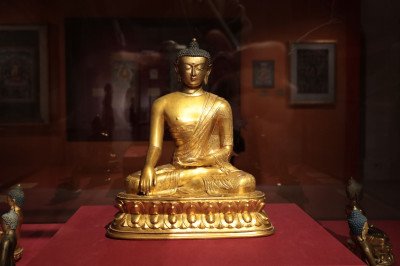
Daporijo Museum and Craft Centre
Some quick example text to build on the card title and make up the bulk of the card's content.
Go somewhere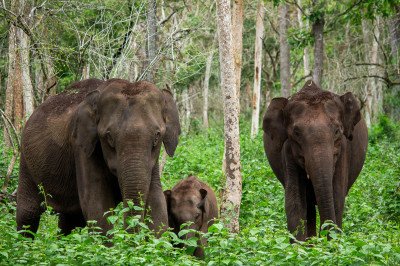
Kamala Reserve Forest
Some quick example text to build on the card title and make up the bulk of the card's content.
Go somewhere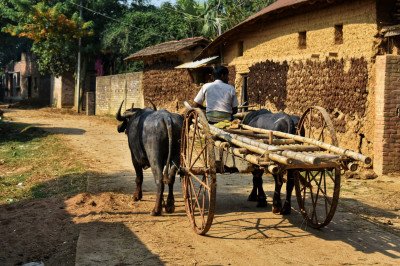
Ligu Village
Some quick example text to build on the card title and make up the bulk of the card's content.
Go somewhere
Meghna Cave Temple
Some quick example text to build on the card title and make up the bulk of the card's content.
Go somewhere
Mori Village
Some quick example text to build on the card title and make up the bulk of the card's content.
Go somewhere
Nijam Waterfall
Some quick example text to build on the card title and make up the bulk of the card's content.
Go somewhere
Old Suspension Bridges
Some quick example text to build on the card title and make up the bulk of the card's content.
Go somewhere
Sigem Daporijo Reserve Forest
Some quick example text to build on the card title and make up the bulk of the card's content.
Go somewhere
Subansiri River
Some quick example text to build on the card title and make up the bulk of the card's content.
Go somewhere
Tadak Dulom District Hospital Area
Some quick example text to build on the card title and make up the bulk of the card's content.
Go somewhere
Tagin Tribal Villages
Some quick example text to build on the card title and make up the bulk of the card's content.
Go somewherein Other Cities