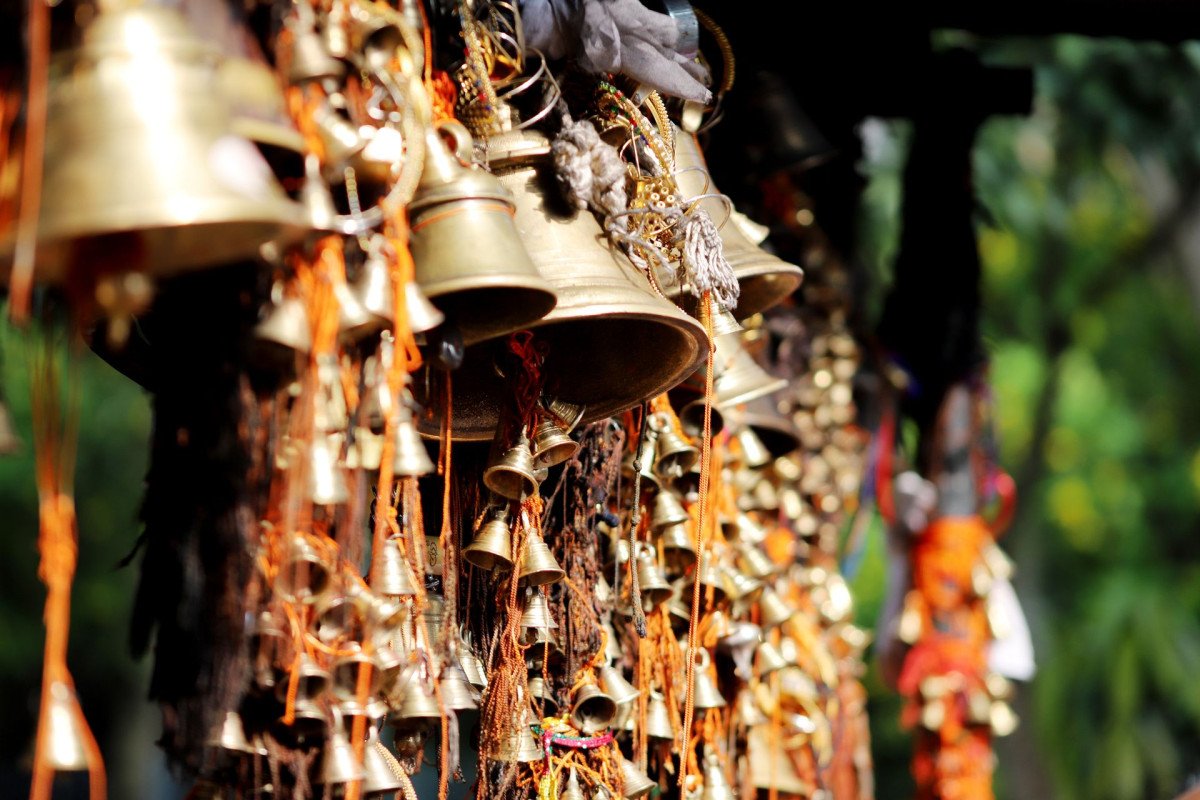
Parvati Hill Temple
General information
-
Ideal Duration:
2 to 3 hours (including the climb):Place Type:
Religious/Historical/Viewpoint/Trekking:Entry Fees:
Entry to Hill and Temples (Absolutely Free): There is No Entry Fee to access Parvati Hill or the temple complex itself. This free access is maintained to encourage religious and recreational use by the public. The steps and the hilltop viewing area are freely accessible to...Entry to Hill and Temples (Absolutely Free): There is No Entry Fee to access Parvati Hill or the temple complex itself. This free access is maintained to encourage religious and recreational use by the public. The steps and the hilltop viewing area are freely accessible to all.
The Peshwa Museum Fees (Nominal Charge): The only area where a charge may be levied is the small Peshwa Museum located on the hill. The fee for the museum is nominal, usually around INR 5 to INR 10 per person. This small fee is primarily for the upkeep of the historical artifacts inside the museum.
Parking Fees (Vehicular Charge): If you are driving a private vehicle, there might be a nominal fee for parking at the base of the hill near the entrance area. This fee helps in managing the traffic and parking space in the crowded locality.
Donations (Voluntary Contributions): Visitors often make voluntary donations (dakshina) at the temple for the maintenance and religious ceremonies. This is entirely optional and not a mandatory fee. The free nature of the main attraction makes Parvati Hill a highly accessible and popular spot for people from all economic backgrounds.
Special Event Fees (Rare Occasions): For some very large festivals or special cultural events, there might be a temporary, nominal fee or organized passes for entry to manage the crowd, but this is rare and not a regular occurrence.Timing:
Regular Timings (Temple and Hill Access): The temple complex and the hill are typically open from 5:00 AM to 8:00 PM every day of the week. This long duration allows people to use the hill for morning exercise, spiritual visits, and evening viewing.
Read MoreRegular Timings (Temple and Hill Access): The temple complex and the hill are typically open from 5:00 AM to 8:00 PM every day of the week. This long duration allows people to use the hill for morning exercise, spiritual visits, and evening viewing.
Ideal Visit Time (Early Morning or Late Evening): The absolute best time to visit is early in the morning, between 5:00 AM and 7:30 AM, or in the late evening, between 5:30 PM and 8:00 PM.
Reason:
Early Morning: The climb is much easier due to the cool weather, and you can witness the beautiful sunrise and a peaceful atmosphere.
Late Evening: The atmosphere is romantic, perfect for watching the sunset and the city lights coming on.
Time to Avoid (Midday Heat): Avoid visiting between 11:00 AM and 4:00 PM, especially during the summer (March to May). The midday sun makes the climb and the stone surface at the top very hot and uncomfortable.
Peshwa Museum Timings (Shorter Hours): The small Peshwa Museum within the complex may have shorter operating hours, often opening later and closing earlier than the main temple complex. It's best to check locally, but generally, assume it is open between 9:00 AM and 5:00 PM.Special Events:
Maha Shivaratri (The Main Festival): The most significant special event at Parvati Hill is the celebration of Maha Shivaratri, which usually falls in February or March.
Celebration:Maha Shivaratri (The Main Festival): The most significant special event at Parvati Hill is the celebration of Maha Shivaratri, which usually falls in February or March.
Celebration: Thousands of devotees throng the temple to offer prayers to Lord Shiva. Special rituals, continuous chanting (bhajans), and night-long worship are held. The atmosphere is intensely spiritual and vibrant.
Navaratri (Goddess Festival): The festival of Navaratri in September or October is also celebrated with great fervor, focusing on Goddess Parvati.
Celebration: The temple is beautifully decorated with lights and flowers, and nine nights of special prayers and cultural programs take place, attracting a large number of local worshipers.
Jyeshtha Purnima (Peshwa Tradition): This full moon day in the Hindu month of Jyeshtha is historically significant as it relates to the Peshwa dynasty's traditions.
Celebration: Although not as widely known as the major festivals, local temple trustees may hold special observances, sometimes including historical-themed events or processions, to commemorate the founders.
Annual Peshwa Museum Events (Historical Talks): The adjacent Peshwa Museum occasionally hosts special talks or exhibits, particularly on historical dates significant to the Peshwa family, offering educational insights beyond the religious aspect.Best Photo Spots:
The Panoramic Viewpoint (Sunrise/Sunset): The absolute best photo spot is the main viewing area at the summit.
Best Shot:...The Panoramic Viewpoint (Sunrise/Sunset): The absolute best photo spot is the main viewing area at the summit.
Best Shot: A wide-angle landscape shot of the city, especially during the golden hours of sunrise or sunset, when the city lights begin to twinkle. Focus on the horizon for a powerful perspective.
The 103 Stone Steps (The Path to the Peak): The flight of steps itself is a great photographic subject, symbolizing the ascent and journey.
Best Shot: A shot looking down the steps from the top or looking up from the base, using the steps as leading lines to create depth and focus on the temple entrance.
The Temple Architecture (Details and Symmetry): The temples, especially the Devdeveshwara structure, are excellent for architectural photography.
Best Shot: Close-up shots of the black stone carvings and the gold pinnacle (kalash). Look for symmetrical frames of the temple entrance or the small shrine pillars.
Silhouette Against the Sky (Dramatic Effect): The temples, standing high on the hill, make for powerful silhouettes against the bright morning or evening sky.
Best Shot: Position yourself to capture the main temple's spire or the stone carvings as a dark shape against the vividly colored sky—ideal during November to February for clear skies.
The Peshwa Museum Entrance (Historical Framing): The museum entrance, often flanked by old-style pillars or arches, provides a good historical frame for photos.
Best Shot: A well-composed shot of the museum building, which serves as a historical context for the entire hill.Photo Gallery
Things To Do
-
The Climb of 103 Steps (Physical and Spiritual Ascend):
What to Do: Commit to climbing the 103 stone steps to the summit. Take your time, especially if you are not accustomed to climbing. There are railings for support.
Experience: This ...The Climb of 103 Steps (Physical and Spiritual Ascend):
What to Do: Commit to climbing the 103 stone steps to the summit. Take your time, especially if you are not accustomed to climbing. There are railings for support.
Experience: This is a key part of the experience, offering light exercise and a meditative focus before reaching the temples.
Offer Prayers at the Temples (Seeking Blessings):
What to Do: Visit the five temples in the complex—Devdeveshwar (Shiva-Parvati), Vitthal and Rukmini, Vishnu, and Kartikeya. Follow local customs, remove your footwear before entering, and respect the sanctity of the place.
Experience: Engage in the spiritual atmosphere and witness traditional Hindu rituals.
Watch the Sunrise or Sunset (The Scenic View):
What to Do: Plan your visit for either the early morning (before 6:00 AM) or late evening (around 6:00 PM to 7:00 PM) to catch the stunning sunrise or sunset. The hilltop offers uninterrupted views of the city's horizon.
Experience: Capture spectacular photographs and enjoy a moment of peaceful tranquility as the light transforms the city.
Visit the Peshwa Museum (Historical Dive):
What to Do: Spend time exploring the small museum located near the main temple. Examine the collections of weapons, coins, and artifacts from the Peshwa era.
Experience: Gain a deeper understanding of the Maratha Empire's history and the life of the Peshwas.
Morning Walk/Jog (Fitness Activity):
What to Do: Join the locals for a refreshing morning walk or jog up the steps and around the hilltop. The area is a popular fitness spot.
Experience: A healthy and energetic start to your day with clean air and beautiful views.
Explore the Hill's Periphery (Discovery Walk):
What to Do: Walk along the paths around the temple complex. Look for the memorial (Samadhi) of Nanasaheb Peshwa and the location of the old Buddhist Cave.
Experience: Discover the lesser-known historical and natural spots of the hill. Photography of the Cityscape (Capture the Panorama):
What to Do: Carry your camera to capture the wide, panoramic views of Pune. The view of the city nestled against the backdrop of the Sahyadri mountains is excellent.
Experience: Get unique aerial-like shots of Pune’s urban sprawl.
Relax and Meditate (Peaceful Retreat):
What to Do: Find a quiet spot on the hilltop, perhaps on the steps or in a corner of the temple courtyard, to sit, relax, and meditate.
Experience: Enjoy a moment of calm away from the hustle and bustle of the city below.
Explore the Local Market (Near the Base):
What to Do: The area at the base of the hill has small stalls selling flowers, offerings, and local snacks. Engage with the vendors and try some local treats.
Experience: A taste of local life and culture.
Combining with Saras Baug (Nearby Attraction):
What to Do: Saras Baug, another famous spot, is located right at the foot of Parvati Hill. Plan to visit it immediately before or after your climb.
Experience: Conveniently combine a historical temple visit with a relaxing time in a beautiful garden.
Information
-
Why Famous:
The Panoramic Viewpoint (City Skyline): Parvati Hill is most famous for offering the most spectacular and comprehensive panoramic view of the entire Pune city. It is often referred to as the city's best observation point. Visitors flock here, particularly at dawn and dusk,...The Panoramic Viewpoint (City Skyline): Parvati Hill is most famous for offering the most spectacular and comprehensive panoramic view of the entire Pune city. It is often referred to as the city's best observation point. Visitors flock here, particularly at dawn and dusk, to witness the breathtaking transformation of the city lights and the stunning natural colors of sunrise and sunset.
Peshwa Dynasty Heritage (Historical Significance): The hill is a crucial landmark from the Maratha Empire's era. It served as a strategic point and was intimately connected to the powerful Peshwa family, who ruled Pune. The construction of the temples by Nanasaheb Peshwa and the presence of the Peshwa Museum preserve this rich legacy, attracting history buffs and those interested in the Maratha Empire.
A Spiritual Destination (Religious Importance): The temple complex itself is one of the oldest and most revered religious sites in Pune. Dedicated to Lord Shiva and Goddess Parvati, it attracts devotees throughout the year. The peaceful, elevated location enhances the spiritual experience, drawing people seeking blessings and tranquility away from the city's bustle.
Fitness and Trekking Spot (Recreational Use): For local residents (Puneties), the 103 steps to the top make it a popular spot for morning walks, jogging, and light trekking. This combination of physical activity and spiritual reward makes it a unique and regularly visited spot in the city. -
Architecture:
Maratha Temple Architecture (Style and Materials): The temples on Parvati Hill predominantly display the distinctive Maratha style of architecture, characterized by simplicity, sturdy construction, and the use of locally sourced stone. The main temple, Devdeveshwara, is bui...Maratha Temple Architecture (Style and Materials): The temples on Parvati Hill predominantly display the distinctive Maratha style of architecture, characterized by simplicity, sturdy construction, and the use of locally sourced stone. The main temple, Devdeveshwara, is built primarily of black stone and was completed in 1749, with a significant gold pinnacle added around 1760. The structure is compact yet imposing, designed to withstand the harsh weather atop the hill.
Dimension (The Steps and Elevation): The most prominent dimension is the elevation, with the hill rising to 640 meters (approx. 2,100 feet) above sea level. The access point to the main temple is the flight of 103 well-maintained stone steps. These steps form a key architectural element, providing a deliberate, meditative path to the sacred space. The Temple Complex Layout (Arrangement of Structures): The complex at the hilltop is not a single structure but an arrangement of several small temples and the Peshwa Museum. The temples are placed around a main courtyard. The main shrine of Devdeveshwara is central, flanked by smaller shrines dedicated to other deities, showcasing a traditional Hindu temple layout within a fortified hilltop complex.
Other Structures (The Peshwa Museum): The adjacent Peshwa Museum is housed in a more contemporary structure near the temple, built to display the historical artifacts. It provides a contrast to the ancient temple architecture while complementing the historical narrative of the site. -
How To Reach:
By Air (Via Pune International Airport): Pune International Airport (PNQ) is the nearest airport, located approximately 15 KMS from Parvati Hill.
After Landing: From the airport, hiring a pre-paid taxi or using app-based cab services (Ola or...By Air (Via Pune International Airport): Pune International Airport (PNQ) is the nearest airport, located approximately 15 KMS from Parvati Hill.
After Landing: From the airport, hiring a pre-paid taxi or using app-based cab services (Ola or Uber) is the most convenient option. The journey can take anywhere from 45 minutes to an hour, depending on the time of day and city traffic. Alternatively, you can take an airport bus service to a central hub like Swargate and then switch to local transport.
By Train (Via Pune Junction): Pune Junction (Pune Railway Station) is the main railway hub, located about 6 KMS from Parvati Hill.
After Arrival: The fastest way is to hire an auto-rickshaw or a pre-booked taxi. The ride usually takes about 20 minutes. Many local buses also run from the station toward the Swargate area, which is at the base of the hill.
By Road (Using Bus and Private Vehicle): Pune is well-connected by major highways.
Private Vehicle: Driving a private car is possible, and parking is generally available near the base of the hill for a nominal fee. The area can be congested, so driving requires patience.
Intercity Bus: The most crucial transport link is the Swargate Bus Station (Swargate), one of Pune’s largest bus depots, which is located just a short walking distance or quick auto-rickshaw ride from the base of Parvati Hill. State transport buses from all over Maharashtra arrive here.
By Local Transport (Intra-City Travel):
Auto-rickshaws: Auto-rickshaws are readily available and can be hired from any part of the city. Since the hill is a major landmark, drivers know the location well. Always confirm the fare or insist on using the meter.
Local Buses (PMPML): PMPML city buses frequently service the Swargate area, which is the nearest major transit point. You can take a bus to Swargate and then either walk or take a very short auto ride to the hill's base.
App-based Cabs: Services like Ola and Uber are widely used and can drop you directly at the base of the hill for a hassle-free trip. -
Weather and Best Time to Visit:
The Winter Season (Clear Views and Pleasant Trek): The period from October to February offers the best conditions.
Weather: The climate is cool and dry, with minimal humidity....The Winter Season (Clear Views and Pleasant Trek): The period from October to February offers the best conditions.
Weather: The climate is cool and dry, with minimal humidity.
Reason: The climb of 103 steps is most comfortable in the cool air, and the clear skies guarantee the most stunning, unobstructed panoramic views of the city, especially at sunrise and sunset.
The Monsoon Season (Lush Greenery and Fog): From June to September, the hill transforms into a beautiful green landscape.
Weather: It is moderate to heavy rainfall. The summit can be foggy and trails slippery.
Reason: This is an excellent time for nature lovers and photographers who wish to capture the hill's lush beauty. However, the wet steps can be a safety concern, and fog can sometimes obscure the panoramic view.
The Summer Season (Not Recommended for Midday): The summer months (March to May) are hot.
Weather: High temperatures can make the climb strenuous.
Reason: If visiting in summer, you must restrict your visit to very early mornings (5:00 AM to 7:00 AM) or late evenings (5:30 PM onwards) to avoid heatstroke and extreme discomfort. Different Parts of the Day (Early Bird Gets the Best Views): Early Morning (5:00 AM - 7:30 AM) The best time for fitness enthusiasts, photographers, and those seeking a spiritual, peaceful start to the day. You can see the city wake up and enjoy the freshest air. Late Evening (5:30 PM - 8:00 PM) The best time for couples and families to enjoy the spectacular sunset and watch the lights of Pune city turn on. This is a very popular time, so expect more crowds. Midday (11:00 AM - 4:00 PM) The least desirable time due to intense heat and sun, especially for the climb. -
Near Tourist Places:
1.
Saras Baug: (At the base/Adjacent) 2.
Swargate Bus Station (Major Hub): (Approx. 1. 5 KMS) 3.
Dagdusheth Halwai Ganpati Temple: (Approx. 4 KMS) 4.
Raja Dinkar Kelkar Museum: (Approx. 4 KMS) 5.
Shaniwar Wada: (Approx. 5. 5 KMS) 6.
Pune Okayama Friendship Garden: (Approx. 5 KMS) 7.
Laxmi Road Market (Shopping): (Approx. 4 KMS) 8.
Vishrambaug Wada: (Approx. 4. 5 KMS) 9.
Empress Garden: (Approx. 8 KMS) 10.
Rajiv Gandhi Zoological Park (Katraj Zoo): (Approx. 8 KMS)
Tourism Tips
-
Health & Safety (Climbing Precautions and Footwear):
Footwear: Wear sturdy and comfortable walking or sports shoes suitable for climbing stone steps. Avoid slippery sandals.
Safety on Steps: Be careful while climbing the 103 steps, ...Health & Safety (Climbing Precautions and Footwear):
Footwear: Wear sturdy and comfortable walking or sports shoes suitable for climbing stone steps. Avoid slippery sandals.
Safety on Steps: Be careful while climbing the 103 steps, especially during the monsoon when they can be slippery. Use the railings.
Hydration: Carry water with you, as the climb can be physically demanding, particularly on warm days. Water vendors are available at the base and sometimes at the top, but carrying your own is best.
Crowd Management: On festival days, the temple gets extremely crowded. Be patient and follow the crowd control instructions.
Packing (Essentials for the Visit):
Camera: Highly recommended for the panoramic views. You do not need to pay a fee for the main hill.
Sun Protection: Carry a hat, sunglasses, and sunscreen if visiting during the day, even in winter, as the hilltop is exposed.
Small Offering: If you plan to enter the temples, you may wish to carry a small offering of flowers or coconut.
Accommodation (Proximity and Style):
Budget/Local Style: The areas around Swargate and Sadashiv Peth offer numerous budget and mid-range hotels, putting you very close to the location.
Luxury/Modern: For a more upscale stay, look towards areas like Camp (Koregaon Park) or Shivajinagar, which are a short cab ride away. Other Different Topics Heading (Local Experiences and Etiquette):
Temple Etiquette: Dress modestly, covering your shoulders and knees, as a sign of respect when entering the temple area. Remove your footwear before entering the temple premises.
Local Street Food: The base of Parvati Hill, near the Swargate area, is a vibrant hub for local street food vendors. Do not miss trying the piping hot snacks like Bhajji and Poha after your climb.
Cleanliness: Help maintain the cleanliness of this heritage site. Use designated dustbins and avoid littering the steps or the hilltop area.
Photography: Be respectful when taking pictures, especially near the praying devotees.
Reviews
FAQs
Pune Itineray And Cost:-
Parvati Hill Temple Tourism:-
Other Places In Pune :-
Other States In India :-
Information about New and Updated Locations() of Maharashtra Has Been Added :-
Card subtitle
Note:-
Information provided here in good Faith and for reference only.
Near Places
Aga Khan Palace
Some quick example text to build on the card title and make up the bulk of the card's content.
Go somewhere
Bhandarkar Oriental Research Institute
Some quick example text to build on the card title and make up the bulk of the card's content.
Go somewhere
Bhuleshwar Temple
Some quick example text to build on the card title and make up the bulk of the card's content.
Go somewhere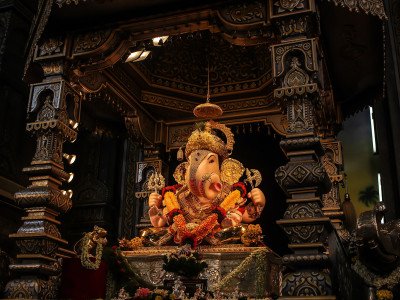
Dagdusheth Halwai Ganpati Temple
Some quick example text to build on the card title and make up the bulk of the card's content.
Go somewhere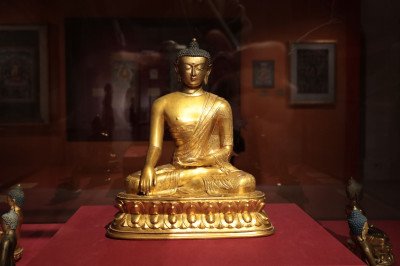
Darshan Museum
Some quick example text to build on the card title and make up the bulk of the card's content.
Go somewhere
Empress Botanical Garden
Some quick example text to build on the card title and make up the bulk of the card's content.
Go somewhere
Joshi's Museum of Miniature Railways
Some quick example text to build on the card title and make up the bulk of the card's content.
Go somewhere
Khadakwasla Dam & Lake
Some quick example text to build on the card title and make up the bulk of the card's content.
Go somewhere
Lal Mahal
Some quick example text to build on the card title and make up the bulk of the card's content.
Go somewhere
Lohagad Fort
Some quick example text to build on the card title and make up the bulk of the card's content.
Go somewhere
Mulshi Lake and Dam
Some quick example text to build on the card title and make up the bulk of the card's content.
Go somewhere
Osho International Meditation Resort
Some quick example text to build on the card title and make up the bulk of the card's content.
Go somewhere
Parvati Hill Temple
Some quick example text to build on the card title and make up the bulk of the card's content.
Go somewhere
Pataleshwar Cave Temple
Some quick example text to build on the card title and make up the bulk of the card's content.
Go somewhere
Pawna Lake
Some quick example text to build on the card title and make up the bulk of the card's content.
Go somewhere
Pune Okayama Friendship Garden
Some quick example text to build on the card title and make up the bulk of the card's content.
Go somewherein Other Cities