Pathiramanal Island
General information
-
Ideal Duration:
1 to 2 hours on the island; 3 to 4 hours including the boat journey from the mainland.Place Type:
Nature, Wildlife, Birdwatching, Island, BackwatersEntry Fees:
Island Entrance Cost: As of the latest information, there is no specific entry fee for visiting the Pathiramanal Island itself. The island, managed by the Tourism Department of Kerala, is maintained as an open-access natural reserve to promote eco-tourism and bird...
Island Entrance Cost: As of the latest information, there is no specific entry fee for visiting the Pathiramanal Island itself. The island, managed by the Tourism Department of Kerala, is maintained as an open-access natural reserve to promote eco-tourism and bird conservation. This policy ensures that the main barrier to entry is only the cost and logistics of transport, making it an economically accessible spot for all tourists, regardless of budget.
Cost of Transportation (The Main Expense): The primary cost associated with visiting the island is the boat hire. Since the island is only accessible by water, every visitor must factor in this expense.
Options include: 1.
Public Ferries: These are the most economical option, operating on fixed routes (e. g. , Muhamma-Kumarakom) and will stop near the island. The cost is minimal, often just a few Rupees. 2.
Private Motor Boats/Speed Boats: These are faster and offer more flexibility, costing several hundred to a couple of thousand Rupees depending on the boat size, speed, and negotiation. 3.
Houseboat Cruises: Booking a full-day or overnight houseboat cruise is the most luxurious and expensive option, with the island being a planned stop. The cruise cost runs into several thousand Rupees. The lack of an entry fee offsets the inevitable transportation expense, making the overall visit cost-effective.
Parking and Related Fees: There are no parking fees or ticket counter fees on the island as vehicles are not permitted. However, visitors who drive to the mainland jetties (Alappuzha or Muhamma) will incur standard parking fees at those locations. The financial focus of the trip remains purely on the logistics of accessing the remote, aquatic location.Timing:
General Operating Hours: The generally accepted operating hours for Pathiramanal Island are from 6:00 AM to 6:00 PM or 9:00 AM to 8:00 PM, depending on the source. As it is an uninhabited natural spot, the timings are more of a guideline for when boat services gen...
General Operating Hours: The generally accepted operating hours for Pathiramanal Island are from 6:00 AM to 6:00 PM or 9:00 AM to 8:00 PM, depending on the source. As it is an uninhabited natural spot, the timings are more of a guideline for when boat services generally operate and when it is safe to be on the water. It is not possible to stay overnight on the island. Visitors must plan their boat ride back to the mainland well before sunset to ensure safe travel on the backwaters in the dark.
Ideal Time for Birdwatching: The absolute ideal visit time is in the very early morning, typically around 6:30 AM to 9:00 AM. During these hours, bird activity is at its peak as they are most active in feeding and calling before the day's heat sets in. The light is also soft and perfect for photography. A secondary ideal time is the late afternoon, from about 4:00 PM until closing, as the heat subsides and birds become active again. Mid-day is generally hotter and less productive for sightings.
Ideal Time for Natural Solitude: For visitors seeking maximum solitude and peace, the very first hour of opening or the last hour before closing is recommended. Most tourist crowds arrive between 10:00 AM and 3:00 PM. Visiting outside this peak window allows for a much more tranquil and personal experience with the island's natural environment, which is often its main appeal.Special Events:
Annual Migratory Bird Season: The most significant and recurring 'special event' at Pathiramanal Island is the annual arrival and congregation of migratory birds. This period, typically spanning from November to March, transforms the island into a vibrant hub of i...
Annual Migratory Bird Season: The most significant and recurring 'special event' at Pathiramanal Island is the annual arrival and congregation of migratory birds. This period, typically spanning from November to March, transforms the island into a vibrant hub of international avian activity. Species from the Himalayas and even Siberia make their long journey to the island, utilizing it as a safe wintering ground. The sheer volume and variety of birds like the Siberian Cranes, Waterfowl, Teal, and Pintail Ducks during this time make it an ornithological spectacle. This natural cycle is the primary annual draw, celebrated by nature lovers and photographers.
Onam and Nehru Trophy Boat Race Proximity: While the event does not happen on the island itself, its proximity to the main stretch of the Vembanad Lake where the famous Nehru Trophy Boat Race takes place is a major seasonal draw. The race, held on the Punnamada Lake (a part of Vembanad Lake) on the second Saturday of August (or September, around the Onam festival), creates a massive surge of celebratory energy in the backwaters. Visiting Pathiramanal during this season allows tourists to experience the quiet beauty of the island and the vibrant, thrilling cultural spectacle of the boat race within the same trip. This period offers a unique cultural contrast.Best Photo Spots:
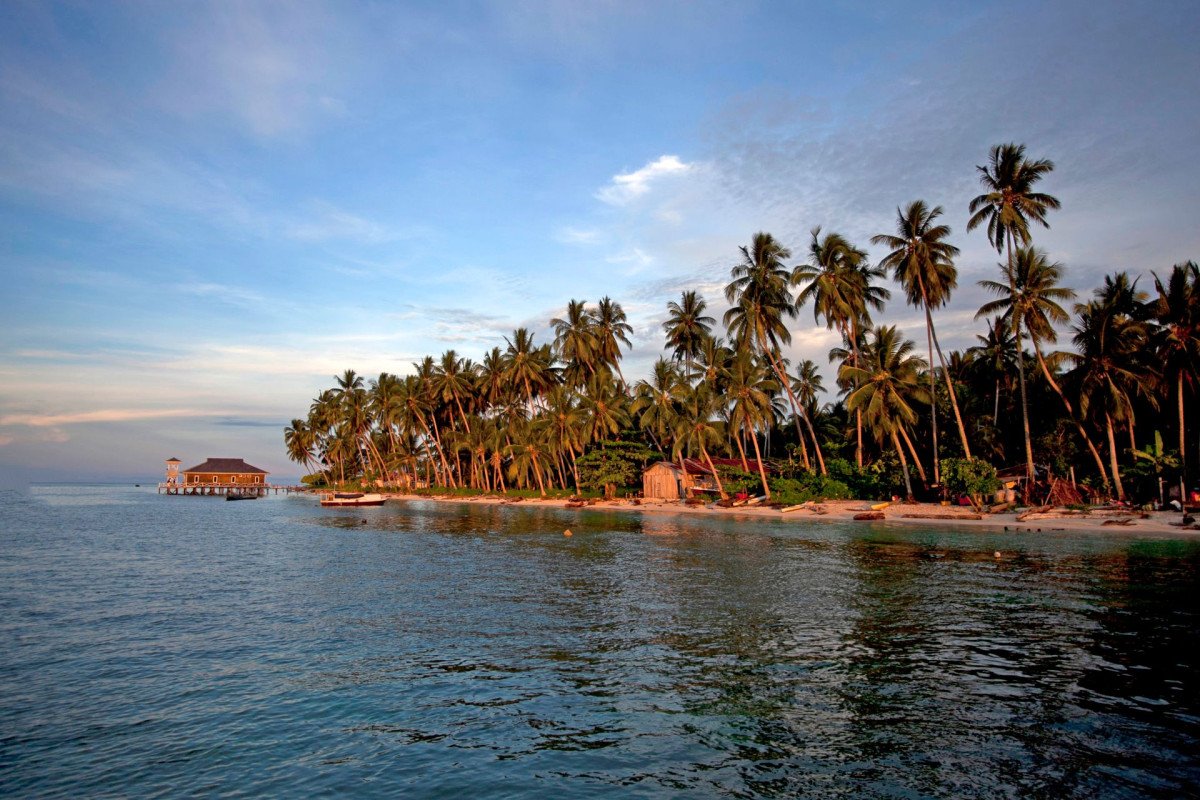
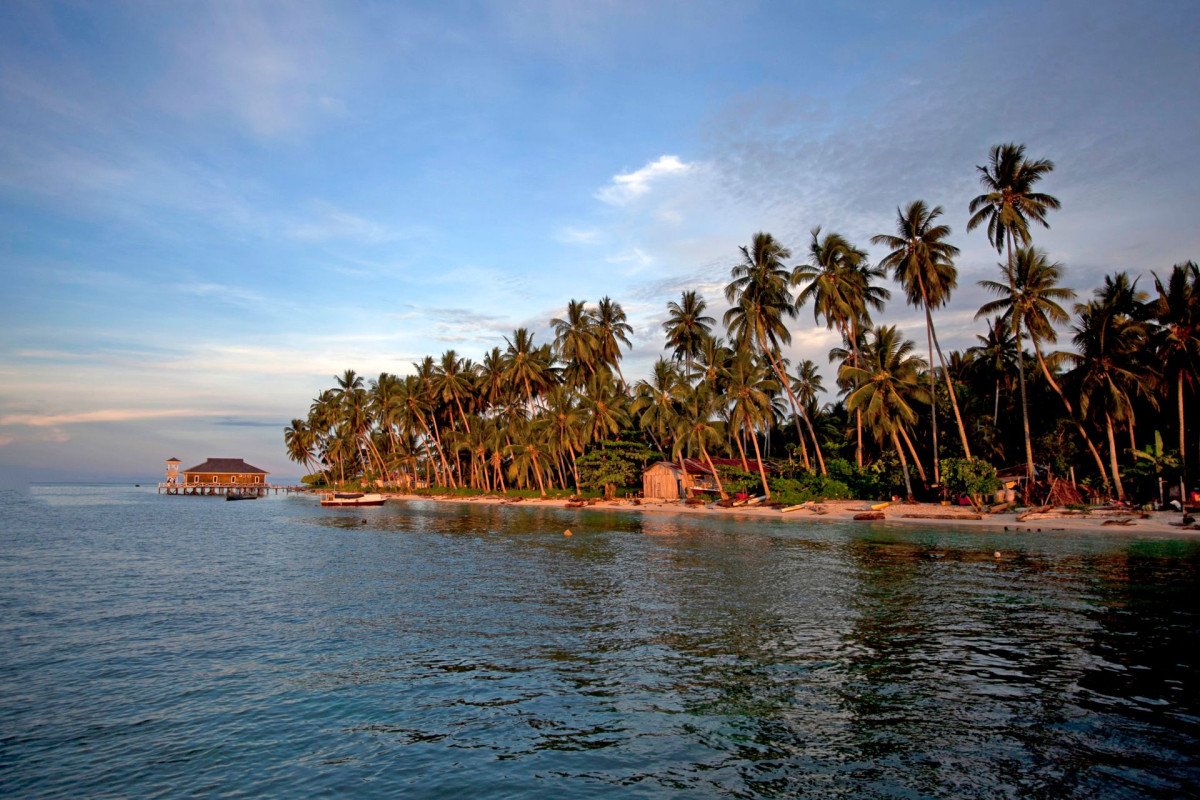
The Panoramic View from the Lake: The absolute best photo opportunity is capturing the island in its entirety from a short distance while on the boat. This shot, ideally taken from a low angle on the water, allows the photographer to frame the island's dense, dark green fol...The Panoramic View from the Lake: The absolute best photo opportunity is capturing the island in its entirety from a short distance while on the boat. This shot, ideally taken from a low angle on the water, allows the photographer to frame the island's dense, dark green foliage against the shimmering blue of the Vembanad Lake and the wide, clear sky. Early morning (post-sunrise) or late afternoon (pre-sunset) light, when the sun is low, provides a soft, golden hue that brings out the textures of the vegetation and creates beautiful reflections on the water's surface. This classic shot encapsulates the island's unique setting.
The Bird Perches and Feeding Zones: For wildlife photography, the designated bird-watching points and areas near the water's edge are the prime locations. Photographers should focus on capturing the birds in their natural habitat. Look for key perches or nests where you can capture species like the Kingfisher or Darter in action. Patience and a good telephoto lens are key here. The challenge is capturing the fast-moving birds clearly, which makes a successful shot of a rare migratory species highly rewarding. The juxtaposition of a tiny bird against the vast backdrop of the trees or the lake is a powerful composition.
The Coconut Palm-Fringed Pathways: The internal dirt pathways, framed by tall, swaying coconut palms and other lush vegetation, offer stunning landscape photography opportunities. These shots focus on the tropical atmosphere and the natural architectural design of the island. Capturing the light filtering through the dense palm fronds ('God Rays'), especially in the morning, adds a dramatic, ethereal quality. A good composition involves using the converging lines of the path to draw the viewer's eye into the depth of the island's wild interior.Photo Gallery
Things To Do
-
Essential Birdwatching and Photography: The paramount activity at Pathiramanal Island is birdwatching. As a certified ornithological haven, visitors must carry binoculars and a camera to fully appreciate the diverse avian life. You should aim to slowly walk the perimeter trails and observation points, scanning the dense foliage and the water's edge. Keep an eye out for the distinct plumage and behaviors of both the common and the more exotic species. Look for Darter (often seen drying its wings), Cormorant (fishing in the lake), and the vibrant colors of the Stork-billed Kingfisher. Capture not just the birds, but also the lush, green backdrop and the tranquil water vistas. Morning hours are particularly rewarding for both bird activity and soft, natural light for photography. Dedicate at least an hour purely to silent observation to maximize sig...
Essential Birdwatching and Photography: The paramount activity at Pathiramanal Island is birdwatching. As a certified ornithological haven, visitors must carry binoculars and a camera to fully appreciate the diverse avian life. You should aim to slowly walk the perimeter trails and observation points, scanning the dense foliage and the water's edge. Keep an eye out for the distinct plumage and behaviors of both the common and the more exotic species. Look for Darter (often seen drying its wings), Cormorant (fishing in the lake), and the vibrant colors of the Stork-billed Kingfisher. Capture not just the birds, but also the lush, green backdrop and the tranquil water vistas. Morning hours are particularly rewarding for both bird activity and soft, natural light for photography. Dedicate at least an hour purely to silent observation to maximize sightings.
Leisurely Island Exploration Walk: The island is small enough to be covered entirely on foot. Engage in a leisurely walk around the defined pathways. The walking trails are relatively flat and easy, suitable for all ages. Use this walk to appreciate the dense, tropical flora and the feeling of seclusion. Look for native plants and the various species of trees that provide food and shelter for the birds. It’s an opportunity for quiet reflection and to simply breathe the exceptionally fresh, unpolluted air. The walk offers continuous perspectives of the lake from different angles, each providing a slightly altered but equally beautiful view of the surroundings.
Experiencing the Backwater Boat Journey: The journey to and from the island by boat is a major highlight, not just a means of transport. Visitors can choose between a public ferry, a private motorboat, or a traditional Kettuvallam (houseboat). The ride on the Vembanad Lake is an attraction in itself. Observe local life along the banks, see traditional fishing methods, and pass by other houseboats. The boat ride offers the best vantage point for panoramic photography of the backwaters and the island as you approach it. The speed boat ride takes about 30 minutes from Alappuzha (or Muhamma), while a slower, more traditional boat offers a longer, more immersive experience. The journey essentially acts as a gentle, scenic cruise before and after the main destination.
Relaxation and Nature Contemplation: Pathiramanal is fundamentally a destination for unwinding. Find a quiet spot under the shade of a coconut palm or by one of the viewing points and simply sit. The serene environment is perfect for meditation, reading, or just gazing out at the vast lake. The primary 'thing to do' here is to slow down and absorb the natural peace. Listen to the gentle lapping of the water and the continuous chorus of bird sounds. This is the perfect antidote to the fast-paced modern life, and many visitors use the time for quiet journaling or simply doing nothing at all.
Eco-Awareness and Conservation Focus: Engage with the island's conservation message. The island is designated as a plastic-free zone, so visitors should make a conscious effort to carry back all waste. While there are no formal guided tours on conservation, observing the delicate balance of the ecosystem—the reliance of the birds on the native plants, the cleanliness of the water—offers an on-the-spot lesson in ecological preservation. This heightened awareness of environmental fragility is a meaningful activity, encouraging responsible tourism.
Interacting with Local Boatmen (Cultural Exchange): The boatmen ferrying people to the island often have a wealth of local knowledge, including stories, legends, and practical insights into the backwater life and the island's history. Engaging them in polite conversation is a great way to enrich the visit with a layer of local culture and personal narrative that a guidebook cannot provide. They can often point out specific bird species or histor
Information
-
Why Famous:
Migratory Bird Sanctuary: Pathiramanal is primarily famous for being an exceptional sanctuary for birds. It is a vital stopover and habitat for a vast array of both resident and migratory species. Tourists, especially during the peak migratory season between Nove...
Migratory Bird Sanctuary: Pathiramanal is primarily famous for being an exceptional sanctuary for birds. It is a vital stopover and habitat for a vast array of both resident and migratory species. Tourists, especially during the peak migratory season between November and March, flock here hoping to spot rare visitors such as the Pintail Ducks, Common Teal, Night Heron, Cormorant, Indian Shag, Purple Heron, Gulls, Terns, Whistling Duck, and the colorful Stork-billed Kingfisher. This concentration of diverse avian life in such a small, accessible area makes it a unique ornithological hotspot in South India.
Picturesque Backwater Setting: Its location right in the middle of the massive Vembanad Lake contributes significantly to its fame. The journey to the island itself is part of the experience, offering stunning panoramic views of the famous Kerala Backwaters. The contrast of the emerald-green island against the deep blue-green water and the distant shoreline dotted with coconut palms creates a highly photogenic and serene landscape. This aesthetic appeal is what draws general tourists, honeymooners, and nature photographers alike, making it a celebrated landmark of the Alappuzha backwaters.
The Mystique of its Name: The evocative name, 'Pathiramanal' or 'Sands of Midnight', adds a layer of romantic and local mystique to the island. Coupled with the ancient local legend of its spontaneous formation from the lake's depths, the island has a strong narrative appeal. This cultural and legendary backstory enhances its reputation beyond just a tourist spot, making it a place of interest for those seeking to connect with the myths and folklore of Kerala. -
Architecture:
Natural Architectural Marvel: Pathiramanal Island does not feature any traditional man-made architecture like temples or palaces. Instead, its 'architecture' is purely natural and ecological. The island itself is a geological formation—a landmass rising from th...
Natural Architectural Marvel: Pathiramanal Island does not feature any traditional man-made architecture like temples or palaces. Instead, its 'architecture' is purely natural and ecological. The island itself is a geological formation—a landmass rising from the depths of Vembanad Lake, an unparalleled example of nature's design. The design is characterized by its organic shape and small-scale dimensions, maximizing ecological diversity within a confined space. Its estimated maximum length is about 550 meters (from Southwest to Northeast), and its maximum width is approximately 450 meters (from Southeast to Northwest). The perimeter is roughly 1800 meters, with an estimated area of 19. 6 hectares (or the recorded 28. 505 hectares). The island's structure is dominated by dense foliage, including tropical trees and bushes, providing a multi-layered canopy that serves as the perfect natural habitat and nesting ground for its diverse bird population.
Landscape Design and Utility: The island's utility is primarily ecological. The sloping banks leading to the water's edge, fringed with mangroves and other water-resistant flora, form a natural defense against erosion from the lake's waves, functioning as a natural retaining wall. The pathways and clearings are naturally formed or minimally maintained dirt trails, intentionally avoiding concrete and large structures to maintain its pristine, wild environment. The dense, layered plant life creates a series of interlocking micro-ecosystems, with the height and density of the vegetation forming 'rooms' or distinct areas for different bird species, from ground-dwelling birds to canopy nesters. This simple, effective natural design is its true architectural strength, focusing on sustainability and biodiversity. -
How To Reach:
By Air: The nearest major airport is the Cochin International Airport (COK), located approximately 75 KM to 92. 3 KM away from the general Alappuzha area. From the airport, travelers have several options. They can hire a prepaid taxi or cab directly to Alappuzha ...
By Air: The nearest major airport is the Cochin International Airport (COK), located approximately 75 KM to 92. 3 KM away from the general Alappuzha area. From the airport, travelers have several options. They can hire a prepaid taxi or cab directly to Alappuzha city center. The journey by road takes about 2 to 3 hours. Alternatively, they can take a bus service to Alappuzha. Once in Alappuzha, the final leg of the journey to the island must be completed by boat from a local jetty like the one at Muhamma or Alappuzha's main boat jetty. The total travel time from the airport to the island's edge (excluding boat time) is substantial, requiring prior planning.
By Train: The closest and most convenient major railway station is the Alappuzha Railway Station (ALLP), located approximately 19 KM to 27. 8 KM from the various jetties that serve the island (like Muhamma). Alappuzha is well-connected to major Indian cities like Kochi, Trivandrum, Chennai, and Delhi by a comprehensive rail network. From the railway station, you can easily hire an auto-rickshaw or a taxi to reach the Alappuzha boat jetty or the Muhamma boat jetty. The boat journey from these jetties is the only way to reach the island itself, with options ranging from public ferries to hired speedboats.
By Road: Alappuzha is excellently connected by road to all parts of Kerala and neighboring states via National Highways (like NH 66) and state highways. Travelers can drive their private vehicles or hire a taxi/cab directly to the main town of Alappuzha or the specific boat jetty like Muhamma. The Alappuzha KSRTC Bus Stand is approximately 21 KM from the nearest boat access points. State-run and private buses connect Alappuzha to major cities such as Kochi, Kottayam, and Thiruvananthapuram. Once at the road-accessible mainland, the journey necessitates a transfer to a water-based transport to cover the final stretch on Vembanad Lake.
By Local Transport (The Final Stretch): The last and most crucial part of the journey is by local boat transport. 1.
Public Ferry: Take a government or private ferry plying the Muhamma-Kumarakom route. These ferries pass by the island, and you must ask the boatman to stop near the island's landing point. This is the cheapest method. 2.
Hired Motor Boat/Shikara: Hire a private boat or a traditional Shikara from the Alappuzha Boat Jetty or the Muhamma Jetty. This provides a direct, flexible, and often quicker route to the island, giving a more personalized backwater experience en route. -
Weather and Best Time to Visit:
Peak Season (Winter:
October to March): The best time to visit Pathiramanal Island is undoubtedly during the winter season, which spans from late October to early March. This period is ideal for two major reasons. Firstly, the wea...
Peak Season (Winter:
October to March): The best time to visit Pathiramanal Island is undoubtedly during the winter season, which spans from late October to early March. This period is ideal for two major reasons. Firstly, the weather is most pleasant, with minimal humidity and temperatures ranging from a comfortable minimum of around 20°C to a maximum of 32°C. Secondly, this season marks the arrival of the migratory birds from colder regions, transforming the island into a vibrant wildlife spectacle. Clear skies and calm backwaters also make the boat journey and photography more enjoyable. The absolute peak for birdwatchers is generally from November to February.
Moderate Season (Summer:
April to May): The summer months are characterized by hot and humid weather, with temperatures sometimes soaring up to 35°C. This is a moderate season for tourism. While the resident bird species are still present, the migratory populations have largely departed. Visits are still possible, but it is highly recommended to stick to the early mornings or late afternoons to avoid the intense mid-day heat. Packing light cotton clothing and staying hydrated is essential during this time.
Low Season (Monsoon:
June to September): The Monsoon season brings heavy rainfall and high humidity to Kerala. This is the lowest tourist season. While the island's landscape is at its most lush and green, the frequent and intense showers can disrupt boat travel and make birdwatching difficult. However, for tourists who appreciate the dramatic beauty of the rain-soaked landscape and the profound quietness it brings, it can be a unique experience. Travelers should be prepared for potential delays in travel due to the weather. The period around August to September is a special exception due to the Onam festival and the Nehru Trophy Boat Race, which drastically increases local activity and draws crowds despite the rain.
Different Parts of the Day (Timing is Key): Regardless of the season, the best time of the day to be on the island is the early morning (6:00 AM to 9:00 AM). This is when the birds are most active, and the air is coolest and freshest. The light is also optimal for photography. The late afternoon (4:00 PM to 6:00 PM) is the second-best time, offering beautiful sunset views from the lake. The period between 10:00 AM and 3:00 PM is best avoided due to higher temperatures and increased midday tourist traffic. -
Near Tourist Places:
Vembanad Lake: Surrounding the island (0 KM, the island is on the lake).
Kumarakom Bird Sanctuary: Famous bird haven on the eastern banks of the lake (4 KM by boat).
Muhamma Boat Jetty: Closest main access point/village for the island (Approx. 1. 5 KM by boat).
Alappuzha Beach: Historic beach with a lighthouse and pier in Alappuzha town (Approx. 22 KM).
Alappuzha Backwaters: Network of canals and lagoons (Surrounding the island).
Mullakkal Rajarajeswari Temple: Prominent Hindu temple in Alappuzha town (Approx. 20 KM).
Thanneermukkom Bund: Saline water barrier across the lake (Approx. 10 KM).
Kuttanad (Rice Bowl of Kerala): Region of vast paddy fields cultivated below sea level (Various access points, central area approx. 30 KM).
Marari Beach: Peaceful, less-crowded beach north of Alappuzha (Approx. 30 KM). Arthunkal St.
Andrew's Basilica: Significant Christian pilgrim center (40 KM).
Revi Karuna Karan Memorial Museum: Private collection of artifacts in Alappuzha (20 KM).
Ambalappuzha Sree Krishna Temple: Famous for Pal Payasam (sweet pudding) (35 KM).
Tourism Tips
-
Health & Safety Precautions: Due to the island's natural setting, mosquito repellent is an absolute necessity, especially if visiting in the early morning or late afternoon. Carry a basic first-aid kit with essential medicines and treatments for small cuts or inse...
Health & Safety Precautions: Due to the island's natural setting, mosquito repellent is an absolute necessity, especially if visiting in the early morning or late afternoon. Carry a basic first-aid kit with essential medicines and treatments for small cuts or insect bites. Always stay on the marked trails to avoid stumbling over unseen obstacles or disturbing nesting areas.
When on the boat, prioritize safety: ensure life jackets are available, especially for children, and never stand up while the boat is moving. Sun protection, including sunscreen and a hat, is vital due to the intense tropical sun reflecting off the water.
Essential Packing List: For optimal enjoyment, visitors should pack strategically. A good pair of binoculars is essential for birdwatching. A camera with a telephoto lens will allow you to capture the distant birds. Wear comfortable, durable walking shoes as you will be traversing dirt trails. Light, breathable cotton clothing is best for the humid climate. Remember to bring a reusable water bottle; staying hydrated is crucial. Since the island is a plastic-free zone, do not carry single-use plastic items, and be prepared to take all your trash back to the mainland.
Accommodation and Stay: There are no accommodation facilities available on Pathiramanal Island itself; overnight stays are strictly prohibited to preserve its natural state. The best accommodation options are in the nearby mainland towns of Alappuzha or Kumarakom. Both places offer a wide range of choices, from luxury resorts and Ayurvedic spas to mid-range hotels and homestays. For a unique experience, consider booking a stay on a houseboat (kettuvallam) on the Vembanad Lake, which can often anchor near the island for beautiful morning views. Book accommodation in advance, especially if traveling during the peak season (November to March) or during the Nehru Trophy Boat Race (August/September).
Respecting the Ecosystem: The most important tip is to practice responsible eco-tourism. Maintain absolute silence while on the island, especially in bird-rich areas, as loud noises can stress and frighten the birds. Do not feed the birds or any other wildlife, as this disrupts their natural foraging behavior. Do not litter, vandalize, or collect any natural items (like plants or stones) as souvenirs. Respect the natural environment and leave no trace of your visit to ensure the island remains pristine for future generations and its resident wildlife.
Other Tips (Local Language and Currency): While English is widely understood in tourist circuits, knowing a few basic words in the local language, Malayalam, will enhance your interaction with the local boatmen and vendors. The local currency is the Indian Rupee (INR). Carry enough cash for boat hire and small purchases, as card payment options might be limited at the small jetties or for private boat operators.
Reviews
FAQs
Alleppey Itineray And Cost:-
Pathiramanal Island Tourism:-
Information about New and Updated Locations() of Kerala Has Been Added :-
Card subtitle
Note:-
Information provided here in good Faith and for reference only.
All information and pictures will be updated soon, please keep visiting.
Near Places

Alleppey
Some quick example text to build on the card title and make up the bulk of the card's content.
Go somewhere
Alleppey Backwaters and Houseboats
Some quick example text to build on the card title and make up the bulk of the card's content.
Go somewhere
Ambalappuzha Sree Krishna Temple
Some quick example text to build on the card title and make up the bulk of the card's content.
Go somewhere
Chavara Bhavan
Some quick example text to build on the card title and make up the bulk of the card's content.
Go somewhere
Kuttanad
Some quick example text to build on the card title and make up the bulk of the card's content.
Go somewhere
Mullakkal Rajarajeswari Temple
Some quick example text to build on the card title and make up the bulk of the card's content.
Go somewhere
Pathiramanal Island
Some quick example text to build on the card title and make up the bulk of the card's content.
Go somewhere
Punnapra Beach
Some quick example text to build on the card title and make up the bulk of the card's content.
Go somewhere
Vembanad Lake
Some quick example text to build on the card title and make up the bulk of the card's content.
Go somewherein Other Cities