
Ambalappuzha Sree Krishna Temple
General information
-
Ideal Duration:
1 to 2 HoursPlace Type:
Religious/Spiritual, Architectural HeritageEntry Fees:
General Entry:
Free: There is no general entry fee to visit the outer premises and main viewing areas of the Ambalappuzha Sree Krishna Temple. It is a public place of worship, and access is free for all visitors to appreciate the outer archi...General Entry:
Free: There is no general entry fee to visit the outer premises and main viewing areas of the Ambalappuzha Sree Krishna Temple. It is a public place of worship, and access is free for all visitors to appreciate the outer architecture and atmosphere. This is consistent with the practice of most major Hindu temples in Kerala.
Fees for Specific Offerings (Vazhipadu): While entry is free, devotees typically pay a fee for specific offerings (Vazhipadu or Archana) to the deity. These offerings vary in price based on the type, ranging from simple archanas (a few rupees) to complex homams (fire rituals) or special poojas, which can cost significantly more. The famous Palpayasam also requires pre-booking or payment.
Charges for Special Access/Donations: There are no mandatory charges for special access, but visitors may be encouraged to give a voluntary donation (Kanikka) for the temple's upkeep. Certain parts of the temple may have signboards requesting donations for specific services or ongoing construction/maintenance.
Dress Code Enforcement (Implicit Fee): While not a direct fee, there is a strict traditional Kerala dress code for entry into the inner premises (especially for non-Hindu visitors). Men must wear a Mundu or Dhoti (around the waist) and be bare-chested; women must wear sarees or traditional Indian attire. If a visitor arrives improperly dressed, they might incur an implicit cost if they need to purchase the appropriate attire from a nearby shop to gain entry.Timing:
Regular Temple Opening Hours: The temple follows a dual-shift timing, closing for a midday break:
Morning: 4:00 AM to 12:30 PM
Evening: 5:00 PM to 8:00 PM
Ideal Visit Time (Spirit...Regular Temple Opening Hours: The temple follows a dual-shift timing, closing for a midday break:
Morning: 4:00 AM to 12:30 PM
Evening: 5:00 PM to 8:00 PM
Ideal Visit Time (Spiritual Experience): The ideal time for a spiritually focused visit is during the early morning hours (4:00 AM to 6:00 AM), especially during the Nirmalyam (when the deity is first unveiled) or during the evening Deeparadhana (worship with lamps, around 6:30 PM). These times are the most vibrant and sacred, offering the best atmosphere for prayer.
Ideal Visit Time (Palpayasam): To ensure you can receive the famous Ambalappuzha Palpayasam Prasadam, you should aim to be at the temple premises around 11:00 AM, as the distribution usually starts around 11:30 AM and continues until the stock is finished.
Best for Photography: For the best photographs, the 5:00 PM to 7:00 PM window is ideal. The setting sun casts a beautiful, warm light on the traditional Kerala architecture, and the lighting of the traditional oil lamps in the Deeparadhana creates a magical, photogenic scene.Special Events:
The Ambalappuzha Arattu Festival: The primary and grandest special event is the Ambalappuzha Arattu (Holy Bath) festival, usually celebrated in the Malayalam month of Meenam (corresponding to March-April). This ten-day annual festival features colorful processions, traditio...The Ambalappuzha Arattu Festival: The primary and grandest special event is the Ambalappuzha Arattu (Holy Bath) festival, usually celebrated in the Malayalam month of Meenam (corresponding to March-April). This ten-day annual festival features colorful processions, traditional art forms like Kathakali and Ottamthullal, and elaborate temple rituals. The highlight is the Arattu itself—the ceremonial bathing of the deity idol. The sheer scale of devotion and the cultural spectacle make this festival a massive draw.
The Pallipana Ritual: A very rare and special event is the Pallipana ceremony, a ritualistic performance traditionally held only once every 12 years. This ancient offering, dedicated to Bhadrakali, involves specific dances and ceremonies and is a profound cultural and religious spectacle. Its rarity makes it an incredibly unique and important event in the temple's calendar, attracting scholars and cultural enthusiasts globally.
Daily Palpayasam Distribution: While a daily ritual, the mass distribution of the legendary Ambalappuzha Palpayasam is a daily special event in the life of the temple. The sheer volume of this sweet offering, linked to the chess legend and the belief that Lord Krishna himself partakes in it, makes the morning Payasam distribution a moment of significant spiritual and communal gathering every day.Best Photo Spots:
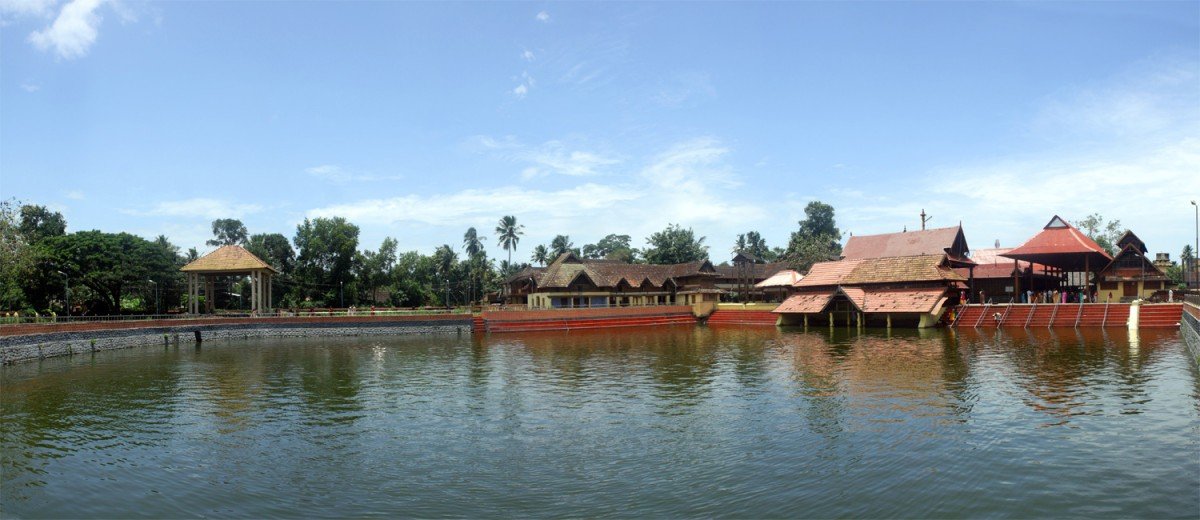
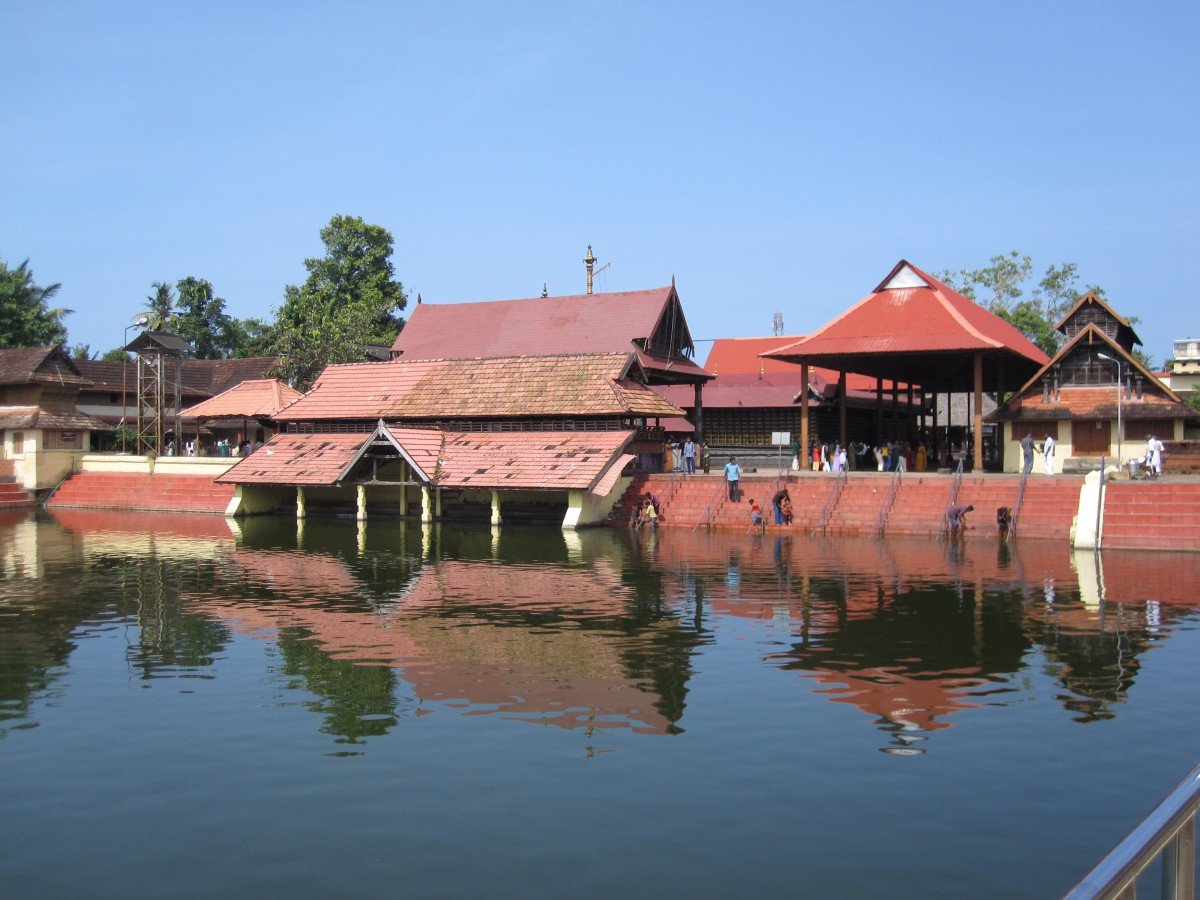
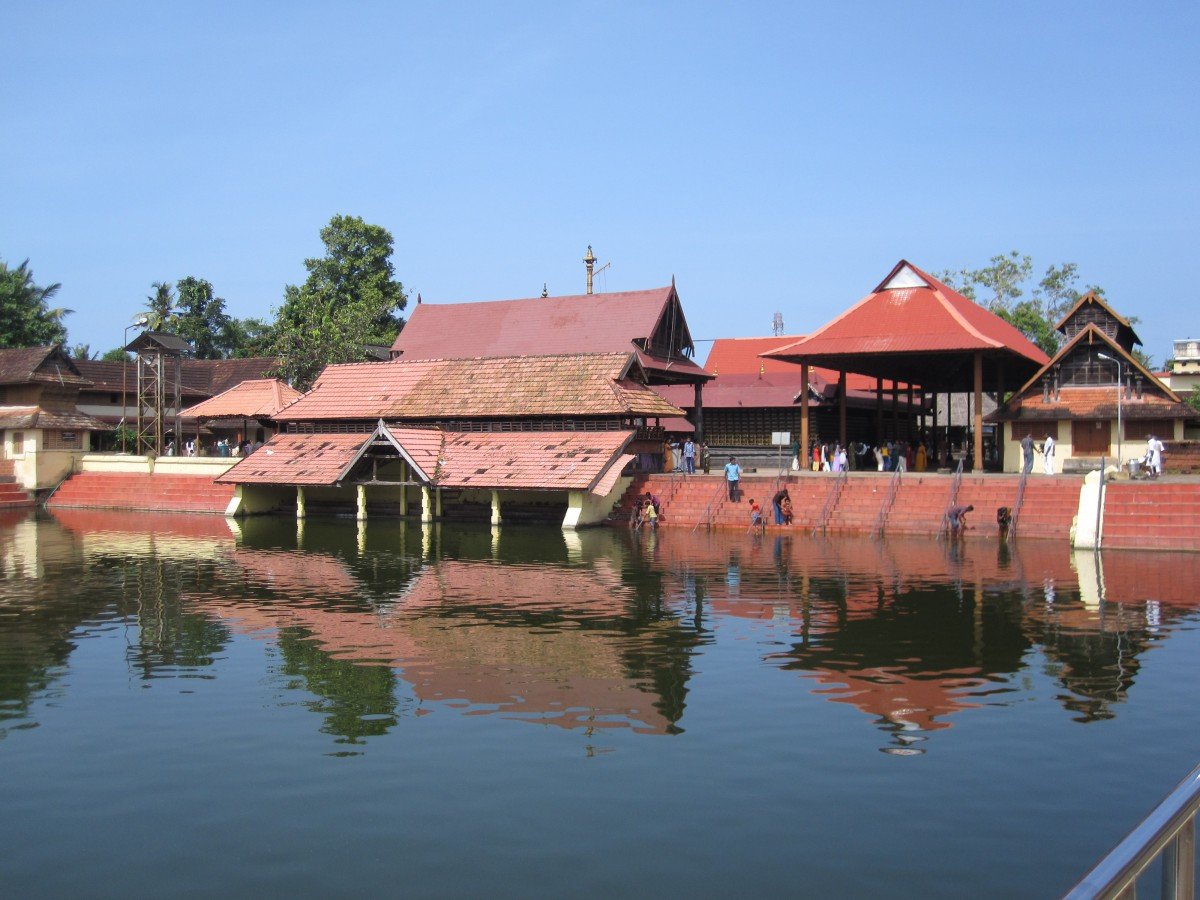
The Temple Pond Reflection: The best time for photography is early morning or late evening. The temple pond (Kulama) offers a magnificent reflection of the tiled, gabled roofs and the overall traditional architecture, especially during the golden hours. The calm water, oft...The Temple Pond Reflection: The best time for photography is early morning or late evening. The temple pond (Kulama) offers a magnificent reflection of the tiled, gabled roofs and the overall traditional architecture, especially during the golden hours. The calm water, often with traditional stone steps, provides a serene and picturesque foreground.
The Intricately Carved Doorways and Entrances: Focus on the close-up details of the temple's various wooden doors, pillars, and entrances. These spots are adorned with intricate carvings of deities and mythological scenes. The natural light falling on the detailed woodwork creates a dramatic texture, capturing the exquisite craftsmanship of the Kerala style.
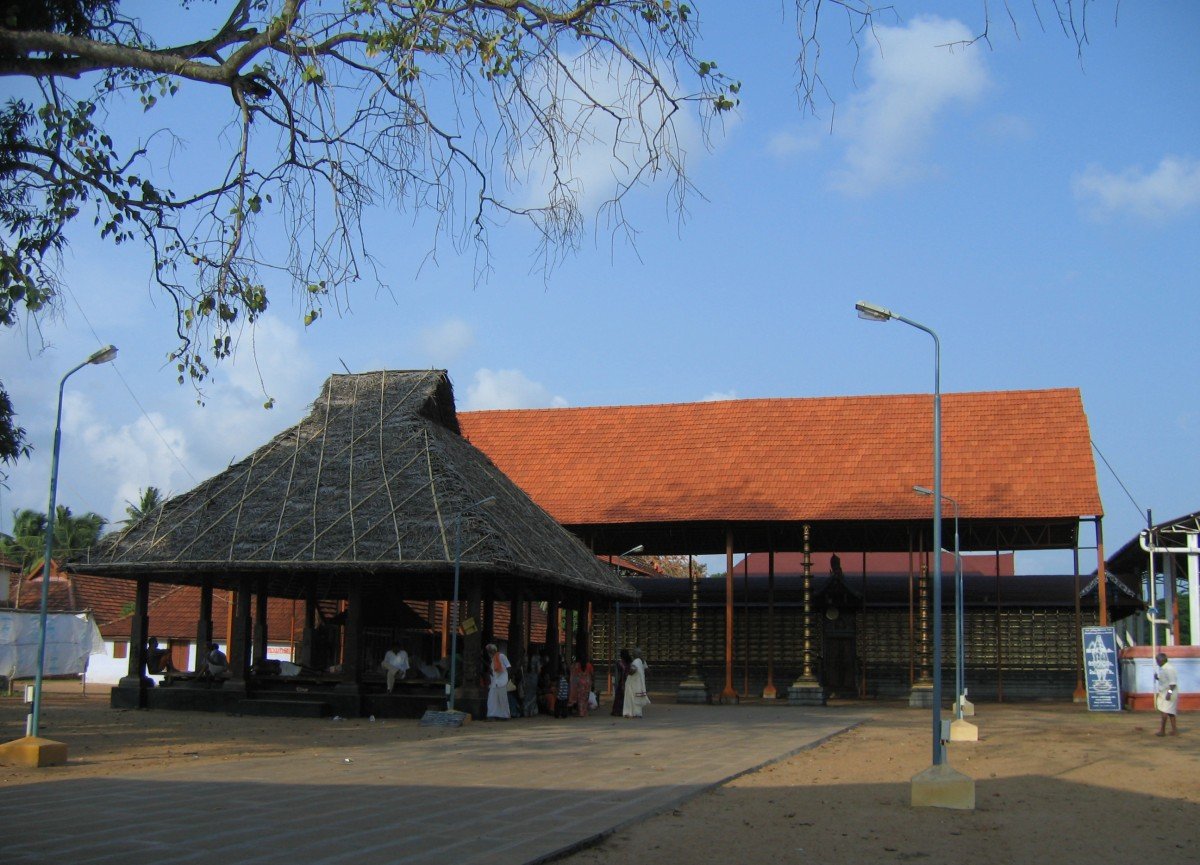
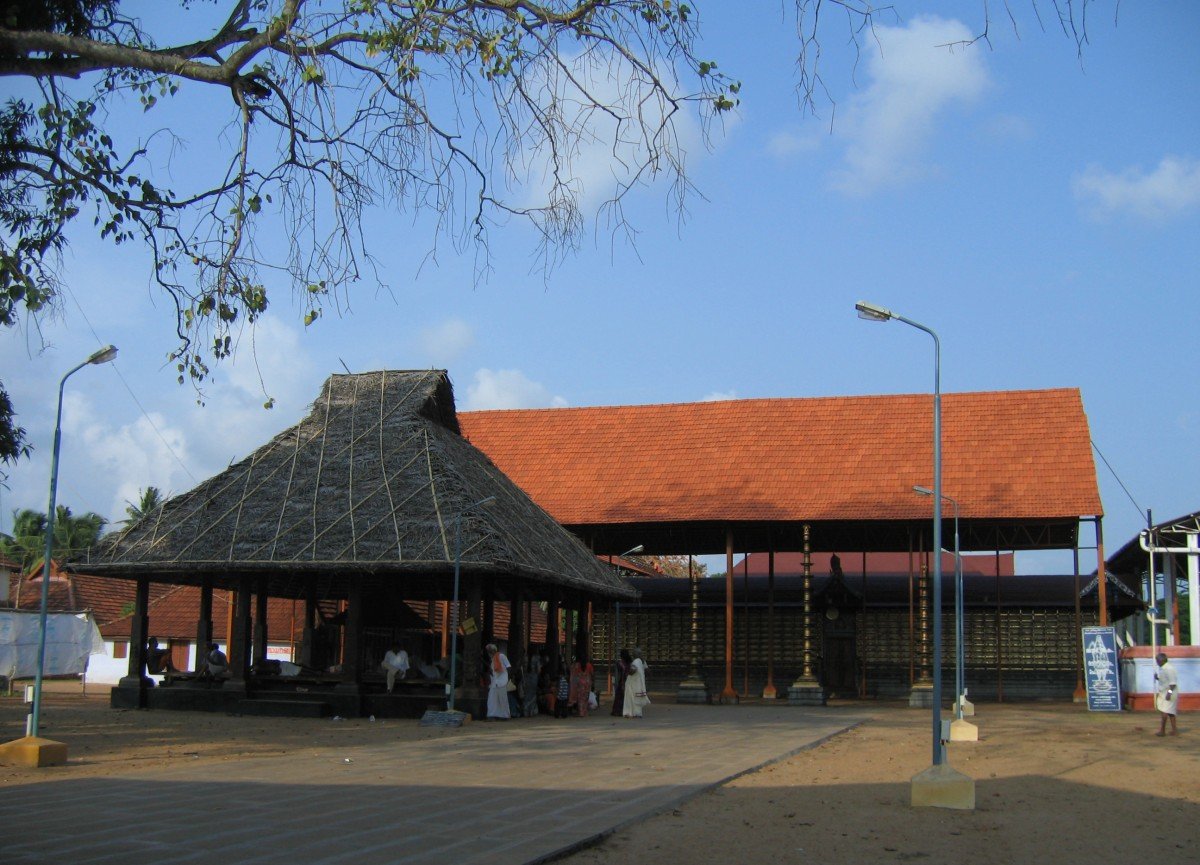
The Flag Staff (Kodimaram) and Outer Structure: The tall, brass-covered flag staff (Kodimaram) standing in front of the main shrine, framed against the traditional tiled roof, makes for a classic and powerful shot of Kerala temple architecture. Capturing the Kodimaram along with the surrounding Nalambalam (inner courtyard building) and the oil lamps in the evening light provides a sense of the temple's scale and spiritual atmosphere.
The Mural Wall (from the outside): While photography inside the Sreekovil (where the Dasavatara murals are) is generally restricted, capturing the exterior wall texture and the simple yet profound architectural lines of the main shrine is a great photo opportunity. The contrasting colors of the natural pigments (if any visible from the outside) and the ancient stone texture are highly photogenic.
Shots of Rituals and Devotees (Respectfully): With respectful distance and permission, capturing the atmosphere during the pooja or the Palpayasam distribution can yield powerful human-interest photographs. Focus on the expressions of devotion, the sight of the traditional lamps, and the priests performing rituals, providing a narrative of the temple's living tradition.Photo Gallery
Things To Do
-
Participate in the Daily Worship (Darshan): The primary activity is to participate in the Darshan (viewing) of the principal deity, Lord Krishna (Parthasarathy). Devotees believe that a sincere prayer here, especially during the morning and evening Aarti (worship with light), brings immense blessings.
Note: Only Hindus are permitted inside the main Sreekovil complex.
Taste and Receive the Ambalappuzha Palpayasam: A visit is incomplete without receiving the famous Palpayasam (sweet milk pudding) as Prasadam (blessed offering). This ritualistic sweet is distributed daily, usually around 11:30 AM, and is considered a divine gift. The taste is unique and the spiritual significance attached to the offering makes it a must-try for all visitors. Be prepared for a sm...Participate in the Daily Worship (Darshan): The primary activity is to participate in the Darshan (viewing) of the principal deity, Lord Krishna (Parthasarathy). Devotees believe that a sincere prayer here, especially during the morning and evening Aarti (worship with light), brings immense blessings.
Note: Only Hindus are permitted inside the main Sreekovil complex.
Taste and Receive the Ambalappuzha Palpayasam: A visit is incomplete without receiving the famous Palpayasam (sweet milk pudding) as Prasadam (blessed offering). This ritualistic sweet is distributed daily, usually around 11:30 AM, and is considered a divine gift. The taste is unique and the spiritual significance attached to the offering makes it a must-try for all visitors. Be prepared for a small queue.
Explore the Dasavatara Murals: Spend time admiring the historically significant and artistically magnificent Dasavatara murals on the inner walls of the Sreekovil. These vibrant frescoes narrate the ten incarnations of Lord Vishnu and are a feast for the eyes and a subject of art study. Take a moment to understand the mythological stories depicted in the paintings.
Witness the Traditional Temple Rituals: Observe the various poojas (rituals) and ceremonies performed by the temple priests. The sound of the traditional temple orchestra (Chenda Melam or similar) and the ritualistic procession of the temple elephant (when present) add a unique cultural atmosphere. These are excellent opportunities to witness the living traditions of a major Kerala temple.
Engage in Quiet Meditation by the Temple Pond: Find a peaceful spot near the temple pond (Kulama) to sit, reflect, and meditate. The tranquil setting away from the main prayer hall offers a perfect environment for quiet contemplation, offering a spiritual reset amidst the serene beauty of the complex.
Study the Kerala Architecture: Take a guided or self-guided tour focusing on the traditional Kerala-style architecture. Note the tiled, sloping roofs, the use of timber, the presence of the Chuttambalam (outer structure), the flag staff (Kodimaram), and the overall layout. This provides insight into the functional and aesthetic choices of the 15th-17th century builders.
Visit the Anakottil (Elephant Shed): If the temple elephant is present, visiting the area where it is housed (Anakottil or nearby shed) offers a chance to see and appreciate the role of the elephant in temple rituals and daily life.
Note: Always maintain a safe and respectful distance.
Attend the Grand Annual Festival (Arattu): If your visit coincides with the annual Ambalappuzha Arattu festival (usually in March or April), attending it is a profound experience. The festival involves grand processions, cultural performances, and the ceremonial bath (Arattu) of the deity, showcasing the vibrant cultural life of the region.
Interact with Local Devotees: A simple conversation with local devotees or temple staff can provide deeper insight into the temple's legends, traditions, and the personal significance it holds for the people of Kerala, enriching your overall spiritual and cultural understanding.
Information
-
Why Famous:
The Legendary Ambalappuzha Palpayasam: This temple is most famous for its unique and delicious sweet pudding, the Ambalappuzha Palpayasam. This offering, made of rice, milk, and sugar, is distributed daily to devotees. The legend of Lord Krishna challenging the Chembakasse...The Legendary Ambalappuzha Palpayasam: This temple is most famous for its unique and delicious sweet pudding, the Ambalappuzha Palpayasam. This offering, made of rice, milk, and sugar, is distributed daily to devotees. The legend of Lord Krishna challenging the Chembakassery King to a game of chess and demanding rice grains that culminated in an astronomical debt, only to be repaid by offering this Payasam, is deeply embedded in local culture, making it a powerful spiritual draw.
Unique Deity Form (Parthasarathy): Unlike the typical playful or meditative forms of Lord Krishna, the idol here is in the form of Parthasarathy, wielding a whip and conch. This form signifies Lord Krishna's role as Arjuna's charioteer during the war, making the idol a powerful and formidable representation. This specific iconographic form is a major point of interest and reverence.
Magnificent Mural Paintings: The temple is renowned for its splendid mural art, especially the Dasavatara murals inside the Sreekovil. These 15th-17th century paintings are priceless artifacts of Kerala's art history, drawing scholars, artists, and devotees for their beauty, detail, and spiritual narrative. They stand as a testament to the region's rich cultural legacy. -
Architecture:
Traditional Kerala Temple Style: The temple's architecture is a classic and beautiful example of the indigenous Kerala style, characterized by its unique design that blends harmoniously with the tropical climate and landscape. The structure is typically low-slung, often wit...Traditional Kerala Temple Style: The temple's architecture is a classic and beautiful example of the indigenous Kerala style, characterized by its unique design that blends harmoniously with the tropical climate and landscape. The structure is typically low-slung, often with tiled, gabled roofs that resemble a huge traditional house, unlike the towering gopurams (entrance towers) of Tamil Nadu temples. The use of wood for structural elements and intricate carvings is prominent.
Mural Masterpieces: A key highlight is the magnificent mural painting of Dasavatara (the ten incarnations of Lord Vishnu) adorning the inner walls of the Sreekovil (sanctum sanctorum). These murals are vibrant, detailed, and reflect the distinct Kerala school of painting, using natural pigments. They are considered one of the greatest artistic treasures of the state, captivating visitors with their spiritual themes and artistic finesse.
Dimension Overview: While exact blueprint-style dimensions are complex and not widely published for public viewing, the temple complex encompasses a significant area, typical of major Kerala temples. The central Sreekovil (sanctum) is the core structure. The outer structure includes a wide Chuttambalam (outer structure enclosing the inner shrine) and a Nalambalam (the inner courtyard). The temple tank (Kulama), located to the side or front, also forms an integral and large part of the entire sacred geometry. The roof structure, made of tiles and timber, is a defining dimension, ensuring good ventilation and protection from heavy monsoon rains. -
How To Reach:
By Air:
(Nearest Major Airports): The nearest international airport is Cochin International Airport (COK), located approximately 98 KMS north of the temple. The second nearest is Trivandrum International Airport (TRV), located about 148 KMS ...By Air:
(Nearest Major Airports): The nearest international airport is Cochin International Airport (COK), located approximately 98 KMS north of the temple. The second nearest is Trivandrum International Airport (TRV), located about 148 KMS to the south.
From COK: Upon landing, travelers can hire pre-paid taxis, airport cabs, or book a private transfer directly to Ambalappuzha. The journey takes about 2. 5 to 3 hours. Alternatively, one can take an airport bus to Aluva or Ernakulam and then a connecting train or bus to Ambalappuzha.
By Train:
(Nearest Railway Stations): The most convenient railway station is Ambalapuzha Railway Station (AMPA), which is just about 1 KM from the temple. It is a local station on the Ernakulam-Kayamkulam route. The nearest major railway station is Alappuzha Railway Station (ALLP), located approximately 15-16 KMS away. This station has better connectivity with major cities across India.
From AMPA or ALLP: From Ambalapuzha Railway Station, a quick auto-rickshaw ride will take you directly to the temple. From Alappuzha Railway Station, travelers can hire a taxi, a pre-paid auto-rickshaw, or a local bus to reach the temple.
By Road:
(Bus and Private Vehicle): Ambalappuzha is strategically located on National Highway 66 (NH 66) (the highway connecting Thiruvananthapuram and Mangalore), making it highly accessible by road.
By Bus: The Ambalappuzha Bus Stand is very close to the temple. Frequent state-run KSRTC buses and private buses operate from major cities like Kochi, Thiruvananthapuram, Kottayam, and Alappuzha to Ambalappuzha.
By Private/Hired Vehicle: Traveling by car is comfortable. The route from Alappuzha town takes about 20-30 minutes, depending on traffic. Ample parking is usually available near the temple complex.
By Local Transport:
Auto-rickshaws (Tuk-Tuks): They are the most common and convenient way to travel from Alappuzha town center or Ambalapuzha Railway Station to the temple. Always confirm the fare or use the meter before starting the journey.
Local Buses: Local stage carrier buses run frequently between Alappuzha and Ambalappuzha, offering a very economical way to reach.
Taxis: Cabs can be hired from Alappuzha town for a round trip to the temple. -
Weather and Best Time to Visit:
Best Season:
Winter (October to March): This is widely considered the best time to visit the temple and Alleppey in general. The weather during these winter months is dry, pleasant, and moderately cool, with temperatures ranging from 20°C t...Best Season:
Winter (October to March): This is widely considered the best time to visit the temple and Alleppey in general. The weather during these winter months is dry, pleasant, and moderately cool, with temperatures ranging from 20°C to 30°C. The moderate climate makes it ideal for walking around the temple complex, standing in queues for Darshan, and enjoying the architecture and atmosphere without the discomfort of intense heat or heavy rain. The major temple festival, Ambalappuzha Arattu, also falls during this period (March-April), which is a massive draw for visitors.
Good Season:
Summer (April to May): The summer months are hot and humid, with temperatures often soaring above 35°C. Visits during this time can be challenging, especially during midday. If visiting in summer, it is strongly recommended to visit during the early morning hours (4:00 AM to 7:00 AM) or the late evening (5:00 PM to 8:00 PM) to avoid the peak heat. Hydration and light clothing are essential.
Off-Season:
Monsoon (June to September): The monsoon brings heavy rainfall to Kerala. While the surrounding nature is lush and beautiful during this time, the heavy rains can disrupt travel and sightseeing. However, the temple atmosphere during a light drizzle can be highly spiritual and serene. The crowds are typically lower, offering a more peaceful Darshan. Monsoon visits are best scheduled around the temple's opening and closing times to minimize exposure to heavy rain.
Best Part of the Day:
Early Morning (Spiritual Peace): The hours between 4:00 AM and 7:00 AM are the most spiritually rewarding. The temple is quieter, the air is fresh, and you can witness the first rituals, including Nirmalyam and the morning Aarti, in a tranquil setting, which is a powerful experience.
Best Part of the Day: Late Morning (11:
00 AM onwards for Palpayasam): For those whose priority is receiving the famous Palpayasam Prasadam, the late morning is the best time. The atmosphere becomes lively with devotees queuing up for the blessed offering. -
Near Tourist Places:
1.
Karumadikuttan Statue: (Ancient Buddha Statue) - Approx. 5 KMS 2.
Punnapra Beach: (Serene, less crowded beach) - Approx. 8 KMS 3.
Alappuzha Lighthouse: (Historical lighthouse) - Approx. 14 KMS 4.
Alappuzha Beach: (Popular beach with park) - Approx. 15 KMS 5.
Revi Karunakaran Museum: (Private collection of artifacts) - Approx. 15 KMS 6.
Krishnapuram Palace: (Historical palace and museum) - Approx. 20 KMS 7.
Alleppey Backwaters: (Houseboat boarding point in Alappuzha) - Approx. 15 KMS 8.
Marari Beach: (Relaxing, peaceful beach) - Approx. 30 KMS 9. St.
Andrew's Basilica, Arthunkal: (Prominent Christian pilgrimage center) - Approx. 35 KMS 10.
Kuttanad: (Rice bowl of Kerala) - Approx. 20 KMS
Tourism Tips
-
Health & Safety Guidelines:
Dress Code:
Follow the strict traditional Kerala dress code: Men must wear a Mundu or Dhoti and be bare-chested when entering the inner courtyard; women should wear traditional Ind...Health & Safety Guidelines:
Dress Code:
Follow the strict traditional Kerala dress code: Men must wear a Mundu or Dhoti and be bare-chested when entering the inner courtyard; women should wear traditional Indian attire (saree, salwar kameez). Modest dress is mandatory.
Footwear: Footwear is strictly prohibited anywhere inside the temple complex. Be prepared to walk barefoot on the stone or tiled floors.
Heat Protection: During summer or midday, the stone floors can become very hot. Carry thick socks to wear while walking or visit only during cooler hours. Stay hydrated.
Photography: Photography is usually prohibited inside the Sreekovil and inner temple area. Always respect the signs and the requests of the temple authorities.
Packing Essentials:
Appropriate Clothing: Pack the mandatory traditional attire (a Mundu or Dhoti for men, traditional wear for women) if you plan to enter the inner complex.
Socks: Carry thick cotton socks, especially for midday visits, to protect your feet from the hot temple floor.
Rain Gear: If visiting during the monsoon season (June to September), ensure you have a light rain jacket or an umbrella.
Water Bottle: Carry a reusable water bottle, especially during summer months, to stay hydrated.
Accommodation:
Alleppey Town: Most tourists prefer to stay in Alappuzha town (about 14-16 KMS away) or near the Alleppey Beach for easy access to houseboats, backwaters, and other attractions. Options range from budget hotels to luxury resorts.
Ambalappuzha: Limited guesthouses and local homestays are available right in Ambalappuzha village for those who wish to stay closer to the temple. Check for availability and reviews in advance.
Other Different Topics:
Respectful Conduct: Maintain silence and a respectful demeanor inside the temple premises. Avoid loud talking or using mobile phones near the Sreekovil.
Prasadam Etiquette: The Palpayasam Prasadam is considered sacred. Consume it respectfully. It is advisable to pre-book it online or well in advance, as the demand is very high.
Local Culture: The temple is a hub of local culture. Take the time to observe and appreciate the traditional ceremonies and art forms, such as Kathakali performances, especially during the festival season.
Reviews
FAQs
Alleppey Itineray And Cost:-
Ambalappuzha Sree Krishna Temple Tourism:-
Other Places In Alleppey :-
Other States In India :-
Information about New and Updated Locations() of Kerala Has Been Added :-
Card subtitle
Note:-
Information provided here in good Faith and for reference only.
Near Places
Alleppey
Some quick example text to build on the card title and make up the bulk of the card's content.
Go somewhere
Alleppey Backwaters and Houseboats
Some quick example text to build on the card title and make up the bulk of the card's content.
Go somewhere
Ambalappuzha Sree Krishna Temple
Some quick example text to build on the card title and make up the bulk of the card's content.
Go somewhere
Chavara Bhavan
Some quick example text to build on the card title and make up the bulk of the card's content.
Go somewhere
Kuttanad
Some quick example text to build on the card title and make up the bulk of the card's content.
Go somewhere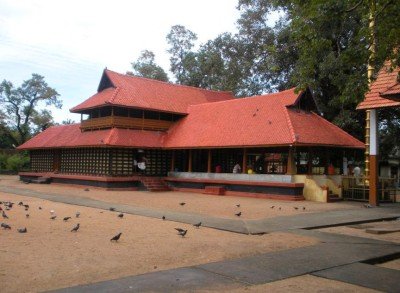
Mullakkal Rajarajeswari Temple
Some quick example text to build on the card title and make up the bulk of the card's content.
Go somewhere
Pathiramanal Island
Some quick example text to build on the card title and make up the bulk of the card's content.
Go somewhere
Punnapra Beach
Some quick example text to build on the card title and make up the bulk of the card's content.
Go somewhere
Vembanad Lake
Some quick example text to build on the card title and make up the bulk of the card's content.
Go somewherein Other Cities