Mullakkal Rajarajeswari Temple
General information
-
Ideal Duration:
30 minutes to 1 hour (for a standard darshan); 2 to 3 hours during festivals.Place Type:
Pilgrimage, Temple, Cultural, Architecture, HistorEntry Fees:
Temple Entry Fee: There is no entry fee for devotees or tourists to visit the Mullakkal Rajarajeswari Temple. Access to the temple complex, the various sub-shrines, and the main courtyard for darshan is completely free of charge, upholding the tradition of open access for s...Temple Entry Fee: There is no entry fee for devotees or tourists to visit the Mullakkal Rajarajeswari Temple. Access to the temple complex, the various sub-shrines, and the main courtyard for darshan is completely free of charge, upholding the tradition of open access for spiritual worship.
Cost of Offerings and Rituals: While entry is free, visitors may incur costs if they choose to perform specific rituals or offerings (Vazhipadu). These offerings range from simple garlands and coconuts to elaborate archanas and ritual feeds, with costs clearly listed by the temple management. Offerings like the unique Urad Dal Vada Prasadam may require a small payment or donation. These are voluntary spiritual costs, not mandatory entry fees.
Donations and Conservation: The temple is managed by the Travancore Devaswom Board and relies on donations for its upkeep and the conduct of festivals. Visitors are welcome to contribute voluntarily to the temple's donation box or to specific projects. These donations are essential for the maintenance of the nearly 500-year-old architecture and the organization of large-scale events like the Mullakkal Chirappu.Timing:
Regular Temple Timings (Darshan Hours): The Mullakkal Rajarajeswari Temple operates on fixed, dual-time schedule for the convenience of devotees:
Morning Timings: Generally from 04:30 AM to 10:00 AM (some sources indicate up to 12:00 PM). <...Regular Temple Timings (Darshan Hours): The Mullakkal Rajarajeswari Temple operates on fixed, dual-time schedule for the convenience of devotees:
Morning Timings: Generally from 04:30 AM to 10:00 AM (some sources indicate up to 12:00 PM).
Evening Timings: Generally from 05:00 PM to 08:00 PM (some sources indicate up to 09:00 PM). It is important to note that the sanctum sanctorum closes for an extended period in the afternoon for rituals and rest, so plan your visit for the open darshan slots.
Ideal Visit Time (Quiet and Spiritual): The ideal visit time for a quiet, spiritual experience is in the very early morning (right at the 4:30 AM opening) or during the evening session right as the temple re-opens at 5:00 PM. The morning session is particularly serene and sacred, allowing for an unhurried darshan before the temple fills up with local commuters and day-trippers. The evening is beautiful due to the lighting of the traditional lamps (deeparadhana).
Ideal Time During Festivals: During the peak Mullakkal Chirappu festival (November to January), the ideal time to visit is the evening, from 6:00 PM onwards. This is when the grand processions, cultural performances, and the spectacular lighting take place. However, be prepared for very large crowds and a much longer time required for darshan.Special Events:
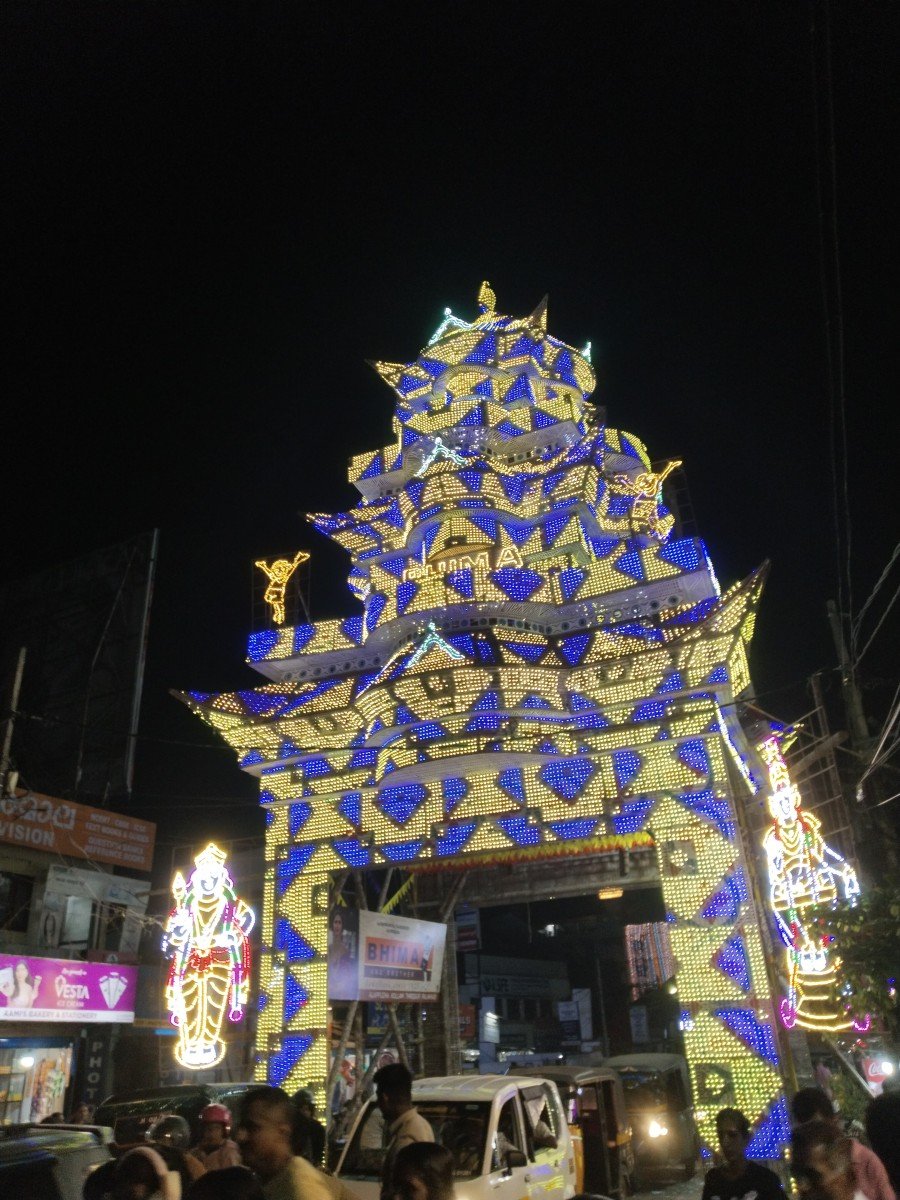
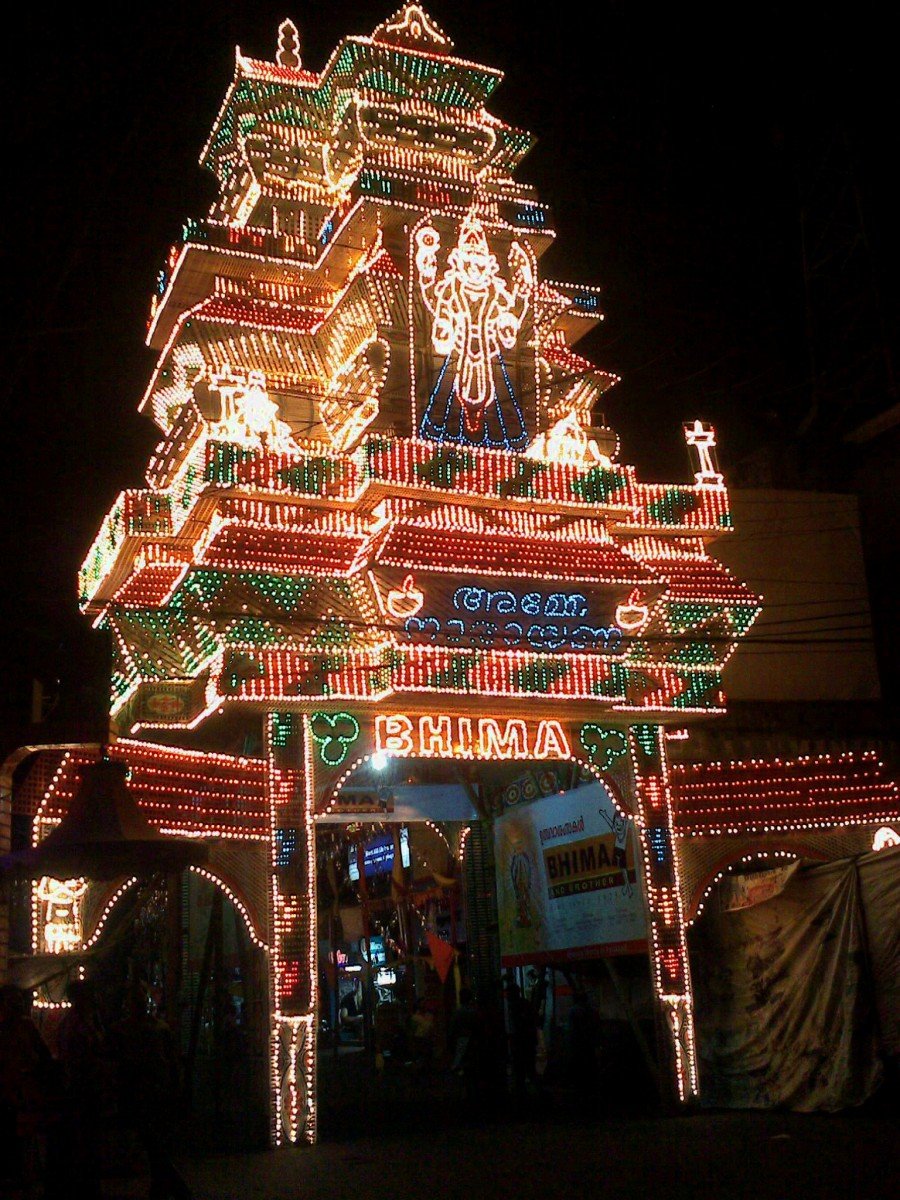
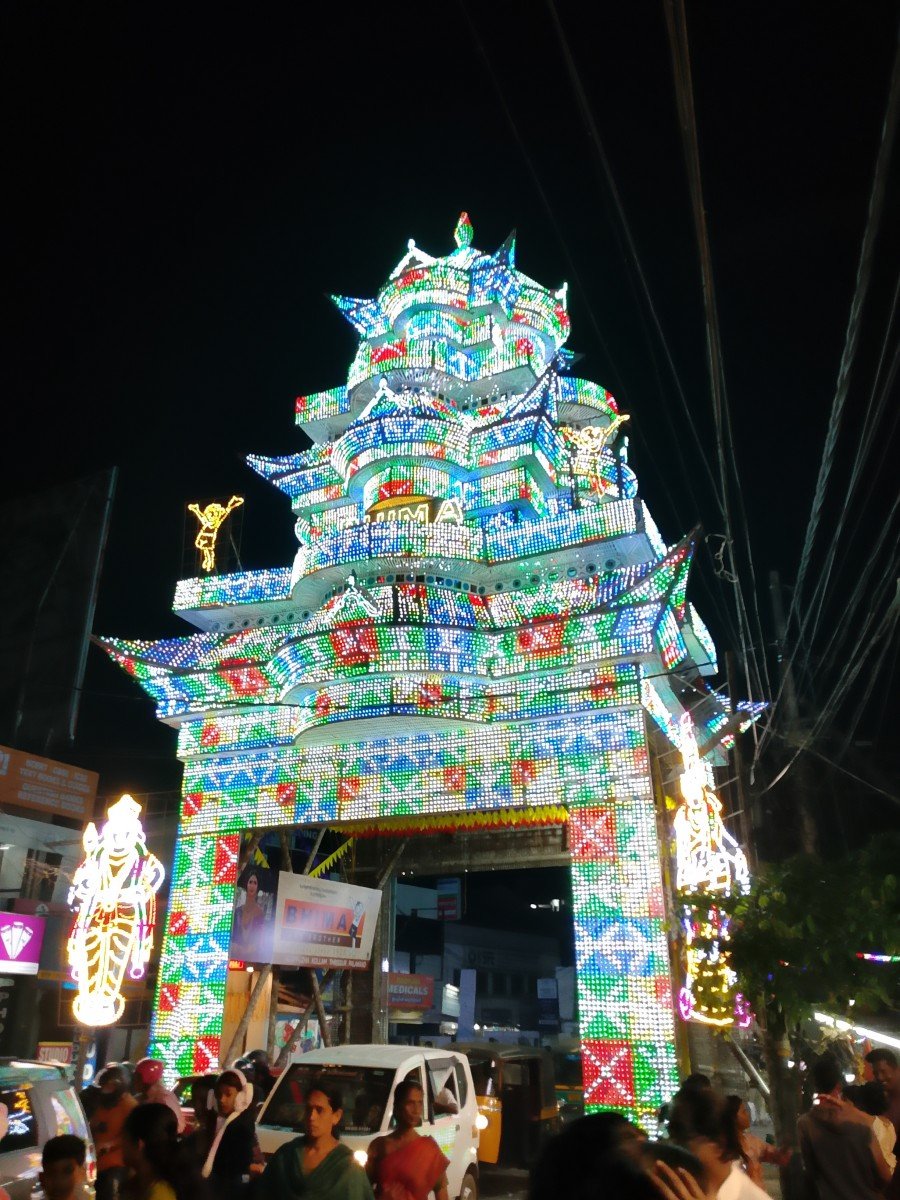
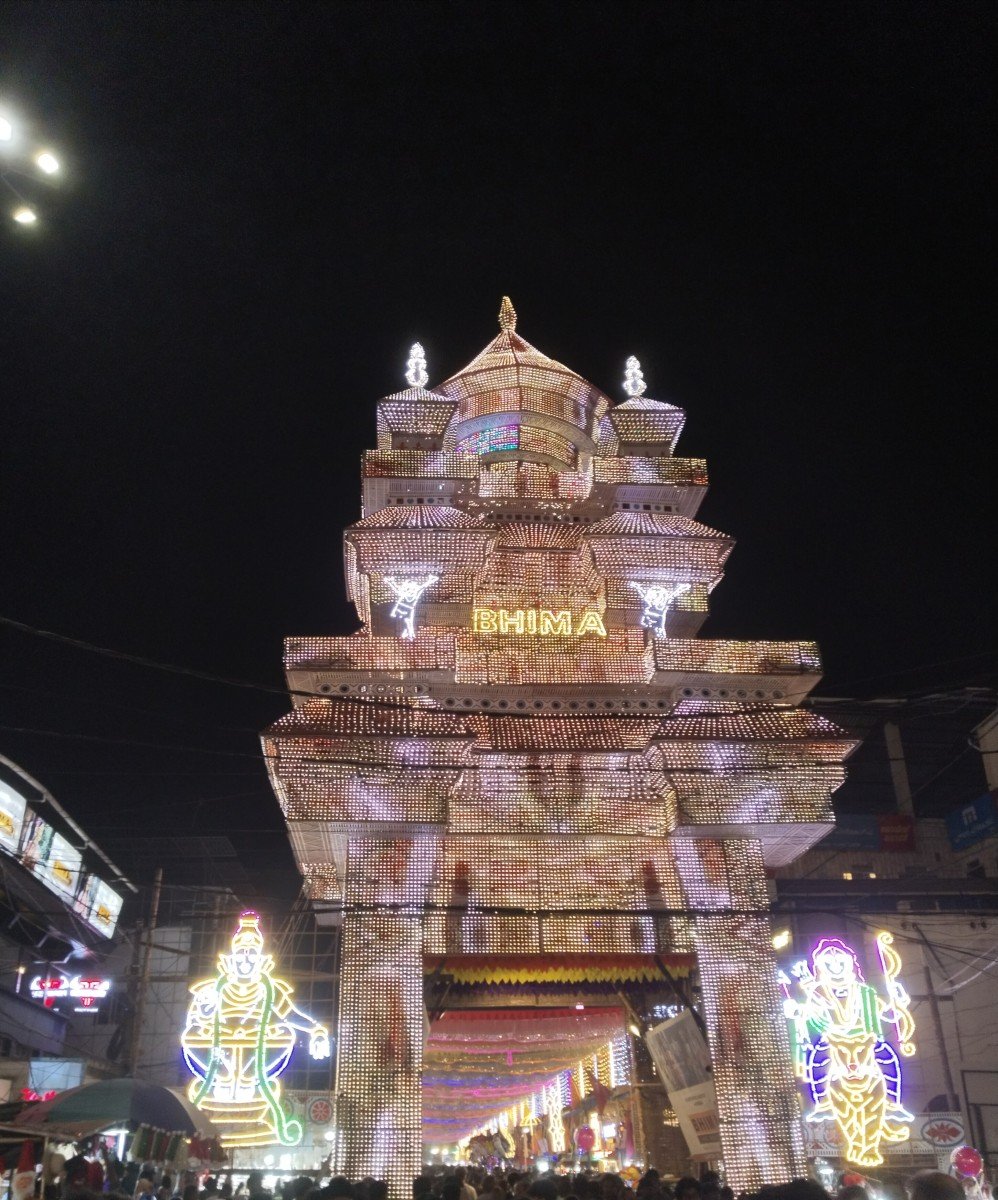
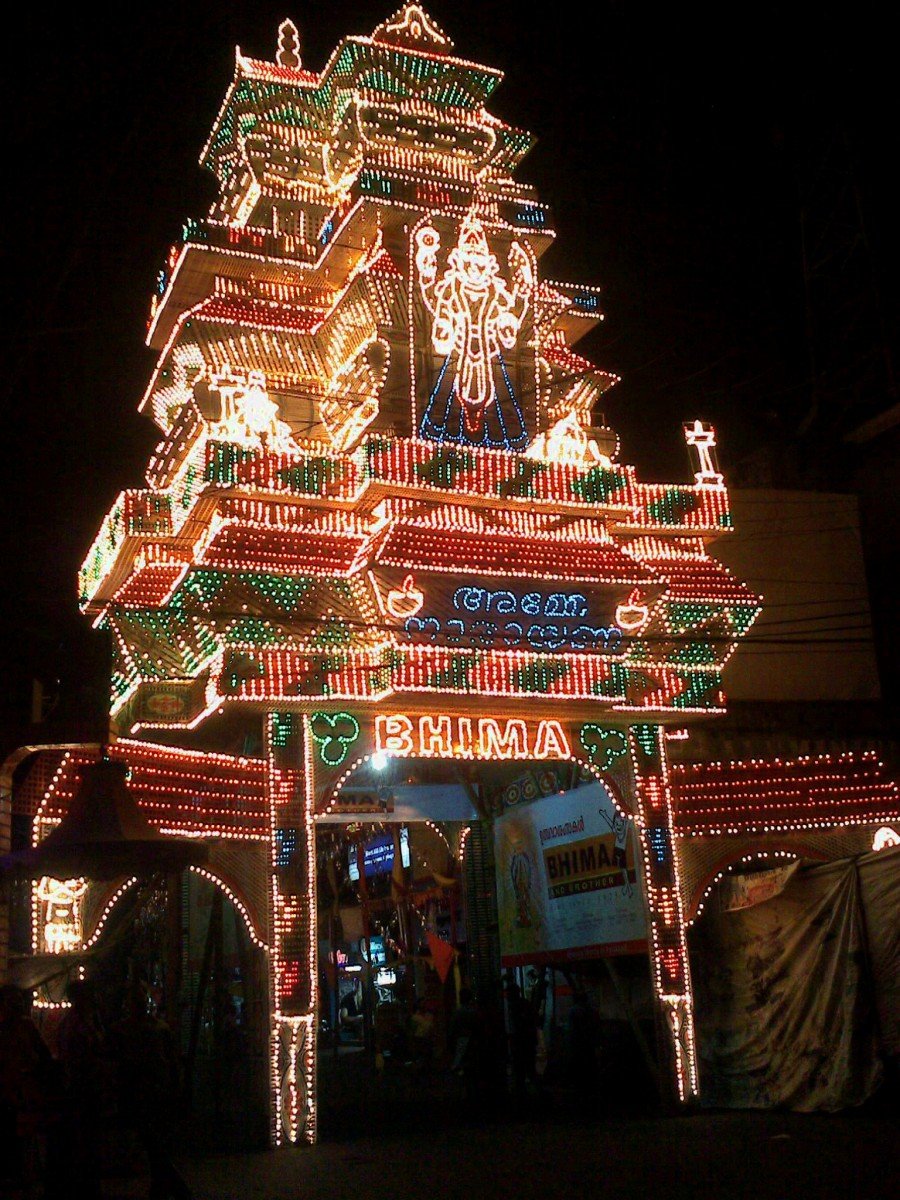
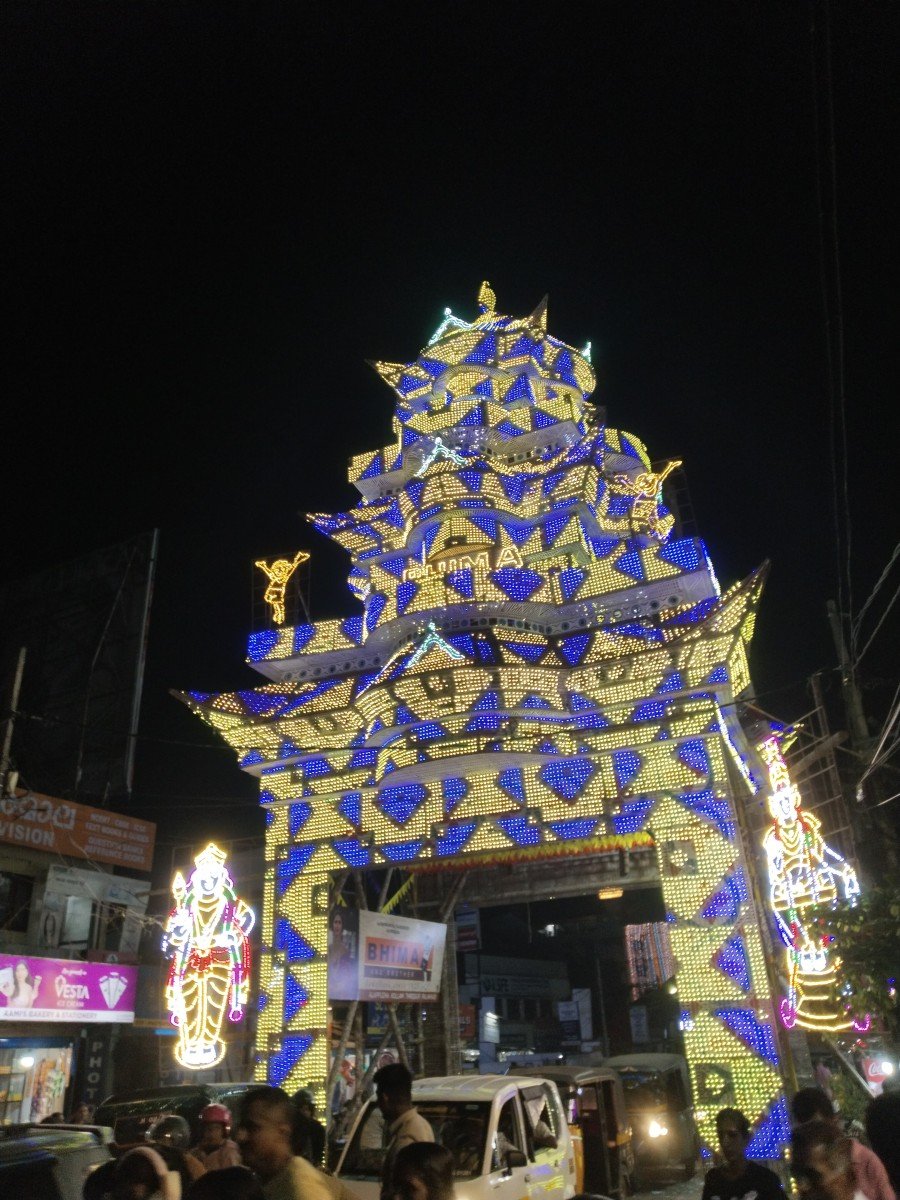
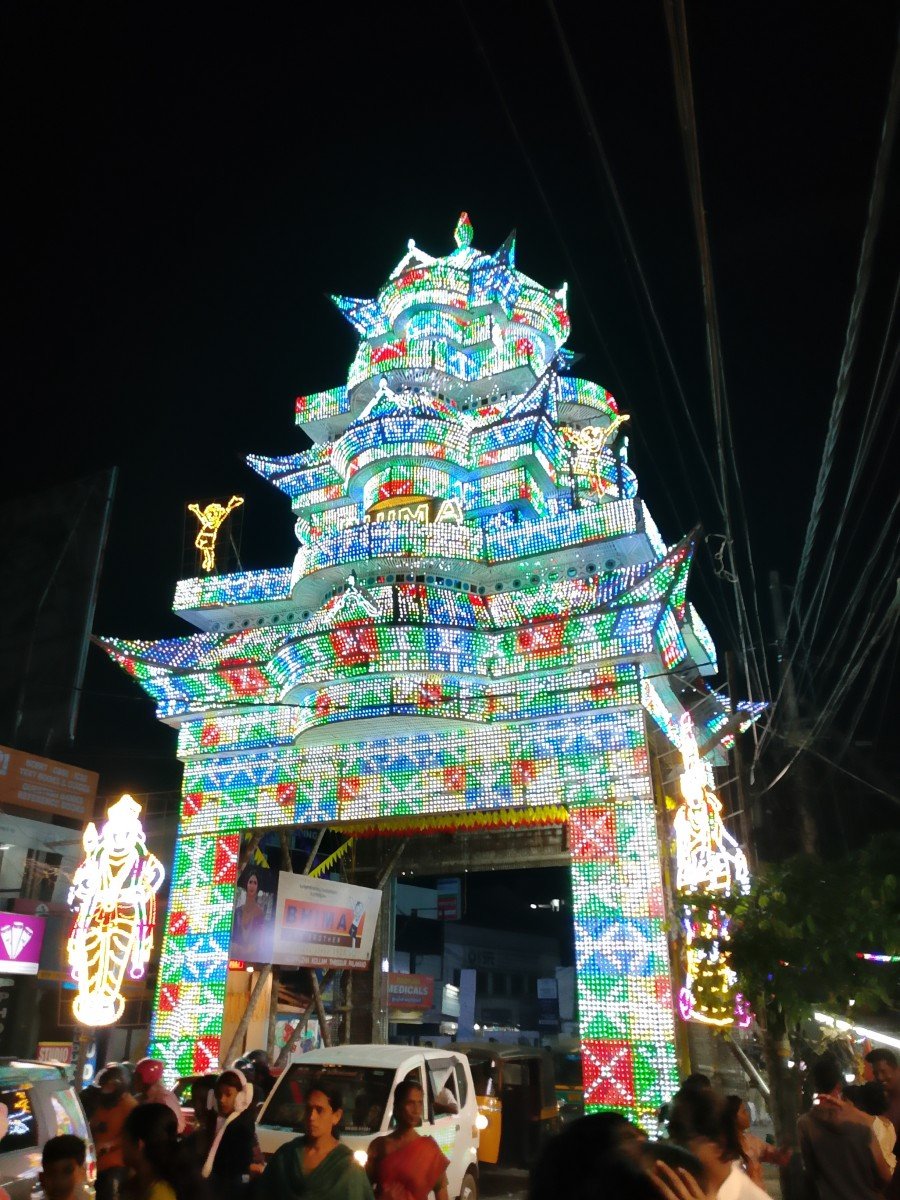
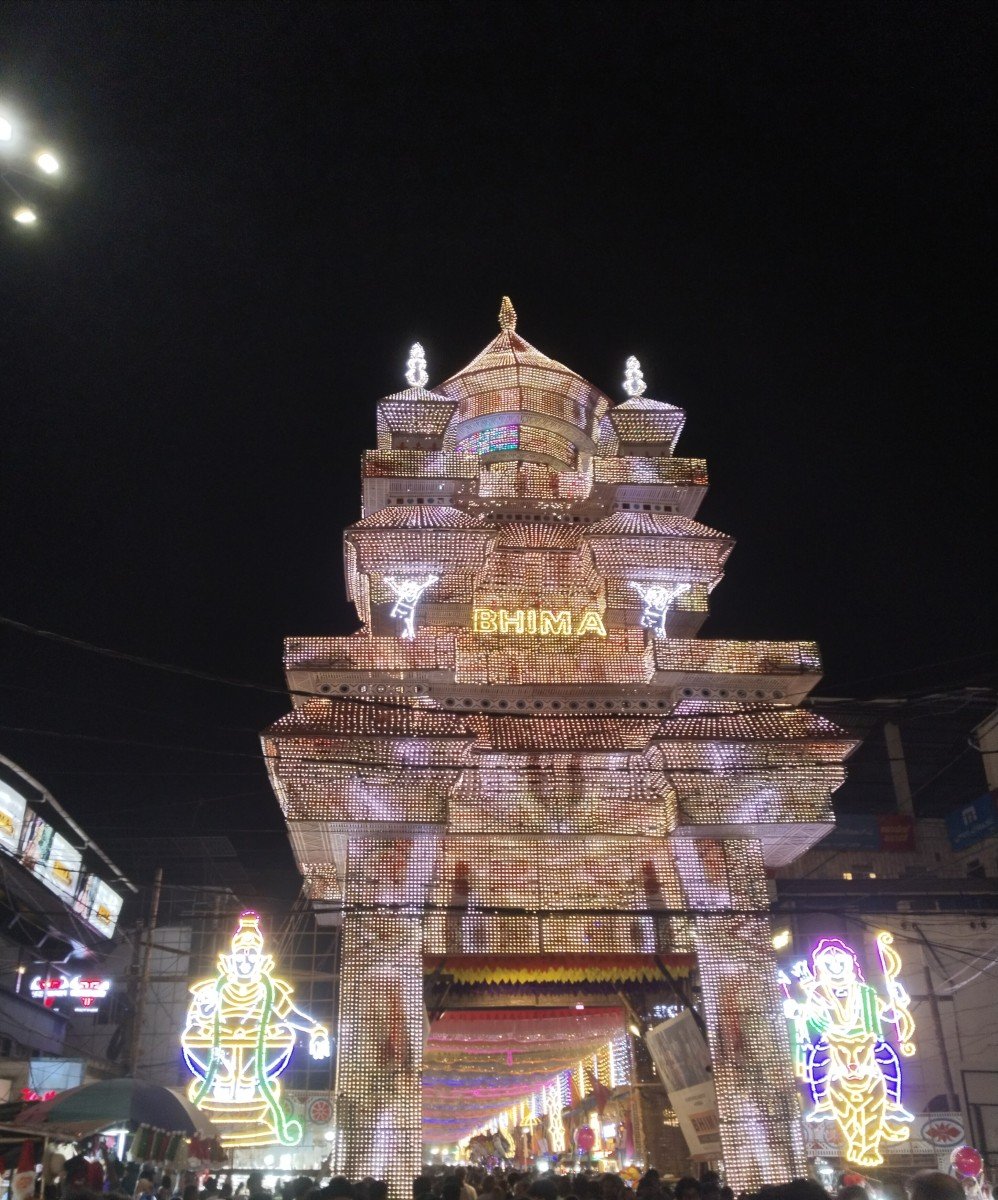
Mullakkal Chirappu Mahotsavam (41-Day Festival): The most significant special event is the Mullakkal Chirappu festival, a 41-day extravaganza celebrated during the Malayalam month of Vrishchikam and culminating in the month of Dhanu (mid-November to December/January). The f...Mullakkal Chirappu Mahotsavam (41-Day Festival): The most significant special event is the Mullakkal Chirappu festival, a 41-day extravaganza celebrated during the Malayalam month of Vrishchikam and culminating in the month of Dhanu (mid-November to December/January). The festival's pinnacle is the final 11 days of Chirappu, marked by elaborate Arattu (holy bath) processions and grand parades of caparisoned elephants. The temple premises are spectacularly illuminated, and cultural performances showcasing traditional Kerala art forms like Kathakali, Chakyarkoothu, and classical music are performed nightly. The tradition of Annadanam (community feast) on the final days serves food to thousands of devotees, embodying the spirit of charity and devotion.
The Women's Festival (Nari Puja): A second, distinct special event is the Women's Festival (Nari Puja), which falls on the first Sunday in December during the Chirappu season. On this day, the entire temple management, from the priests conducting the pujas to the devotees performing the various rituals, is taken over by women. Women from different areas light thousands of lamps (vilakku) within the temple complex, creating a luminous and deeply spiritual atmosphere, celebrating the feminine principle of the Goddess.Best Photo Spots:
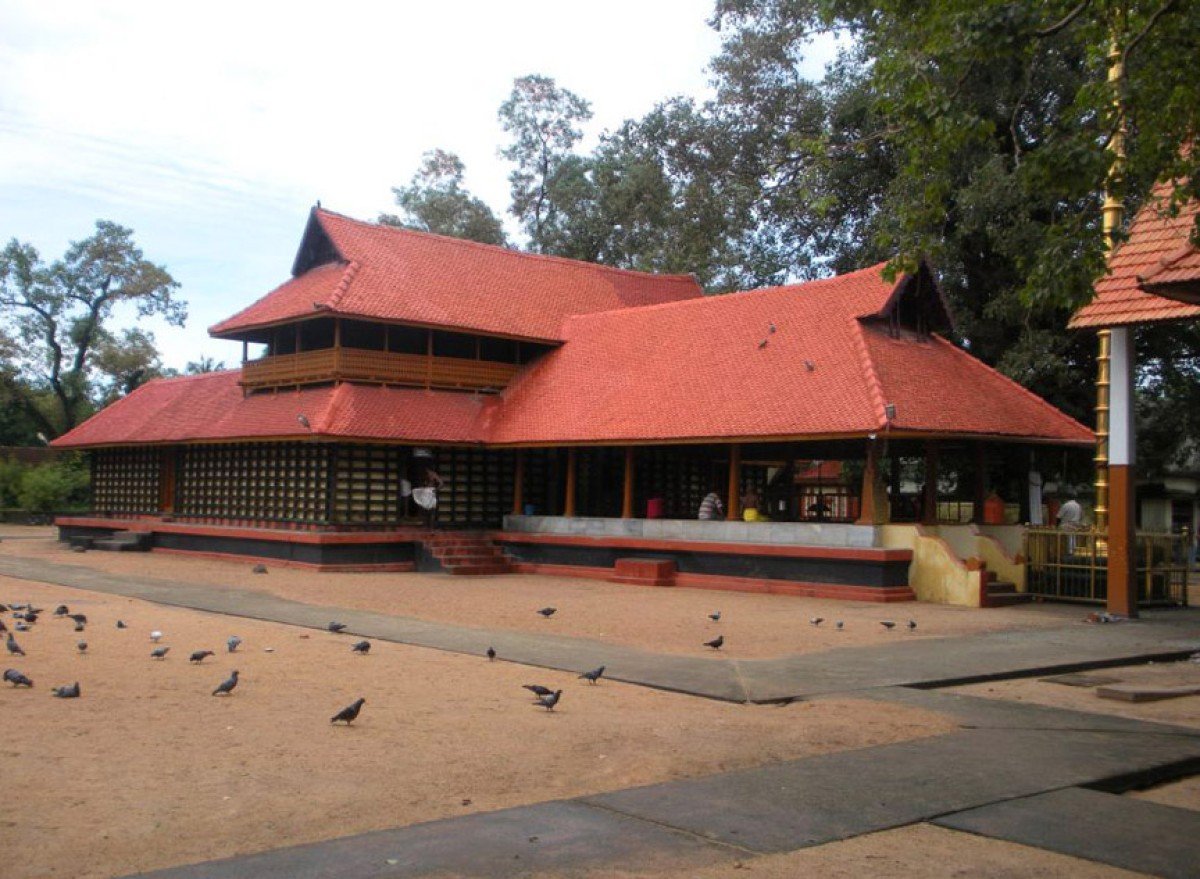
The Gabled Roof and Inner Courtyard: The best architectural photo spot is the view of the main temple structure with its distinctive Kerala-style gabled roofs and the well-maintained inner courtyard. Since photography is restricted inside the Sreekovil (sanctum), capturing ...The Gabled Roof and Inner Courtyard: The best architectural photo spot is the view of the main temple structure with its distinctive Kerala-style gabled roofs and the well-maintained inner courtyard. Since photography is restricted inside the Sreekovil (sanctum), capturing the aesthetic of the external structure, including the deepasthambham (lamp post) and the surrounding wall, provides a beautiful composition that highlights the traditional architecture. Early morning light, when the temple is less crowded, offers soft, golden light to capture the intricate woodwork.
The Ancient Banyan Tree and Shiva Shrine: The area around the ancient Banyan Tree is highly photogenic, especially for capturing the serene, contemplative mood of the temple. The massive, aerial roots of the tree, along with the humble Shiva Lingam beneath it, create a powerful visual contrast to the more decorative main shrine. A photo using the Banyan canopy to frame the composition emphasizes the temple's connection to nature and its ancient roots. Festival Lighting and Elephant Procession (Seasonal): During the Mullakkal Chirappu festival, the entire temple premise is spectacularly lit with thousands of lamps and decorative electric lights. This is the best time for vibrant, colorful, and action-filled photography. Focus on capturing the elaborately decorated caparisoned elephants during the procession, the fervor of the crowd, and the details of the traditional art forms being performed. Long-exposure shots of the lit-up temple at night create a magical, dramatic effect.Photo Gallery

Things To Do
-
Participating in the Daily Darshan and Rituals: The primary activity is participating in the daily darshan (viewing of the deity) and the scheduled rituals. The temple operates on specific morning and evening timings (04:30 AM - 10:00 AM and 05:00 PM - 08:00 PM). Visitors can stand in line to offer prayers to Goddess Rajarajeswari in the open-roofed shrine. Observing the traditional pujas, aartis, and the elaborate drum and musical accompaniment is a profound spiritual and cultural experience.
Dress code is strictly traditional: men must remove their shirt/upper garment before entering the inner courtyard, and full-length traditional attire is recommended for women.
Exploring the Sub-Shrines (Pradakshina): The temple complex hosts several sub-shrines that should be visited as part of the circ...Participating in the Daily Darshan and Rituals: The primary activity is participating in the daily darshan (viewing of the deity) and the scheduled rituals. The temple operates on specific morning and evening timings (04:30 AM - 10:00 AM and 05:00 PM - 08:00 PM). Visitors can stand in line to offer prayers to Goddess Rajarajeswari in the open-roofed shrine. Observing the traditional pujas, aartis, and the elaborate drum and musical accompaniment is a profound spiritual and cultural experience.
Dress code is strictly traditional: men must remove their shirt/upper garment before entering the inner courtyard, and full-length traditional attire is recommended for women.
Exploring the Sub-Shrines (Pradakshina): The temple complex hosts several sub-shrines that should be visited as part of the circumambulation (Pradakshina). Take time to worship at the shrines dedicated to Lord Krishna, Lord Hanuman, Lord Ganesha, Lord Subrahmanya, and Lord Ayyappan. Do not miss the secluded Shiva Lingam under the ancient Banyan Tree. Each shrine has its own unique significance and story, offering a complete picture of the Hindu pantheon worshipped in this temple. The exploration offers an architectural and spiritual pathway through the complex.
Witnessing the Mullakkal Chirappu Festival: If your visit coincides with the Mullakkal Chirappu Mahotsavam (mid-November to January), this becomes the central activity. Attend the evening processions featuring the gorgeously caparisoned elephants, the traditional music ensemble (Panchavadyam), and the cultural performances. Experiencing the sheer energy, the dazzling lights, and the community feast (Annadanam) is an unparalleled cultural immersion that transcends a typical temple visit. The final two days are the most spectacular.
Observing the Women's Festival: If you are visiting in December, try to plan your visit around the first Sunday of December to witness the unique Women's Festival. Observing the rituals performed entirely by women, the collective lamp-lighting (vilakku), and the atmosphere of quiet reverence and empowerment is a special, moving cultural experience. This provides a deep insight into the unique social traditions of the temple.
Quiet Contemplation by the Pond and Banyan Tree: Take a moment to sit quietly near the temple pond or beneath the shade of the ancient Banyan Tree. The temple, despite its location in the city center, provides pockets of immense serenity. This is an ideal activity for personal reflection, meditation, or simply escaping the heat and the town's noise. The sacred space beneath the tree is known for its calming aura.
Shopping on Mullakkal Street: The temple is situated on the bustling Mullakkal Street (Mullakkal Theruvu), a major commercial hub of Alappuzha. After your spiritual visit, you can explore the street for local shopping. This area is famous for traditional Kerala items, religious paraphernalia, local clothing, and small eateries. This activity connects the spiritual site to the commercial lifeblood of the city.
Partaking in the Vada Prasadam: Ask the temple staff about the specific timing for receiving the famous Urad Dal Vada Prasadam. Partaking in this local offering is not just about eating; it is an act of connecting with the centuries-old tradition and legend of the temple's founding. This small culinary detail is a profound cultural activity.
Information
-
Why Famous:
The Majestic Mullakkal Chirappu Festival: The temple's fame rests heavily on its grand annual festival, the Mullakkal Chirappu Mahotsavam. This 41-day festival, culminating in elaborate celebrations in December/January, attracts thousands of devotees and tourists....
The Majestic Mullakkal Chirappu Festival: The temple's fame rests heavily on its grand annual festival, the Mullakkal Chirappu Mahotsavam. This 41-day festival, culminating in elaborate celebrations in December/January, attracts thousands of devotees and tourists. The final days are marked by majestic processions led by caparisoned elephants, traditional music and cultural programs, and a massive community feast (Annadanam). The vibrant lighting, the fervor of the devotees, and the cultural richness of the performances make this festival a massive regional and tourist draw, cementing the temple's importance.
The Unique Open-Roof Architecture: The temple is famous for its rare and distinct architectural feature: the open roof over the main sanctum sanctorum. This unconventional design, dedicated to the concept of Vana Durga (Forest Goddess), sparks curiosity and discussion among architecture enthusiasts and devotees alike. In a region known for its highly structured temple designs, this deviation stands out as a unique spiritual and structural statement.
Women's Festival and Inclusivity: A unique and celebrated aspect of the temple is the 'Nari Puja' or Women's Festival, typically observed on the first Sunday of December during the festival season. On this day, all rituals, from the puja to the lighting of lamps, are performed exclusively by women. This emphasis on female devotion and participation, along with the temple's long-standing policy of welcoming devotees of all faiths, contributes significantly to its reputation for social and religious inclusivity. -
Architecture:
Traditional Kerala Temple Style: The Mullakkal Rajarajeswari Temple showcases the classic style of traditional Kerala architecture. This style is characterized by a sloping gabled roof, often tiled, which is practical for the heavy monsoon rains. The primary building mater...Traditional Kerala Temple Style: The Mullakkal Rajarajeswari Temple showcases the classic style of traditional Kerala architecture. This style is characterized by a sloping gabled roof, often tiled, which is practical for the heavy monsoon rains. The primary building material is laterite stone, plastered with lime and adorned with intricate woodwork. The temple complex includes a well-maintained wall (Mathil), a beautiful pond (Kulam), and a variety of trees and lush plants within the premises, which are typical features of the regional temple design, offering an open and integrated spatial experience with nature.
The Open-Roof Sreekovil (Sanctum Sanctorum): The most distinguishing architectural feature is the open-roofed Sreekovil (sanctum sanctorum) dedicated to the main deity, Goddess Rajarajeswari. This is a specific design choice, often associated with a form of the Goddess known as Vana Durga (Forest Goddess), who is worshipped in the open air. The absence of a traditional spire or covering over the main idol chamber is a rarity and a major talking point. The idol of Goddess Durga is a four-armed, standing pose, measuring about 4 feet in height. While the Sreekovil is open, an area of approximately 20 feet at the entrance is kept roofed, traditionally to shelter the caparisoned elephants used for temple processions. -
How To Reach:
By Air: The nearest major airport is the Cochin International Airport (COK), located approximately 83 KM from Alappuzha town. From the airport, travelers can hire a pre-paid taxi, cab, or utilize airport bus services to reach Alappuzha. The drive takes about 2 to 3 hours. ...By Air: The nearest major airport is the Cochin International Airport (COK), located approximately 83 KM from Alappuzha town. From the airport, travelers can hire a pre-paid taxi, cab, or utilize airport bus services to reach Alappuzha. The drive takes about 2 to 3 hours. Once in Alappuzha town, the temple is centrally located and easily reachable by local transport.
By Train: The closest and most convenient rail access is via the Alappuzha Railway Station (ALLP), located approximately 3 KM from the temple. Alappuzha is a key junction on the Southern Railway network, connecting it to major cities across India. From the railway station, you can hire a taxi or a local auto-rickshaw (a quick, 10-15 minute ride) directly to the Mullakkal Street area, where the temple is situated. The proximity to the station makes this an excellent option.
By Road: The temple's central location on the bustling Mullakkal Street in Alappuzha makes it highly accessible by road. Alappuzha is well-connected by state and national highways.
Bus: The Alappuzha KSRTC Bus Stand is about 1 KM away. State and private buses from major cities like Kochi, Kottayam, and Thiruvananthapuram frequently stop at this bus stand. From the bus stand, a short walk or a quick auto-rickshaw ride will take you to the temple.
Car/Taxi: If driving or hiring a taxi, you can reach the immediate vicinity of the temple, but parking might be challenging due to the central, commercial location.
By Local Transport (The Final Stretch): The temple's location in the heart of the town means local transport is the best way to cover the last stretch.
Auto-rickshaws: These are ubiquitous and the quickest way to reach the temple from any part of Alappuzha town.
Walking: If you are staying in a hotel near the town center (less than 1 KM away), the temple is easily reachable by a short, pleasant walk through the market street. -
Weather and Best Time to Visit:
Peak Season (Winter:
October to March): The best time to visit the temple is during the winter season, from October to March. The weather is cool and pleasant, making the darshan and exploration of the premises comfortable. Crucially, the m...Peak Season (Winter:
October to March): The best time to visit the temple is during the winter season, from October to March. The weather is cool and pleasant, making the darshan and exploration of the premises comfortable. Crucially, the major annual festival, the Mullakkal Chirappu Mahotsavam, takes place during this period (November to January), offering the most vibrant and culturally rich experience. If you wish to see the temple at its festive peak, this is the time to go, but be prepared for heavy crowds.
Moderate Season (Summer:
April to May): The summer months are hot and humid. Visits are still possible, but it is highly advisable to restrict your visit to the cooler early morning or late evening hours to avoid discomfort. The temple is less crowded during this time, allowing for a quieter, more personal spiritual experience. Light cotton attire is a must.
Low Season (Monsoon:
June to September): The monsoon season brings heavy, intermittent rain. While the temple can be beautiful under the downpour, heavy rain can disrupt travel and crowd movement. This period is the least crowded outside of the festive season. If you are interested in witnessing the Onam celebrations (typically August/September), you should still plan a visit, as the town is lively despite the rain, though the main Chirappu festival does not occur yet. Different Parts of the Day (Spiritual vs.
Cultural Experience): Early Morning (4:30 AM - 6:00 AM) Ideal Time for serious devotees and those seeking maximum peace and quiet. This is a special time for rituals before the town wakes up. Evening (5:00 PM - 8:00 PM) Ideal Time for the general tourist. The temple comes alive with the evening aarti (Deeparadhana), the lighting of the lamps, and the sound of traditional music, offering a beautiful cultural and spiritual experience. -
Near Tourist Places:
Alappuzha Market/Mullakkal Street: Immediate vicinity (less than 0. 1 KM).
Alappuzha Boat Jetty: Starting point for backwater cruises (1 KM).
Alappuzha KSRTC Bus Stand: Major bus terminal (1 KM).
Alappuzha Railway Station: Major railway terminal (3 KM).
Revi Karuna Karan Memorial Museum: Private collection of artifacts (4 KM).
Alappuzha Beach: Historic beach with a lighthouse (5 KM).
Alappuzha Lighthouse: Historical landmark (5. 5 KM).
Vembanad Lake: Access point for cruising (3 KM).
Krishnapuram Palace, Kayamkulam: Traditional Kerala architecture museum (47 KM).
Ambalappuzha Sree Krishna Temple: Famous for Pal Payasam (18 KM).
Pathiramanal Island: Birdwatching island (via boat from a jetty) (21 KM).
Marari Beach: Quiet beach north of Alappuzha (12 KM).
Tourism Tips
-
Health & Safety and Etiquette: As this is a functioning Hindu temple, observe all religious customs and etiquette.
Dress Code is strictly traditional: men must remove their shirt/upper garment before entering the inner sanctum area (a simple...Health & Safety and Etiquette: As this is a functioning Hindu temple, observe all religious customs and etiquette.
Dress Code is strictly traditional: men must remove their shirt/upper garment before entering the inner sanctum area (a simple shawl is often acceptable), and women should wear modest, full-length traditional attire (saris, salwar kameez). Photography is generally restricted near or inside the main sanctum sanctorum. Be respectful of the priests and fellow devotees. The temple is in a busy market area, so be mindful of your personal belongings.
Packing Essentials: Since the visit is typically short and located in a city, minimal packing is required. Ensure you are wearing the appropriate traditional attire. Carry a small bag with water. If visiting during a festival, carry earplugs if sensitive to loud music/drums. Since you need to remove footwear, comfortable sandals or easily removable shoes are recommended.
Accommodation and Local Stay: The temple is in the center of Alappuzha town, offering a vast array of accommodation nearby, ranging from budget hotels to mid-range options. Staying in the town center is convenient for accessing the temple and the nearby shopping streets on Mullakkal Street. Alternatively, you could stay in a backwater resort or a houseboat and arrange for a short taxi/auto-rickshaw trip into the town for the temple visit.
Cultural Tips (Festivals and Food): If you visit during the Mullakkal Chirappu festival, plan to participate in the community feast (Annadanam). This is a meaningful cultural experience. Try the famous Urad Dal Vada Prasadam as a token of the temple's history. When hiring an auto-rickshaw to the temple, agree on the fare beforehand, or insist on the meter, as the temple is a well-known local landmark. The temple is a must-visit before heading out for a backwater cruise, as it offers a complete cultural picture of Alappuzha.
Reviews
FAQs
Alleppey Itineray And Cost:-
Mullakkal Rajarajeswari Temple Tourism:-
Other Places In Alleppey :-
Other States In India :-
Information about New and Updated Locations() of Kerala Has Been Added :-
Card subtitle
Note:-
Information provided here in good Faith and for reference only.
Near Places
Alleppey
Some quick example text to build on the card title and make up the bulk of the card's content.
Go somewhere
Alleppey Backwaters and Houseboats
Some quick example text to build on the card title and make up the bulk of the card's content.
Go somewhere
Ambalappuzha Sree Krishna Temple
Some quick example text to build on the card title and make up the bulk of the card's content.
Go somewhere
Chavara Bhavan
Some quick example text to build on the card title and make up the bulk of the card's content.
Go somewhere
Kuttanad
Some quick example text to build on the card title and make up the bulk of the card's content.
Go somewhere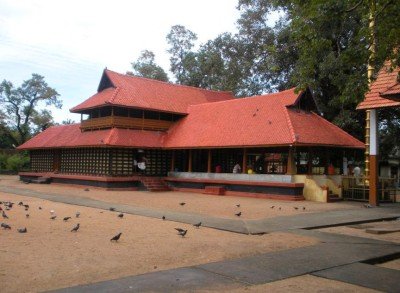
Mullakkal Rajarajeswari Temple
Some quick example text to build on the card title and make up the bulk of the card's content.
Go somewhere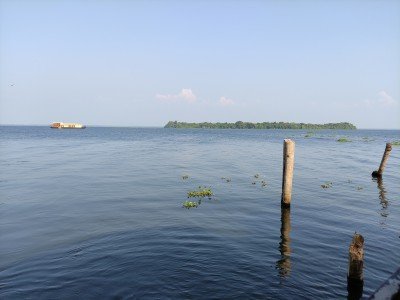
Pathiramanal Island
Some quick example text to build on the card title and make up the bulk of the card's content.
Go somewhere
Punnapra Beach
Some quick example text to build on the card title and make up the bulk of the card's content.
Go somewhere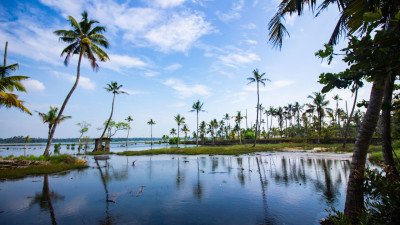
Vembanad Lake
Some quick example text to build on the card title and make up the bulk of the card's content.
Go somewherein Other Cities