Pavagadh Fort
General information
-
Ideal Duration:
4 to 5 Hours (Total Exploration)Place Type:
Military Fortification:: UNESCO World HeritageEntry Fees:
No Single Fort Entry Fee:: The fort is a collection of structures across a hill. There is no single ticket called 'Pavagadh Fort Entry Fee.
' ASI/Park Entry Fee Applies:: The standard entrance fee for the Champaner-Pavagadh Archaeological Pa...No Single Fort Entry Fee:: The fort is a collection of structures across a hill. There is no single ticket called 'Pavagadh Fort Entry Fee.
' ASI/Park Entry Fee Applies:: The standard entrance fee for the Champaner-Pavagadh Archaeological Park (managed by ASI) applies for access to the core area where most of the fort ruins are located (typically INR 40 for Indians).
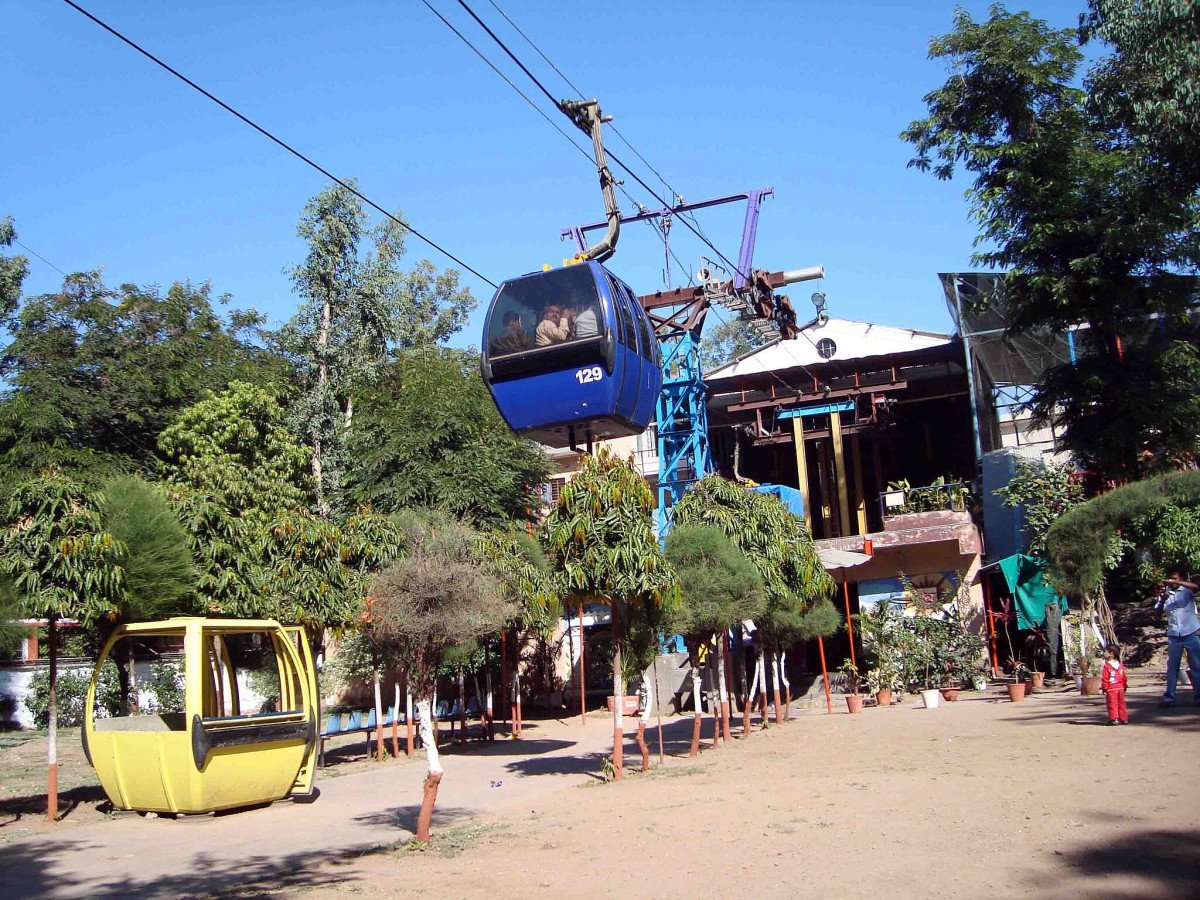
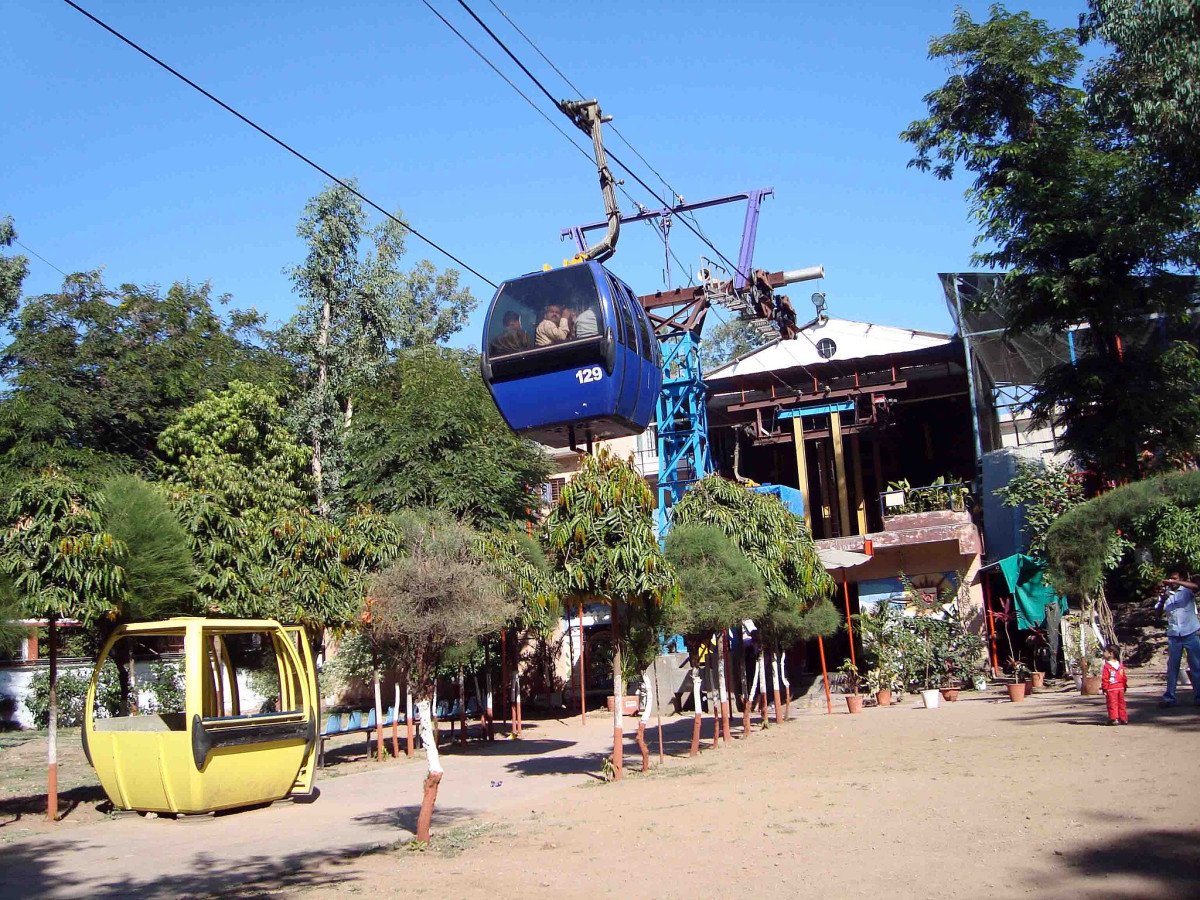
Ropeway Fee (Separate):: The ticket for the Maa Mahakalika Udan Khotala ropeway (approx. INR 150 return) is separate and is the major cost for those not trekking.Timing:
Regular Timings: Open Sunrise to Sunset (approx. 6:00 AM to 6:00 PM) for general exploration of the ruins. The path and gates are technically open 24 hours.
Ideal Visit Time: Early morning, 7:00 AM to 10:00 AM, for comfortable trekking tem...Regular Timings: Open Sunrise to Sunset (approx. 6:00 AM to 6:00 PM) for general exploration of the ruins. The path and gates are technically open 24 hours.
Ideal Visit Time: Early morning, 7:00 AM to 10:00 AM, for comfortable trekking temperatures and fewer crowds.
All Day: It takes a full day to properly explore the entire fort system, including the ascent and descent.Special Events:
Historical Reenactments/Walks:: The ASI often organizes special heritage walks focused on the military history of the fort during major national holidays or World Heritage Week (November). These events sometimes include local historians narrating the tale of the siege and t...Historical Reenactments/Walks:: The ASI often organizes special heritage walks focused on the military history of the fort during major national holidays or World Heritage Week (November). These events sometimes include local historians narrating the tale of the siege and the life within the fort walls, enhancing the visitor experience greatly.Best Photo Spots:
The Atak Gate Entrance:: A powerful shot of the first gate, framing the start of the upward path, symbolizing the journey into the fort.
The Walls on the Slope:: A mid-range view from the road below, capturing the massive, tiered stone walls...The Atak Gate Entrance:: A powerful shot of the first gate, framing the start of the upward path, symbolizing the journey into the fort.
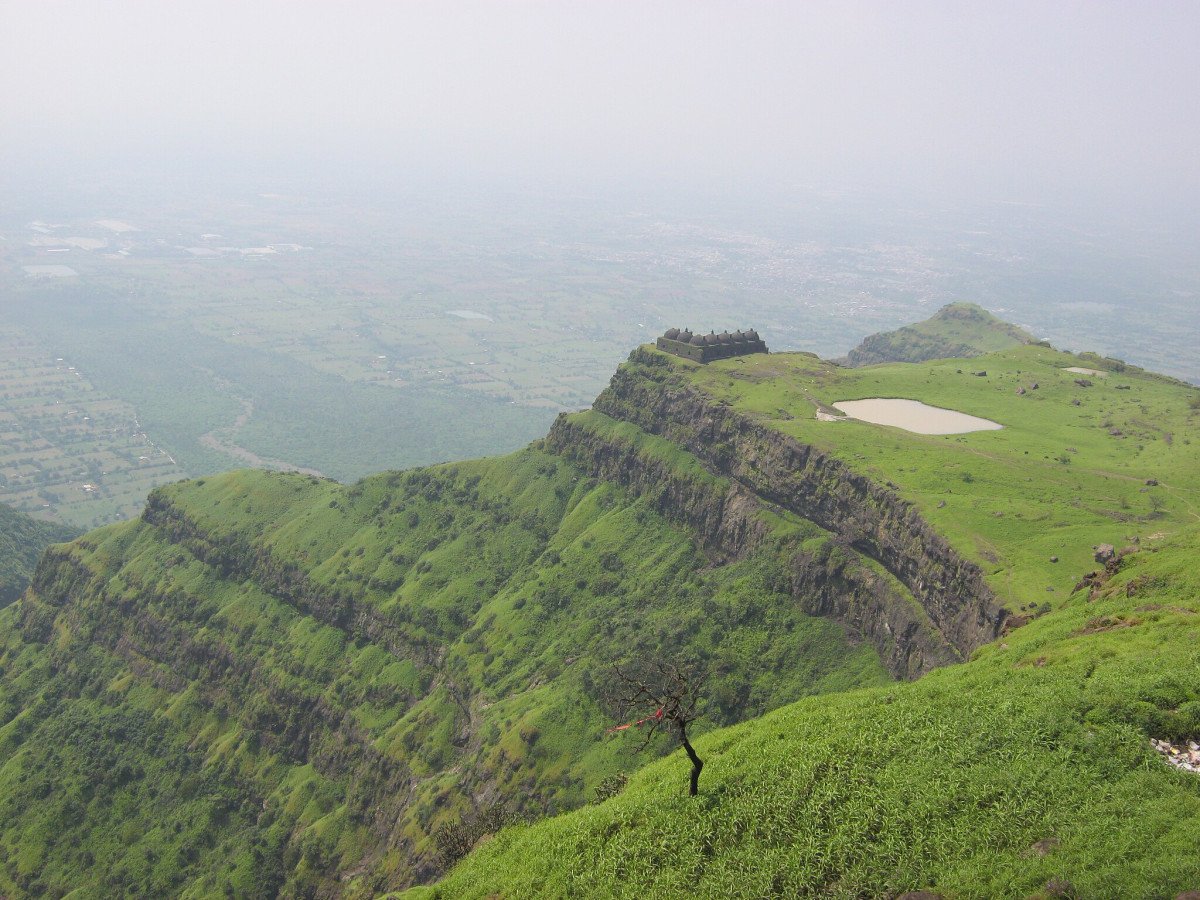
The Walls on the Slope:: A mid-range view from the road below, capturing the massive, tiered stone walls climbing the steep hill, highlighting the sheer scale of the construction.
Saat Kaman Framing:: The Seven Arches themselves offer a fantastic framing device for the distant Champaner plains, especially beautiful with the deep blue sky.
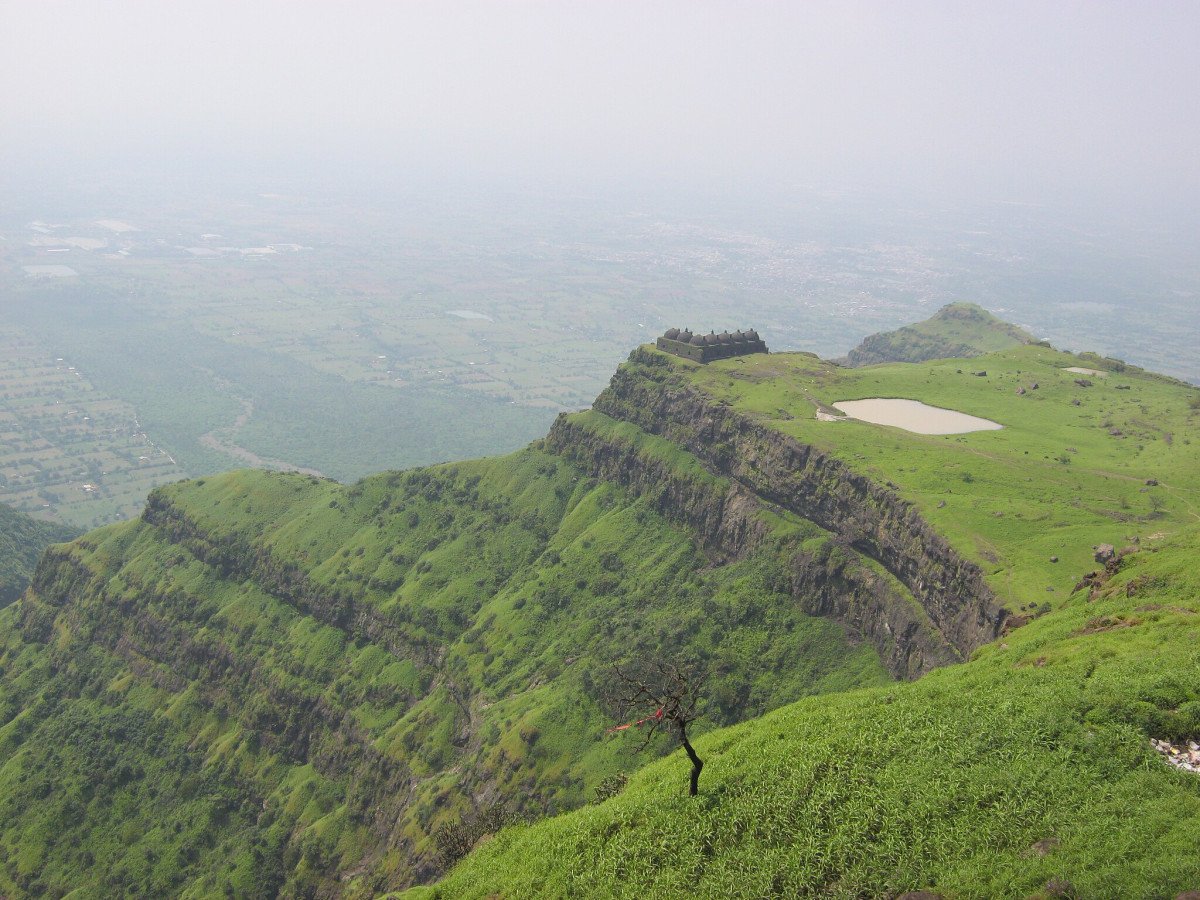
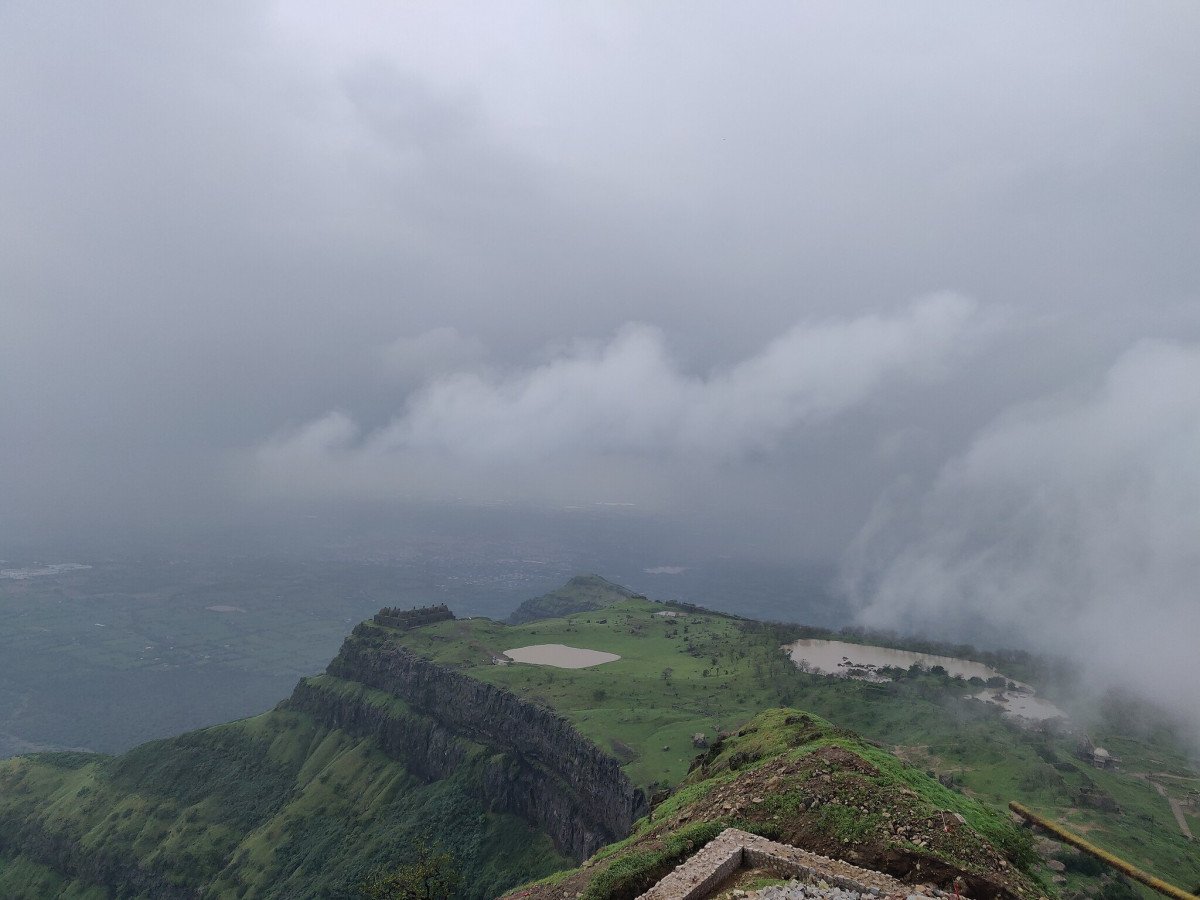
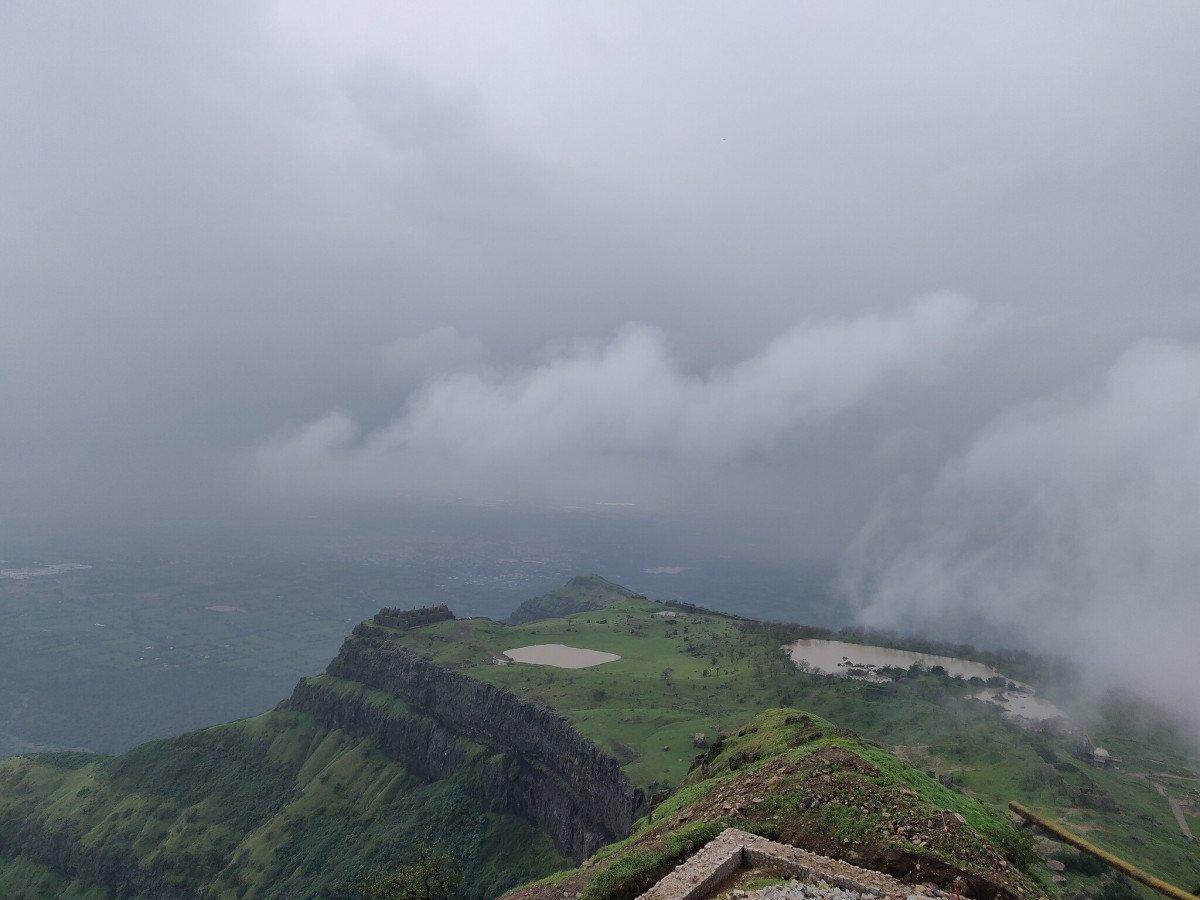
Summit Citadel View:: The view from the top of the fort near the temple, showcasing the endless view of the plains and the surrounding hill formations.Photo Gallery
Things To Do
-
Trekking the Fort Walls::
Hike the Defenses: Follow the path along the ancient fortification walls (where safe and permitted) to gain a sense of the scale and strategic placement of the defenses.
Gate Exploration: Visit the various gates—Atak Gate, Budhiya Gate, and others—to study the layered defense system.
Bastion Views: Climb to the top of the largest remaining bastions to enjoy panoramic views and understand their role as watchtowers.
Citadel Exploration: Explore the ruins of the upper citadel around the Kalika Mata Temple, looking for the remnants of palaces or official residences.
Photography of Military Scale: Capture the vastness of the walls and the contrast between the man-made stru...
Information
-
Why Famous:
Engineering Masterpiece and Historical Landmark:: The Pavagadh Fort is world-famous as a UNESCO World Heritage Site and is considered one of India's most well-preserved, multi-layered hill fortifications. Its fame is built on its complex military design that follows the nat...Engineering Masterpiece and Historical Landmark:: The Pavagadh Fort is world-famous as a UNESCO World Heritage Site and is considered one of India's most well-preserved, multi-layered hill fortifications. Its fame is built on its complex military design that follows the natural topography, making it virtually impregnable for centuries. The fort's walls are a living testament to the evolution of defensive strategy, showcasing the transition from earlier Rajput methods to the sophisticated, gunpowder-era Sultanate additions. The historical narrative of the siege, the political power it represented as the center of the Chauhan dynasty, and its later role as a vital command center for the Sultanate solidify its place in history books. Its visual impact—the sight of the massive walls clinging to the steep slopes—is breathtaking, attracting visitors interested in history, architecture, and military science alike. -
Architecture:
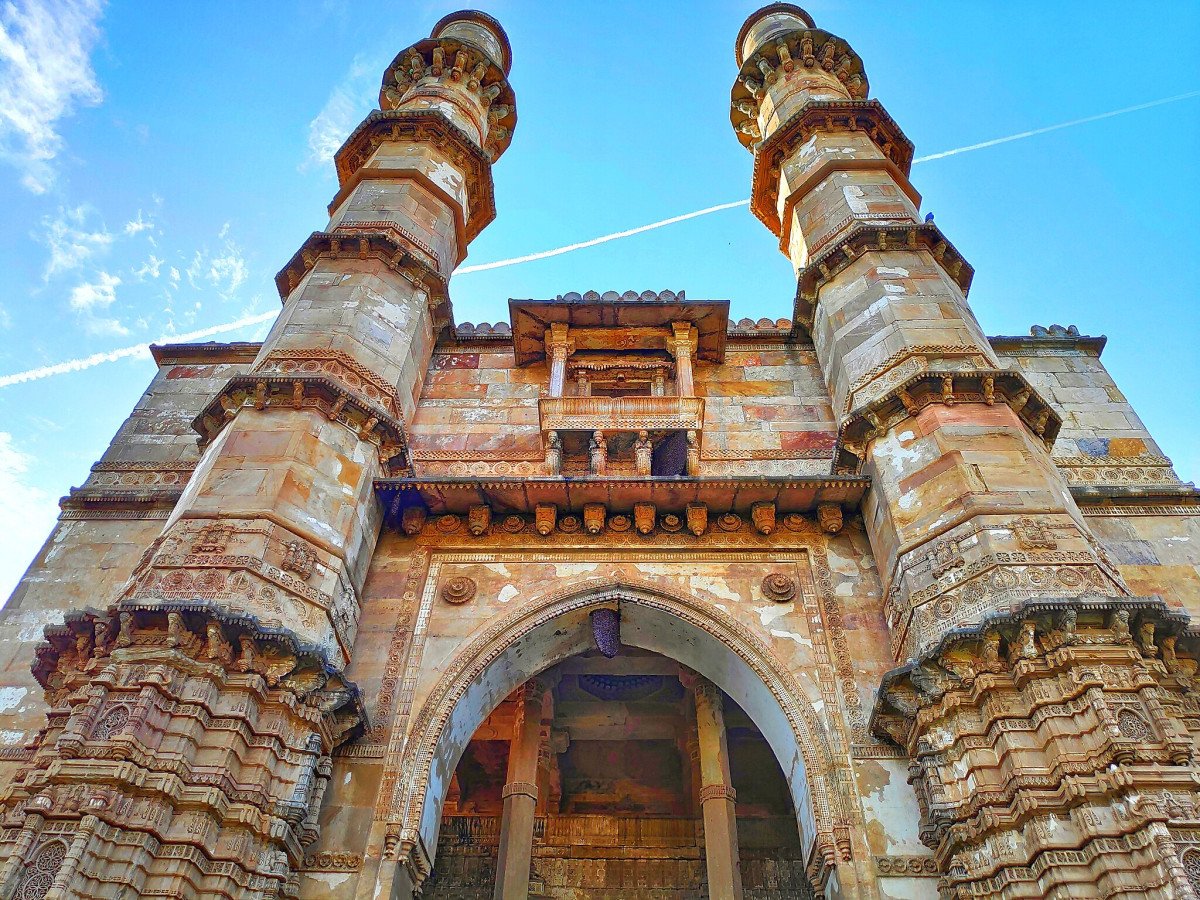
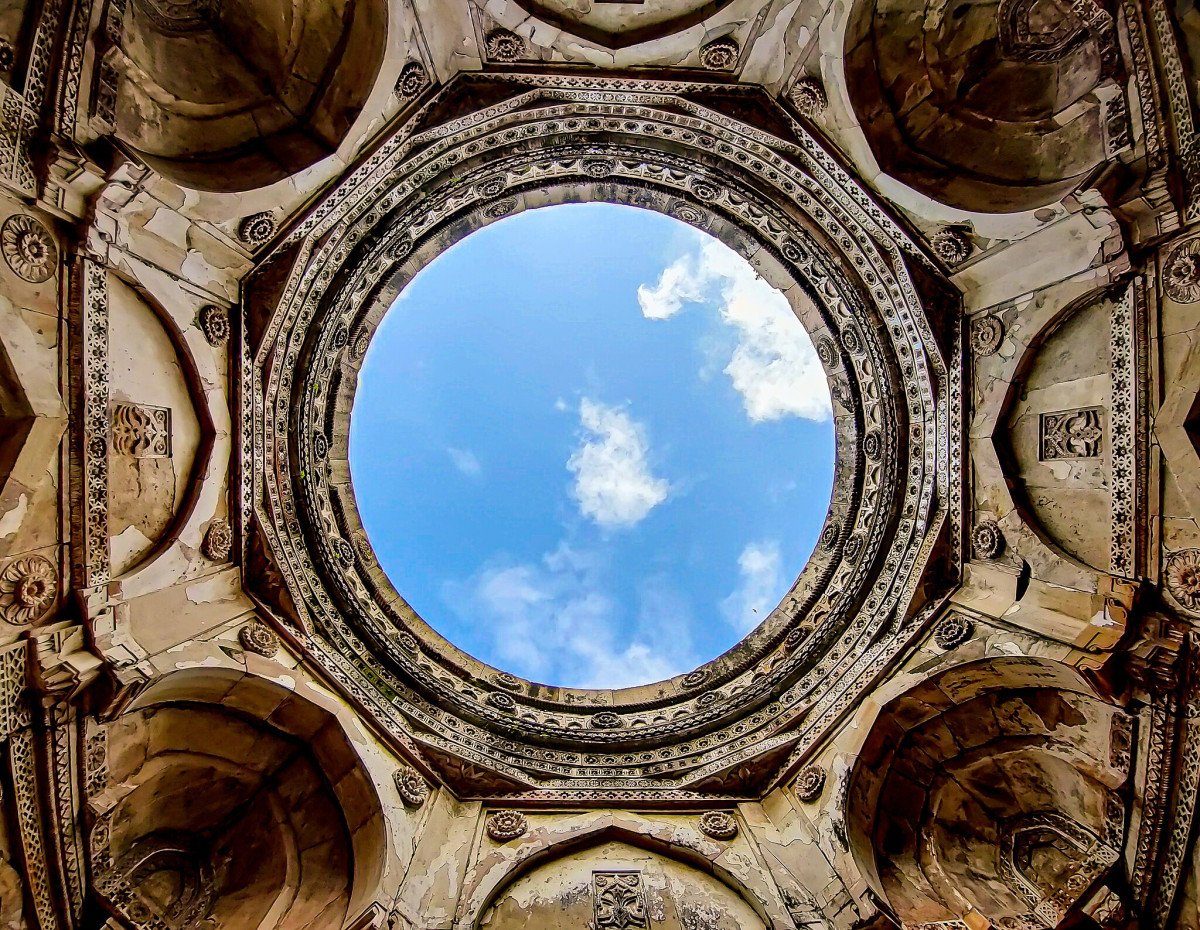
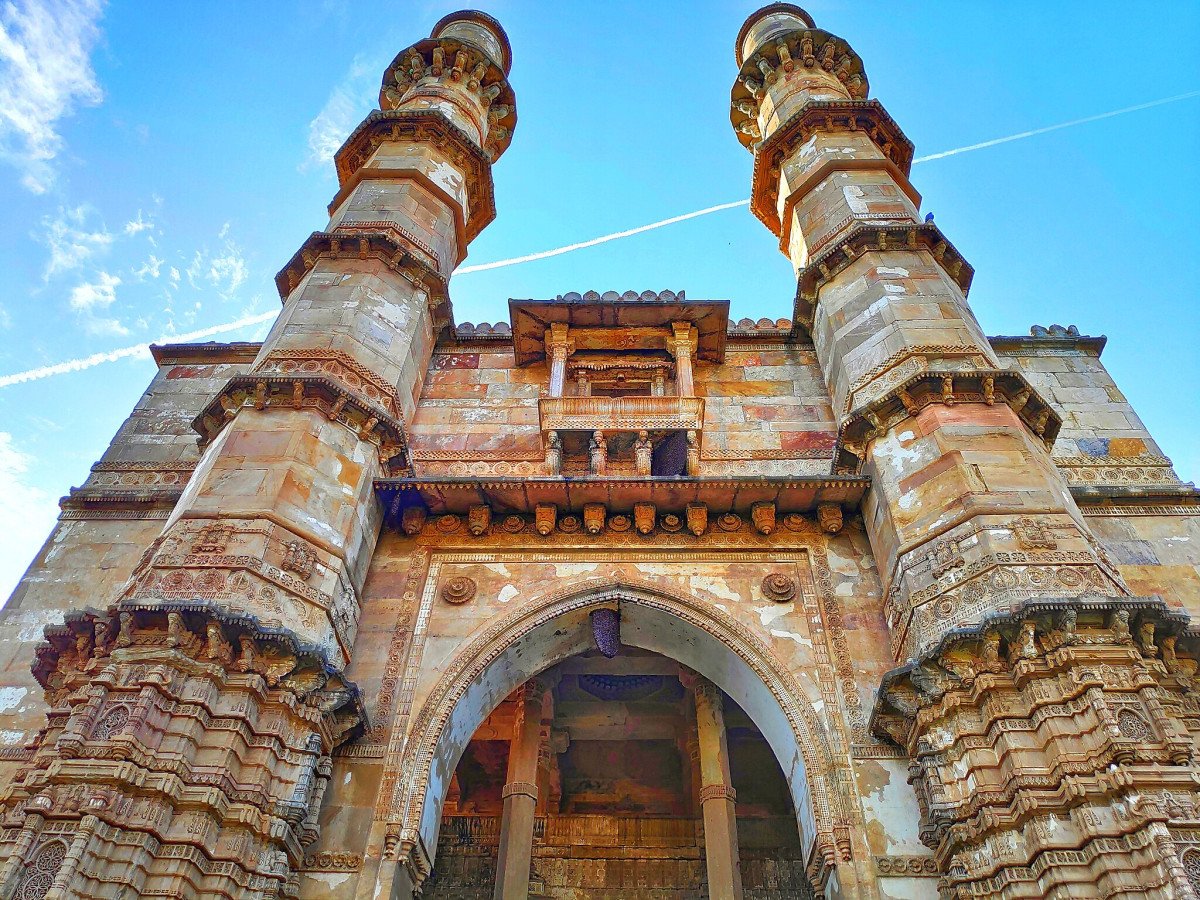
Indo-Islamic Military Architecture:: The fort exemplifies a unique fusion of Hindu (Chauhan Rajput) and Islamic (Gujarat Sultanate) military architecture. It features massive, thick sandstone walls and strategically placed, heavy bastions (burjs). The gates, like Atak Gate...Indo-Islamic Military Architecture:: The fort exemplifies a unique fusion of Hindu (Chauhan Rajput) and Islamic (Gujarat Sultanate) military architecture. It features massive, thick sandstone walls and strategically placed, heavy bastions (burjs). The gates, like Atak Gate, utilize a bent entrance design for defense.
Wall Dimensions and Materials:: The walls are colossal, often ranging from 10 to 20 feet in thickness in key defensive areas, and built from large, rough-hewn blocks of reddish-yellow local sandstone set in strong lime mortar. The total length of the fortification walls is estimated to cover several kilometers across the hill. Strategic points often feature defensive structures like the Saat Kaman (Seven Arches), which was likely a military outpost. The fort's highest point, the citadel, is enclosed by an inner, equally strong wall. -
How To Reach:
By Air (Approx.
45 km):: Nearest airport is Vadodara Airport (BDQ). Hire a taxi to the base of Pavagadh Hill (near Atak Gate or Machi plateau). By Train (Approx.
30 km):: Nearest major railhead is Vadodara Junction. Take a local ... -
Near Tourist Places:
Kalika Mata Temple (Summit) (2.
5 km - steep climb):: Saat Kaman (Seven Arches) (1.
5 km - walk)::
Jain Temples (Bavanderi/Navalakha) (2 km - walk):: Navlakha Kothar (1.
5 km - walk)::
Lakulisa Temple (Mauliya Plateau) (2 km - walk)::
Atak Gate (Base) (3 km - descent)::
Khuniya Mahadev Waterfall (4 km - descent)::
Jami Masjid (Champaner) (7 km - at base)::
Helical Stepwell (Champaner) (8 km - at base)::
Virasat Van (5 km - at base)::
Tourism Tips
-
Health & Safety:
Physical Fitness:: Exploring the fort involves significant climbing and walking on steep, uneven terrain. Assess your fitness level before starting the ascent.
Packing:
Read More
Reviews
Pavagadh Itineray And Cost:-
Information about New and Updated Locations() of Gujarat Has Been Added :-
Card subtitle
Note:-
Information provided here in good Faith and for reference only.
All information and pictures will be updated soon, please keep visiting.
Near Places

Atak Gate
Some quick example text to build on the card title and make up the bulk of the card's content.
Go somewhere
Champaner-Pavagadh Archaeological Park
Some quick example text to build on the card title and make up the bulk of the card's content.
Go somewhere
Dudhiya Lake
Some quick example text to build on the card title and make up the bulk of the card's content.
Go somewhere
Hathni Mata Waterfall
Some quick example text to build on the card title and make up the bulk of the card's content.
Go somewhere
Jain Temples
Some quick example text to build on the card title and make up the bulk of the card's content.
Go somewhere
Jambughoda Wildlife Sanctuary
Some quick example text to build on the card title and make up the bulk of the card's content.
Go somewhere
Jami Masjid
Some quick example text to build on the card title and make up the bulk of the card's content.
Go somewhere
Kalika Mata Temple
Some quick example text to build on the card title and make up the bulk of the card's content.
Go somewhere
Kevada Masjid
Some quick example text to build on the card title and make up the bulk of the card's content.
Go somewhere
Khuniya Mahadev Waterfall
Some quick example text to build on the card title and make up the bulk of the card's content.
Go somewherein Other Cities