Phalgu River
General information
-
Ideal Duration:
1.
5 - 3 Hours:Place Type:
Sacred River, Ritual Site, Pilgrimage Spot:Entry Fees:
No Official Entry Fee:
There is No fee to visit the riverbank (): However, performing Pind Daan involves costs for the priest's fee (Dakshina), the ritualistic items (flowers, pinda ingredients, vessels), and a required donation to the temple...No Official Entry Fee:
There is No fee to visit the riverbank (): However, performing Pind Daan involves costs for the priest's fee (Dakshina), the ritualistic items (flowers, pinda ingredients, vessels), and a required donation to the temple/local charity. Priest fees must be negotiated clearly beforehand (expect several thousand rupees for a full service). Be prepared to encounter many vendors selling flowers and religious items.Timing:
Regular Timings: Accessible 24/7, but rituals are typically performed from 6:00 AM to 6:
00 PM (): Avoid visiting the riverbed after dark for safety.
Ideal Visit Time: Early morning (Sunrise) is the best time ...Regular Timings: Accessible 24/7, but rituals are typically performed from 6:00 AM to 6:
00 PM (): Avoid visiting the riverbed after dark for safety.
Ideal Visit Time: Early morning (Sunrise) is the best time for performing the solemn rituals, avoiding the heat, and ensuring a peaceful environment. The peak season is the 15 days of Pitru Paksha in September/October. October to March is the best general season.Special Events:
Pitru Paksha Mela: The most significant event is the 15-day Pitru Paksha Mela (September/October) (): During this period, the Phalgu River bank transforms into a massive open-air ritual site, attracting millions of pilgrims from across the globe. The spiritual fervor is at ...Pitru Paksha Mela: The most significant event is the 15-day Pitru Paksha Mela (September/October) (): During this period, the Phalgu River bank transforms into a massive open-air ritual site, attracting millions of pilgrims from across the globe. The spiritual fervor is at its peak, and continuous rituals are performed. Amavasya (New Moon) days, especially Mahalaya Amavasya, are also very important, drawing huge crowds. The government sets up elaborate arrangements for the pilgrims during the Mela.Best Photo Spots:
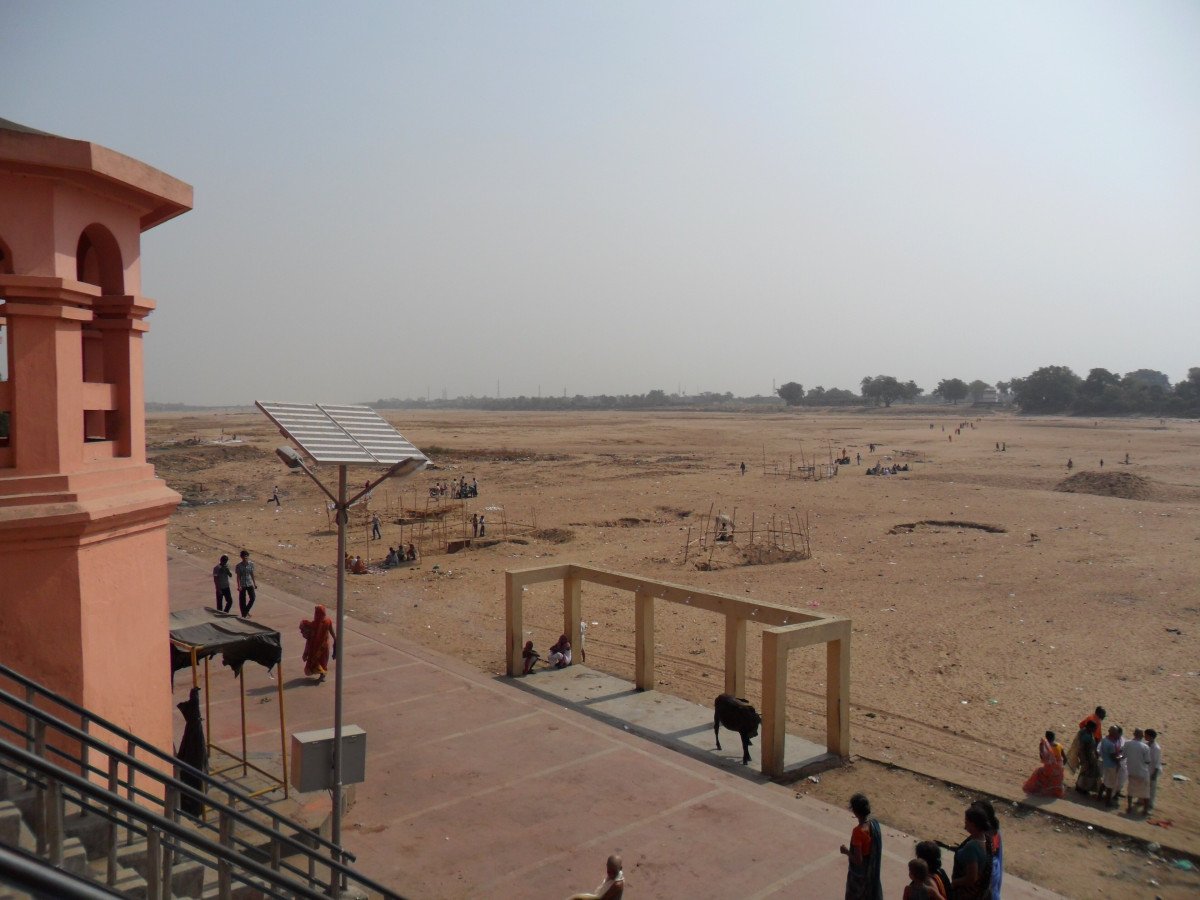
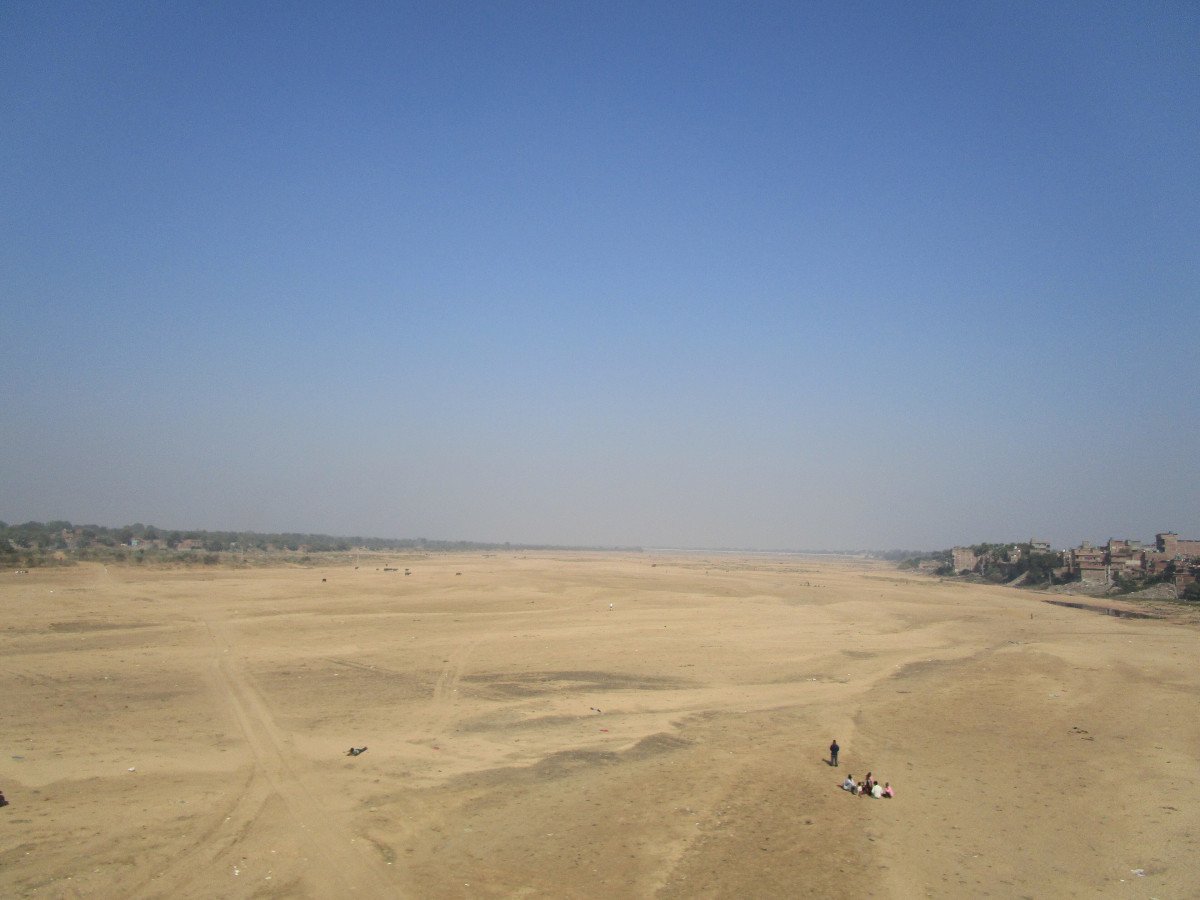
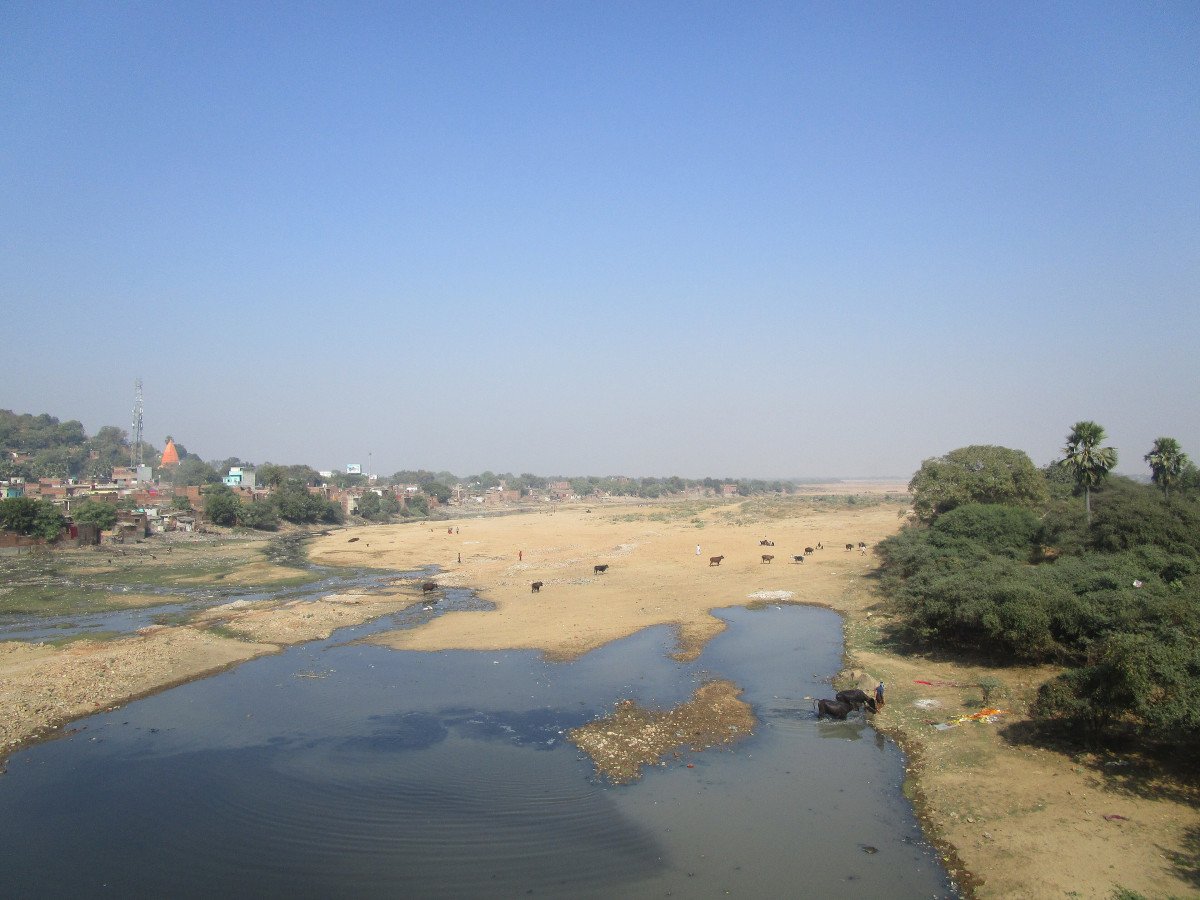
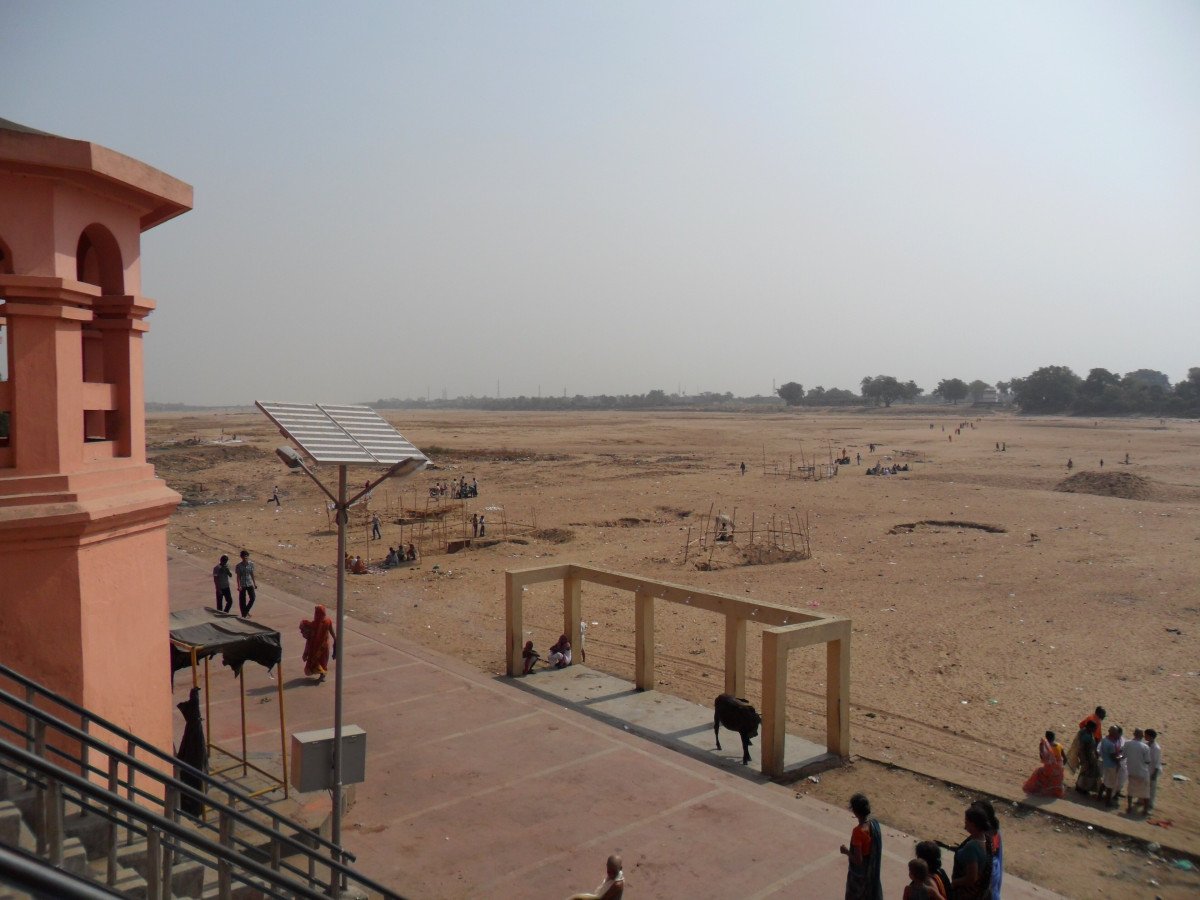
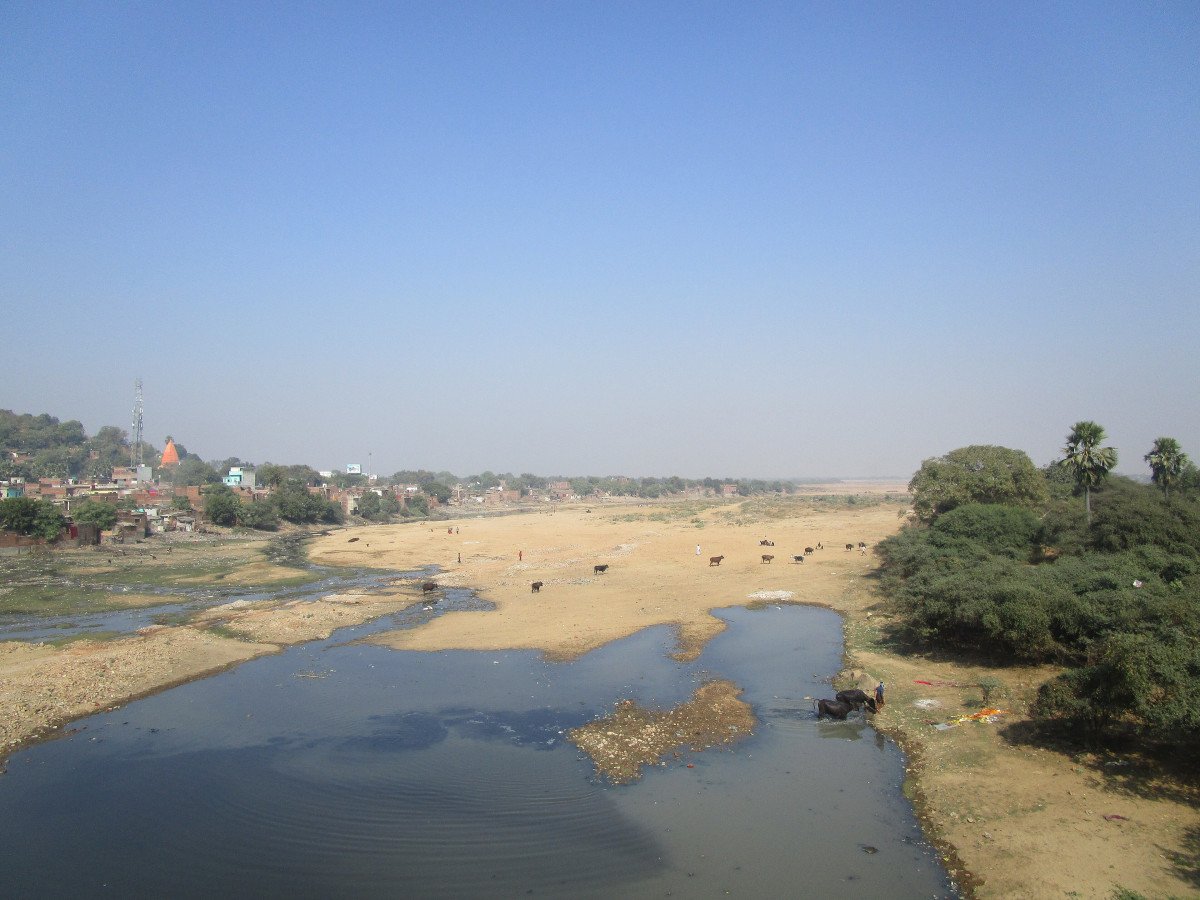
The Sandy Expanse: The wide, dry, sandy riverbed with the distinct line of water drawn from shallow pits ():
Vishnupad Backdrop: The view of the Vishnupad Temple across the river, framed by the sacred riverbank.
...The Sandy Expanse: The wide, dry, sandy riverbed with the distinct line of water drawn from shallow pits ():
Vishnupad Backdrop: The view of the Vishnupad Temple across the river, framed by the sacred riverbank.
The Ritual Scene: The close-up of the pinda offerings, the colorful ritual items, and the devotional intensity of the pilgrims.
The Sunset Over Sand: The dramatic sunset colors reflecting off the broad, empty sand of the riverbed.
Priests in Action: Capture the priests guiding the families through the complex, age-old rituals.Photo Gallery
Things To Do
-
Perform Pind Daan: Engage a Gayawal priest to perform the full Pind Daan ceremony (): This involves purifying the mind, taking a dip or a sprinkle of the river's water (often drawn from shallow wells), offering the pinda on the sand, and reciting mantras.
Observe the Pilgrimage: Stand back and observe the multitude of families performing their ancestral rites, witnessing the deep reverence of Hindu tradition.
Visit Sita Kund: Walk to the nearby Sita Kund for a holy dip, another sacred water body associated with the river.
Photography: Capture the wide, picturesque expanse of the sandy riverbed, especially with the surrounding hills and temples in the background.
Circumambulation: Walk along the length of the river's banks, apprec...Perform Pind Daan: Engage a Gayawal priest to perform the full Pind Daan ceremony (): This involves purifying the mind, taking a dip or a sprinkle of the river's water (often drawn from shallow wells), offering the pinda on the sand, and reciting mantras.
Observe the Pilgrimage: Stand back and observe the multitude of families performing their ancestral rites, witnessing the deep reverence of Hindu tradition.
Visit Sita Kund: Walk to the nearby Sita Kund for a holy dip, another sacred water body associated with the river.
Photography: Capture the wide, picturesque expanse of the sandy riverbed, especially with the surrounding hills and temples in the background.
Circumambulation: Walk along the length of the river's banks, appreciating the solemn atmosphere.
Collect Offerings: The practice of taking a small amount of the sacred sand (balu) from the riverbed is common.
Engage a Priest: Interact with the local Gayawal priests to understand the deeper meanings and variations of the ancestral rites.
Attend Aarti: Witness the evening Aarti (worship with lamps) performed on the riverbank during special occasions.
Information
-
Why Famous:
Central Pind Daan Site: It is famous as the central and most sacred location for the Pind Daan ritual (): Millions of pilgrims flock here, especially during the Pitru Paksha Mela, to offer pinda (rice balls) to their ancestors. Its association with the Ramayana, where Lord ...Central Pind Daan Site: It is famous as the central and most sacred location for the Pind Daan ritual (): Millions of pilgrims flock here, especially during the Pitru Paksha Mela, to offer pinda (rice balls) to their ancestors. Its association with the Ramayana, where Lord Rama and Sita performed the rites, grants it unique religious importance. The mysterious nature of the river, which flows underground, is also a famous feature that reinforces the legend of Sita's curse. It is one of the essential pilgrimage spots in Gaya Kshetra mentioned in ancient Hindu scriptures, guaranteeing liberation for ancestors. -
Architecture:
Functional Ritual Architecture (): The architecture of the Pind Daan area is primarily functional and centered around the riverbank. There are numerous open-air, roofed platforms (Mandaps) constructed from stone or simple masonry along the banks. These structures serve as ...Functional Ritual Architecture (): The architecture of the Pind Daan area is primarily functional and centered around the riverbank. There are numerous open-air, roofed platforms (Mandaps) constructed from stone or simple masonry along the banks. These structures serve as the designated spots for priests and pilgrims to perform the elaborate Pind Daan rituals. The dimensions of these Mandaps vary, often just large enough to accommodate a family and a priest. The prominent Vishnupad Temple looms nearby, acting as the main architectural backdrop. The construction is generally simple, using local materials to withstand the seasonal weather. The most significant architectural addition is the Vishnu Sarovar or Ramkund, a stepped tank near the river that holds water for the rituals. -
How To Reach:
By Air: Gaya International Airport (GAY) is about 12 KMS away (): A taxi or cab will take you directly to the riverbank area near Vishnupad Temple.
By Train: Gaya Junction (GAYA) is approx. 2-3 KMS away. Auto-rickshaws and e-rickshaws are ...By Air: Gaya International Airport (GAY) is about 12 KMS away (): A taxi or cab will take you directly to the riverbank area near Vishnupad Temple.
By Train: Gaya Junction (GAYA) is approx. 2-3 KMS away. Auto-rickshaws and e-rickshaws are the most efficient local transport.
By Road: The riverbank area is central and easily accessible from all parts of Gaya city. There are dedicated roads leading to the Pind Daan sites.
By Local Transport: Cycle-rickshaws and auto-rickshaws are plentiful. You may need to walk a short distance from where the vehicle drops you to the actual ritual spot on the sand. -
Weather and Best Time to Visit:
Different Types of Seasons:
October to March (): This cooler, drier period is most suitable for the long outdoor rituals. The hot summer months make rituals difficult. During the peak monsoon, the river may flow visibly, potentially restric...Different Types of Seasons:
October to March (): This cooler, drier period is most suitable for the long outdoor rituals. The hot summer months make rituals difficult. During the peak monsoon, the river may flow visibly, potentially restricting access to the sandy banks.
Different Parts of the Day: Sunrise is essential for most Pind Daan rituals, which are best performed early. Late afternoon is also a good time for a general visit and the possibility of witnessing a beautiful sunset. -
Near Tourist Places:
Vishnupad Temple (0. 5 KMS), Akshya Vat (1 KMS), Sita Kund (0. 5 KMS), Ramshila Hill Temple (4 KMS), Mangla Gauri Temple (4. 5 KMS), Brahmayoni Hill Temple (5 KMS), Pretshila Hill Temple (10 KMS), Mahabodhi Temple (Bodh Gaya) (15 KMS), Barabar Caves (30 KMS), Rajgir (70 KMS):
Tourism Tips
-
Health & Safety: Be cautious on the sand;
it can be deep and hot (): Wear light, traditional clothing that is easy to manage during rituals. Women should cover their heads.
Packing: Carry a dedicated bag fo...Health & Safety: Be cautious on the sand;
it can be deep and hot (): Wear light, traditional clothing that is easy to manage during rituals. Women should cover their heads.
Packing: Carry a dedicated bag for ritual items and keep valuables secured. Be prepared to remove footwear for the rituals.
Accommodation: Stay near the Vishnupad Temple area for the most convenient access to the ritual sites.
Other Different Topics: Be aware of the presence of many unauthorized guides and fix all payments with the Gayawal priest before beginning. The atmosphere is solemn, so maintain silence and respect.
Reviews
FAQs
Gaya Itineray And Cost:-
Information about New and Updated Locations() of Bihar Has Been Added :-
Card subtitle
Note:-
Information provided here in good Faith and for reference only.
All information and pictures will be updated soon, please keep visiting.
Near Places

Akshya Vat
Some quick example text to build on the card title and make up the bulk of the card's content.
Go somewhere
Barabar Caves
Some quick example text to build on the card title and make up the bulk of the card's content.
Go somewhere
Brahmayoni Hill Temple
Some quick example text to build on the card title and make up the bulk of the card's content.
Go somewhere
Dashrath Manjhi Memorial
Some quick example text to build on the card title and make up the bulk of the card's content.
Go somewhere
Gaya Viewpoint
Some quick example text to build on the card title and make up the bulk of the card's content.
Go somewhere
Mangla Gauri Temple
Some quick example text to build on the card title and make up the bulk of the card's content.
Go somewhere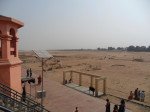
Phalgu River
Some quick example text to build on the card title and make up the bulk of the card's content.
Go somewhere
Pretshila Hill Temple
Some quick example text to build on the card title and make up the bulk of the card's content.
Go somewhere
Ramshila Hill Temple
Some quick example text to build on the card title and make up the bulk of the card's content.
Go somewhere
Sita Kund
Some quick example text to build on the card title and make up the bulk of the card's content.
Go somewherein Other Cities