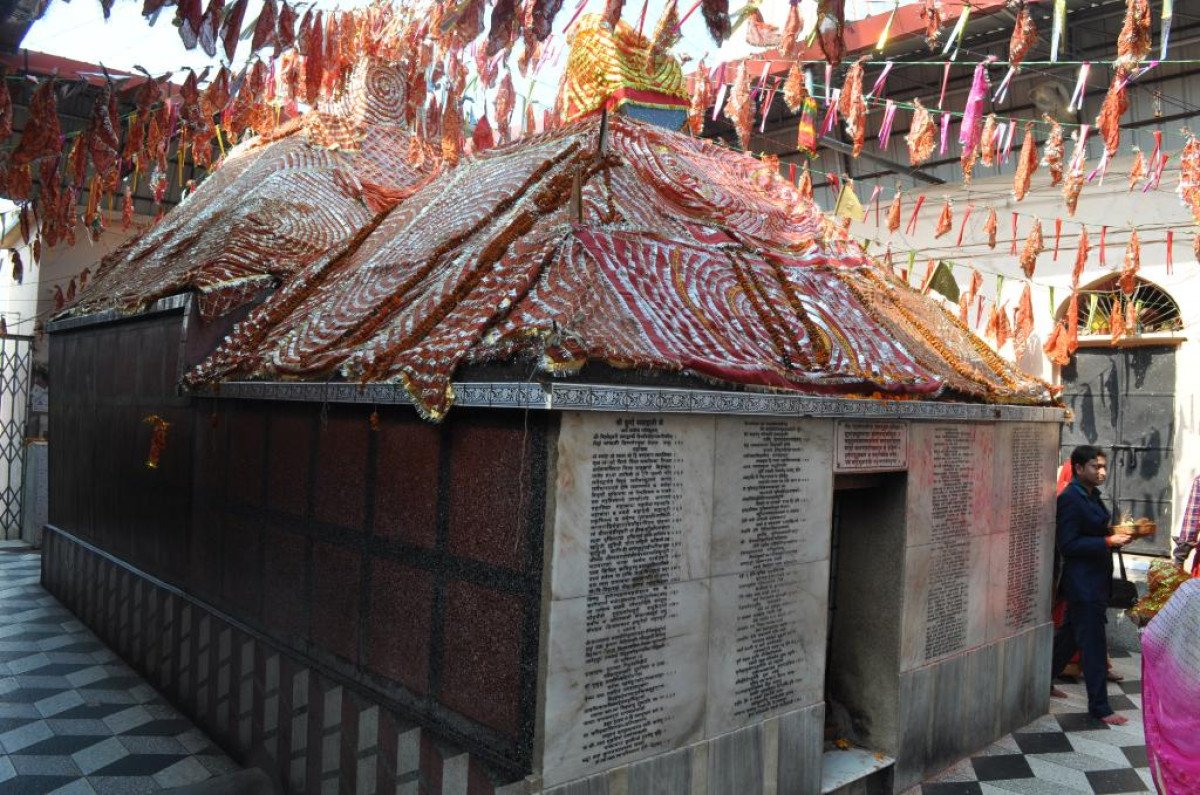
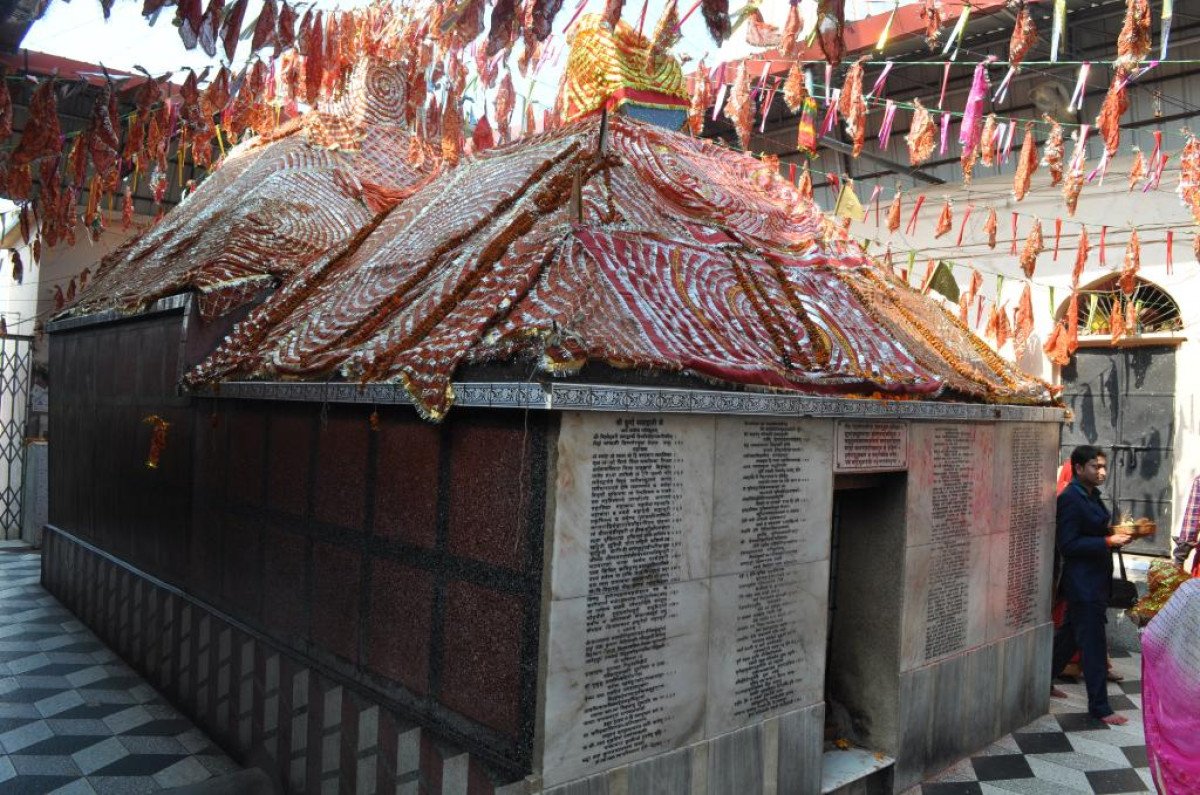
Mangla Gauri Temple
General information
-
Ideal Duration:
1.
5 Hours:Place Type:
Shakti Peeth, Hill Temple, Religious Site:Entry Fees:
No Official Entry Fee:
There is No charge for entry to the temple (): However, charges apply for Puja and ritualistic services from the priests. You should budget for voluntary donations, which are expected at Shakti Peethas. The temple may...No Official Entry Fee:
There is No charge for entry to the temple (): However, charges apply for Puja and ritualistic services from the priests. You should budget for voluntary donations, which are expected at Shakti Peethas. The temple may charge a small fee for vehicle parking at the base if you drive. Always purchase Puja items from authorized vendors near the temple. Expect to spend a small amount on flowers and other offering materials.Timing:
Regular Timings: Open daily from 6:00 AM to 8:
00 PM (): It may close briefly in the afternoon (12:00 PM to 4:00 PM) or for Bhog (offering). It is best to confirm locally.
Ideal Visit Time: Early morning (6:0...Regular Timings: Open daily from 6:00 AM to 8:
00 PM (): It may close briefly in the afternoon (12:00 PM to 4:00 PM) or for Bhog (offering). It is best to confirm locally.
Ideal Visit Time: Early morning (6:00 AM to 9:00 AM) is the most spiritual and peaceful time. Tuesdays and Fridays are the busiest days. Visit during October to March for comfortable weather for the climb.Special Events:
Navratri Festival: The most special events are the nine nights of Chaitra Navratri (March/April) and Sharad Navratri (September/October) (): During these times, the temple is magnificently decorated, and special Aartis and elaborate Pujas are performed continuously. Thousan...Navratri Festival: The most special events are the nine nights of Chaitra Navratri (March/April) and Sharad Navratri (September/October) (): During these times, the temple is magnificently decorated, and special Aartis and elaborate Pujas are performed continuously. Thousands of devotees flock here for Darshan and to witness the ceremonies dedicated to the Mother Goddess. Tuesdays and Fridays are also considered auspicious for Shakti worship and see higher crowds. The annual Shivaratri festival is also a notable event due to the Shiva shrine on the premises.Best Photo Spots:
Temple Entrance: The eastern-facing entrance and the ornate gateway (Dwar) of the temple structure ():
The City View: The panoramic view of the lower Gaya city from the top of the hill, especially during the day.
...Temple Entrance: The eastern-facing entrance and the ornate gateway (Dwar) of the temple structure ():
The City View: The panoramic view of the lower Gaya city from the top of the hill, especially during the day.
The Bilwa Tree: The sacred Bilwa tree within the temple complex, often adorned with threads and offerings.
Faded Carvings: Close-up shots of the ancient relief sculptures and carvings found on the walls of the main temple structure.
The Stairway: The ascending staircase framed by the local houses at the beginning of the climb.Photo Gallery
Things To Do
-
Climb the Steps: Ascend the approximately 200 stone steps, treating the climb as an act of devotion (): You can also take the motorable road, but the steps are traditional.
Offer Prayers to Shakti: Offer Puja and Arghya to the main deity, the symbolic representation of Mangalagauri, and seek blessings for a good life and marital bliss.
Circumambulation (Parikrama): Perform a Pradakshina (circumambulation) around the main temple structure.
Visit Subsidiary Shrines: Offer respects at the smaller temples dedicated to Lord Shiva (in the form of Shivalingam), Ganesha, Hanuman, and Dakshina Kali within the complex.
Experience Bhimvedi Gaya: Visit the shrine at the base of the hill believed to hold the knee impression of Bhima.
...Climb the Steps: Ascend the approximately 200 stone steps, treating the climb as an act of devotion (): You can also take the motorable road, but the steps are traditional.
Offer Prayers to Shakti: Offer Puja and Arghya to the main deity, the symbolic representation of Mangalagauri, and seek blessings for a good life and marital bliss.
Circumambulation (Parikrama): Perform a Pradakshina (circumambulation) around the main temple structure.
Visit Subsidiary Shrines: Offer respects at the smaller temples dedicated to Lord Shiva (in the form of Shivalingam), Ganesha, Hanuman, and Dakshina Kali within the complex.
Experience Bhimvedi Gaya: Visit the shrine at the base of the hill believed to hold the knee impression of Bhima.
Observe Rituals: Witness the local rituals, including the special Pujas performed by priests, and possibly Bali (animal sacrifice, though often replaced by symbolic offerings today) offered by some traditional devotees.
Photography: Capture the view of Gaya city from the hill-top and the ancient temple structure.
Information
-
Why Famous:
Shakti Peetha Status:
It is famously one of the Maha Shakti Peethas (): This status, where a part of Sati's body fell, elevates its religious importance nationwide. It draws pilgrims specifically seeking the blessings of the Mother Goddess S...Shakti Peetha Status:
It is famously one of the Maha Shakti Peethas (): This status, where a part of Sati's body fell, elevates its religious importance nationwide. It draws pilgrims specifically seeking the blessings of the Mother Goddess Shakti. Its historical reference in ancient texts like the Puranas ensures its continued fame. Additionally, its position on a hill provides a serene and powerful atmosphere, often linked to the fierce and benevolent energy of the Goddess. The nearby Bhimvedi Gaya, where Bhima performed rites, is another famous facet, linking it to the ancient epic, adding layers of religious appeal. -
Architecture:
Nagara Style Simplicity (): The present temple, dating back to the 15th century, exhibits a modest style typical of the regional Nagara architecture, focusing on the sanctity of the shrine rather than external pomp. The temple is built facing east on top of the hill. The m...Nagara Style Simplicity (): The present temple, dating back to the 15th century, exhibits a modest style typical of the regional Nagara architecture, focusing on the sanctity of the shrine rather than external pomp. The temple is built facing east on top of the hill. The main sanctum (Garbhagriha) is small, housing the symbolic representation of the Goddess. The structure includes a small, covered Mandap (hall) in front and a functional courtyard. The dimensions of the main sanctum are small, allowing only 2-3 devotees at a time. The overall construction is solid, likely using local stone and brick. A key feature is the approximately 200 stone steps carved into the hill to facilitate the climb for devotees. The compound also houses minor shrines and a sacred Bilwa tree. -
How To Reach:
By Air: Gaya International Airport (GAY) is about 6 KMS away (): Hire a taxi for a direct, short trip.
By Train: Gaya Junction (GAYA) is the nearest railhead (approx. 3 KMS). Auto-rickshaws are readily available.
Read MoreBy Air: Gaya International Airport (GAY) is about 6 KMS away (): Hire a taxi for a direct, short trip.
By Train: Gaya Junction (GAYA) is the nearest railhead (approx. 3 KMS). Auto-rickshaws are readily available.
By Road: The hill is on the southern side of the city and is well-connected by a motorable road, allowing taxis and private vehicles to reach the top or close to it. The road to the top is narrow.
By Local Transport: Auto-rickshaws and cycle-rickshaws from the station or city center can easily take you to the base of the hill. A motorable road option is also available for local taxis.Weather and Best Time to Visit:
Different Types of Seasons:
October to March (): This is the peak season due to the pleasant weather, ideal for the climb. The periods of Navratri often fall during the change of seasons and are extremely busy. The summer should be avoided....Different Types of Seasons:
October to March (): This is the peak season due to the pleasant weather, ideal for the climb. The periods of Navratri often fall during the change of seasons and are extremely busy. The summer should be avoided.
Different Parts of the Day: Early morning is the best for peaceful Darshan and avoiding the afternoon heat and rush. The evening Aarti (around 7:00 PM) is also highly recommended for a vibrant spiritual experience.Near Tourist Places:
Gaya Junction (3 KMS), Vishnupad Temple (4 KMS), Akshya Vat (4. 5 KMS), Sita Kund (5 KMS), Brahmayoni Hill Temple (5. 5 KMS), Ramshila Hill Temple (7 KMS), Pretshila Hill Temple (11 KMS), Mahabodhi Temple (Bodh Gaya) (15 KMS), Great Buddha Statue (Bodh Gaya) (16 KMS), Barabar Caves (30 KMS):Tourism Tips
-
Health & Safety: Wear modest clothes suitable for a religious place (): Be prepared for a moderate climb. Carry a small purse/bag as large bags might not be allowed in the main sanctum.
Packing: Carry a camera for external shots and small c...Health & Safety: Wear modest clothes suitable for a religious place (): Be prepared for a moderate climb. Carry a small purse/bag as large bags might not be allowed in the main sanctum.
Packing: Carry a camera for external shots and small cash for offerings.
Accommodation: Many Dharmshalas and budget hotels are available near Gaya Junction and the temple area.
Other Different Topics: Be respectful of local customs, especially during Puja ceremonies. Photography of the main deity is generally strictly prohibited.
Reviews
FAQs
Gaya Itineray And Cost:-
Mangla Gauri Temple Tourism:-
Information about New and Updated Locations() of Bihar Has Been Added :-
Card subtitle
Note:-
Information provided here in good Faith and for reference only.
All information and pictures will be updated soon, please keep visiting.
Near Places

Akshya Vat
Some quick example text to build on the card title and make up the bulk of the card's content.
Go somewhere
Barabar Caves
Some quick example text to build on the card title and make up the bulk of the card's content.
Go somewhere
Brahmayoni Hill Temple
Some quick example text to build on the card title and make up the bulk of the card's content.
Go somewhere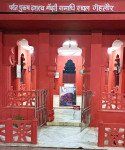
Dashrath Manjhi Memorial
Some quick example text to build on the card title and make up the bulk of the card's content.
Go somewhere
Gaya Viewpoint
Some quick example text to build on the card title and make up the bulk of the card's content.
Go somewhere
Mangla Gauri Temple
Some quick example text to build on the card title and make up the bulk of the card's content.
Go somewhere
Phalgu River
Some quick example text to build on the card title and make up the bulk of the card's content.
Go somewhere
Pretshila Hill Temple
Some quick example text to build on the card title and make up the bulk of the card's content.
Go somewhere
Ramshila Hill Temple
Some quick example text to build on the card title and make up the bulk of the card's content.
Go somewhere
Sita Kund
Some quick example text to build on the card title and make up the bulk of the card's content.
Go somewherein Other Cities