...

Place To Visit And Things To Do In Bundi

Rajasthan, India
Timeless Charm: Bundi is a hidden gem that feels like a step back in time, away from the commercial noise of the larger cities. It is famous for its blue-painted houses, narrow lanes, and stunning murals. Architectural Splendor: The city is dominated by the Taragarh Fort and the Garh Palace, which h ouse some of the finest examples of Rajput miniature paintings. Its stepwells are considered architectural masterpieces. Literary Connection: The serene Sukh Mahal served as an inspiration for Rudyard Kipling, who wrote parts of his famous novel "Kim" while staying here. The city's quiet beauty has long been a muse for artists. Stepwell Capital: Known as the "City of Stepwells," Bundi has over 50 of these ancient water-harvesting structures. They are not just functional but are intricately carved works of art.

Things To Do

Card image cap
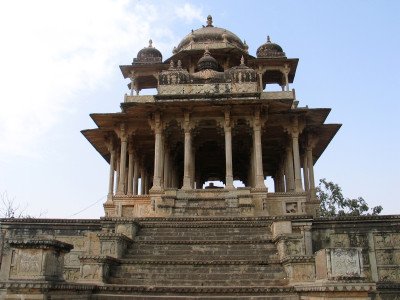
Chaurasi Khambon ki Chhatri

The Chaurasi Khambon ki Chhatri, translating literally to the "Cenotaph of 84 Pillars," is one of Bundi's most unique and beautifully preserved histor...

The **Chaurasi Khambon ki Chhatri**, translating literally to the "Cenotaph of 84 Pillars," is one of **Bundi's** most unique and beautifully preserved historical monuments. A **cenotaph** is an empty tomb or a monument erected in honor of a person or group whose remains are elsewhere. This particular **Chhatri** was built in **1683** by **Maharao Raja Anirudh Singh** in a remarkable act of devotion for his foster brother, **Deva**, who was also his nurse's son, demonstrating the high regard for loyalty and familial bonds in **Rajput** culture. The structure is a two-story pavilion supported by exactly **84** finely carved pillars. Its roof is adorned with a prominent dome, and the interior houses a **Shiva Lingam** (a representation of the Hindu deity **Lord Shiva**), signifying its dedication as a place of worship and memory. The monument is famous for its intricate carvings and the architectural feat of having **84** pillars, each one contributing to the visual harmony and structural stability of the whole. Set amidst a peaceful garden, it offers a tranquil retreat and a splendid example of **Rajput** memorial architecture. The number **84** holds special significance in Hinduism, relating to the cycles of life and rebirth.
Card image cap
Raniji Ki Baori

Raniji ki Baori, literally meaning "Queen's Stepwell," is arguably the most famous and architecturally magnificent of the over 50 stepwells (baoris) i...

**Raniji ki Baori**, literally meaning "Queen's Stepwell," is arguably the most famous and architecturally magnificent of the over **50** stepwells (**baoris**) in **Bundi**, earning the town its nickname. It was constructed in **1699 AD** by **Rani Nathavati Ji Solanki**, the younger queen of **Rao Raja Anirudh Singh Hada**. Built to address water scarcity in the arid region, this stepwell is a powerful example of the sophisticated water conservation systems developed by the **Rajputs** and the crucial role played by royal women in public welfare. Unlike simple wells, this is a multi-story structure that descends deep into the earth, providing access to the water table throughout the year. The stepwell is renowned not just for its function, but for its exquisite **sculptural and architectural decoration**. The sheer scale and intricate carvings, particularly the highly ornamental arched gate (**Toran Dwar**), set it apart. It has over **100** steps leading down to the water level. The structure features sculptures of Hindu deities like **Ganesha**, **Saraswati**, and depictions of the *Dashavatar* (ten incarnations of **Lord Vishnu**), turning a utilitarian water tank into a sacred, artistic monument and a social gathering point for the community, especially women. It is a tranquil oasis and a breathtaking testament to **Rajput** craftsmanship.
Card image cap
Taragarh Fort and Bundi Palace

The Taragarh Fort (Star Fort) and the connected Bundi Palace (or Garh Palace) form the undisputed crown of Bundi. Perched precariously on a steep hill...

The **Taragarh Fort** (**Star Fort**) and the connected **Bundi Palace** (or **Garh Palace**) form the undisputed crown of **Bundi**. Perched precariously on a steep hillside of the **Aravalli** range, the imposing fort offers **panoramic views** of the city, especially the characteristic blue houses. Built in **1354** by **Rao Bar Singh**, **Taragarh** is one of the oldest and most impressive hill forts in **Rajasthan**. Though much of the fort is now in ruins and overgrown, it still boasts massive stone walls, deep reservoirs known as **baoris**, and the famous **Bhim Burj**, a colossal bastion that once housed the powerful cannon, **'Garbha Gunjan'** (**Thunder from the Womb**). The entry involves a steep, yet rewarding, climb. The adjacent **Bundi Palace** is a series of interconnected, smaller palaces built by various rulers, including **Rao Raja Ratan Singh Hada** and **Rao Raja Chhatrasal**. The palace is famous for its stunning **frescoes** and **murals**, especially those in the **Chitrashala** section, which showcase the **Bundi School of Painting**. The Palace complex includes structures like **Hathi Pol** (Elephant Gate), **Diwan-e-Aam**, and the **Chhatra Mahal**. The palace walls are said to have inspired **Rudyard Kipling's** description of a "palace as men build for themselves in uneasy dreams" in his novel *Kim*. Exploring this complex is like peeling back layers of **Rajput** history and art, making it an essential visit for any traveler to **Bundi**.
Card image cap
84 Pillared Cenotaph

The 84 Pillared Cenotaph, locally known as Chaurasi Khambon Ki Chhatri (meaning 'Cenotaph of 84 Pillars'), is a magnificent two-story memorial pavilio...

The **84 Pillared Cenotaph**, locally known as **Chaurasi Khambon Ki Chhatri** (meaning 'Cenotaph of 84 Pillars'), is a magnificent two-story memorial pavilion situated in the outskirts of **Bundi**. This historical monument was constructed in **1683 AD** by Rao Raja Anirudh Singh of **Bundi** as a tribute to his beloved foster brother, **Deva Gujjar**. The term 'Chhatri' refers to an elevated, dome-shaped pavilion, a style characteristic of Rajasthani architecture, used to commemorate deceased royalty or significant personalities. The structure is one of the most remarkable examples of Rajput architecture in **Bundi**, renowned for its sheer number of supporting pillars?exactly eighty-four, as the name suggests?a number that holds immense spiritual significance in Hinduism, representing the **84** lakh (8.4 million) life cycles a soul must pass through before achieving salvation. Erected on a tall platform, the cenotaph houses a **Shivling** (a symbolic representation of Lord Shiva) and features intricate carvings and murals. The monument is a visual feast, depicting various scenes from Hindu mythology, the life of Rajput kings, animals like elephants and deer, and dancing figurines. The lower floor is the main pillared hall, leading up to a smaller, domed chhatri on the first storey. The sheer precision and artistic detail in the carvings on each of the **84** pillars showcase the exceptional craftsmanship of the **17th-century** artisans. The Cenotaph serves both as a memorial and a place of worship, reflecting the deep sense of loyalty and religious devotion prevalent in the Rajput court. Its location, slightly away from the main city, offers a quiet and peaceful environment, allowing visitors to fully appreciate the architectural and historical richness of the structure dedicated to an act of profound kinship.
Card image cap
Anarkali Ki Bawadi

@@ Historical Narrative : This magnificent stepwell was commissioned by Anarkali, a mistress of Rao Raja Chatrasal, during the late 17th Century to pr...

@@ Historical Narrative : This magnificent stepwell was commissioned by Anarkali, a mistress of Rao Raja Chatrasal, during the late 17th Century to provide a reliable water source for the local community and royal gardens. The structure serves as a poignant reminder of the socio-cultural importance of water conservation in the arid landscape of Rajasthan, where stepwells were not just utilitarian tanks but centers for social interaction and religious rituals. As you descend the stairs, the cool air rising from the depths offers a respite from the scorching heat of the sun, making it a favorite retreat for travelers seeking historical depth. The walls tell stories of the Hada Rajput lineage, reflecting the artistic sensibilities of the era through stone. Despite being less crowded than the more famous Raniji Ki Baori, it maintains a quiet dignity that allows visitors to appreciate the silence of history. The site is surrounded by lush greenery, adding to its picturesque appeal. Over the centuries, it has witnessed the rise and fall of dynasties, yet its structural integrity remains remarkably intact. Visitors often find themselves lost in thought while gazing at the symmetrical patterns of the stairs that lead down to the emerald-green water. It is a place where time seems to slow down, allowing one to connect with the architectural brilliance of ancient India.
Card image cap
Badal Mahal

Badal Mahal, translating to the 'Palace of Clouds', earned its evocative name because of its elevated position within the Garh Palace complex, which o...

**Badal Mahal**, translating to the 'Palace of Clouds', earned its evocative name because of its elevated position within the **Garh Palace** complex, which often sees it partially shrouded in mist or low clouds, especially during the monsoon season. Built by Rao Ratan Singh in the **17th century**, this palace was conceived as a luxurious and serene imperial retreat for the Bundi rulers, distinct from the areas used for official administration. The location high on the Aravalli hills provides not only a cool, refreshing atmosphere but also spectacular, commanding views of the town of **Bundi**, the **Taragarh Fort** looming above, and the **Nawal Sagar Lake** glistening below. The palace is primarily celebrated for its exquisite **murals** and **frescoes** that adorn the walls and ceilings, showcasing a unique blend of Rajput and early Mughal artistic styles. These paintings are a vibrant testament to the rich artistic tradition of the **Bundi School of Painting**, a significant subset of the Rajasthani miniature style. The murals depict a wide array of subjects, including scenes from Hindu mythology, royal court life, hunting expeditions, and the famous **Ragamala** series, which illustrates various musical modes. Visitors are transported to an era of regal splendour, where art, architecture, and nature merged to create a haven for the royalty. The palace, though showing signs of neglect, retains its historical significance and artistic brilliance, offering an unparalleled glimpse into the lavish lifestyle and cultural patronage of the Hada rulers. It is a vital stop for art and history enthusiasts within the larger palace complex.
Card image cap
Bhoraji-ka-Kund

@@ Detailed History : Constructed in the 16th Century during the reign of Rao Raja Anirudh Singh, this stepwell was primarily designed to serve the do...

@@ Detailed History : Constructed in the 16th Century during the reign of Rao Raja Anirudh Singh, this stepwell was primarily designed to serve the domestic water needs of the citizens during the frequent droughts that plagued the region. Named after Bhoraji, a prominent local figure or official of the time, the kund stands as a testament to the advanced hydrological engineering practiced by the Rajputs long before modern plumbing. The structure is unique because it combines functionality with a deep sense of community space, acting as a gathering point for locals to share news while drawing water. Over the centuries, the water level has fluctuated, but the architectural integrity of the stone walls has remained a constant symbol of resilience. The site is often frequented by local kids and elders, giving it a lived-in feel that is absent from more commercialized monuments. It is surrounded by old havelis and narrow lanes that characterize the "Blue City" of Bundi. The carvings on the walls depict various aspects of daily life and religious symbols, bridging the gap between the mundane and the divine. Visiting Bhoraji-ka-Kund provides a raw, unfiltered look at the heritage of Rajasthan, away from the manicured lawns of major forts. The cool microclimate inside the well is a natural wonder, often being 5°C cooler than the surface temperature. It is a place of reflection, both literally in the water and figuratively in the history it represents.
Card image cap
Bundi Kala Ji Ki Bavdi

@@ Historical Context : Kala Ji Ki Bavdi is one of the more esoteric stepwells in Bundi, often associated with local folk deities and spiritual guardi...

@@ Historical Context : Kala Ji Ki Bavdi is one of the more esoteric stepwells in Bundi, often associated with local folk deities and spiritual guardians. Legend has it that the water here possesses healing properties, and it was historically used by pilgrims traveling through the Hadoti region. The baori is named after Kala Ji, a folk hero-deity revered in the rural parts of Rajasthan for protection against evil spirits and snake bites. Architecturally, it serves as a bridge between the grand royal stepwells and the functional village wells. It was likely built in the 18th Century by a wealthy merchant or a minor noble as an act of religious merit. The structure is characterized by its rugged beauty, appearing more integrated with the natural rocky terrain of the Aravallis than the more polished city stepwells. Over time, it has become a spot for local religious gatherings and small-scale community fairs. The atmosphere here is deeply traditional, often smelling of incense and fresh marigolds left by devotees. It remains a vital part of the local ecosystem, providing water for cattle and small-scale farming in the immediate vicinity during the dry months. For the traveler, it offers a glimpse into the living traditions of Rajasthan, where history is not just found in museums but in the everyday rituals of the people. The silence of the location, broken only by the bells of a nearby shrine, makes it a spiritual experience.
Card image cap
Bundi View Point

@@ Place Description : The Bundi View Point is a strategically located cliff-side area that offers the most comprehensive and breathtaking view of the...

@@ Place Description : The Bundi View Point is a strategically located cliff-side area that offers the most comprehensive and breathtaking view of the entire city of Bundi. From this vantage point, the city unfolds like a blue-tapestry, with its iconic blue-painted houses nestled in the valley between the rugged Aravalli hills. This spot was historically used by the sentries of the Taragarh Fort to monitor the movements in the plains below. Today, it has become the ultimate destination for hikers, photographers, and nature lovers who want to escape the narrow streets and see the big picture. The climb to the viewpoint is an adventure in itself, passing through old gateways and semi-ruined walls that whisper stories of ancient battles. As you reach the summit, the cool breeze of the heights hits you, providing an instant reward for the physical effort. You can see the Nawal Sagar Lake reflecting the palace, the sprawling Garh Palace complex, and the numerous stepwells dotted across the town. It is particularly famous during the sunset when the sky turns into a palette of fiery reds and purples, contrasting against the cool blues of the city. The viewpoint provides a sense of the city's unique geography, showing how the hills acted as a natural fortification. It is a place of quiet contemplation, far removed from the honking of rickshaws and the bustle of the markets. For many, this is the highlight of their Bundi trip, offering a perspective that stays etched in memory long after they have left Rajasthan.
Card image cap
Chhattra Mahal

The Chhattra Mahal is a magnificent structure nestled within the sprawling Garh Palace complex of Bundi, a city renowned for its blue-painted houses a...

The **Chhattra Mahal** is a magnificent structure nestled within the sprawling **Garh Palace** complex of Bundi, a city renowned for its blue-painted houses and step-wells. Built around **1660 AD** by **Maharao Raja Chatrasal**, the Mahal stands as a vibrant testament to the zenith of **Rajput architecture** and the local **Bundi School of Painting**. The name "Chhattra" derives from the *chhatris* or umbrella-shaped pavilions that crown its rooftop, providing shade and unique architectural charm. The palace was strategically constructed to showcase the independence and artistry of the Hada Rajput rulers during a period of Mughal dominance. Unlike many contemporary palaces that adopted the Mughal red sandstone, the **Chhattra Mahal** and the entire Garh Palace complex primarily utilize the locally quarried **green-tinged stone**, which is famously hard and, thus, was decorated heavily with murals and paintings rather than fine carvings. The Mahal, which served as a residence and a place for royal entertainment, is particularly famous for its well-preserved **frescoes** and **murals**. The interior walls and ceilings are adorned with stunning, elaborate paintings in rich colours like **red**, **gold**, and **indigo**, depicting scenes from Indian mythology, royal processions, court life, and particularly the stories of **Radha** and **Krishna**. It is one of the most visually stunning sections of the otherwise decaying Garh Palace, offering a powerful glimpse into the opulent and artistic life of the Bundi royalty. Visitors must navigate a steep, paved path and climb through the colossal **Hathi Pol** (Elephant Gate) to reach this and other key sections of the palace like the **Diwan-e-Aam** (Hall of Public Audience) and the famous **Chitrashala**. The Mahal's strategic elevation also provides breathtaking panoramic views of the entire "blue city" of Bundi and the adjacent **Nawal Sagar Lake**. (Words: 395) *** ###
Card image cap
Chitrashala

The Chitrashala, literally translating to "Gallery of Pictures," is a magnificent open-air pavilion and gallery nestled within the extensive Garh Pala...

The Chitrashala, literally translating to "Gallery of Pictures," is a magnificent open-air pavilion and gallery nestled within the extensive **Garh Palace** complex in **Bundi**. Also historically known as **Umaid Mahal**, it was commissioned by Maharao Raja **Umed Singh** in the **18th century** (specifically the first half of the **18th century** or between **1773** and **1821** CE). This architectural marvel served as a private audience chamber and a leisure spot for the royal family. Its primary fame rests on the remarkably preserved and vibrant wall paintings and frescoes that adorn its walls and ceilings. These murals are the finest examples of the **Bundi School of Painting**, an independent branch of the **Mewar School of Painting**. The frescoes beautifully depict scenes from Hindu mythology, particularly the 'Raas Leela' (stories of Lord **Krishna** and **Radha**), court life, royal processions, hunting scenes, and the detailed representation of beautiful women. The use of vibrant colors, especially a striking combination of green and blue, and the intricate details in the depictions of human figures and clothing are characteristic features. The gallery is a profound testament to the artistic and cultural zenith achieved by the Hada Rajput rulers of **Bundi**. Its elevated location offers a captivating view of the surrounding palace and the town below, making it a feast for both art and history enthusiasts. The pavilion itself is open on one side, allowing ample natural light to illuminate the vivid artwork.
Card image cap
Dhabhai Kund

Dhabhai Kund is one of the many magnificent stepwells (baoris) that have earned Bundi the title of the "City of Stepwells." This particular stepwell i...

**Dhabhai Kund** is one of the many magnificent stepwells (*baoris*) that have earned **Bundi** the title of the "City of Stepwells." This particular stepwell is a superb example of ancient Indian hydro-architecture, renowned primarily for its breathtaking geometric construction. It is believed to have been constructed in the **16th century**, possibly during the reign of Maharaja Rao Raja Dhabhai Singh, after whom it is named, or by a *Dhabhai* (foster father/wet-nurse's son) who held a high administrative position. Stepwells were essential in the arid climate of Rajasthan, serving as vital water sources for the populace and travelers, and also functioning as cool social gathering spots during the hot summer months. What sets **Dhabhai Kund** apart is its remarkable symmetry and precision. It features an estimated **700+** steps that descend in an intricate, fractal pattern towards the water level at the bottom. The walls and steps are not purely functional; they are intricately carved and adorned with beautiful motifs of elephants, lotuses, and various Hindu deities, showcasing the profound skill of the **Rajput-era** artisans. The interplay of light and shadow on the geometric steps, particularly around mid-day, creates a mesmerizing, hypnotic visual effect, making it a favorite for architecture lovers and photographers. Unlike the grand scale of **Raniji Ki Baori**, **Dhabhai Kund** is often smaller and more intimate, yet its architectural complexity is considered an engineering marvel. The well's history is linked to the Chauhan dynasty, and it holds spiritual significance, believed to be dedicated to **Lord Ganesha**, with his idol often placed centrally, emphasizing the blend of functionality, art, and spirituality in its design.
Card image cap
Dhowara Fort

@@ Place History : Dhowara Fort is one of the many lesser-known forts that form a defensive ring around the main capital of Bundi. Built by the Hada C...

@@ Place History : Dhowara Fort is one of the many lesser-known forts that form a defensive ring around the main capital of Bundi. Built by the Hada Chauhan Rajputs in the 15th Century, it served as an outpost to guard the mountain passes against northern incursions. Unlike the grand Taragarh, Dhowara Fort is more rugged and military in its design, lacking the ornate palaces but possessing massive bastions and thick curtain walls. The fort has largely been reclaimed by nature, with wild vines and shrubs growing over the ancient stones, giving it a mysterious, "Indiana Jones" type of atmosphere. Historically, it was a self-sustaining unit with its own rainwater harvesting tanks and granaries, allowing a small garrison to hold out for months. The fort offers a raw look at medieval defensive architecture, away from the crowds of mainstream tourism. It is situated on a high ridge, providing a commanding view of the surrounding forests and the small village of Dhowara below. The silence here is absolute, making it a perfect spot for those who want to experience the "untouched" side of Rajasthan. The fort's history is mostly preserved in local oral traditions, as it was never as politically central as the main Bundi palace. Exploring its ruins requires a bit of climbing and a sense of adventure, as there are no paved paths or signboards. It is a testament to the sheer density of history in the Hadoti region, where even a minor fort possesses an aura of grandeur and mystery.
Card image cap
Dugari Fort

@@History and Heritage: Dugari Fort is a majestic historical structure standing on the banks of the Kanak Sagar Lake. Built by the Hada Rajput rulers,...

@@History and Heritage: Dugari Fort is a majestic historical structure standing on the banks of the Kanak Sagar Lake. Built by the Hada Rajput rulers, it served as a strategic military outpost and a royal retreat. The fort is deeply connected to the religious history of the region, housing ancient temples dedicated to Lord Vishnu and Radha Krishna. Visitors can witness the remnants of a glorious past through its weathered walls and crumbling ramparts that overlook the vast lake. The fort provides a tranquil atmosphere away from the bustling city life. It is particularly known for its association with the Bundi School of Painting, featuring murals that have survived the test of time. Local folklore suggests the fort was a key defensive point against invading forces from the neighboring regions. Today, it stands as a testament to the resilient spirit of the Rajput warriors. The serene waters of the lake reflecting the fort's silhouette create a magical sight during sunset. It is a place where history meets nature in a perfect blend of silence and stories.
Card image cap
Foridev Bird House

@@Nature's Sanctuary: Foridev Bird House is a hidden ecological treasure located near the Nainwa region. This sanctuary is a haven for nature lovers a...

@@Nature's Sanctuary: Foridev Bird House is a hidden ecological treasure located near the Nainwa region. This sanctuary is a haven for nature lovers and bird watchers who wish to see regional and migratory species in their natural habitat. The area is surrounded by dense vegetation and seasonal water bodies that provide a perfect ecosystem for nesting. Unlike commercial zoos, this place emphasizes conservation and the natural behavior of birds. Visitors can expect to see species like the Peacock, Kingfisher, Sarus Crane, and various types of owls and eagles. The local community is actively involved in protecting this zone, making it a model for sustainable eco-tourism. The peaceful environment is broken only by the melodic chirping of thousands of birds, offering a meditative experience. It is an ideal spot for those looking to escape the stone structures of forts and dive into the wild side of Rajasthan. Educational tours are often conducted for students to raise awareness about biodiversity. The sanctuary looks particularly beautiful during the morning mist.
Card image cap
Garh Palace

@@The Royal Residence: Garh Palace, also known as the Bundi Palace, is one of the most stunning examples of Rajput architecture in India. Perched on a...

@@The Royal Residence: Garh Palace, also known as the Bundi Palace, is one of the most stunning examples of Rajput architecture in India. Perched on a hillside, it consists of a series of palaces built by different rulers over three centuries. The complex is famous for its "hanging" appearance as it seems to grow out of the hill itself. Unlike many other palaces in Rajasthan, it shows very little Mughal influence, preserving the authentic Hada Rajput style. The main attraction is the Chitrashala (Ummed Mahal), which houses world-renowned miniature paintings and frescoes. These murals depict scenes from Lord Krishna's life, royal processions, and daily court activities. The palace is accessed through the majestic Hathi Pol (Elephant Gate). Despite its partially ruined state, the palace exudes a sense of faded grandeur that inspired writers like Rudyard Kipling. The intricate jali work and balconies offer breathtaking views of the "Blue City" below. It serves as the historic soul of Bundi.
Card image cap
Hathi Pol

Hathi Pol, literally meaning 'Elephant Gate', serves as the grand and imposing entrance to the vast Bundi Palace (Garh Palace) complex. It is one of t...

**Hathi Pol**, literally meaning 'Elephant Gate', serves as the grand and imposing entrance to the vast **Bundi Palace** (Garh Palace) complex. It is one of the two main gates at the end of the steep climb leading up to the palace. Commissioned by Rao Ratan Singh in the early **17th century**, it is a quintessential example of grand Rajput architecture. The gate is instantly recognizable by the massive stone statues of two trumpeting elephants that flank the archway, lending the structure its name and a magnificent aura. The sheer scale and intricate detailing of the gate were intended to evoke a sense of awe and royal power, preparing visitors for the splendour of the palace within. Passing through **Hathi Pol** marks the transition from the daily life of the town to the regal world of the Hada rulers. The gate is not just a defensive structure but also a ceremonial one, historically used for the grand entry and exit of the royalty and their processions. The elevated position of the gate provides a breathtaking first view of the surrounding hills and the town of **Bundi** nestled below. It is the beginning of the journey into the heart of **Bundi**'s royal heritage, leading to other significant structures like the **Badal Mahal** and **Phool Mahal**. It is an essential stop for anyone exploring the historical architecture of **Bundi**. The atmosphere here is often quiet, allowing visitors to reflect on the historical significance of this grand entrance. The rough, steep path leading up to it adds to the sense of a historical expedition. The structural design cleverly integrates aesthetic appeal with defensive functionality, a hallmark of Rajput fortifications. The gate has faced the ravages of time and weather but still stands as a powerful symbol of the glorious past of the Hada Chauhans.
Card image cap
Indergarh Fort

@@Military Grandeur: Indergarh Fort was founded in the 17th century by Rao Raja Inder Saal Singh, a prominent ruler of the Hada clan. Situated atop a ...

@@Military Grandeur: Indergarh Fort was founded in the 17th century by Rao Raja Inder Saal Singh, a prominent ruler of the Hada clan. Situated atop a steep hill, the fort was designed to be virtually unconquerable. It is surrounded by a massive wall with four main gateways that once guarded the entrance to the town. Inside the fort, there are three distinct palaces: Janana Mahal, Supari Mahal, and Hawa Mahal. Each of these mahals features exquisite wall paintings and traditional Rajput windows. The fort is also famous for its proximity to the Bijasan Mata Temple, which attracts thousands of pilgrims. The architecture reflects a mix of military necessity and royal luxury. Walking through the fort feels like stepping back into an era of epic battles and royal courtships. The view from the top provides a 360-degree look at the surrounding valleys and the Chambal river region. It is a significant site for those interested in the tactical history of Rajasthan.
Card image cap
Jait Sagar Lake

Jait Sagar Lake is a serene, artificial lake nestled amidst the picturesque rolling hills of the Aravalli range, just a few kilometers from the heart ...

**Jait Sagar Lake** is a serene, artificial lake nestled amidst the picturesque rolling hills of the **Aravalli** range, just a few kilometers from the heart of **Bundi** town. The lake's origins trace back to the early **14th century A.D.**, reportedly built by **Jaita Meena**, the ruler of **Bundi** before the Hada Rajputs, or in some accounts, by a later ruler and subsequently repaired and improved. The lake was a vital water source for the region, serving as a reservoir to store rainwater for irrigation and consumption. Its banks are graced by the beautiful **Sukh Mahal** (the summer palace), which is a key attraction and provides an iconic view across the water. The most captivating feature of **Jait Sagar** is the spectacular bloom of lotus flowers that cover a significant portion of its surface, particularly visible during the **monsoon** (July?September) and early **winter** (October?March) months. The lake is also enclosed by large walls with four ornamented gateways, a relic of its historical importance and defense. Beyond its beauty, the lake is an important ecological spot, attracting a wide variety of resident and migratory birds, making it a haven for nature lovers and bird watchers. Despite occasional challenges with cleanliness and invasive lotus roots, it remains a tranquil oasis and a favorite spot for locals and tourists seeking peace and scenic beauty.
Card image cap
Kapren Garh Palace

@@The Hidden Palace: Kapren Garh Palace is the ancestral home of a branch of the Hada Rajput family. This palace is a unique blend of a living residen...

@@The Hidden Palace: Kapren Garh Palace is the ancestral home of a branch of the Hada Rajput family. This palace is a unique blend of a living residence and a historical monument. While part of the palace is still occupied by the descendants of the royal family, sections of it are open to visitors who wish to see authentic Rajput lifestyle. The palace is smaller than the Garh Palace of Bundi but is better preserved in terms of its intimate domestic architecture. It features beautiful courtyards, traditional "Gokhdas" (sitting spaces), and rooms decorated with family heirlooms and old photographs. The palace is surrounded by a small moat and fortified walls, giving it a classic "Garh" (fortified house) feel. It is famous for its hospitality and the stories of the Hada clan's bravery that are passed down through generations. Visiting here provides a more personal connection to history compared to the larger, abandoned forts. The town of Kapren itself is a quiet settlement, offering a glimpse into the rural life of Rajasthan.
Card image cap
Kshar Bagh

Kshar Bagh, also locally known as Saar Bagh, is a historically significant garden that serves as the royal cremation ground and houses the cenotaphs (...

**Kshar Bagh**, also locally known as **Saar Bagh**, is a historically significant garden that serves as the **royal cremation ground** and houses the **cenotaphs (*chhatris*)** of the former rulers and queens of the **Bundi** state. The site is a poignant reminder of the lineage and history of the **Hadoti** region's royalty. There are approximately **66** cenotaphs here, each varying in size, complexity, and decorative detail, representing different periods of rule. The cenotaphs are essentially small, umbrella-shaped pavilions built over the cremation spot, typically supported by pillars and often featuring intricate carvings. The atmosphere of **Kshar Bagh** is one of quiet solemnity and historical grandeur. Although somewhat overgrown and not always officially open, the place retains a powerful sense of time and heritage. The location, nestled amidst the landscape near **Jait Sagar Lake**, adds to its picturesque and tranquil setting. The garden is surrounded by greenery, which contrasts with the intricate stone work of the *chhatris*. The varying architectural styles of the cenotaphs provide a chronological glimpse into the evolution of **Rajput** art and design in **Bundi**. It is a place for reflection on the legacy of the **Bundi** royalty. Access is often managed by a local caretaker who holds the key, making it feel like a private, atmospheric discovery for visitors who manage to gain entry.
Card image cap
Lake Jait Sagar

Lake Jait Sagar is a stunning artificial lake located in the heart of the Aravalli hills. It was originally commissioned by Jaita Meena, the legendar...

Lake Jait Sagar is a stunning artificial lake located in the heart of the Aravalli hills. It was originally commissioned by Jaita Meena, the legendary founder of Bundi, and later enhanced by the Rajput rulers. The lake is famous for the Sukh Mahal palace situated on its banks, which served as a summer retreat for the royalty. Historically, it is known as the place where the famous author Rudyard Kipling stayed and found inspiration for his classic novel Kim. The lake is a hub for biodiversity, especially during the Winter months of December and January, when thousands of lotus flowers bloom, covering the water in a blanket of pink and green. The surrounding hills provide a natural fortress-like setting that protects the lake from the harsh desert winds. In the 18th Century, it was the center of social and royal gatherings. The serene waters reflect the sky and the surrounding greenery, creating a peaceful atmosphere. Visitors can see the reflection of the Taragarh Fort on the water's surface during clear days. The lake also plays a vital role in the local water ecosystem, supporting various species of migratory birds that fly in from Siberia. Walking along the embankments, one can feel the history of the Hada Chauhan dynasty. The area is dotted with small shrines and cenotaphs that add to its mystical charm. It is a place where nature and history blend perfectly. The local government has maintained the site as a heritage spot to preserve its pristine beauty. For anyone visiting Bundi, this lake offers a refreshing break from the arid landscapes. The evening breeze here is particularly soothing, making it a favorite spot for locals and tourists alike to relax after a long day of sightseeing in the city.
Card image cap
Meera Gate

Meera Gate is one of the grandest historical entrances to the fortified city of Bundi. Named after the mystic saint Meera Bai, though some historians...

Meera Gate is one of the grandest historical entrances to the fortified city of Bundi. Named after the mystic saint Meera Bai, though some historians suggest it was part of the original medieval fortification layout, this gate stands as a sentinel of the city's glorious past. It serves as a transition point between the old, narrow blue lanes of the city and the newer developments. Historically, the gate was a critical defensive structure for the Hada Chauhan rulers, designed to monitor everyone entering the city. Today, it is a bustling area filled with local vendors selling traditional Rajasthani crafts and snacks. The stone walls of the gate are weathered by centuries of history, yet they retain their majestic appearance. During the 17th Century, this gate would have seen royal processions and armored soldiers. It is a perfect starting point for a heritage walk through the city. The gate is part of a larger wall system that once encircled the entire town to protect it from invasions by neighboring states or the Mughals. Walking through the arch, one can feel the change in atmosphere as the sounds of the modern world are replaced by the charm of old world architecture. The gate is often decorated during festivals like Teej and Gangaur, making it a vibrant center of community life. It is not just a monument but a living part of Bundi's daily routine. Visitors can observe the unique "Blue Houses" starting near this area, which were traditionally painted to keep the interiors cool and repel insects. The gate represents the endurance of Bundi's heritage amidst the changing times of the 21st Century.
Card image cap
Moti Mahal

Moti Mahal, or the "Pearl Palace," is an architectural gem located within the massive Garh Palace complex. Built by Maharao Raja Bhao Singh in 1645, ...

Moti Mahal, or the "Pearl Palace," is an architectural gem located within the massive Garh Palace complex. Built by Maharao Raja Bhao Singh in 1645, it was designed to be a place of extreme luxury and beauty. The name comes from the extensive use of white marble and the shimmering mirror work that resembles the luster of pearls. Historically, this was the private chamber where the kings would meet special guests. The interiors are famous for their Tikri work—a technique of embedding small, hand-cut pieces of mirrors into intricate plaster designs. In its prime, the palace was said to be decorated with over 80 pounds of gold leafing. The paintings on the walls depict scenes from the life of Lord Krishna and the royal processions of the Hada kings. The palace offers a panoramic view of the Nawal Sagar Lake and the Taragarh Fort above. Every window and balcony (jharokha) is a masterpiece of stone lattice work. Visitors are often mesmerized by how the palace glows when a single candle is lit, as the light reflects off the thousands of mirrors. It reflects the peak of Rajput artistic expression in the 17th Century. Despite the passage of time, the colors of the frescoes remain surprisingly vivid. The palace is a quiet sanctuary compared to the more rugged fort above. It serves as a reminder of the refined taste of the Bundi royals, who were great patrons of art and literature.
Card image cap
Nagar Sagar Kund

Nagar Sagar Kund is a historical site in Bundi, Rajasthan, featuring a remarkable set of twin stepwells, or baoris. These identical structures were bu...

**Nagar Sagar Kund** is a historical site in **Bundi**, **Rajasthan**, featuring a remarkable set of twin stepwells, or *baoris*. These identical structures were built outside the **Chauhan Gate** and are a testament to the advanced water conservation techniques of the **Rajput** rulers. The primary purpose of constructing these twin stepwells was to ensure a continuous water supply to the inhabitants of **Bundi**, especially during periods of drought or famine. In a city where water scarcity was a significant concern, structures like **Nagar Sagar Kund** were vital lifelines. The twin stepwells are a beautiful example of symmetrical design and intricate stone masonry. Each kund is deep, with a series of descending steps leading to the water level, though they are currently often dry or filled with waste, unlike their historical function. The stepwells are visually striking, showcasing the craftsmanship and architectural prowess of the period. While they may not be in functional use today, their historical and architectural value remains immense, making them an important historical landmark in **Bundi**. They serve as a powerful reminder of the efforts made by the erstwhile rulers to manage water resources for their people. Visitors can admire the symmetrical construction and the fine detail work in the stone. The location near the old city gate also highlights their strategic importance in the city's infrastructure. The name 'Nagar Sagar' itself suggests an association with the city (*Nagar*) and water body (*Sagar*), underscoring their communal significance.
Card image cap
Nainwa Fort

Nainwa Fort is a formidable historical structure located in the Nainwa tehsil of Bundi district. Historically, it served as a strategic outpost for t...

Nainwa Fort is a formidable historical structure located in the Nainwa tehsil of Bundi district. Historically, it served as a strategic outpost for the Bundi state to protect its northern borders. The fort is built on a slightly elevated plain, giving it a commanding view of the surrounding agricultural lands. Unlike the more touristy forts in Bundi city, Nainwa Fort offers a raw and authentic look at Rajput military architecture. It has seen numerous battles between the local chieftains and the invading forces of neighboring kingdoms. The fort is surrounded by massive stone walls and deep moats that are still visible in some parts. Within the fort, there are remains of old palaces, temples, and water reservoirs that showcase the self-sufficiency of the garrison that once lived here. The local population in Nainwa still holds the fort in high regard, and it is a center for local folklore. In the 18th Century, it was a key administrative center. Today, it is an offbeat destination for those who want to escape the crowds and explore a site that feels frozen in time. The trek through the ruins reveals hidden carvings and ancient inscriptions. The fort is also a great place to understand the socio-political history of the Hadoti region, which was separate from the mainstream Mughal influenced areas for a long time. The surrounding town of Nainwa is also famous for its traditional stepwells and local markets, making the trip a full-day cultural experience.
Card image cap
Nawal Sagar Lake

Nawal Sagar Lake is a captivating man-made reservoir centrally located in the historic town of Bundi. This square-shaped lake is not just a body of wa...

**Nawal Sagar Lake** is a captivating man-made reservoir centrally located in the historic town of **Bundi**. This square-shaped lake is not just a body of water but a vital part of the town's visual and historical identity. It was constructed as an essential water source for the city and the numerous surrounding stepwells, showcasing the sophisticated water management systems of the Rajput era. The lake is particularly famous for a unique, partially submerged temple dedicated to **Lord Varuna**, the Hindu God of water, situated right in its middle. This temple adds a distinct, almost mystical charm to the landscape, especially during high water levels. The most striking feature of **Nawal Sagar Lake** is its ability to act as a mirror, reflecting the majestic silhouette of the towering **Taragarh Fort** and the adjacent **Bundi Palace** complex on the hillside above. This stunning reflection, especially beautiful at sunrise and sunset, gives the lake its popular nickname, "The City's Mirror." Historically, the lake was deepened and its walls strengthened by rulers like Rao Raja Bhoj (**1585?1608**). Later additions, such as the construction of Moti Mahal (Rawala) on its shore and a huge Shiva temple and a Chhatri inside the lake by Maha Rao Raja Ajit Singh (**1770?73**), highlight the continuous patronage and importance of this water body to the royal family. The tranquil environment of the lake provides a peaceful escape from the busy town and is surrounded by old walls with two entry gateways. Recent conservation efforts by the district administration aim to restore its original glory, ensuring that this historical gem remains a picturesque attraction for future generations, continuing its legacy as a cultural and natural centerpiece of **Bundi**.
Card image cap
Phool Mahal

Phool Mahal, meaning 'Palace of Flowers', is another exquisite section within the vast Bundi Palace complex, its name derived from the profusion of in...

**Phool Mahal**, meaning 'Palace of Flowers', is another exquisite section within the vast **Bundi Palace** complex, its name derived from the profusion of intricate flower motifs and delicate carvings that embellish its walls, pillars, and ceilings. Built in the **17th century** by Maharaja Gopinath Singh, a successor of Rao Ratan Singh, this palace section was designed to be one of the most aesthetically pleasing and comfortable parts of the royal residence. Unlike the often martial appearance of the fort's exterior, the **Phool Mahal** offers a contrastingly delicate and ornamental atmosphere. It served as a private chamber or a hall of leisure for the ruling family, showcasing their refined taste and appreciation for fine arts and nature. The intricate carvings of floral patterns, often combined with geometrical and mythological designs, demonstrate a high degree of craftsmanship from the period. The architecture is a subtle yet stunning blend of traditional Rajput elements with a gentle Mughal influence, evident in the symmetry and the use of floral patterns?a common Mughal artistic motif. Although time and neglect have taken their toll, and some of the original lustre has faded, the **Phool Mahal** still retains an aura of faded splendour. Visitors today can walk through its halls, admiring the surviving artwork and decorative stonework, offering a tangible connection to the royal lifestyle. It is a key architectural link between the martial structures like **Hathi Pol** and the artistic gallery of **Chitrashala**. The palace's location allows for natural light to filter through its various openings, enhancing the beauty of the floral carvings and creating a tranquil environment within the rugged fort walls.
Card image cap
Ramgarh Vishdhari Wildlife Sanctuary

@@ Sanctuary Overview: The Ramgarh Vishdhari Wildlife Sanctuary was officially notified as India's 52nd Tiger Reserve in May 2022. Spanning over an ar...

@@ Sanctuary Overview: The Ramgarh Vishdhari Wildlife Sanctuary was officially notified as India's 52nd Tiger Reserve in May 2022. Spanning over an area of approximately 1,501 sq. km, it serves as a vital natural corridor for tigers moving between Ranthambore National Park and Mukundra Hills Tiger Reserve. The sanctuary's landscape is a rugged mix of the Vindhyan and Aravalli mountain ranges, characterized by dense dry deciduous forests and the Mez River flowing through its heart. @@ Biodiversity and Flora: The ecosystem is dominated by Dhok trees, along with Khair, Ronj, and Tendu, providing a perfect habitat for various species. Wildlife enthusiasts can spot Indian wolves, leopards, sloth bears, striped hyenas, golden jackals, and nilgai. It is also a haven for birdwatchers, hosting over 150 species including the Indian pitta and paradise flycatcher. Historically, the area was a private hunting ground for the royals of Bundi, but today it stands as a cornerstone of wildlife conservation in Rajasthan. @@ Conservation Importance: By acting as a buffer, it helps in the natural dispersal of tigers, reducing human-wildlife conflict in neighboring reserves. The sanctuary is not just about big cats; it also protects a variety of medicinal herbs and a rich population of reptiles like the Indian rock python. Its scenic beauty, featuring glistening lakes and rocky cliffs, makes it one of the most serene yet wild destinations in the Bundi district for nature lovers and researchers alike.
Card image cap
Raniji ki Baoli

@@ Historical Significance: Raniji ki Baoli, also known as the Queen's Stepwell, is a magnificent water monument built in 1699. It was commissioned by...

@@ Historical Significance: Raniji ki Baoli, also known as the Queen's Stepwell, is a magnificent water monument built in 1699. It was commissioned by Rani Nathavati Ji Solanki, the younger queen of Rao Raja Anirudh Singh of Bundi. According to local legend, the queen built this stepwell and several others to dedicate her life to public welfare after giving her son to the king's first wife. @@ Social and Cultural Role: In medieval times, these stepwells were more than just water sources; they were vibrant social hubs where locals gathered for religious ceremonies and to escape the summer heat. This specific Baori is considered the largest and most beautiful among the 50 stepwells found in Bundi. @@ Architectural Masterpiece: It is a multi-storeyed structure that descends deep into the earth, showcasing the peak of Rajputana architecture. The entrance is marked by a high arched gate known as a 'Toran', featuring intricate carvings of elephants with their trunks turned inwards. @@ Preservation: Today, the site is maintained by the Archaeological Survey of India (ASI). It remains a prime example of ancient hydraulic engineering and artistic brilliance, attracting thousands of tourists who come to admire its depth and the detailed sculptures of Hindu deities that adorn its walls. The atmosphere inside the well remains significantly cooler than the surface, offering a peaceful retreat in the heart of the city.
Show All

Note:-

Information provided here in good Faith and for reference only.

All information and pictures will be updated soon, please keep visiting.

Near Places

...
Alwar

Some quick example text to build on the card title and make up the bulk of the card's content.

Go somewhere
...
Churu

Some quick example text to build on the card title and make up the bulk of the card's content.

Go somewhere
...
Dundlod

Some quick example text to build on the card title and make up the bulk of the card's content.

Go somewhere
...
Fatehpur

Some quick example text to build on the card title and make up the bulk of the card's content.

Go somewhere
...
Jhunjhunu

Some quick example text to build on the card title and make up the bulk of the card's content.

Go somewhere
...
Kumbhalgarh Town

Some quick example text to build on the card title and make up the bulk of the card's content.

Go somewhere
...
Laxmangarh

Some quick example text to build on the card title and make up the bulk of the card's content.

Go somewhere
...
Nawalgarh

Some quick example text to build on the card title and make up the bulk of the card's content.

Go somewhere
...
Neemrana

Some quick example text to build on the card title and make up the bulk of the card's content.

Go somewhere
in Other Cities