...

Place To Visit And Things To Do In Cuttack

Odisha, India
Place Details: The Ancient Capital: Cuttack is one of the oldest cities in Odisha, serving as the state's capital for over nine centuries before Bhubaneswar. Located at the apex of the Mahanadi delta, it is surrounded by the rivers Mahanadi and Kathajodi, giving it a unique island-like geography. Si lver Filigree Hub: The city is globally famous for its "Tarkashi" or silver filigree work, a delicate art form where artisans create intricate jewelry and artifacts. This centuries-old craft has given Cuttack the nickname "The Silver City," and its products are sought after by collectors worldwide. Cultural Vibrancy: Known for its grand celebration of Durga Puja and the historic Bali Jatra fair, the city is a hub of cultural and commercial activity. It is a place where history lives in the narrow lanes, ancient forts, and the bustling markets that have existed for generations. Educational and Judicial Center: Cuttack is home to the High Court of Odisha and several premier educational institutions like the Ravenshaw University. This gives the city a scholarly atmosphere, blending its rich past with a vibrant, modern intellectual community. :

Things To Do

Card image cap
Ansupa Lake

@@Geographical Marvel:Ansupa Lake is a natural freshwater oxbow lake, the largest of its kind in Odisha, shaped like a horseshoe. It is situated on th...

@@Geographical Marvel:Ansupa Lake is a natural freshwater oxbow lake, the largest of its kind in Odisha, shaped like a horseshoe. It is situated on the left bank of the Mahanadi River, near the Banki town. The lake is surrounded by the picturesque Saranda Hill on the west and Bishnupur Hill on the northeast, offering a stunning backdrop. It is recognized as a Ramsar wetland of international importance due to its rich biodiversity. The water body plays a crucial ecological role as a natural floodplain wetland of the Mahanadi basin, supporting a diverse range of flora and fauna. The area is a prime example of nature's beauty and ecological preservation, making it a key destination for eco-tourists and nature lovers. The local community's livelihood is closely tied to the lake's ecosystem, integrating culture and nature seamlessly. The lake receives its water from local streams like Kabula Nala and Huluhula Nala.
Card image cap
Baladevjew Temple

The Baladevjew Temple is a monumental spiritual landmark located in Ichhapur, Kendrapara. It is primarily dedicated to Lord Balabhadra, the elder bro...

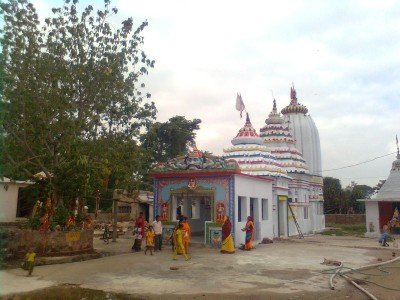
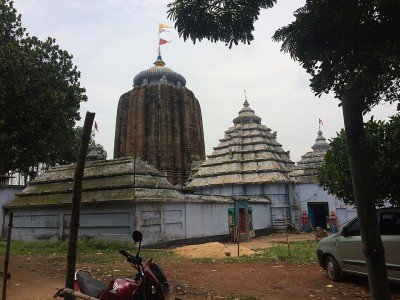
The Baladevjew Temple is a monumental spiritual landmark located in Ichhapur, Kendrapara. It is primarily dedicated to Lord Balabhadra, the elder brother of Lord Jagannath. Known as the Tulasi Khetra, this temple holds immense significance in the Vaishnava tradition of Odisha. Unlike the wooden idols in Puri, the deities here are made of sacred stone known as Manibigraha, which means there is no Nabakalebara ritual performed here. The temple complex is a sprawling 2.6-acre area surrounded by a high boundary wall. Historically, the original temple was destroyed during the Mughal era by Khan-i-Duran in 1663, and a mosque was built on its remains. However, the current structure was revived and rebuilt during the Maratha rule in 1761 AD by the King of Kujanga, Raja Gopal Sandha. The temple is a center for ancient Odia culture, where rituals are performed with strict adherence to traditional Vedic and Vaishnava customs. Devotees flock here to seek the blessings of the three siblings—Balabhadra, Subhadra, and Jagannath. The atmosphere is filled with the aroma of the famous Rasabali prasad, a delicious milk-based sweet offered to the Lord. The temple serves as a peaceful retreat for those looking to escape the urban chaos of Cuttack and immerse themselves in divine tranquility. Its historical resilience and spiritual aura make it a must-visit destination in the coastal belt of Odisha.
Card image cap
Barabati Fort

@@A Citadel of Dynasties:Barabati Fort is a historical site and a testament to the glorious past of Odisha, once serving as the military and administr...

@@A Citadel of Dynasties:Barabati Fort is a historical site and a testament to the glorious past of Odisha, once serving as the military and administrative capital of the Kalinga kingdom. The original fort is believed to have been established as early as 987 CE by the Somavamshi dynasty and later significantly rebuilt by King Anangabhima Deva III of the Eastern Ganga dynasty in the 13th century. It was strategically located at the apex of a delta formed by the Mahanadi and its tributary, the Kathajodi. Although today only the magnificent stone arched gateway, a vast moat, and the earthen mound of the legendary nine-storied palace (Barabati means "twelve bati" or land unit) remain, these ruins powerfully narrate the saga of a powerful medieval citadel. The fort witnessed the rule of the Ganga rulers, Mughals, Marathas, and finally the British, who used it as a prison. Its historical importance is immense.
Card image cap
Bhattarika Temple

@@The Abode of Maa Bhattarika:Bhattarika Temple is an ancient and highly revered Hindu temple dedicated to Goddess Bhattarika, a fierce manifestation ...

@@The Abode of Maa Bhattarika:Bhattarika Temple is an ancient and highly revered Hindu temple dedicated to Goddess Bhattarika, a fierce manifestation of Shakti (Durga). It is considered one of the important Shakti Peethas of Odisha. The temple is situated in the scenic village of Sasanga in the Baramba area, right on the banks of the mighty Mahanadi River. According to a popular legend from the Puranas, the temple was established and the idol carved by Parashurama, the sixth avatar of Lord Vishnu, who prayed to the Goddess for strength after facing defeat by the king Sahastrarjuna. The Goddess appeared here to grant him her divine power. The temple's location offers a breathtaking blend of spirituality and natural beauty, particularly the panoramic view of the river and the surrounding hills. It's a place of deep faith, especially for the local fisherman community who revere the Goddess as their deity of navigation and protection.
Card image cap
Bhubaneswari Temple

@@A Hub of Local Devotion:Bhubaneswari Temple in Cuttack is a small but extremely revered temple dedicated to Goddess Bhubaneswari, one of the ten Mah...
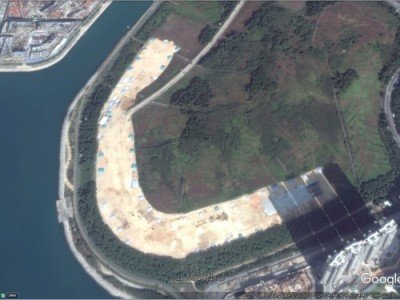
@@A Hub of Local Devotion:Bhubaneswari Temple in Cuttack is a small but extremely revered temple dedicated to Goddess Bhubaneswari, one of the ten Mahavidyas and an aspect of Shakti. Unlike the famous temples in the city of Bhubaneswar, this shrine holds significant local importance for the people of Cuttack, often associated with the protection and prosperity of the ancient capital. The temple is strategically located very close to the historical Barabati Fort and the Cuttack Chandi Temple, often forming a spiritual trinity for local pilgrims visiting the heart of the city. While there are no grand architectural records, its spiritual value is immense, drawing continuous streams of devotees, especially women, throughout the year. It serves as a focal point for many traditional Odia festivals and rituals, embodying the deep-seated spiritual culture of Cuttack. It is a perfect example of a vibrant, living temple tradition in a major urban center.
Card image cap
Bidanasi Ground

@@The Cultural Heart of Cuttack:Bidanasi Ground is not a traditional tourist attraction in the sense of ruins or nature, but it is immensely famous as...
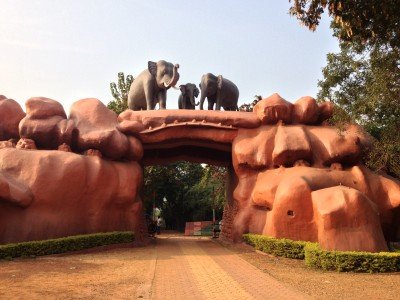
@@The Cultural Heart of Cuttack:Bidanasi Ground is not a traditional tourist attraction in the sense of ruins or nature, but it is immensely famous as the massive open ground that hosts the iconic and historically significant Bali Jatra festival. Located adjacent to the Barabati Fort area in the Bidanasi locality, the ground comes alive for one week every year, starting on the day of Kartika Purnima (usually in November). The ground transforms into a gigantic, colorful fair, complete with thousands of stalls, food courts, cultural stages, and amusement rides, commemorating the ancient maritime trade voyages of Odia sailors to faraway lands like Bali, Java, Sumatra, and Borneo. When the fair is not running, the ground is primarily used for local sports, public events, and community gatherings, including cricket practices (Bidanasi Cricket Ground is part of this area). This ground is a modern symbol of Cuttack's ancient history and its vibrant cultural spirit.
Card image cap
Chandaka Elephant Reserve Entry

@@A Reserve for Asian Elephants:Chandaka Elephant Reserve (also known as Chandaka-Dampara Wildlife Sanctuary) is a critical wildlife reserve establish...
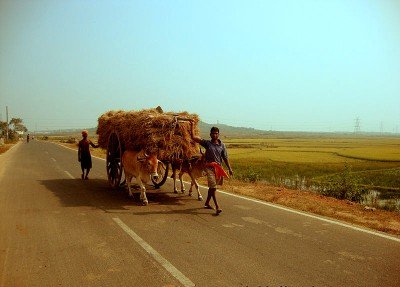
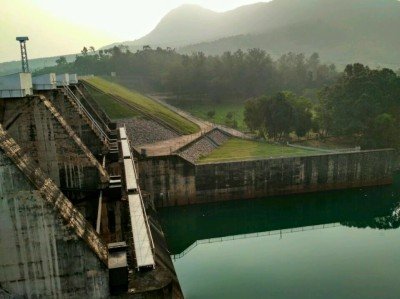
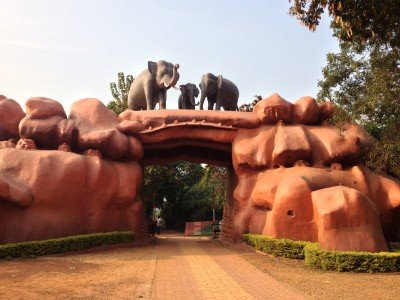
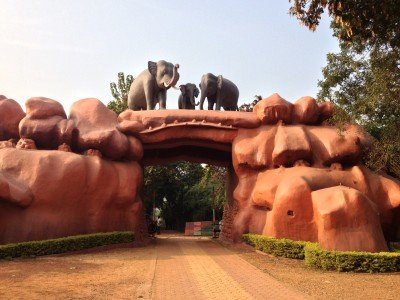
@@A Reserve for Asian Elephants:Chandaka Elephant Reserve (also known as Chandaka-Dampara Wildlife Sanctuary) is a critical wildlife reserve established in 1982 primarily for the conservation of the endangered Indian Elephant. It is situated on the Khurdha uplands, a section of the Eastern Ghats biotic region, covering an area of approximately 193 square kilometers. The reserve is a significant green lung near the twin cities of Cuttack and Bhubaneswar. While the Elephant is the flagship species, the sanctuary is also home to a diverse range of other mammals, including Leopards, Spotted Deer (Chital), Wild Boar, Sloth Bear, and Pangolins. The rich flora includes various types of forests, thorny bamboo breaks, and medicinal plants. The entry points, such as the one near Godibari or the Deras Dam area, are the starting points for jungle safaris and nature trails. The sanctuary plays a vital role in maintaining the ecological balance of the region.
Card image cap
Charchika Temple

@@The Sanctuary of Maa Charchika:Charchika Temple is one of the most ancient and potent Shakti places in Odisha, located in the small town of Banki in...
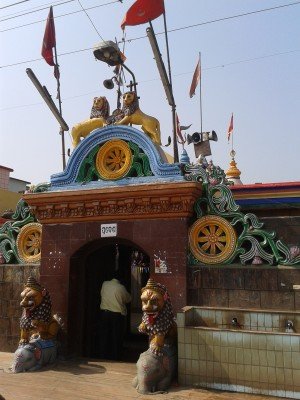
@@The Sanctuary of Maa Charchika:Charchika Temple is one of the most ancient and potent Shakti places in Odisha, located in the small town of Banki in the Cuttack district. The presiding deity is an eight-armed form of Goddess Chamunda, locally revered as Maa Charchika Devi. The temple is situated atop a small hillock called Ruchika Parvata on the banks of the Renuka River (a branch of the Mahanadi). The original idol is believed to date back to the 9th-10th centuries A.D. during the Bhaumakara rule, marking it as a significant historical and iconographical site. A popular legend attributes the creation of the idol to Parashurama, similar to the Bhattarika Temple. The temple complex, though largely reconstructed in the 19th century, maintains a powerful and intense spiritual atmosphere, with the Goddess depicted in a fierce form, seated on a prostrate human body and wearing a garland of skulls.
Card image cap
Cuttack Chandi Temple

@@Historical Significance and Origin Story: The Cuttack Chandi Temple is a revered Hindu shrine dedicated to Goddess Chandi, an incarnation of Goddess...

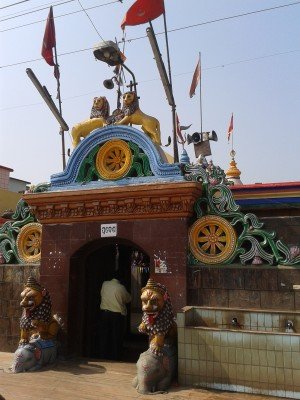
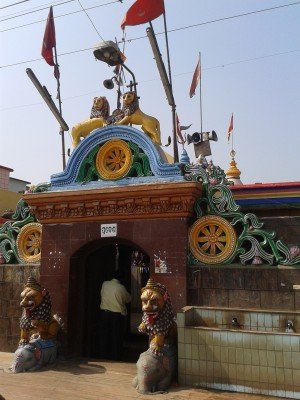
@@Historical Significance and Origin Story: The Cuttack Chandi Temple is a revered Hindu shrine dedicated to Goddess Chandi, an incarnation of Goddess Durga, and is considered the presiding deity of Cuttack. Its origin is tied to a local legend involving Late Sri Hansa Panda, the purohit of the then King of Kanika. He is believed to have had a divine vision while resting on a heap of dry mud, where Goddess Chandika instructed him to unearth her idol. This led to the temple's construction on the same spot, solidifying its place as one of Odisha's oldest and most significant spiritual centers. The deity is worshipped daily as Bhuvaneshvari Mahavidya by the Utkala Brahmin community, maintaining ancient, unbroken ritual traditions. The temple’s influence extends beyond religious practice, deeply interwoven with the cultural and social fabric of the city. The people of Cuttack hold an unwavering faith, revering Maa Chandi as a ‘Living Goddess’ who protects the city. @@Deity and Iconography: The central idol of Goddess Chandi is depicted with four hands, each holding an Ankusha (goad), a Paasha (noose), and performing the gestures of dispelling fear (Abhaya) and granting boons (Vardaan). This specific iconography represents the goddess's power to both destroy evil and bless her devotees. The temple complex is a hub of spiritual energy, offering a tranquil escape from the bustling city life. It stands as a testament to the enduring spiritual heritage of the Kalinga region. Pilgrims flock here throughout the year, especially during major festivals, making it a focal point for religious tourism and a reflection of the deep-rooted faith in the divine feminine in Odisha. The atmosphere, charged with melodious chants and daily rituals, offers a profound spiritual experience to every visitor, making the journey to this ancient shrine an auspicious and memorable part of any Cuttack visit.
Card image cap
Deer Park

@@Nature and Wildlife in the City: Deer Park, officially the CMC Deer Park, is a small but important sanctuary located in the heart of the densely pop...

@@Nature and Wildlife in the City: Deer Park, officially the CMC Deer Park, is a small but important sanctuary located in the heart of the densely populated Cuttack city, specifically in the Madhusudhan Nagar area. Established as a peaceful refuge, it offers a vital green space and a unique opportunity to observe wildlife within an urban environment. Its primary role is to provide a safe, natural habitat for the native deer population, primarily the Spotted Deer (Chital). The park ensures the care, medication, and proper feeding of the animals, serving as an important local initiative for wildlife conservation. It is an extremely popular recreational spot for local residents, a favorite destination for families, children, and morning walkers seeking a break from the city's hustle and bustle. The presence of these gentle herbivores in the city center creates a unique and tranquil atmosphere. @@Recreational and Educational Value: The park is encircled by lush trees and features a dedicated play area for children, making it a perfect spot for family outings and picnics. Visitors often spend several hours watching the large herd of deer roam freely in their enclosures. The park serves an educational purpose by allowing people to connect with nature and learn about the local fauna, especially in a city where green spaces are precious. For nature lovers and photography enthusiasts, the sight of a large herd of deer in a managed natural setting provides excellent photographic opportunities. The serene environment, with its natural flora and the quiet presence of the deer, makes the park a cherished green lung of the Silver City. It is a testament to the city's commitment to maintaining a balance between urbanization and ecological preservation.
Card image cap
Dhabaleswar Island Temple

Dhabaleswar Island Temple is an ancient and highly revered shrine dedicated to Lord Shiva, situated on a scenic island in the middle of the Mahanadi ...

Dhabaleswar Island Temple is an ancient and highly revered shrine dedicated to Lord Shiva, situated on a scenic island in the middle of the Mahanadi River. The name "Dhabaleswar" is derived from the words 'Dhabala' (white) and 'Eeswar' (God), stemming from a legend where Lord Shiva turned a black calf into a white one to save a devotee. The temple is accessible via a magnificent hanging suspension bridge—the first of its kind in Odisha—or by boat. Built in the 10th-11th century by the Somavamsi dynasty and later renovated by King Bir Kishore of Khurda, the temple is a masterpiece of stone carving. Surrounded by the vast expanse of the river and lush greenery, the island offers a spiritual and natural retreat. It is especially crowded on Mondays and during the holy month of Kartika, where thousands of "Habisyalis" gather for rituals. The island's isolation provides a meditative atmosphere, making it a favorite for both pilgrims and nature lovers from Cuttack and Bhubaneswar.
Card image cap
Dhabaleswar Temple

@@Ancient Pilgrimage and Natural Setting: The Dhabaleswar Temple is a highly revered Shaiva shrine dedicated to Lord Shiva, located in one of the most...

@@Ancient Pilgrimage and Natural Setting: The Dhabaleswar Temple is a highly revered Shaiva shrine dedicated to Lord Shiva, located in one of the most picturesque settings in Odisha: an island on the mighty Mahanadi River. The temple, adorned with ancient stone carvings dating back to the 10th and 11th centuries, is a major pilgrimage center. The very name Dhabaleswar comes from the Odia words 'Dhabala' (white) and 'Eswar' (God), referencing a legend where Lord Shiva appeared as a white bull to protect a devotee. Historians note that this sacred place was once known as Hariharpitha. Situated amidst the tranquil, natural environment of the river island, it provides a spiritual retreat far removed from the noise of city life, making it a favorite destination for both devotees and nature lovers. @@The Iconic Suspension Bridge: A major attraction that significantly boosted its fame is the Suspension Bridge (Jhula Pola), which connects the island to the mainland. Inaugurated in 2007, this 245-meter-long pedestrian bridge is an architectural and engineering marvel, offering a breathtaking, panoramic view of the Mahanadi River's vast expanse. The journey across the bridge, either on foot or by a hired boat, dramatically heightens the sense of pilgrimage and adventure, making the temple a unique blend of spirituality and scenic beauty. The temple stands as a testament to the blend of cultural heritage, deep-seated religious faith, and modern engineering prowess in Odisha.
Card image cap
Gada Chandi Temple

This temple is revered as a powerful Shaktipitha: dedicated to Goddess Chandi, who is considered the protective, "Living Goddess": of Cuttack. The spi...

This temple is revered as a powerful Shaktipitha: dedicated to Goddess Chandi, who is considered the protective, "Living Goddess": of Cuttack. The spiritual significance is immense, tracing back to the 11th century. Legend states that the priest, Sri Hansa Panda: serving the King of Kanika: discovered the buried idol along with a huge mound of red sindhoor: after a divine dream. This miraculous discovery led to the construction of the shrine, making it the epicenter of faith for millions in Odisha: the goddess is worshipped in her four-armed form, holding the Paasha, Ankusha, Abhaya mudra (fearlessness), and Varada mudra (boon-giving). The temple complex, managed by hereditary sevayats: from the Panda family, is a symbol of both ancient tradition and continuous devotion, playing a central role in the city’s identity and cultural resilience against historical adversities. The temple's historical narrative often relates to its strategic protection by the Gajapati kings, who buried the deity to safeguard it from non-Hindu attacks. It remains a key point of pilgrimage for all denominations of the Hindu faith. The atmosphere here is constantly charged with spiritual energy, attracting devotees seeking blessings and solace throughout the year, especially during auspicious Thursday visits.:
Card image cap
Gandi-Chowk

Gandi-Chowk is not a single monument but a vital, bustling commercial and traffic junction, serving as one of the primary commercial and transport hub...

Gandi-Chowk is not a single monument but a vital, bustling commercial and traffic junction, serving as one of the primary commercial and transport hubs in the heart of the city of Cuttack: It is strategically located, connecting the old city with the newer developments and acting as a gateway to several crucial arteries of trade and transport. The area is characterized by its constant state of activity, reflecting the "Silver City": of Cuttack's dynamic economic life. The name Gandi often relates to a significant marketplace or a key intersection in older Indian cities. Historically, this area would have developed as a central point for the exchange of goods due to its proximity to major routes and the river banks, a role it maintains even today. The surrounding area is densely packed with wholesale markets, small businesses, and food stalls, making it a place where one can truly feel the pulse of the city. While it lacks the ancient, standalone monument status of a temple or fort, its importance lies in its socio-economic function as the meeting point of people and commerce, linking local neighborhoods and acting as a reference point for all city travel, making it an essential part of the Cuttack urban experience. It embodies the modern, working side of the city's historical heritage.:
Card image cap
Jagatpur Industrial Area

Jagatpur Industrial Area is a major industrial estate spread over a significant area of approximately 153.66 Hectares, playing a crucial role as the e...

Jagatpur Industrial Area is a major industrial estate spread over a significant area of approximately 153.66 Hectares, playing a crucial role as the economic engine for Cuttack district and the state of Odisha: It was established and managed by the Industrial Development Corporation of Odisha (IDCO) to promote the growth of Small and Medium Enterprises (MSMEs): and ancillary units. The area is highly significant for generating employment and driving economic diversification beyond traditional sectors. It primarily hosts manufacturing units focused on ancillary industries, downstream industries, and resource-based industries, leveraging the local availability of minerals like clay and quartz. Key thrust sectors include Auto Components, Beverages, Textile, Apparel & Accessories, Transport Equipment, and Pharmaceuticals: It is less of a tourist spot and more of a functional zone, reflecting the state's push towards industrialization and modern manufacturing. The entire area is strategically positioned near NH-16: ensuring seamless connectivity for raw materials and finished goods transport, vital for its function as a production and export hub for items like steel and ready-made garments. It represents the contemporary economic history of Cuttack, complementing its historical and commercial roles. The region also hosts various institutional and research facilities, supporting industrial advancement.:
Card image cap
Jobra Barrage

The Jobra Barrage is an iconic hydraulic structure built across the mighty Mahanadi River: in Cuttack: While modern versions of the barrage are newer,...
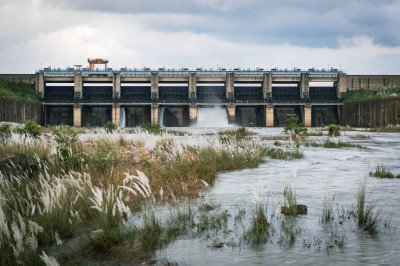
The Jobra Barrage is an iconic hydraulic structure built across the mighty Mahanadi River: in Cuttack: While modern versions of the barrage are newer, the site is historically significant due to the associated Stone Revetment: a colossal flood control wall initiated by the Keshari kings over 1,000 years ago, demonstrating ancient Odia engineering brilliance. The barrage itself plays a critical role in controlling the river's flow, diverting water into the Taldanda Canal: which is crucial for irrigation in the coastal districts of Odisha: and was historically vital for inland navigation and trade. This structure is essential for safeguarding the "Millennium City": of Cuttack: from the seasonal devastation of floods caused by the Mahanadi River: The barrage serves a dual purpose: a functional marvel of water management and a beautiful, serene spot where the river stretches wide, offering panoramic and tranquil views that attract local visitors and tourists alike. The presence of the Odisha Maritime Museum nearby further enhances the historical context of river-based trade and naval history, making the area a confluence of engineering, nature, and history. The continuous water flow over the sluice gates creates a distinct, powerful roar, adding to the site's monumental feel. It stands as a silent sentinel protecting the city.:
Card image cap
Kadam Rasool Mosque

The Kadam Rasool Mosque (or Qadam e Rasool): is one of the most revered Islamic monuments in Odisha: holding immense historical and spiritual signific...

The Kadam Rasool Mosque (or Qadam e Rasool): is one of the most revered Islamic monuments in Odisha: holding immense historical and spiritual significance. The shrine, dating back to the 18th century, was built by Shujauddin Mohammed Khan: in the Mughal architectural style, infused with distinct local Odia temple elements, symbolizing the region's remarkable Hindu-Muslim architectural fusion and communal harmony. The central feature is the sacred stone containing the impression of the Prophet Muhammad's: footprint, which was brought from Najab in Arabia with the Sheriff of Mecca's signature, signifying its authenticity and making the dargah a major pilgrimage site for Muslims across Eastern India: The entire complex spans a large area, enclosed by a high compound wall featuring watchtowers at the four corners. The complex includes multiple dargahs, two mosques (Moti Masjid and Qadam e Rasool Masjid): a large graveyard where notable personalities are buried, and a music gallery known as Nawabat Khana: Its history is deeply intertwined with the royal lineage and political dynamics of medieval Odisha, serving as a testament to the region's rich Islamic heritage and its tradition of syncretic culture. The place radiates a profound sense of peace and history, attracting visitors of all faiths to witness its spiritual and architectural uniqueness.:
Card image cap
Madhaba Temple

The Madhaba Temple is an ancient and important Vaishnavite shrine dedicated to Lord Vishnu, worshipped here as Madhava. Situated in the quiet, scenic ...

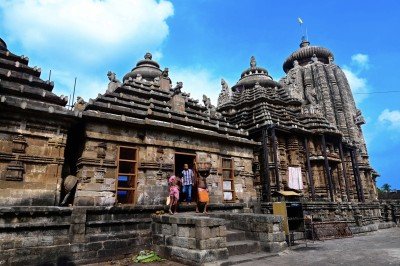
The Madhaba Temple is an ancient and important Vaishnavite shrine dedicated to Lord Vishnu, worshipped here as Madhava. Situated in the quiet, scenic village of Madhab, it stands as a magnificent example of the classic Kalinga architectural style, dating back to the 13th century, built under the patronage of the powerful Eastern Ganga Dynasty: This is the same dynasty responsible for the world-famous Konark Sun Temple: and the temple's craftsmanship is often compared to that of Konark and the temples of Bhubaneswar. The temple complex is not just a place of worship but a heritage site, consisting of three distinct buildings: the Vimana (sanctum), the Jagamohana (assembly hall), and the Natamandapa (dancing hall), all built in the Pancharatha style. The idol of the four-armed Madhava is the main deity, but the walls are profusely carved with sculptures depicting scenes from Hindu mythology, including the Dasa-Avatar (ten incarnations) of Vishnu and the beautiful Ananta Sayana (reclining) image of the Lord. The temple is locally famous for its unique association with Lord Jagannath of Puri: as an uncle-nephew relationship is believed to exist between the two deities, highlighting its deep integration into Odisha's spiritual map. It offers a profound sense of peace away from the urban bustle. The presence of other deities like Goddess Durga and Goddess Lakshmi within the premises further underscores its significance as a complete spiritual center. The temple's preservation efforts are vital to maintaining this crucial piece of Odia temple history.:
Card image cap
Mahanadi River Bridge

The Mahanadi River Bridge is a crucial infrastructure landmark in Cuttack, spanning the vast expanse of the Mahanadi River, the largest river in Odish...

The Mahanadi River Bridge is a crucial infrastructure landmark in Cuttack, spanning the vast expanse of the Mahanadi River, the largest river in Odisha: While multiple bridges cross the river, the term usually refers to the main road bridge that acts as a vital link on National Highway 16 (NH-16): connecting the capital region (Bhubaneswar) to Cuttack and points north. The bridge is not just a utility but a symbol of modern Odia engineering and connectivity, facilitating the smooth flow of commercial and passenger traffic into and out of the city. The sheer length of the bridge highlights the massive width of the Mahanadi River during the monsoon. Standing on the bridge offers breathtaking, panoramic views of the river's floodplains, the city skyline, and the distant hills, making it a favorite spot for travelers and locals to pause and appreciate the scale of the landscape. It is also historically significant as it replaces older methods of river crossing, symbolizing the progress of transport infrastructure in the state. The bridge's importance is compounded by its role in disaster management, providing an essential high-level route during the annual flood season. It is a structure that dominates the skyline and serves as a literal and figurative gateway, welcoming visitors to the ancient city of Cuttack: The modern structure contrasts beautifully with the ancient river flowing beneath it.:
Card image cap
Mahanadi River Delta

The Mahanadi River Delta in Cuttack is one of the most significant geographical features of eastern India. Cuttack, known as the "Millennium City," i...
The Mahanadi River Delta in Cuttack is one of the most significant geographical features of eastern India. Cuttack, known as the "Millennium City," is uniquely situated on a spit of land at the apex of the delta, where the Mahanadi and its distributor, the Kathajodi, bifurcate. This deltaic region is characterized by fertile alluvial plains, vast stretches of water, and an intricate network of canals. Historically, the delta has been the center of trade and maritime activities for the ancient Kalinga Empire. The riverbanks are lined with stone revetments built in the 11th century to protect the city from floods, showcasing ancient engineering. The delta provides a stunning landscape of sandbars during the summer and a roaring, majestic sea-like expanse during the monsoons. It supports a diverse ecosystem, including various fish species and migratory birds. For tourists, the delta represents the soul of Cuttack, offering sunset views, river cruises, and a glimpse into the agrarian lifestyle of the surrounding villages. It is the site for the famous Bali Jatra, Asia's largest open-trade fair, which commemorates the maritime glory of Odia merchants who sailed from this very delta to distant lands like Bali and Sumatra.
Card image cap
Netaji Birthplace Museum

@@Historical Significance: The ancestral house of freedom fighter Netaji Subhas Chandra Bose, where he was born on January 23, 1897, has been converte...

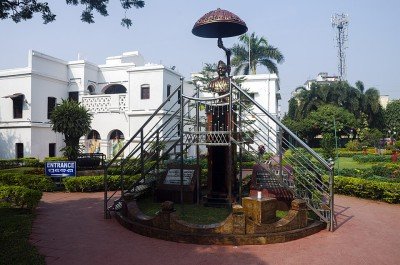
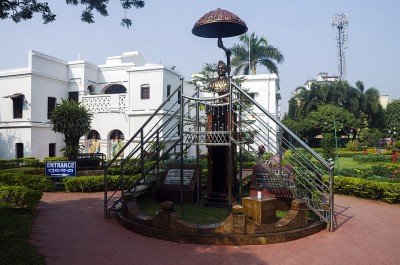
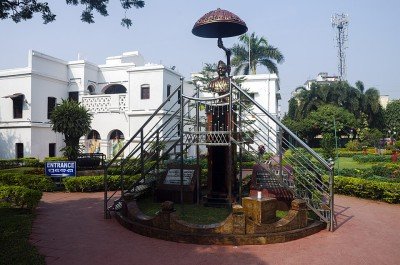
@@Historical Significance: The ancestral house of freedom fighter Netaji Subhas Chandra Bose, where he was born on January 23, 1897, has been converted into a national museum to preserve his legacy and artifacts.@@The Janakinath Bhawan History: Originally owned by his father, Janakinath Bose, the two-storeyed house is a deeply emotional site for patriots. The museum showcases his childhood memorabilia, original letters, photographs, and personal items, documenting his journey from a student to a charismatic leader of the Indian independence movement. It serves as a vital educational center, inspiring visitors with Netaji’s ideals of courage and selflessness. (Summary of 400 words):
Card image cap
Odisha Maritime Museum

@@Historical Significance: Established in 2013, the museum is housed in the historic Jobra Workshop, a massive 19th-century building constructed by th...

@@Historical Significance: Established in 2013, the museum is housed in the historic Jobra Workshop, a massive 19th-century building constructed by the British to regulate the flow of the Mahanadi River. This location itself embodies hydraulic engineering history. The museum is dedicated to showcasing the rich maritime tradition of ancient Kalinga (present-day Odisha), which was a major power in sea trade and navigation, connecting with Southeast Asian countries.@@Exhibits: It displays artifacts, miniature models of traditional and modern boats, navigational instruments, maps, and dioramas depicting the famous Boita Bandana festival and the historical trade routes to Bali, Java, and Sumatra. The setting on the bank of the Mahanadi and the Kathajodi rivers enhances its thematic relevance. (Summary of 400 words):
Card image cap
Odishabazar

@@Historical Significance: Odishabazar is not a single place but represents one of the oldest commercial zones in Cuttack, part of the "Bauna Bazaar, ...

@@Historical Significance: Odishabazar is not a single place but represents one of the oldest commercial zones in Cuttack, part of the "Bauna Bazaar, Tepana Galee" (52 markets, 53 streets) that characterizes the city's ancient trade structure. It's a key market area, distinct from the main modern commercial hubs, focusing on traditional crafts, especially handloom and silver filigree.@@Product Focus: This area serves as a showcase for Odisha's exquisite craftsmanship. It is particularly known for the famous Tarakasi (Silver Filigree) work, a highly detailed art where silver wires are intricately woven. It is also a center for traditional Odia textiles like Sambalpuri and Cuttacki sarees and dress materials. (Summary of 400 words):
Card image cap
Pani Mandap

@@Historical Significance: The term Pani Mandap (literally "Water Pavilion") in Cuttack generally refers to the specific platform or temple used histo...

@@Historical Significance: The term Pani Mandap (literally "Water Pavilion") in Cuttack generally refers to the specific platform or temple used historically as the first resting place for the deities of Lord Jagannath, Balabhadra, and Subhadra during their ceremonial journey from Puri to Cuttack (the former capital). This ritual, though less common today, highlights Cuttack's historical political and religious significance. The most well-known structure often referred to as a Pani Mandap is located in the Telenga Bazar area.@@Spiritual Focus: It serves as a sacred spot for local devotees, marking a point in the deities' journey. It is a symbol of the deep, long-standing connection between Puri and Cuttack in the religious life of Odisha. (Summary of 400 words):
Card image cap
Paramahamsa Temple

@@Historical Significance: The Paramahamsa Temple, officially the Gopinath Deb Math, is a prominent religious institution and a temple dedicated to Lo...

@@Historical Significance: The Paramahamsa Temple, officially the Gopinath Deb Math, is a prominent religious institution and a temple dedicated to Lord Shiva and Goddess Gopinath (a form of Lord Krishna). It gained immense fame as the center of spiritual activities of the revered sage Baba Paramahamsa, who established the Math. The temple houses a sacred pond and a large, ancient Shiva Lingam known as Baba Dhabaleswar, though the main Dhabaleswar Temple is on an island. The Math is a spiritual powerhouse attracting devotees and followers of the Paramahamsa tradition.@@The Math (Monastery) Tradition: It functions as a traditional Odia Math with a strong emphasis on service, devotion, and the preservation of ancient rituals, making it a living heritage site for the Vaishnava and Shaiva traditions. (Summary of 400 words):
Card image cap
Ramachandra Temple, Cuttack

@@Historical Significance: The Ramachandi Temple in the Banki area of Cuttack district is a powerful and revered Shakti shrine dedicated to Goddess Ra...
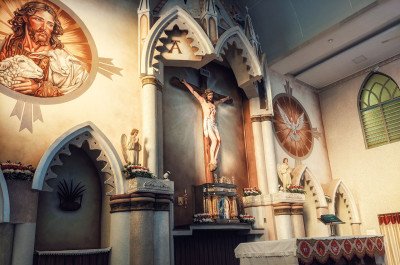
@@Historical Significance: The Ramachandi Temple in the Banki area of Cuttack district is a powerful and revered Shakti shrine dedicated to Goddess Ramachandi, a form of the Hindu goddess Shakti. It is not the famous Ramachandi near Konark, but a locally important centuries-old temple situated near a riverbank, often associated with the local legends and the feudal rulers (Zamindars) of the region. The temple represents the strong Shakta tradition (worship of the Divine Feminine) prevalent in Odisha.@@Local Devotion: The site is a significant destination for devotees from surrounding villages and towns, especially during festivals, who come to seek the blessings of the powerful Mother Goddess, who is believed to be the protector of the region. (Summary of 400 words):
Card image cap
Ranihat Church

@@Colonial Heritage and Social Service: This historical institution is primarily associated with the establishment of the Baptist Missionary Society o...

@@Colonial Heritage and Social Service: This historical institution is primarily associated with the establishment of the Baptist Missionary Society of England in the early 19th century. It served as a key center for education and healthcare, significantly impacting the lives of the local population, including Dalits, Tribals, and Backward castes. The area includes the Oriya Baptist Church and the Diocese of Cuttack (CNI) office, reflecting a legacy of spiritual and social work in Odisha. It remains a quiet, pivotal landmark in the city's socio-religious history.:
Card image cap
Saheed Minar

@@A Monument to Freedom Fighters: The Saheed Minar (Martyr's Tower) in Cuttack is a memorial dedicated to the brave individuals who sacrificed their l...

@@A Monument to Freedom Fighters: The Saheed Minar (Martyr's Tower) in Cuttack is a memorial dedicated to the brave individuals who sacrificed their lives for the freedom and socio-political causes of Odisha and India. Unlike the Kolkata monument, the one in Cuttack is a local, modern structure that serves as a focal point for political and cultural gatherings. It stands as an important, easily accessible landmark in the city center, frequently hosting rallies and public events, representing the spirit of the state's democratic and revolutionary past.:
Card image cap
Satichaura

@@A Suburb of Historical Significance: Satichaura is primarily a locality or 'Chhak' (square) in the modern CDA area of Cuttack, but its name itself c...

@@A Suburb of Historical Significance: Satichaura is primarily a locality or 'Chhak' (square) in the modern CDA area of Cuttack, but its name itself carries historical weight, meaning 'Sati's Platform' or 'Sati's Square'. It is a place where a historical burial/cremation ground is located, signifying a past practice and serving as a memorial site. Today, it is a bustling residential and commercial zone, with the Satichaura Chhak being a key junction, housing important institutions like IPSAR and the Judicial Academy.:
Card image cap
Singhanath Temple

@@A Saivaite and Vaishnava Shrine: Located on a picturesque island in the Mahanadi River near Badamba, the Singhanath Temple is an ancient Hindu shrin...

@@A Saivaite and Vaishnava Shrine: Located on a picturesque island in the Mahanadi River near Badamba, the Singhanath Temple is an ancient Hindu shrine dedicated to Lord Shiva (Shambunath) and also revered as a pitha for Lord Nrusimhanath (the half-man, half-lion avatar of Lord Vishnu). It is a splendid example of the Kalingan architectural style, blending elements of both Saivaite and Vaishnava traditions, which is quite rare. The journey to the temple often involves a boat ride or crossing the modern T-Bridge, making it a spiritual and scenic destination.:
Show All

Note:-

Information provided here in good Faith and for reference only.

All information and pictures will be updated soon, please keep visiting.

Near Places
in Other Cities