


Cuttack
General information
-
Ideal Duration:
1 to 2 DaysPlace Type:
Heritage & CommercialEntry Fees:
Place Entry Fees:
Free Landmarks: Entry to the Barabati Fort area and most major temples like Cuttack Chandi is free for all visitors. This makes the city's historical and spiritual core very accessible for tourists and local residents alike...Place Entry Fees:
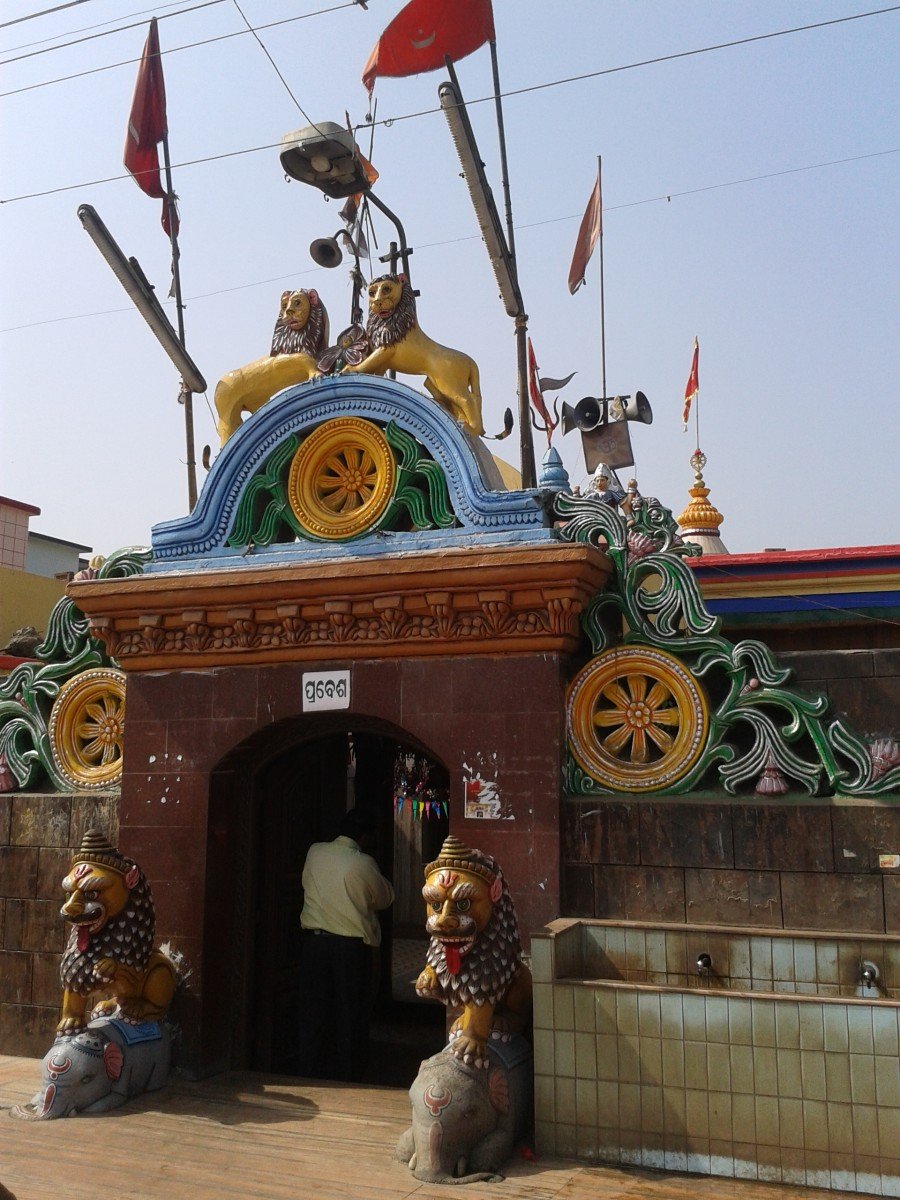
Free Landmarks: Entry to the Barabati Fort area and most major temples like Cuttack Chandi is free for all visitors. This makes the city's historical and spiritual core very accessible for tourists and local residents alike.
Museum Tickets: The Netaji Birthplace Museum and the Odisha Maritime Museum have nominal entry fees, usually ranging from INR 10 to INR 30. There might be additional small charges for using professional cameras or for guided tours within the museum complexes.
:Timing:
Place Timings:
Daily Schedule: Most tourist spots and museums are open from 10:00 AM to 5:00 PM, though temples open much earlier at 5:30 AM. It is advisable to visit the museums in the afternoon and keep the mornings or evenings for the riv...Place Timings:
Daily Schedule: Most tourist spots and museums are open from 10:00 AM to 5:00 PM, though temples open much earlier at 5:30 AM. It is advisable to visit the museums in the afternoon and keep the mornings or evenings for the riverside and temple visits.
Ideal Time: The Bali Jatra fair ground is best visited in the evening when the lights and the crowd create a festive atmosphere. The Maritime Museum is closed on Mondays, so plan your visit accordingly to ensure you don't miss this significant landmark.
:Special Events:
Place Special Event:
Bali Jatra Festival: Held on the day of Kartika Purnima, this week-long fair is a spectacular display of trade, food, and culture. It celebrates the day ancient mariners set sail for Bali and Sumatra, and the riverfront ...Place Special Event:
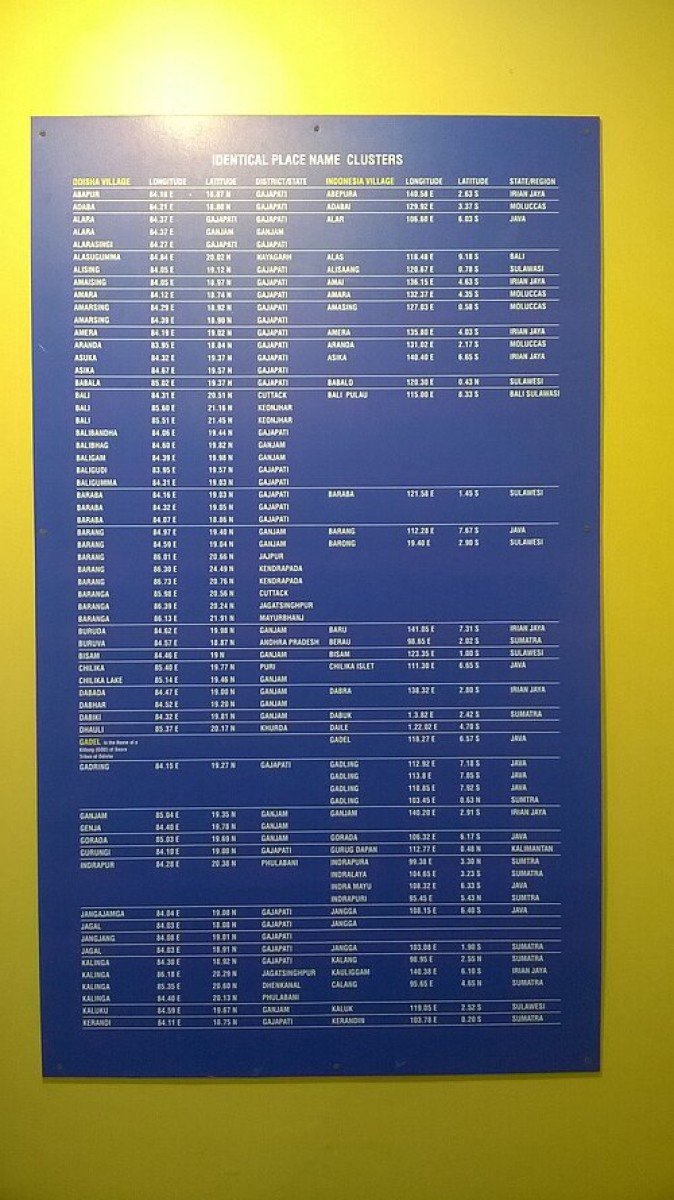
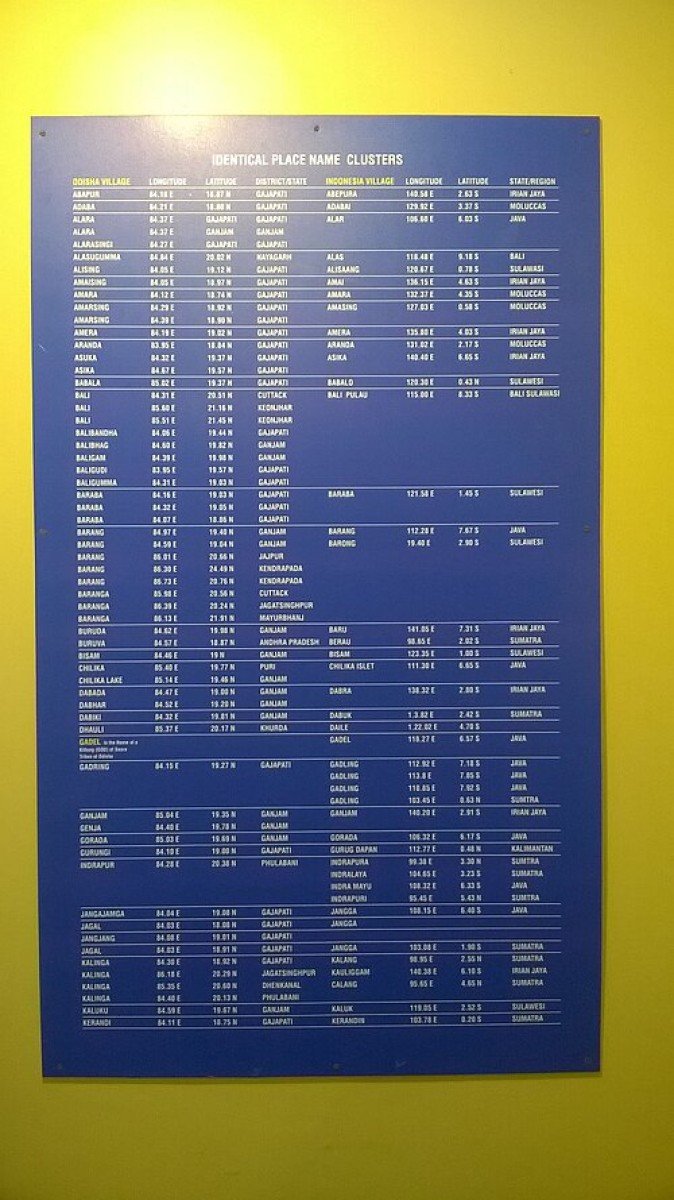
Bali Jatra Festival: Held on the day of Kartika Purnima, this week-long fair is a spectacular display of trade, food, and culture. It celebrates the day ancient mariners set sail for Bali and Sumatra, and the riverfront comes alive with thousands of lights and floating paper boats.
Durga Puja: Cuttack is famous for its grand Durga Puja celebrations, featuring massive "Chandi Medhas" (silver backdrops) for the idols. The entire city is illuminated with decorative gates, and the immersion procession is one of the most colorful events in the state.
:Best Photo Spots:
Place Best Photo Spots:
Jobra Barrage: The view of the sunset over the vast Mahanadi River from the barrage or the nearby park is a photographer's delight. The sight of the water gushing through the gates and the distant hills creates a dram...Place Best Photo Spots:
Jobra Barrage: The view of the sunset over the vast Mahanadi River from the barrage or the nearby park is a photographer's delight. The sight of the water gushing through the gates and the distant hills creates a dramatic and beautiful landscape during the golden hour.
Dhabaleswar Suspension Bridge: The long, colorful suspension bridge connecting the mainland to the island offers a great perspective for architectural and landscape shots. Capturing the bridge with the reflection in the river water during the early morning provides a serene and artistic composition.
:Photo Gallery

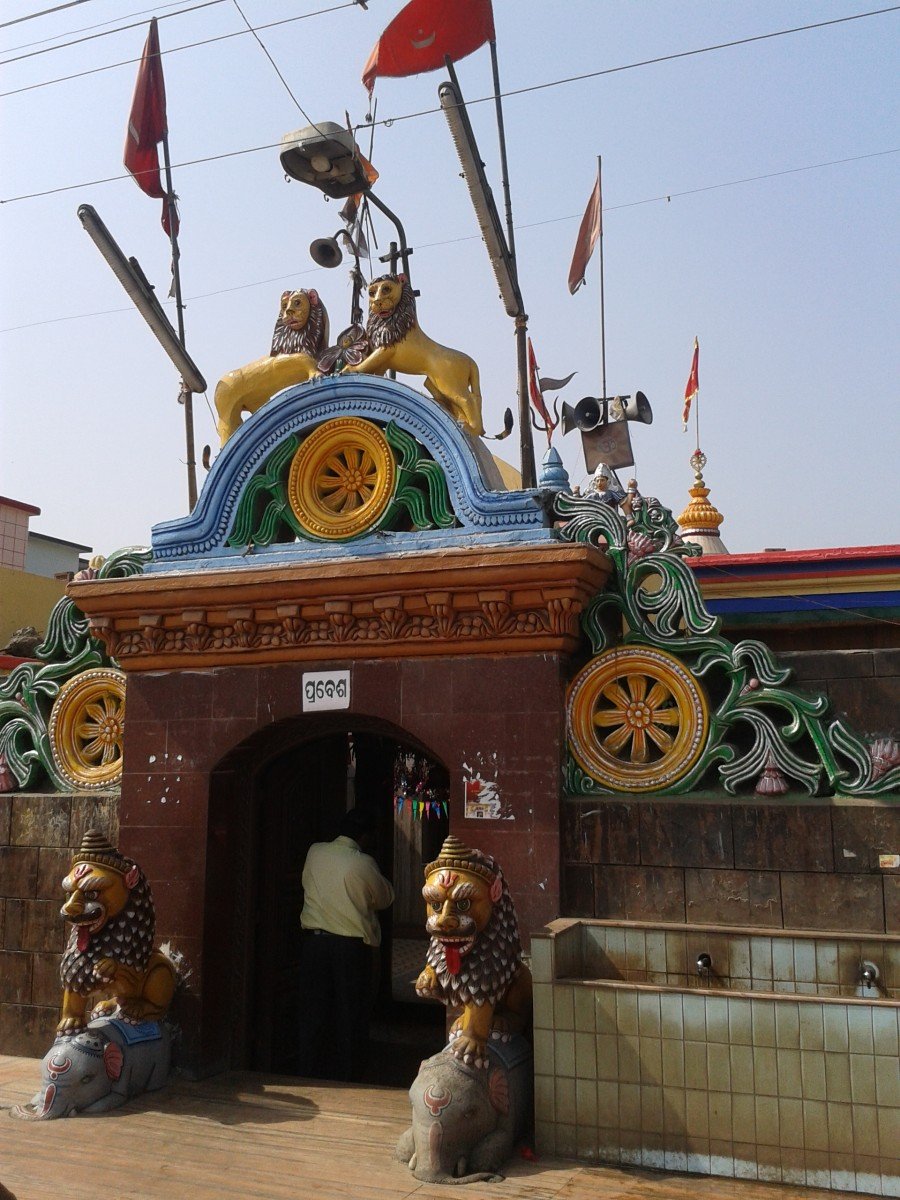
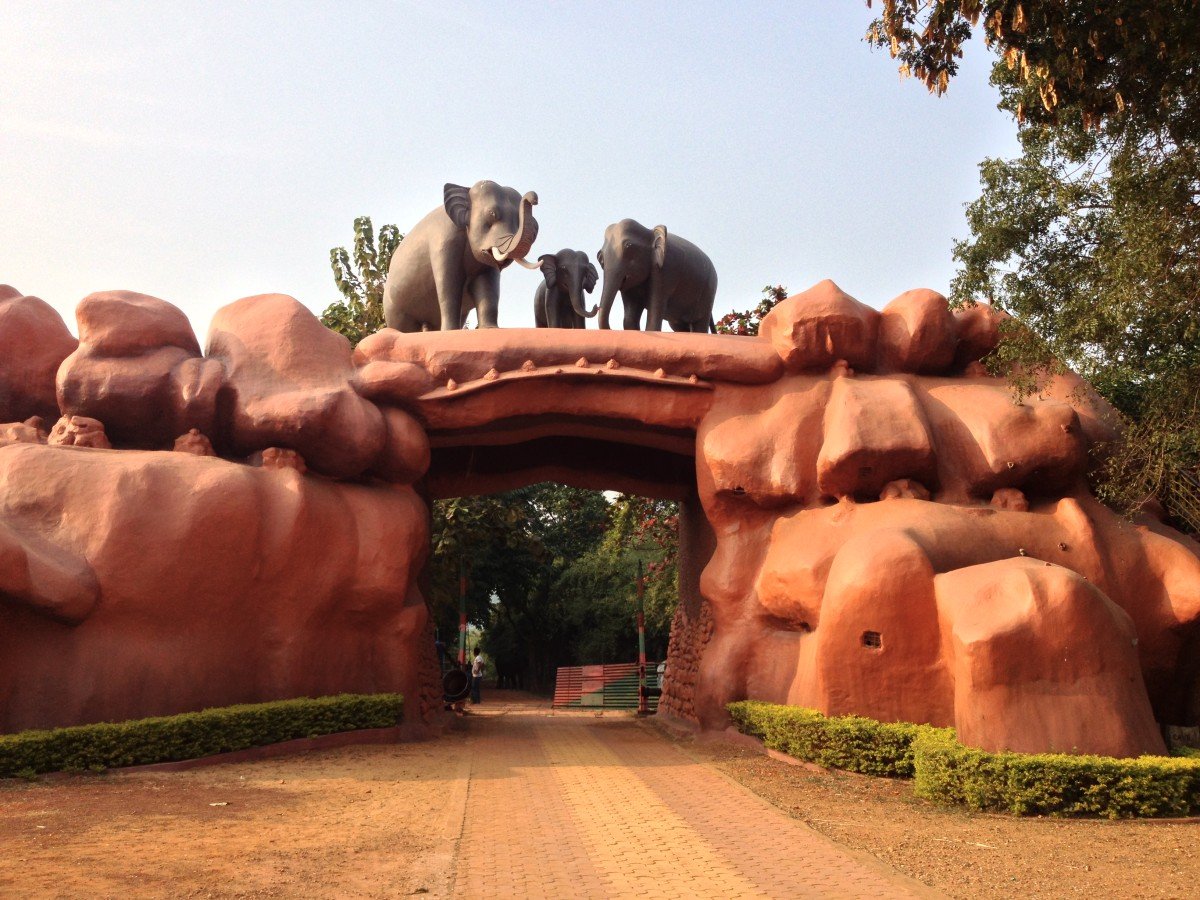


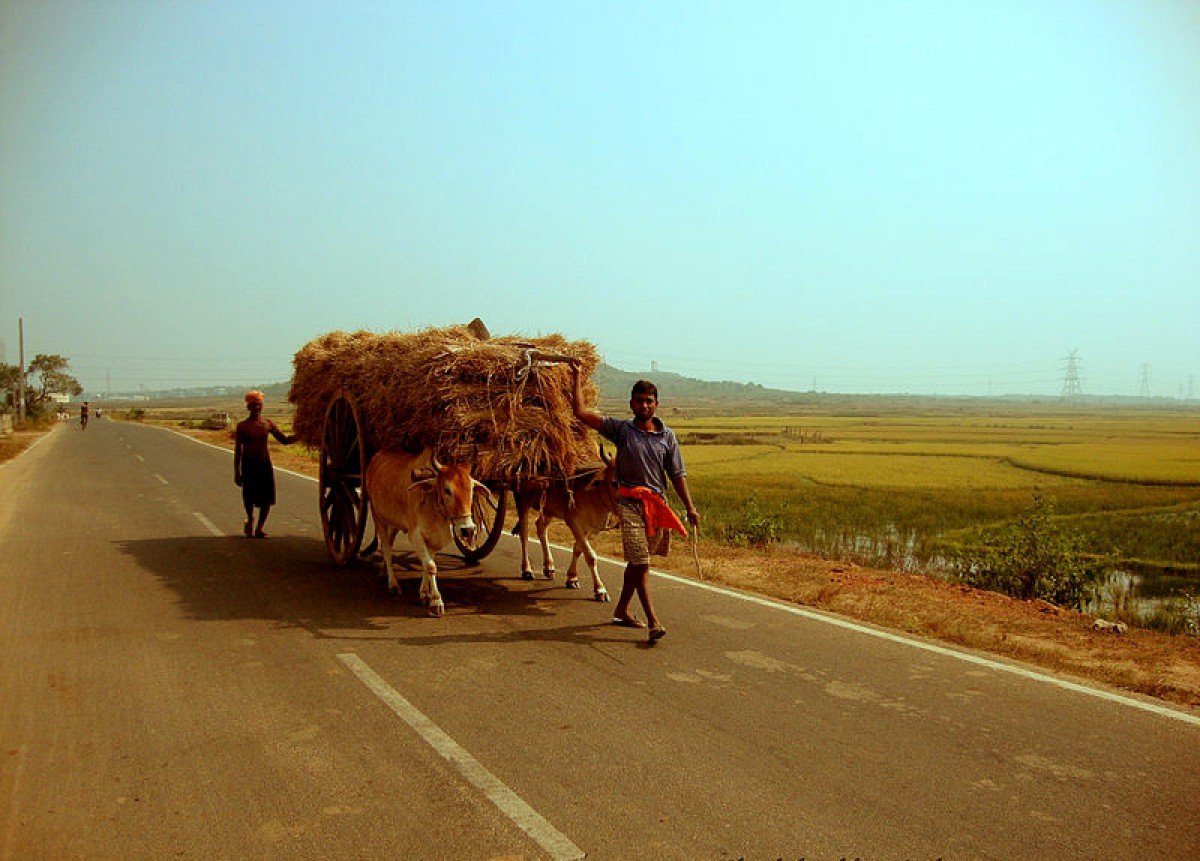
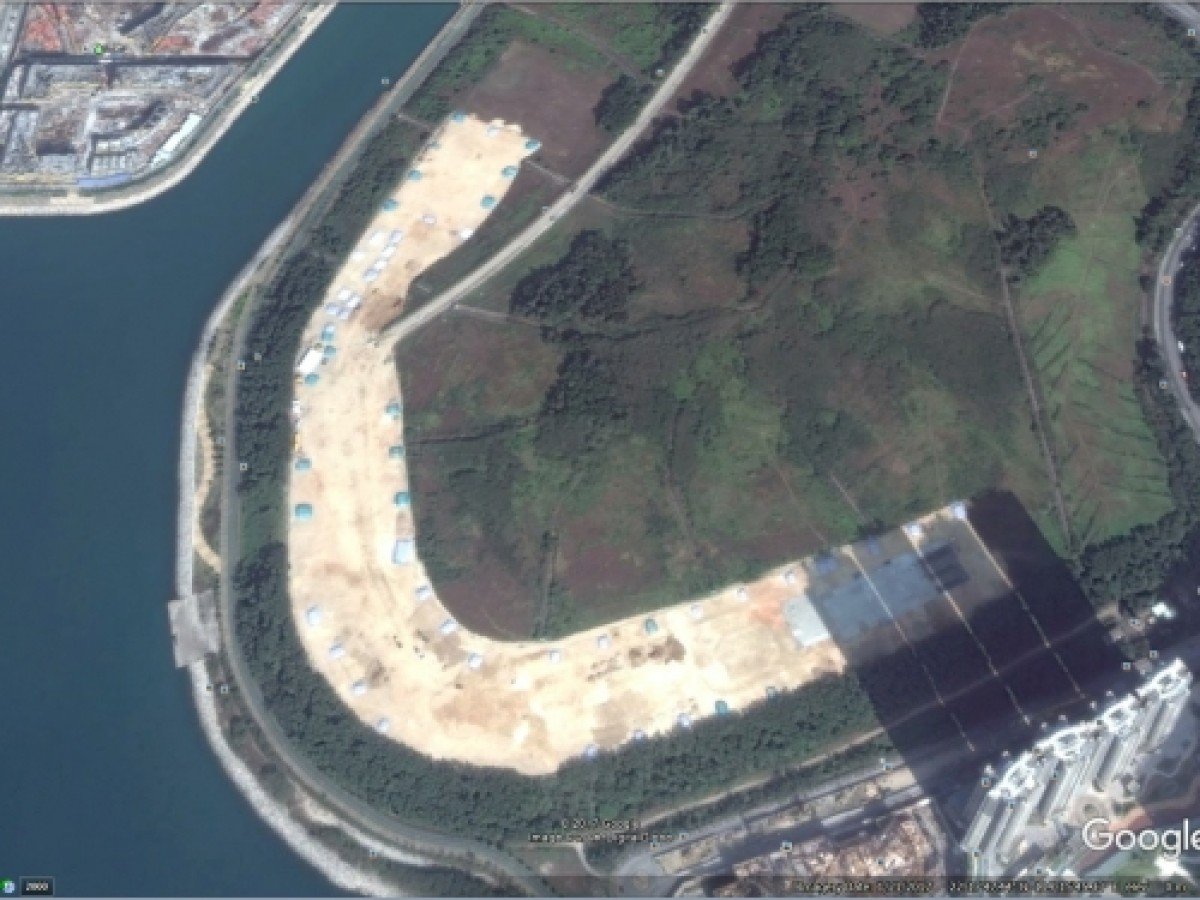
Things To Do
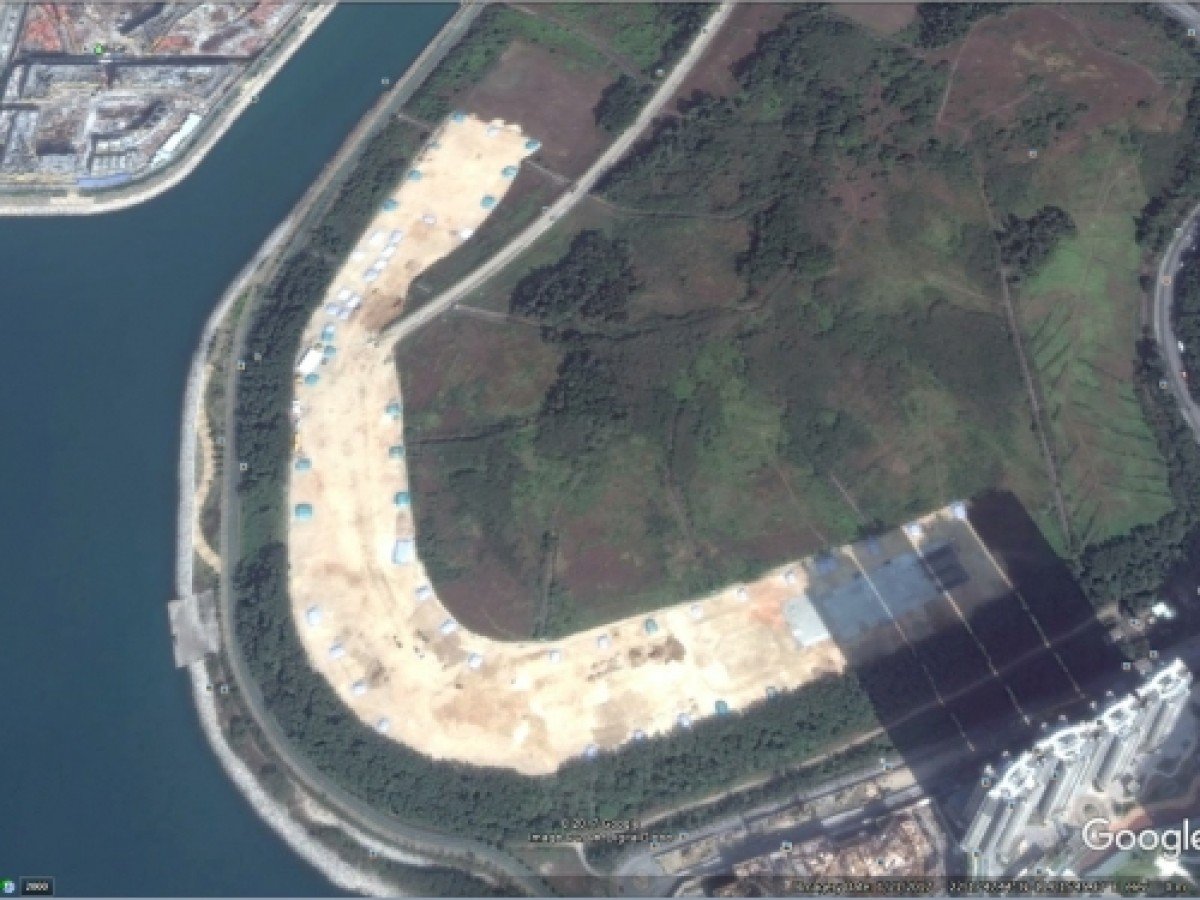
 @@Geographical Marvel:Ansupa Lake is a natural freshwater oxbow lake, the largest of its kind in Odisha, shaped like a horseshoe. It is situated on the left bank of the Mahanadi River, near the Banki town. The lake is surrounded by the picturesque Saranda Hill on the west and Bishnupur Hill on the northeast, offering a stunning backdrop. It is recognized as a Ramsar wetland of international importance due to its rich biodiversity. The water body plays a crucial ecological role as a natural floodplain wetland of the Mahanadi basin, supporting a diverse range of flora and fauna. The area is a prime example of nature's beauty and ecological preservation, making it a key destination for eco-tourists and nature lovers. The local community's livelihood is closely tied to the lake's ecosystem, integrating culture and nature seamlessly. The lake receives its water from local streams like Kabula Nala and Huluhula Nala.
 @@A Monument to Freedom Fighters: The Saheed Minar (Martyr's Tower) in Cuttack is a memorial dedicated to the brave individuals who sacrificed their lives for the freedom and socio-political causes of Odisha and India. Unlike the Kolkata monument, the one in Cuttack is a local, modern structure that serves as a focal point for political and cultural gatherings. It stands as an important, easily accessible landmark in the city center, frequently hosting rallies and public events, representing the spirit of the state's democratic and revolutionary past.:
The Mahanadi River Bridge is a crucial infrastructure landmark in Cuttack, spanning the vast expanse of the Mahanadi River, the largest river in Odisha: While multiple bridges cross the river, the term usually refers to the main road bridge that acts as a vital link on National Highway 16 (NH-16): connecting the capital region (Bhubaneswar) to Cuttack and points north. The bridge is not just a utility but a symbol of modern Odia engineering and connectivity, facilitating the smooth flow of commercial and passenger traffic into and out of the city. The sheer length of the bridge highlights the massive width of the Mahanadi River during the monsoon. Standing on the bridge offers breathtaking, panoramic views of the river's floodplains, the city skyline, and the distant hills, making it a favorite spot for travelers and locals to pause and appreciate the scale of the landscape. It is also historically significant as it replaces older methods of river crossing, symbolizing the progress of transport infrastructure in the state. The bridge's importance is compounded by its role in disaster management, providing an essential high-level route during the annual flood season. It is a structure that dominates the skyline and serves as a literal and figurative gateway, welcoming visitors to the ancient city of Cuttack: The modern structure contrasts beautifully with the ancient river flowing beneath it.:
@@Nature and Wildlife in the City: Deer Park, officially the CMC Deer Park, is a small but important sanctuary located in the heart of the densely populated Cuttack city, specifically in the Madhusudhan Nagar area. Established as a peaceful refuge, it offers a vital green space and a unique opportunity to observe wildlife within an urban environment. Its primary role is to provide a safe, natural habitat for the native deer population, primarily the Spotted Deer (Chital). The park ensures the care, medication, and proper feeding of the animals, serving as an important local initiative for wildlife conservation. It is an extremely popular recreational spot for local residents, a favorite destination for families, children, and morning walkers seeking a break from the city's hustle and bustle. The presence of these gentle herbivores in the city center creates a unique and tranquil atmosphere. @@Recreational and Educational Value: The park is encircled by lush trees and features a dedicated play area for children, making it a perfect spot for family outings and picnics. Visitors often spend several hours watching the large herd of deer roam freely in their enclosures. The park serves an educational purpose by allowing people to connect with nature and learn about the local fauna, especially in a city where green spaces are precious. For nature lovers and photography enthusiasts, the sight of a large herd of deer in a managed natural setting provides excellent photographic opportunities. The serene environment, with its natural flora and the quiet presence of the deer, makes the park a cherished green lung of the Silver City. It is a testament to the city's commitment to maintaining a balance between urbanization and ecological preservation.
@@A Monument to Freedom Fighters: The Saheed Minar (Martyr's Tower) in Cuttack is a memorial dedicated to the brave individuals who sacrificed their lives for the freedom and socio-political causes of Odisha and India. Unlike the Kolkata monument, the one in Cuttack is a local, modern structure that serves as a focal point for political and cultural gatherings. It stands as an important, easily accessible landmark in the city center, frequently hosting rallies and public events, representing the spirit of the state's democratic and revolutionary past.:
The Mahanadi River Bridge is a crucial infrastructure landmark in Cuttack, spanning the vast expanse of the Mahanadi River, the largest river in Odisha: While multiple bridges cross the river, the term usually refers to the main road bridge that acts as a vital link on National Highway 16 (NH-16): connecting the capital region (Bhubaneswar) to Cuttack and points north. The bridge is not just a utility but a symbol of modern Odia engineering and connectivity, facilitating the smooth flow of commercial and passenger traffic into and out of the city. The sheer length of the bridge highlights the massive width of the Mahanadi River during the monsoon. Standing on the bridge offers breathtaking, panoramic views of the river's floodplains, the city skyline, and the distant hills, making it a favorite spot for travelers and locals to pause and appreciate the scale of the landscape. It is also historically significant as it replaces older methods of river crossing, symbolizing the progress of transport infrastructure in the state. The bridge's importance is compounded by its role in disaster management, providing an essential high-level route during the annual flood season. It is a structure that dominates the skyline and serves as a literal and figurative gateway, welcoming visitors to the ancient city of Cuttack: The modern structure contrasts beautifully with the ancient river flowing beneath it.:
@@Nature and Wildlife in the City: Deer Park, officially the CMC Deer Park, is a small but important sanctuary located in the heart of the densely populated Cuttack city, specifically in the Madhusudhan Nagar area. Established as a peaceful refuge, it offers a vital green space and a unique opportunity to observe wildlife within an urban environment. Its primary role is to provide a safe, natural habitat for the native deer population, primarily the Spotted Deer (Chital). The park ensures the care, medication, and proper feeding of the animals, serving as an important local initiative for wildlife conservation. It is an extremely popular recreational spot for local residents, a favorite destination for families, children, and morning walkers seeking a break from the city's hustle and bustle. The presence of these gentle herbivores in the city center creates a unique and tranquil atmosphere. @@Recreational and Educational Value: The park is encircled by lush trees and features a dedicated play area for children, making it a perfect spot for family outings and picnics. Visitors often spend several hours watching the large herd of deer roam freely in their enclosures. The park serves an educational purpose by allowing people to connect with nature and learn about the local fauna, especially in a city where green spaces are precious. For nature lovers and photography enthusiasts, the sight of a large herd of deer in a managed natural setting provides excellent photographic opportunities. The serene environment, with its natural flora and the quiet presence of the deer, makes the park a cherished green lung of the Silver City. It is a testament to the city's commitment to maintaining a balance between urbanization and ecological preservation. @@A Hub of Local Devotion:Bhubaneswari Temple in Cuttack is a small but extremely revered temple dedicated to Goddess Bhubaneswari, one of the ten Mahavidyas and an aspect of Shakti. Unlike the famous temples in the city of Bhubaneswar, this shrine holds significant local importance for the people of Cuttack, often associated with the protection and prosperity of the ancient capital. The temple is strategically located very close to the historical Barabati Fort and the Cuttack Chandi Temple, often forming a spiritual trinity for local pilgrims visiting the heart of the city. While there are no grand architectural records, its spiritual value is immense, drawing continuous streams of devotees, especially women, throughout the year. It serves as a focal point for many traditional Odia festivals and rituals, embodying the deep-seated spiritual culture of Cuttack. It is a perfect example of a vibrant, living temple tradition in a major urban center.
@@A Marvel of Ancient Engineering: The Stone Revetment is an extraordinary architectural and technical feat constructed on the banks of the Kathajuri River (a distributary of the Mahanadi). Built in the 11th Century by the Keshari kings (though often attributed to the Ganga or Keshari dynasty), its primary purpose was to protect the city of Cuttack from devastating floods. This massive wall of stones, skillfully aligned and dressed, demonstrates the advanced engineering skills of ancient Oriyans long before modern construction methods, standing as a testament to the city's strategic importance.:
@@Historical Significance: Odishabazar is not a single place but represents one of the oldest commercial zones in Cuttack, part of the "Bauna Bazaar, Tepana Galee" (52 markets, 53 streets) that characterizes the city's ancient trade structure. It's a key market area, distinct from the main modern commercial hubs, focusing on traditional crafts, especially handloom and silver filigree.@@Product Focus: This area serves as a showcase for Odisha's exquisite craftsmanship. It is particularly known for the famous Tarakasi (Silver Filigree) work, a highly detailed art where silver wires are intricately woven. It is also a center for traditional Odia textiles like Sambalpuri and Cuttacki sarees and dress materials. (Summary of 400 words):Show All
Gandi-Chowk is not a single monument but a vital, bustling commercial and traffic junction, serving as one of the primary commercial and transport hubs in the heart of the city of Cuttack: It is strategically located, connecting the old city with the newer developments and acting as a gateway to several crucial arteries of trade and transport. The area is characterized by its constant state of activity, reflecting the "Silver City": of Cuttack's dynamic economic life. The name Gandi often relates to a significant marketplace or a key intersection in older Indian cities. Historically, this area would have developed as a central point for the exchange of goods due to its proximity to major routes and the river banks, a role it maintains even today. The surrounding area is densely packed with wholesale markets, small businesses, and food stalls, making it a place where one can truly feel the pulse of the city. While it lacks the ancient, standalone monument status of a temple or fort, its importance lies in its socio-economic function as the meeting point of people and commerce, linking local neighborhoods and acting as a reference point for all city travel, making it an essential part of the Cuttack urban experience. It embodies the modern, working side of the city's historical heritage.:
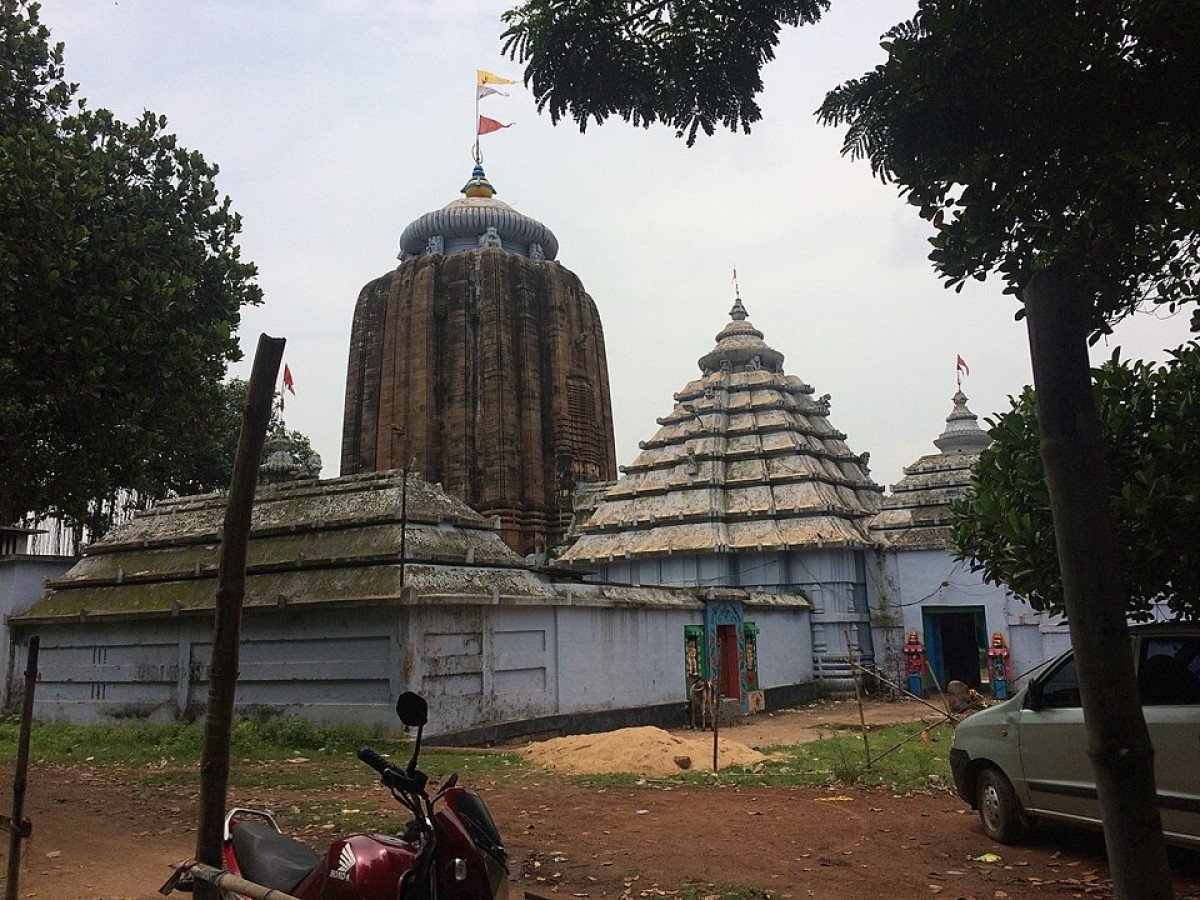
@@A Hub of Local Devotion:Bhubaneswari Temple in Cuttack is a small but extremely revered temple dedicated to Goddess Bhubaneswari, one of the ten Mahavidyas and an aspect of Shakti. Unlike the famous temples in the city of Bhubaneswar, this shrine holds significant local importance for the people of Cuttack, often associated with the protection and prosperity of the ancient capital. The temple is strategically located very close to the historical Barabati Fort and the Cuttack Chandi Temple, often forming a spiritual trinity for local pilgrims visiting the heart of the city. While there are no grand architectural records, its spiritual value is immense, drawing continuous streams of devotees, especially women, throughout the year. It serves as a focal point for many traditional Odia festivals and rituals, embodying the deep-seated spiritual culture of Cuttack. It is a perfect example of a vibrant, living temple tradition in a major urban center.
@@A Marvel of Ancient Engineering: The Stone Revetment is an extraordinary architectural and technical feat constructed on the banks of the Kathajuri River (a distributary of the Mahanadi). Built in the 11th Century by the Keshari kings (though often attributed to the Ganga or Keshari dynasty), its primary purpose was to protect the city of Cuttack from devastating floods. This massive wall of stones, skillfully aligned and dressed, demonstrates the advanced engineering skills of ancient Oriyans long before modern construction methods, standing as a testament to the city's strategic importance.:
@@Historical Significance: Odishabazar is not a single place but represents one of the oldest commercial zones in Cuttack, part of the "Bauna Bazaar, Tepana Galee" (52 markets, 53 streets) that characterizes the city's ancient trade structure. It's a key market area, distinct from the main modern commercial hubs, focusing on traditional crafts, especially handloom and silver filigree.@@Product Focus: This area serves as a showcase for Odisha's exquisite craftsmanship. It is particularly known for the famous Tarakasi (Silver Filigree) work, a highly detailed art where silver wires are intricately woven. It is also a center for traditional Odia textiles like Sambalpuri and Cuttacki sarees and dress materials. (Summary of 400 words):Show All
Gandi-Chowk is not a single monument but a vital, bustling commercial and traffic junction, serving as one of the primary commercial and transport hubs in the heart of the city of Cuttack: It is strategically located, connecting the old city with the newer developments and acting as a gateway to several crucial arteries of trade and transport. The area is characterized by its constant state of activity, reflecting the "Silver City": of Cuttack's dynamic economic life. The name Gandi often relates to a significant marketplace or a key intersection in older Indian cities. Historically, this area would have developed as a central point for the exchange of goods due to its proximity to major routes and the river banks, a role it maintains even today. The surrounding area is densely packed with wholesale markets, small businesses, and food stalls, making it a place where one can truly feel the pulse of the city. While it lacks the ancient, standalone monument status of a temple or fort, its importance lies in its socio-economic function as the meeting point of people and commerce, linking local neighborhoods and acting as a reference point for all city travel, making it an essential part of the Cuttack urban experience. It embodies the modern, working side of the city's historical heritage.:Information
-
Why Famous:
Why Famous Place:
Bali Jatra: The city is famous for hosting Bali Jatra, Asia's largest open-trade fair, which commemorates the ancient maritime glory of Odia merchants. Thousands of stalls, giant wheels, and cultural performances attract mi...Why Famous Place:
Bali Jatra: The city is famous for hosting Bali Jatra, Asia's largest open-trade fair, which commemorates the ancient maritime glory of Odia merchants. Thousands of stalls, giant wheels, and cultural performances attract millions of visitors every year in the month of November.
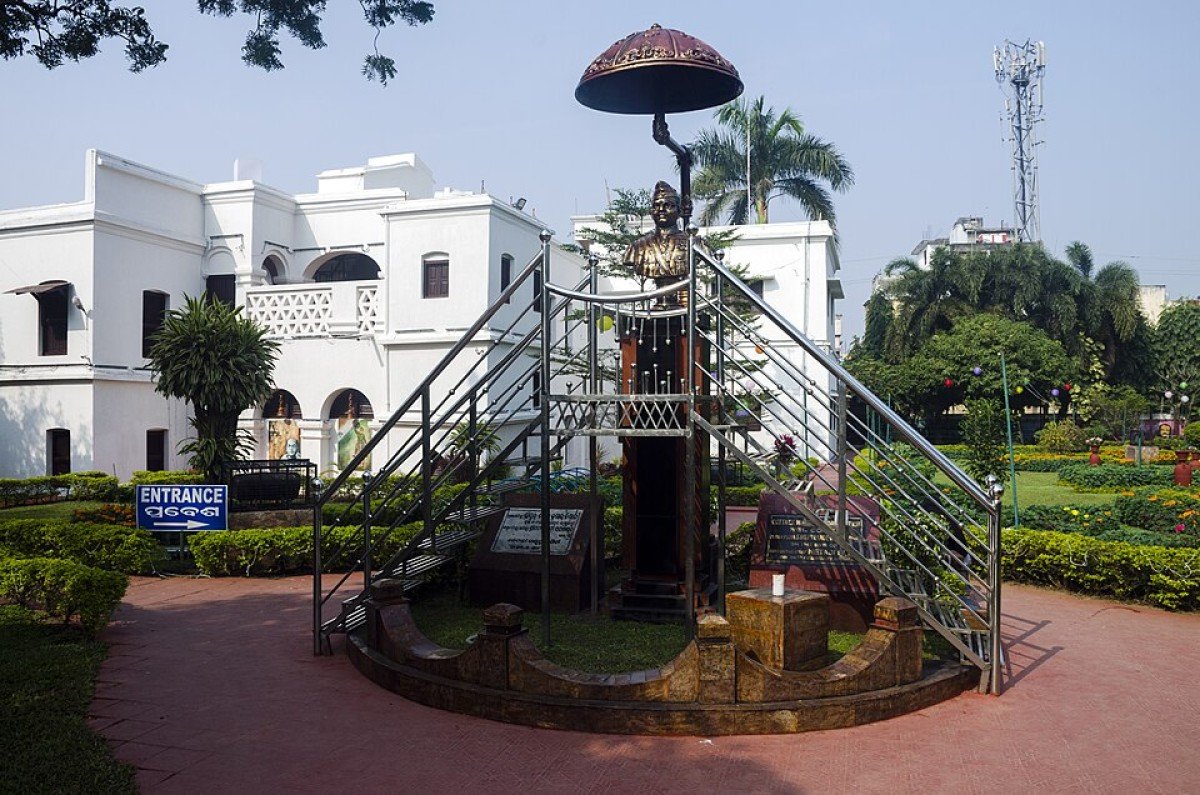
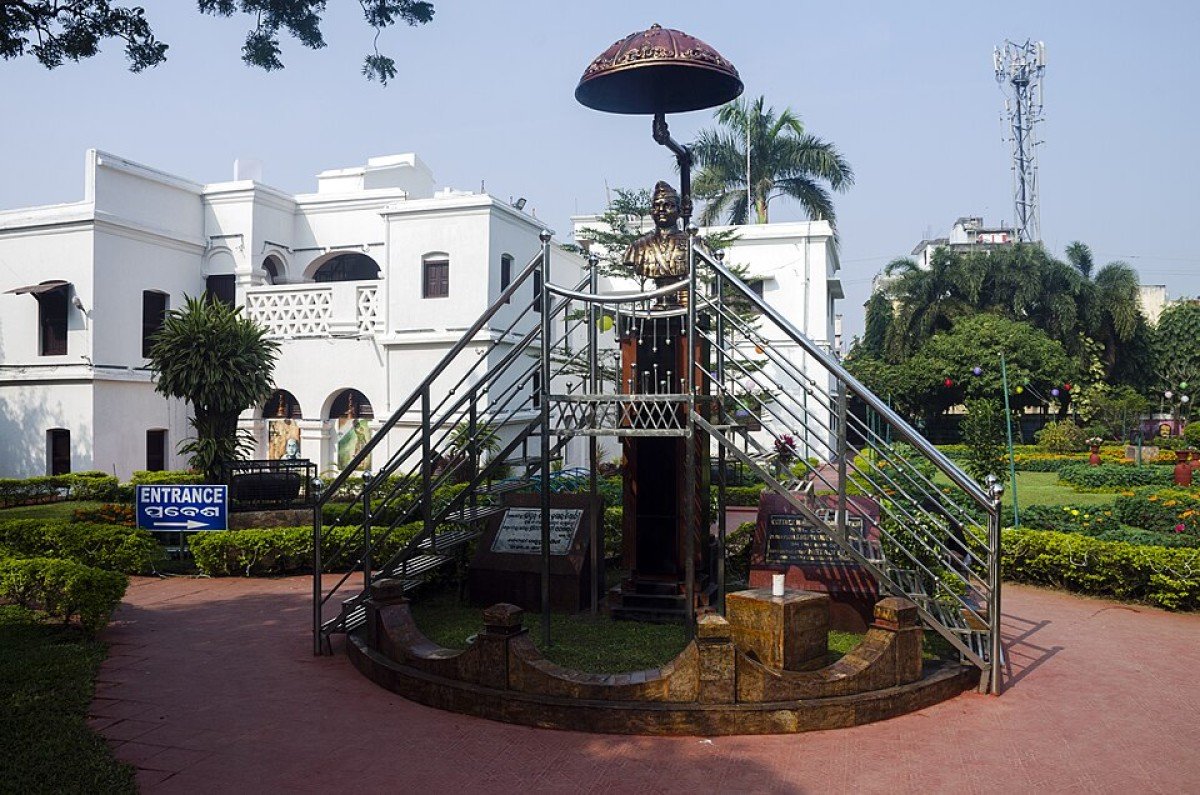
Netaji's Birthplace: Cuttack is the birthplace of the great Indian freedom fighter Netaji Subhas Chandra Bose. His ancestral home, Janakinath Bhawan, has been converted into a museum that houses rare photographs and personal belongings, making it a major national landmark.
: -
Architecture:
Place Architecture:
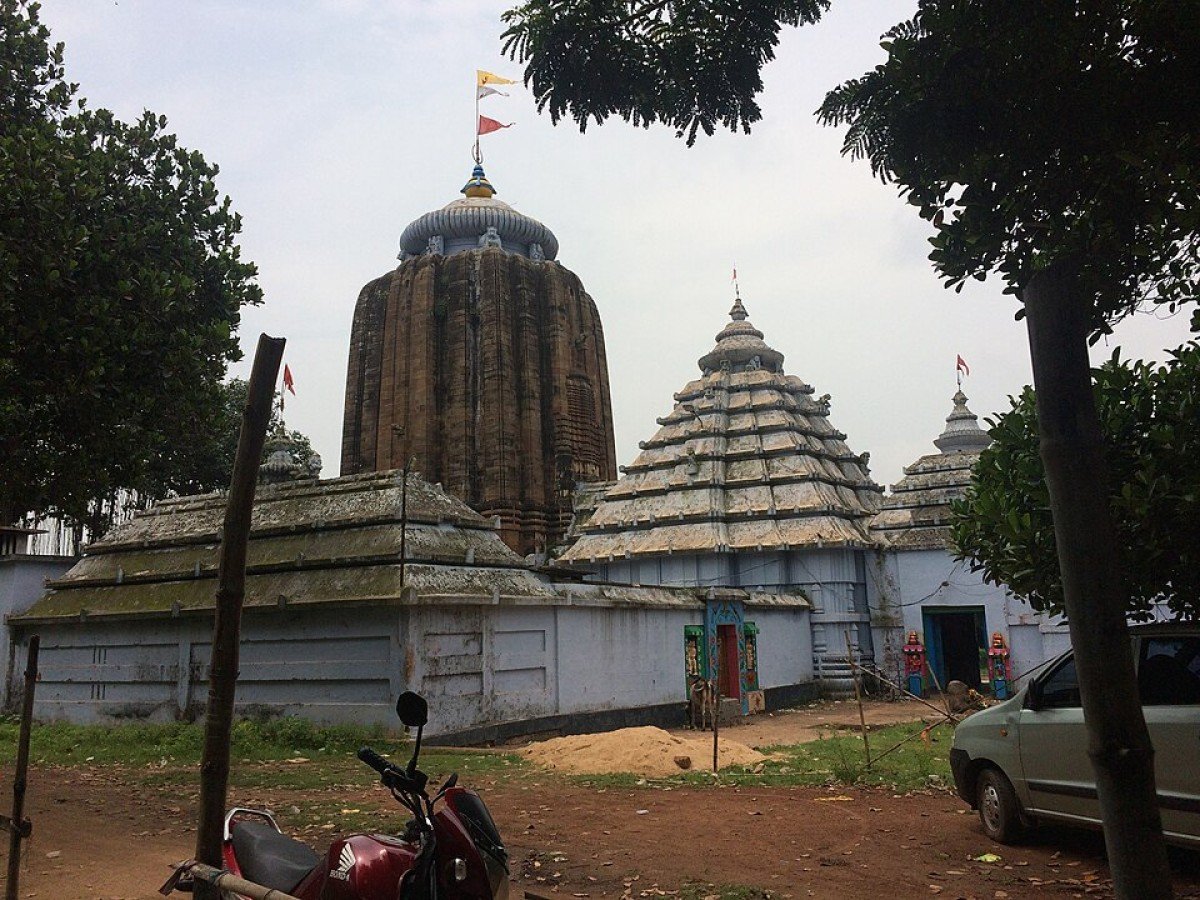
Islamic and Hindu Fusion: The architecture of Cuttack shows a mix of styles, from the Indo-Islamic Qadam-I-Rasool with its ornate minarets to ancient Hindu temples. The Barabati Fort ruins, though mostly in mounds today, ...Place Architecture:
Islamic and Hindu Fusion: The architecture of Cuttack shows a mix of styles, from the Indo-Islamic Qadam-I-Rasool with its ornate minarets to ancient Hindu temples. The Barabati Fort ruins, though mostly in mounds today, show the grand scale of the 14th-century military architecture.
Stone Revetment: An engineering marvel of the 11th Century, the stone revetment on the riverbanks was built to protect the city from floods. This massive embankment showcases the advanced structural knowledge of the ancient kings who managed the city's unique riverine geography.
: -
How To Reach:
Place How to Reach:
By Air: The nearest airport is Biju Patnaik International Airport in Bhubaneswar, which is just 25-30 KM away. Travelers can easily take a taxi or a shuttle bus from the airport to reach Cuttack via the twin-city highway ...Place How to Reach:
By Air: The nearest airport is Biju Patnaik International Airport in Bhubaneswar, which is just 25-30 KM away. Travelers can easily take a taxi or a shuttle bus from the airport to reach Cuttack via the twin-city highway in about 45 minutes.
By Train: Cuttack Railway Station is a major junction on the East Coast Railway line and is connected to all major cities in India. Almost all express and superfast trains passing through Odisha stop here, making it highly accessible for travelers from Kolkata, Delhi, or Chennai.
By Road: The city is a major transit point on National Highway 16 and has excellent bus connectivity to all parts of Odisha and neighboring states. Frequent bus services, both government-run and private, operate between Cuttack and Bhubaneswar every few minutes.
By Local Transport: Within the city, auto-rickshaws and cycle-rickshaws are the most common modes of transport through the narrow, historic lanes. App-based taxi services like Ola and Uber are also available for more comfortable travel between distant parts of the city.
: -
Weather and Best Time to Visit:
Place Best Time to Visit:
Winter Months: October to February is the best time to visit Cuttack, as the weather is cool and perfect for outdoor activities. This period also coincides with the major festivals like Durga Puja and Bali Jatra, of...Place Best Time to Visit:
Winter Months: October to February is the best time to visit Cuttack, as the weather is cool and perfect for outdoor activities. This period also coincides with the major festivals like Durga Puja and Bali Jatra, offering a complete cultural experience.
Evening Explorations: Due to the humid tropical climate, the late afternoons and evenings are the best times of the day for sightseeing. The riverside areas like the Mahanadi Barrage become very pleasant after sunset, providing a cool breeze and a relaxing atmosphere.
: -
Near Tourist Places:
1. Bhubaneswar (25 KM), 2. Dhabaleswar (15 KM), 3. Naraj (15 KM), 4. Ansupa Lake (40 KM), 5. Paradeep Port (95 KM), 6. Choudwar (10 KM), 7. Bhattarika Temple (90 KM), 8. Paramahansanath Temple (10 KM), 9. Lalitgiri (60 KM), 10. Ratnagiri (70 KM)
Tourism Tips
-
Place Tourism Tips:
Health and Hygiene: Cuttack is famous for its street food like Dahibara Aloodum, but ensure you eat at reputable stalls to avoid stomach issues. Always carry a bottle of filtered water, especially during the humid months,...Place Tourism Tips:
Health and Hygiene: Cuttack is famous for its street food like Dahibara Aloodum, but ensure you eat at reputable stalls to avoid stomach issues. Always carry a bottle of filtered water, especially during the humid months, to stay hydrated while exploring the city.
Packing: Light cotton clothes are best suited for the humid weather of Cuttack. If visiting during the Bali Jatra in November, carry a light shawl as the evenings can get slightly chilly near the riverfront.
Accommodation: There are several hotels ranging from budget to mid-range near the railway station and in the Badambadi area. For a more modern stay, some upscale hotels are located on the outskirts near the NH16, offering better amenities and quieter surroundings.
Shopping Tips: When buying silver filigree, look for the government-certified outlets or well-known traditional shops to ensure authenticity. Don't be afraid to bargain politely in the local markets, but remember that the intricate handicraft involves a lot of manual labor and skill.
:
Reviews
FAQs
Cuttack Itineray And Cost:-
Other Places In Odisha :-
Other States In India :-
Information about New and Updated Locations() of Odisha Has Been Added :-
Card subtitle
Note:-
Information provided here in good Faith and for reference only.
Near Places
Angul
Some quick example text to build on the card title and make up the bulk of the card's content.
Go somewhere
Balasore
Some quick example text to build on the card title and make up the bulk of the card's content.
Go somewhere
Bargarh
Some quick example text to build on the card title and make up the bulk of the card's content.
Go somewhere
Baripada
Some quick example text to build on the card title and make up the bulk of the card's content.
Go somewhere
Berhampur
Some quick example text to build on the card title and make up the bulk of the card's content.
Go somewhere
Bhadrak
Some quick example text to build on the card title and make up the bulk of the card's content.
Go somewhere
Bhubaneswar
Some quick example text to build on the card title and make up the bulk of the card's content.
Go somewhere
Chandipur
Some quick example text to build on the card title and make up the bulk of the card's content.
Go somewhere
Cuttack
Some quick example text to build on the card title and make up the bulk of the card's content.
Go somewhere
Daringbadi
Some quick example text to build on the card title and make up the bulk of the card's content.
Go somewhere
Dhauli
Some quick example text to build on the card title and make up the bulk of the card's content.
Go somewhere
Dhauligiri
Some quick example text to build on the card title and make up the bulk of the card's content.
Go somewhere
Gopalpur
Some quick example text to build on the card title and make up the bulk of the card's content.
Go somewhere
Jajpur
Some quick example text to build on the card title and make up the bulk of the card's content.
Go somewhere
Jeypore
Some quick example text to build on the card title and make up the bulk of the card's content.
Go somewhere
Jharsuguda
Some quick example text to build on the card title and make up the bulk of the card's content.
Go somewherein Other Cities