
...

Place To Visit And Things To Do In Jharia

Jharkhand, India
Place Details: Jharia is world-renowned for its extensive coal mines and its role in India's industrial economy. Located in the Dhanbad district, it is one of the largest reservoirs of coking coal in the country. The landscape is dominated by open-cast mines and the surreal sight of underground fire s that have been burning for decades. Despite the industrial environment, the area holds a unique fascination for researchers and photographers. The history of Jharia is deeply intertwined with the development of the Indian Railways and the steel industry. The local population consists largely of mining workers and their families, creating a unique labor culture. Visiting Jharia provides a sobering look at the challenges and scale of the energy sector. It is a place of stark contrasts, where massive machinery operates amidst a rugged terrain. Mining Heritage: The town has been the epicenter of coal production since the colonial era. Environmental Impact: The persistent underground fires have shaped the local geography and social discourse. Economic Significance: Jharia's coal powers many of the nation's major thermal power plants and steel mills. Urban Landscape: The town features a mix of old colonial-style quarters and modern industrial housing.

Things To Do

Card image cap
Alauddin Home

@@Historical Narrative: Alauddin Home stands as a significant landmark in the Bhuli region near Jharia. This residence originally belonged to the infl...
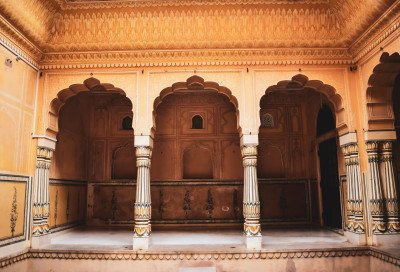
@@Historical Narrative: Alauddin Home stands as a significant landmark in the Bhuli region near Jharia. This residence originally belonged to the influential Alauddin family who were prominent during the peak of the coal mining boom in the early 20th century. The house represents the socio-economic transition of Jharia from a cluster of villages to a global coal hub. Visitors often explore this site to understand the lifestyle of early Indian mine owners who broke the British monopoly in the sector. The walls of this home have witnessed the transformation of the landscape from lush greenery to the industrial heartland it is today. Local legends suggest the family played a vital role in community welfare during the Great Depression. It remains a private yet historically noted property that attracts history buffs and researchers. The structure is a blend of traditional Indian courtyards and colonial influences. Despite the surrounding industrial dust, the home maintains its old-world charm. It serves as a living museum of the Jharia coalfield's human history. Many students of architecture visit to study its unique ventilation system designed for the humid climate. The preservation of such homes is crucial for the identity of Jharia. It represents a bygone era of prosperity and cultural synthesis.
Card image cap
Amtal Forest Patch

@@Natural Sanctuary: The Amtal Forest Patch is one of the last remaining natural green covers within the coal-mining belt of Jharia. In a region domin...

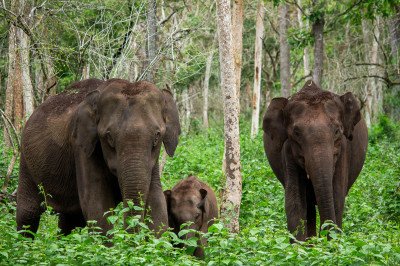
@@Natural Sanctuary: The Amtal Forest Patch is one of the last remaining natural green covers within the coal-mining belt of Jharia. In a region dominated by open-cast mines and smoke, this patch provides a vital ecological balance. It consists of native trees like Sal, Mahua, and Neem which have survived decades of industrial expansion. The forest is home to various local bird species and small reptiles that have sought refuge here. For the residents of Jharia, Amtal serves as a weekend retreat for fresh air and nature walks. The local community considers the Shitala Colony area as a sacred buffer zone. Efforts by the forest department and local NGOs have helped in fencing parts of this forest to prevent illegal logging. During the monsoon, the forest turns into a vibrant emerald green, offering a stark contrast to the nearby black coal dumps. It is an excellent spot for students of botany to study indigenous flora. The air quality here is noticeably better than in the main Jharia market. It represents the resilience of nature in the face of heavy industrialization. Many locals visit the forest for morning yoga and meditation.
Card image cap
BCCL Hill

@@Industrial Elevation: BCCL Hill is a man-made elevation created from the overburden (OB) earth removed during open-cast coal mining by Bharat Coking...

@@Industrial Elevation: BCCL Hill is a man-made elevation created from the overburden (OB) earth removed during open-cast coal mining by Bharat Coking Coal Limited. Over the years, this hill has been stabilized and partially plantation-covered to prevent erosion. It has become a popular "viewpoint" for locals and tourists to witness the sheer scale of the Jharia coalfields. From the top, one can see the massive craters of the mines and the smoke rising from underground fires. It provides a unique perspective on India's energy production. The hill is a testament to the massive geological displacement caused by mining. Environmentalists often visit the site to study the reclamation process. The climb to the top is relatively easy and offers a 360-degree view of the Dhanbad-Jharia skyline. During the evening, the lights of the mining equipment look like stars on the ground. It is an educational site for understanding the life cycle of a coal mine. The BCCL authorities have started planting more trees to turn it into an eco-park. It serves as a reminder of the balance between industrial needs and environmental costs.
Card image cap
Bhatinda Waterfall

@@Natural Wonder: Bhatinda Waterfall, also known as the Moonidih Waterfall, is the most famous natural attraction near Jharia. It is formed by the des...

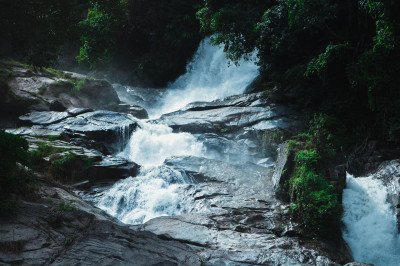
@@Natural Wonder: Bhatinda Waterfall, also known as the Moonidih Waterfall, is the most famous natural attraction near Jharia. It is formed by the descent of a local river over massive igneous rock formations. The water cascades down in multiple tiers, creating a mist that cools the surrounding area. Unlike many other falls, Bhatinda is unique because of its proximity to a deep underground coal mine. The lush greenery surrounding the falls provides a perfect picnic spot for thousands of visitors every year. During the winter months of December and January, the area is packed with families enjoying the sun and the sound of the water. The rock formations around the fall are millions of years old and show signs of volcanic activity. It is a place where one can truly forget the industrial hustle of Jharia. The sound of the gushing water is therapeutic and draws people seeking peace. The government has recently improved the pathways and seating areas to boost tourism. It remains a pristine spot despite the nearby mining activities. It is a "must-visit" for anyone traveling through the Dhanbad district.
Card image cap
Bhutgadiya More

@@Cultural Crossroads: Bhutgadiya More, now officially known as Ambedkar Chowk, is one of the busiest and most iconic intersections in Jharia. It serv...

@@Cultural Crossroads: Bhutgadiya More, now officially known as Ambedkar Chowk, is one of the busiest and most iconic intersections in Jharia. It serves as a vital link between the coal mining areas of Jamadoba and Putki. The square is dominated by a grand statue of Dr. B.R. Ambedkar, which serves as a site of inspiration for the local labor force. This place is not just a traffic junction; it is a center of social and political activity. Historically, it has been the venue for various labor union meetings and social reforms. The market surrounding the chowk offers a glimpse into the daily lives of the mining community. From street food vendors to specialized mining gear shops, the variety is immense. The energy of the place is palpable, especially during the morning and evening shift changes. It represents the spirit of the working class that keeps the nation's furnaces burning. The chowk has been renovated recently with better lighting and a small park around the statue. It is a landmark that every visitor to Jharia will pass through.
Card image cap
Bit Sindri Birsa Chowk

Bit Sindri Birsa Chowk is a significant landmark located near the prestigious Birsa Institute of Technology in Sindri. This area serves as a primary ...

Bit Sindri Birsa Chowk is a significant landmark located near the prestigious Birsa Institute of Technology in Sindri. This area serves as a primary junction for students and locals alike, symbolizing the intellectual and cultural heart of the industrial town. The place is named after the legendary tribal leader Birsa Munda, whose statue stands tall as a symbol of resistance and Jharkhand's identity. Visitors often find the atmosphere vibrant due to the bustling energy of the university crowd and the historical significance of the Sindri township. The surrounding area is well-maintained, offering a glimpse into the planned layout of one of India's earliest industrial education hubs. It represents the fusion of academic excellence and regional pride, making it a must-visit for those exploring the outskirts of Jharia. The local markets nearby provide a variety of street foods and essential goods, creating a lively environment throughout the day.
Card image cap
Chasnala Indra Chowk

Chasnala Indra Chowk is a vital transport and commercial node within the industrial landscape of Chasnalla. Known for its association with the coal m...

Chasnala Indra Chowk is a vital transport and commercial node within the industrial landscape of Chasnalla. Known for its association with the coal mining sector, this chowk is often the first point of entry for visitors exploring the deep mining belts of Jharkhand. The name Chasnalla is historically etched into the memory of the region due to the massive mining legacy and the resilience of the local workforce. Today, the chowk serves as a central market area where miners and their families congregate for daily needs. It is characterized by heavy truck traffic, which is a testament to the ongoing coal production that fuels the nation's energy needs. For a tourist, it provides a raw, unfiltered look into the lives of the "Coal Warriors." The area is bustling with activity from early morning, with local vendors setting up stalls that sell everything from industrial tools to fresh produce. Despite its rugged exterior, the sense of community here is strong, reflecting the shared history of the coalfields.
Card image cap
Dhangi Palash Forest

Dhangi Palash Forest is a stunning natural retreat that offers a sharp contrast to the black coal mines of Jharia. This forest is primarily composed ...

Dhangi Palash Forest is a stunning natural retreat that offers a sharp contrast to the black coal mines of Jharia. This forest is primarily composed of Palash trees (Butea monosperma), also known as the "Flame of the Forest." During the peak of spring, the entire forest floor and canopy are covered in fiery orange blossoms, creating a surreal landscape that attracts nature lovers and photographers from across the state. The forest provides a critical green lung for the polluted industrial belt of Dhanbad. It is a place of peace, where the only sounds are the rustling of leaves and the chirping of local birds. The terrain is slightly undulating, making it a good spot for light trekking and nature walks. Historically, these forests were much larger, but the pocket at Dhangi remains one of the best-preserved spots to witness the seasonal beauty of Jharkhand. It is a popular spot for local families to enjoy a quiet afternoon away from the noise of the city.
Card image cap
Dolabar Hill

Dolabar Hill is a prominent rocky elevation that offers a panoramic view of the Damodar River valley and the surrounding coalfields. It is a favored ...
Dolabar Hill is a prominent rocky elevation that offers a panoramic view of the Damodar River valley and the surrounding coalfields. It is a favored destination for those seeking a bit of adventure and a break from the flat plains of the industrial zone. The hill is characterized by its large granite boulders and sparse vegetation, typical of the Chota Nagpur Plateau. For years, it has served as a local lookout point and a place for spiritual solace, with a few small shrines perched on its slopes. The climb to the top is moderately easy and rewards visitors with a refreshing breeze and a 360-degree view of the horizon. On a clear day, one can see the smoke from distant factory chimneys blending with the natural haze of the hills. It is an excellent spot for watching the sunset, as the sky turns into a canvas of pink and purple over the rugged landscape. The area around the hill is relatively undeveloped, preserving its raw and natural charm.
Card image cap
Gorangdih Dam

Gorangdih Dam is a beautiful water reservoir that serves both as an irrigation source and a popular recreational spot for the people of Jharia and Dh...

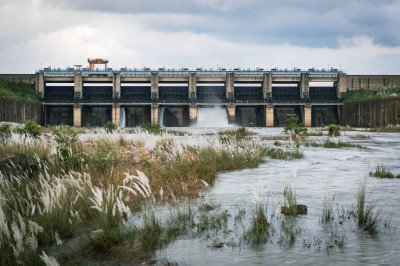
Gorangdih Dam is a beautiful water reservoir that serves both as an irrigation source and a popular recreational spot for the people of Jharia and Dhanbad. Surrounded by lush greenery and low hills, the dam provides a tranquil environment that is a welcome relief from the industrial hustle. The vast expanse of blue water reflecting the sky creates a serene atmosphere, perfect for a day of relaxation. Historically, the dam was part of the regional water management system to support agriculture in the Chota Nagpur dry belt. Over time, it has evolved into a key tourism destination, especially during the winter months when families gather on its banks for traditional picnics. The dam's spillway and the rushing water during the monsoon are sights to behold. It also attracts a variety of local and migratory birds, making it a hotspot for birdwatchers. The surrounding rural landscape, with its small villages and fields, adds to the charm of the visit, offering a glimpse into the pastoral side of Jharkhand.
Card image cap
Hidden Waterfall

The Hidden Waterfall, popularly known as Bhatinda Falls, is a breathtaking natural retreat located near Moonidih in the Dhanbad district. This waterf...

The Hidden Waterfall, popularly known as Bhatinda Falls, is a breathtaking natural retreat located near Moonidih in the Dhanbad district. This waterfall is formed by the Damodar River as it flows over massive rocky boulders and steep terrain, creating a beautiful tiered effect. It is a stark contrast to the industrial landscape of the Jharia coalfields. Historically, the area was a quiet forest zone before mining activities expanded. Today, it serves as a primary picnic destination for locals and tourists from nearby cities. The water flows with high intensity during the Monsoon season, while in Winter, the flow is gentler, revealing the intricate rock formations underneath. The site is surrounded by lush greenery and provides a serene escape from the smoke and heat of the mining zones. Many people visit here to experience the raw power of nature. The waterfall has multiple levels, and the sound of the gushing water can be heard from a distance. It is often referred to as a "hidden" gem because it is tucked away behind the mining colonies of Moonidih. Local legends say that the water has therapeutic properties, though it is mostly sought after for its scenic charm. Over the years, the government has made efforts to improve the pathways leading to the falls. It remains one of the most photographed spots in the Koylanchal region. The geological structure of the rocks here is millions of years old, showing the volcanic history of the Chota Nagpur Plateau. Visitors are often mesmerized by the way the sunlight reflects off the misty spray during the early hours of the day.
Card image cap
Jharia Coalfields

The Jharia Coalfields are world-renowned for their high-quality coking coal and their tragic, century-old underground fires. Spanning over 280 square...
The Jharia Coalfields are world-renowned for their high-quality coking coal and their tragic, century-old underground fires. Spanning over 280 square kilometers, these fields are the primary source of fuel for India’s steel industry. The history of mining here dates back to the late 19th Century, specifically around 1894, when the first commercial operations began under the British and local zamindars like the Jharia Raj. However, the area is most famous for a disaster that started in 1916 at the Bhowra colliery—an underground coal fire that has never been fully extinguished. These fires have led to massive land subsidence, creating a landscape that looks like a smoking battlefield. Visitors can see smoke rising from cracks in the ground, a sight both terrifying and awe-inspiring. The coalfields are a mix of massive open-cast mines and deep underground tunnels. Despite the environmental challenges, thousands of people live and work here, making it a unique human-interest site. The coal extracted from here is vital for the nation's energy security. In recent years, the government has planned the relocation of the entire Jharia town due to the safety risks posed by the fire. The area has also been the subject of numerous international documentaries and the famous Bollywood movie Gangs of Wasseypur. A visit to the coalfields offers a raw look at the industrial backbone of India, showing the immense scale of machinery and the resilience of the miners. The heat from the underground fires can be felt in certain zones, and the smell of sulfur is pervasive. It is a place of immense economic value but also a symbol of environmental struggle.
Card image cap
Jharia King Fort

The Jharia King Fort, often referred to as the Raj Mahal, is the historical residence of the rulers of the Jharia Raj. Established in the 18th Centur...

The Jharia King Fort, often referred to as the Raj Mahal, is the historical residence of the rulers of the Jharia Raj. Established in the 18th Century by the royal family who migrated from Rewa in Madhya Pradesh, the fort serves as a reminder of the region's aristocratic past. The most prominent ruler associated with the development of this estate was Raja Durga Prasad Singh, who reigned in the early 20th Century. The fort was once a center of great power and culture, where classical music, arts, and festivals flourished. However, due to the discovery of coal and subsequent mining, the ground beneath the royal estate became unstable. While much of the family moved to other locations, the ruins of the fort still stand in Jitpur. The structure showcases a blend of Rajput and colonial styles. It contains the royal "Siraghar" (prayer room), which is over 450 years old and is built with mud and thatch—legend says the family goddess refused to stay in a concrete palace. Every year during Durga Puja, the royal descendants return to perform rituals that have been passed down for generations. The fort’s thick walls and arched gateways still echo the grandeur of a bygone era. Visitors can see the remains of the stables, the courtrooms, and the residential quarters. It is a place of deep historical significance for the people of Dhanbad, representing the transition of the land from a feudal kingdom to an industrial powerhouse. Though parts of the fort are in decay, it remains a site of pilgrimage during festivals.
Card image cap
Jharia Raj Palace Ruins

The Jharia Raj Palace Ruins are located in the Lowar Rajbadi area and represent the decaying grandeur of the Jharia royalty. While the King Fort in J...

The Jharia Raj Palace Ruins are located in the Lowar Rajbadi area and represent the decaying grandeur of the Jharia royalty. While the King Fort in Jitpur was a more defensive structure, this palace was the primary administrative and residential hub during the height of the coal boom. Built in a grand Indo-Saracenic style, the palace once featured expansive halls, marble floors, and decorative carvings. The tragedy of this site is its proximity to active underground coal fires. Over the decades, ground subsidence has caused massive cracks in the palace walls, leading to the collapse of several wings. Today, it stands as a haunting silhouette of history. It tells the story of how the very source of the Raja's wealth—the coal—eventually led to the physical destruction of his home. Many parts of the palace are now inhabited by local families or are overgrown with vegetation. Despite the decay, you can still see the high-arched windows and the remnants of the royal crest on the gates. It is a poignant site for tourists interested in the "Sinking Town" of Jharia. The palace grounds once included beautiful gardens and a private lake. Walking through the ruins, one can imagine the durbars that were held here and the royal processions that once started from these very gates. It is a key stop for anyone wanting to understand the human and cultural cost of mining in Jharkhand.
Card image cap
Jharkhand Mode

Jharkhand Mode is the most iconic intersection and landmark in the town of Jharia. It serves as the gateway to the mining city and is the primary hub...

Jharkhand Mode is the most iconic intersection and landmark in the town of Jharia. It serves as the gateway to the mining city and is the primary hub for transportation and commerce. Historically, this "Mode" (junction) became prominent as the meeting point for roads coming from Dhanbad, Sindri, and the various colliery zones. It is a bustling area that never sleeps, filled with shops selling everything from traditional sweets to industrial hardware. The significance of Jharkhand Mode lies in its role as a cultural melting pot. Here, you can find people from across India—Gujaratis, Marwaris, Bengalis, and local Adivasis—who all came here during the coal rush. The intersection is always crowded with shared autos, buses, and heavy trucks carrying coal. It is also the site for many political and social gatherings. If you want to experience the "real" Jharia, this is the place to be. The area is surrounded by old cinema halls, banks, and some of the oldest restaurants in the region. Despite the pollution and noise, there is an undeniable energy at Jharkhand Mode. It represents the resilience of a town that has survived a century of underground fires. For a tourist, it is the best place to start an exploration of the city, find a local guide, or sample authentic Jharkhandi street food. The intersection is beautifully lit during festivals like Diwali and Durga Puja, becoming the center of all local celebrations.
Card image cap
Kenduadih E B Section Colliery

@@Mining Heritage History: The Kenduadih E B Section Colliery is a historic coal mining site that represents the industrial backbone of Jharia. This c...

@@Mining Heritage History: The Kenduadih E B Section Colliery is a historic coal mining site that represents the industrial backbone of Jharia. This colliery has been operational for decades and provides a deep insight into the lives of the workers and the extraction process. Visitors can observe the vast open-cast mines and the massive machinery used for coal excavation. It serves as an educational hub for those interested in geology and industrial history. The site is a living museum of the Jharia coalfield's legacy. @@Economic Impact of Coal: The colliery has played a significant role in the economic development of the region by providing employment to thousands of local families. It stands as a symbol of India's energy sector and the struggles associated with underground coal fires. The surrounding landscape is dramatic, with layers of earth exposed to reveal the black diamond. This place offers a unique perspective on the intersection of human labor and natural resources. Tourists can witness the massive transport trucks and cranes in action. @@Environmental Significance: The site also highlights the environmental challenges faced by the Dhanbad district. The ongoing underground fires in some sections of Jharia are visible through the smoke rising from the ground. It is a powerful reminder of the cost of industrialization and the resilience of the local population. Educational tours often visit this site to study land reclamation and mining safety. The colliery is a must-visit for industrial tourism enthusiasts. @@Local Life and Culture: The area around the colliery is home to vibrant labor colonies where the culture is deeply rooted in the mining profession. Traditional folk songs often mention the "Koyla" (coal) and the hardships of the miners. Visiting this place allows one to connect with the local community and understand their unique way of life. It is not just a mine; it is the heart of Jharia.
Card image cap
Kishan Chauk

@@The Commercial Heart: Kishan Chauk is one of the busiest and most iconic intersections in the Dhanbad-Jharia region. It serves as a major commercial...

@@The Commercial Heart: Kishan Chauk is one of the busiest and most iconic intersections in the Dhanbad-Jharia region. It serves as a major commercial hub where the pulse of the city can be felt. The area is lined with numerous shops, markets, and street food stalls that attract thousands of people daily. It is the perfect place to experience the local lifestyle and the hustle-bustle of Jharkhand. The chauk is named after a prominent local figure and has historical significance. @@Shopper's Paradise: The markets around Kishan Chauk are famous for textiles, traditional jewelry, and local handicrafts. It is a melting pot of different cultures as people from nearby villages come here to trade. The variety of products available here is unmatched in the region. From branded showrooms to small roadside kiosks, there is something for everyone. The bargaining culture here is very active and fun to experience. @@Culinary Delights: The street food at Kishan Chauk is legendary among the locals. You can find authentic Jharkhandi snacks like Dhuska, Litti Chokha, and various types of sweets. The aroma of freshly fried snacks fills the air in the evenings. It is a great place to go on a food trail and taste the flavors of the coal city. Many small eateries have been serving the same delicious recipes for decades. @@Meeting Point for Locals: The chauk serves as a common meeting ground for people from all walks of life. Whether it's political discussions at a tea stall or youngsters hanging out, the energy is always high. It is a landmark that every resident of Jharia knows by heart. The area is also a major transport node, connecting different parts of the district. Visiting Kishan Chauk gives you a true sense of the community spirit in Jharia.
Card image cap
Maithon Dam

@@The Underground Power Marvel: Maithon Dam, built on the Barakar River, is one of the most significant dams in India. It is unique for having the fir...

@@The Underground Power Marvel: Maithon Dam, built on the Barakar River, is one of the most significant dams in India. It is unique for having the first underground power station in South East Asia. The dam was developed by the Damodar Valley Corporation (DVC) in 1948 and stands as a testament to post-independence engineering. The reservoir covers a vast area of 65 square kilometers, creating a massive lake that looks like an inland sea. It serves multiple purposes, including flood control, irrigation, and power generation. @@A Scenic Tourist Paradise: Beyond its industrial importance, Maithon is a top-tier tourist destination. The serene blue waters of the lake, surrounded by green hills, create a picturesque landscape. It is often referred to as the "Kashmir of Koyalanchal." The area is dotted with beautiful parks, flower gardens, and viewing galleries. The sunset over the dam is a sight to behold and attracts photographers from across the state. It is a perfect weekend getaway for those living in Jharia and Dhanbad. @@Spiritual Connection: The name Maithon is derived from "Mai-ka-Sthan," meaning the place of the Goddess. The ancient Kalyaneshwari Temple is located very close to the dam and is a major pilgrimage site. Thousands of devotees visit the temple before exploring the dam. This blend of modern engineering and ancient spirituality makes Maithon a unique destination. The atmosphere is peaceful and filled with a sense of wonder. @@Boating and Islands: The vast reservoir has several small islands that can be reached by boat. The most famous one is Spoon Island, which is a popular spot for birdwatching and quiet picnics. Boating is the primary tourist activity here, with various options like speedboats and paddleboats. The cool breeze on the lake is incredibly refreshing. It is a place where you can truly connect with nature and escape the city's noise.
Card image cap
Mandal Talav

@@Historical Water Body: Mandal Talav, also known as Bartand Bandh, is a large, historic pond located in the heart of the Dhanbad-Jharia urban area. I...

@@Historical Water Body: Mandal Talav, also known as Bartand Bandh, is a large, historic pond located in the heart of the Dhanbad-Jharia urban area. It has been a vital water source for the community for generations. The pond is surrounded by stone embankments and large trees, providing a patch of blue and green in the middle of the city. It is a place where history and daily life merge. Many local rituals and festivals are centered around this water body. @@Spiritual Significance: The pond is considered sacred by the local residents. It is a major site for the Chhath Puja festival, where thousands of devotees gather to offer prayers to the Sun God. The banks are lined with several small shrines and temples. The peaceful environment makes it a popular spot for morning prayers and meditation. The water is believed to have purifying qualities by the elders of the community. @@Urban Oasis and Recreation: For the people of Jharia and Dhanbad, Mandal Talav serves as a vital open space for recreation. People come here for morning and evening walks along the perimeter. The cool breeze from the water provides relief during the hot summer months. It is a popular spot for the elderly to sit and chat, and for children to play near the banks. The pond is also home to various species of fish and waterfowl. @@Traditional Architecture: The stone steps, or Ghats, leading down to the water are examples of traditional community engineering. These steps are designed to accommodate large crowds during festivals. The surrounding area has several old colonial-style buildings that add to the charm of the location. The pond has been preserved well despite the rapid urbanization around it. It remains a symbol of the region's traditional water management systems.
Card image cap
Panchet Dam

Panchet Dam is one of the most significant multi-purpose dams in Eastern India, situated across the Damodar River. Built in 1959, it serves as a crit...

Panchet Dam is one of the most significant multi-purpose dams in Eastern India, situated across the Damodar River. Built in 1959, it serves as a critical component of the Damodar Valley Corporation (DVC) for flood control, irrigation, and power generation. The dam is surrounded by lush green hills and a massive reservoir that creates a tranquil atmosphere for visitors. It is a perfect spot for nature lovers who want to escape the industrial noise of Jharia. The surrounding area is rich in biodiversity and offers a glimpse into the massive infrastructural growth of post-independence India. The sight of water gushing through the gates during the peak season is truly a majestic experience for every traveler.
Card image cap
Patrakuli Picnic Spot

Patrakuli Picnic Spot is a beloved local getaway located in the Bhelatand area near Jharia. It serves as a vital "green lung" for the coal-mining com...

Patrakuli Picnic Spot is a beloved local getaway located in the Bhelatand area near Jharia. It serves as a vital "green lung" for the coal-mining community, offering a refreshing break from the dusty environment of the mines. The spot is characterized by its open spaces, clusters of native trees, and a peaceful ambiance that attracts hundreds of families during the winter months. Unlike the larger dams, Patrakuli offers a more intimate setting where locals gather for traditional "Van Bhojan" (forest meals). It is a place where children can play freely in nature while adults relax under the shade of old trees. The simplicity of this spot is its greatest charm, making it a staple for weekend outings.
Card image cap
Petrified Wood

The Petrified Wood at IIT (ISM) Dhanbad is a spectacular geological wonder and one of the oldest fossils in the Indian subcontinent. Petrified wood i...

The Petrified Wood at IIT (ISM) Dhanbad is a spectacular geological wonder and one of the oldest fossils in the Indian subcontinent. Petrified wood is essentially a fossil that forms when terrestrial vegetation is buried under sediment and undergoes permineralization, turning organic matter into stone. This specific specimen is estimated to be 25 crore (250 million) years old, belonging to the late Paleozoic or early Mesozoic era. Located within the prestigious campus, it stands as a testament to the earth's ancient history and the prehistoric forests that once covered this region. It is not just a stone but a piece of biological history that has survived tectonic shifts and environmental changes over millions of years, making it a "must-see" for science enthusiasts.
Card image cap
Puran Mahato Pond

Puran Mahato Pond is a historic and culturally significant water body located in the Talgaria region near Jharia. This pond has served as a lifeline ...

Puran Mahato Pond is a historic and culturally significant water body located in the Talgaria region near Jharia. This pond has served as a lifeline for local villages for generations, providing water for daily needs and religious ceremonies. Unlike commercial parks, this pond represents the raw, rural beauty of the Jharkhand landscape. It is often surrounded by local flora and small shrines, making it a peaceful spot for those looking to experience the authentic village life of the region. The pond is particularly known for its clear water during the post-monsoon months and the community gatherings that take place on its banks. It is a place where time seems to slow down, far away from the coal dust and heavy machinery of the Jharia mines.
Card image cap
Sabir Pichhri Bandh

Sabir Pichhri Bandh is a hidden reservoir located in the Chhotpichhri area, serving as a peaceful getaway for those who find Panchet Dam too crowded....

Sabir Pichhri Bandh is a hidden reservoir located in the Chhotpichhri area, serving as a peaceful getaway for those who find Panchet Dam too crowded. This "Bandh" (embankment) was primarily constructed for local irrigation, but its scenic beauty has slowly turned it into a popular weekend spot. Surrounded by low hills and vast stretches of open land, the reservoir offers a panoramic view of the Jharkhand countryside. The water is relatively clean, and the lack of commercialization makes it an ideal spot for soul-searching and quiet reflection. It is a place where you can still hear the wind and the calls of local birds, providing a stark contrast to the heavy industrial environment of the Jharia coalfields.
Card image cap
Saheed Bhagat Smarak Saraidhela

@@Place Details: This memorial is dedicated to the legendary freedom fighter Bhagat Singh. It stands as a symbol of patriotism and bravery for the loc...
@@Place Details: This memorial is dedicated to the legendary freedom fighter Bhagat Singh. It stands as a symbol of patriotism and bravery for the local youth of Jharia and Dhanbad. The site is a well-maintained monument that serves as a reminder of the Indian independence struggle. Visitors often come here to pay their respects and reflect on the history of national heroes. The area surrounding the memorial is bustling yet respectful of the shrine's sanctity. It is a common spot for social gatherings during national festivals. The monument is situated near the busy Steel Gate area, making it very accessible to everyone. Local residents take great pride in this memorial as it inspires the younger generation. It provides a peaceful contrast to the industrial noise of the coal capital. The smarak is a significant landmark in the Saraidhela region. Many students visit the site to learn about the revolutionary history of India. The garden around the pedestal is often decorated with flowers during celebrations. It acts as a community hub for patriotic discussions and events. The statue of Bhagat Singh is the central focus of the entire complex. It is a place where history meets the modern urban landscape of the coal fields.
Card image cap
Seta Falls

@@Place Details: Seta Falls is a beautiful natural waterfall located near the village of Bijulia. It is a seasonal cascade that comes alive during the...

@@Place Details: Seta Falls is a beautiful natural waterfall located near the village of Bijulia. It is a seasonal cascade that comes alive during the monsoon months of July to September. The water flows over rocky terrain, creating a soothing sound that attracts nature lovers. Unlike the more famous falls, this spot is relatively untouched and offers a raw experience. It is a popular picnic destination for people living in Jharia and Dhanbad. The surrounding greenery provides a refreshing escape from the industrial atmosphere of the coal mines. The rocks around the falls are slippery, so visitors must exercise extreme caution while walking. The flow of water depends entirely on the rainfall received during the season. It is a great place for students to study local geography and rock formations. Families often bring packed lunches to enjoy a day out in the wild. The path to the falls involves a bit of trekking through local village trails. The atmosphere is very serene and quiet, making it perfect for meditation. It is often referred to as a "hidden jewel" of the region by the locals. The pool at the bottom is shallow enough for wading during the dry season. The site is a testament to the natural beauty that exists alongside the industrial belt.
Card image cap
Sidhu Kanhu More

@@Place Details: This major intersection is named after Sidhu Murmu and Kanhu Murmu, the leaders of the Santhal Rebellion. It serves as a vital transi...

@@Place Details: This major intersection is named after Sidhu Murmu and Kanhu Murmu, the leaders of the Santhal Rebellion. It serves as a vital transit point and a symbolic gateway to the tribal heartland of the region. The junction features statues of the two brothers, reminding the public of their fight against British oppression. It is one of the busiest spots in Jharia, connecting various coal mining townships. The area is a hub of commercial activity with numerous shops and markets nearby. It is a place where historical reverence meets the daily hustle of the coal capital's workers. The statues are often garlanded by local leaders and tribal organizations during festivals. It serves as a meeting point for many social and political rallies in the district. The more is a landmark for anyone navigating the complex roads of the Jharia coalfields. It represents the indigenous spirit of Jharkhand and its long history of resistance. The junction is illuminated at night, highlighting the heroic figures of the martyrs. Thousands of people pass through this more every day, making it a living monument. It is particularly significant during the Hool Diwas celebrations every year. The surrounding buildings reflect the old architecture of the mining era combined with new growth. It is a place of great emotional value for the Santhal community residing in the area.
Card image cap
Sunder Manjhi Chowk

@@Place Details: Sunder Manjhi Chowk is a significant local landmark named after a respected community leader. It serves as a central point for the vi...
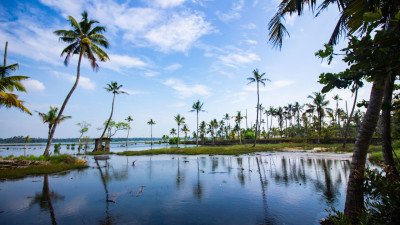
@@Place Details: Sunder Manjhi Chowk is a significant local landmark named after a respected community leader. It serves as a central point for the village of Jolhadi and the surrounding mining settlements. The chowk is a hub for local transport and a meeting place for the coal mine workers. It reflects the grassroots culture and the socio-political history of the labor movements in Jharia. The area is characterized by small tea stalls and local businesses that cater to the miners. It is a place where community decisions are often discussed in open-air meetings. The chowk acts as a vital link between the rural outskirts and the main town of Jharia. Visitors can witness the authentic lifestyle of the people who form the backbone of the coal industry. The monument at the center is a humble tribute to the local icon's contributions. During election seasons and labor day, the chowk becomes a center of intense activity. The atmosphere here is very grounded and provides a real glimpse into the lives of the working class. It is surrounded by the vast landscape of the open-cast mines of the BCCL area. The road passing through the chowk leads to several hidden scenic spots in the Ambona region. It is a landmark that resonates with the struggles and triumphs of the local population. The simplicity of the site is its most striking feature for any traveler.
Card image cap
Topchanchi Lake

Topchanchi Lake is a magnificent artificial reservoir situated amidst the lush green hills of Parasnath in the Dhanbad district of Jharkhand. Spread ...

Topchanchi Lake is a magnificent artificial reservoir situated amidst the lush green hills of Parasnath in the Dhanbad district of Jharkhand. Spread over an expansive area of 214 acres, this lake was originally created in 1915 by excavating the slopes of the surrounding mountains to provide a steady water supply to the coal mining regions of Jharia and Dhanbad. Even today, it remains a primary source of water and a beloved sanctuary for nature lovers seeking peace away from the industrial hustle. The lake is surrounded by the Topchanchi Wildlife Sanctuary, which covers about 8.75 sq km and houses various harmless animal species and migratory birds. Visitors are greeted by the sight of blue waters reflecting the towering peaks of the Parasnath Hills, creating a landscape that looks like a painting. The area is deeply rooted in local history and has been a favorite picnic spot for generations of families living in the Chota Nagpur plateau. Its serene environment is perfect for meditation, slow walks, and experiencing the raw beauty of Jharkhand's wilderness. Despite being man-made, the lake has developed a rich ecosystem that flourishes during the monsoon and winter seasons. The quietude of the lake is its biggest draw, offering a stark contrast to the nearby coal fields and bustling markets. Traveling here feels like entering a different world where the air is fresher and the colors are more vivid. It is a place where history meets nature, as the construction of the reservoir itself was a feat of engineering during the British era. Whether you are a solo traveler looking for solitude or a family planning a day out, this lake offers the perfect backdrop for making memories. The local administration is working to improve tourism facilities while keeping the natural charm intact. Visiting Topchanchi Lake is not just about seeing water; it is about feeling the pulse of the earth in a region known more for its mineral wealth than its natural splendor.
Card image cap
Trilochan Mahato Chowk

Trilochan Mahato Chowk is a bustling urban landmark located at the very heart of Jharia town in the Dhanbad district. Named after a prominent local f...

Trilochan Mahato Chowk is a bustling urban landmark located at the very heart of Jharia town in the Dhanbad district. Named after a prominent local figure, this intersection serves as the primary gateway to the town’s famous markets and residential quarters. It is a place that never sleeps, characterized by the constant hum of rickshaws, the aroma of street food, and the vibrant trade that defines this coal-rich region. The chowk is not just a traffic junction; it is a social hub where locals gather to discuss politics, business, and daily life. Surrounded by old buildings that tell the story of Jharia’s transition from a quiet village to a global coal hub, the chowk represents the resilience of the local community. The area is densely packed with shops selling everything from traditional Indian sweets to modern electronics. Walking through the chowk gives one a true sense of the "Coal Capital" spirit—gritty, energetic, and unapologetically busy. Over the years, the chowk has seen many renovations to accommodate the increasing traffic, yet it retains its old-world charm. For a traveler, it is the best place to observe the local culture and lifestyle of the coal miners and traders who call this town home. The streets branching out from here lead to historical temples and the famous underground fire zones that have made Jharia world-renowned. Despite the chaos, there is a rhythm to the life here that is fascinating to witness. It is the center point for all major processions, festivals, and public gatherings in the town. Visiting this chowk is essential for anyone who wants to understand the real Jharia beyond the industrial reports. It is a sensory experience of sights, sounds, and smells that stay with you long after you leave. The chowk serves as the pulse of the town, connecting the old neighborhoods with the newer commercial developments. It is where the past and present of the coal industry converge every single day.
Show All

Note:-

Information provided here in good Faith and for reference only.

All information and pictures will be updated soon, please keep visiting.

Near Places

...
Bokaro

Some quick example text to build on the card title and make up the bulk of the card's content.

Go somewhere
...
Chaibasa

Some quick example text to build on the card title and make up the bulk of the card's content.

Go somewhere
...
Chatra

Some quick example text to build on the card title and make up the bulk of the card's content.

Go somewhere
...
Chirkunda

Some quick example text to build on the card title and make up the bulk of the card's content.

Go somewhere
...
Daltonganj

Some quick example text to build on the card title and make up the bulk of the card's content.

Go somewhere
...
Deoghar

Some quick example text to build on the card title and make up the bulk of the card's content.

Go somewhere
...
Dhanbad

Some quick example text to build on the card title and make up the bulk of the card's content.

Go somewhere
...
Dumka

Some quick example text to build on the card title and make up the bulk of the card's content.

Go somewhere
...
Garhwa

Some quick example text to build on the card title and make up the bulk of the card's content.

Go somewhere
...
Ghatsila

Some quick example text to build on the card title and make up the bulk of the card's content.

Go somewhere
in Other Cities