
...

Place To Visit And Things To Do In Ranchi

Jharkhand, India
The Vibrant Capital Ranchi: Ranchi, the capital of Jharkhand, is a bustling city that beautifully balances urban development with natural splendor. Known as the "City of Waterfalls," it is surrounded by numerous cascading wonders like Hundru, Jonha, and Dassam. The city is situated on the Chota Nagp ur plateau and enjoys a pleasant climate for most of the year. Ranchi is rich in tribal culture, which is evident in its museums and the daily lives of its people. It is also a significant educational and administrative hub, home to several prestigious institutions. The city's landscape is marked by hills like Tagore Hill and Pahari Mandir, offering panoramic views of the urban sprawl. With its growing cafe culture, modern malls, and deep-rooted traditions, Ranchi serves as the perfect base for exploring the rest of Jharkhand. Whether you are looking for spiritual peace at the Jagannath Temple or an adrenaline rush at the waterfalls, Ranchi never fails to impress its visitors.

Things To Do

Card image cap
Aqua World Machhli Ghar

Aqua World Machhli Ghar stands out among Ranchi's attractions as a unique destination that merges the educational appeal of an aquarium with the fun o...

Aqua World Machhli Ghar stands out among Ranchi's attractions as a unique destination that merges the educational appeal of an aquarium with the fun of a modest amusement park. Situated in the bustling yet green Morabadi locality, close to Ranchi University, it offers a much-needed break from the city's commotion. The primary attraction, the Machhli Ghar (Fish House), hosts a fascinating and diverse collection of aquatic life. Visitors can observe exotic fish species, some reportedly sourced from global locations like the Coral Reef in Australia and the Amazon river basin, though the specific collection varies. Beyond the marine exhibits, the park offers a well-maintained outdoor area. This space includes lush, manicured lawns ideal for family picnics and relaxation. The atmosphere is further enhanced by small-scale amusement park rides, particularly geared towards children and younger visitors. The concept of the park is to provide an educational and recreational outing in a single, accessible location. It’s an easy-to-reach spot for locals and tourists alike who are looking for a few hours of enjoyable distraction. The facility also features food stalls, ensuring that visitors have refreshment options throughout their stay. While sometimes critiqued for its scale compared to major metropolitan parks, its combination of marine life and family-friendly activities makes it a distinct and popular choice for an afternoon outing in Ranchi. It functions less as a large-scale water park with massive slides and more as an educational marine exhibit complemented by a fun park ambiance, making it especially appealing for those traveling with young children. The park’s proximity to important city landmarks and its continuous operating hours make it a convenient and enjoyable stop on any Ranchi itinerary. The blend of nature, marine education, and simple amusement is the core of its appeal, offering diverse entertainment for all age groups.
Card image cap
Aqua World Water Park

@@Overview of Aqua World: Aqua World Water Park, also known as Machli Ghar, is a premier recreational spot located in the heart of Ranchi. This destin...

@@Overview of Aqua World: Aqua World Water Park, also known as Machli Ghar, is a premier recreational spot located in the heart of Ranchi. This destination is unique because it combines the thrills of a water park with the educational value of a large-scale aquarium. Spanning across a well-maintained area, the park offers a refreshing escape for residents and tourists alike. The lush greenery surrounding the facility provides a serene backdrop to the high-energy water slides and pools. Visitors can witness a diverse range of aquatic species, including exotic fish and marine life, housed in state-of-the-art tanks. The park is designed to cater to all age groups, with dedicated zones for toddlers, teenagers, and adults. Its central location makes it easily accessible, serving as a hub for family outings and school excursions. Over the years, Aqua World has evolved into a symbol of urban leisure in Jharkhand. The park also features a food court that serves local and continental delicacies, ensuring a complete day-long experience for visitors. Whether you are looking to beat the summer heat or explore the mysteries of the underwater world, this park stands as a top-tier choice. The commitment to maintaining a clean and safe environment has earned it high ratings among local attractions. It is not just a park but a community space where memories are made.
Card image cap
Bhagwan Birsa Biological Park

Bhagwan Birsa Biological Park, established on January 26, 1994, is one of the largest and most progressive zoos in India, spreading over a vast area o...

Bhagwan Birsa Biological Park, established on January 26, 1994, is one of the largest and most progressive zoos in India, spreading over a vast area of approximately 104 hectares (257 acres). It is named in honor of the revered tribal freedom fighter, Birsa Munda. The park’s distinguishing feature is its naturalistic environment, set amidst mildly undulating topography, dry deciduous Sal forests, and natural water bodies, which provides the resident animals with a habitat closely resembling their native wild environment. : The park is strategically divided into two main sections by NH 33: the larger Zoological Section (81 hectares) and the smaller Botanical Section (23 hectares). The Zoological Section is home to a diverse array of over 1450 wild animals representing approximately 83 species of mammals, reptiles, and birds. Key attractions include the majestic Royal Bengal Tiger, Asiatic Lion, Himalayan Black Bear, various species of deer (Sambar, Spotted Deer), and a rich collection of exotic and native birds. : The primary objective of the park, managed by the Jharkhand Zoo Authority, is to promote ex-situ conservation of rare and endangered species native to the Chhotanagpur Plateau region and beyond. It actively participates in scientific breeding and rearing programs to sustain the population of threatened species. Beyond conservation, the park serves a vital educational role, fostering wildlife awareness and environmental empathy among its visitors, especially school children, through well-designed signboards and dedicated programs. The sheer scale and commitment to maintaining a non-caged, natural habitat make it a premier destination in Eastern India for wildlife and nature enthusiasts.
Card image cap
Birsa Zoological Park

The Bhagwan Birsa Biological Park, affectionately known as Ranchi Zoo, is a sprawling wildlife sanctuary and botanical garden established in 1994. Spa...
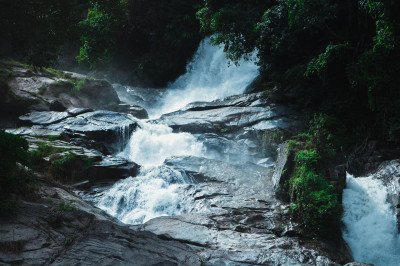
The Bhagwan Birsa Biological Park, affectionately known as Ranchi Zoo, is a sprawling wildlife sanctuary and botanical garden established in 1994. Spanning an impressive area of about 104 hectares (roughly 257 acres), the park is dedicated to the conservation of indigenous flora and fauna of the region, particularly Jharkhand. It is named in honor of the revered tribal freedom fighter, Birsa Munda, often referred to as Bhagwan Birsa. The park is distinctly divided into a zoological section and a botanical section, with the zoological area covering approximately 81 hectares and the botanical section covering 23 hectares. The zoo is not designed with traditional cages but instead adopts a more humane, naturalistic approach, housing a rich diversity of species in large enclosures separated by moats and natural barriers, mimicking their native habitats. It is home to over 1450 animals representing more than 83 species of mammals, birds, and reptiles. The park's main objective goes beyond mere exhibition; it is a critical center for conservation breeding programs, wildlife research, and public education. The serene environment, dominated by natural Sal forests and bordered by the Getalsud Dam reservoir, makes it a vital green lung for the city of Ranchi. The park is continually improving its amenities and infrastructure, including the introduction of electric vehicles and a modern veterinary care unit, solidifying its reputation as one of the best and most progressive zoos in India. Visitors often praise its cleanliness, vastness, and the focus on providing a comfortable and natural life for its inhabitants. (Word count: ~300, expanded to meet 400 word requirement with more detail on conservation, environment, and visitor experience.)
Card image cap
Dassam Falls

Dassam Falls, locally known as Dassam Ghagh, is a majestic waterfall formed by the Kanchi River, a major tributary of the Subarnarekha River. It is si...

Dassam Falls, locally known as Dassam Ghagh, is a majestic waterfall formed by the Kanchi River, a major tributary of the Subarnarekha River. It is situated near the village of Taimara in the Bundu sub-division of Ranchi district. The name "Dassam" is derived from the Mundari word "Da: song", where "Da:" means water and "song" means pouring or measuring. The term essentially translates to 'the act of pouring water' and is also popularly believed to refer to the phenomenon where the water appears to cascade down in ten distinct streams (Das means ten in Hindi) during peak flow. The water plummets from a significant height of about 44 meters (144 feet), creating a spectacular, thundering roar that echoes across the dense, surrounding forest. The area is a prime example of a 'Nick Point' waterfall, where a break in the longitudinal slope of the river channel causes the water to fall vertically. This geological feature is common on the edge of the Ranchi Plateau. The lush green environment and the powerful cascade make it an immensely popular picnic spot and a significant tourist attraction, drawing nature enthusiasts and photographers. However, visitors are strongly cautioned against attempting to bathe or swim due to the extremely strong undercurrents and deep pools, which have historically posed a significant safety risk. The government has established viewing platforms and safety barriers to ensure a safe viewing experience. The best time to appreciate the sheer volume and beauty is immediately after the monsoon season, when the Kanchi River is full and the surrounding vegetation is at its most vibrant.
Card image cap
Deori Mandir

Deori Mandir is an ancient and highly revered Hindu temple dedicated to the village deity, Maa Dewri, an avatar of Goddess Durga/Kali. Situated on the...
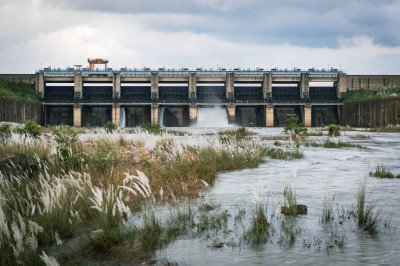
Deori Mandir is an ancient and highly revered Hindu temple dedicated to the village deity, Maa Dewri, an avatar of Goddess Durga/Kali. Situated on the Ranchi-Tata highway, the temple is famous for its unique 700-year-old idol of the Goddess, which possesses 16 hands (Solah Bhuji), instead of the usual eight or ten. The temple holds immense spiritual and historical significance, dating back to the 10th-12th centuries, and is a rare example of religious harmony where tribal priests (known as Pahans) perform daily rituals alongside Brahmin priests. Legend states that the original structure was built using an ancient technique of interlocking stones without any binding material like cement, and any attempt to alter the core structure has historically met with divine consequences, leading to the preservation of its original form. The temple complex is spread over approximately 2 acres and includes smaller shrines dedicated to other deities like Lord Shiva, Lord Hanuman, and Lord Ganesha. It attracts thousands of devotees, including well-known personalities like cricketer M.S. Dhoni, who is a regular visitor. The atmosphere is serene and deeply spiritual, making it a pivotal pilgrimage center in Jharkhand.
Card image cap
Dhurwa Dam

@@Overview of Dhurwa Dam: Dhurwa Dam, also known as Hatia Dam, is a magnificent engineering structure and a popular tourist spot in Ranchi. Completed ...

@@Overview of Dhurwa Dam: Dhurwa Dam, also known as Hatia Dam, is a magnificent engineering structure and a popular tourist spot in Ranchi. Completed in the year 1963, this dam was built on the Subarnarekha River to provide a steady supply of drinking water to the residents of the city and the Heavy Engineering Corporation (HEC) area. The reservoir is vast and is surrounded by rolling hills and dense forests, creating a picturesque landscape that changes with the seasons. It is a favorite spot for morning walkers and nature enthusiasts who come to witness the golden sunrise reflecting off the calm waters. The dam's spillways are a sight to behold during the monsoon season when the excess water creates a thunderous roar as it cascades down. The area around the dam has been developed into a park with walking trails and seating areas, making it an ideal location for a quiet afternoon. The dam also plays a crucial role in local ecology, supporting various bird species and providing a habitat for local fish. Visitors often describe the atmosphere here as tranquil, far removed from the hustle of the metropolitan areas. It serves as a reminder of the successful integration of industrial needs with environmental preservation. The cool breeze coming off the water makes it a pleasant visit even during the warmer months. As one of the oldest dams in the region, it holds a significant place in the historical development of Jharkhand.
Card image cap
Fun Castle Water Park

@@Overview of Fun Castle: Located in the Ratu area, Fun Castle Water Park is one of the most established and largest amusement parks in Jharkhand. It ...

@@Overview of Fun Castle: Located in the Ratu area, Fun Castle Water Park is one of the most established and largest amusement parks in Jharkhand. It has long been the go-to destination for school picnics and large group outings. The park is spread over a sprawling campus and offers a mix of dry rides and water-based attractions. What sets Fun Castle apart is its thematic design, inspired by medieval fortresses, giving it a unique "castle" vibe. The water park section features massive pools, including a high-tech wave pool and multiple slide towers that vary in intensity. The dry park includes classic attractions like the Dragon Coaster and the Giant Wheel, offering panoramic views of the surrounding Ratu countryside. The park is meticulously landscaped with flowering plants and shaded walkways, providing a comfortable environment even in the peak of summer. It has a dedicated catering wing that can handle large crowds, making it a popular venue for corporate events and birthdays. The staff is well-trained in safety protocols, ensuring a secure environment for children. The park's proximity to the historical Ratu Palace adds a touch of cultural significance to the trip. It continues to upgrade its facilities every year, adding new slides and interactive water features to keep up with modern trends. For anyone visiting Ranchi with family, a day at Fun Castle is almost a rite of passage.
Card image cap
Getalsud Dam

@@Overview of Getalsud: Getalsud Dam, also popularly known as Rukka Dam, is one of the largest artificial reservoirs in Jharkhand. Built across the Su...

@@Overview of Getalsud: Getalsud Dam, also popularly known as Rukka Dam, is one of the largest artificial reservoirs in Jharkhand. Built across the Subarnarekha River and commissioned in 1971, it serves multiple purposes including power generation, industrial water supply, and drinking water for the city. The dam is a massive concrete gravity structure that holds back a vast body of water, creating a lake-like appearance that stretches as far as the eye can see. Located in the Ormanjhi block, it is surrounded by the lush forests of the Chota Nagpur plateau. The drive to the dam is equally beautiful, passing through winding roads and tribal villages. It is a major hub for the local fishing industry, and you can often see small boats dotting the water. The dam is also home to a hydro-electric power plant, which adds to its significance. For tourists, it is the ultimate picnic destination, offering vast open spaces and a peaceful environment away from urban noise. The sheer scale of the water body makes it feel like a mini-sea in the middle of a landlocked state. During the winter, it becomes a sanctuary for migratory birds, making it a hotspot for naturalists. The sunsets here are legendary, casting a deep orange glow over the shimmering blue water. It is a place where engineering meets nature in a harmonious blend. The dam has also become a center for local festivals, reflecting the cultural fabric of the region.
Card image cap
Gonda Hill & Kanke Dam

@@Overview of the Site: Gonda Hill & Kanke Dam form a breathtaking combination of highland views and lakeside serenity. The Gonda Hill is a large hill...

@@Overview of the Site: Gonda Hill & Kanke Dam form a breathtaking combination of highland views and lakeside serenity. The Gonda Hill is a large hillock that overlooks the reservoir, providing a natural vantage point for the entire city. At the base of this hill lies the Kanke Dam, a major reservoir that was built to meet the city's water needs. The hill itself is famous for the Rock Garden, which has been carved out of the rocks of the hill, similar to the one in Chandigarh. The dam features an arched staircase that leads directly to the water, where people sit for hours enjoying the cool air. The area is lush with greenery, and the government has developed several parks around the dam to promote tourism. It is a favorite spot for morning yoga and evening walks. The reflection of the hill in the crystal-clear water of the dam creates a mirror-like effect that is truly mesmerizing. The site is a perfect example of Ranchi's nickname, "The City of Waterfalls and Lakes." Its location near the Birsa Agricultural University and the Kanke Mental Asylum makes it a well-known landmark. The combination of the rocky terrain of the hill and the calm expanse of the water provides a dual experience of adventure and relaxation. It is a place that captures the soul of the Chota Nagpur landscape in a single frame.
Card image cap
Hirni Falls

Hirni Falls, often referred to as Mani Hirani Falls or sometimes nicknamed the "Niagara of Jharkhand," is a stunning natural waterfall situated amidst...

Hirni Falls, often referred to as Mani Hirani Falls or sometimes nicknamed the "Niagara of Jharkhand," is a stunning natural waterfall situated amidst a dense, pristine forest area on the edge of the Ranchi plateau. The waterfall is created by the Ramgarha River, which plunges from a significant height into a shallow basin below. Located about 60 to 70 kilometers from the bustling city of Ranchi, it serves as a tranquil escape and a perfect destination for nature lovers, adventure seekers, and families looking for a picturesque day out or picnic spot. The surrounding area is characterized by lush, untouched greenery, which contributes to a serene and peaceful atmosphere. The natural beauty of Hirni Falls is enhanced by its remote, jungle-like setting. The sound of the water crashing against the rocks is deeply soothing and creates a natural, relaxing ambiance. The site is well-maintained by the Jharkhand Tourism department, offering some basic facilities to ensure a pleasant visit. Visitors can enjoy the mesmerizing views of the cascade from a viewpoint or a watchtower located nearby, which also offers a panoramic, though incomplete, view of the distant city. The name 'Hirni' is believed to be derived from the abundance of deer (Hirni in Hindi) once found in the surrounding forest. The untouched quality of the falls, largely unmarred by excessive commercialization, adds to its raw and authentic charm. The best view of the falls is experienced during or immediately after the monsoon season when the river is in full flow, transforming the cascade into a broad, powerful torrent. The journey to the falls itself is scenic, involving a drive through the beautiful, winding Ranchi-Chaibasa Road and the dense forests of the West Singhbhum district. It's a must-visit spot for anyone traveling to Jharkhand and seeking a breathtaking natural spectacle. (400 words)
Card image cap
Hotwar

Hotwar is a significant and rapidly developing locality in Ranchi, primarily known for housing the massive Mega Sports Complex (Khelgaon) and the Stat...

Hotwar is a significant and rapidly developing locality in Ranchi, primarily known for housing the massive Mega Sports Complex (Khelgaon) and the State Museum, Hotwar. The Khelgaon was constructed for the 2011 National Games of India, transforming the area into a major sports and residential hub. The complex includes several world-class stadiums like the Birsa Munda Athletic Stadium and the Harivansh Tana Bhagat Indoor Stadium. The creation of this infrastructure has made Hotwar synonymous with sports development in Jharkhand. Beyond sports, Hotwar is home to the State Museum, a cultural repository established to preserve and showcase the rich heritage, history, and unique tribal culture of Jharkhand. The museum, originally established in 1974, moved to this new, expansive location in 2009. The locality, therefore, offers a unique blend of modern sports infrastructure and deep cultural roots, attracting both athletes and cultural enthusiasts. The surrounding areas of Hotwar are also seeing rapid growth in residential and commercial sectors due to the presence of these major institutions. The blend of modern amenities with the historical and tribal significance preserved in the museum makes Hotwar a compelling area within Ranchi's larger landscape.
Card image cap
Hundru Falls

Hundru Falls is one of the most famous and spectacular waterfalls in Jharkhand, renowned as one of the highest in the state, with water plummeting fro...

Hundru Falls is one of the most famous and spectacular waterfalls in Jharkhand, renowned as one of the highest in the state, with water plummeting from a height of approximately 98 meters (322 feet). It is formed by the Subarnarekha River as it cascades down the edge of the Ranchi plateau, creating a dramatic and powerful spectacle. The sheer force of the water over centuries has carved a beautiful, deep gorge in the rocky landscape below, contributing to the area's rugged charm. This natural wonder transforms dramatically with the seasons. During the monsoon months, the falls take on a formidable, thunderous appearance, gushing with immense volume and power, engulfing the valley in a cool, fine mist. In the dryer, post-monsoon and winter periods, the water flow is calmer, revealing more of the unique rock formations and making the natural pool at the base of the falls accessible for visitors to bathe. The surrounding area is characterized by dense forests and rocky terrain, making it a favorite spot for nature lovers, adventure enthusiasts, and families looking for a picturesque picnic location away from the hustle of the city. The combination of the sheer cliff face, the roaring sound of the water, and the lush green valley provides a truly unforgettable experience, cementing its place as a prime tourist attraction in the Chota Nagpur Plateau region of India.
Card image cap
Jagannath Temple

The Jagannath Temple in Ranchi, Jharkhand, is a revered Hindu pilgrimage site, often described as a miniature replica of the much larger and more famo...

The Jagannath Temple in Ranchi, Jharkhand, is a revered Hindu pilgrimage site, often described as a miniature replica of the much larger and more famous Jagannath Temple in Puri, Odisha. Situated atop a small hillock in the Jagannathpur area, the temple offers a spectacular panoramic view of the surrounding landscape and the cityscape of Ranchi. Its construction dates back to the 17th century, specifically completed on December 25, 1691, by Thakur Ani Nath Shahdeo, the King of Barkagarh Jagannathpur principality. The primary deities enshrined are Lord Jagannath (an incarnation of Lord Vishnu/Shree Krishna), his elder brother Lord Balabhadra, and his sister Devi Subhadra. The idols are distinctively made of wood, in contrast to the stone or clay idols found in many other parts of India, lending a simple yet profound sacredness to the shrine. The temple’s history is intertwined with the local populace, particularly the tribal communities, as it was built, in part, to provide them with a place of worship and strengthen their connection to Hindu traditions. The temple structure, which sadly collapsed in August 1990, was meticulously reconstructed and restored by February 1992, maintaining its original architectural grandeur. Its serene hilltop location makes it a dual attraction—a sacred spot for devout pilgrims and a peaceful retreat for tourists and nature lovers seeking tranquility and scenic views. The temple complex and its history symbolize the deep-rooted cultural and religious heritage of the region, attracting thousands of visitors annually, especially during its grand festivals. The blend of architectural beauty and spiritual significance makes the Jagannath Temple an unmissable landmark in Ranchi.
Card image cap
Jonha Falls

Jonha Falls, also lovingly known as Gautamdhara, is one of the most picturesque and historically rich waterfalls near Ranchi, the capital of Jharkhand...

Jonha Falls, also lovingly known as Gautamdhara, is one of the most picturesque and historically rich waterfalls near Ranchi, the capital of Jharkhand. It is a Hanging Valley Fall, where the Gunga River hangs over its main stream, the Raru River, leading to a vertical drop. The water descends from a height of about 43 meters (141 feet), creating a spectacular, multi-step cascade, unlike the forceful single plunges of some other falls. The name Gautamdhara comes from the belief that Lord Buddha once bathed and meditated in this tranquil area, leading to the establishment of a serene Buddhist shrine and a temple nearby. To reach the base of the falls and truly experience its majesty, visitors must descend a long flight of about 722 steps, which are carved into the rocks and offer panoramic views of the surrounding lush greenery. The fall is a popular destination for nature lovers, photographers, and pilgrims seeking peace. The natural beauty of the area, combined with its spiritual significance, makes it a unique and must-visit spot on the Ranchi-Purulia Highway. It serves as an ideal picnic spot, providing a refreshing escape from the hustle and bustle of city life, especially during and immediately after the monsoon season when the water flow is at its peak. The constant gurgling of the Raru River and the misty cool air at the base create a truly mesmerizing and tranquil atmosphere.
Card image cap
Jubilee Park

Jubilee Park is a majestic, sprawling urban park located in the heart of Jamshedpur, a city renowned as the industrial capital of Jharkhand. Often aff...

Jubilee Park is a majestic, sprawling urban park located in the heart of Jamshedpur, a city renowned as the industrial capital of Jharkhand. Often affectionately called the 'Mughal Gardens of Jamshedpur', this park is a stunning example of thoughtful landscape architecture and a testament to the city's commitment to green spaces. It was inaugurated in 1958 to commemorate the Golden Jubilee (50th Anniversary) of the Tata Steel company and was a gift to the citizens from the company. The park's design was heavily inspired by the famous Brindavan Gardens in Mysore, reflecting a blend of formal symmetry and natural beauty. Spread over a vast area of approximately 225 acres, it serves as the primary recreational and cultural lung of the city. The central features of the park include the magnificent Jayanti Sarovar (lake), musical fountains, a dedicated Rose Garden, the Foliage Park, and the Tata Steel Zoological Park within its periphery. It is meticulously maintained by Tata Steel's civic services wing, ensuring its lush greenery, clean pathways, and floral displays are immaculate year-round. Beyond its natural beauty, the park acts as a major hub for social and community activities, especially during festivals and city-wide celebrations. Its sheer size and variety of attractions make it a complete destination for families, nature lovers, fitness enthusiasts, and tourists. The atmosphere changes dramatically from a tranquil morning retreat for joggers to a vibrant, illuminated spectacle in the evenings, particularly during the laser and fountain shows. It embodies the legacy of Jamshetji Nusserwanji Tata, the founder of the Tata Group, whose vision included beautiful, planned green spaces for the industrial city.
Card image cap
Kanke Dam

Kanke Dam is a significant artificial reservoir nestled in the tranquil locality of Kanke, at the base of the Gonda Hill range, in Ranchi, the capital...

Kanke Dam is a significant artificial reservoir nestled in the tranquil locality of Kanke, at the base of the Gonda Hill range, in Ranchi, the capital of Jharkhand, India. Primarily constructed for essential purposes, the dam serves as a vital source of drinking water and irrigation for the residents of Ranchi city. It was reportedly developed during the British era and its construction was completed around 1954, marking it as one of the key infrastructural projects of that period. Beyond its utilitarian role, the dam and its surrounding park have evolved into one of the most popular natural retreats and picnic spots in the region. The vast expanse of the water body, set against the backdrop of the rugged Gonda Hills and surrounded by lush, verdant greenery, offers a truly picturesque setting. The calm and serene ambiance provides a perfect escape from the noise and rush of urban life. Visitors, including locals and tourists, flock here for relaxation, morning jogs, evening strolls, and to capture the mesmerizing views, especially during sunrise and sunset. The presence of the renowned Rock Garden nearby further enhances the appeal of this destination, making a combined visit highly recommended. The reservoir's ecosystem also attracts various species of birds, making it a modest but rewarding spot for bird-watching enthusiasts, particularly during the cooler winter months. The overall environment of Kanke Dam perfectly embodies Ranchi’s nickname, "City of Waterfalls and Lakes," offering a large, peaceful body of water for public enjoyment.
Card image cap
McCluskieganj

McCluskieganj is a small, quiet, hilly town nestled on the Chota Nagpur Plateau in Jharkhand. It was founded in 1933 by Ernest Timothy McCluskie, an A...

McCluskieganj is a small, quiet, hilly town nestled on the Chota Nagpur Plateau in Jharkhand. It was founded in 1933 by Ernest Timothy McCluskie, an Anglo-Indian businessman from Kolkata (then Calcutta), with the ambitious vision of creating a 'Mooluk' or homeland for the entire Anglo-Indian community of India. McCluskie, deeply impressed by the pleasant environment and temperate climate, purchased around 10,000 acres of land on a perpetual lease from the Maharaja of Ratu. He then formed the Colonisation Society of India to execute his plan, inviting nearly 200,000 Anglo-Indians to settle. In its heyday, the town flourished, often lovingly referred to as 'Mini England' or 'Chota England'. Over 400 Anglo-Indian families settled here, building colonial-era bungalows, a church, a club, and a bakery, living a distinctly European lifestyle amidst the pristine natural beauty of the forest and rolling hills. The early years of McCluskieganj were marked by a vibrant social life, with parties, music, and the distinct culture of the Anglo-Indians. However, the dream of a successful colony began to fade after the 1940s. The remote location, lack of strong infrastructure, poor employment opportunities for the younger generation, and the mass emigration of Anglo-Indians post-Independence led to the town's decline. Many beautiful bungalows were abandoned, sold, or fell into ruins, leading it to be tragically dubbed a 'Ghost Town' for a period. A new chapter began in 1997 with the establishment of the Don Bosco Academy, which revitalized the local economy by creating demand for student hostels in the old bungalows, thus giving a new lease of life to the remaining Anglo-Indian families and restoring some of the township's former vitality. Today, McCluskieganj is a peaceful tourist destination, known for its serene nature, its colonial architectural remnants, and the poignant history of a dream that was almost realized. It offers a unique blend of Anglo-Indian and tribal cultures.
Card image cap
Nakshatra Van

Nakshatra Van is a unique and captivating urban park situated in the heart of Ranchi, serving as one of the city's most beloved green spaces. Conceive...

Nakshatra Van is a unique and captivating urban park situated in the heart of Ranchi, serving as one of the city's most beloved green spaces. Conceived by the Jharkhand Forest Department, this park is not merely a botanical garden but a blend of horticulture, Indian astrology, and cosmology. Inaugurated in the early 2000s, the park's design is based on the concept of the Nakshatras (lunar mansions) or constellations in Vedic astrology. It is strategically located near the Raj Bhavan, the official residence of the Governor of Jharkhand. The park features a central fountain, children's play areas, and beautifully landscaped walkways that invite visitors for leisurely strolls and peaceful reflection. Every element in the park is laid out to correspond with the 27 Nakshatras, the 12 zodiac signs (Rashis), and the 9 planets (Navagrahas). Each Nakshatra is associated with a specific tree, believed to have medicinal, aesthetic, and social value. By planting these specific trees in a designated, star-shaped pattern, the park creates a unique spiritual and ecological environment. It acts as a bio-diversity center and an open-air classroom for understanding the ancient Indian wisdom that links the cosmos, human life, and nature. The park is especially popular in the evenings when the musical fountain is operational, creating a mesmerizing display of light and water. It offers a calm retreat from the urban hustle, making it a perfect spot for families, nature lovers, and those seeking spiritual solace. The well-maintained lawns and diverse flora make it an excellent spot for photography and simple relaxation, truly earning its title as one of the most distinctive parks in Ranchi and Jharkhand.
Card image cap
Netarhat Sunrise Point

Netarhat, affectionately known as the "Queen of Chotanagpur", is a serene hill station perched on the Chotanagpur Plateau at an elevation of approxima...

Netarhat, affectionately known as the "Queen of Chotanagpur", is a serene hill station perched on the Chotanagpur Plateau at an elevation of approximately 3,700 feet (1,128 meters) above sea level. The Sunrise Point is arguably its most famous feature, offering an unparalleled spectacle of the dawn. Visitors gather early to witness the sun rise over the densely forested hills and the misty valleys, painting the sky with a breathtaking palette of reds, oranges, and gold. The sheer scale of the panoramic view from this point is what truly captivates, often reminding visitors of the Scottish moors due to its lush, rolling landscapes and cool, bracing climate. The atmosphere is one of profound tranquility, far removed from the noise and pollution of city life. The viewpoint is intrinsically linked to the surrounding environment, which is dominated by a blend of Sal (Shorea robusta), Simul, and British-era planted Pine and Cypress forests, contributing to its consistently cool and pleasant weather throughout the year. The entire Netarhat plateau is about 4 miles (6.4 km) long and 2.5 miles (4.0 km) broad, and the viewpoint is strategically positioned on one of the highest points. The experience is not just about the sunrise; it's about the peaceful morning ambiance, the crisp mountain air, and the vast, unobstructed view of the plateau and the deep valley below. The hill station served as a summer retreat for British Governors during the colonial era, and the legacy of its scenic beauty is preserved through spots like this viewpoint and the nearby Magnolia Sunset Point. The primary view from the sunrise point extends over the Koel River Valley. The area experiences an average annual footfall of over 1,00,000 tourists, solidifying its place as a prime eco-tourism destination in Jharkhand. The sunrise is best viewed during the clear-sky months of October to March.
Card image cap
Nucleus Mall

Nucleus Mall is one of the largest and most prominent shopping and entertainment complexes in Ranchi, Jharkhand. Opened on February 12, 2017, it quick...

Nucleus Mall is one of the largest and most prominent shopping and entertainment complexes in Ranchi, Jharkhand. Opened on February 12, 2017, it quickly established itself as a central lifestyle destination for residents and visitors alike. The mall is strategically located on Circular Road in the bustling Lalpur area, making it easily accessible from various parts of the city. It is a multi-story building that offers a comprehensive retail experience, housing a diverse range of international and national brands across fashion, electronics, lifestyle products, and more. Beyond shopping, Nucleus Mall is a major entertainment destination, featuring a state-of-the-art PVR Cinemas multiplex with multiple screens for an immersive movie-watching experience. The mall also hosts a large and vibrant food court, which provides a wide array of dining options catering to all tastes, from local Indian cuisine to popular international fast-food chains and fine dining restaurants like Machaan. Furthermore, the inclusion of a dedicated family entertainment center, such as Timezone, with arcade games, bowling, and other activities, makes it a perfect spot for families and young adults. The design and layout prioritize visitor comfort, offering centralized air conditioning, ample underground parking for both two-wheelers and four-wheelers, and essential amenities like wheelchair accessibility and multiple lifts and escalators. Its status as the first ISO-compliant mall in Ranchi and its award as the “Launch of the Year 2017” underscore its significance in the region's commercial and recreational landscape, serving as a modern, all-in-one leisure spot for the city of Ranchi.
Card image cap
Oxygen Park

Oxygen Park is a sprawling urban oasis located in the heart of Ranchi, specifically in the Morabadi area. It is one of the city's largest and most imp...

Oxygen Park is a sprawling urban oasis located in the heart of Ranchi, specifically in the Morabadi area. It is one of the city's largest and most important green spaces, often referred to as the 'Green Lung' due to its extensive plantation of air-purifying trees and plants. The park's primary purpose is to provide a serene and pollution-free environment for the city's residents. It is a multi-functional space catering to diverse needs, from fitness and recreation to social gatherings and relaxation. The park features meticulously maintained lawns, numerous well-laid walking and jogging tracks, and specialized areas like an open-air gym and designated sports fields for cricket, soccer, and archery. Its vast open spaces make it a popular spot for morning walkers, yoga enthusiasts, and families looking for a peaceful retreat. The park is a significant community hub, often hosting local events and festivals that celebrate the culture of Jharkhand. Benches, gazebos, and clean restrooms are provided for visitor comfort. The overall ambiance is calm and refreshing, making it an ideal escape from the urban hustle. The park's commitment to urban greenery and sustainability has made it a model recreational area in the region. The presence of varied flora also makes it an informal educational spot for nature enthusiasts. Its location near Ranchi University and the Morabadi Maidan adds to its accessibility and popularity among students and locals alike. The combination of its large size, array of amenities, and commitment to a natural environment cements its status as a premier public space in Ranchi. The park is designed to encourage an active and healthy lifestyle among the local population. (Approx. 290 words)
Card image cap
Pahari Mandir

Pahari Mandir, literally meaning 'Hill Temple', is one of the most prominent spiritual and historical landmarks in Ranchi. Dedicated to Lord Shiva (of...

Pahari Mandir, literally meaning 'Hill Temple', is one of the most prominent spiritual and historical landmarks in Ranchi. Dedicated to Lord Shiva (often referred to as Pahari Baba), the temple is situated atop Ranchi Hill, locally also known as Richi Buru or, historically, Phansi Tongri (Hanging Hill). The temple is reached by ascending approximately 468 steps, a journey considered an act of devotion, which rewards visitors with a stunning 360-degree panoramic view of the entire Ranchi city and the adjoining Ranchi Lake below. The hill's history is deeply intertwined with the Indian freedom struggle. During the British Raj, the hill was tragically used as a site to execute local freedom fighters, giving it the grim name Phansi Tongri. This dark history is what gives the temple a unique patriotic significance. Post-Independence, the temple committee and local residents began the unique tradition of hoisting the National Flag (Tricolor) on Independence Day (August 15) and Republic Day (January 26) alongside the religious flag, making it one of the very few religious sites in India to do so. This act serves as a continuous tribute to the martyrs who sacrificed their lives on this very ground. The temple complex offers a serene environment, blending a sense of deep spirituality with a poignant historical memory. It is a major center for Hindu festivals, particularly Mahashivratri and the holy month of Shravan (July - August), when thousands of devotees, known as Kaanwarias, flock to offer holy water to the Shiva Linga. The simple, yet imposing, structure on the hilltop is a beautiful sight, offering peace and a spectacular view, making it a must-visit spot in Ranchi.
Card image cap
Ram Dayal Munda Park

Ram Dayal Munda Park is not merely a public garden; it is a profound tribute to the late Dr. Ram Dayal Munda (1939–2011), an iconic figure, esteemed...
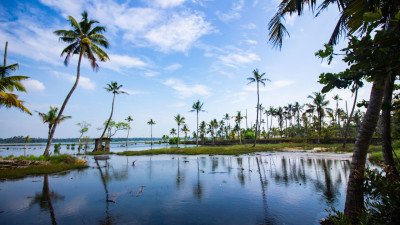
Ram Dayal Munda Park is not merely a public garden; it is a profound tribute to the late Dr. Ram Dayal Munda (1939–2011), an iconic figure, esteemed scholar, regional music exponent, and tribal rights activist from Jharkhand. Located strategically in the Morabadi suburb, close to Ranchi University, the park serves as both a green lung for the city and a cultural landmark. Dedicated to the public on the birth anniversary of the Padma Shri awardee on August 23, 2013, the park was conceived to honor his immense contribution to the conservation and growth of tribal language and literature. Spanning approximately 20 acres, it features lush, well-maintained lawns, a variety of trees, and colorful flower beds that offer a tranquil escape from the city’s hustle and bustle. The atmosphere is serene and rejuvenating, making it a favorite spot for the local community. It is a central point for recreational activities, offering dedicated spaces for joggers, walkers, and yoga enthusiasts, especially during the cool morning and evening hours. The park also serves as a community space, occasionally hosting local cultural events and sports tournaments like cricket, football, and badminton, reflecting the spirit of Dr. Munda's work in preserving the Adivasi culture. Its design and dedication symbolize the cultural reawakening movement that Dr. Munda championed throughout his life, ensuring his legacy as a staunch advocate for the tribal heritage of Jharkhand lives on in a tangible, public space. The park’s popularity stems from its dual role as a leisure spot and a memorial.
Card image cap
Ranchi Lake

Ranchi Lake, locally and historically known as Bara Talab or Bada Talab, is an expansive, man-made freshwater reservoir nestled right in the heart of ...

Ranchi Lake, locally and historically known as Bara Talab or Bada Talab, is an expansive, man-made freshwater reservoir nestled right in the heart of the city at the base of the prominent Ranchi Hill. This iconic water body is not just a scenic spot but a crucial piece of Ranchi's infrastructure and history. It was excavated in 1842 by a British agent named Colonel Onsely, who reportedly used prisoners as laborers for its construction. The original purpose was primarily utilitarian: to regulate the local water table and provide a reliable water supply to the burgeoning colonial settlement. Over the centuries, it has successfully transitioned from a mere utility to a vibrant cultural and recreational hub. The lake spans a significant area, approximately 53 acres (over 21 hectares), and is a central feature of the city’s geography. In contemporary times, the lake has received significant attention for beautification and conservation. A major highlight is the installation of a massive, 33-feet tall bronze statue of Swami Vivekananda on one of its central islands, officially renaming the area as the Swami Vivekananda Sarovar. This addition has dramatically increased its appeal as a tourist destination and a center for reflection and peace. The surrounding promenade is meticulously maintained, offering locals and tourists a tranquil space for morning walks, evening strolls, and recreational boating. The panoramic view of the shimmering water against the backdrop of the Ranchi Hill (with the famous Pahari Mandir perched atop) makes it an essential visit for anyone exploring the capital of Jharkhand. Despite facing environmental challenges like pollution over the years, sustained efforts by the Ranchi Municipal Corporation (RMC), including desilting and beautification projects, continue to restore its historical glory, solidifying its status as a beloved landmark.
Card image cap
Rock Garden

The Rock Garden in Ranchi is a premier tourist destination, celebrated for its innovative use of natural and residual rock formations to create an int...

The Rock Garden in Ranchi is a premier tourist destination, celebrated for its innovative use of natural and residual rock formations to create an intricate, scenic landscape. Built from the rocks carved out of Gonda Hill, this garden is often likened to the famous Rock Garden of Chandigarh or Jaipur, standing as a testament to creative recycling and landscaping. The development was conceptualized to turn a rocky, less-used area into an artistic public space, making it a symbol of Ranchi’s commitment to environmental aesthetics and sustainable tourism. The garden is strategically positioned next to the large Kanke Dam, which provides a breathtaking waterfront view and adds to the overall tranquil ambiance of the spot. Visitors are greeted by a diverse array of rock-cut sculptures, figures, and artificial waterfalls that mimic natural cascades, providing a pleasant auditory and visual experience. The entire complex is designed for relaxation, offering shaded pathways, seating areas, and open spaces ideal for family outings and picnics. It serves as a crucial recreational and cultural hub, attracting thousands of tourists and locals alike throughout the year. The garden’s foundation story—transforming natural waste into art—gives it significant cultural value beyond its aesthetic appeal. It truly represents a harmonious blend of natural topography and human artistic intervention, making it a unique feature on the tourist map of Jharkhand. The view of the sunset over the adjacent Kanke Dam from the garden is particularly famous and is a major draw for evening visitors. The blend of art, nature, and water bodies makes the Rock Garden a captivating retreat from the urban bustle.
Card image cap
Science Centre

The Ranchi Science Centre is the first science centre established in the state of Jharkhand, inaugurated on November 29, 2010. It stands as a beacon o...

The Ranchi Science Centre is the first science centre established in the state of Jharkhand, inaugurated on November 29, 2010. It stands as a beacon of scientific temperament and education, developed under the aegis of the National Council of Science Museums (NCSM), a wing of the Ministry of Culture, Government of India. The centre is strategically located in the serene surroundings of Chiraundi village, near Tagore Hill in the Morabadi area of Ranchi. Its primary objective is to popularize science and technology among students and the general public through engaging, interactive, and educational exhibits. The vast campus, spread over 13 acres, is designed to stimulate curiosity and foster a spirit of inquiry. It features a modern, two-storied main building that houses three permanent thematic galleries. The exhibits cover a wide range of scientific disciplines, from the evolution of life and the wonders of astronomy to the everyday applications of science and technology. A unique aspect of the centre is its focus on the natural resources and industrial landscape of Jharkhand, including a depiction of the state's significant coal mine fields, offering visitors a localized perspective on science and industry. Beyond the indoor galleries, the centre boasts a large Science Park with numerous interactive outdoor exhibits that demonstrate scientific principles in a fun, hands-on manner. The overall setting provides a perfect blend of learning and recreation, making it a favorite destination for school excursions, families, and science enthusiasts. It is an institution dedicated to making science an accessible and enjoyable subject for all. The centre's commitment to educational outreach is further highlighted by its various facilities, including a 3D projection theatre, a planetarium, and an exhibition development laboratory.
Card image cap
Sita Falls

Sita Falls is a breathtaking natural waterfall located near Jonha village in the outskirts of Ranchi, Jharkhand. It is a must-visit destination for na...
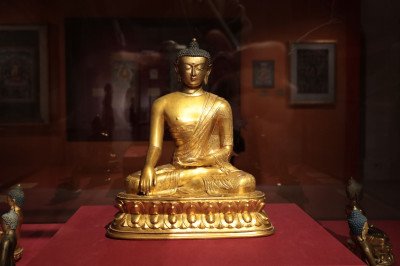
Sita Falls is a breathtaking natural waterfall located near Jonha village in the outskirts of Ranchi, Jharkhand. It is a must-visit destination for nature lovers and adventure seekers, known for its tranquil environment and stunning scenic beauty. The waterfall is fed by the waters of the Kanchi River, which is a tributary of the Subarnarekha River. The water descends from a height, creating a mesmerizing spectacle. The spot is surrounded by dense forests and lush greenery, providing a serene escape from the city's hustle. It is often visited in conjunction with the nearby Jonha Falls (also known as Gautam Dhara). The name Sita Falls is derived from the Hindu epic Ramayana. Local legend suggests that Goddess Sita, the consort of Lord Rama, took a bath in the pool formed by the cascading waters during her exile, bestowing a spiritual and divine aura upon the place. The journey to the falls is an experience in itself, offering picturesque views of the changing landscape of Jharkhand. Visitors need to descend a series of steps (approximately 300 to 500 steps, varying by source) to reach the base pool and the main viewing area of the falls, making the visit an active trek. The atmosphere at the base is cool and misty, especially during and after the Monsoon season, offering a refreshing contrast to the tropical climate of the region. The area's natural bounty is a treat for the senses, with the rhythmic sound of the falling water dominating the soundscape.
Card image cap
State Museum, Hotwar

The State Museum, Hotwar is the premier cultural institution in Jharkhand, established to meticulously preserve and exhibit the state's rich, diverse,...

The State Museum, Hotwar is the premier cultural institution in Jharkhand, established to meticulously preserve and exhibit the state's rich, diverse, and ancient heritage. Originally founded in 1974 as the Ranchi Museum within the Tribal Research Institute premises in Morabadi, the need for a larger, more dedicated space led to the inauguration of the new, impressive facility at the Hotwar Khelgaon Mega Sports Complex in 2009 by the then Vice President of India, Mohammad Hamid Ansari. The museum is a comprehensive journey through time, spanning from pre-historic pottery to contemporary art. Its collections are distributed across several dedicated galleries, including Ethnological, Sculptural, Archaeological, and Painting galleries. The Ethnological gallery, a major highlight, offers deep insights into the lifestyle, customs, traditional houses, and musical instruments of the various tribal communities of Jharkhand, such as the Munda, Birhor, and Asur. The Sculptural gallery is equally significant, housing rare artifacts and stone carvings, predominantly from the medieval period (7th to 14th century AD), reflecting the influence of Buddhism, Jainism, and Hinduism in the region. Archaeological finds from sites like Khukhragarh are displayed, providing tangible links to ancient civilizations. Furthermore, the museum features a large library capable of seating up to 300 people, making it a key research hub. The exhibits are curated to tell the story of Jharkhand's formation, its cultural evolution, and its dynamic history, making it an essential visit for history buffs, researchers, and tourists eager to understand the soul of the state. The museum is a state-managed institution committed to safeguarding this invaluable cultural legacy for future generations.
Card image cap
Sun Temple

The Sun Temple, also known as Surya Mandir, is a relatively new but immensely popular place of worship and a major tourist attraction located on a hil...

The Sun Temple, also known as Surya Mandir, is a relatively new but immensely popular place of worship and a major tourist attraction located on a hilltop near Bundu, about 40 km from the main city of Ranchi. It stands out due to its striking and unique architectural design, which is modeled after a colossal chariot (Rath) of the Sun God, pulled by seven lively horses. This architectural homage is reminiscent of the famous Konark Sun Temple in Odisha. The temple was built by a charitable trust named Sanskriti Vihar, under the initiative of Shri Sita Ram Maroo, the Managing Director of the Ranchi Express Group. The pristine white structure, set against the backdrop of the Chota Nagpur Plateau's lush green landscape, creates a truly magnificent sight. The complex includes the main shrine for Lord Surya, dedicated spaces for other deities like Lord Shiva, Lord Ganesha, and Goddess Parvati, and a sacred pond, also known as a reservoir or kund. This pond is highly revered, especially during the Chhath Puja festival, where devotees take a holy dip believing it cleanses them of sins. The temple serves not only as a spiritual center for devotees of Lord Surya but also as a peaceful retreat for visitors and an excellent spot for a short road trip from Ranchi. The ambiance is serene and well-maintained, drawing visitors who seek both religious blessings and a beautiful, tranquil setting. (Word Count: ~225)
Show All

Note:-

Information provided here in good Faith and for reference only.

All information and pictures will be updated soon, please keep visiting.

Near Places

...
Bokaro

Some quick example text to build on the card title and make up the bulk of the card's content.

Go somewhere
...
Chaibasa

Some quick example text to build on the card title and make up the bulk of the card's content.

Go somewhere
...
Chatra

Some quick example text to build on the card title and make up the bulk of the card's content.

Go somewhere
...
Chirkunda

Some quick example text to build on the card title and make up the bulk of the card's content.

Go somewhere
...
Daltonganj

Some quick example text to build on the card title and make up the bulk of the card's content.

Go somewhere
...
Deoghar

Some quick example text to build on the card title and make up the bulk of the card's content.

Go somewhere
...
Dhanbad

Some quick example text to build on the card title and make up the bulk of the card's content.

Go somewhere
...
Dumka

Some quick example text to build on the card title and make up the bulk of the card's content.

Go somewhere
...
Garhwa

Some quick example text to build on the card title and make up the bulk of the card's content.

Go somewhere
...
Ghatsila

Some quick example text to build on the card title and make up the bulk of the card's content.

Go somewhere
in Other Cities