

Qutubuddin Tomb
General information
-
Ideal Duration:
1 to 1. 5 HoursPlace Type:
Mausoleum / Historical SiteEntry Fees:
Complimentary Historical Visit: Entry to the Qutubuddin Tomb (Hazira Maqbara) is currently free for everyone, including both Indian citizens and foreign nationals. This makes it an excellent value-for-money destination for those who want to experience high-quality Mughal ar...Complimentary Historical Visit: Entry to the Qutubuddin Tomb (Hazira Maqbara) is currently free for everyone, including both Indian citizens and foreign nationals. This makes it an excellent value-for-money destination for those who want to experience high-quality Mughal architecture without the expensive ticket prices of major monuments in other cities.
Free for Photographers: Unlike many ASI-protected sites that charge a fee for professional cameras, basic photography here is generally free for personal use. The lack of a commercial crowd and the free entry ensure that you can spend as much time as you need without any financial pressure, making it a very welcoming site for budget travelers.Timing:
Regular Operating Hours: The Qutubuddin Tomb is open to the public from 8:00 AM to 6:00 PM every day of the week. These timings are strictly maintained by the Archaeological Survey of India to ensure the safety and preservation of the monument. It is advisable to reach at ...Regular Operating Hours: The Qutubuddin Tomb is open to the public from 8:00 AM to 6:00 PM every day of the week. These timings are strictly maintained by the Archaeological Survey of India to ensure the safety and preservation of the monument. It is advisable to reach at least an hour before closing to fully explore the gardens.
The Perfect Morning Slot: The ideal time to visit is right when it opens at 8:00 AM. The morning air is fresh, the garden is at its most peaceful, and the light is perfect for photography. Avoiding the midday sun (from 12:00 PM to 3:00 PM) is recommended as the stone platform can get quite hot, making it uncomfortable to walk around.Special Events:
Urs Festival Observation: Although it is a quiet site, during the month of the annual Urs, members of the local community may gather to offer prayers and pay respect to the saints buried there. This is a time when the tomb feels most like a spiritual sanctuary, reflecting t...Urs Festival Observation: Although it is a quiet site, during the month of the annual Urs, members of the local community may gather to offer prayers and pay respect to the saints buried there. This is a time when the tomb feels most like a spiritual sanctuary, reflecting the long-standing religious traditions that have persisted since the Mughal era.
World Heritage Day: On April 18th, the site is often highlighted as part of the city's diverse historical portfolio. Schools often organize field trips on this day, and there may be clean-up drives or small awareness talks organized by the ASI to promote the preservation of this unique 16th-century structure among the younger generation.Best Photo Spots:
The Octagonal Symmetry: Stand at the entrance of the garden and take a wide-angle shot of the tomb on its high platform. The symmetry of the five arches on each side creates a very pleasing, balanced composition. This spot is best in the late afternoon when the sun is low ...The Octagonal Symmetry: Stand at the entrance of the garden and take a wide-angle shot of the tomb on its high platform. The symmetry of the five arches on each side creates a very pleasing, balanced composition. This spot is best in the late afternoon when the sun is low and casts long, dramatic shadows through the arches.
The Jali Light Patterns: Inside the tomb chamber, wait for the sun to hit the eastern wall. The light filtering through the stone lattice work creates intricate patterns on the floor and walls. These "light and shadow" photos are highly artistic and capture the spiritual and architectural soul of the monument in a single frame.
Garden Vistas: Take a photo of the tomb framed by the branches of the ancient trees in the surrounding garden. This perspective emphasizes the "oasis" feel of the site and provides a natural, green frame for the stone structure. It’s a great way to show how the monument sits within its peaceful environmental context.Photo Gallery
Things To Do
-
Historical Contemplation: The primary activity at the Qutubuddin Tomb is to walk through the arched corridors and admire the 16th-century craftsmanship. The quiet atmosphere is perfect for reading about the history of the Mughal empire in Gujarat. You can sit on the high platform and imagine the era when this site was a prominent royal landmark.
Botanical Appreciation: The tomb is surrounded by a well-maintained garden with various species of trees and flowering plants. It is an excellent spot for a quiet nature walk or a small family picnic in a historic setting. The greenery provides a cooling effect, making it a pleasant place even during the warmer afternoons of February.
Detailed Photography: Focus your lens on the Arabic calligraphy and the intricate 'jali' work on the eastern walls. T...
Information
-
Why Famous:
Mughal Legacy in Gujarat: This place is famous for being a rare survivor of Mughal architecture in a city dominated by Maratha and Gaekwad monuments. It serves as the final resting place of the tutor of Emperor Jahangir, making it a site of great historical importance for t...Mughal Legacy in Gujarat: This place is famous for being a rare survivor of Mughal architecture in a city dominated by Maratha and Gaekwad monuments. It serves as the final resting place of the tutor of Emperor Jahangir, making it a site of great historical importance for those studying the connections between the Delhi sultanate and the Gujarat region.
Quiet Spiritual Ambiance: The tomb is also famous for its peaceful and meditative environment, often referred to as an "oasis" in the middle of a busy industrial and residential area. The intricate 'jali' work and the beautiful garden setting make it a favorite for history buffs who prefer offbeat, less-crowded heritage sites that offer a genuine glimpse into the 16th-century aesthetic. -
Architecture:
Mughal Design Elements: The Qutubuddin Tomb follows the classic Mughal garden tomb architecture, standing on a high octagonal platform that elevates the structure above the surrounding greenery. The most striking feature is its double dome, which is a hallmark of Mughal cra...Mughal Design Elements: The Qutubuddin Tomb follows the classic Mughal garden tomb architecture, standing on a high octagonal platform that elevates the structure above the surrounding greenery. The most striking feature is its double dome, which is a hallmark of Mughal craftsmanship, along with five arched openings on each face that create a sense of symmetry and grace.
Carvings and Dimensions: The main chamber houses the symbolic cenotaphs, while the actual graves are located in an underground vault; the walls are adorned with intricate Arabic inscriptions from the Quran carved into the lintels. The platform spans roughly 30 meters in diameter, and the use of brick-red plaster and stone carvings on the exterior walls mimics the grand mausoleums of Delhi and Agra. -
How To Reach:
By Air: From Vadodara Airport, the Qutubuddin Tomb is about 8 KMS away. You can hire a taxi or book a ride through a mobile app. The route typically takes you through the Danteshwar area. It is a relatively straightforward drive of about 20 to 30 minutes, allowing you to ... -
Near Tourist Places:
1. Soma Talav (1 KM), 2. Pratap Vilas Palace (3 KM), 3. Laxmi Vilas Palace (4 KM), 4. Maharaja Fateh Singh Museum (4. 5 KM), 5. Mandvi Gate (4 KM), 6. Sursagar Lake (5 KM), 7. Sayaji Baug (6 KM), 8. EME Temple (8 KM), 9. ISKCON Temple (9 KM), 10. Ajwa Garden (22 KM)
Tourism Tips
-
Health and Safety: The tomb is a quiet site, but it is always better to visit with a companion or in a small group. Ensure you stay within the designated paths and avoid climbing on the fragile stone carvings. Since the monument is in a slightly industrial area, it is best...
Reviews
Information about New and Updated Locations(862+) of Gujarat Has Been Added :-
Card subtitle
Note:-
Information provided here in good Faith and for reference only.
All information and pictures will be updated soon, please keep visiting.
Near Places

Ajwa Nimeta Garden
Some quick example text to build on the card title and make up the bulk of the card's content.
Go somewhere
Ajwa World
Some quick example text to build on the card title and make up the bulk of the card's content.
Go somewhere
BAPS Swaminarayan Mandir Atladara
Some quick example text to build on the card title and make up the bulk of the card's content.
Go somewhere
BAPS Swaminarayan Mandir
Some quick example text to build on the card title and make up the bulk of the card's content.
Go somewhere
Baroda Museum & Picture Gallery
Some quick example text to build on the card title and make up the bulk of the card's content.
Go somewhere
Champaner - Pavagadh Archaeological Park
Some quick example text to build on the card title and make up the bulk of the card's content.
Go somewhere
Dabhoi Fort
Some quick example text to build on the card title and make up the bulk of the card's content.
Go somewhere
EME Temple
Some quick example text to build on the card title and make up the bulk of the card's content.
Go somewhere
Hathni Mata Waterfall
Some quick example text to build on the card title and make up the bulk of the card's content.
Go somewhere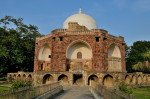
Hazira Maqbara
Some quick example text to build on the card title and make up the bulk of the card's content.
Go somewherein Other Cities