

Raj Ghat
General information
-
Ideal Duration:
1 to 2 hours (for a peaceful visit and photography)Place Type:
Religious/Spiritual Site, Riverside Tourist AttracEntry Fees:
No Formal Entry Fee: There is no entry fee or ticket required to visit Raj Ghat in Sualkuchi. It is an open, public riverfront and community area accessible to all.
Donations and Ritual Costs: Although no mandatory fees are charged, if you ...No Formal Entry Fee: There is no entry fee or ticket required to visit Raj Ghat in Sualkuchi. It is an open, public riverfront and community area accessible to all.
Donations and Ritual Costs: Although no mandatory fees are charged, if you wish to participate in a local ritual or make an offering, you will need a nominal amount (INR 10 to 50) for offerings (like flowers, incense, or lamps) purchased from nearby local vendors.
Photography/Videography Charges: Currently, there are no known charges for non-commercial photography or videography. However, always be respectful and ask permission before photographing individuals, especially during religious practices.
Total Cost Estimation: A visit is essentially free, with the only potential cost being a small voluntary donation to a local shrine or the purchase of a beverage/snack from a nearby stall.Timing:
Regular Timings:
Open 24 Hours (Daylight for Visit): Being an outdoor river ghat, it is technically open 24 hours a day. However, for a safe and enjoyable tourist visit, the practical operating hours are from Sunrise (around 5:30 AM) to Suns...Regular Timings:
Open 24 Hours (Daylight for Visit): Being an outdoor river ghat, it is technically open 24 hours a day. However, for a safe and enjoyable tourist visit, the practical operating hours are from Sunrise (around 5:30 AM) to Sunset (around 5:30 PM).
Ideal Visit Time:
Early Morning or Late Afternoon: The best time to visit is either early morning (6:00 AM to 8:00 AM) to witness the local rituals and enjoy the cool, fresh air, or in the late afternoon (4:00 PM to 5:30 PM) to experience the spectacular sunset over the Brahmaputra river.
Crowd Levels: The ghat is generally less crowded than other major tourist spots. The early morning hours see a mix of locals and a few dedicated photographers. The late afternoon is a little busier due to the sunset crowd.
Avoid Midday: It is best to avoid the midday hours (10:00 AM to 4:00 PM) due to the intense tropical heat, which can make a relaxed visit uncomfortable.Special Events:
Special Events:
Seasonal Rituals and Festivals: The ghat is a key location for several local, river-centric rituals, particularly after the celebration of major Assamese festivals like Bihu or local community functions.
Read MoreSpecial Events:
Seasonal Rituals and Festivals: The ghat is a key location for several local, river-centric rituals, particularly after the celebration of major Assamese festivals like Bihu or local community functions.
Boat Race Events: The nearby river stretch is sometimes utilized for the famous Sualkuchi Annual Boat Race, which is held around the time of the death anniversary of the great poet Srimanta Sankardeva (July to August). While the race may not start directly at the ghat, the ghat becomes a prime viewing or ceremonial spot during this highly energetic event, which showcases the region's strong cultural ties to the river.
Immersions and Commemorations: It is noted for its role in formal community events, such as the immersion of ashes for respected local figures, as documented in local history for a maestro from the region. These non-annual, yet significant, events solidify the ghat's sacred role in the community.Best Photo Spots:
The Sunset Viewpoint (The Golden Hour): The absolute best photo spot is from the uppermost step, facing west, during the "Golden Hour" (4:30 PM to 5:30 PM in winter). This angle captures the full expanse of the river, the setting sun silhouetting the opposite bank, and the ...The Sunset Viewpoint (The Golden Hour): The absolute best photo spot is from the uppermost step, facing west, during the "Golden Hour" (4:30 PM to 5:30 PM in winter). This angle captures the full expanse of the river, the setting sun silhouetting the opposite bank, and the subtle texture of the ghat steps in the foreground.
The Water’s Edge: Capture close-up shots of the river’s interaction with the steps—the swirling currents, the reflections of the sky, and the natural moss or greenery. This is excellent for abstract and texture photography, best done when the water level is moderate.
Portraits and Local Life: Position a subject on the lower steps, allowing the massive Brahmaputra to serve as a dramatic background. This works best in the early morning or late afternoon light. Capture candid shots of local boatmen and villagers performing their daily activities for a rich cultural portrait.Photo Gallery
Things To Do
-
Observing the Mighty Brahmaputra: Spend at least 2 hours sitting on the ghat steps, watching the powerful current of the Brahmaputra. The sheer volume of the river is a humbling experience. The river’s appearance changes dramatically depending on the season, from a calm, broad flow in winter to a turbulent, muddy expanse in monsoon. This is a prime activity for nature lovers and photographers.
Photography of River Life: The ghat offers unparalleled opportunities to photograph traditional Assamese river life. Capture images of local fishermen, small ferry boats, the vast river landscape, and the beautiful sunset. Focus on capturing the natural textures of the river and the simplicity of the concrete steps against the backdrop of the water.
Witnessing Local Rituals: Respectfully observe any ...Observing the Mighty Brahmaputra: Spend at least 2 hours sitting on the ghat steps, watching the powerful current of the Brahmaputra. The sheer volume of the river is a humbling experience. The river’s appearance changes dramatically depending on the season, from a calm, broad flow in winter to a turbulent, muddy expanse in monsoon. This is a prime activity for nature lovers and photographers.
Photography of River Life: The ghat offers unparalleled opportunities to photograph traditional Assamese river life. Capture images of local fishermen, small ferry boats, the vast river landscape, and the beautiful sunset. Focus on capturing the natural textures of the river and the simplicity of the concrete steps against the backdrop of the water.
Witnessing Local Rituals: Respectfully observe any local ceremonies, prayers, or bathing rituals being performed. The spiritual connection locals have with the river is palpable and provides a profound cultural insight.
Bird Watching: During the winter months (November to February), the Brahmaputra often attracts migratory birds. Bring a pair of binoculars and observe the various species that frequent the riverbanks.
Meditative Stroll: The tranquil environment is ideal for a peaceful, meditative walk along the adjacent river path. The quietude provides an excellent break from the sound and sights of the weaving village.
Engaging with Locals: If an opportunity arises, engage in a polite conversation with the local fishermen or residents. They can share stories about the river, the history of the ghat, and the impact of the Brahmaputra on the Sualkuchi community, which enriches the travel experience significantly.
Connecting to Sualkuchi's Silk Heritage: After visiting the ghat, one can symbolically follow the path from the river (transport) back into the village center, where the renowned silk workshops are located, to fully appreciate the village's economic and spiritual relationship with the river.
Information
-
Why Famous:
Fame for Tranquility and Rituals: Raj Ghat is locally famous as a spot of exceptional tranquility on the often-busy Brahmaputra banks. It is renowned for its peaceful atmosphere, a place where the rhythmic clicking of the village's handlooms fades, and the sound of the rive...Fame for Tranquility and Rituals: Raj Ghat is locally famous as a spot of exceptional tranquility on the often-busy Brahmaputra banks. It is renowned for its peaceful atmosphere, a place where the rhythmic clicking of the village's handlooms fades, and the sound of the river dominates. The ghat gains fame as a ritual spot, especially during the immersion of ashes and other ceremonies, making it a sacred site for final rites and spiritual practices.
Connecting the Silk Village to the River: Its importance is amplified by its location in Sualkuchi, the famous "Manchester of the East. " The ghat is the village's primary access point to the river, the very river that historically facilitated the transport of raw materials and finished silk products. This makes it a symbolic and practical hub for the silk-weaving community.
Scenic Viewpoint: It's a popular viewpoint for both locals and tourists to observe the Brahmaputra's sheer scale and power, particularly known for its view of the sunset over the river. -
Architecture:
Architectural Theme:
Functional Simplicity and Natural Integration: The architecture of Raj Ghat, Sualkuchi, is fundamentally simple and functional, designed to integrate seamlessly with the natural landscape of the riverbank. It is not an o...Architectural Theme:
Functional Simplicity and Natural Integration: The architecture of Raj Ghat, Sualkuchi, is fundamentally simple and functional, designed to integrate seamlessly with the natural landscape of the riverbank. It is not an ornate monument but a working ghat.
Primary Structure and Dimension: The main architectural feature consists of a series of concrete or stone steps (the ghat) leading down from the riverbank to the water's edge. The steps are wide, providing ample space for bathers and worshippers. While precise dimensions are unavailable, the width is estimated to be around 20-30 meters, covering a significant stretch of the bank. The steps descend gradually, often being partially submerged depending on the river's water level, which fluctuates dramatically between the dry season (November to April) and the monsoon season (May to October).
Materials and Aesthetics: The construction primarily uses local stone, concrete, and sometimes brick, designed for durability against the powerful and often turbulent river currents. The aesthetic is purely utilitarian, lacking any grand dome or intricate carving. A small, simple paved area or a modest shrine may be present near the top of the steps, which serves as a site for offerings or rest. The "roof" is the open sky, and the grand backdrop is the vast expanse of the Brahmaputra. The structure serves its purpose as a communal access point to the sacred river without imposing on the surrounding nature. -
How To Reach:
By Air: The nearest airport is Lokpriya Gopinath Bordoloi International Airport (GAU) in Guwahati, approximately 30-35 km from Sualkuchi. From the airport, one must hire a pre-paid taxi or a private cab. The journey by road from the airport to Sualkuchi takes about 1 to 1....By Air: The nearest airport is Lokpriya Gopinath Bordoloi International Airport (GAU) in Guwahati, approximately 30-35 km from Sualkuchi. From the airport, one must hire a pre-paid taxi or a private cab. The journey by road from the airport to Sualkuchi takes about 1 to 1. 5 hours, depending on traffic.
By Train: The nearest major railway station is Kamakhya Junction (KYQ), which is about 30 km away, or Guwahati Railway Station (GHY), about 35 km away. Both stations are well-connected to major Indian cities like Delhi, Kolkata, and Mumbai. From the station, hire a local taxi or use the local transport services to reach Sualkuchi.
By Road: Sualkuchi is well-connected to Guwahati (about 35 km) and other parts of Assam by a good network of roads. You can take a private car, a hired taxi, or public buses that run regularly between Guwahati and Sualkuchi. The journey takes around 1 hour from Guwahati.
By Local Transport: Once in Sualkuchi, the ghat is only about 1. 5 km from the main town center. You can easily take a local auto-rickshaw or a cycle-rickshaw to reach the ghat. Given the short distance, a leisurely 15-20 minute walk is also highly recommended to soak in the atmosphere of the silk village. -
Weather and Best Time to Visit:
Different Types of Seasons: The Best Time to Visit is during the Winter Season (October to March). The weather is cool, dry, and pleasant, with average temperatures ranging from 10°C to 25°C, which is ideal for a comfortable visit and photography. The Monsoon Season (Jun...Different Types of Seasons: The Best Time to Visit is during the Winter Season (October to March). The weather is cool, dry, and pleasant, with average temperatures ranging from 10°C to 25°C, which is ideal for a comfortable visit and photography. The Monsoon Season (June to September) brings heavy rainfall, causing the Brahmaputra water level to rise dramatically, making access to the ghat steps difficult or unsafe, and general movement uncomfortable. The Summer Season (April to May) is generally hot and humid, but manageable, though not as comfortable as winter.
Different Parts of the Day: The most picturesque and calm times are Sunrise (6:00 AM - 7:00 AM) and Sunset (4:30 PM - 5:30 PM). The light is soft for photography, and the temperature is comfortable. -
Near Tourist Places:
1.
Sualkuchi Weaving Village (Town Center): 1. 5 km (Must-See)2.
Sidheswar Devalaya: 3 km (Temple)3.
Hajo: 11 km (Pilgrimage Site for 3 Religions)4.
Hayagriva Madhava Temple (Hajo): 10. 3 km (Ancient Temple)5.
Powa Mecca (Hajo): 10. 3 km (Holy Shrine)6.
Sualkuchi Gate: 1. 7 km (Village Entrance Monument)7.
Ganesh Bigrah Temple: Approx. 15 km (Ancient Temple)8.
Kanai Barashi Rock Inscription: Approx. 20 km (Historical Site)9.
Northbrook Gate: Approx. 25 km (Colonial Monument near Guwahati)10.
Kamakhya Temple (Guwahati): Approx. 30 km (Major Pilgrimage Site)
Tourism Tips
-
Health & Safety: Be cautious near the riverbanks as the current of the Brahmaputra can be very strong. Avoid attempting to swim, especially during the monsoon. Carry an appropriate insect repellent, particularly for the evening hours.
Packing:...Health & Safety: Be cautious near the riverbanks as the current of the Brahmaputra can be very strong. Avoid attempting to swim, especially during the monsoon. Carry an appropriate insect repellent, particularly for the evening hours.
Packing: Wear comfortable footwear suitable for walking on uneven terrain and wet steps. During winter, carry a light jacket or shawl for the early mornings and evenings. A good camera and possibly a tripod for sunset shots are essential.
Accommodation: It is highly recommended to stay in Guwahati (about 35 km away) and visit Sualkuchi and the ghat as a day trip, as accommodation options in the village are limited.
Cultural Respect: When observing local rituals or ceremonies, maintain a respectful distance and ask for permission before taking close-up photos of individuals.
Photography: The early morning and late afternoon are the best times for photos. Carry a polarizing filter to manage reflections off the water.
Silk Shopping: After your visit to the ghat, take time to visit the nearby silk workshops in Sualkuchi to buy authentic Muga and Pat silk products directly from the weavers.
Reviews
FAQs
Sualkuchi Itineray And Cost:-
Information about New and Updated Locations() of Assam Has Been Added :-
Card subtitle
Note:-
Information provided here in good Faith and for reference only.
Near Places
Alaboi Hills
Some quick example text to build on the card title and make up the bulk of the card's content.
Go somewhere
Alisha Peace Alone Place
Some quick example text to build on the card title and make up the bulk of the card's content.
Go somewhere
Bijoynagar View Point
Some quick example text to build on the card title and make up the bulk of the card's content.
Go somewhere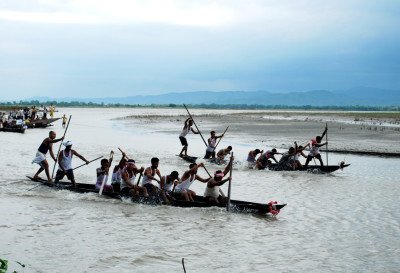
Brahmaputra River Bank
Some quick example text to build on the card title and make up the bulk of the card's content.
Go somewhere
Brahmaputra River Bank, Sualkuchi Ghat
Some quick example text to build on the card title and make up the bulk of the card's content.
Go somewhere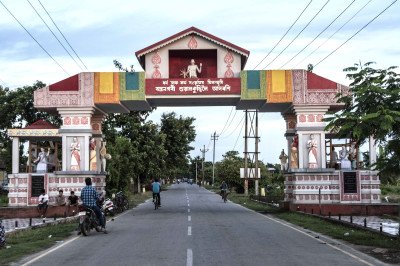
Dampur Pahar
Some quick example text to build on the card title and make up the bulk of the card's content.
Go somewhere
Dokhola Palashbari View Point
Some quick example text to build on the card title and make up the bulk of the card's content.
Go somewhere
Hatisatra
Some quick example text to build on the card title and make up the bulk of the card's content.
Go somewhere
Hirapara River View Point
Some quick example text to build on the card title and make up the bulk of the card's content.
Go somewhere
Kanai Barashi Rock Inscription
Some quick example text to build on the card title and make up the bulk of the card's content.
Go somewhere
Northbrook Gate
Some quick example text to build on the card title and make up the bulk of the card's content.
Go somewhere
Puthimari River View Point
Some quick example text to build on the card title and make up the bulk of the card's content.
Go somewhere
Raj Ghat
Some quick example text to build on the card title and make up the bulk of the card's content.
Go somewhere
River View Point
Some quick example text to build on the card title and make up the bulk of the card's content.
Go somewhere
Siddheswar Devalaya
Some quick example text to build on the card title and make up the bulk of the card's content.
Go somewhere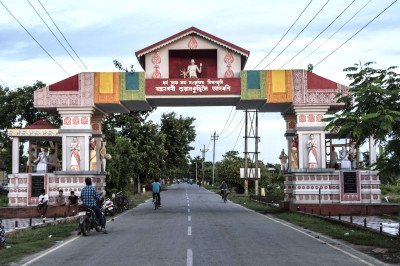
Sualkuchi Gate
Some quick example text to build on the card title and make up the bulk of the card's content.
Go somewherein Other Cities