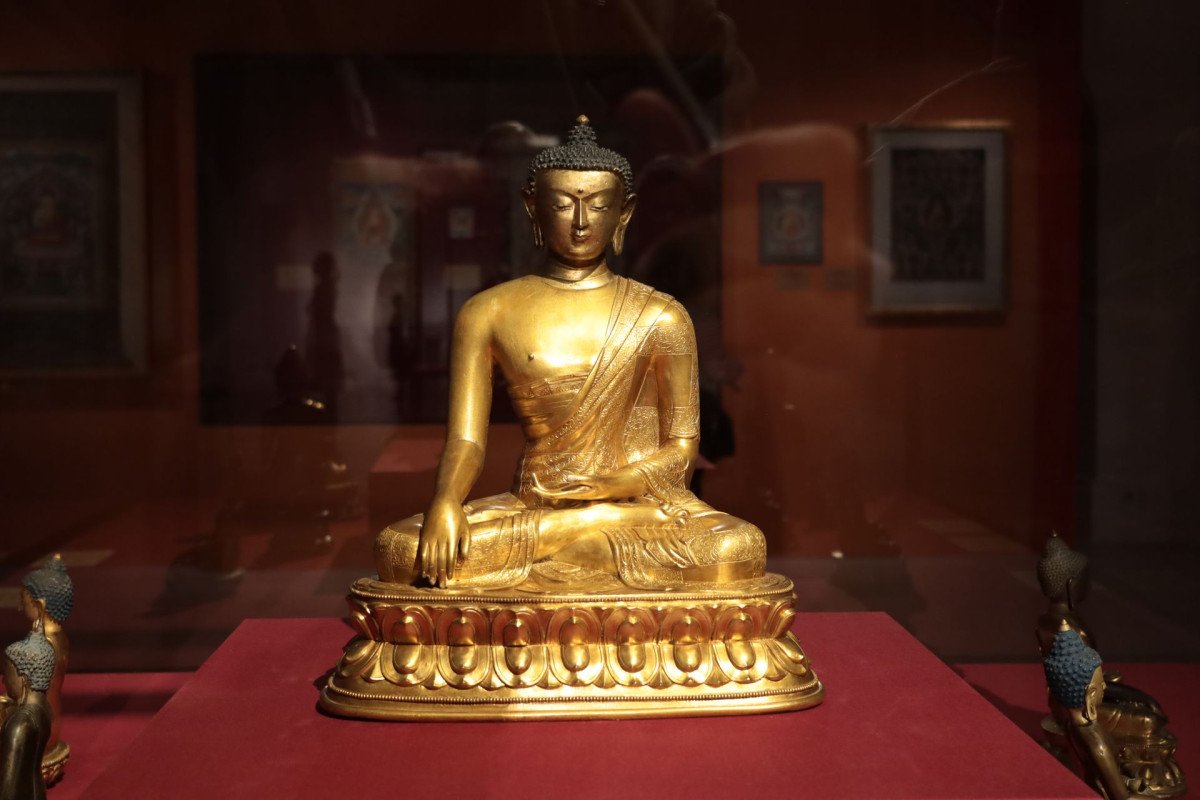
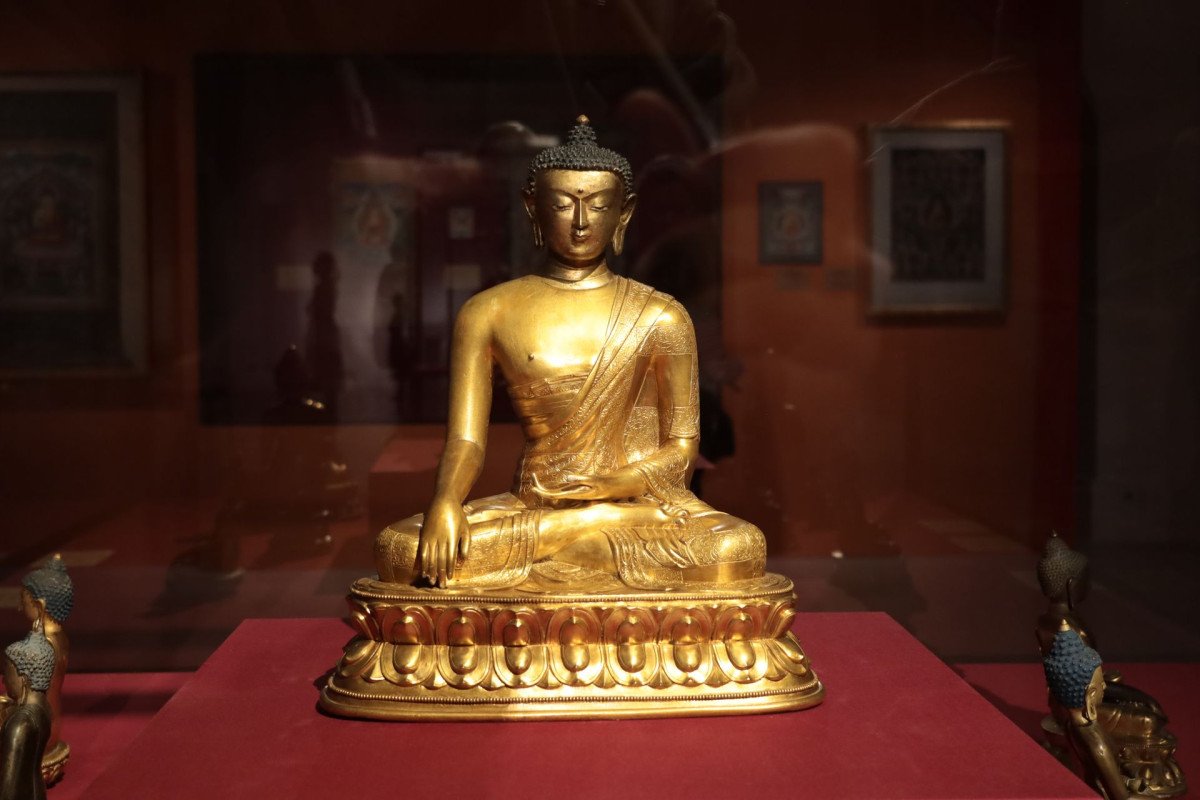
Raja Dinkar Kelkar Museum
General information
-
Ideal Duration:
1 to 2 hours:Place Type:
Museum/Cultural Heritage/Historical:Entry Fees:
Indian Nationals Fees (Adults and Children): The entry fees are generally quite nominal, reflecting the museum's commitment to accessibility. For Indian Adults (above 12 years), the fee is approximately INR 120 per person. For Indian Children (below 12 years), the fee is l...Indian Nationals Fees (Adults and Children): The entry fees are generally quite nominal, reflecting the museum's commitment to accessibility. For Indian Adults (above 12 years), the fee is approximately INR 120 per person. For Indian Children (below 12 years), the fee is lower, around INR 50 per person. These prices are subject to change by the museum authorities, so it's always wise to check their official website before your visit. The purpose of this fee is to cover the museum's maintenance, conservation of artifacts, and operational costs.
Foreign Nationals Fees (Higher Rate Structure): The fee structure for foreign tourists is typically higher. For Foreign Adults, the cost is usually around INR 400 per person, and for Foreign Children, it is around INR 100. This dual pricing system is common in Indian heritage sites to generate revenue while keeping costs low for local citizens. Special Fees for Equipment (Cameras and Photography): There is usually an additional, mandatory fee for carrying and using cameras, including mobile phone cameras, inside the museum. This fee is generally around INR 100 for a mobile phone camera and can be higher for professional still or video cameras. This is to regulate photography and protect the artifacts from potential flash damage (though flash is often prohibited).
Exemptions and Concessions (Free Entry): The museum offers free entry to certain groups. Notably, entry is free for Blind and Differently-Abled (Physically Challenged) visitors, demonstrating an inclusive approach to cultural access. Large student groups may also receive discounts, but this must usually be arranged in advance with the museum management.Timing:
Regular Timings (Daily Operating Hours): The museum is open on All Days of the week, including weekends. The regular operating hours are typically from 10:00 AM to 5:30 PM. Visitors must ensure they enter well before the closing time to allow for a full tour, as ticket sal...Regular Timings (Daily Operating Hours): The museum is open on All Days of the week, including weekends. The regular operating hours are typically from 10:00 AM to 5:30 PM. Visitors must ensure they enter well before the closing time to allow for a full tour, as ticket sales often stop 30 minutes prior to closing. The museum observes a few public holidays as non-working days, such as January 26 (Republic Day), August 15 (Independence Day), and the festival of Anant Chaturdashi and the day after.
Ideal Visit Time (Mid-Morning to Afternoon): The best time to visit the museum is between 10:00 AM and 3:00 PM. Visiting mid-morning, right after opening, ensures fewer crowds and a more peaceful experience. The interior lighting, which relies somewhat on natural light, is also good during these hours. Avoid the peak afternoon hours if possible, though the indoor setting makes it a good escape from the heat.
Time Required for a Full Tour (Pacing Your Visit): Plan for at least 1. 5 to 2 hours to fully appreciate the main exhibits and the Mastani Mahal replica. Rushing through the museum will mean missing the detailed carvings and the smaller, unique collections.
Best Month to Visit (Weather and Comfort): While the museum is an indoor attraction suitable for all seasons, the most comfortable months to be in Pune are from October to February. During this time, the weather is pleasant, making travel to and from the museum easier and more enjoyable.Special Events:
Museum Day Celebrations (Annual Events): The museum actively participates in celebrations like International Museum Day (on May 18), during which they often host special events such as temporary exhibitions, lectures, workshops, or guided tours focused on specific aspects of...Museum Day Celebrations (Annual Events): The museum actively participates in celebrations like International Museum Day (on May 18), during which they often host special events such as temporary exhibitions, lectures, workshops, or guided tours focused on specific aspects of the collection. These events aim to promote the importance of museums in society and can sometimes offer free or discounted entry. Workshops and Demonstrations (Art and Craft Activities): The museum occasionally hosts workshops on traditional Indian arts and crafts, such as pottery, miniature painting, or restoration techniques. These hands-on events allow the public to interact with artisans and gain a practical appreciation for the skills required to create the exhibited objects. Announcements for these are typically made on their official website or social media. Heritage Lectures and Talks (Academic Engagements): The institution often organizes lectures by historians, art critics, and archaeologists. These talks delve into the history behind the artifacts, the life of Dr. Kelkar, and the cultural context of the exhibits. These are excellent opportunities for deeper academic engagement and are especially popular with students and local history enthusiasts.
Special Exhibitions (The Undisplayed Treasures): Since only a fraction of the collection is on permanent display, the museum sometimes curates special, short-term exhibitions focusing on specific themes, such as a deep dive into the textile collection or a display of specific weapons. These are highly anticipated events as they bring the 'hidden' part of the collection to the public eye.Best Photo Spots:
The Mastani Mahal Replica (Grandeur and Opulence): This is arguably the most photographed spot. The rich colors, the decorative ceiling, the hanging chandeliers, and the overall regal setting provide a backdrop of historical grandeur.The Mastani Mahal Replica (Grandeur and Opulence): This is arguably the most photographed spot. The rich colors, the decorative ceiling, the hanging chandeliers, and the overall regal setting provide a backdrop of historical grandeur.
Best Shot: A wide-angle shot capturing the entire room's opulence, or close-ups of the detailed plasterwork and decorative items within the replica. The light inside is often soft, creating a dramatic, evocative photo.
The Dindi Darwaja Entrance (Intricate Woodwork): The massive, beautifully carved wooden door at the entrance is a masterpiece of craftsmanship. It’s perfect for capturing traditional Indian architectural detail.
Best Shot: A framed shot of the door, emphasizing the detail of the carving, or a portrait of a person standing next to the door to highlight its large scale and historical significance.
The Lamps Gallery (Illuminated Art): One of the most visually stunning sections is the gallery dedicated to lamps. The sheer variety and intricate metalwork of the lamps, displayed together, create a captivating pattern and reflection.
Best Shot: A close-up or macro shot of the most detailed lamp designs, or a photograph capturing the rows of lamps in a way that emphasizes their number and collective beauty. Be mindful of reflections from glass casings. The Courtyards and Passageways (Architectural Ambiance): The internal courtyards and narrow, high-walled passageways offer a glimpse into the traditional wada architecture. The play of light and shadow here is excellent for mood photography.
Best Shot: A long-shot down a passageway, using the lines of the walls and the patterns of the stone floor for leading lines. The wooden balconies and small windows also provide interesting framing opportunities for architectural detail shots. The Sculptures and Idols (Historical Figures and Deities): The collection includes beautiful sculptures, including small brass and stone idols of deities and historical figures.
Best Shot: Close-up, well-lit shots of the most expressive or detailed sculptures. Focus on capturing the texture of the material and the emotion conveyed by the figure. Use a tripod if possible (check if allowed) for stability in low light areas.
The Carved Wooden Artifacts (Texture and Detail): Look for the individual carved panels, window frames, and furniture pieces. The texture of the old, dark wood contrasts beautifully with the ambient lighting.
Best Shot: Detailed, textured shots of the wood grain and carvings, showing the age and the artist's skill.Photo Gallery
Things To Do
-
Explore the Mastani Mahal Replica (A Royal Glimpse):
What to Do: Take your time to walk through and admire the recreated Mastani Mahal. Pay attention to the intricate decoration, the chandeliers, and the period-specific paintings. It’s an ideal place to understand the interior aesthetics of a royal 18th-century Maratha palace.
<...Explore the Mastani Mahal Replica (A Royal Glimpse):
What to Do: Take your time to walk through and admire the recreated Mastani Mahal. Pay attention to the intricate decoration, the chandeliers, and the period-specific paintings. It’s an ideal place to understand the interior aesthetics of a royal 18th-century Maratha palace.
Experience: Feel the grandeur and imagine the life of the Peshwas. Study the Musical Instruments (A Symphony of the Past):
What to Do: Visit the Chandrashekhar Agashe wing dedicated to musical instruments. Look closely at the variety of string, percussion, and wind instruments, noting their unique designs and the materials used.
Experience: This provides an excellent educational opportunity to learn about the history of Indian music and craftsmanship. Go on an Artifact Scavenger Hunt (Find the Unseen Treasures):
What to Do: Challenge yourself to find the smaller, highly detailed collections that are often missed. Look for the ornate nutcrackers, the large collection of antique lamps (from simple clay to elaborate metalwork), and the traditional textiles like the Paithani sarees.
Experience: This focused viewing enhances the appreciation for the minute details and the artisans' skills.
Photography (with Fee) (Capture the Heritage):
What to Do: Since photography is allowed (sometimes with an extra fee, so check the latest charges), utilize your camera to capture the stunning woodwork, the detailed sculptures dating back to the 14th century, and the overall architectural ambiance of the museum.
Experience: Documenting the trip allows you to revisit the beautiful art and share the cultural experience.
Visit the Gift Shop (Take Home a Memory):
What to Do: Check out the museum's small gift shop near the exit. They often sell books, postcards, and reproductions of some of the artifacts.
Experience: It’s a great way to support the museum and take back a tangible memory of the artwork and history you witnessed. Read the Descriptions Carefully (Enhance Your Knowledge):
What to Do: Even though signage can be limited, try to read the available labels and descriptions for context. For key exhibits, research a little beforehand or consider a guided tour to fully understand the cultural significance of the pieces.
Experience: Knowledge truly enhances the appreciation of the historical and cultural context of each object.
Observe the Dindi Darwaja (The Grand Entrance):
What to Do: Before entering, pause at the magnificent main door, the Dindi Darwaja. It is a fine example of intricate wooden carving and is an artifact in itself. Note the details on the door and the small intricately carved windows next to it.
Experience: This initial observation sets the tone for the heritage experience inside.
Art and Craft Study (Appreciation of Skills):
What to Do: Dedicate time to the sections showcasing pottery, bronze sculptures, and paintings. Note the regional variations in style and material. For example, compare the different schools of painting or the forms of the bronze idols.
Experience: It provides a comparative study opportunity for enthusiasts of Indian art and craft history.
Relax in the Courtyard (Take a Break):
What to Do: Utilize any open or courtyard spaces within the museum structure to take a brief rest. The ambiance, though indoors, is calming.
Experience: This allows a moment of quiet reflection before moving on to the next set of galleries. Group Educational Tour (For Students and Scholars):
What to Do: If you are visiting as part of a school or history group, plan a structured tour. The museum is a fantastic resource for learning about the Maratha period and Indian material culture.
Experience: A targeted educational approach maximizes the learning output from the vast collection.
Information
-
Why Famous:
The Vast and Diverse Collection (A Collector's Legacy): The primary reason for the museum's fame is the sheer volume and variety of its collection. It's one of the few museums in India that focuses on the artifacts of everyday life from the 18th and 19th centuries, moving beyond standard royal or a...The Vast and Diverse Collection (A Collector's Legacy): The primary reason for the museum's fame is the sheer volume and variety of its collection. It's one of the few museums in India that focuses on the artifacts of everyday life from the 18th and 19th centuries, moving beyond standard royal or archaeological finds. This focus on domestic and folk arts, including kitchen utensils, textiles, lamps, and musical instruments, makes it remarkably unique.
The Mastani Mahal Replica (Historical Attraction): The magnificent, life-size replica of the Mastani Mahal is a major draw. This recreation allows visitors to experience the grandeur and interior decoration of the famous palace associated with the legendary love story of Peshwa Bajirao I and Mastani. The room is a popular spot for its opulent display.
A Personal Dedication (The Heartfelt Story): The museum is also famous for the sentimental story behind its creation. Dr. Dinkar Kelkar built and dedicated the entire collection to his son, Raja, who died young. This personal dedication adds a layer of emotional resonance and passion to the exhibits, which distinguishes it from purely state-funded institutions.
Preservation of Folk Arts (Cultural Significance): It is a critical center for preserving and showcasing traditional Indian folk arts and crafts that might otherwise be forgotten. The museum successfully captures the essence of old Indian craftsmanship, especially from Maharashtra and neighboring regions, making it an essential visit for understanding Indian cultural history. -
Architecture:
Traditional Marathi Architecture (Design Philosophy): The museum building is an excellent example of traditional Maratha architecture, which is often seen in old Pune city houses or 'wadas'. This style emphasizes functionality, internal courtyards, and intricate wood carvings. The structure is bui...Traditional Marathi Architecture (Design Philosophy): The museum building is an excellent example of traditional Maratha architecture, which is often seen in old Pune city houses or 'wadas'. This style emphasizes functionality, internal courtyards, and intricate wood carvings. The structure is built over three floors and attempts to recreate the ambiance of an old Indian home rather than a sterile museum space. The architecture is a backdrop to the exhibits themselves, many of which are architectural elements collected from various old structures across India, such as ornate doorways, windows, and balcony pieces. The philosophy was to make the visitor feel like they are stepping into the past. Key Architectural Feature (The Mastani Mahal Replica): The highlight from an architectural standpoint is the meticulously recreated Mastani Mahal. While not the original structure, this replica meticulously follows the design elements of the 18th-century palace built for Peshwa Bajirao I's consort, Mastani. It showcases typical Maratha and Mughal fusion in its design, featuring detailed plasterwork, ornamental arches, and a grand, decorated ceiling.
Dimension (Approximate Building Scale): The museum covers a reasonably large footprint, though exact original dimensions are not widely published. It features multiple interconnected wings and a central courtyard. The exhibited sections are spread across three levels. The main entrance, the Dindi Darwaja, is a massive, intricately carved wooden door that sets the scale of the heritage elements within.
Exhibition Layout (Internal Structure): The internal layout is designed to flow thematically, though signs can be limited. The rooms are often small, mimicking the original structures from where the artifacts were sourced. The design includes low ceilings, wooden pillars, and window carvings that are themselves part of the collection, blending the building and the exhibits. -
How To Reach:
By Air (Via Pune International Airport): Pune International Airport (PNQ) is the nearest airport, located approximately 12 to 15 KMS from the museum. It serves both domestic and international flights.
After Landing: From the airport, you ca...By Air (Via Pune International Airport): Pune International Airport (PNQ) is the nearest airport, located approximately 12 to 15 KMS from the museum. It serves both domestic and international flights.
After Landing: From the airport, you can hire a prepaid taxi or use app-based cab services like Ola or Uber. The journey typically takes 40 to 60 minutes, depending on traffic, especially during peak hours. Local bus services are also available from the airport to various points in the city, from where you can take a local taxi or auto-rickshaw to the museum.
By Train (Via Pune Junction): The nearest and most accessible railway station is Pune Junction (Pune), a major hub connecting Pune to all major cities across India. The museum is conveniently located only about 4 KMS from the station.
After Arrival: From Pune Junction, you can easily hire an auto-rickshaw (a 3-wheeled taxi) or a taxi. Auto-rickshaws are a cost-effective and common mode of transport; ensure you agree on the fare beforehand or ask the driver to use the meter. The journey should take about 15 to 20 minutes.
By Road (Using Bus and Private Vehicle): Pune is exceptionally well-connected by National Highways to cities like Mumbai (150 KMS), Bengaluru, and Hyderabad.
Private Vehicle: If driving, the museum is located in the dense, older part of the city (Shukrawar Peth). Parking can be a challenge in this area, so check for nearby parking lots beforehand.
Intercity Bus: The nearest major bus terminal is Swargate, which is only about 2 KMS away and connects Pune to various towns in Maharashtra and neighboring states. From Swargate, you can easily take a quick auto-rickshaw or local bus to the museum.
By Local Transport (Intra-City Travel):
Auto-rickshaws: These are the most flexible and widely available local transport. They can be hailed from almost anywhere.
Local Buses (PMPML): The Pune Mahanagar Parivahan Mahamandal Limited (PMPML) runs extensive bus services. The nearest bus stops are Shanipar or Abhinav Kala Vidyalaya, both a short walk from the museum.
App-based Cabs: Services like Ola and Uber are widely used for comfortable and metered travel within the city. -
Weather and Best Time to Visit:
The Winter Season (Ideal Time): The period from October to February is considered the absolute best time to visit the museum and Pune in general.
Weather: The weather is pleas...The Winter Season (Ideal Time): The period from October to February is considered the absolute best time to visit the museum and Pune in general.
Weather: The weather is pleasantly cool and dry, with daytime temperatures ranging from 12°C to 28°C.
Reason: Since the museum is an indoor attraction, the visit is comfortable year-round. However, traveling to and from the location in the older, crowded parts of Pune is much more enjoyable in the cool winter air.
The Monsoon Season (Lush and Dramatic): The monsoon season, typically from June to September, is the second-best time.
Weather: Pune receives moderate to heavy rainfall. The city turns green and lush.
Reason: The weather is cool, but rain can sometimes disrupt local transport or make walking to and from the bus stops slightly inconvenient. However, the rain can add a dramatic atmosphere to the old building's architecture.
The Summer Season (Hot and Dry): The summer months, from March to May, are the least recommended for visiting Pune.
Weather: The temperatures can soar above 40°C in May.
Reason: While the museum's interiors are shielded from the direct heat, the commute and waiting times outside can be very uncomfortable. It is advisable to restrict visits to the early morning or late afternoon during this season.
Different Parts of the Day (Crowd Avoidance): The ideal time is to visit right when the museum opens at 10:00 AM or soon after.
Reason: The crowds are minimal, allowing for a more intimate and quiet exploration of the artifacts. The afternoon, especially between 2:00 PM and 4:00 PM, is when school groups and local tourists often visit, leading to higher noise levels and congestion in narrow galleries.
Photo Opportunity Times (Best Light): Mid-morning and mid-afternoon offer the best natural light filtering into the museum's courtyards and exhibition halls, which is excellent for photography (after paying the camera fee). -
Near Tourist Places:
1.
Shaniwar Wada: (Approx. 1. 5 KMS) 2.
Dagdusheth Halwai Ganpati Temple: (Approx. 1 KM) 3.
Lal Mahal: (Approx. 1. 5 KMS) 4.
Vishrambaug Wada: (Approx. 1. 5 KMS) 5.
Saras Baug: (Approx. 2. 5 KMS) 6.
Parvati Hill Temple: (Approx. 4 KMS) 7.
Mahatma Phule Museum: (Approx. 3 KMS) 8.
Pataleshwar Cave Temple: (Approx. 4 KMS) 9.
Pune Okayama Friendship Garden: (Approx. 7 KMS) 10.
Z Bridge (Ambiance Spot): (Approx. 3. 5 KMS)
Tourism Tips
-
Health & Safety (Precautions and Conduct):
Hydration: Carry a water bottle, especially if visiting during the summer or monsoon, though the indoor setting is generally cool.
Footwear: Wear comfortable, flat s...Health & Safety (Precautions and Conduct):
Hydration: Carry a water bottle, especially if visiting during the summer or monsoon, though the indoor setting is generally cool.
Footwear: Wear comfortable, flat shoes as you will be standing and walking for a minimum of 2 hours on three floors.
Conduct: Do not touch the artifacts, even if they are not behind glass. This is crucial for their preservation. Follow the museum's guidelines regarding photography (paying the fee and avoiding flash photography). Be mindful of your belongings in crowded areas.
Packing (Essentials for the Visit):
Camera Permit Fee: Keep small change ready for the entry ticket and the camera permit fee to speed up the process.
Reading Aids: If you have trouble reading small text, carry a small notebook or a magnifying glass, as the lighting and labeling can sometimes be dim or sparse.
ID Proof: Carry a valid government-issued photo ID (like an Aadhaar Card or passport), as it is required for Indian nationals to avail the correct ticket price. Foreign nationals should carry their passport/ID.
Accommodation (Where to Stay):
Near the Museum: For a true taste of old Pune, stay in the nearby areas like Shukrawar Peth, Swargate, or Sadashiv Peth. These areas offer smaller, budget-friendly hotels and local eateries.
Modern Comfort: For higher-end hotels and easier access to modern amenities, consider staying in areas like Koregaon Park, Shivajinagar, or Viman Nagar, which are generally 5 to 10 KMS away. The commute to the museum from these areas is straightforward via cab. Other Different Topics Heading (Local Experiences and Etiquette):
Local Food: The area around Shukrawar Peth is famous for authentic Maharashtrian street food and traditional eateries. After your visit, try local delicacies like Vada Pav, Misal Pav, or a traditional Thali meal.
Etiquette: The museum is a cultural space. Speak softly, especially near other visitors and while on the three floors.
Nearby Attractions: Combine your visit with other nearby historical spots. The museum is close to the Shaniwar Wada Fort, the Dagdusheth Halwai Ganpati Temple, and the Lal Mahal, all within a 2-3 KMS radius, making for an efficient day of sightseeing.
Reviews
FAQs
Pune Itineray And Cost:-
Raja Dinkar Kelkar Museum Tourism:-
Other Places In Pune :-
Other States In India :-
Information about New and Updated Locations() of Maharashtra Has Been Added :-
Card subtitle
Note:-
Information provided here in good Faith and for reference only.
Near Places
Aga Khan Palace
Some quick example text to build on the card title and make up the bulk of the card's content.
Go somewhere
Bhandarkar Oriental Research Institute
Some quick example text to build on the card title and make up the bulk of the card's content.
Go somewhere
Bhuleshwar Temple
Some quick example text to build on the card title and make up the bulk of the card's content.
Go somewhere
Dagdusheth Halwai Ganpati Temple
Some quick example text to build on the card title and make up the bulk of the card's content.
Go somewhere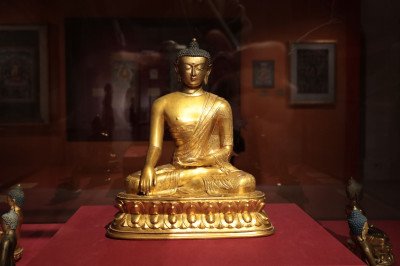
Darshan Museum
Some quick example text to build on the card title and make up the bulk of the card's content.
Go somewhere
Empress Botanical Garden
Some quick example text to build on the card title and make up the bulk of the card's content.
Go somewhere
Joshi's Museum of Miniature Railways
Some quick example text to build on the card title and make up the bulk of the card's content.
Go somewhere
Khadakwasla Dam & Lake
Some quick example text to build on the card title and make up the bulk of the card's content.
Go somewhere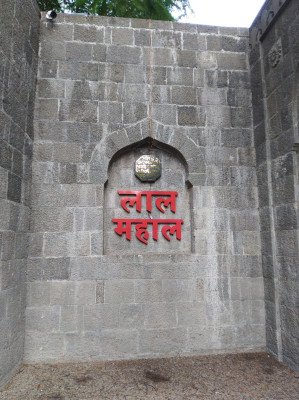
Lal Mahal
Some quick example text to build on the card title and make up the bulk of the card's content.
Go somewhere
Lohagad Fort
Some quick example text to build on the card title and make up the bulk of the card's content.
Go somewhere
Mulshi Lake and Dam
Some quick example text to build on the card title and make up the bulk of the card's content.
Go somewhere
Osho International Meditation Resort
Some quick example text to build on the card title and make up the bulk of the card's content.
Go somewhere
Parvati Hill Temple
Some quick example text to build on the card title and make up the bulk of the card's content.
Go somewhere
Pataleshwar Cave Temple
Some quick example text to build on the card title and make up the bulk of the card's content.
Go somewhere
Pawna Lake
Some quick example text to build on the card title and make up the bulk of the card's content.
Go somewhere
Pune Okayama Friendship Garden
Some quick example text to build on the card title and make up the bulk of the card's content.
Go somewherein Other Cities