

Ranipur Tiger Reserve
General information
-
Ideal Duration:
4-6 Hours (per safari)Place Type:
Tiger Reserve, Wildlife Sanctuary, Eco-TourismEntry Fees:
Entry Fee (Per Person): There is a mandatory entry fee for Indian Nationals (typically Rs. 100 - 250) and a higher fee for foreign nationals. This fee goes towards conservation efforts.
Vehicle Entry Fee: A separate fee is charged for the ...Entry Fee (Per Person): There is a mandatory entry fee for Indian Nationals (typically Rs. 100 - 250) and a higher fee for foreign nationals. This fee goes towards conservation efforts.
Vehicle Entry Fee: A separate fee is charged for the safari vehicle (e. g. , Jeep, typically Rs. 500 - 1500 per vehicle), and there is an additional fee for guide services.
Jeep Safari Booking: The cost of a safari jeep rental is substantial (approx. Rs. 3,000 - Rs. 5,000 per trip, depending on the number of people and duration). Booking must be done in advance via the official UP Eco-Tourism website or the booking counter at the gate.
Camera/Video Fee: A fee for professional cameras and video recording equipment may be applicable (Rs. 100 - 500 for high-end gear).Timing:
Regular Timings: The reserve is open for safaris and entry from 6:00 AM to 10:00 AM (Morning Slot) and 2:30 PM to 5:30 PM (Evening Slot). These times can vary seasonally (especially for sunrise/sunset).
Ideal Visit Time: The best time for w...Regular Timings: The reserve is open for safaris and entry from 6:00 AM to 10:00 AM (Morning Slot) and 2:30 PM to 5:30 PM (Evening Slot). These times can vary seasonally (especially for sunrise/sunset).
Ideal Visit Time: The best time for wildlife sighting is the early morning slot (6:00 AM - 9:00 AM) when animals are most active near waterholes before the day's heat. The late afternoon slot is also good.
Core Area Access: Access to the core area may be restricted during the monsoon. Always check the official website for current timings and access.Special Events:
Tiger Reserve Anniversary: The official Tiger Reserve Anniversary (October 2022) is marked by a major awareness and conservation event, often involving high-ranking forest officials and environmentalists, which is a great time to learn about conservation.
Read MoreTiger Reserve Anniversary: The official Tiger Reserve Anniversary (October 2022) is marked by a major awareness and conservation event, often involving high-ranking forest officials and environmentalists, which is a great time to learn about conservation.
Wildlife Week Celebration: The national Wildlife Week (usually in October) is celebrated with educational camps, nature walks, and photography competitions, drawing students and enthusiasts.
Local Forest Fairs: Small, local fairs are sometimes held near the periphery villages like Manikpur during harvest time, featuring traditional Bundelkhandi dances and songs, which can be witnessed when traveling to and from the gate.Best Photo Spots:
The Watchtower View: The view from a watchtower over a large forest clearing or a waterhole at dawn or dusk provides a high-vantage point for dramatic landscape and wildlife photography.
Forest Trails and Pathways: A low-angle shot of the wi...The Watchtower View: The view from a watchtower over a large forest clearing or a waterhole at dawn or dusk provides a high-vantage point for dramatic landscape and wildlife photography.
Forest Trails and Pathways: A low-angle shot of the winding, dry dirt tracks through the dense deciduous forest, capturing the sense of the wild and the immensity of the trees.
Sunlight Through the Canopy: Capturing the dramatic effect of sunlight filtering through the dense canopy onto the forest floor, creating a beautiful contrast and focus on the natural light.
Wildlife in Action: A close-up shot of a deer (like a Cheetal) or a Black Buck in its natural habitat, emphasizing the beauty of the reserve's wildlife (use a long telephoto lens).Photo Gallery
Things To Do
-
Jeep Safari Experience: The main activity is the open-jeep safari in the morning and evening slots. This is the best way to search for wildlife (especially the elusive Tiger, Leopard, and Sloth Bear) and explore the dense forest trails.
Wildlife Spotting: Focus on spotting the key fauna like Black Buck, Cheetal, Sambhar Deer, Wild Dog, and the abundant Peafowl and Langurs. The sightings are often best near waterholes.
Bird Watching: The reserve is a haven for birds. Engage in serious bird watching with binoculars, focusing on species like Painted Storks, Black-necked Storks, and various local woodland birds near water sources.
Visiting the Waterfalls/Ashrams: Take a short detour to the local waterfalls (seasonal) and the Dhaarkundi Ashram for a blend of nature...Jeep Safari Experience: The main activity is the open-jeep safari in the morning and evening slots. This is the best way to search for wildlife (especially the elusive Tiger, Leopard, and Sloth Bear) and explore the dense forest trails.
Wildlife Spotting: Focus on spotting the key fauna like Black Buck, Cheetal, Sambhar Deer, Wild Dog, and the abundant Peafowl and Langurs. The sightings are often best near waterholes.
Bird Watching: The reserve is a haven for birds. Engage in serious bird watching with binoculars, focusing on species like Painted Storks, Black-necked Storks, and various local woodland birds near water sources.
Visiting the Waterfalls/Ashrams: Take a short detour to the local waterfalls (seasonal) and the Dhaarkundi Ashram for a blend of nature, adventure, and local spiritual culture.
Photography and Nature Trails: Use the opportunity for wildlife and landscape photography. Stick strictly to the vehicle and the designated trails unless accompanied by a professional guide or ranger.
Stay at the Forest Rest House: If available, staying at the Ranipur Forest Rest House provides an immersive, authentic forest experience and allows for early morning access.
Attending the Interpretation Session: Visit the Manikpur Interpretation Center to learn about the reserve's unique ecosystem and the science behind the conservation efforts.
Information
-
Why Famous:
New Tiger Reserve Status: It is now primarily famous as the newest Tiger Reserve in Uttar Pradesh (and the second in the Bundelkhand region), which has put it on the national map for wildlife conservation.
Tiger Corridor: Its fame stems from...New Tiger Reserve Status: It is now primarily famous as the newest Tiger Reserve in Uttar Pradesh (and the second in the Bundelkhand region), which has put it on the national map for wildlife conservation.
Tiger Corridor: Its fame stems from its function as a critical corridor and buffer zone for the Panna Tiger Reserve, which means it is a place where one has a decent (though not guaranteed) chance of spotting a tiger or a leopard.
Rich Vindhyachal Biodiversity: The reserve is known for its diverse flora and fauna unique to the Vindhyachal hills, including significant populations of Black Buck, Wolf, and a rich variety of birds, making it a complete nature destination. -
Architecture:
Natural and Functional Design: The 'architecture' is primarily natural and ecological, focusing on the preservation of the rugged Vindhyachal forest ecosystem. The design is functional and minimal, centered on infrastructure for wildlife viewing and protection.Natural and Functional Design: The 'architecture' is primarily natural and ecological, focusing on the preservation of the rugged Vindhyachal forest ecosystem. The design is functional and minimal, centered on infrastructure for wildlife viewing and protection.
Visitor Infrastructure: The reserve includes entry gates, strategically located watchtowers (machans) for wildlife viewing, interpretation centers (at Manikpur), and minimal residential structures like the Forest Rest House. The watchtowers are typically simple, elevated wooden or stone structures (approx. 10-15 meters high) offering a vantage point over waterholes or clearings.
Roads and Trails: The network of jeep safari roads and trails (approx. 100-200 KMS of dirt tracks) is carefully planned to minimize disturbance to the wildlife while providing access for patrolling and tourism. The total area is approximately 230-263 square kilometers. -
How To Reach:
By Air: The nearest major airport is Prayagraj (Allahabad) Airport (IXD), approximately 106 KMS away. From there, hire a private taxi for the 3-hour drive directly to the Manikpur Range entry gate.
By Train: The nearest railway station is M...By Air: The nearest major airport is Prayagraj (Allahabad) Airport (IXD), approximately 106 KMS away. From there, hire a private taxi for the 3-hour drive directly to the Manikpur Range entry gate.
By Train: The nearest railway station is Manikpur Junction (MKP), approximately 10-15 KMS from the gate. Chitrakoot Dham Karwi Railway Station (CKTD) is also an option, about 35-40 KMS away. Manikpur is the best railhead. From Manikpur, hire a taxi or a large motorized rickshaw directly to the reserve gate.
By Road: The reserve is well-connected by road to Manikpur and the main Chitrakoot town via NH 35. It is best to reach by a private/hired vehicle as public transport is sparse for the final leg. Use GPS or a local driver.
By Local Transport: Only a pre-booked taxi or jeep is reliable for the journey to the gate and for the safari itself. Public motorized rickshaws are not a practical or safe option for the long, forested route. -
Weather and Best Time to Visit:
Winter (November to March): This is the best season for wildlife viewing and safaris. The cool weather is comfortable, and the dry forest makes animal spotting easier due to less foliage. November and February are prime months.
Summer (April t...Winter (November to March): This is the best season for wildlife viewing and safaris. The cool weather is comfortable, and the dry forest makes animal spotting easier due to less foliage. November and February are prime months.
Summer (April to June): The weather is extremely hot. While water scarcity draws animals to the waterholes, increasing the chance of a sighting, the daytime heat is severe. Only recommended for serious wildlife enthusiasts with protective gear.
Post-Monsoon (September-October): The forest is beautiful and lush, but the dense foliage makes spotting difficult. The weather is transitioning to pleasant.
Different Parts of the Day: Morning Safaris are generally considered superior for sighting, especially the apex predators like the Tiger and Leopard, as they are returning from their night hunt. -
Near Tourist Places:
Manikpur Junction (10-15 KMS), Ohan Dam (15-20 KMS), Shabri Jal Pratap (5-10 KMS), Tikariya Waterfall (15 KMS), Tulsi Waterfall (20 KMS), Opj Pandey Ji Lakh (15-20 KMS), Panna Tiger Reserve (MP) (Part of the same corridor), Ganesh Bagh (50 KMS), Ram Ghat (65-70 KMS), Sphatik Shila (70 KMS)
Tourism Tips
-
Health & Safety: Do not exit the safari vehicle unless instructed by the guide. Never feed the animals. Wear neutral-colored clothing (khaki/green) to blend in. Carry a full stock of drinking water.
Packing Essentials: Pack a hat/cap, sun...Health & Safety: Do not exit the safari vehicle unless instructed by the guide. Never feed the animals. Wear neutral-colored clothing (khaki/green) to blend in. Carry a full stock of drinking water.
Packing Essentials: Pack a hat/cap, sunglasses, and sunscreen. A camera with a telephoto lens and binoculars are essential. Carry a jacket/layer for the cold early morning and evening safaris, even in summer. Carry all garbage out of the reserve.
Accommodation: Accommodation options include the Ranipur Forest Rest House (book well in advance) and hotels/resorts in Manikpur or the main Chitrakoot town (Sitapur/Ram Ghat).
Other Different Topics Heading:
Pre-Booking and Regulations: Book your safari and guide/vehicle in advance (online booking is often preferred). Strictly follow all instructions from the forest guide and driver; they are for your safety and the animals' protection. Maintain silence during the safari.
Reviews
FAQs
Chitrakoot Itineray And Cost:-
Ranipur Tiger Reserve Tourism:-
Other Places In Chitrakoot :-
Other States In India :-
Information about New and Updated Locations() of Uttar Pradesh Has Been Added :-
Card subtitle
Note:-
Information provided here in good Faith and for reference only.
Near Places

Balmiki Ashram
Some quick example text to build on the card title and make up the bulk of the card's content.
Go somewhere
Barampur Village Pond
Some quick example text to build on the card title and make up the bulk of the card's content.
Go somewhere
Bharat Koop
Some quick example text to build on the card title and make up the bulk of the card's content.
Go somewhere
Bharat Milap Mandir
Some quick example text to build on the card title and make up the bulk of the card's content.
Go somewhere
Bharat Milap Temple
Some quick example text to build on the card title and make up the bulk of the card's content.
Go somewhere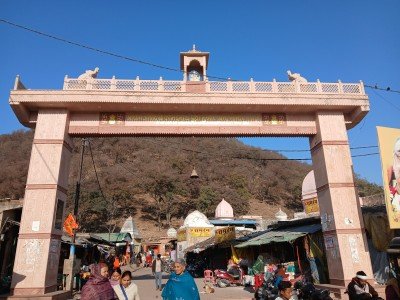
Chaturmukhi Shiv Temple
Some quick example text to build on the card title and make up the bulk of the card's content.
Go somewhere
Chitrakoot Dham
Some quick example text to build on the card title and make up the bulk of the card's content.
Go somewhere
Dharkundi
Some quick example text to build on the card title and make up the bulk of the card's content.
Go somewhere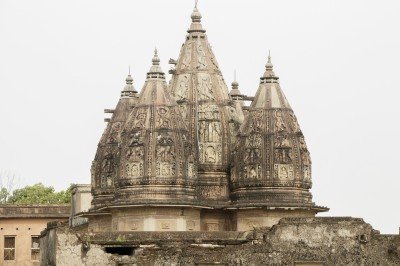
Ganesh Bagh
Some quick example text to build on the card title and make up the bulk of the card's content.
Go somewhere
Glass Bridge Chitrakoot
Some quick example text to build on the card title and make up the bulk of the card's content.
Go somewhere
Glass Bridge Chitrakoot / Skywalk
Some quick example text to build on the card title and make up the bulk of the card's content.
Go somewhere
Gol Talab
Some quick example text to build on the card title and make up the bulk of the card's content.
Go somewhere
Gupt Godavari Caves
Some quick example text to build on the card title and make up the bulk of the card's content.
Go somewhere
Gupt Godavari
Some quick example text to build on the card title and make up the bulk of the card's content.
Go somewhere
Hanuman Dhara
Some quick example text to build on the card title and make up the bulk of the card's content.
Go somewhere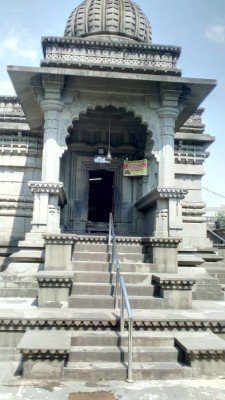
Kala Ram Mandir
Some quick example text to build on the card title and make up the bulk of the card's content.
Go somewherein Other Cities