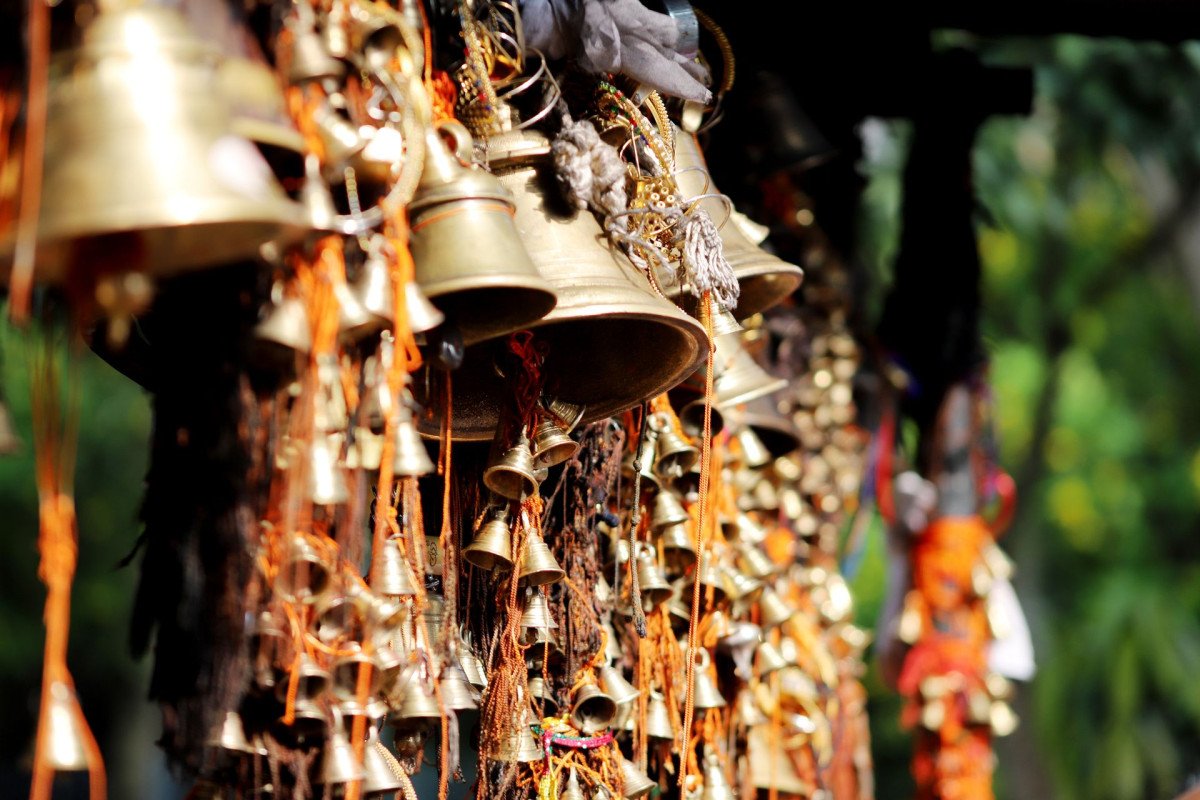
Rankini Temple
General information
-
Ideal Duration:
1 to 2 Hours (For Darshan, Worship, and exploring the immediate complex)Place Type:
Hindu Temple, Pilgrimage Site, Historical and CultEntry Fees:
Entry Fee Structure: There is No Entry Fee charged by the Rankini Temple trust for entering the temple complex and offering prayers to Maa Rankini: The temple operates primarily on donations and is free for all devotees and tourists to visit: This is a common practice for ma...Entry Fee Structure: There is No Entry Fee charged by the Rankini Temple trust for entering the temple complex and offering prayers to Maa Rankini: The temple operates primarily on donations and is free for all devotees and tourists to visit: This is a common practice for many Hindu temples in India that serve as places of public worship and pilgrimage:
Mandatory Costs and Voluntary Donations: While entry is free, visitors should budget for certain voluntary or customary costs, such as small amounts for the purchase of puja items (flowers, prasad, incense sticks, diya) from the stalls outside, which typically cost between Rs.10 to Rs.100: There are also donation boxes within the temple complex where devotees can make voluntary monetary contributions (dakshina) to the temple trust for its maintenance and charitable activities, with no fixed amount:
Cost of Guide Services: Visitors may choose to hire an informal local guide or a youth to explain the legends, history, and puja rituals, especially if they are unfamiliar with the region: This service is not formally priced and depends on negotiation, but a respectable tip of around Rs.100-Rs.200 is customary for a short tour:
Parking and Shoe Removal Costs: Small fees might be applicable for vehicle parking in the designated area near the temple: Also, there might be a very minimal fee (Rs.5-Rs.10) for keeping shoes and belongings at a locker/stand outside the main temple entrance, which is necessary before entering the sacred premises: No official or mandatory ticket is required for the main worship.Timing:
Regular Temple Timings: The temple generally opens early in the morning, around 5:00 AM to 6:00 AM, for the first Aarti (worship ritual) and typically remains open until sunset, around 6:00 PM to 7:
00 PM: The timings are designed to accommoda...Regular Temple Timings: The temple generally opens early in the morning, around 5:00 AM to 6:00 AM, for the first Aarti (worship ritual) and typically remains open until sunset, around 6:00 PM to 7:
00 PM: The timings are designed to accommodate the heavy rush of morning and evening devotees: There are usually no long midday breaks, though the main puja rituals are concentrated in the morning and evening hours:
Ideal Visit Time (Darshan): The Ideal Visit Time is during the early morning hours, between 6:00 AM and 9:00 AM, when the atmosphere is most serene, the weather is pleasant, and the priests are performing the primary morning rituals (mangala aarti): This time also allows for easier photography before the crowds build up: A secondary good time is the late afternoon, around 4:00 PM to 5:30 PM, to catch the beautiful sunset light and the evening aarti preparations, though the rush might be slightly higher:
Best Days to Visit: Tuesdays and Saturdays are often considered the most auspicious days for worshipping Goddess Kali (Rankini), so these days usually see higher crowds: For a less crowded, peaceful experience, a weekday (Monday, Wednesday, Thursday, Friday) visit during the morning is recommended:
Festival Timings: During major festivals like Durga Puja or Maha Shivaratri, the temple timings are extended, sometimes remaining open late into the night, with special, announced puja schedules that visitors should check locally.Special Events:
Durga Puja and Maha Navami Festival: The most significant and spectacular event is the annual Durga Puja celebration, especially on Maha Navami, which is observed with great vigour and fervour: Thousands of devotees, including many from the Bengali community and local tribes...Durga Puja and Maha Navami Festival: The most significant and spectacular event is the annual Durga Puja celebration, especially on Maha Navami, which is observed with great vigour and fervour: Thousands of devotees, including many from the Bengali community and local tribes, flock to the temple to offer prayers to Maa Rankini, who is an incarnation of Durga/Kali: The temple is decorated with intricate lighting and flowers, and the atmosphere is electric with religious chants and traditional Bengali and tribal music, making it a powerful display of faith:
Maha Shivaratri: Another major event is Maha Shivaratri, which attracts thousands of devotees to the temple's shrine dedicated to Lord Shiva that flanks the main Rankini Mandir: This night-long festival is marked by special pujas, fasting, and continuous chanting, highlighting the integrated worship of the complex:
Shravani Mela Pilgrimage: Although the temple is primarily dedicated to the Goddess, it is part of the broader spiritual circuit, and during the Shravani Mela (typically in the holy month of Shravan / July-August), a large number of Kanwariyas (devotees carrying holy water) pass by or stop to offer water, adding another layer of festive and devotional traffic to the area:
New Year and Poila Boishakh (Bengali New Year): The temple sees a large influx of visitors on New Year’s Day and during Poila Boishakh (April), when people begin the new year by seeking the Goddess's blessings for prosperity and protection: Special morning aarti and community feasts are often organized on these auspicious days, ensuring a vibrant start to the calendar year.Best Photo Spots:
The Main Shikhara (Temple Tower) View: The best spot for capturing the grandeur of the temple's architecture is from a distance just outside the main gate or from a slightly elevated point, which allows you to frame the entire colourful structure and its prominent Shikhara a...The Main Shikhara (Temple Tower) View: The best spot for capturing the grandeur of the temple's architecture is from a distance just outside the main gate or from a slightly elevated point, which allows you to frame the entire colourful structure and its prominent Shikhara against the backdrop of the serene, rolling hills and lush green surroundings: The morning light is particularly good for this frontal shot:
The Sheela Deity (From Designated Areas): While direct photography of the main deity inside the Garbhagriha (sanctum) is usually strictly prohibited, capturing the reverence of the devotees praying towards the inner sanctum from the outside of the main hall (Mandapa) can make for a powerful and emotional photo: The focus should be on the atmosphere and the act of worship:
The Flanking Shrines and Intricate Carvings: Focus on the smaller details by capturing the decorative elements, statues, and intricate, colorful carvings on the walls of the side temples (like Ganesha and Shiva's shrines), which offer better close-up photography subjects than the main building:
The Kapadgadi Valley and Natural Backdrop: Walk towards the backside or the historical Kapadgadi area to capture the temple's secluded setting, with the dense forest and hilly terrain forming a stunning, tranquil natural frame for the divine structure: This shot emphasizes the temple's spiritual connection to the wilderness:
The Crowd and Puja Atmosphere: During major festivals like Durga Puja, a high-angle shot capturing the vibrant crowd, the colorful offerings, the smoke of the incense, and the overall celebratory atmosphere of the puja is a memorable photo opportunity.Photo Gallery
Things To Do
-
Offer Rituals and Puja: The primary activity is to offer prayers and perform the traditional Hindu ritual of puja to Maa Rankini: Devotees can purchase flowers, incense, and other offerings from the local stalls and present them to the deity through the priests:
This is a deep spiritual experience for believers:
Circumambulation (Pradakshina): Visitors should perform the customary Pradakshina (clockwise circumambulation) around the main temple structure, which is believed to bring merit and blessings: The area for circumambulation is well-defined and offers an opportunity for quiet reflection on the temple's legends:
Explore the Temple Complex and Flanking Shrines: Spend time visiting the smaller, but equally significant, temples dedicated to Lord Ganesha, Lord Shiv...Offer Rituals and Puja: The primary activity is to offer prayers and perform the traditional Hindu ritual of puja to Maa Rankini: Devotees can purchase flowers, incense, and other offerings from the local stalls and present them to the deity through the priests:
This is a deep spiritual experience for believers:
Circumambulation (Pradakshina): Visitors should perform the customary Pradakshina (clockwise circumambulation) around the main temple structure, which is believed to bring merit and blessings: The area for circumambulation is well-defined and offers an opportunity for quiet reflection on the temple's legends:
Explore the Temple Complex and Flanking Shrines: Spend time visiting the smaller, but equally significant, temples dedicated to Lord Ganesha, Lord Shiva, and the Hari Mandir (for Radha-Gobind) located within the premises: These offer a broader spiritual experience and are often less crowded, allowing for better photography of the architecture:
Meditate and Reflect: Due to its location amidst the calm, green hillocks of the Chota Nagpur Plateau, the temple complex provides an excellent atmosphere for quiet meditation and personal reflection: Finding a quiet corner, especially in the early mornings, can be a highly rewarding and peaceful activity:
Engage with the Bhumij Priests: Visitors can respectfully engage with the temple priests, who are often from the original Bhumij tribal community, to learn firsthand about the unique local legends, the history of the Sheela deity, and the specifics of the temple's ancient rituals, which offers a deep cultural exchange opportunity:
Photography of the Temple and Surroundings: The temple's vibrant structure, set against the backdrop of the hilly terrain, provides excellent opportunities for photography, especially during the Golden Hour (early morning or late afternoon): Capture the intricate carvings, the colourful exterior, and the overall peaceful, yet vibrant, atmosphere of the pilgrimage spot: Also, capture the small makeshift stalls and the simple village life around the temple:
Visit the Original Kapadgadi Ghat Site: Take the short walk to the less-visited Kapadgadi Valley or the original rock where the deity was first found, which offers a profound connection to the temple's ancient and mystical origins: This spot, though humble, is key to the entire Rankini Devi legend:
Enjoy Local Snacks and Refreshments: Interact with the local vendors selling tea, singaras (samosas), and other light snacks near the temple gate: This supports the local community and offers a taste of the regional simple cuisine:
Plan a Full-Day Trip to Nearby Spots: Combine the visit to Rankini Temple with other nearby scenic spots in Ghatsila such as Ratmohona (for sunset views on the Subarnarekha River), Burudih Lake, or the residence of Bibhutibhushan Bandyopadhyay to make it a holistic day of pilgrimage, nature, and literature:
Observe Festival Preparations: If visiting near major festivals like Durga Puja or Maha Shivaratri, simply observe the elaborate and colourful preparations being made by the temple trust and local devotees, which in itself is a captivating cultural activity.
Information
-
Why Famous:
The Living Stone Deity: The Rankini Temple is most famous because its principal deity, Maa Rankini, is worshipped not as a conventional metal or carved stone idol, but as a natural stone (Sheela) believed to be a living manifestation of the Goddess Kali: This unique form of ...The Living Stone Deity: The Rankini Temple is most famous because its principal deity, Maa Rankini, is worshipped not as a conventional metal or carved stone idol, but as a natural stone (Sheela) believed to be a living manifestation of the Goddess Kali: This unique form of worship, where devotees believe the stone is growing year after year, is a powerful draw for spiritual seekers who come to witness and feel the divine presence: The stone's connection to the ancient Kapadgadi Valley and the belief in its eternal wakefulness makes the temple a powerful center of faith:
Ancient Tribal and Royal History: The temple's fame is also deeply tied to its ancient history, especially its association with the local Bhumij tribes who were its original worshippers and whose descendants still serve as priests today, and the subsequent patronage by the Raja of Dhalbhumgarh dynasty: This historical mix of tribal and royal devotion highlights its cultural significance in the region:
Association with Literary Giants: The temple gained a different kind of fame when it was mentioned by the acclaimed Bengali novelist, Bibhutibhushan Bandyopadhyay, in his story "Rankini Debir Khadga" (The Sword of Rankini Devi), attracting literary enthusiasts and those interested in the cultural landscape that inspired the author of "Pather Panchali":
Legends of Sacrifice and Protection: The powerful, though controversial, history of human sacrifices offered to the Goddess in the past, which were later stopped by the British administration, adds a mystical and formidable aura to the temple's reputation, marking it as a truly powerful and awe-inspiring divine location: The current fame rests on the Goddess's believed power to grant wishes and offer protection to travellers and devotees passing through this historically forested area. -
Architecture:
Architectural Style and Materials: The current structure of the Rankini Temple is a relatively modern temple complex, built around 1950, primarily utilizing modern construction techniques with influences from traditional Bengali and local temple styles: The main temple is of...Architectural Style and Materials: The current structure of the Rankini Temple is a relatively modern temple complex, built around 1950, primarily utilizing modern construction techniques with influences from traditional Bengali and local temple styles: The main temple is often a simple yet vibrant structure, built with brick and cement, featuring a prominent Shikhara (tower) typical of North Indian temple architecture, though sometimes adapted to a simpler regional design: The exterior often displays vibrant paintings and intricate carvings of Hindu deities and mythological scenes, especially those related to Goddess Kali or Durga, adding a layer of traditional artistry to the modern construction: The complex is not a single structure but includes smaller shrines dedicated to other deities, such as Lord Ganesha and Lord Shiva, flanking the main temple, and a more recent Hari Mandir dedicated to Radha-Gobind: The materials used are durable, focusing on function and accommodating the large flow of devotees, rather than ancient stone carving:
Dimension and Layout: While precise, documented dimensions for the overall complex are not widely published, the temple is laid out to facilitate devotee movement and ritual: The main sanctum (Garbhagriha) is small, housing the sacred Sheela (stone idol), which is the central focus of worship and is of a size that allows for the rituals: The main hall (Mandapa) provides space for devotees to gather and offer prayers: The temple complex is usually a quadrilateral structure surrounded by a boundary wall, and it stands on an elevated area near the historical Kapadgadi Valley and a nearby drain: The area is designed for crowds during major festivals like Durga Puja and Maha Shivaratri: The overall area encompasses the main shrine, the flanking shrines, a designated area for offerings, and sometimes a small garden or seating area for pilgrims, with the surrounding natural environment, the dense forest, being an integral part of the temple's mystique and ambiance. -
How To Reach:
By Air (Nearest Airport): The nearest major airport is Birsa Munda Airport (IXR) in Ranchi, approximately 150 KMs away, or Netaji Subhas Chandra Bose International Airport (CCU) in Kolkata, which is about 250 KMs away: The most practical airport is often Birsa Munda Airport ...By Air (Nearest Airport): The nearest major airport is Birsa Munda Airport (IXR) in Ranchi, approximately 150 KMs away, or Netaji Subhas Chandra Bose International Airport (CCU) in Kolkata, which is about 250 KMs away: The most practical airport is often Birsa Munda Airport in Ranchi or Sonari Airport (IXW) in Jamshedpur (Tata Nagar), about 35 KMs away, which primarily serves commercial and private aircraft: From any of these airports, one must hire a pre-booked taxi or take a bus to reach Ghatsila, and then proceed to the temple: The drive from Jamshedpur takes around 1.
5 to 2 hours:
By Train (Nearest Railway Station): The most convenient way to reach is by train to Ghatsila Railway Station (GSL) itself, which is a major stop on the Howrah-Mumbai rail line: Many popular trains like the Steel Express and the Howrah-Ghatsila Express stop here: The temple is located about 10-12 KMs from the Ghatsila station: An alternative major station is Tatanagar Junction (TATA) in Jamshedpur, about 35 KMs away, which has better connectivity, and from there one can take a local train to Ghatsila or hire a taxi:
By Road (Road Connectivity): Ghatsila is well-connected by National Highway (NH-33), making it easily accessible by road from major cities like Jamshedpur (35 KMs), Kolkata (250 KMs), and Ranchi (150 KMs): The Rankini Temple is situated directly on the Hata-Jadugoda State Highway, making it easily reachable by car, private taxi, or hired vehicle: The road quality is generally good, especially on the main highways, but local roads to the temple site can be uneven:
By Local Transport: From Ghatsila city center (near the railway station), the temple can be easily reached by hiring a local taxi, an auto-rickshaw, or a shared auto/mini-van (Tuk-Tuk), which is the most common and cost-effective method: One must clearly communicate the destination as Rankini Temple or Jadugoda Rankini Mandir to the driver, as some services might be available up to Jadugoda from where the temple is about 3 KMs away. -
Weather and Best Time to Visit:
Best Season (Winter Months): The absolute Best Time to Visit is during the Winter Season, specifically from October to February: The weather during these months is cool, dry, and highly pleasant, with temperatures ranging from 10°C to 25°C, which is perfect for sightseeing...Best Season (Winter Months): The absolute Best Time to Visit is during the Winter Season, specifically from October to February: The weather during these months is cool, dry, and highly pleasant, with temperatures ranging from 10°C to 25°C, which is perfect for sightseeing and enjoying the natural surroundings without the discomfort of heat or heavy rain: This period also coincides with the major festivals like Durga Puja (October/November) and the New Year festivities:
Monsoon Season (July to September): This season brings lush greenery to the surrounding forests and hills, making the landscape particularly beautiful for photography, but the high humidity and occasional heavy rainfall can disrupt travel plans and make walking around the complex muddy: Only recommended for nature lovers who don't mind the rain:
Summer Season (March to June): The Summer is generally the Worst Time to visit, as the heat can be intense, with temperatures often soaring above 40°C: The high heat makes daytime sightseeing and trekking very uncomfortable: If visiting in summer, strictly limit activities to the early morning or late evening:
Best Part of the Day: The Ideal Time is the Early Morning (sunrise to 9:00 AM) for peaceful darshan, witnessing the aarti, and enjoying the cool, fresh air: The Late Afternoon (4:00 PM to sunset) is the second-best choice, offering beautiful light for photography and a pleasant atmosphere for leisurely exploration before the temple closes for the night. -
Near Tourist Places:
Near Tourist Places (with distance from Rankini Temple): Narwa Forest (10 KMs) - A secluded spot for a nature walk and picnic; Jadugoda Uranium Mine Area (nearby) - A point of local interest but access is restricted; Tilaitanr Dam (15-20 KMs) - A beautiful water body ideal for a serene break; Ratmohona (20 KMs / 4 KMs from Ghatsila Station) - Famous sunset point on the Subarnarekha River; Bibhutibhushan Bandyopadhyay's Cottage (15 KMs / 1 KM from Ghatsila Station) - The house of the famous author; Phuldungri Hills (15 KMs / 4 KMs from Ghatsila Center) - Offers an aerial view of the town and trekking; Burudih Lake (20 KMs / 5 KMs from Ghatsila Center) - Scenic lake for boating and picnics; Dharagiri Falls (25 KMs) - A picturesque 25ft waterfall in the forest; Galudih Dam (30 KMs) - Another picturesque dam site near the Subarnarekha River; Panch Pandav Hill (17 KMs / 5 KMs from Ghatsila Center) - A spot of local folklore with rock carvings:
Tourism Tips
-
Health & Safety: Health and Safety is paramount; carry all essential personal medications, a basic first-aid kit, and an antiseptic cream for minor cuts: Drink only bottled water or water from reliable sources to prevent stomach issues: Be mindful of your steps as the groun...Health & Safety: Health and Safety is paramount; carry all essential personal medications, a basic first-aid kit, and an antiseptic cream for minor cuts: Drink only bottled water or water from reliable sources to prevent stomach issues: Be mindful of your steps as the ground around the temple complex can be uneven or slippery, especially during the Monsoon season: Always keep a respectful distance from any monkeys or other wild animals, and never feed them:
Packing Essentials: For the Winter visit, pack light to heavy woollen clothing, as the nights and early mornings can be quite cold: For the rest of the year, light, breathable cotton clothing is ideal: Carry an umbrella or a raincoat, especially during the Monsoon season: Wear comfortable, sturdy walking shoes, as there might be a short walk from the parking area: Carry essentials like a camera, binoculars, a hat/cap, and sunglasses:
Accommodation Options: Ghatsila town offers a range of accommodation, from budget guest houses to mid-range hotels and resorts, such as Buru Resort and Suhasita Resort, which are good places to book in advance: It is highly recommended to stay in Ghatsila town itself or near the Subarnarekha River side for better convenience and proximity to restaurants: Book well in advance, especially if travelling during the Durga Puja or New Year peak season:
Other Different Topics (Respect and Culture): Always dress modestly, covering your shoulders and legs, as this is a traditional Hindu temple: Remove your shoes before entering the main temple premises: Be respectful of the local customs and rituals, and ask for permission before taking close-up photos of priests or devotees: Learn a few basic local phrases in Bengali or Hindi to enhance your interaction with the local community, as they are generally very helpful: Carry enough cash (Indian Rupees) as small local stalls may not accept digital payments: The temple's atmosphere is one of profound peace, so maintain quiet while inside the prayer halls.
Reviews
FAQs
Ghatsila Itineray And Cost:-
Other Places In Ghatsila :-
Other States In India :-
Information about New and Updated Locations() of Jharkhand Has Been Added :-
Card subtitle
Note:-
Information provided here in good Faith and for reference only.
Near Places
Amadubi Rural Tourism Village
Some quick example text to build on the card title and make up the bulk of the card's content.
Go somewhere
Benasol Falls
Some quick example text to build on the card title and make up the bulk of the card's content.
Go somewhere
Bibhutibhushan Bandyopadhyay's Cottage
Some quick example text to build on the card title and make up the bulk of the card's content.
Go somewhere
Birsa Fun City Waterpark
Some quick example text to build on the card title and make up the bulk of the card's content.
Go somewhere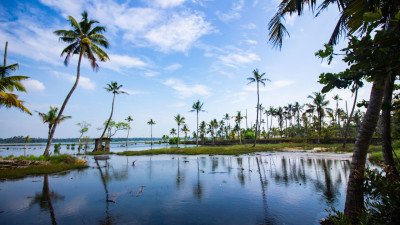
Burudih Lake/Dam
Some quick example text to build on the card title and make up the bulk of the card's content.
Go somewhere
Chatra Waterfalls
Some quick example text to build on the card title and make up the bulk of the card's content.
Go somewhere
Dharagiri Falls
Some quick example text to build on the card title and make up the bulk of the card's content.
Go somewhere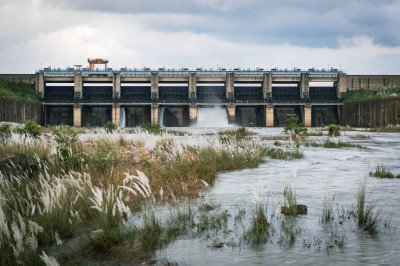
Galudih Barrage/Dam
Some quick example text to build on the card title and make up the bulk of the card's content.
Go somewhere
Gouri Kunj
Some quick example text to build on the card title and make up the bulk of the card's content.
Go somewhere
Jadugoda Mines Area
Some quick example text to build on the card title and make up the bulk of the card's content.
Go somewhere
Lakaisini Hill View Point
Some quick example text to build on the card title and make up the bulk of the card's content.
Go somewhere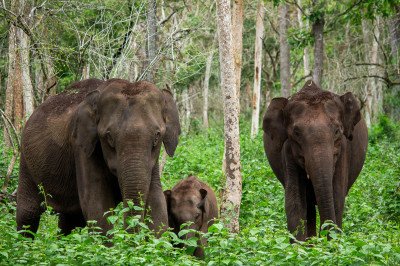
Narwa Forest
Some quick example text to build on the card title and make up the bulk of the card's content.
Go somewhere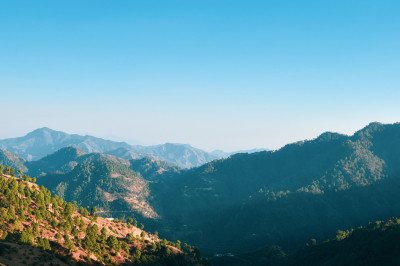
Panch Pandav Hills
Some quick example text to build on the card title and make up the bulk of the card's content.
Go somewhere
Phuldungri Hills
Some quick example text to build on the card title and make up the bulk of the card's content.
Go somewhere
Ramakrishna Math
Some quick example text to build on the card title and make up the bulk of the card's content.
Go somewhere
Rankini Temple
Some quick example text to build on the card title and make up the bulk of the card's content.
Go somewherein Other Cities