Real Govinahalli Village
General information
-
Ideal Duration:
2-3 Hours (Immersive Cultural Walk)Place Type:
Cultural, Rural Tourism, AgrEntry Fees:
Entry is Completely Free : As a living, working village, there are no formal entry fees for visitors.
Ethical Costing : The 'cost' involves purchasing local goods, politely offering to pay for any unique service (like a guided farm tour or ...Entry is Completely Free : As a living, working village, there are no formal entry fees for visitors.
Ethical Costing : The 'cost' involves purchasing local goods, politely offering to pay for any unique service (like a guided farm tour or a home-cooked meal) offered by the villagers, or offering a small donation to the local temple.
Local Fees : If part of a pre-booked 'cultural tour' or 'homestay package', the cost is for the service and hospitality provided by the local family/guide, not a formal entry fee.
Photography Etiquette : Always ask for explicit permission before taking pictures of people, especially women and children, and be prepared to be denied in some instances out of shyness or cultural preference.Timing:
Regular Timings : The village is open to visitors all day, every day, as it is a place of residence, though visiting between 9:00 AM and 6:00 PM is generally advisable to respect the villagers' privacy during their resting hours.
Ideal Visit Ti...Regular Timings : The village is open to visitors all day, every day, as it is a place of residence, though visiting between 9:00 AM and 6:00 PM is generally advisable to respect the villagers' privacy during their resting hours.
Ideal Visit Time : Early morning (6:00 AM to 9:00 AM) or late afternoon (4:00 PM to 6:00 PM) are the best times to witness the daily activities like cattle grazing, field work starting, or communal gatherings, and to avoid the midday sun.
Respecting Mealtime : Avoid visiting during the traditional lunch (1:00 PM) or dinner (8:00 PM) hours unless you have been explicitly invited to share a meal with a family.Special Events:
The Annual Harvest Festival (Sankranti) : Like many agrarian communities, the village celebrates the harvest festival of Sankranti (usually in January) with traditional music, folk dances, communal feasts, and the adornment of cattle, marking a period of great community joy...The Annual Harvest Festival (Sankranti) : Like many agrarian communities, the village celebrates the harvest festival of Sankranti (usually in January) with traditional music, folk dances, communal feasts, and the adornment of cattle, marking a period of great community joy.
Local Temple Jatre : Each small temple has its own annual Jatre (local fair/procession), the timing of which is based on the lunar calendar, and is a major event involving the entire village and surrounding hamlets, featuring local music and drama.Best Photo Spots:
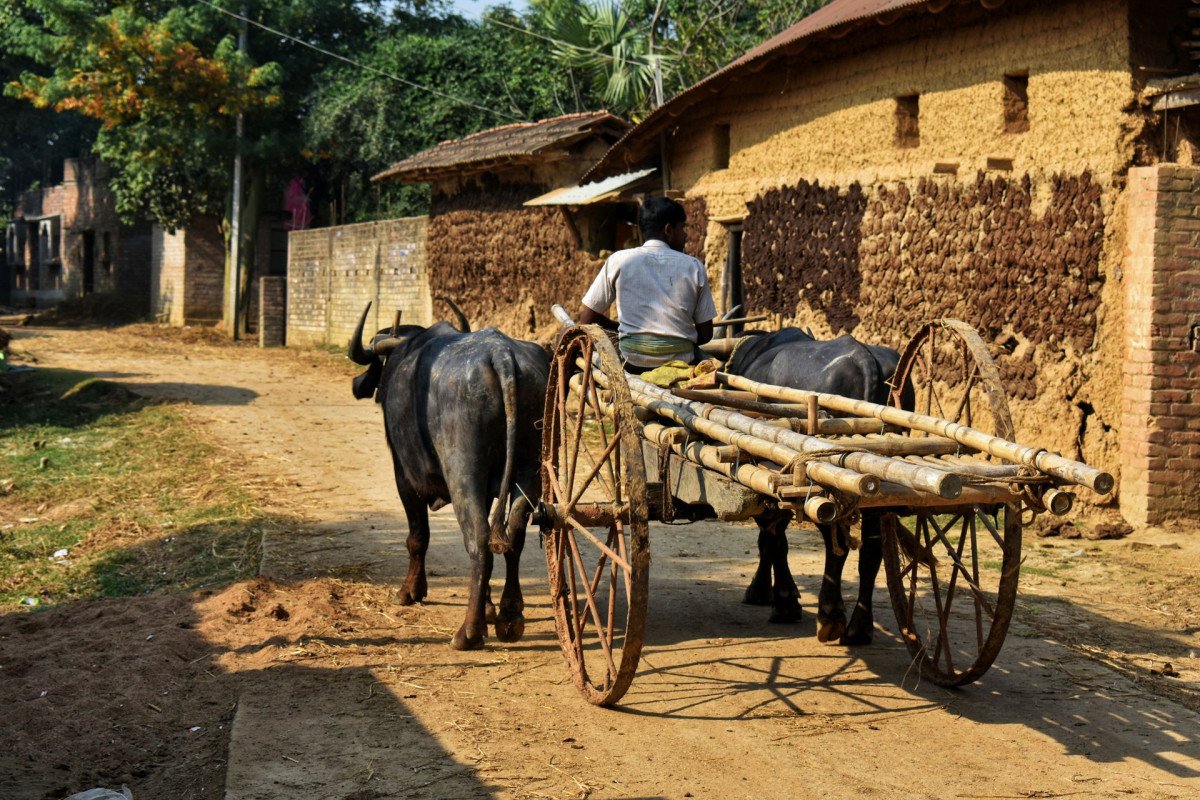
The Paddy Field Vista : A panoramic shot of the village with lush green paddy fields or flowering coffee bushes in the foreground, often with the traditional tile-roofed homes nestled in the background, symbolizing the rural-agricultural landscape.
Read MoreThe Paddy Field Vista : A panoramic shot of the village with lush green paddy fields or flowering coffee bushes in the foreground, often with the traditional tile-roofed homes nestled in the background, symbolizing the rural-agricultural landscape.
Portraits of Villagers : Candid, respectful photographs of the villagers engaged in their daily activities—farmers tilling, women carrying water, or children playing—to capture the essence of their life.
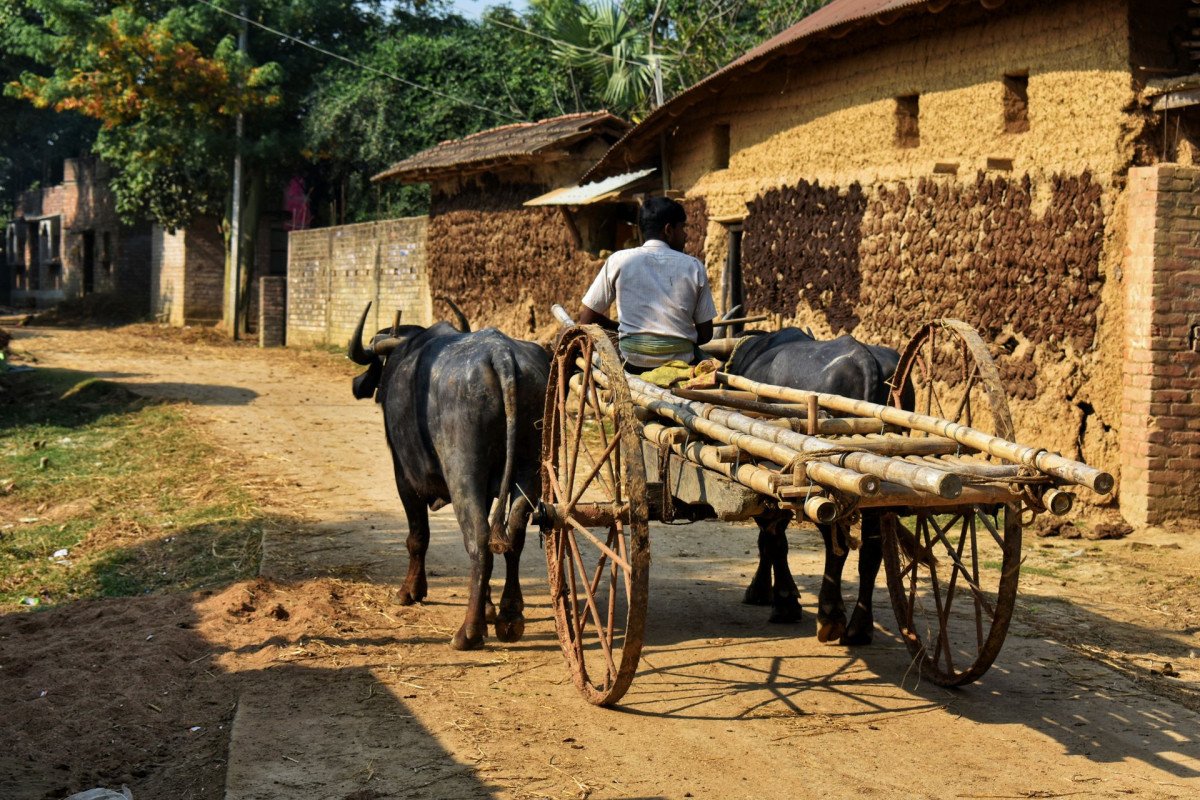
The Vernacular Architecture Detail : Close-up shots of the mud walls, tiled roofs, and carved wooden doors of the traditional houses, emphasizing the simplicity and functionality of the local building style.
Sunrise/Sunset over Farmlands : Dramatic landscape photography during dawn or dusk, capturing the low light across the fields and the peaceful, smoky atmosphere of the village awakening or settling down.Photo Gallery
Things To Do
-
Take a Guided Farm Walk : Spend time walking through the surrounding paddy and coffee plantations with a local guide to understand the cultivation process, the seasonality of the crops, and the agrarian economics of the region.
Learn Local Cooking Techniques : Inquire about participating in a traditional cooking session, learning how to prepare local Hoysala cuisine dishes like Ragi Mudde or a traditional curry using fresh, farm-grown ingredients.
Observe Daily Village Life : Simply sit near the village center or a well and observe the daily rhythm of life—cattle grazing, women drawing water, children playing—to appreciate the serene, unhurried pace.
Visit the Local Temple : Pay respects at the small, ancestral deity temple, observing the simple but devout l...Take a Guided Farm Walk : Spend time walking through the surrounding paddy and coffee plantations with a local guide to understand the cultivation process, the seasonality of the crops, and the agrarian economics of the region.
Learn Local Cooking Techniques : Inquire about participating in a traditional cooking session, learning how to prepare local Hoysala cuisine dishes like Ragi Mudde or a traditional curry using fresh, farm-grown ingredients.
Observe Daily Village Life : Simply sit near the village center or a well and observe the daily rhythm of life—cattle grazing, women drawing water, children playing—to appreciate the serene, unhurried pace.
Visit the Local Temple : Pay respects at the small, ancestral deity temple, observing the simple but devout local rituals and the folk art/murals that decorate the shrine, which are distinct from the royal architecture.
Support Local Artisans : Purchase small local crafts, produce, or coffee beans directly from the farmers and artisans, providing direct economic support to the community.
Bird Watching in the Fields : The fields and surrounding trees are often home to local and migratory birds; a quiet walk with binoculars can be a rewarding nature experience.
Attend a Village Storytelling Session : If possible, gather with the elders in the evening (often near the temple or community tree) to hear local history, legends, and folklore, which are often passed down orally and are a vital part of the village culture.
Information
-
Why Famous:
Authentic Rural Immersion : It is famous precisely because it is not a major tourist attraction, offering visitors a rare and genuine, uncommercialized experience of a typical Karnataka village, far from guidebooks and tourist traps, appealing to those seeking cultural dept...Authentic Rural Immersion : It is famous precisely because it is not a major tourist attraction, offering visitors a rare and genuine, uncommercialized experience of a typical Karnataka village, far from guidebooks and tourist traps, appealing to those seeking cultural depth.
Agri-Tourism Potential : The village and its surrounding farmlands, particularly the coffee and paddy fields, provide excellent opportunities for agritourism, allowing visitors to learn about local farming techniques, from sowing to harvesting, which is becoming increasingly popular.
Proximity to Belur's Heritage : Its location near the world-famous Belur monuments gives it an important cultural context, offering a tangible link to the lifestyle of the common people who lived near the Hoysala capital centuries ago. -
Architecture:
Vernacular and Agrarian Architecture Dimensions : The village architecture is purely vernacular, reflecting the local climate and available materials. The homes are typically built with locally sourced granite for the foundations, laterite or mud for the walls, and sloping...Vernacular and Agrarian Architecture Dimensions : The village architecture is purely vernacular, reflecting the local climate and available materials. The homes are typically built with locally sourced granite for the foundations, laterite or mud for the walls, and sloping roofs covered with terracotta tiles or thatched grass, designed to withstand heavy monsoon rains. Most traditional houses feature a central courtyard (aangan), which is integral to the family's social life, and a separate space for cattle. The scale is distinctly human and functional, contrasting with the monumental scale of the nearby temples. Local temples, such as a small Hanuman temple or an ancestral deity shrine, are simple stone structures with modest, single-room sanctums and open mandapas for community gatherings, lacking the intricate detail of the Hoysala style but rich in folk art and painted motifs. The focus is on utility, tradition, and sustainability, showcasing an architectural style that has evolved over centuries based on environmental needs rather than royal patronage. The spatial planning reflects a close relationship between the homestead and the surrounding farmlands, where agricultural storage and farm animal shelters are integrated into the living complex. -
How To Reach:
By Air : The nearest major airports are Mangalore International Airport (IXE) and Bengaluru International Airport (BLR). From either airport, the most practical route is to take a direct taxi or cab to Belur, and then a local auto-rickshaw to the village, about 12 KMS furt...By Air : The nearest major airports are Mangalore International Airport (IXE) and Bengaluru International Airport (BLR). From either airport, the most practical route is to take a direct taxi or cab to Belur, and then a local auto-rickshaw to the village, about 12 KMS further.
By Train : Travel by train to Hassan Junction (HAS), the nearest major station. From Hassan, take a local bus or private taxi to Belur town. From Belur Bus Stand, hire a dedicated auto-rickshaw to the village, ensuring the driver knows the location near the Hunasigere-Kudlur Road.
By Road : Govinahalli is located approximately 12 KMS from Belur town center. It is connected by small, motorable rural roads branching off the main State Highway (SH 57). Self-driving a car or hiring a local taxi from Belur is the best option, taking about 20-30 minutes.
By Local Transport : Local buses or shared auto-rickshaws that ply the Belur to surrounding villages route may drop you off near the main village road, but a dedicated auto-rickshaw ride from Belur is the most direct way to get there. -
Weather and Best Time to Visit:
Post-Monsoon/Harvest Season (November to February) : This is the most beautiful time, as the weather is cool, and the paddy fields are lush green or ready for harvest, offering the best scenic views and a lively agrarian atmosphere.
Monsoon Season (June to September) :...Post-Monsoon/Harvest Season (November to February) : This is the most beautiful time, as the weather is cool, and the paddy fields are lush green or ready for harvest, offering the best scenic views and a lively agrarian atmosphere.
Monsoon Season (June to September) : A rewarding time for nature lovers, as the surrounding area is fully rejuvenated, though the rural roads may be slightly challenging, and outdoor activities can be interrupted by rain.
Different Parts of the Day : Early morning is perfect for capturing the ethereal mist over the fields and seeing the community begin its day. Late afternoon is ideal for farm walks and observing the evening social life. -
Near Tourist Places:
Chennakeshava Temple (12 KMS), Sri Kappe Chennigaraaya Temple (12 KMS), Yagachi Dam (15 KMS), Paathaaleshwara Temple (12 KMS), Halebidu Hoysaleswara Temple (28 KMS), Belavadi Veera Narayana Temple (18 KMS), Gorur Dam (40 KMS), Doddagaddavalli Lakshmi Devi Temple (15 KMS), Jenukallu Gudda (50 KMS), Vishnu Samudra Tank (13 KMS).
Tourism Tips
-
Health & Safety : Carry insect repellent, especially for farm visits. The village environment is generally safe, but be cautious of farm animals and uneven paths. Respect personal space and property boundaries.
Packing : Wear sturdy, comf...Health & Safety : Carry insect repellent, especially for farm visits. The village environment is generally safe, but be cautious of farm animals and uneven paths. Respect personal space and property boundaries.
Packing : Wear sturdy, comfortable walking shoes suitable for dirt paths and fields. Carry small cash denominations for local purchases and a scarf to politely cover your head if visiting a village temple.
Accommodation : There are no hotels in the village itself. Tourists should book a hotel or resort in Belur town, Chikmagalur, or Hassan and plan a day trip to Govinahalli.
Cultural Etiquette : Always be polite, smile, and ask for permission before entering someone's farm or house. Learn a few basic words in Kannada (like Namaskara) to break the ice and show respect.
Guided Tour : It is highly recommended to arrange a visit through a local contact or a homestay operator in the area who can act as an interpreter and guide, ensuring a positive experience for both the visitor and the community.
Reviews
FAQs
Belur Itineray And Cost:-
Real Govinahalli Village Tourism:-
Other Places In Belur :-
Other States In India :-
Information about New and Updated Locations() of Karnataka Has Been Added :-
Card subtitle
Note:-
Information provided here in good Faith and for reference only.
Near Places
Archaeological Museum, Halebidu
Some quick example text to build on the card title and make up the bulk of the card's content.
Go somewhere
Belavadi Shri Veera Narayana Temple
Some quick example text to build on the card title and make up the bulk of the card's content.
Go somewhere
Belur Halebidu Temples
Some quick example text to build on the card title and make up the bulk of the card's content.
Go somewhere
Bommadihalli Gadi
Some quick example text to build on the card title and make up the bulk of the card's content.
Go somewhere
Chennakesava Temple
Some quick example text to build on the card title and make up the bulk of the card's content.
Go somewhere
Doddagaddavalli Lakshmi Devi Temple
Some quick example text to build on the card title and make up the bulk of the card's content.
Go somewhere
Hoysala Emblem
Some quick example text to build on the card title and make up the bulk of the card's content.
Go somewhere
Hoysala Mahotsava
Some quick example text to build on the card title and make up the bulk of the card's content.
Go somewhere
Hoysaleswara Temple
Some quick example text to build on the card title and make up the bulk of the card's content.
Go somewhere
ISKCON Temple Belur
Some quick example text to build on the card title and make up the bulk of the card's content.
Go somewhere
Kedareswara Temple
Some quick example text to build on the card title and make up the bulk of the card's content.
Go somewhere
Madanikas
Some quick example text to build on the card title and make up the bulk of the card's content.
Go somewhere
Narasimha Pillar
Some quick example text to build on the card title and make up the bulk of the card's content.
Go somewhere
Paathaaleshwara Temple
Some quick example text to build on the card title and make up the bulk of the card's content.
Go somewhere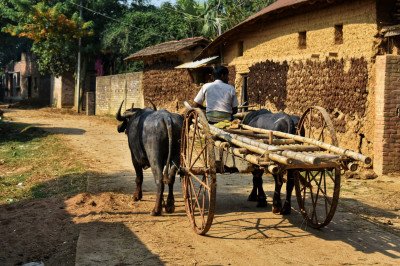
Real Govinahalli Village
Some quick example text to build on the card title and make up the bulk of the card's content.
Go somewhere
Shravanabelagola
Some quick example text to build on the card title and make up the bulk of the card's content.
Go somewherein Other Cities